15 Strange Things Found in Old Libraries
Libraries have always served as more than repositories for books. These quiet sanctuaries accumulated bizarre items over centuries, hidden in dusty corners, forgotten storage rooms, and tucked between ancient texts. Medieval manuscripts to modern mysteries—librarians discovered objects that’d make seasoned curators do double-takes.
Here is a list of 15 strange things that have turned up in old libraries around the world, proving truth really can be stranger than fiction.
Medieval Chain Mail

Boston Public Library once housed complete medieval chain mail, donated during the 1800s. The armor sat in storage for decades until librarians rediscovered it during routine inventory. Nobody could remember how it got there, though records showed it came from a wealthy patron’s estate—part of ‘various historical artifacts’ bundled with rare books.
A Mummified Cat
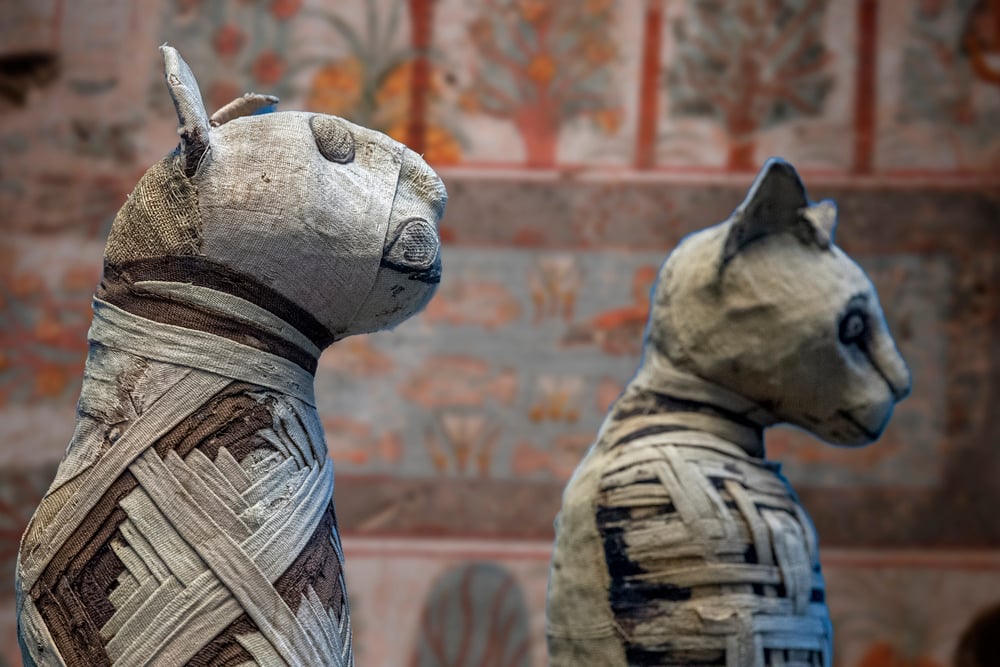
Staff at an English library found a mummified cat wedged behind shelving in 2019 during renovation work. The feline had apparently been there over a century—perfectly preserved by dry conditions and limited air circulation. Victorian builders sometimes placed cats in walls as good luck charms, and this one somehow made its way into the library’s architecture.
Live Bees in the Walls

Pittsburgh’s Carnegie Library discovered an entire beehive living inside their walls during 1990s renovation. These industrious insects had quietly made honey between brick and plaster for an estimated 20 years. Beekeepers were called to safely relocate the colony—which had grown to over 60,000 bees.
A Victorian-Era Wedding Dress
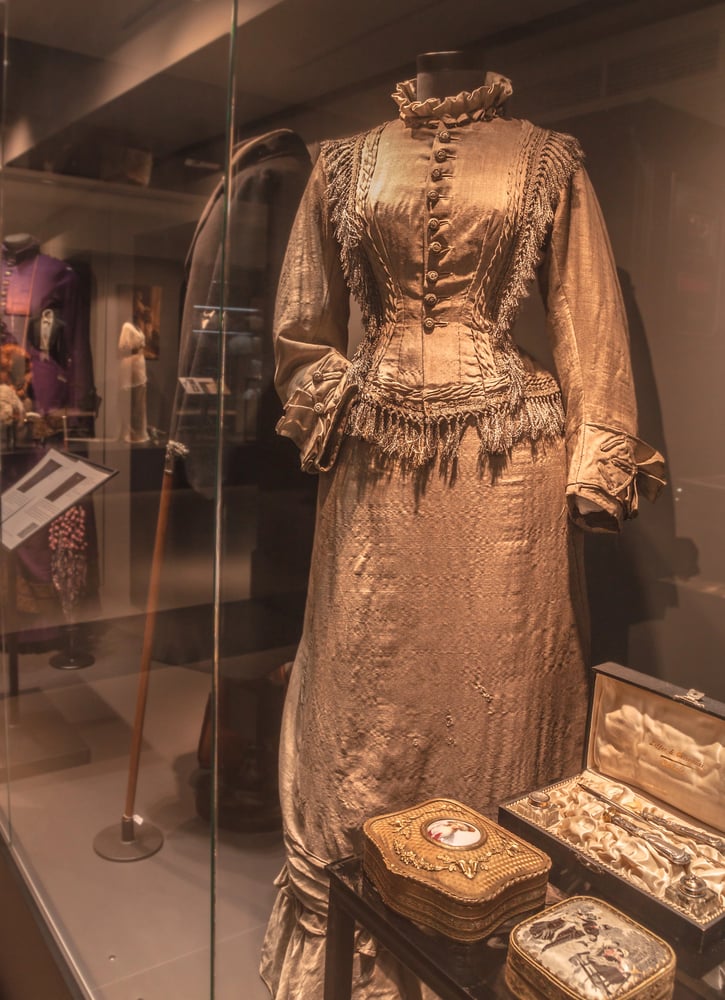
— Photo by olesia
Yale’s Sterling Memorial Library staff found a pristine Victorian wedding dress tucked in storage, complete with veil and gloves. The gown was carefully wrapped in tissue paper, stored in a cedar chest alongside family papers. A graduate had donated her great-grandmother’s dress with the family’s manuscript collection back in the 1920s.
Ancient Roman Coins

Workers discovered Roman coins dating to 200 AD hidden in wall cavities during Oxford’s Bodleian Library renovation. The coins were likely placed during the building’s 1600s construction—when such artifacts commonly served as foundation deposits for good luck. Each coin remained remarkably well-preserved despite centuries in the walls.
A Human Skull
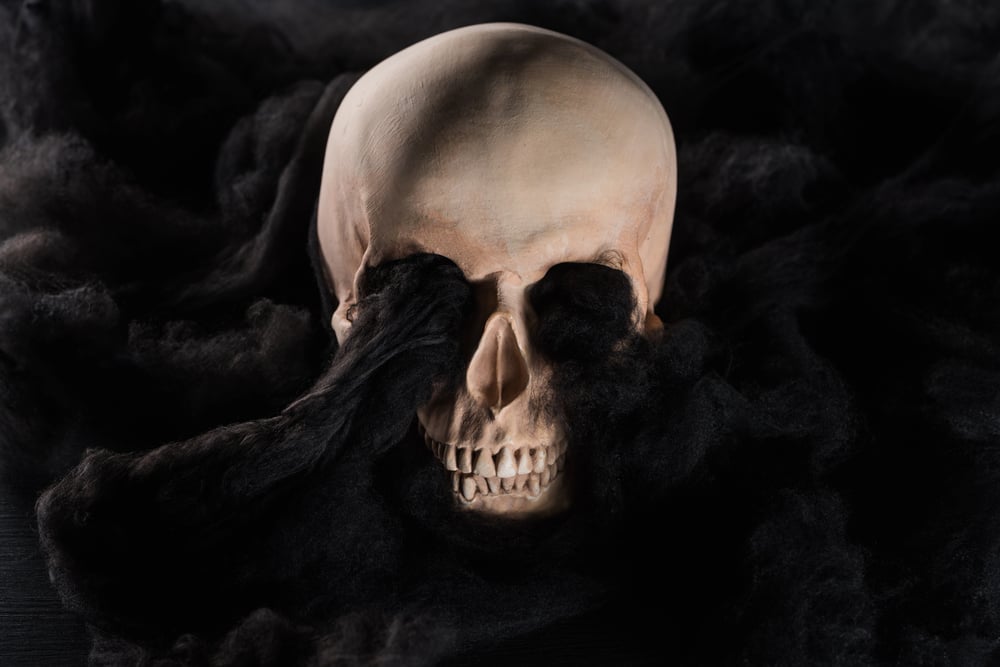
The University of Edinburgh’s library made headlines when staff found a human skull in a basement filing cabinet. The skull appeared several centuries old—likely part of a medical collection transferred to the library sometime during the 1800s. University officials worked with authorities to determine origins and ensure proper handling.
Pressed Flowers from the 1600s
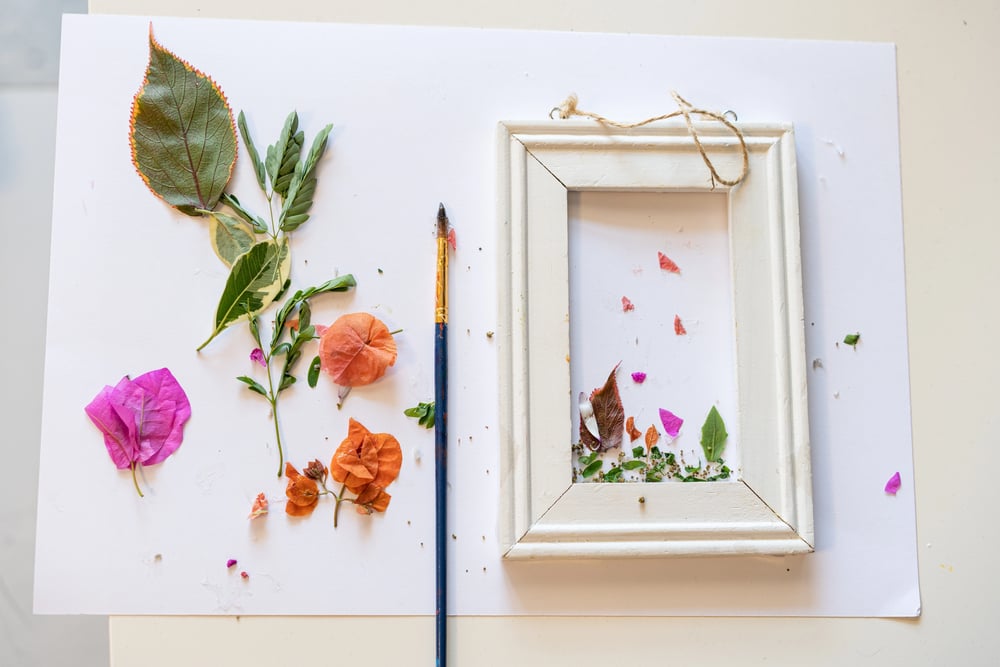
Harvard library conservators discovered perfectly preserved pressed flowers between pages of a 17th-century botanical manuscript. These delicate specimens maintained their color and shape for over 400 years—creating an unexpected time capsule of Renaissance plant life. Each flower remained identifiable by species, providing valuable insights into historical horticulture.
A Collection of Glass Eyes

The New York Public Library’s archives contained a peculiar donation: a complete collection of Victorian-era glass eyes in various colors and sizes. The collection came from a 19th-century ocularist’s family—including detailed craftsmanship notes. Glass eyes ranged from basic brown and blue to unusual green and hazel varieties.
Medieval Torture Devices
— Photo by hecke06
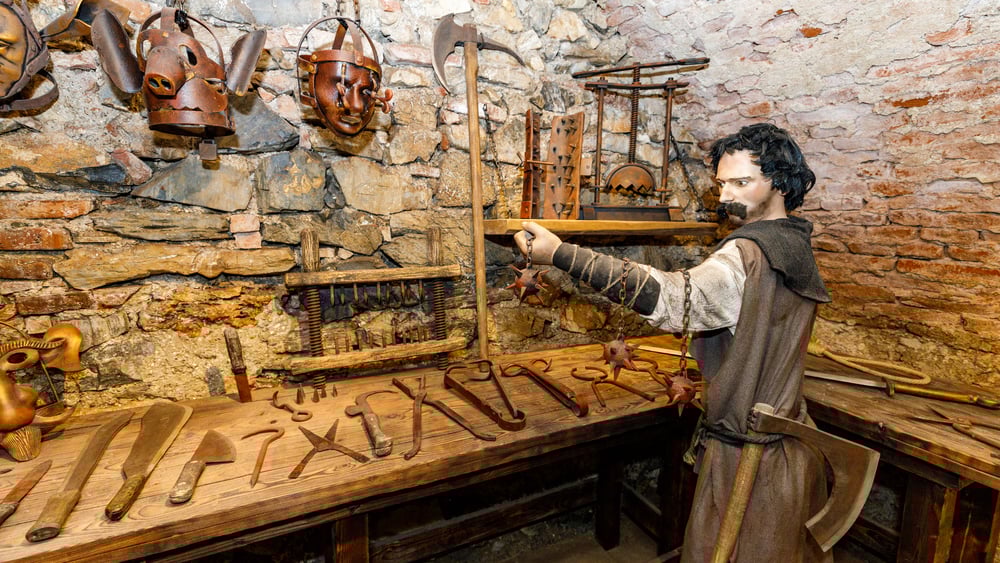
German university library staff discovered several medieval torture devices hidden in their basement since World War II. Items had been moved from a local museum for wartime safekeeping, then forgotten. The collection included thumbscrews, iron maidens, and restraining devices—providing grim glimpses into medieval justice systems.
A Fossilized Dinosaur Egg
— Photo by martinleber@hotmail.com
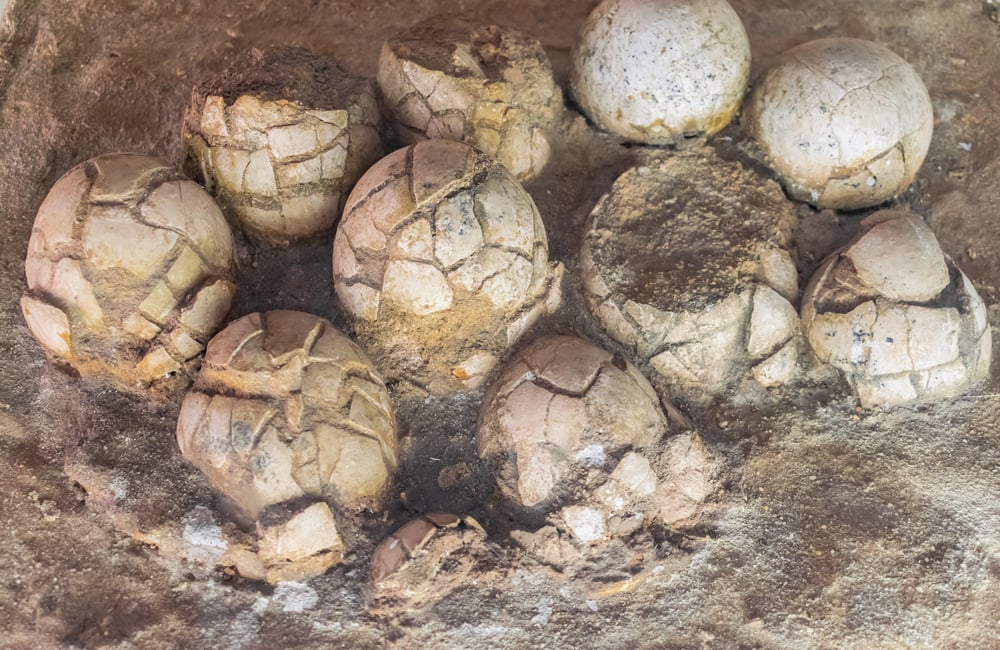
University of Chicago’s library system turned up a fossilized dinosaur egg that’d been mislabeled and stored with geological specimens for 50 years. The football-sized egg was eventually identified as belonging to a hadrosaur species from the Cretaceous period. It came donated with a paleontologist’s personal library and research materials.
Victorian Mourning Jewelry

Brown University librarians discovered extensive Victorian mourning jewelry hidden in a desk drawer. The pieces included lockets containing braided hair, cameo brooches, and rings inscribed with memorial dates. This jewelry was popular in the 1800s for remembering deceased loved ones and had been donated with family papers.
A Collection of Dentures

Perhaps more unsettling was a Scottish library’s discovery of dozens of denture sets dating from the 1800s to 1950s. The false teeth had belonged to a dental college’s teaching collection before somehow ending up in library storage. Each set carried careful labels noting materials and construction techniques.
Ancient Egyptian Papyrus Fragments
— Photo by toloB
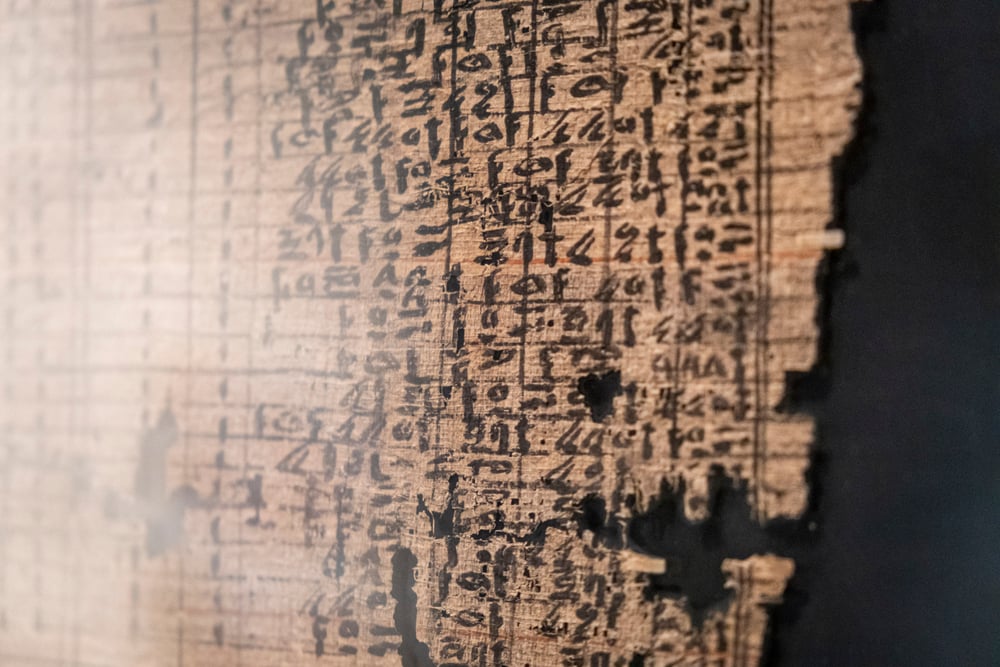
University of Pennsylvania’s library system revealed ancient Egyptian papyrus fragments that had been used as packing material for other manuscripts decades earlier. These scraps contained hieroglyphic writing and were later identified as parts of important historical documents. The papyrus survived inadvertently because nobody initially realized their significance.
A Preserved Human Heart

In what might be the most macabre discovery, an Irish library found a preserved human heart in an alcohol jar stored among rare books. The heart belonged to a 19th-century poet and was preserved according to his dying wishes. His family donated literary works to the library, apparently including more than written words.
A Time Capsule from 1887
— Photo by clintonweaverphotos
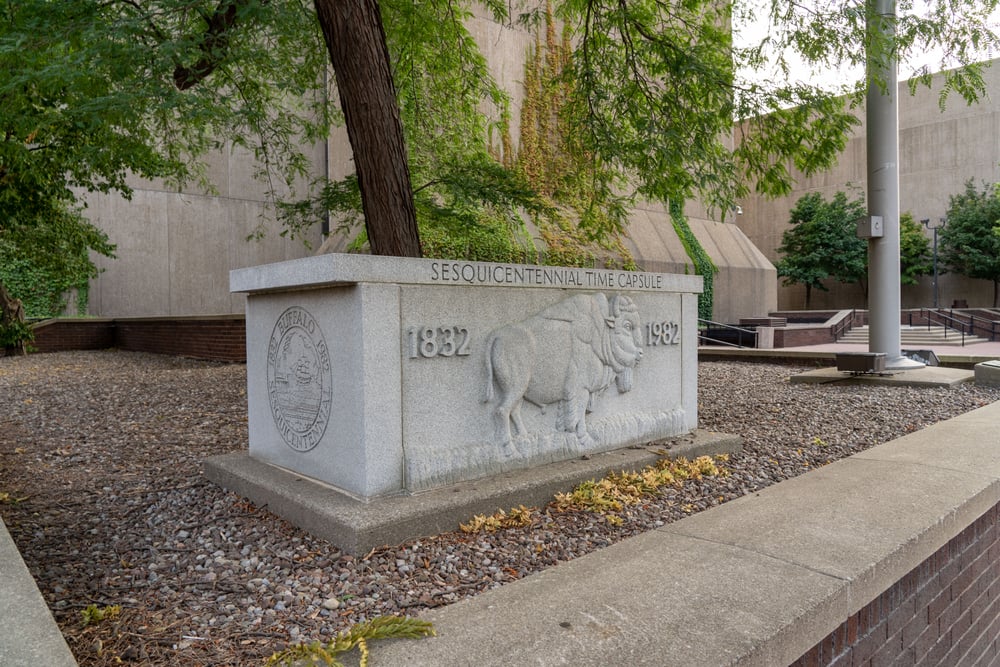
Seattle Public Library discovered a time capsule sealed in 1887 during renovation work on the original building construction. The capsule held newspapers, photographs, coins, and letters from city residents describing hopes for the future. Among items was a letter predicting people would someday carry ‘talking machines’ in their pockets, showing remarkable foresight about mobile phones.
Where Knowledge Meets Mystery

These discoveries remind us that libraries served as gathering places for far more than books and documents. They’ve functioned as repositories for human curiosity, family treasures, and sometimes plain oddities people didn’t know what else to do with. Each strange find tells stories about people who came before us and their relationship with knowledge, preservation, and institutions they trusted to safeguard legacies. The next time you walk through library halls, remember that behind orderly shelves and catalog systems lies a world where the unexpected always found a home.
More from Go2Tutors!

- 16 Historical Figures Who Were Nothing Like You Think
- 12 Things Sold in the 80s That Are Now Illegal
- 15 VHS Tapes That Could Be Worth Thousands
- 17 Historical “What Ifs” That Would Have Changed Everything
- 18 TV Shows That Vanished Without a Finale
Like Go2Tutors’s content? Follow us on MSN.



