16 Famous TV Show Houses That Are More Iconic Than the Shows Themselves
Television has a way of creating places that feel more real than reality. Walk down certain streets, and you’ll swear you’ve been there before — not because you have, but because you spent years watching someone else live there.
The strange thing about iconic TV houses is how they outlast the stories that made them famous. Long after the final credits roll and the actors move on to other projects, these homes remain frozen in time, instantly recognizable to anyone who grew up with them flickering on their screen.
Some houses become so embedded in pop culture that they transcend their original purpose entirely. They become tourist destinations, Halloween costumes, and real estate fantasies all at once.
The shows that featured them might fade from memory, but the houses stick around, stubbornly iconic in ways their creators probably never anticipated.
The Brady Bunch House
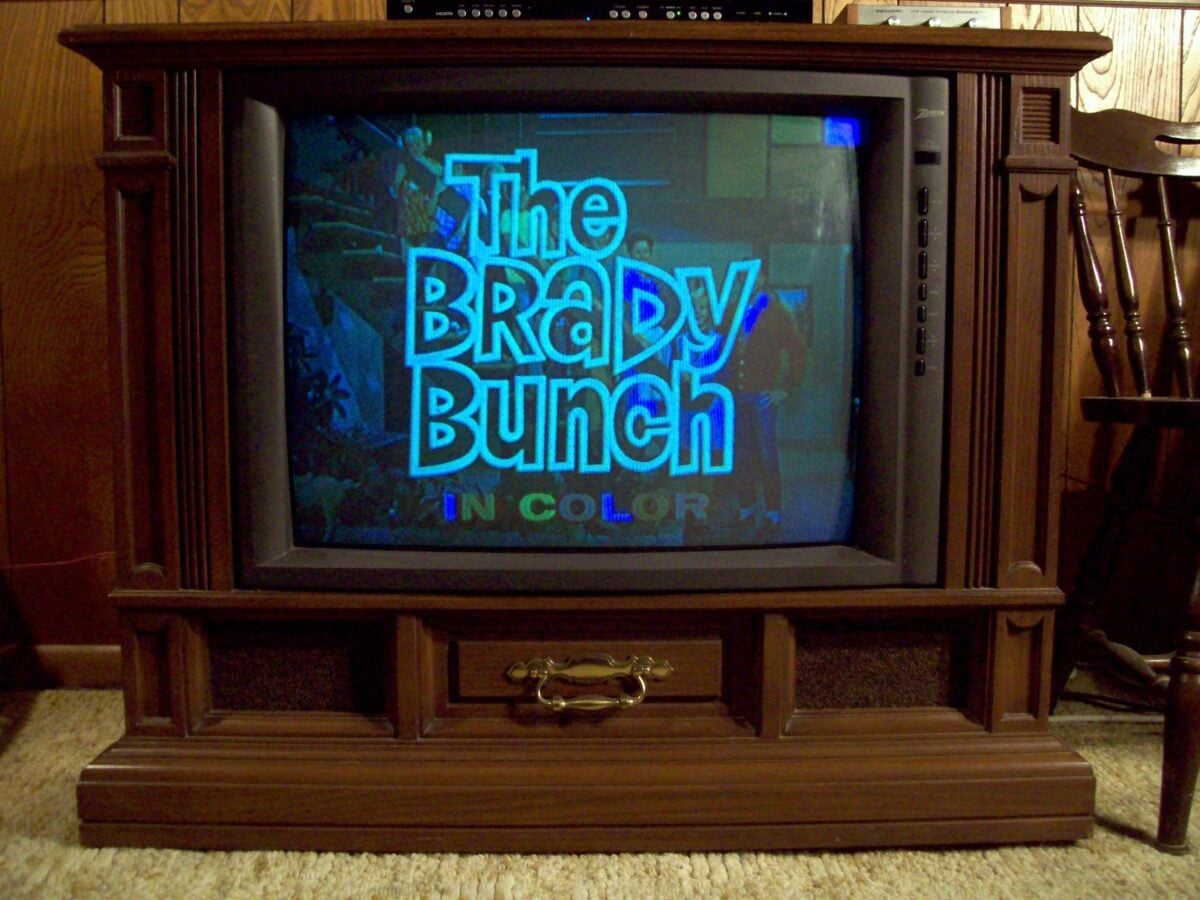
The Brady family home in Studio City, California, achieved something most TV houses never manage: it became more famous than the people who supposedly lived there. The exterior shot, with its distinctive single-story mid-century ranch style and that unmistakable 1970s suburban feel, has been seared into the collective American consciousness for decades.
What makes this particularly remarkable is that the interior scenes were filmed on a soundstage miles away — the actual house had a completely different layout inside. But that disconnect never mattered to viewers who could identify that distinctive facade from a single glance.
The house sold in 2018 for well above market value, and HGTV promptly renovated the interior to match the fictional Brady home, adding a second story in the process. Which tells you everything you need to know about which version people considered “real.”
The Simpsons House
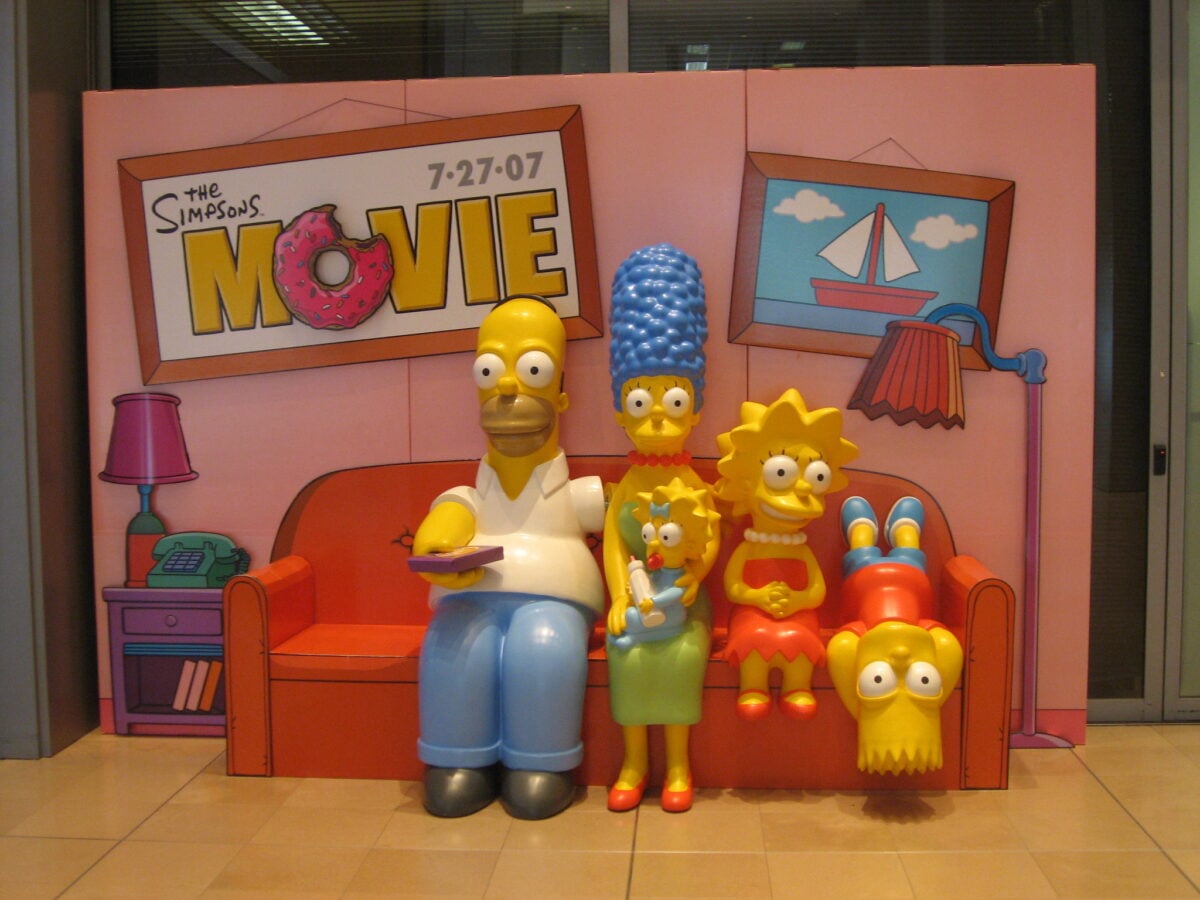
A cartoon house shouldn’t be able to compete with actual architecture for iconic status. Yet here we are, in a world where The Simpsons’ 742 Evergreen Terrace has become one of the most recognizable homes in television history — despite existing only in animation.
The two-story colonial with its red door and perpetually perfect lawn represents something deeper than just where Homer, Marge, and the kids lived. It’s the platonic ideal of American suburban life, complete with all its contradictions and imperfections.
Real-life replicas have been built multiple times, and the fact that people know exactly what Bart’s bedroom window looks like says something about the power of animated architecture to lodge itself in our brains.
1600 Pennsylvania Avenue from The West Wing

Aaron Sorkin’s White House wasn’t the real White House, but it felt more presidential than the actual building for seven seasons. The West Wing created a version of America’s most famous address that was simultaneously more idealistic and more accessible than reality — a place where brilliant people worked tirelessly on behalf of the country, and where viewers could walk the halls alongside them.
The show’s meticulous attention to recreating the layout and feel of the real West Wing meant that millions of Americans learned their way around the presidential workplace through television. And here’s the thing: for many viewers, Sorkin’s version became the definitive White House, the one they pictured when they thought about American political power.
The actual building suddenly seemed less real by comparison.
The Addams Family Mansion
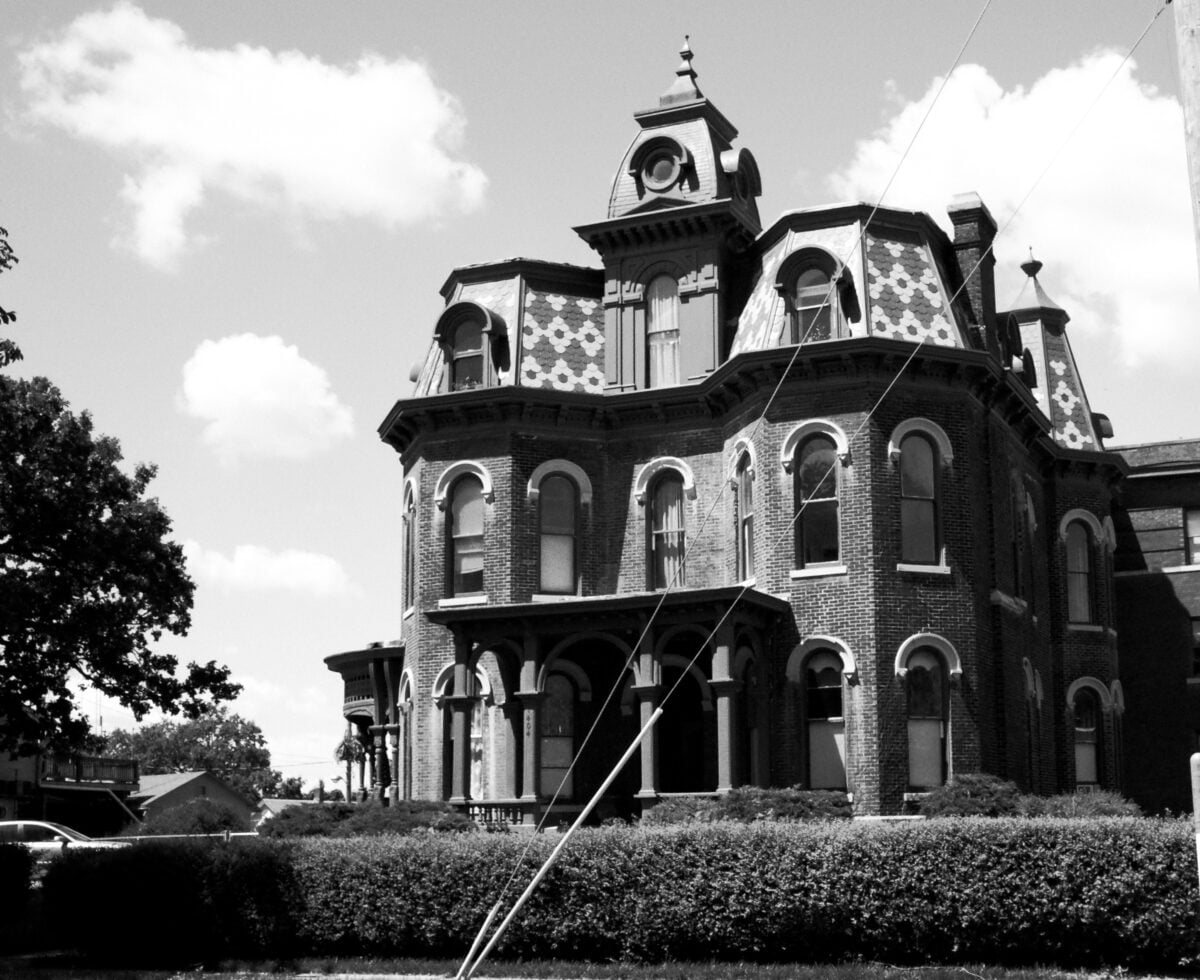
Gothic Revival architecture was never meant to be this welcoming. But the Addams family mansion, with its towers and turrets and perpetually stormy atmosphere, managed to become one of television’s most beloved homes precisely because it was so thoroughly uninviting to everyone else.
Every Halloween, you’ll see versions of this house recreated in suburban front yards across America. The mansion’s ability to be simultaneously creepy and cozy — a place where the macabre felt like home — struck a chord that went far beyond the show’s original run.
It proved that the right house could make any family seem normal, even one that considered torture instruments appropriate living room decor.
Cheers Bar
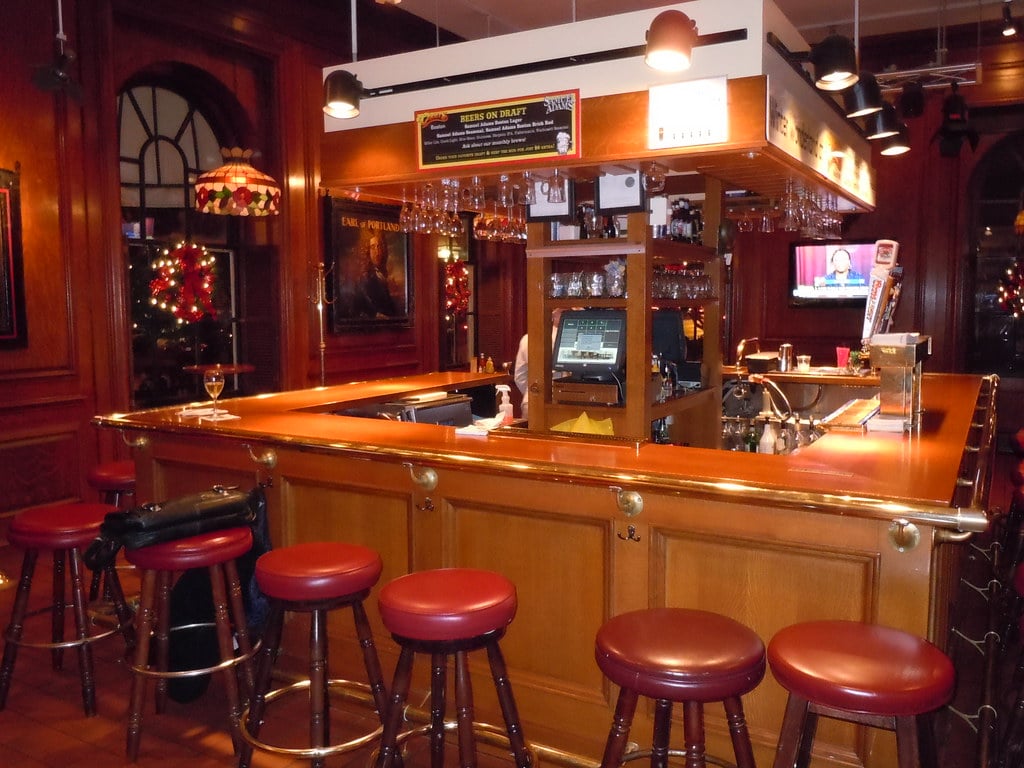
Technically, it’s not a house, but the bar “where everybody knows your name” functioned as home for its characters — and for viewers who tuned in religiously every week. The Cheers set, with its distinctive layout and that central bar where Sam polished glasses and dispensed wisdom, became as familiar as any living room.
The real bar that inspired the exterior shots (the Bull & Finch Pub in Boston) became a tourist destination that trades almost entirely on its connection to the show. But it’s the interior set that people remember, the one that existed only on a soundstage and in reruns.
That’s the “real” Cheers — the place that felt like home to millions of people who never actually set foot inside it.
The Fresh Prince of Bel-Air Mansion
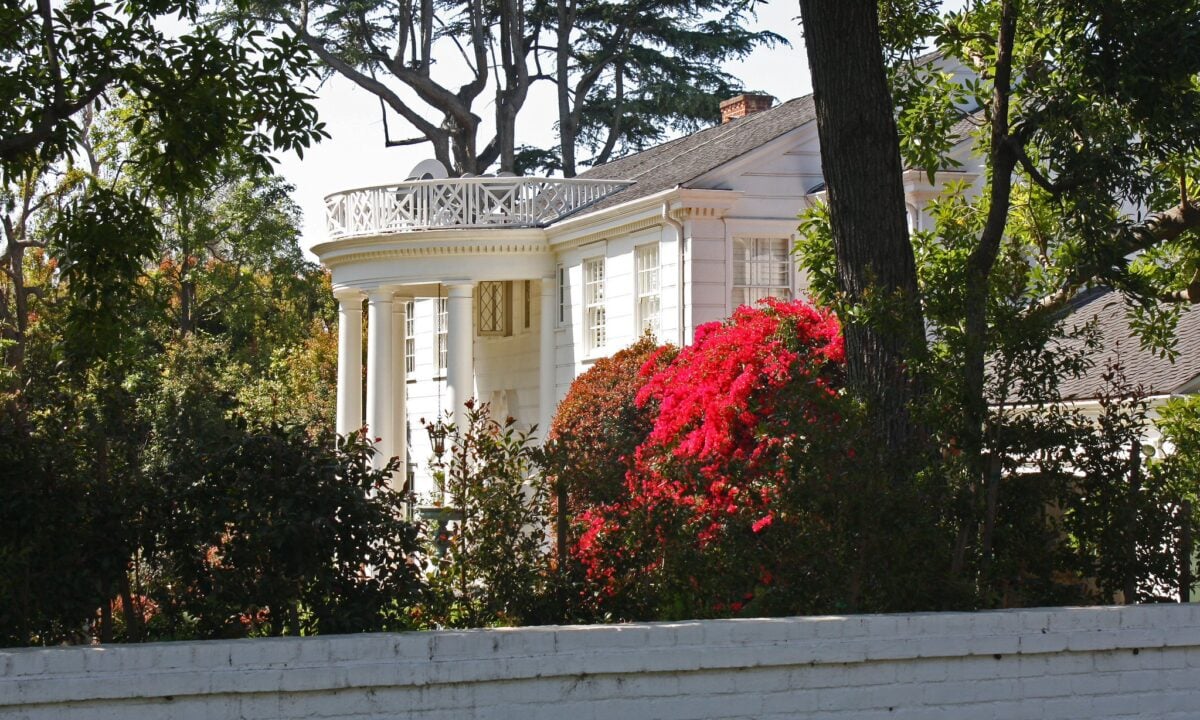
That Bel-Air mansion wasn’t just where Will Smith’s character lived; it was a monument to a particular kind of American success story. The palatial estate, with its grand entrance and pristine landscaping, represented everything that Will’s Philadelphia upbringing wasn’t — and everything the show was really about underneath all the comedy.
The house became shorthand for “making it” in a way that transcended the show itself. When people reference The Fresh Prince today, they’re often thinking as much about that mansion as they are about Will Smith’s performance.
It embodied the gap between where the character came from and where he ended up, making the physical space as important as any dialogue.
The Munsters House
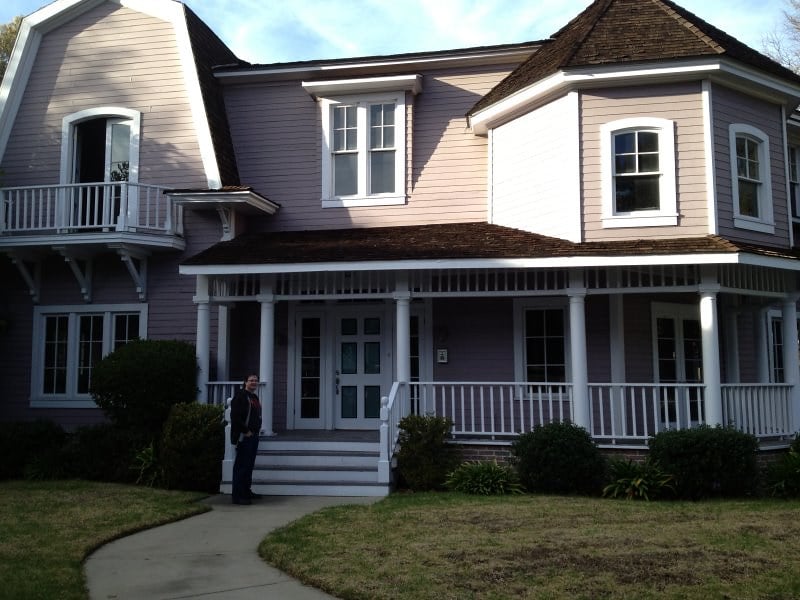
Universal Studios knew what they were doing when they built the Munster family home on their backlot. The Victorian Gothic mansion, complete with its wrought-iron fence and perpetually gloomy atmosphere, was designed to be the perfect counterpoint to the family’s oblivious cheerfulness about their monstrous appearance.
But the house took on a life of its own, becoming a template for every “scary” house in popular culture that followed. Its influence can be seen in everything from theme park attractions to suburban Halloween decorations. The Munsters might have been a sitcom, but their house helped define what Americans think a haunted house should look like — which is to say, exactly like the place where a perfectly nice monster family would want to live.
Leave It to Beaver House
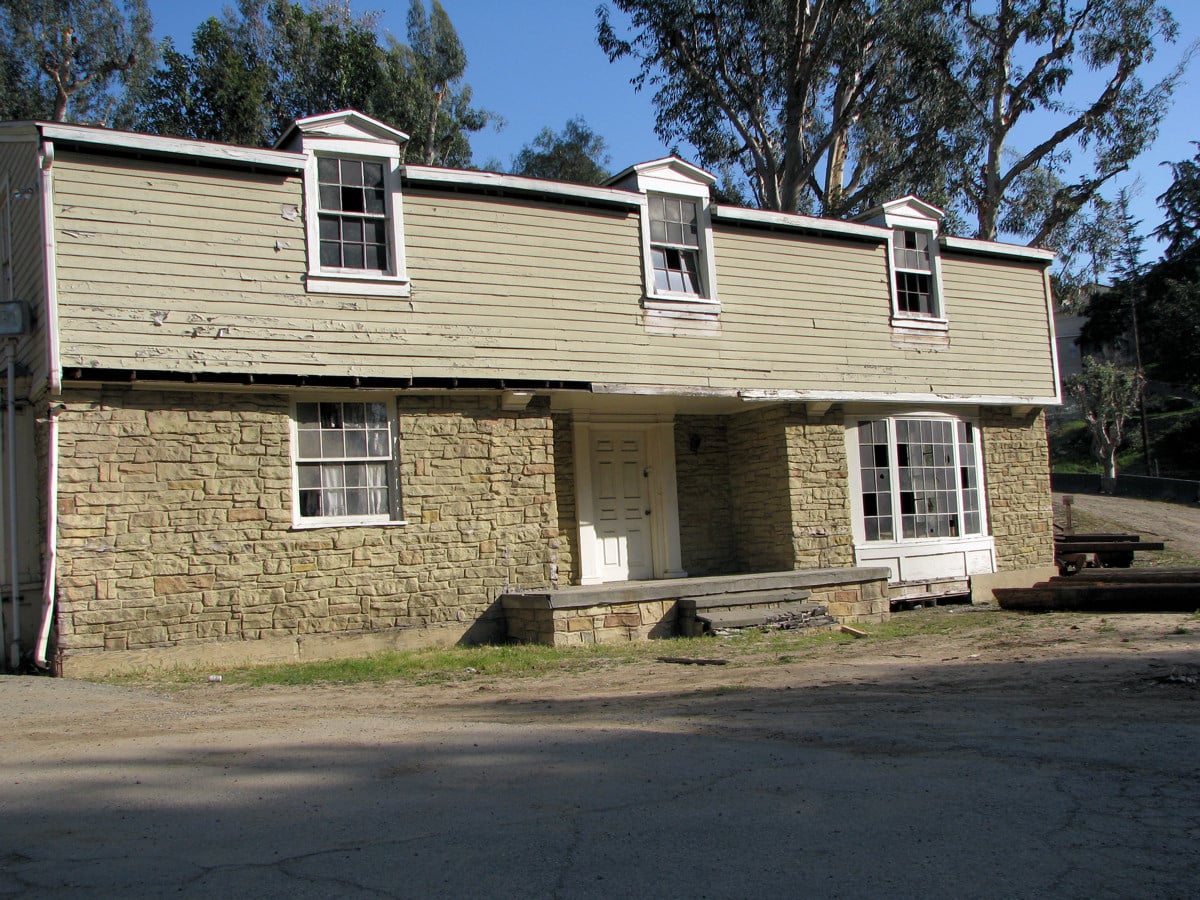
The Cleaver family home in Mayfield represents something that probably never existed in reality but feels more real than most actual places: the perfect 1950s American suburb. The two-story colonial with its white picket fence and tree-lined street became the visual definition of postwar prosperity and family values.
What’s remarkable is how this house has maintained its iconic status even as the social ideals it represented have been questioned and re-examined over the decades. The Leave It to Beaver house exists in our collective memory as a kind of time capsule — a reminder of what we once thought the American dream looked like, for better or worse.
Gilligan’s Island Huts
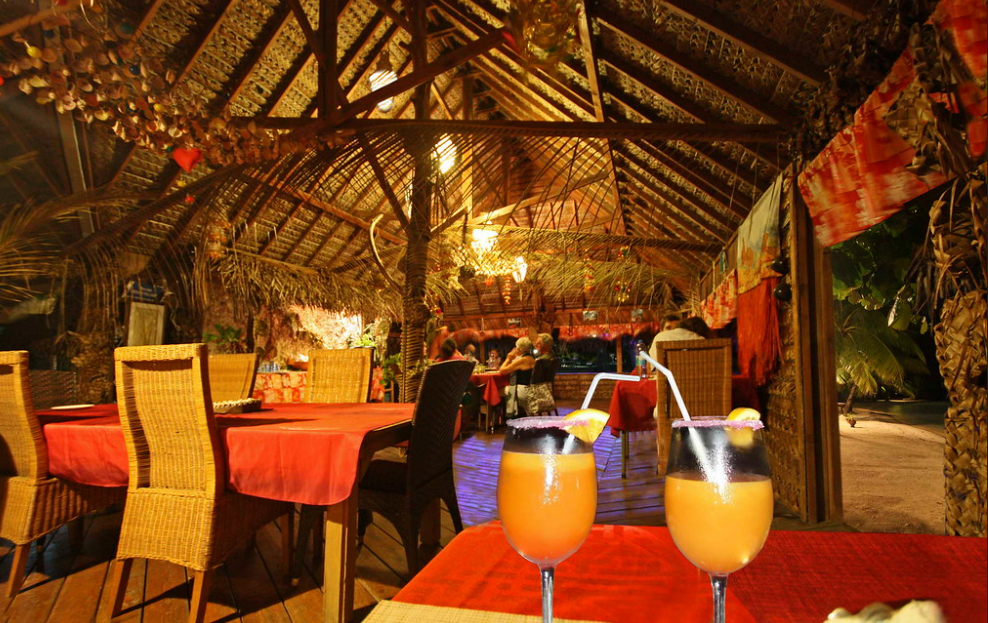
A collection of bamboo huts and makeshift shelters shouldn’t qualify as iconic architecture. But the castaways’ island accommodations on Gilligan’s Island achieved something that actual resort designers spend millions trying to replicate: they made being stranded look appealing (well, the castaways were an entirely different story, and frankly speaking, that’s a separate article altogether, because some of them — like Ginger Grant and Mary Ann Summers — were probably more iconic than the show itself, too).
The island’s DIY aesthetic, with its creative use of natural materials and that central common area where the castaways gathered, became a template for tropical escapism in popular culture. Every tiki bar and island-themed restaurant that followed owes something to the visual language established by those ramshackle huts on a fictional Pacific island.
The Waltons House
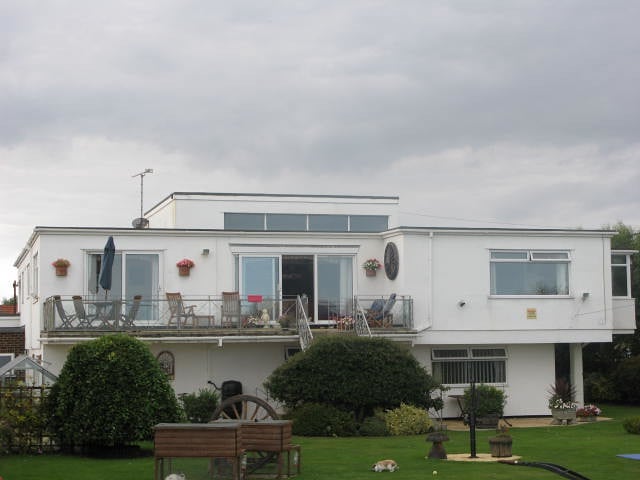
The Walton family homestead on Walton’s Mountain wasn’t just where the family lived; it was a character in its own right, representing a way of life that felt both nostalgic and aspirational. The rambling farmhouse with its wide front porch and multiple generations living under one roof became the visual embodiment of what extended family could look like.
The house’s ability to contain an entire multigenerational clan without feeling cramped spoke to something deeper about community and family bonds. Every “goodnight” scene, with voices calling out from different rooms throughout the house, reinforced the idea that this was a place where everyone belonged and had their place.
The Honeymooners Apartment

Ralph and Alice Kramden’s spartan Brooklyn apartment proved that a TV home didn’t need to be aspirational to be memorable. The bare-bones kitchen with its simple table and chairs, the icebox that was actually an icebox, and the complete absence of anything resembling luxury — this was television acknowledging that not everyone lived like the families in other shows.
But that apartment’s honesty made it more iconic than grander TV homes. It felt real in a way that mattered, and Jackie Gleason’s performance made that cramped space feel both confining and cozy.
The apartment became a symbol of working-class dignity, proving that the right characters could make any space feel like home.
The Partridge Family House

The Partridge family’s suburban home managed to be both completely ordinary and utterly distinctive — a neat trick for a house that was essentially just another California ranch-style home. What made it memorable wasn’t the architecture but the energy that seemed to radiate from within, the sense that this was where a family band lived and practiced and somehow made it all work.
The house became associated with a particular kind of 1970s family optimism, the idea that creativity and music could flourish in suburbia. Every garage band that followed probably dreamed of having what the Partridges had: a family that supported their musical ambitions and a house where those ambitions felt achievable.
The Beverly Hillbillies Mansion
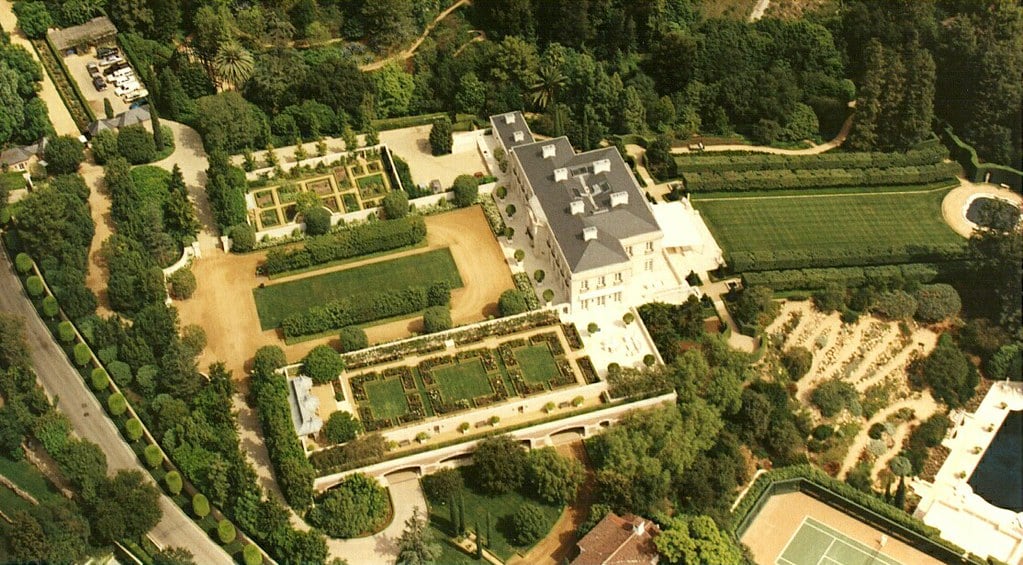
The Clampett family’s Beverly Hills estate was all about the collision between old money elegance and new money confusion (though by a stroke of fortune, their new money came from oil discovered on their old property, a detail that somehow made their wealth feel both earned and accidental). That massive mansion, with its formal gardens and palatial interiors, became a stage for exploring what happens when simple people find themselves in complicated places.
What made the house iconic wasn’t its grandeur — plenty of TV shows have featured big houses — but the way it highlighted the disconnect between the family’s values and their new environment. The mansion was beautiful, but it never quite felt like home to the Clampetts, and that tension became part of the show’s enduring appeal.
I Dream of Jeannie Bottle

Technically, it’s not a house, but Jeannie’s bottle functioned as her home, complete with luxurious furnishings and that distinctive pink and purple color scheme. The bottle’s interior, revealed in various episodes, was more opulent than most TV mansions — all silk cushions and ornate decorations crammed into an impossible space.
The bottle became a symbol of hidden luxury and feminine power, a place where Jeannie could be herself without having to navigate the restrictions of 1960s society. That tiny space contained multitudes, and viewers never questioned how it all fit together. Sometimes the most iconic homes are the ones that openly defy logic.
The Flintstones House
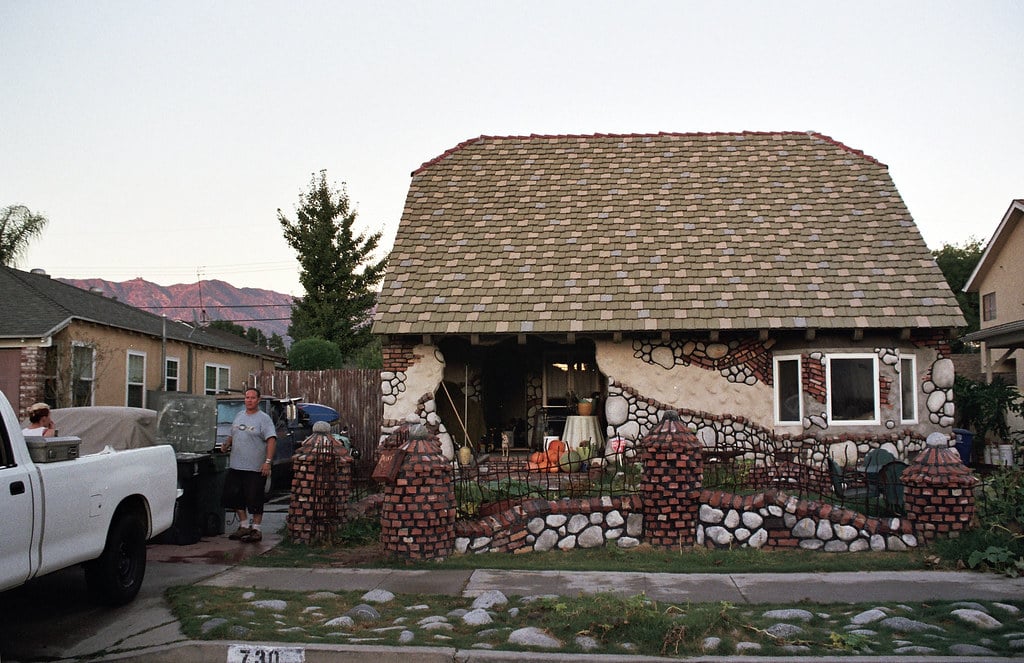
A Stone Age ranch house shouldn’t make architectural sense, but the Flintstones’ Bedrock home became one of television’s most recognizable dwellings anyway. The house, carved from solid rock with its distinctive angular design and prehistoric-meets-modern aesthetic, created a visual language that was both ancient and contemporary.
What made the Flintstones house work was how it managed to be both exotic and familiar. The layout was pure suburban ranch, but the materials and construction methods were pure fantasy.
The result was a home that felt like a place where modern families could live, if modern families happened to exist in a world where dinosaurs did the housework.
Green Acres Farmhouse
Oliver and Lisa Douglas’s ramshackle farmhouse represented the collision between urban sophistication and rural reality in the most visual way possible. The run-down farmhouse with its tilting walls and questionable electrical system was the perfect counterpoint to the couple’s Park Avenue expectations.
The house became a character in its own right, constantly falling apart at the worst possible moments and never quite living up to Oliver’s dreams of agricultural success. Its stubborn refusal to be improved or modernized made it an icon of rural authenticity — the kind of place that looked terrible in real estate photos but somehow grew on you over time.
Where Memory Lives

These houses have outlasted their shows because they represent something television does better than almost any other medium: they make us feel at home in places we’ve never been. They become part of our mental furniture, spaces we can navigate in our sleep and return to whenever we need the comfort of somewhere familiar.
The shows might end, but the houses remain, preserved in reruns and cultural memory. They remind us that home isn’t always about the place you come from — sometimes it’s about the places that shaped your imagination, one episode at a time.
More from Go2Tutors!

- The Romanov Crown Jewels and Their Tragic Fate
- 13 Historical Mysteries That Science Still Can’t Solve
- Famous Hoaxes That Fooled the World for Years
- 15 Child Stars with Tragic Adult Lives
- 16 Famous Jewelry Pieces in History
Like Go2Tutors’s content? Follow us on MSN.