16 Fascinating Facts About Submarines
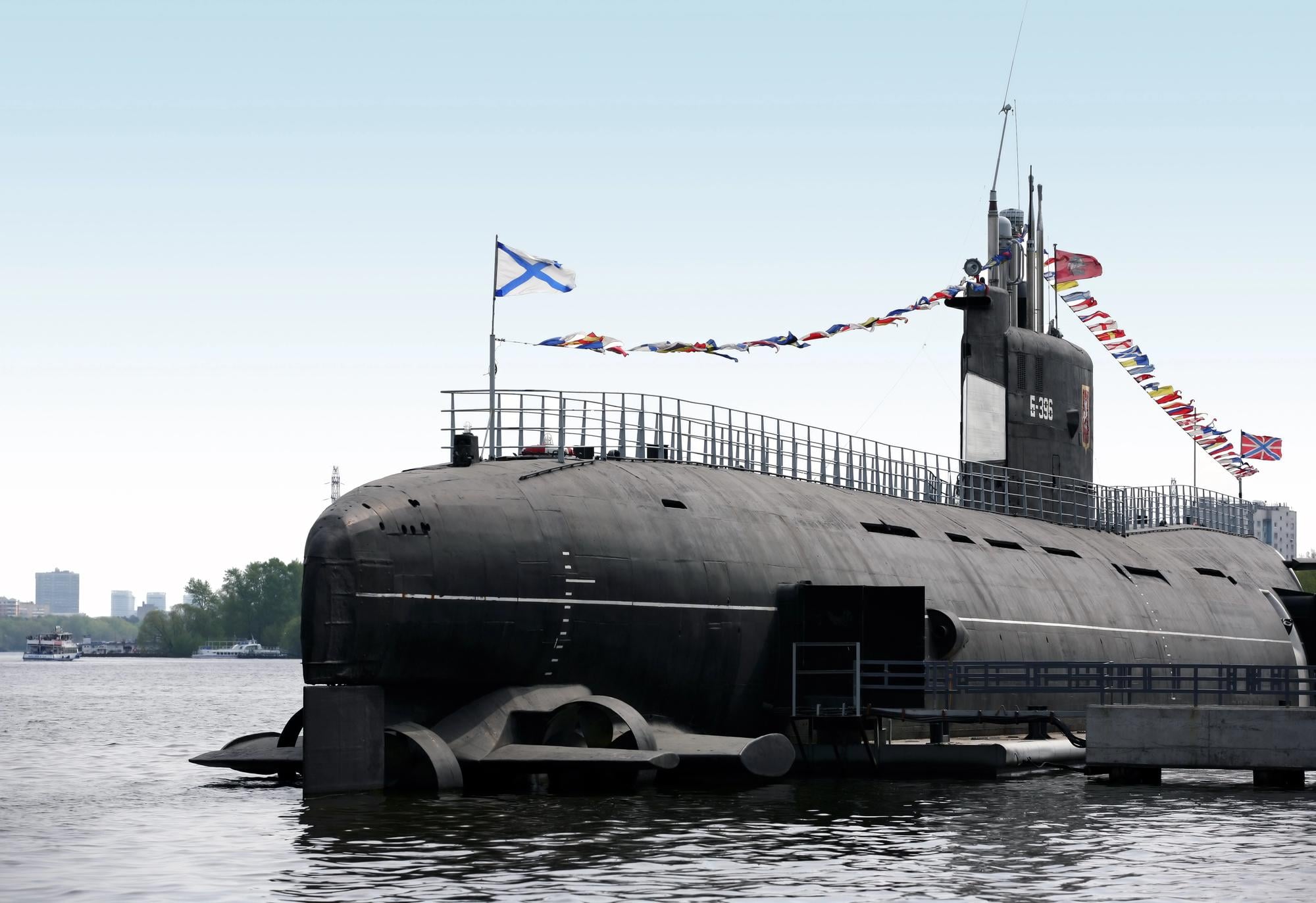
Long before GPS, sonar apps, or digital navigation, submarines were already exploring the silent world beneath the sea. These underwater giants have shaped wars, broken records, and sparked curiosity in every corner of the world.
Let’s dive right into some of the most interesting things about submarines that most people don’t hear about in school.
Submarines don’t actually “sink” in the usual way

People often think submarines just drop down like rocks when they go underwater, but that’s not true. They don’t sink so much as they dive with purpose.
Using special tanks called ballast tanks, submarines fill them with water to become heavier and go down. When it’s time to come up, they push the water out and fill the tanks with air.
This simple but smart method allows them to float or dive without needing much power.
The first military submarine was hand-powered
Way before engines and nuclear reactors, there was a wooden craft called the Turtle. Built in 1775, this odd little sub was operated entirely by hand—using pedals and a crank to move through the water.
It could only fit one person and didn’t have weapons like torpedoes. Instead, it tried to attach bombs to enemy ships.
It didn’t work very well, but it opened the door to the future of underwater warfare.
Nuclear submarines can stay underwater for months
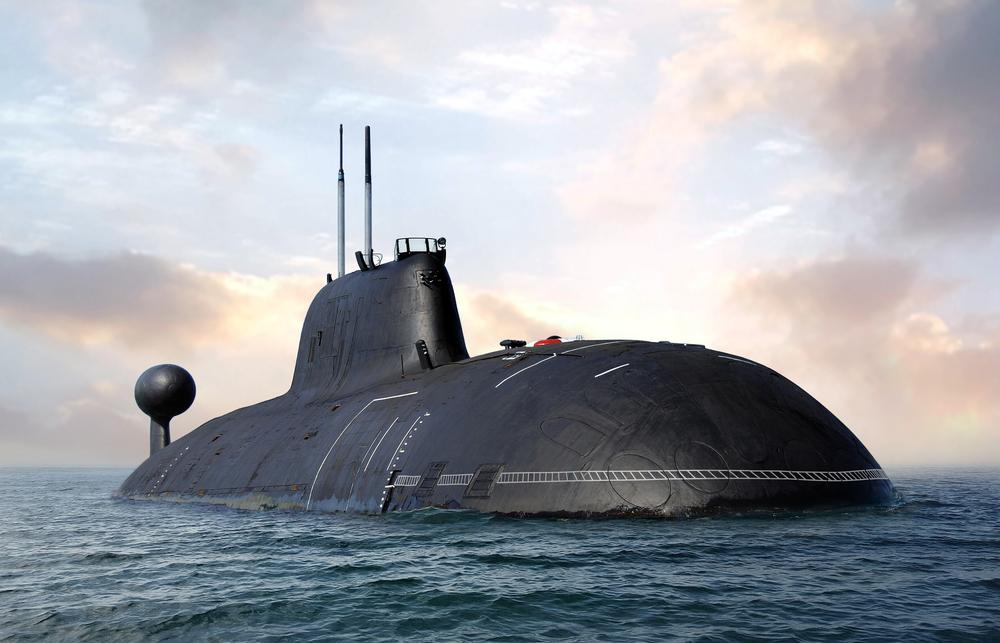
Unlike diesel subs that need to come up often for air, nuclear submarines are built to stay deep for long stretches. Their power source, a nuclear reactor, doesn’t need air like regular engines do.
That means these subs can stay submerged for three months or more, only needing to surface for food or crew changes. It’s like having a moving underwater base that never runs out of power.
They make their own oxygen
Being underwater for weeks isn’t a problem when you can make your own air. Submarines use machines that pull oxygen from the water or split water into hydrogen and oxygen using electricity.
The oxygen is then released into the air for the crew to breathe. It’s a quiet, steady system that keeps everyone alive in a place with no windows or fresh air.
Modern submarines are quieter than a car engine
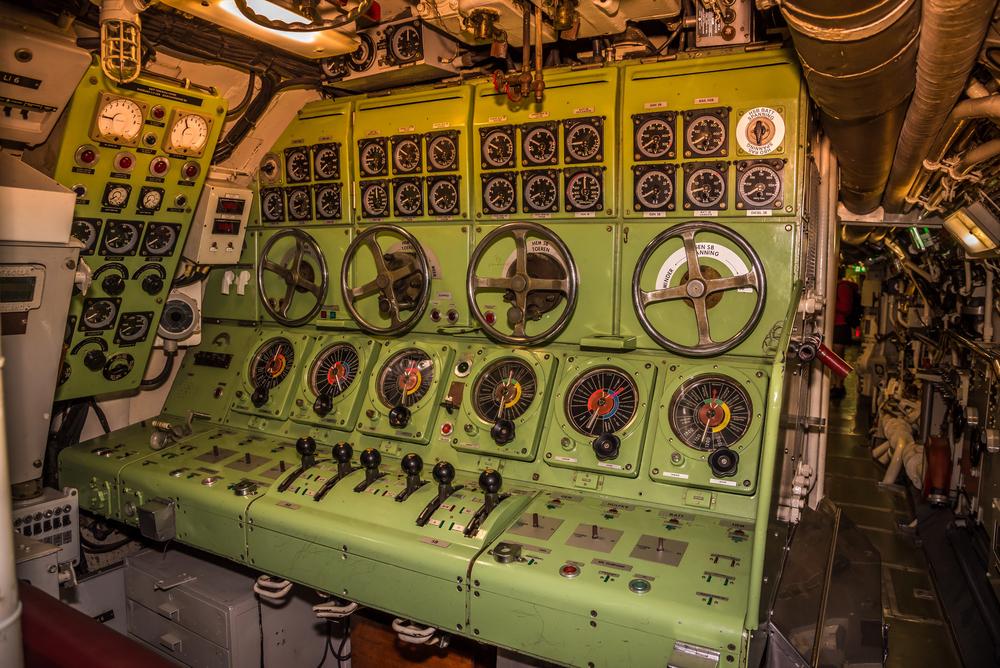
Submarines are built for stealth, and that means staying silent is everything. Newer subs are so quiet that their noise can be lower than the hum of a household fridge.
Engineers use special rubber, sound-absorbing tiles, and quiet motors to make sure the sub can move without being heard. In underwater combat, being quiet can mean the difference between being safe or being found.
Not all submarines are military
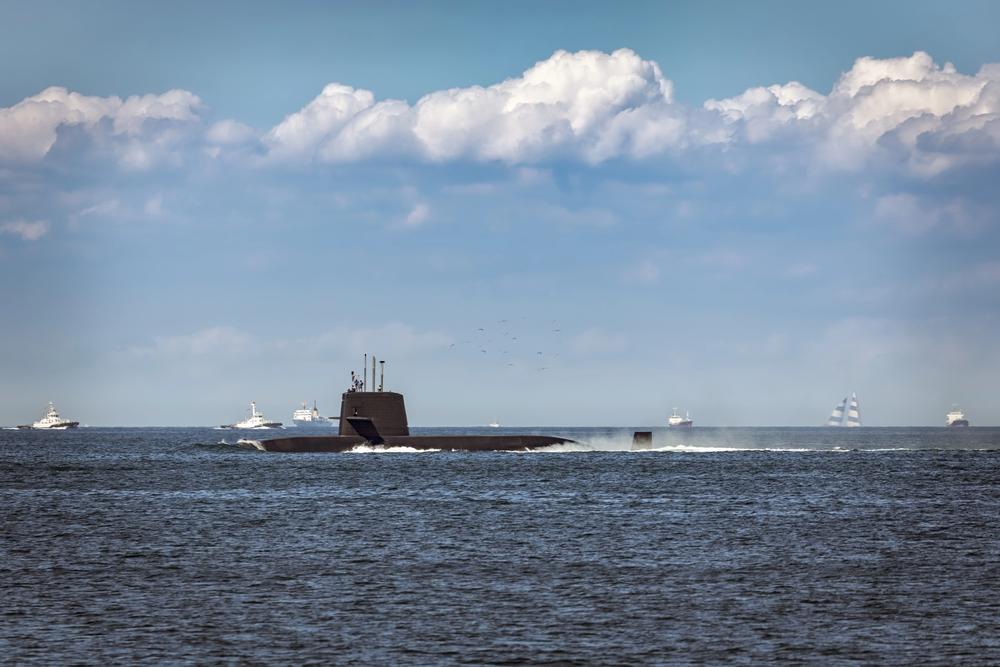
When people think about submarines, war often comes to mind—but many subs are used for peaceful purposes. Research submarines study the deep sea, look at shipwrecks, or explore underwater volcanoes.
Others are built for underwater rescue missions or oil and gas work. These civilian subs help us understand and use the ocean without making any noise about it.
Submarines have escape pods and rescue hatches
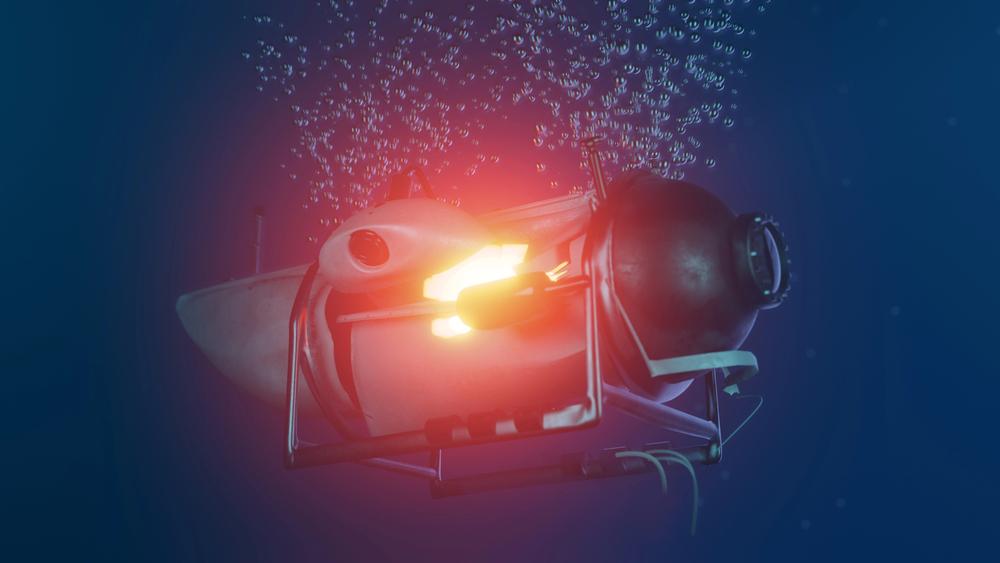
Even though they’re safe most of the time, submarines still prepare for the worst. Many subs have small escape chambers or pods that can help the crew get out if the submarine gets stuck.
They also include special hatches that rescue submarines can attach to. Training for emergencies is a regular part of life on a sub, because you’re in a place where even small mistakes can get serious fast.
The pressure at deep depths is crushing
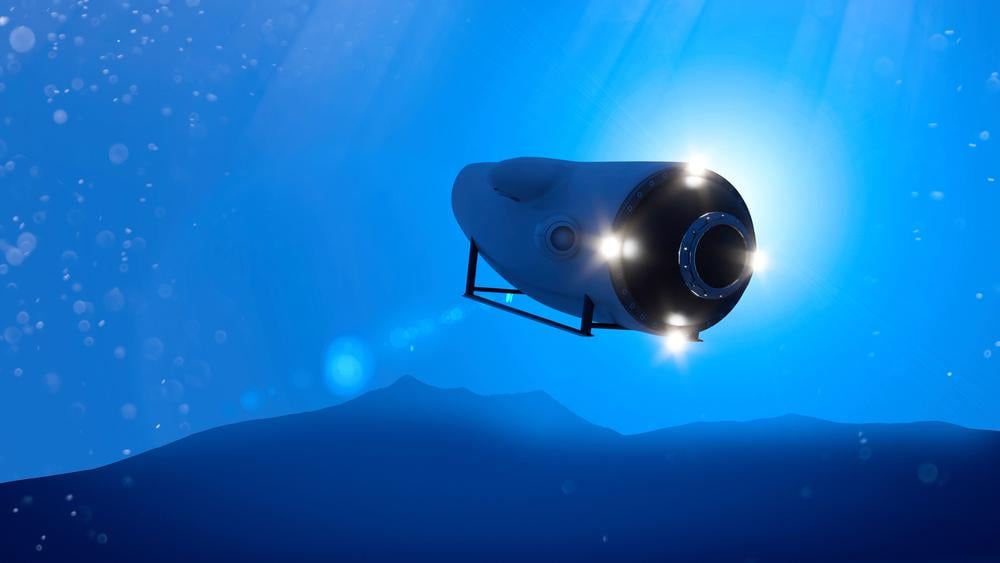
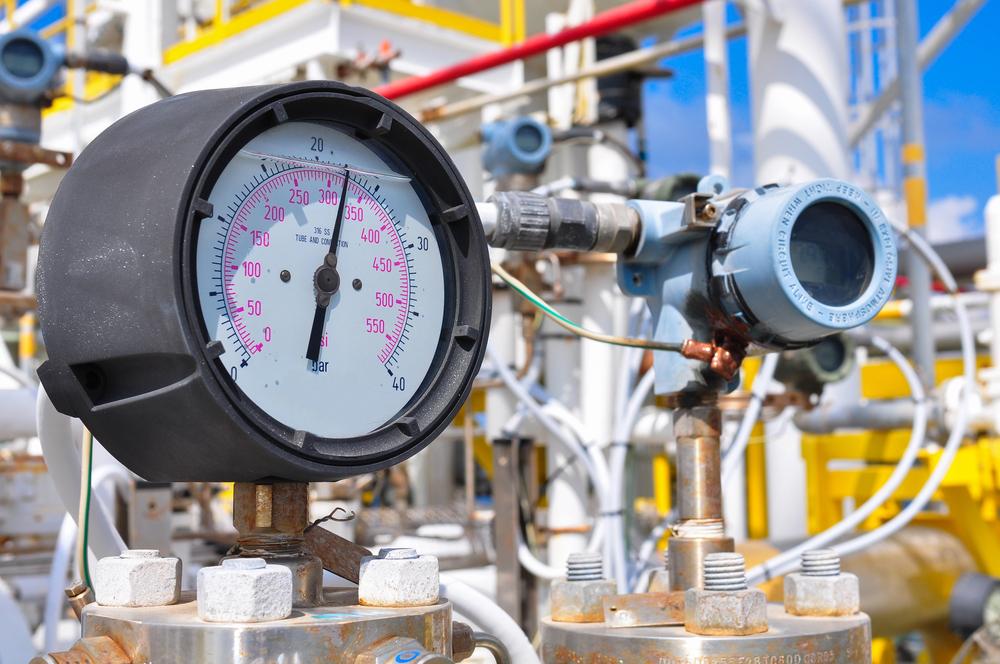
Water pressure increases the deeper you go, and submarines feel it hard. At deep sea levels, pressure can be hundreds of times stronger than at the surface.
That’s why submarines are built with thick metal hulls shaped like cylinders—to spread out the force and keep the sub from being crushed. If a sub goes too deep, the risk of the hull collapsing becomes very real.
World War II saw the biggest growth in submarine use
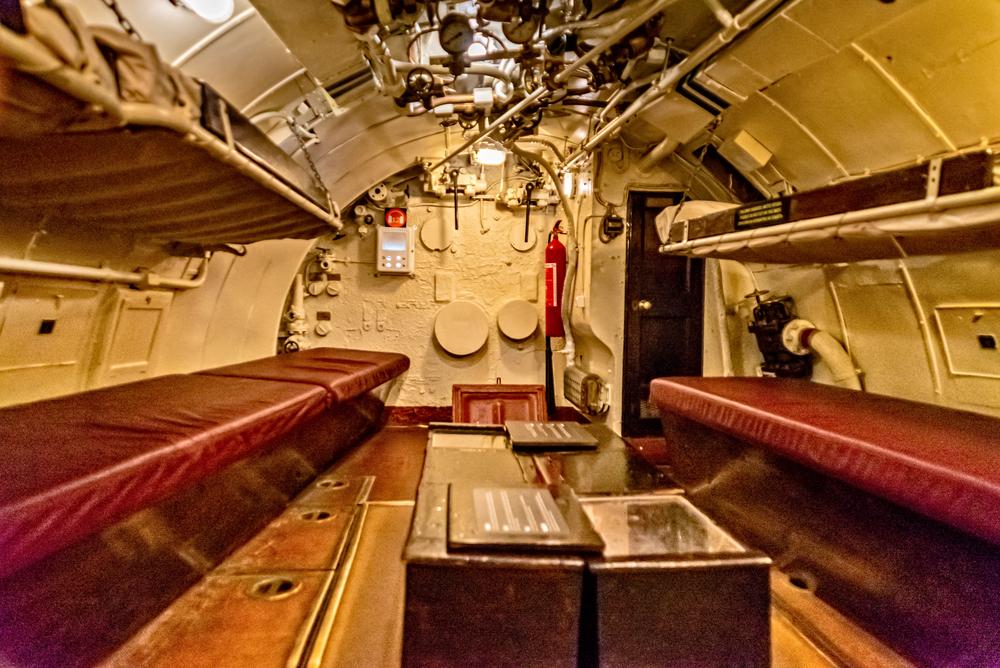
Before WWII, submarines were still seen as somewhat experimental. But during the war, both the Axis and Allied forces used them heavily for attacks, spying, and supply missions.
German U-boats became infamous for sinking ships in the Atlantic, while American subs cut off Japanese shipping routes. Submarines helped change how wars were fought on the sea.
Some submarines carry nuclear missiles
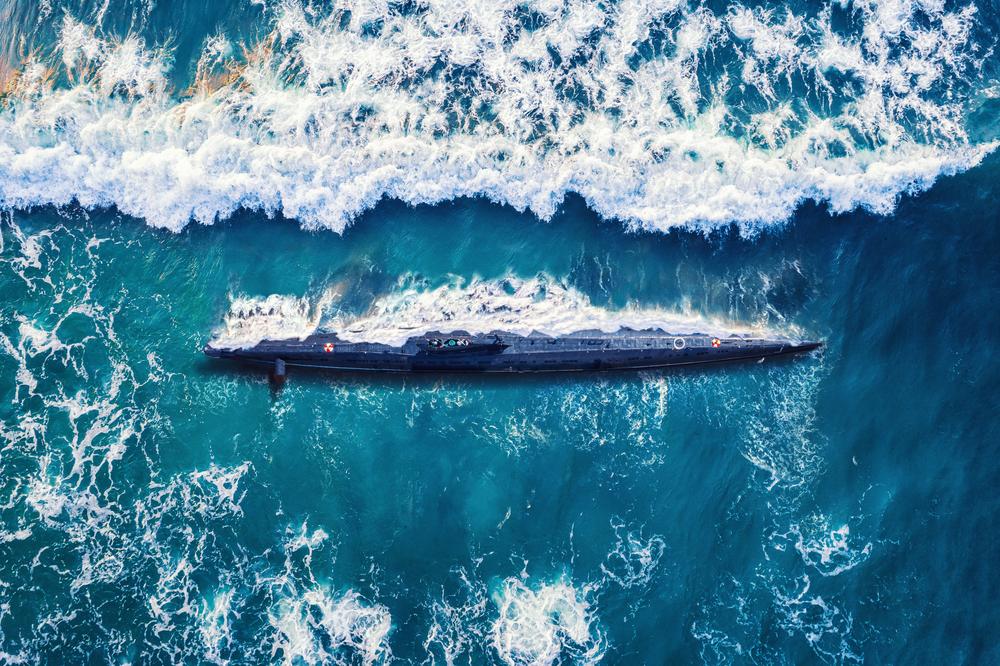
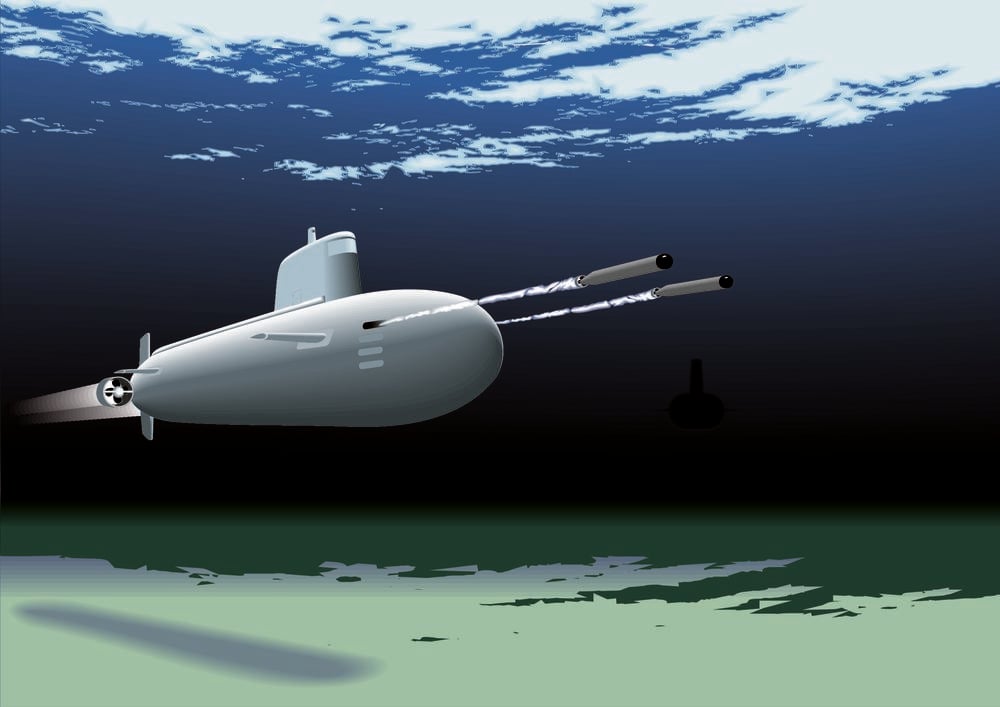
Not only are they powered by nuclear reactors, but some submarines also carry nuclear weapons. These submarines are part of what’s called a nuclear triad—land, air, and sea-based weapons.
They can launch missiles while hidden deep in the ocean, making them almost impossible to spot. This ability makes submarines a major part of many countries’ defense strategies.
Periscopes aren’t the only eyes on board

While periscopes are still used for looking above the water, modern subs rely on a lot more than just that simple tube. High-tech cameras, sonar systems, and radar-like tools help crews understand what’s around them.
Sonar works by sending sound waves and listening to the echoes, painting a picture of the surroundings even in total darkness. These tools help submarines navigate, avoid danger, and detect other vessels.
Space training sometimes happens on submarines
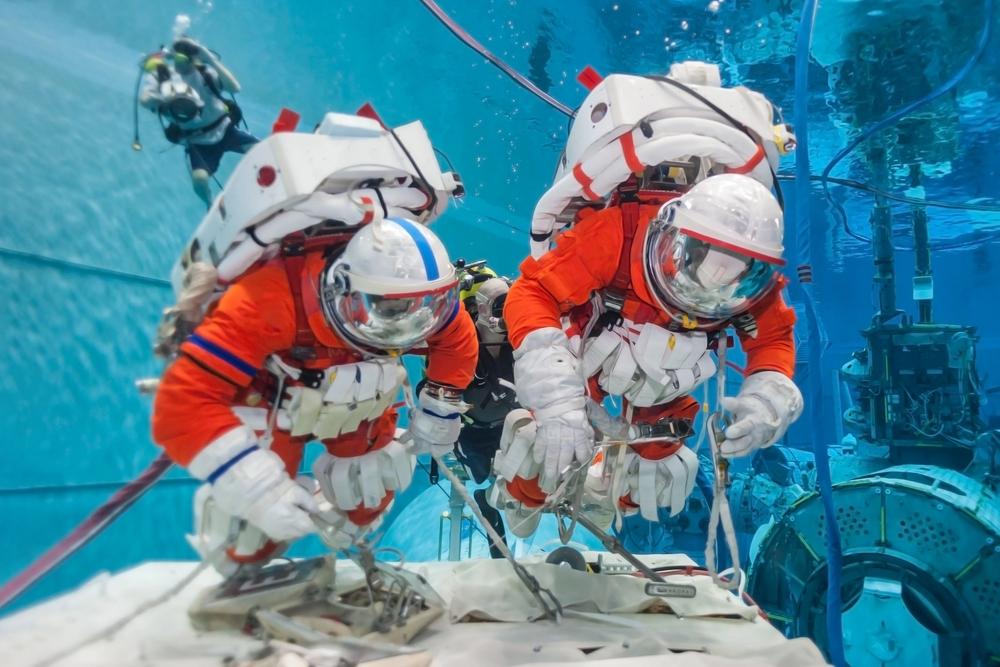
Believe it or not, astronauts have trained on submarines. Why? Because life in space and life underwater have a lot in common.
In both cases, you’re living in a tight space, dealing with isolation, and depending on machines for survival. Training in submarines helps astronauts learn how to stay calm and work together in extreme, enclosed environments.
Some luxury subs are built just for fun

A few very rich people have their own personal submarines. These aren’t used for research or war—they’re just for underwater sightseeing.
They often fit two to four people and include large windows, comfy seats, and even air conditioning. It’s a different world from military subs, but it shows how far submarine technology has come.
The longest underwater patrol lasted over 100 days

Submarine crews live under strict routines, with no sunlight, fresh air, or regular contact with the outside world. One British nuclear submarine once stayed underwater for more than 100 days without surfacing.
The mission was secret, but the record shows just how capable these machines—and the people inside—really are. That kind of endurance is a serious test of both engineering and human patience.
Cooking in submarines is a big deal

Feeding a crew underwater is no small job. There’s limited space and no fresh ingredients once the journey starts, so meals are carefully planned and stored.
Submarine cooks are trained to make tasty food using frozen or canned goods, and a good meal can really lift spirits in a windowless world. Food becomes a highlight of the day when everything else feels the same.
Seasickness happens—yes, even underwater

Just because a sub is under the surface doesn’t mean the ride is always smooth. Submarines can still rock and move with underwater currents or when changing depth quickly.
New crew members sometimes struggle with motion sickness in the early days. It usually gets better over time, but it proves even underwater travelers aren’t immune to the seas.
Silent machines, loud impact

From tiny hand-cranked crafts to massive nuclear-powered giants, submarines have come a long way. They’ve gone from wooden experiments to being one of the most important tools in both science and warfare.
Their quiet journeys below the waves may go unnoticed, but their effect on history is huge. And as technology grows, so will the roles these silent machines play—both in pe
More from Go2Tutors!

- 16 Historical Figures Who Were Nothing Like You Think
- 12 Things Sold in the 80s That Are Now Illegal
- 15 VHS Tapes That Could Be Worth Thousands
Like Go2Tutors’ content? Follow us on MSN.



