16 First Attempts at New Technology That Flopped Spectacularly
Innovation rarely succeeds on the first try. Behind every sleek smartphone and self-driving car lies a graveyard of failed prototypes, abandoned concepts, and technology that seemed revolutionary until it wasn’t.
These pioneering attempts often cost millions, damaged reputations, and, in some cases, posed serious safety hazards—all while paving the way for the refined versions we take for granted today. Here is a list of 16 first attempts at groundbreaking technology that crashed and burned spectacularly, proving that even the brightest minds sometimes need a few tries to get it right.
Apple Newton

Apple’s first attempt at a handheld computer in 1993 promised to revolutionize personal computing with its handwriting recognition capabilities. The device was bulky and expensive at $700, and its signature feature barely worked, often misinterpreting simple words and phrases.
Late-night comedians had a field day mocking the Newton, and it became synonymous with technological overreach. Apple discontinued it just five years later, though many consider it the spiritual ancestor of the iPhone.
Virtual Boy

Nintendo’s 1995 Virtual Boy was the first portable console to display ‘true 3D graphics,’ years before VR became mainstream. The awkward tabletop design required players to hunch over and stare into a red-and-black display that caused headaches and nausea after brief play sessions.
Nintendo pulled it from shelves after less than a year, selling only 770,000 units worldwide. Its spectacular failure made companies hesitant to attempt virtual reality again for nearly two decades.
Like Go2Tutors’s content? Follow us on MSN.
Ford Edsel

The 1958 Edsel represented Ford’s attempt to create an innovative, feature-packed car for middle-class Americans ascending the economic ladder. After spending $250 million on development (equivalent to over $2 billion today), Ford unveiled a vehicle with peculiar styling, mechanical problems, and technologies that consumers neither wanted nor understood.
The car became a punchline almost immediately, with production ending after just three years and losses exceeding $350 million. Ford executives refused to say the name ‘Edsel’ for years afterward.
Motorola Iridium

The original Iridium satellite phone network, launched in 1998, represented a $5 billion attempt to create global phone coverage using 66 satellites. The phones cost $3,000, with calls running $7 per minute, and the bulky devices required a direct line of sight to the sky.
Iridium filed for bankruptcy just nine months after launch with only 55,000 subscribers against a projected 500,000. The entire constellation of satellites, which cost billions to deploy, was nearly de-orbited before being purchased for a mere $25 million.
Sony Betamax

Sony’s Betamax format, introduced in 1975, offered superior picture quality compared to VHS but limited recording time and a higher price point. Sony made the fatal mistake of refusing to license the technology widely, while JVC shared VHS with numerous manufacturers.
Despite being first to market and technically superior, Betamax captured only 25% market share by 1981. Sony stubbornly continued production until 2002, long after the format had become a classic case study in how better technology doesn’t always win.
Like Go2Tutors’s content? Follow us on MSN.
Quadraphonic Sound
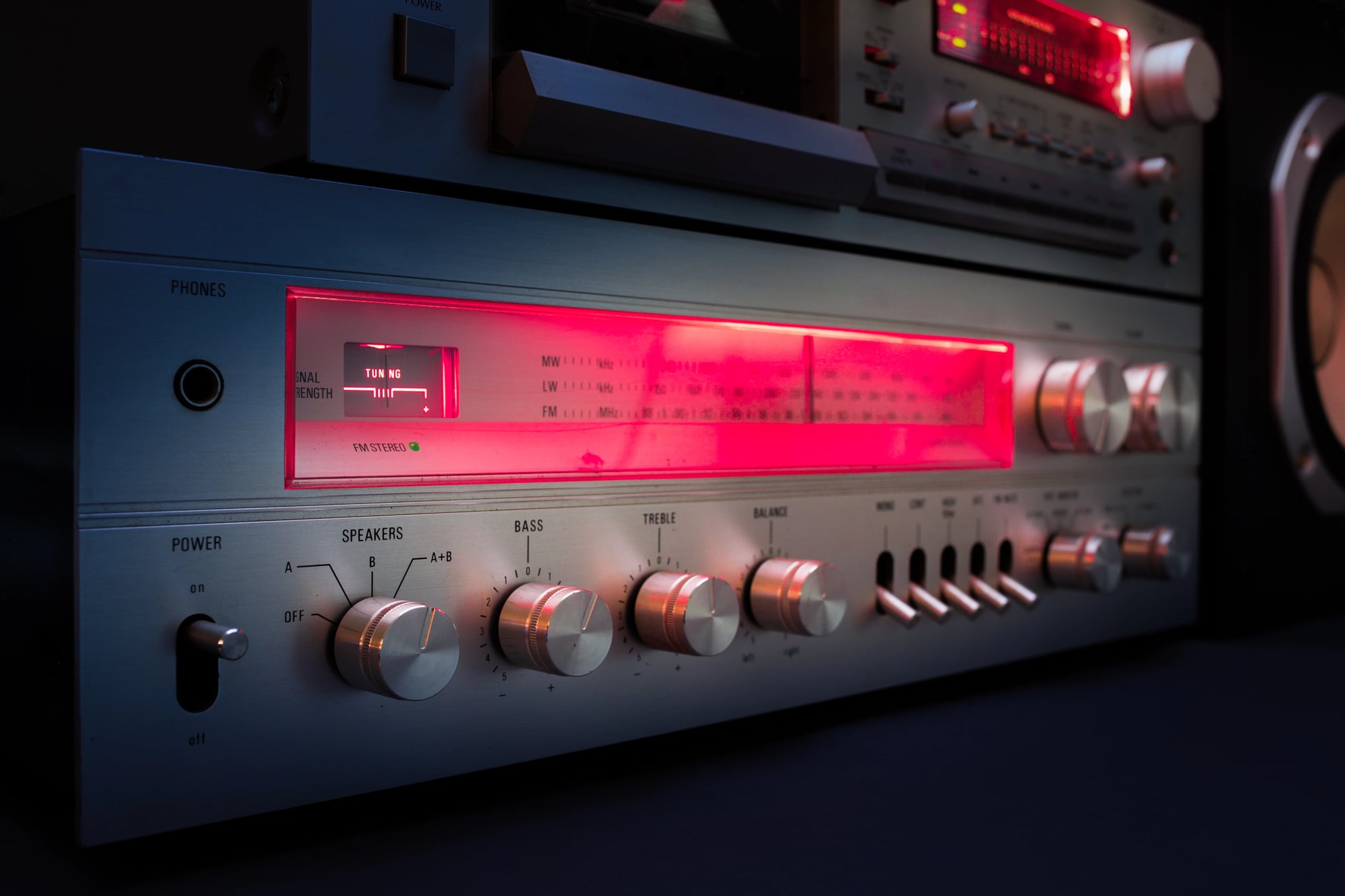
The first commercial quadraphonic (four-channel) audio systems hit the market in the early 1970s, promising to revolutionize home music listening with immersive surround sound. The technology suffered from competing incompatible formats, expensive equipment requirements, and confusing consumer marketing.
Record companies were reluctant to release albums in the new format, and quadraphonic sound quietly disappeared by 1976. The concept would later resurface successfully as home theater surround sound systems once standards were established.
Google Glass
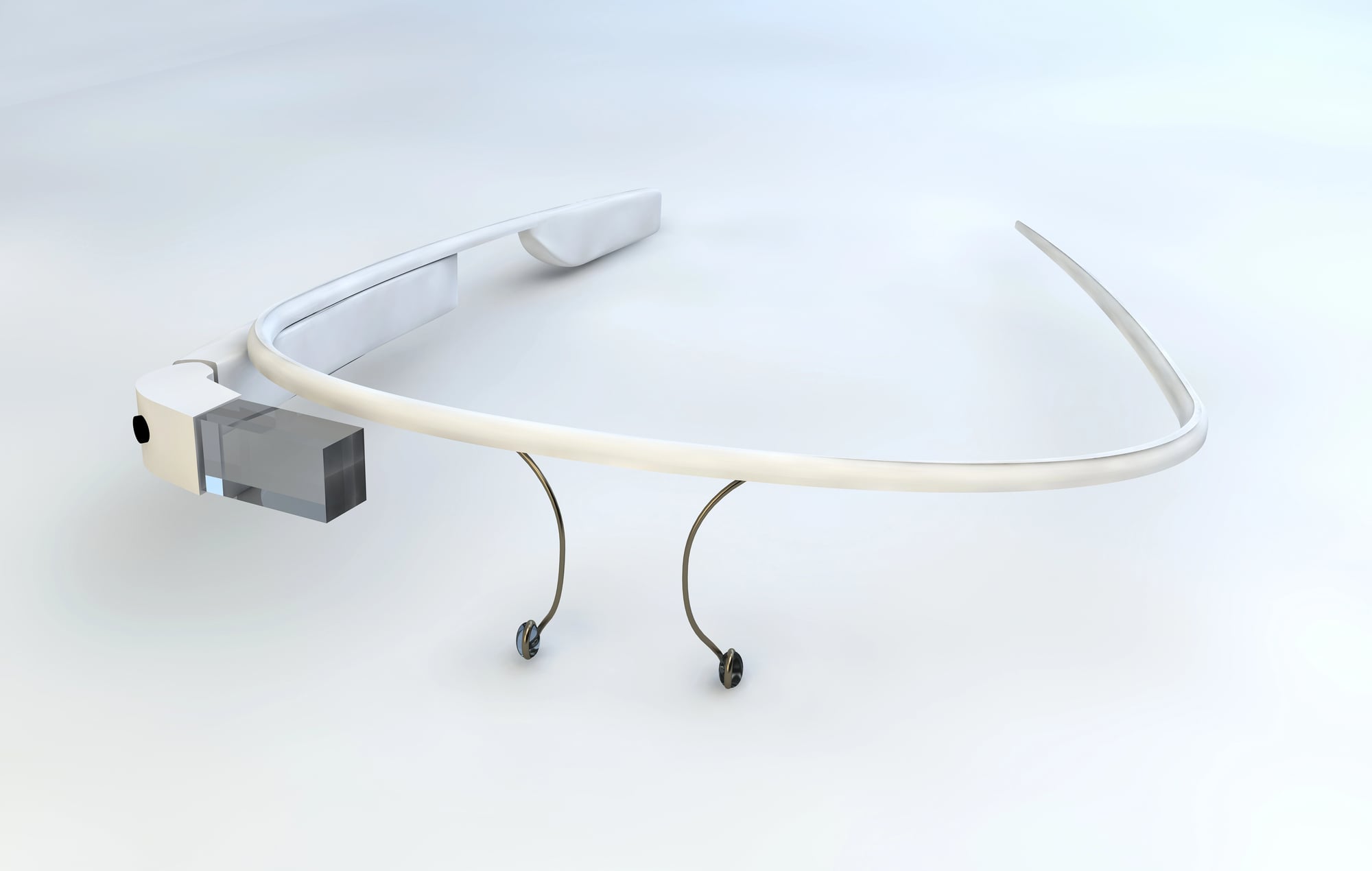
Google’s 2013 release of its augmented reality eyewear represented the first major attempt to make wearable computing mainstream. The clunky $1,500 glasses raised immediate privacy concerns due to their built-in camera, earning wearers the unflattering nickname ‘Glassholes.’
Businesses banned them from premises, and the social stigma proved insurmountable. Google pulled Glass from the consumer market less than two years later, though it later found niche applications in professional and industrial settings.
Sinclair C5

British inventor Sir Clive Sinclair’s C5, launched in 1985, was one of the first electric vehicles aimed at the consumer market. The open-topped, battery-powered tricycle had a top speed of 15 miles per hour and sat so low to the ground that it was nearly invisible to car drivers.
The vehicle offered no protection from weather or accidents, its battery died after just 20 miles, and it struggled on even modest hills. Production ceased after just seven months with only 5,000 units sold against a projected 100,000.
Like Go2Tutors’s content? Follow us on MSN.
HD DVD
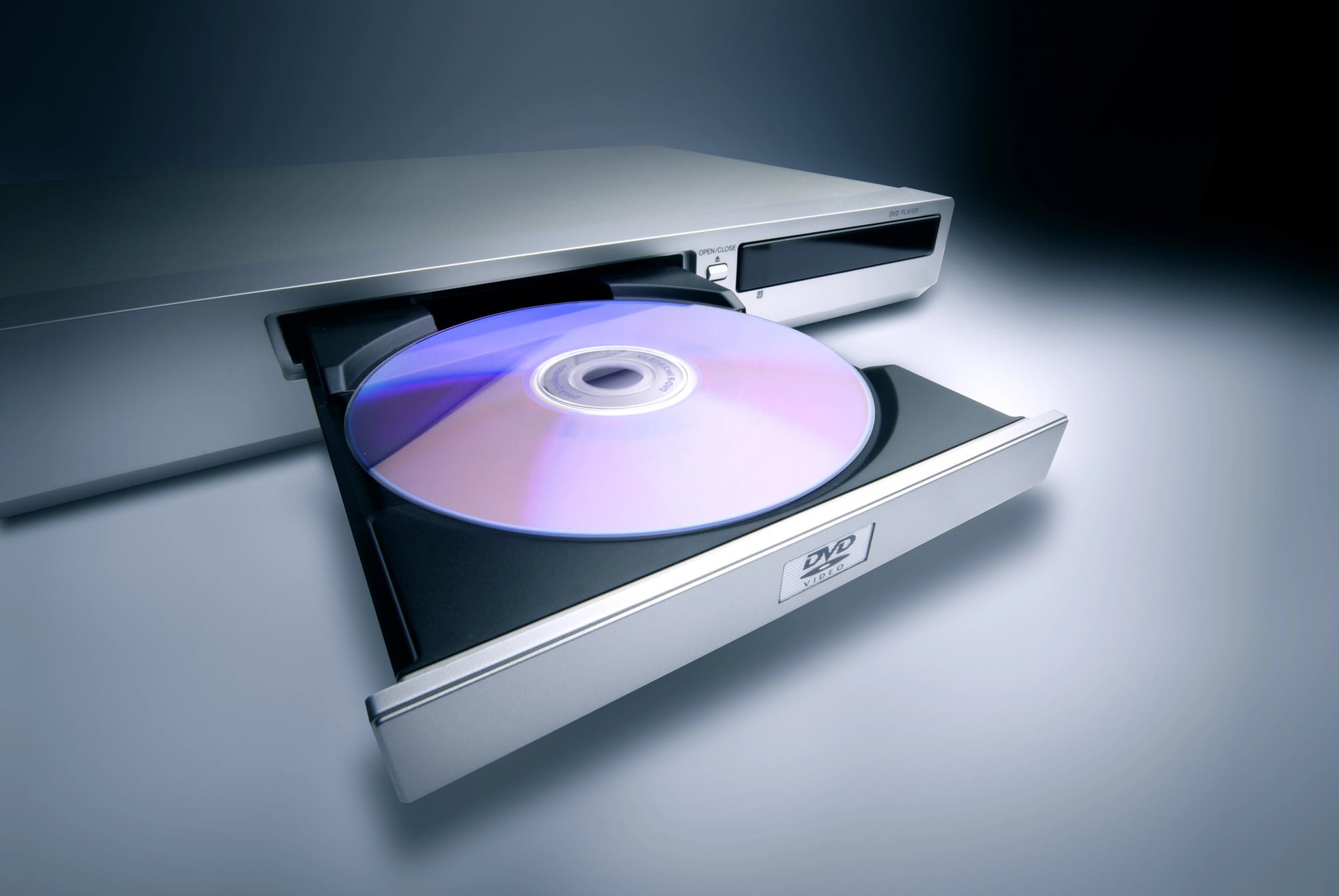
Toshiba’s HD DVD format launched in 2006 as the first serious competitor to Blu-ray in the high-definition disc arena. Despite initial support from studios like Warner Bros and lower player prices, the format suffered a fatal blow when major retailers including Walmart and Netflix backed Blu-ray exclusively.
The format war lasted just 18 months before Toshiba abandoned HD DVD, taking a $1 billion loss. Early adopters were left with expensive players and a library of discs that quickly became obsolete.
Sega Dreamcast
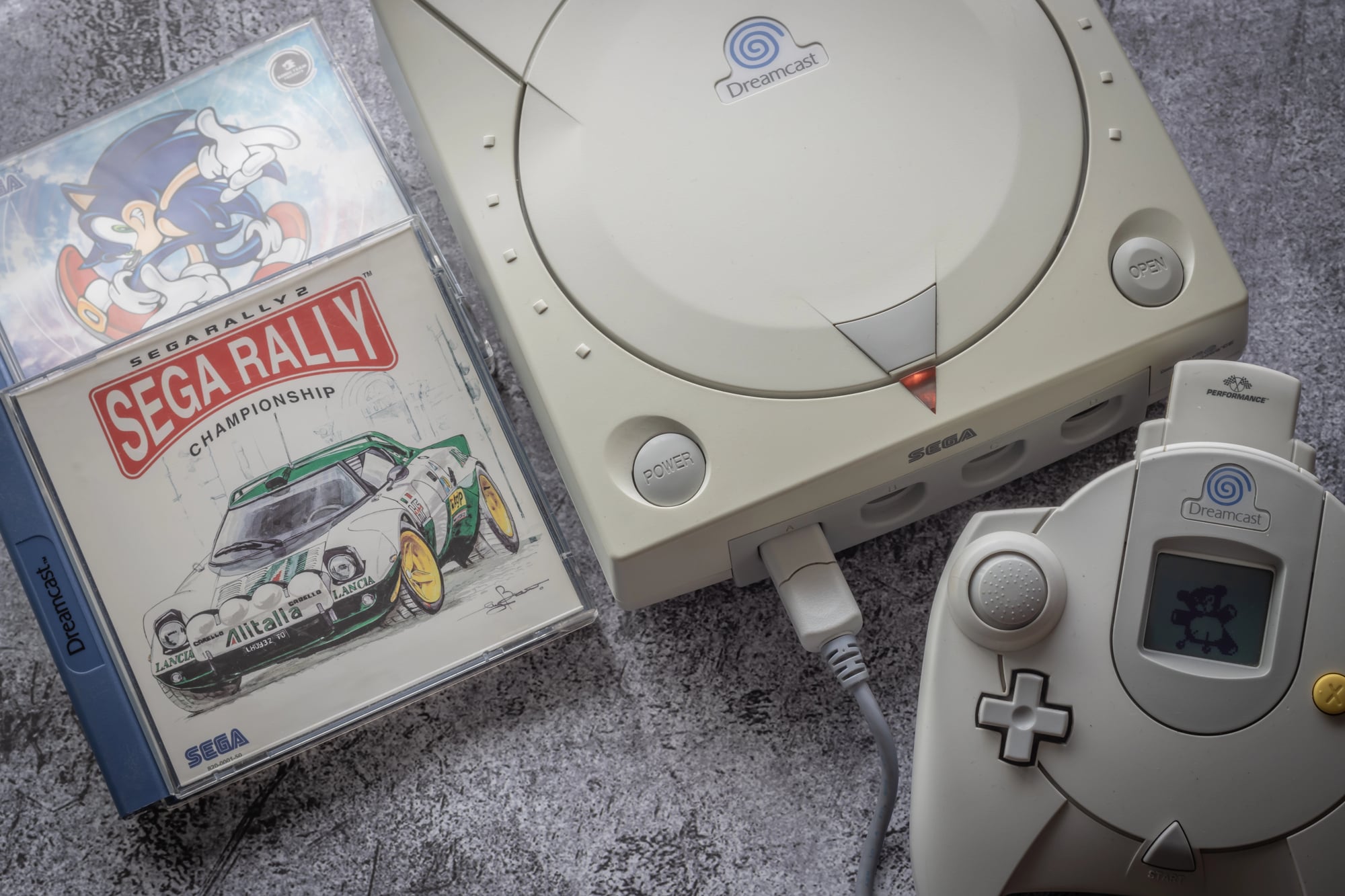
Sega’s Dreamcast, released in 1999, was the first console with a built-in modem for online play and web browsing. Despite these innovations and a strong launch, the system was doomed by Sega’s damaged reputation following previous failed consoles and the looming arrival of Sony’s PlayStation 2.
Electronic Arts refused to develop games for the platform, creating a significant content gap. Sega discontinued the Dreamcast after just 18 months, losing hundreds of millions and forcing the company out of the hardware business entirely.
Microsoft Bob

Microsoft’s 1995 attempt to reinvent the computer interface, Bob created a virtual house where different rooms contained different applications, guided by animated assistants. The software required powerful hardware that few consumers owned at the time, and users found the interface condescending and inefficient.
Bob was discontinued within a year, becoming a punchline within the tech industry. Its only lasting legacy was the much-maligned Comic Sans font, which was created specifically for the Bob interface.
Like Go2Tutors’s content? Follow us on MSN.
DAT Tapes

Digital Audio Tape (DAT) launched in 1987 as the first consumer digital recording format, promising perfect copies and higher quality than cassettes. Music labels, fearing piracy, lobbied for legislation restricting the technology.
The resulting compromise made DAT recorders prohibitively expensive and complicated, with most units costing over $1,000. Despite superior audio quality, DAT never caught on with consumers and remained a niche professional format. CD recorders, which arrived later but faced fewer restrictions, quickly made DAT obsolete.
Dvorak Keyboard

The Dvorak Simplified Keyboard, patented in 1936, represented the first scientific attempt to improve typing efficiency over the standard QWERTY layout. Studies showed the Dvorak layout reduced finger movement by 95% and increased typing speed, but it faced massive resistance from manufacturers unwilling to retool and typists reluctant to relearn typing.
Despite its ergonomic advantages, the network effect of QWERTY’s established base proved insurmountable. The layout remains a niche option despite being incorporated into modern operating systems.
IBM PCjr

IBM’s 1983 attempt to enter the home computer market with the PCjr was hindered by a nearly unusable ‘chiclet’ keyboard, limited software compatibility with the successful IBM PC, and a price tag double that of competitors like the Commodore 64. The machine was mocked as ‘Peanut’ and ‘Junior’ in a market where serious computing was valued.
IBM discontinued it after just 17 months, having sold only 240,000 units and taking a significant reputation hit in the process.
Like Go2Tutors’s content? Follow us on MSN.
LaserDisc

The first optical disc format for home video, introduced in 1978, offered superior picture quality and innovative features compared to VHS tapes. The record-sized discs couldn’t record TV programs, players cost upwards of $1,000, and discs were priced at a prohibitive $40-$50 each.
Many players suffered from laser rot that made discs unplayable over time. The format never escaped niche status, capturing less than 2% of the home video market before DVDs rendered it obsolete in the late 1990s.
Nintendo Power Glove

The 1989 Power Glove was the first mass-market attempt at a gesture-based video game controller, preceding modern motion controls by decades. The bulky device promised to translate hand movements into game actions but delivered a frustrating experience with poor tracking and complicated controls requiring reference to a manual.
Despite prominent product placement in the film ‘The Wizard,’ the Power Glove sold poorly and was discontinued after just one year. Its ambitious failure delayed mainstream adoption of motion controls for nearly 20 years.
Learning From Technology’s Missteps

These spectacular flops demonstrate how technological progress stumbles forward rather than marching in a straight line. Early pioneers often misunderstand market needs, overpromise capabilities, or simply arrive before supporting infrastructure exists.
Many of these failed first attempts contained the seeds of later successful innovations, proving that today’s embarrassing failure might be tomorrow’s essential stepping stone. Their stories remind us that innovation requires risk, and sometimes the greatest contributions to technological progress come from spectacular public failures.
More from Go2Tutors!

- 18 Unexpectedly Valuable Collectibles You Might Have Lying Around
- 15 Things Every Teenager in the ’70s Did That Teens Today Wouldn’t Understand
- 15 Strange Things People Have Tried to Ban (And Failed)
- 15 Inventions That Were Immediately Banned After Being Created
- 20 Actors Who Were Almost Cast in Iconic Roles
Like Go2Tutors’s content? Follow us on MSN.