Comic Books with the First Hero Appearances
Collecting comic books becomes more interesting when you know the history behind them. Some issues hold special value not because of their age alone, but because they introduced characters who would define entire genres.
These first appearances marked turning points—moments when creators took risks on something new, not knowing if readers would care.
The economics of comic book collecting revolves heavily around these debut issues. They represent the starting line for characters who became cultural icons.
And while not every first appearance commands millions at auction, each one tells a story about what resonated with audiences at a particular moment in time.
Action Comics #1 (1938)
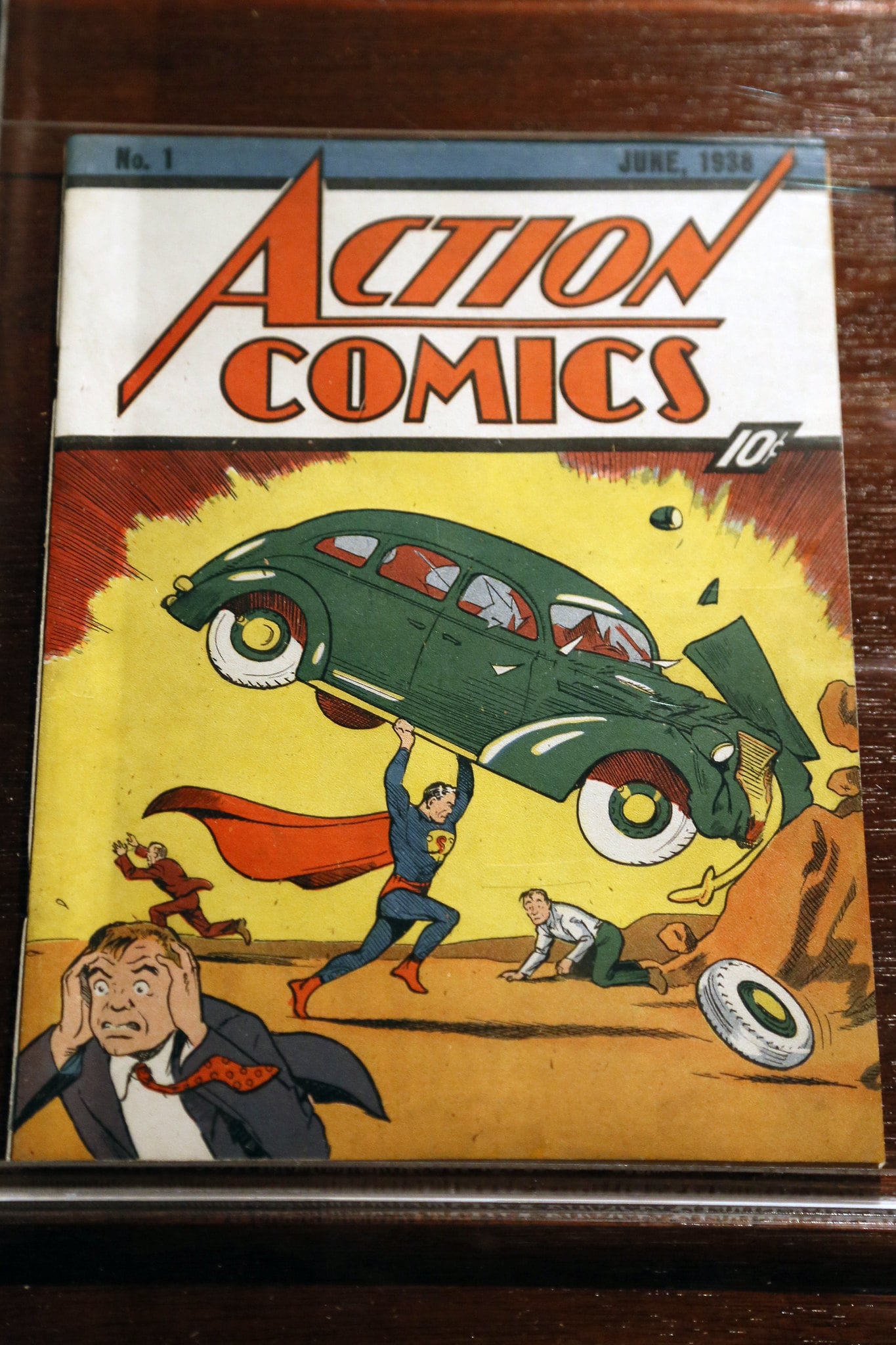
This book introduced Superman and essentially created the superhero genre as we know it. Before this issue hit newsstands, comic books mostly featured detective stories, westerns, and humor strips.
J. Siegel and Joe Shuster’s creation changed everything.The original print run numbered around 200,000 copies.
Today, fewer than 100 copies are known to exist.A pristine copy sold for $3.2 million in 2014, though most surviving copies show significant wear.
Kids read these comics repeatedly, then discarded them.Nobody imagined they’d become valuable someday.
What makes this particular issue stand out goes beyond its historical significance. The cover itself became iconic—Superman lifting a car above his head while terrified criminals flee.
That single image established a visual language for superhero storytelling that persists today.
Detective Comics #27 (1939)
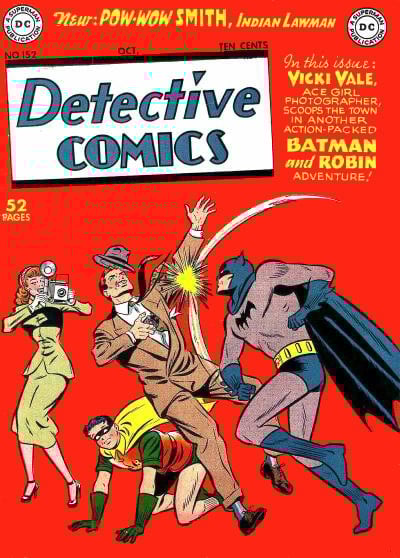
Batman’s first appearance came just a year after Superman, but with a darker tone. Bob Kane and Bill Finger created a detective who operated in shadows rather than daylight.
The character wore a cape and cowl, fought criminals without superpowers, and relied on intelligence and physical training.The story “The Case of the Chemical Syndicate” ran only six pages.
Batman had no origin story yet—that would come later in Detective Comics #33.He simply appeared as a mysterious figure who helped Commissioner Gordon solve a murder.
Collectors prize this issue almost as highly as Action Comics #1. A near-mint copy sold for $1.5 million in 2020.
The scarcity mirrors Superman’s debut—most copies were read to pieces by children who never considered preservation.
Captain America Comics #1 (1941)
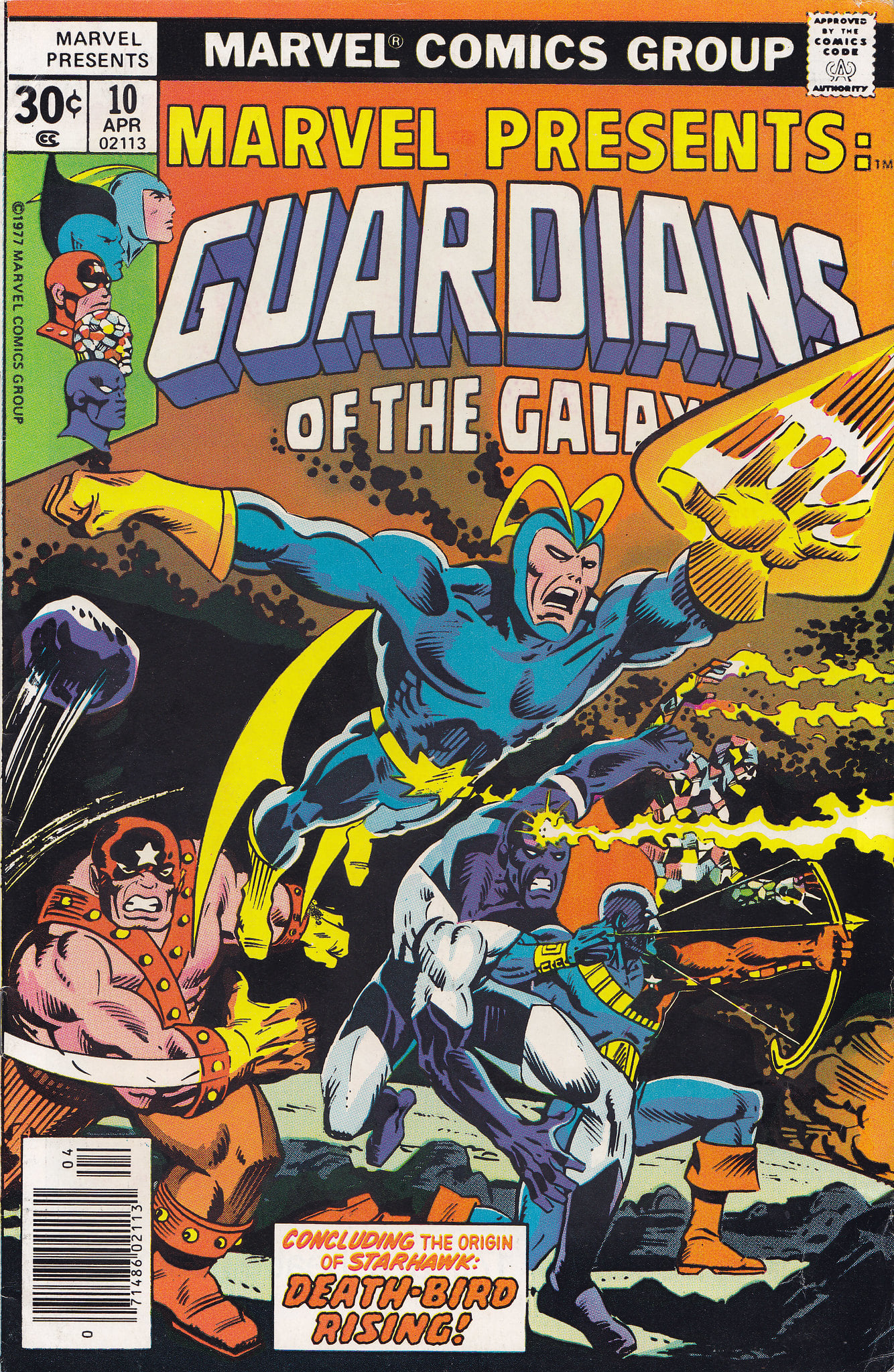
Joe Simon and Jack Kirby created Captain America as an explicitly political character. The cover showed him punching Adolf Hitler in the jaw—this was published nearly a year before Pearl Harbor, when America was still officially neutral in World War II.
The first issue sold nearly one million copies. American readers were ready for a patriotic hero, and Captain America delivered.
Unlike Superman’s alien origin or Batman’s wealthy background, Steve Rogers was an ordinary guy transformed into a super-soldier. That relatability mattered.
This issue included the introduction of Bucky Barnes, Cap’s teenage sidekick. The dynamic between an adult hero and kid sidekick would be repeated countless times in comics, though the trope feels dated now.
Still, for its time, it worked perfectly.
All-Star Comics #8 (1941)
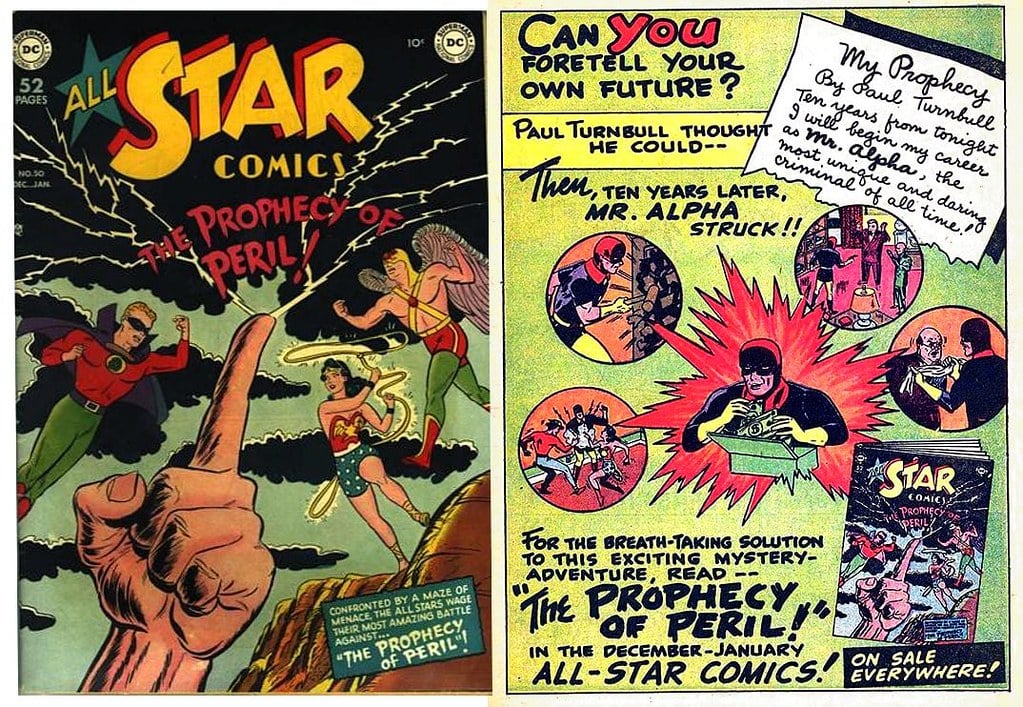
Wonder Woman made her debut here, created by William Moulton Marston. She was the first major female superhero, and her origin story reflected Marston’s unusual theories about matriarchy and female superiority.
Diana came from an island of warrior women and brought their values to “man’s world.”The character appeared in a backup story rather than the main feature, but readers responded enthusiastically.
Within months, she had her own title.Her creation reflected changing attitudes during World War II, when women took on new roles while men served overseas.
This issue doesn’t command quite the same prices as the Superman or Batman debuts, but it’s still highly sought after. Part of that comes from Wonder Woman’s enduring popularity—she’s remained consistently relevant in ways that many Golden Age characters haven’t.
Showcase #4 (1956)
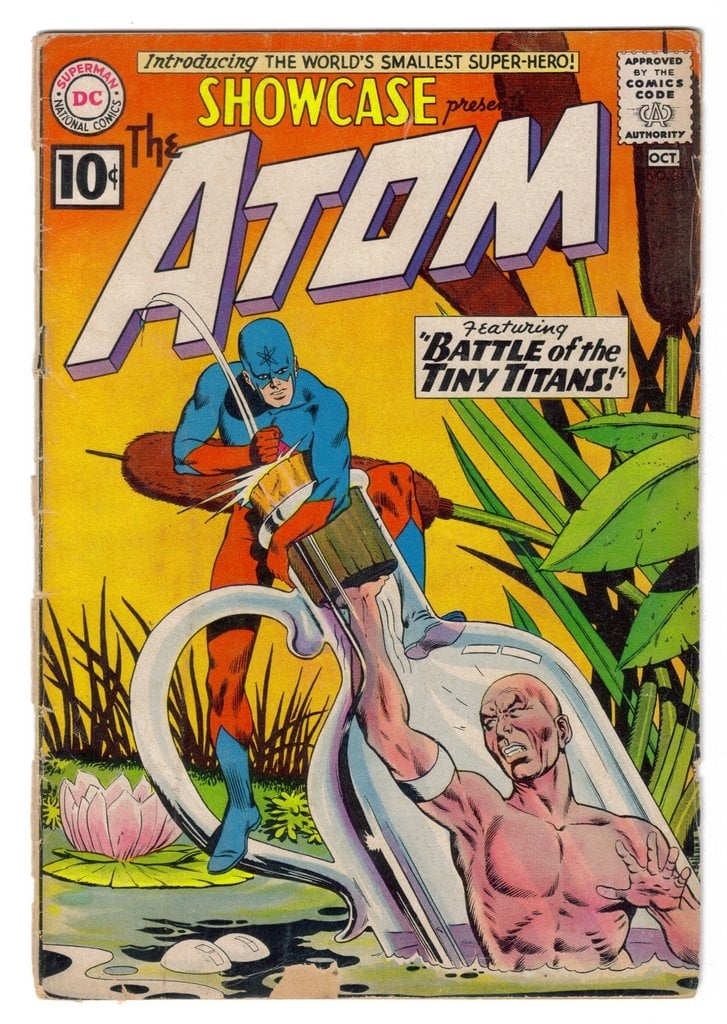
The Silver Age of comics began here with the reintroduction of the Flash. This wasn’t Jay Garrick from the 1940s, but Barry Allen—a forensic scientist who gained super-speed after a chemical accident.
Editor Julius Schwartz and writer Robert Kanigher modernized the concept with scientific explanations instead of magic or cosmic accidents.
This book proved that superheroes could work again after falling out of favor in the early 1950s. Its success led DC to revive other Golden Age heroes with new identities.
The Flash’s redesigned costume looked sleeker and more modern, setting the visual tone for the Silver Age.
Copies in good condition sell for six figures now. The book wasn’t initially preserved any better than earlier comics, but by the 1950s, some collectors had started taking better care of their purchases.
That slightly improved survival rate makes it more available than Action Comics #1, though still quite rare.
The Fantastic Four #1 (1961)
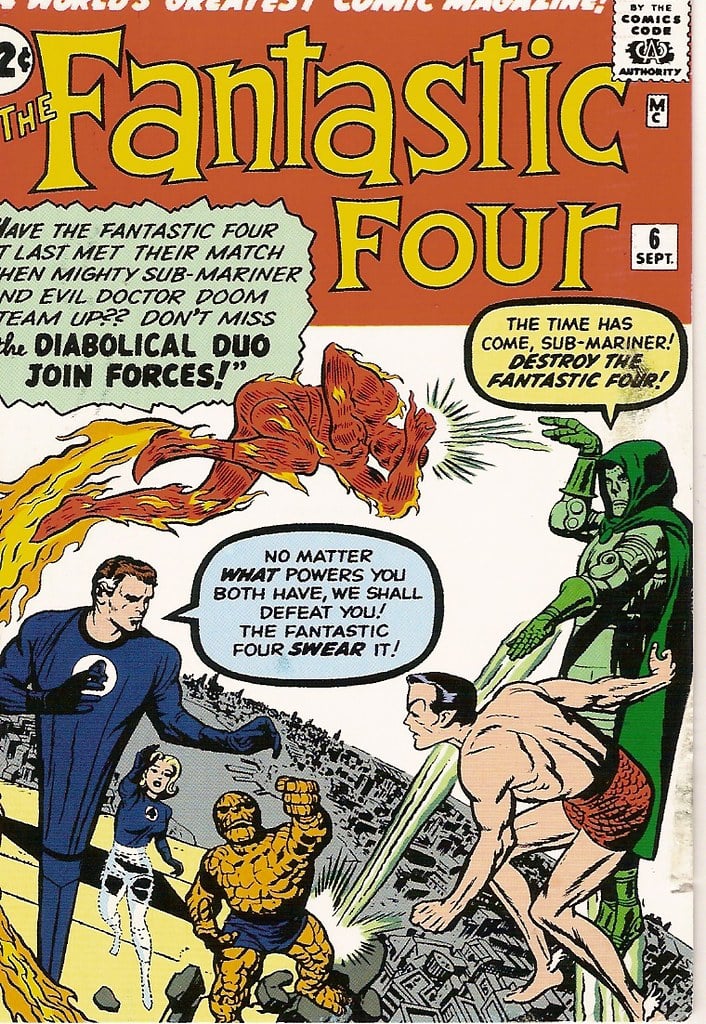
Stan Lee and Jack Kirby created Marvel’s first superhero team with flawed, argumentative characters. Reed Richards, Sue Storm, Johnny Storm, and Ben Grimm got their powers through cosmic radiation and immediately started bickering.
They had no secret identities. Reed and Sue were in a relationship.
Ben Grimm hated being transformed into the Thing.This issue established the template for Marvel’s approach—heroes with human problems.
The Fantastic Four dealt with rent, relationship drama, and self-doubt alongside stopping alien invasions.That combination of cosmic adventure and domestic issues set Marvel apart from DC’s more straightforward heroism.
The book’s value has climbed steadily. A high-grade copy can fetch over $200,000.
For collectors interested in Marvel’s founding, this is the essential book. Everything that made Marvel successful in the 1960s started right here.
The Amazing Spider-Man #1 (1963)
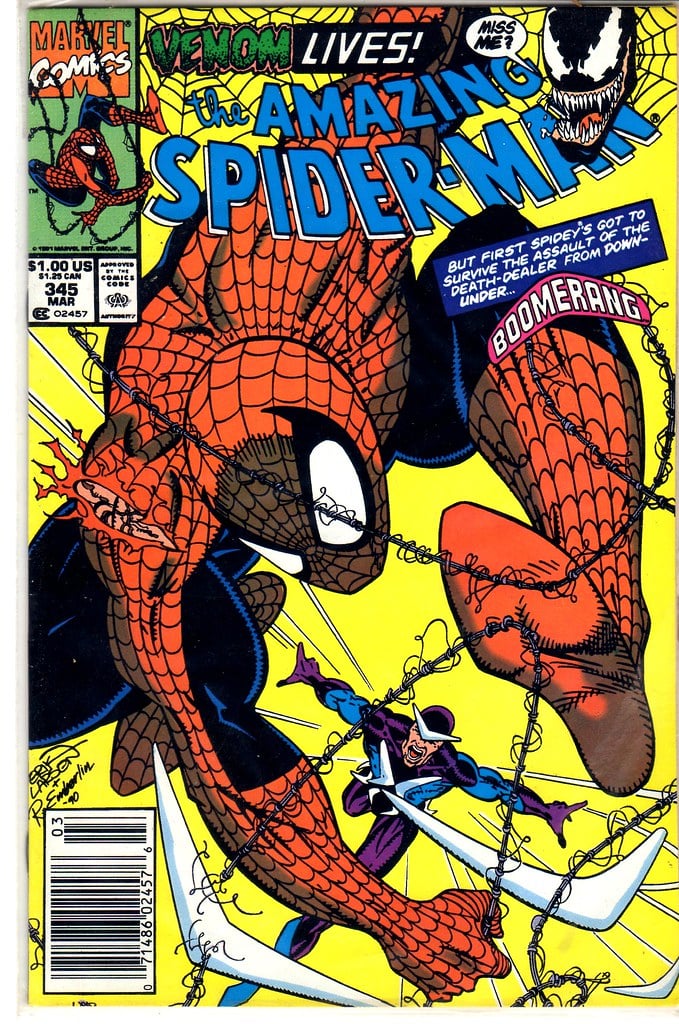
Spider-Man actually debuted in Amazing Fantasy #15, but his own title began with this issue. Peter Parker was a teenager dealing with high school problems while fighting crime.
He worried about money, girls, and his aunt’s health. Other heroes might have teenage sidekicks, but Spider-Man was a teenager as the main character.
Stan Lee and Steve Ditko’s creation resonated because Peter Parker felt real. He made mistakes.
He lost fights. He couldn’t afford nice things.
Readers his age saw themselves in him, while younger readers looked forward to that experience. The relatability made Spider-Man Marvel’s most popular character.
This issue is more available than the Amazing Fantasy #15 debut, but still commands significant prices. Marvel printed more copies by 1963 than they had two years earlier, and the collector market had started to develop.
Some people actually saved their comics in decent condition.
The X-Men #1 (1963)
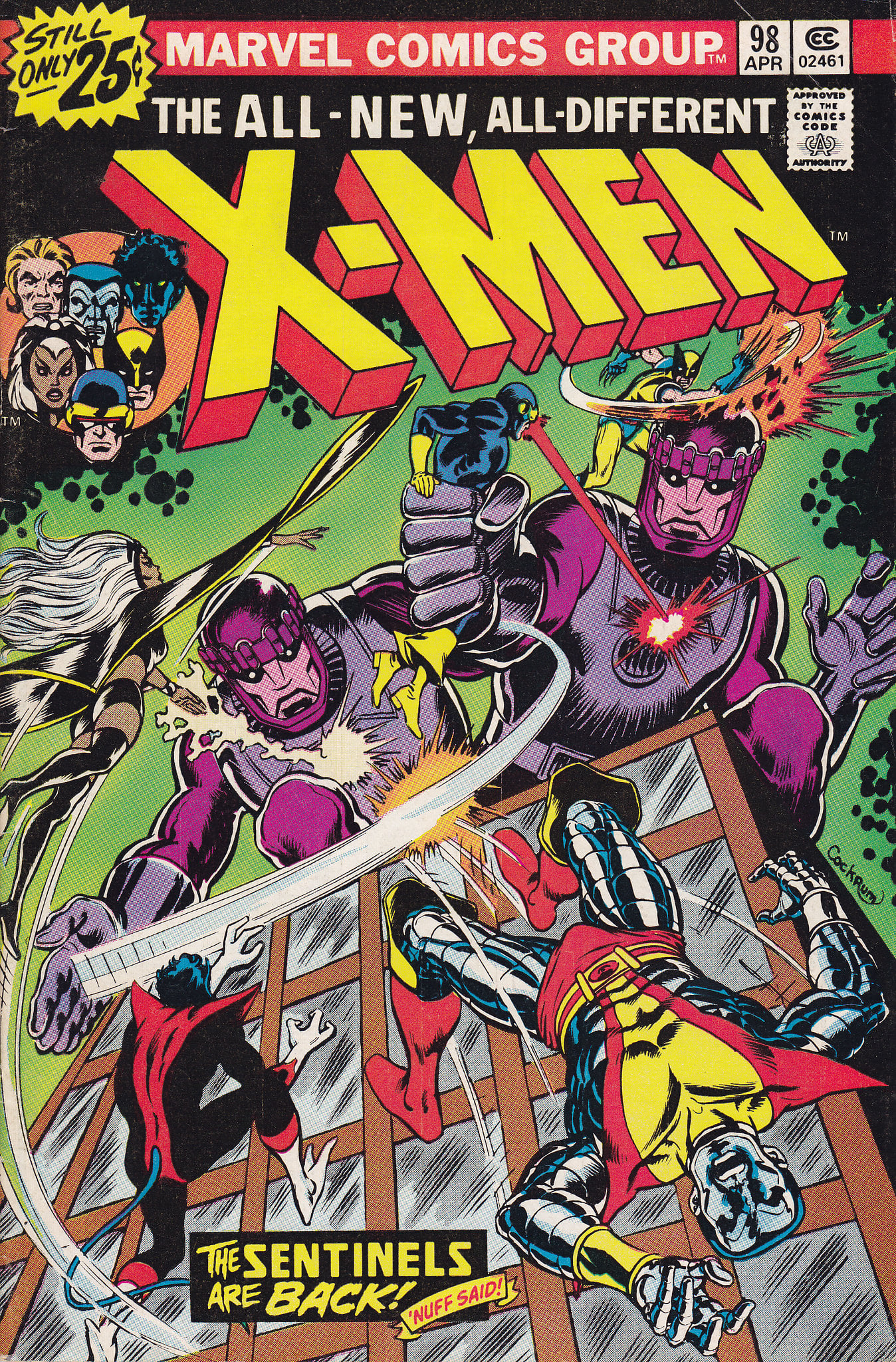
Professor Xavier’s school for mutants introduced a different kind of superhero story. These characters didn’t choose their powers or gain them through accidents.
They were born different, and society feared them for it.The metaphor worked on multiple levels—it could represent racial prejudice, religious persecution, or any form of discrimination.
The original team included Cyclops, Marvel Girl, Beast, Iceman, and Angel. They weren’t particularly popular at first.
The book nearly got canceled several times before new creators revived it in 1975 with an international team. But that original first issue established the mutant concept that would become central to Marvel’s storytelling.
Values for this book have increased dramatically over the past two decades as the X-Men became more prominent through movies and shows. What was once a modest collectible now sells for tens of thousands in good condition.
The Avengers #1 (1963)
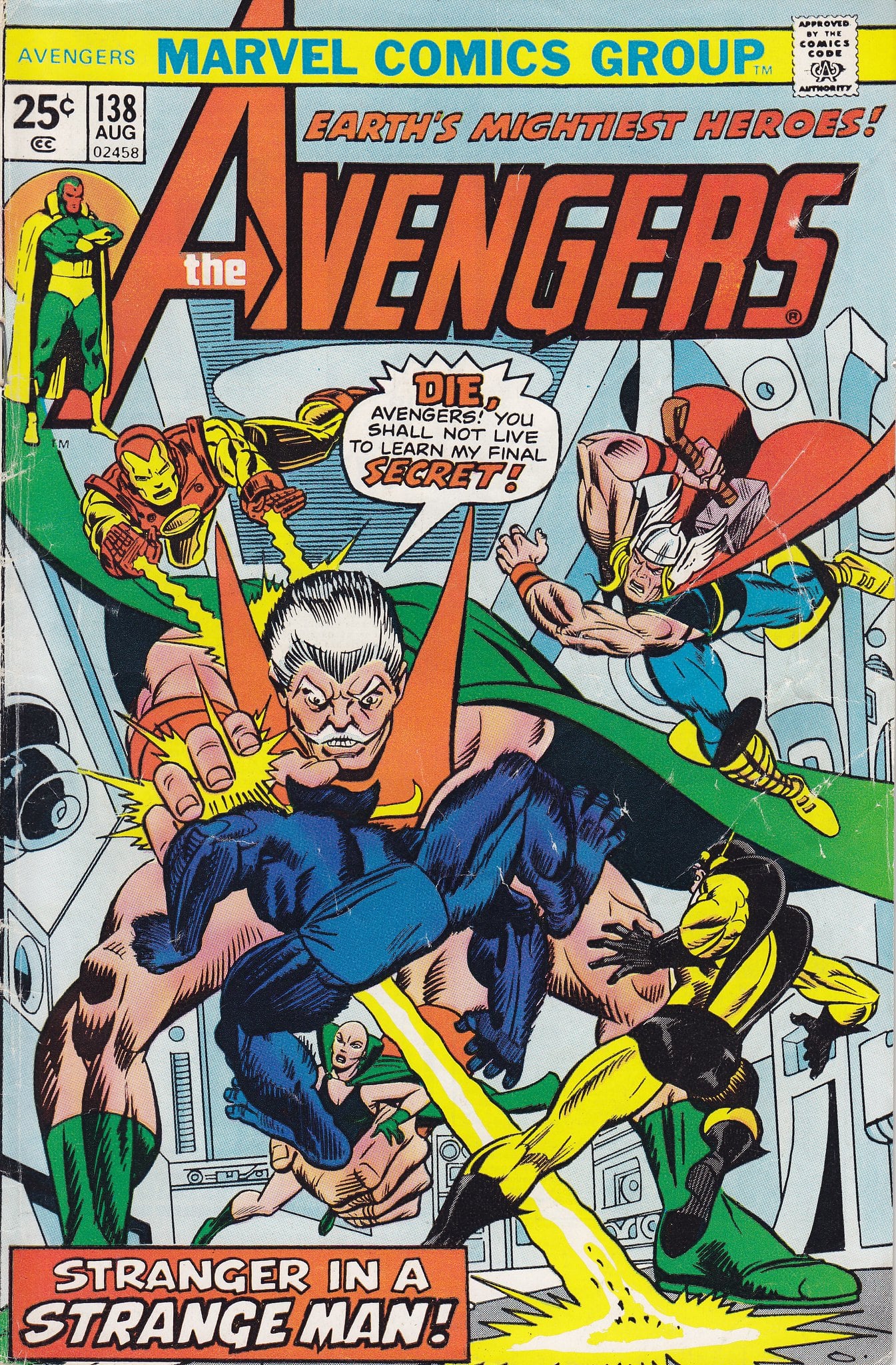
Marvel’s answer to DC’s Justice League brought together Iron Man, Thor, Hulk, Ant-Man, and the Wasp. The team dynamic differed from the Fantastic Four because these heroes had their own titles and established personalities.
When they came together, those personalities clashed in interesting ways.The Hulk left the team by issue #2, and Captain America joined in issue #4, establishing the revolving door roster that would become an Avengers trademark.
The book showed that team-ups could work even when characters weren’t created as a unit.This issue sells for considerably less than other major Marvel debuts from the same era, partly because Marvel printed more copies and partly because collectors have always focused more on individual character first appearances.
Still, it remains an important piece of Marvel history.
The Incredible Hulk #1 (1962)
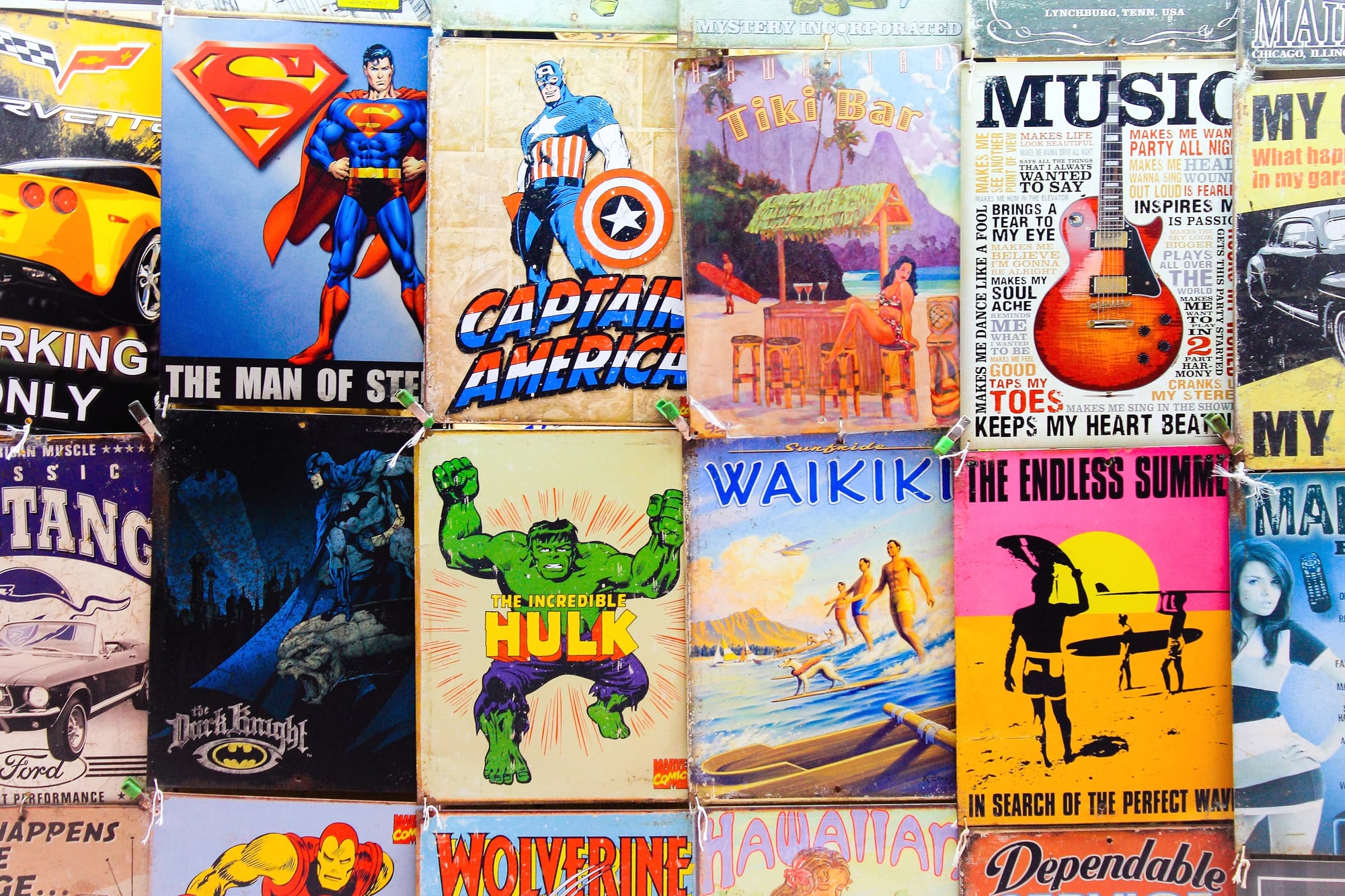
Bruce Banner’s transformation into a grey monster (later changed to green) gave Marvel another flawed hero. The Hulk wasn’t even clearly heroic in early stories—he was dangerous, unpredictable, and often antagonistic.
The military hunted him. Rick Jones tried to help him.
Bruce Banner just wanted to be normal again.The book only lasted six issues before cancellation.
The Hulk then appeared as a villain in Fantastic Four, joined the Avengers briefly, and finally got a revival in Tales to Astonish.That rocky start makes the first issue particularly interesting—it’s a glimpse of a concept that hadn’t been fully refined yet.
High-grade copies command six-figure prices. The book’s cultural significance grew as the character found his footing in later years.
Sometimes the most valuable comics aren’t the immediate successes but the problematic starts that eventually found their audience.
Journey Into Mystery #83 (1962)
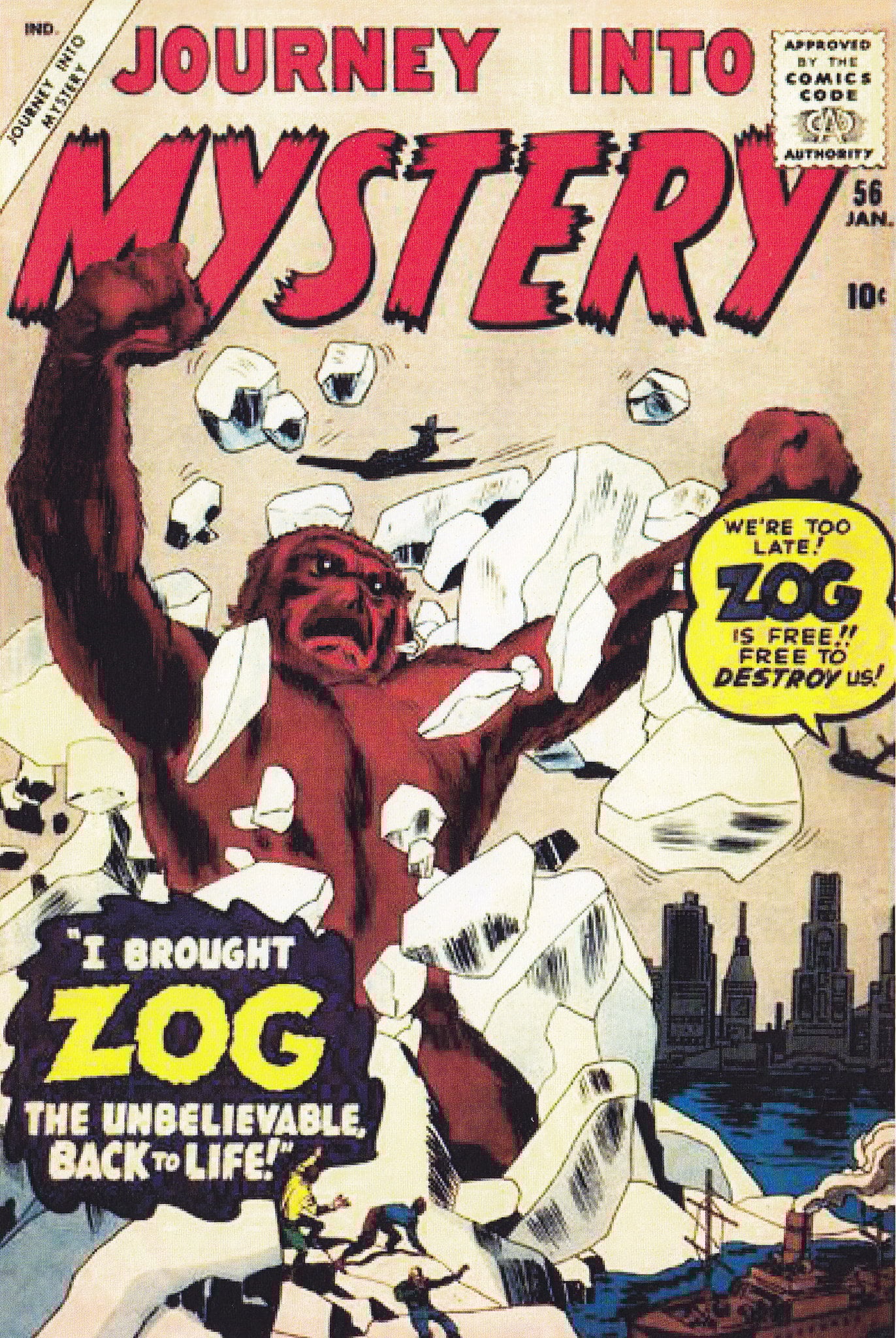
Thor’s first appearance came in an anthology series that previously featured monster stories. Stan Lee and Jack Kirby introduced Donald Blake, a doctor who finds a stick in a cave that transforms into a magical hammer, giving him the power of the Norse god Thor.
The fusion of superheroics with mythology gave Marvel something different. Thor brought gods, monsters, and cosmic stakes to a universe that had focused on more grounded stories.
His presence expanded what Marvel could do narratively.This issue ranks high on collector want lists but falls below the Spider-Man and Fantastic Four debuts in value.
Thor’s importance to Marvel’s success is undeniable, though his appeal has always been slightly more niche than the top-tier characters.
Tales Of Suspense #39 (1963)
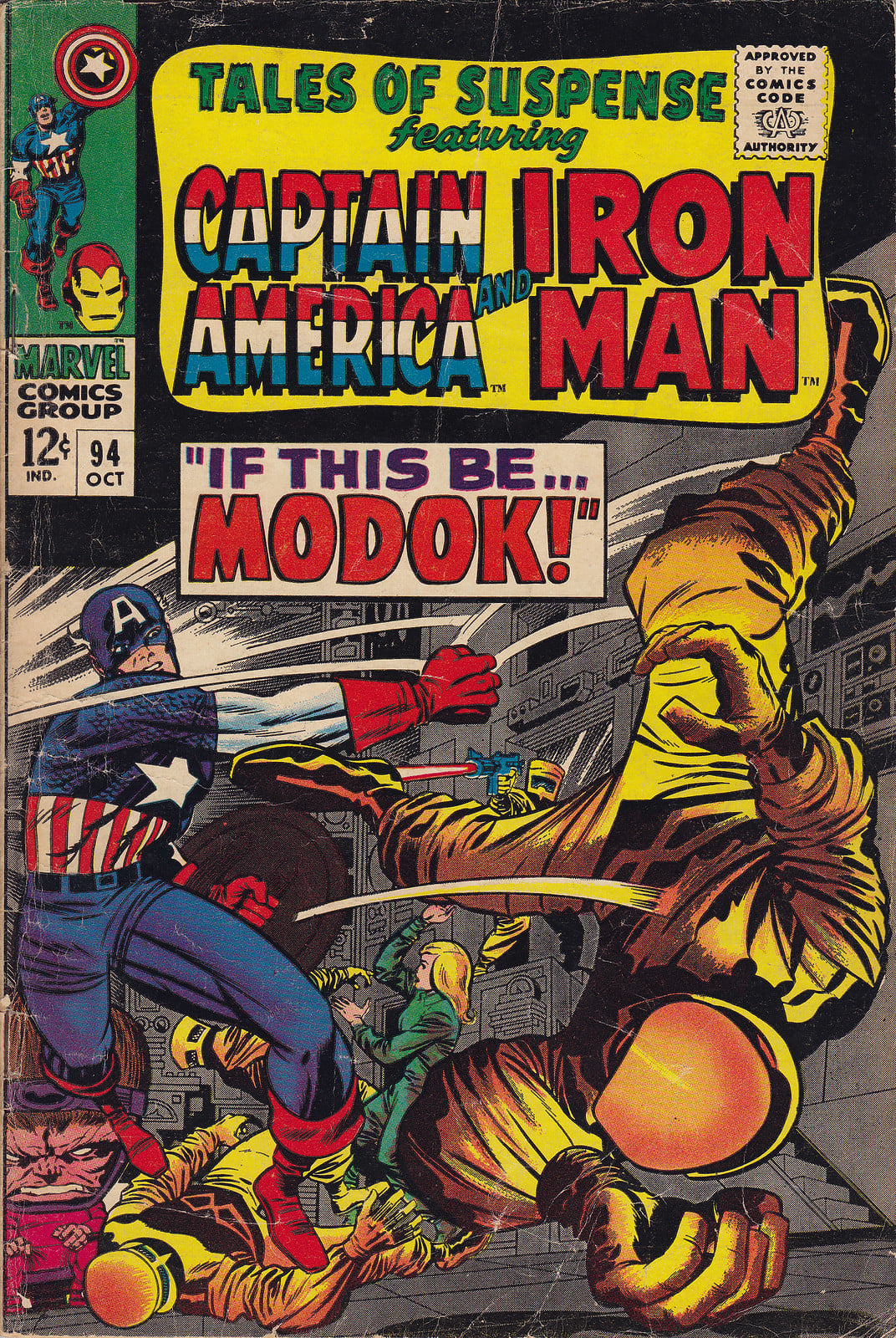
A rich inventor named Tony Stark started Iron Man after creating powered armor during a hostage situation. From the start, fear shaped his journey – trapped by enemy forces amid political tension, he used quick thinking just to live another day.
That first suit was heavy, dull colored, made from spare parts. It moved slow, sounded loud, nothing like what came afterward.
Behind the flash of parties and fame, Tony Stark carried something heavy. A device in his chest kept his heart working, quietly fighting what could kill him.
Wealth surrounded him, yes, intelligence opened every door – yet his body betrayed him. Power dressed like armor, but underneath, he cracked.
Iron Man hit the big screen, then everything changed for this comic. Back before that, high price tags existed yet stayed within reason.
Following the films, its worth rose fast – matching prized Silver Age issues today. Owning one purchased decades ago turned out very well for those fans.
Where These Stories Go
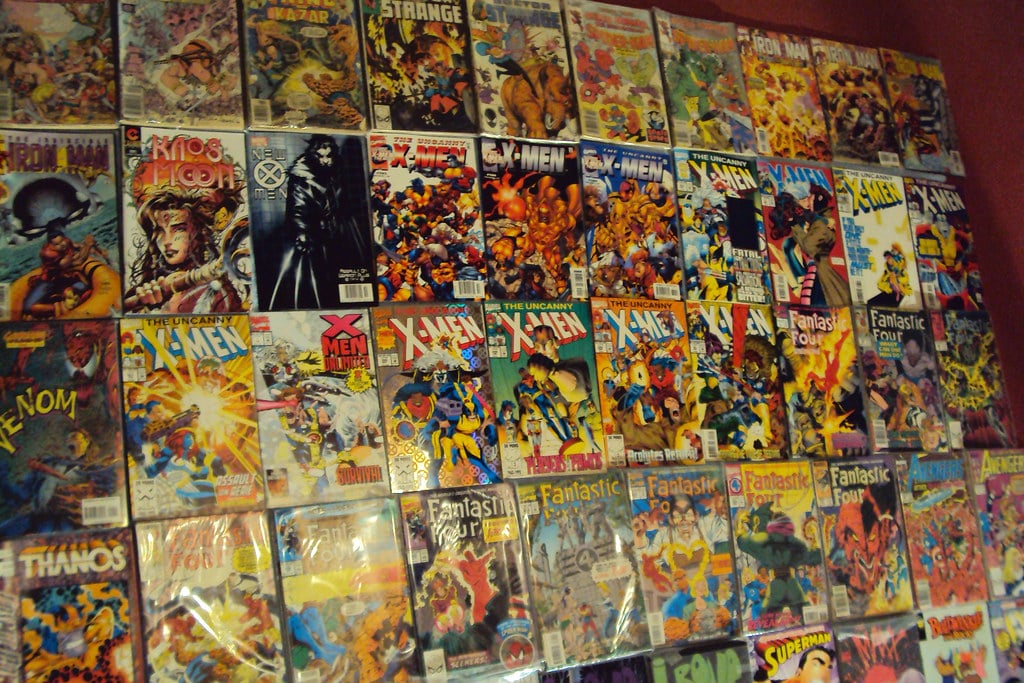
Out of nowhere, a first impression can turn into something lasting when it dares to be different. Few fresh faces stick around like Superman or even Spider-Man do.
Many simply vanish without notice. Yet those few who click with an audience?
They endure long after the person who made them is gone.Paper thin pages make old comics easy to damage. Printed fast, sold low, tossed aside like yesterday’s news – most were never meant to last.
A few slipped through time because someone tucked them under a bed, maybe forgot about them for years. Others survived thanks to sharp-eyed buyers who saw worth before anyone else did.
Luck played its part too – one missed trash day could save a masterpiece. Rarity pushes up cost now, yet each crease and fade says the same thing: these tales lived best in eager hands, not sealed cases.
Hunting down debut issues? Try comic cons or web bids.Price tags don’t always hit seven figures.
Characters that never made the big time – especially from the 50s to the 80s – can stay cheap.What makes it click isn’t the cash value.
It’s spotting a spark in an old page – the moment a legend quietly started, long before fame kicked in.
More from Go2Tutors!

- The Romanov Crown Jewels and Their Tragic Fate
- 13 Historical Mysteries That Science Still Can’t Solve
- Famous Hoaxes That Fooled the World for Years
- 15 Child Stars with Tragic Adult Lives
- 16 Famous Jewelry Pieces in History
Like Go2Tutors’s content? Follow us on MSN.



