Department Stores That Defined Entire Shopping Eras
Walking through a department store used to feel like stepping into a small city. You could eat lunch, get your shoes shined, drop off dry cleaning, and buy everything from underwear to furniture without leaving the building.
These weren’t just stores. They were social hubs, architectural landmarks, and economic engines that shaped how entire generations shopped and lived.
Most of them are gone now. The ones that remain are shadows of what they once were.
But for more than a century, department stores didn’t just sell merchandise. They created entire shopping cultures that defined their eras.
The Store That Started It All
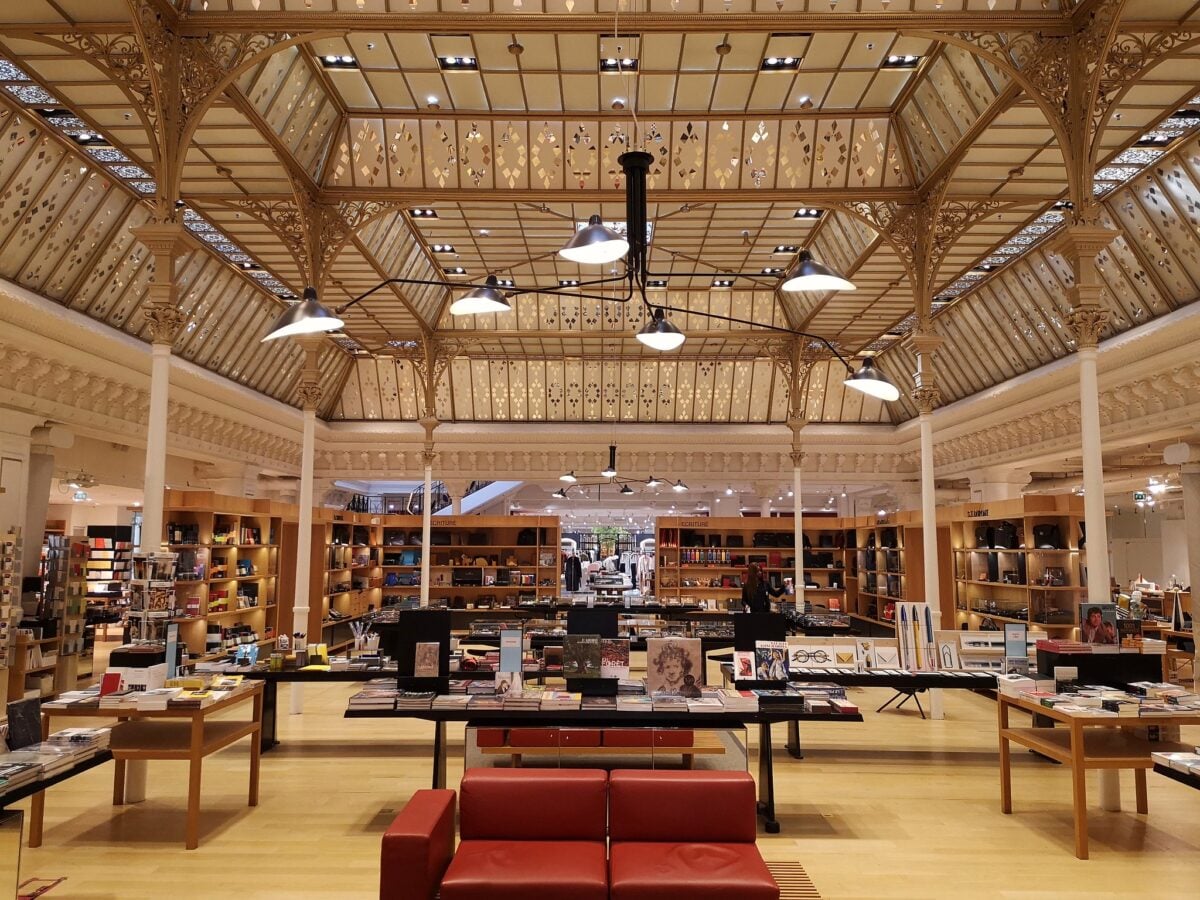
Le Bon Marché opened in Paris in the 1850s and became the template every other department store followed. Aristide Boucicaut and his wife Marguerite didn’t invent retail, but they reinvented it completely.
They created fixed prices instead of haggling. They allowed returns and exchanges.
They delivered purchases to homes. They sent catalogs through the mail.
The building itself was a cathedral made of iron and glass, designed to make shopping feel like an event rather than a chore. Other stores had sold goods.
Le Bon Marché sold an experience. Within decades, cities across Europe and America were copying the model.
Marshall Field’s Made Chicago a Shopping Destination
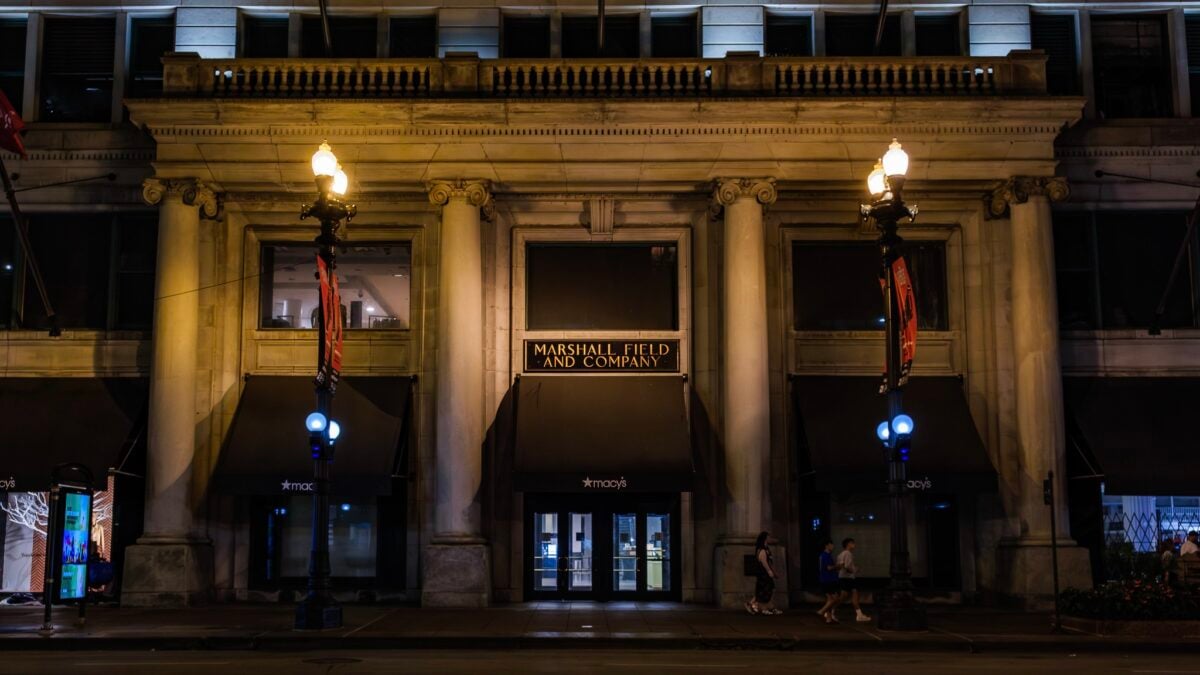
Chicago in the late 1800s was rough around the edges. Then Marshall Field’s opened on State Street and gave the city something to brag about.
The store wrestled with John Wanamaker’s Philadelphia location for the title of America’s most prestigious department store, and most days it won. Field’s was famous for saying “give the lady what she wants,” and the store backed up that promise.
The tea room on the seventh floor became so popular that Duncan Hines praised it in his restaurant guides. The Frango mint became a Chicago institution.
During World War II, when a Chicago woman heard about Pearl Harbor, she supposedly said “Nothing is left anymore—except, thank God, Marshall Field’s.”
The store employed thousands of people at its peak. It occupied an entire city block. When you said you were going downtown, everyone knew you meant Field’s.
The store survived the Depression, world wars, and economic downturns. What it couldn’t survive was the 2000s merger with Macy’s, which erased the Field’s name and broke the hearts of several generations of Chicago shoppers.
Macy’s Turned a City Block Into a Shopping Empire

Rowland Hussey Macy opened a small dry goods store in New York in 1858. By 1902, the store had moved to Herald Square, and by 1924 it had become the largest store in the world.
That expansion wasn’t accidental. Macy’s understood something fundamental about retail: bigger was better, but only if you filled all that space with reasons for people to stay. The Thanksgiving Day Parade started in 1924 as a marketing stunt.
Store employees dressed up and borrowed animals from the Central Park Zoo. The parade was so successful that it became an annual tradition.
By the 1930s, the giant character balloons had replaced the live animals, and the parade had become as much a part of New York as the Statue of Liberty. Macy’s also pioneered the idea that stores should stay open longer and offer more services.
You could get your teeth fixed, your eyes examined, and your watch repaired without leaving the building. The store had its own post office and telegraph station.
Shopping at Macy’s wasn’t just about buying things. It was about spending an entire day there.
Sears Brought Shopping to Rural America
Most department stores catered to city dwellers. Sears Roebuck looked at the other two-thirds of America and saw an opportunity.
Richard Sears and Alvah Roebuck started selling watches through the mail in the 1890s, then expanded into a general catalog that sold everything from clothing to farm equipment to entire houses.
The Sears catalog became known as the “Consumer’s Bible” in rural communities. For people living miles from the nearest town, the catalog was their only access to manufactured goods at reasonable prices.
The catalog democratized shopping in a way nothing else had. You could order a washing machine, a rifle, and a wedding dress from the same book.
When cars became common in the 1920s, Sears opened physical stores. But these weren’t like other department stores.
They are located in working-class neighborhoods instead of downtown shopping districts. They focused on practical goods like tools and appliances instead of fashion.
They let customers browse without clerks hovering over them. By the 1970s, Sears was the largest retailer in America.
The Sears Tower in Chicago was the tallest building in the world. The store sold one percent of everything purchased in America.
Two-thirds of Americans shopped there every quarter. Then the company stopped innovating, discount stores ate into its customer base, and e-commerce finished what competition had started.
Wanamaker’s Brought Philadelphia Into the Modern Age
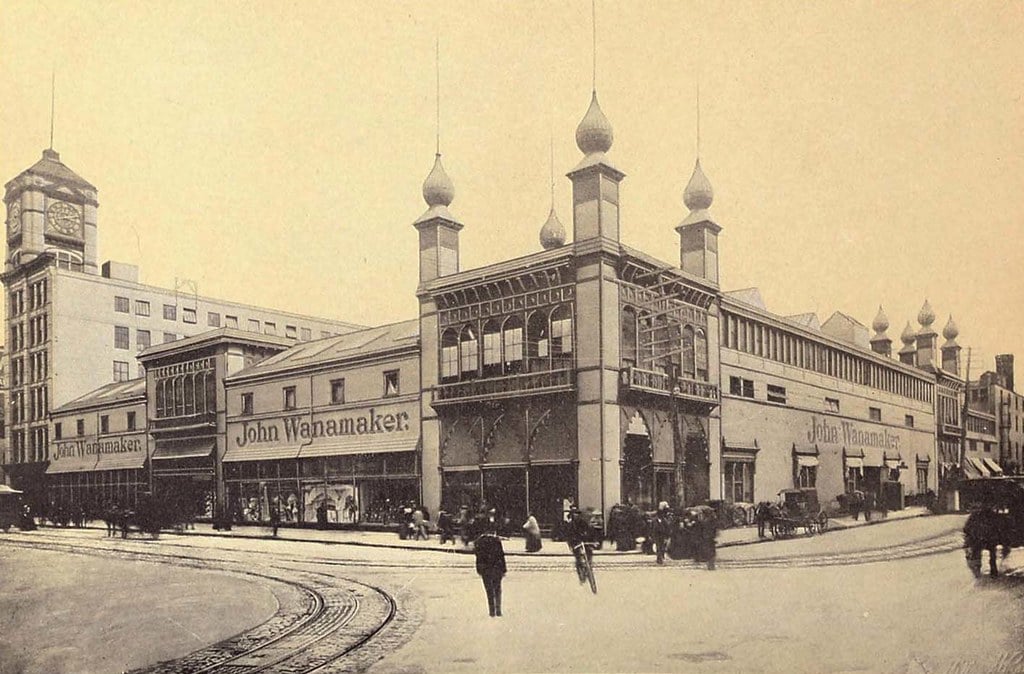
John Wanamaker opened his “Grand Depot” in an abandoned railroad station in Philadelphia in 1876. The building was enormous, the merchandise was varied, and the innovations were constant.
Wanamaker installed the first electric lights in a retail store. He created the first modern advertising department.
He was the first to offer a money-back guarantee. He pioneered the use of price tags so customers knew exactly what things cost.
The Philadelphia store featured a massive organ that filled multiple floors with music. Shoppers could hear concerts while they browsed.
The building included a grand court with a towering bronze eagle that became the traditional meeting spot. “Meet me at the Eagle” was something every Philadelphia resident understood.
Wanamaker expanded to New York and created department stores that rivaled anything Paris or London had to offer. His stores emphasized quality and service above everything else.
Shopping at Wanamaker’s wasn’t about finding bargains. It was about being treated well while buying good merchandise.
Hudson’s Became Detroit’s Beating Heart

Detroit’s J.L. Hudson Company started as a men’s clothing shop in the 1880s and grew into the second-largest department store in America. The downtown Detroit location stretched 32 stories high, making it the tallest department store building in the world for a time.
The store had over 200 departments and employed 12,000 people at its peak. Hudson’s had its own telephone exchange and the third-largest switchboard in the country, after the Pentagon and Bell.
The store hosted an annual Thanksgiving parade that became a Detroit tradition. The Christmas toyland on the 12th floor was so elaborate that families made it a holiday ritual.
The store even had its own restaurant specialties, including the Maurice Salad, which Detroit restaurants still serve today.
Shopping at Hudson’s was what middle-class Detroit families did. The store represented the city’s prosperity during the automotive boom.
When Hudson’s finally closed in the 1980s, it felt like Detroit itself was dying. In a way, it was.
Lord & Taylor Survived Longer Than Almost Anyone
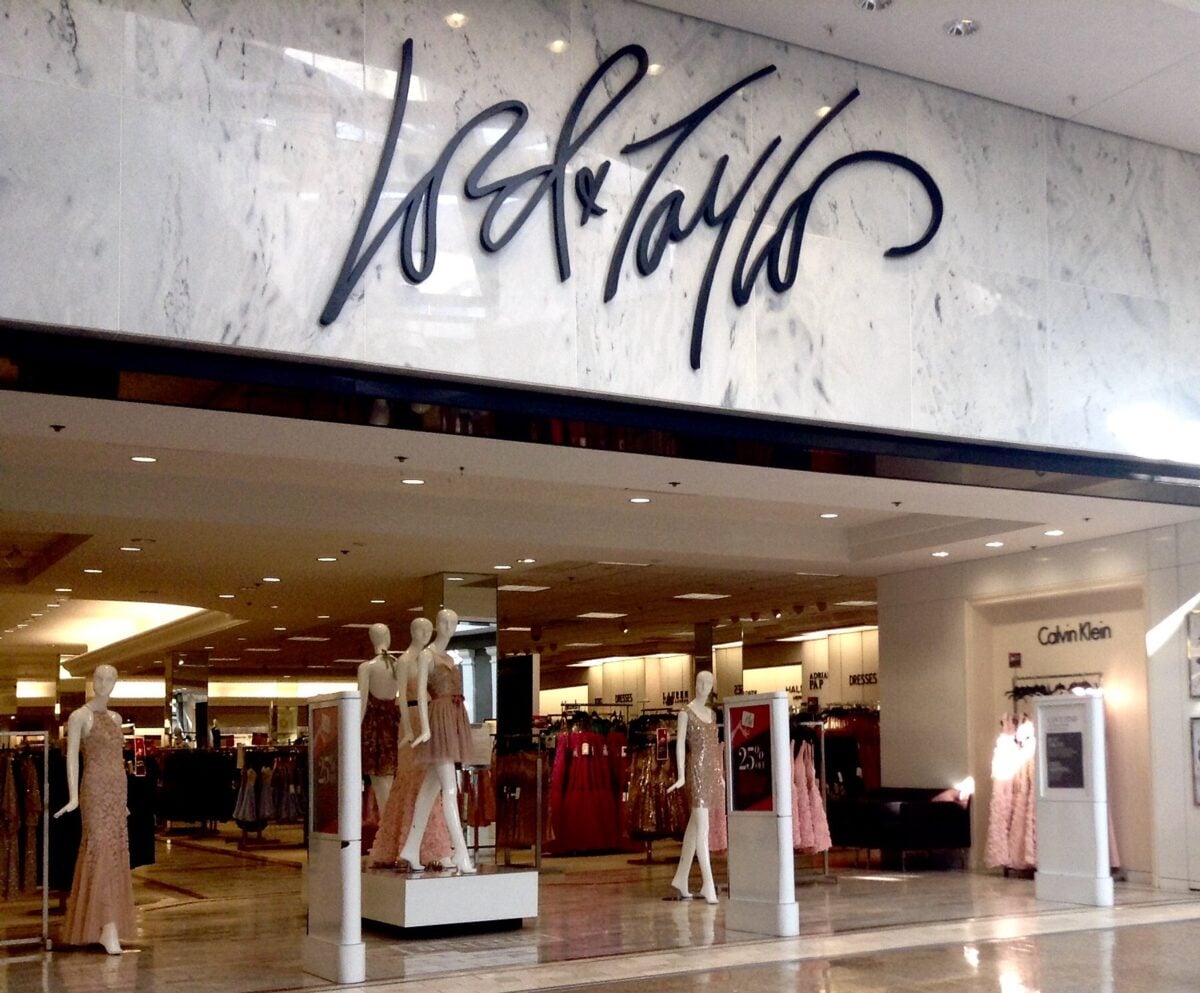
Founded in New York in 1826, Lord & Taylor was the oldest department store in America until it finally closed during the pandemic. That survival alone is remarkable.
The store opened when Andrew Jackson was president and was still operating when Donald Trump was. The Fifth Avenue flagship opened in 1914 and became famous for its window displays.
Every Christmas season, people made pilgrimages to see what Lord & Taylor had created. The Bird Cage tea room on an upper floor was a destination for Manhattan ladies who lunched.
The store appointed Dorothy Shaver as president in 1945, making her one of the first women to lead a major American retailer. Lord & Taylor succeeded by understanding its customers and not trying to be everything to everyone.
The store focused on quality clothing for middle-class and upper-middle-class shoppers. It didn’t chase trends or discount prices.
It maintained standards. That approach worked for nearly 200 years, which is longer than most businesses last 20.
Woolworth’s Made Five-and-Dimes Respectable
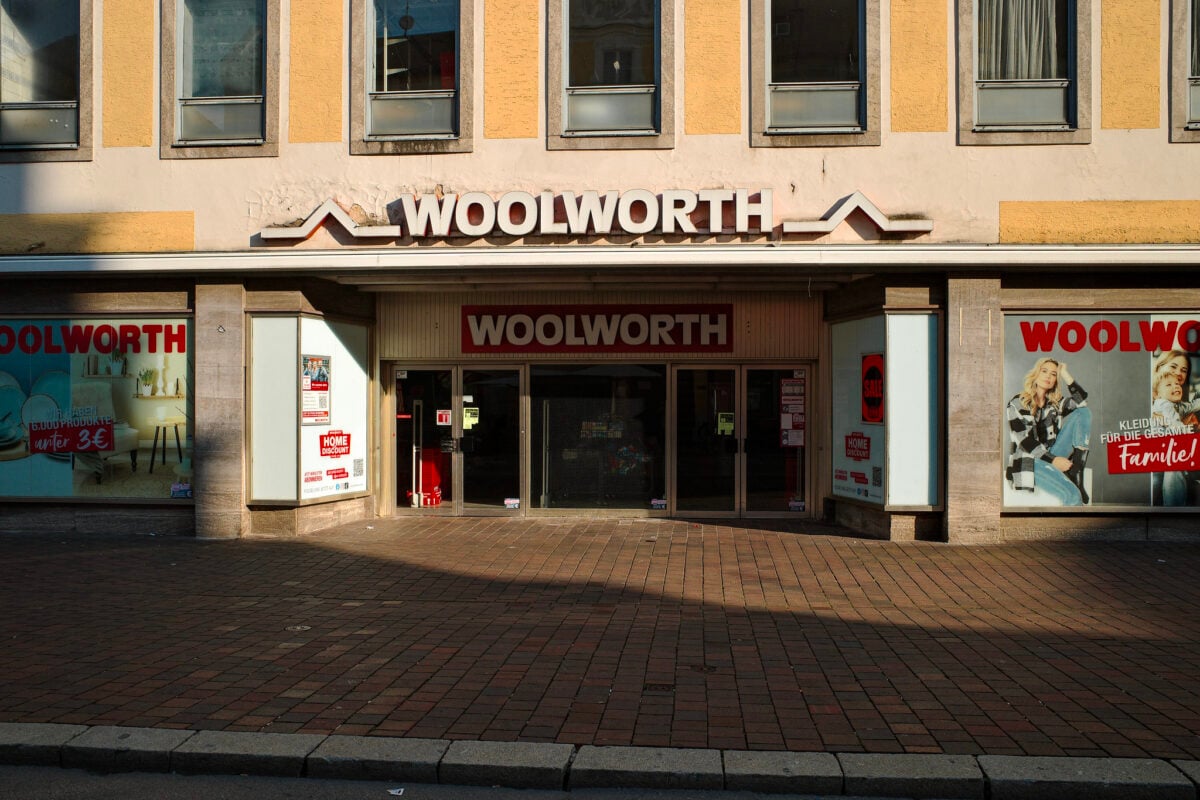
Frank Woolworth pioneered the five-and-dime store concept, where nothing cost more than a dime and most things cost a nickel. The first store opened in 1879, and within decades, Woolworth’s had locations across America.
These weren’t department stores in the traditional sense, but they changed how America shopped just as profoundly. Woolworth’s put merchandise on open counters where customers could touch and examine things without asking permission.
Prices were clearly marked. No haggling, no credit, no delivery.
You paid cash and carried your purchases home. This self-service approach seemed radical at the time, but it made shopping faster and easier for everyone.
The stores anchored Main Streets in small towns across the country. They sold everyday necessities at prices working-class families could afford.
The lunch counter at Woolworth’s became a social institution where people gathered to eat, gossip, and watch the world go by. That changed in 1960 when four Black college students sat at a segregated Woolworth’s lunch counter in Greensboro, North Carolina, sparking sit-ins that helped end Jim Crow.
JCPenney Served Main Street America
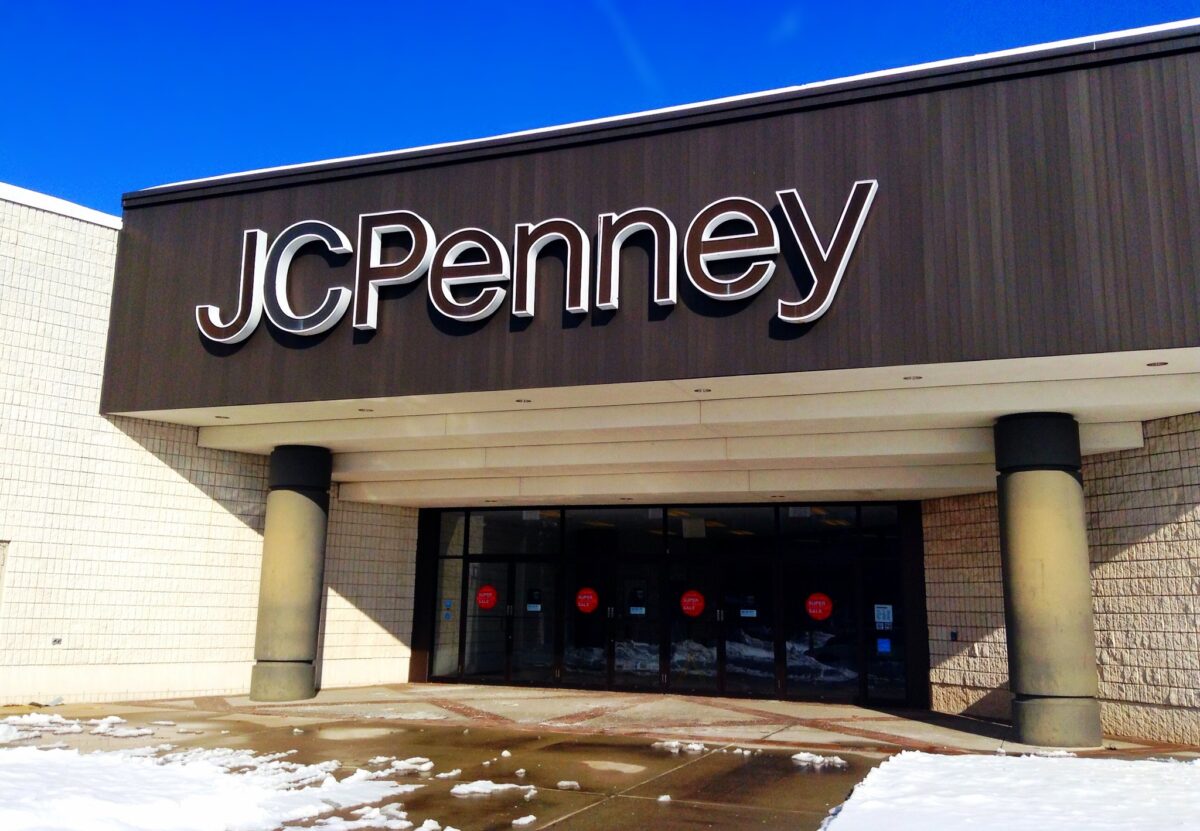
James Cash Penney opened his first store in 1902 in Kemmerer, Wyoming, and called it The Golden Rule Store. The name reflected his business philosophy: treat customers the way you want to be treated.
By the 1920s, Penney had hundreds of stores across America, most of them in small towns that the big department stores ignored. JCPenney focused on providing good value without being cheap.
The stores sold clothing, household goods, and later, appliances and furniture. The merchandise was dependable rather than fashionable.
Shopping at Penney’s meant you were getting fair prices and decent quality without paying for the prestige of a fancier name. The stores became pillars of small-town America.
In many communities, JCPenney was the only place to buy new clothes or replace a worn-out mattress. The store sponsored Little League teams and supported local charities.
It wasn’t just a business. It was part of the community fabric.
Montgomery Ward Challenged Sears
Aaron Montgomery Ward started his mail-order business in 1872, before Sears Roebuck existed. His catalog preceded Sears by two decades.
Ward created the concept of buying from a catalog and having goods shipped directly to you. He offered a money-back guarantee when that was unheard of.
He fought to keep the Chicago lakefront free from commercial development, preserving what became Grant Park. Montgomery Ward and Sears were rivals for decades, competing for the rural market through their catalogs.
Ward’s catalog was often more innovative, but Sears marketed more aggressively. Both companies eventually opened department stores, and both followed similar paths into the suburbs and shopping malls.
The competition between the two companies pushed both of them to improve. They kept prices down and quality up because neither could afford to let the other gain too much ground.
Ward’s declared bankruptcy in 2000 and closed its remaining stores in 2001, ending a 128-year run.
Filene’s Invented the Bargain Basement
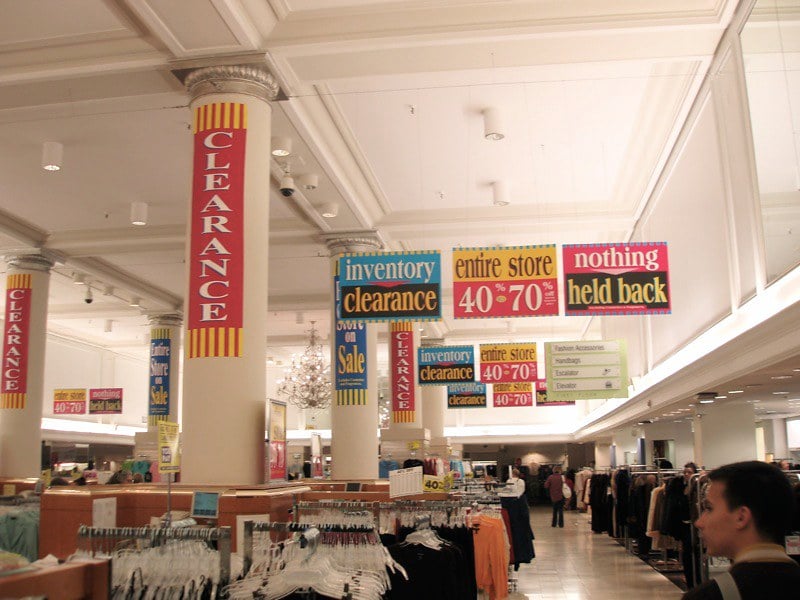
Most department stores tried to project elegance and luxury. Filene’s in Boston did that on its upper floors, but in the basement, it created something entirely different.
The Filene’s Basement was an elaborately decorated, air-conditioned space where unsold merchandise from the main store went to die or find new life.
The basement had a unique pricing system. Items started at a certain discount, then the price dropped automatically every few days until someone bought it or the store donated it to charity.
Shoppers became obsessed with timing their visits to get the best deals. Finding a designer dress at a fraction of its original price felt like winning a treasure hunt.
The basement was so successful that it became its own brand, eventually operating independently from the main Filene’s stores. The concept influenced how retailers everywhere thought about clearance merchandise.
But nothing quite matched the organized chaos and competitive thrill of shopping the original Filene’s Basement.
B. Altman Defined New York Elegance
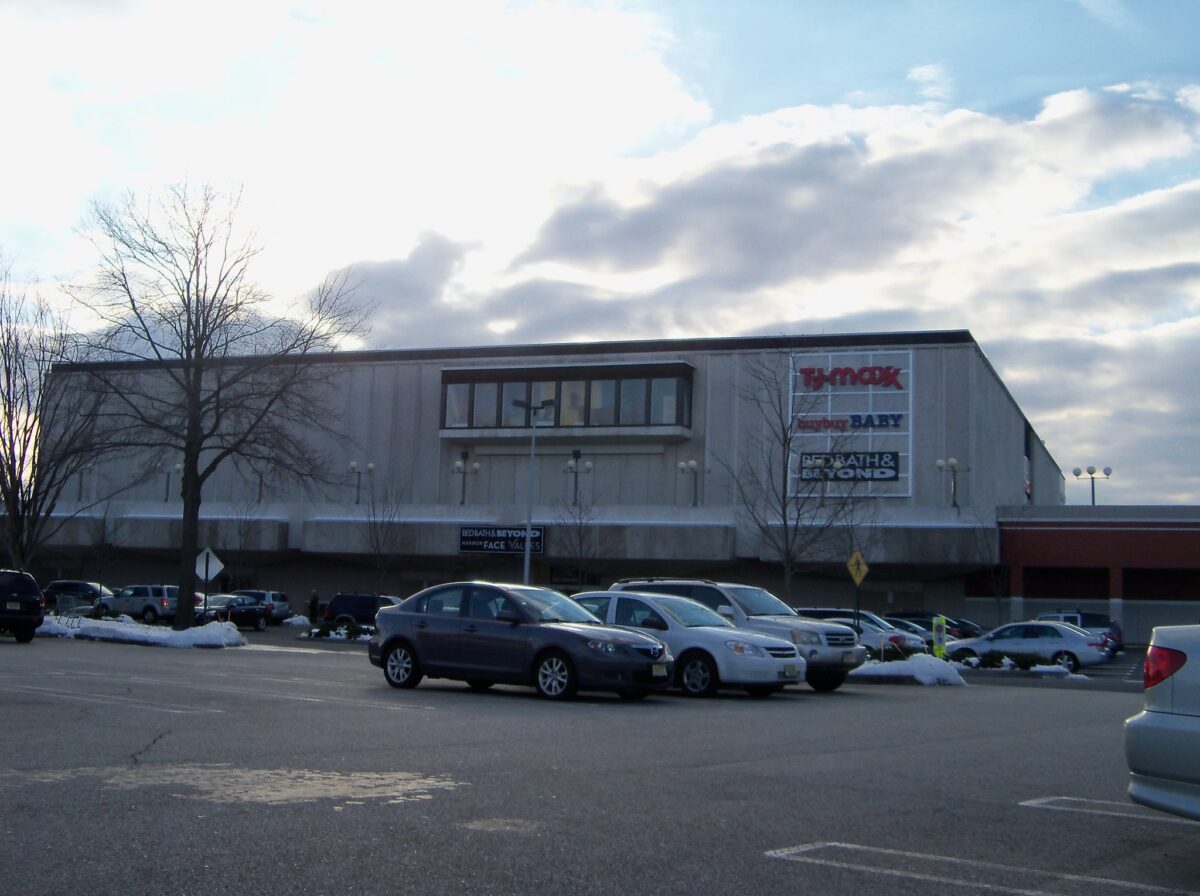
Benjamin Altman opened his dry goods store on Sixth Avenue in 1865 and moved it to Fifth Avenue and 34th Street in 1906. The move was controversial because Fifth Avenue was a residential area, and merchants weren’t supposed to mix with the wealthy families who lived there.
Altman promised his store would be so tasteful and quiet that neighbors wouldn’t even notice it was there. He kept that promise. B. Altman’s became known for understated elegance and impeccable service.
The store catered to upper-middle-class women who wanted quality without ostentation. The tearoom was refined without being stuffy.
The merchandise was well-made without being exorbitantly priced. Shopping at Altman’s meant you had good taste and the income to indulge it, but you weren’t showing off.
The store survived until 1989, when it finally succumbed to changing shopping patterns and increased competition. The building is now a branch of the New York Public Library, which feels appropriate.
Both institutions served similar purposes: they provided public spaces where anyone could go to better themselves.
Rich’s Ruled the South
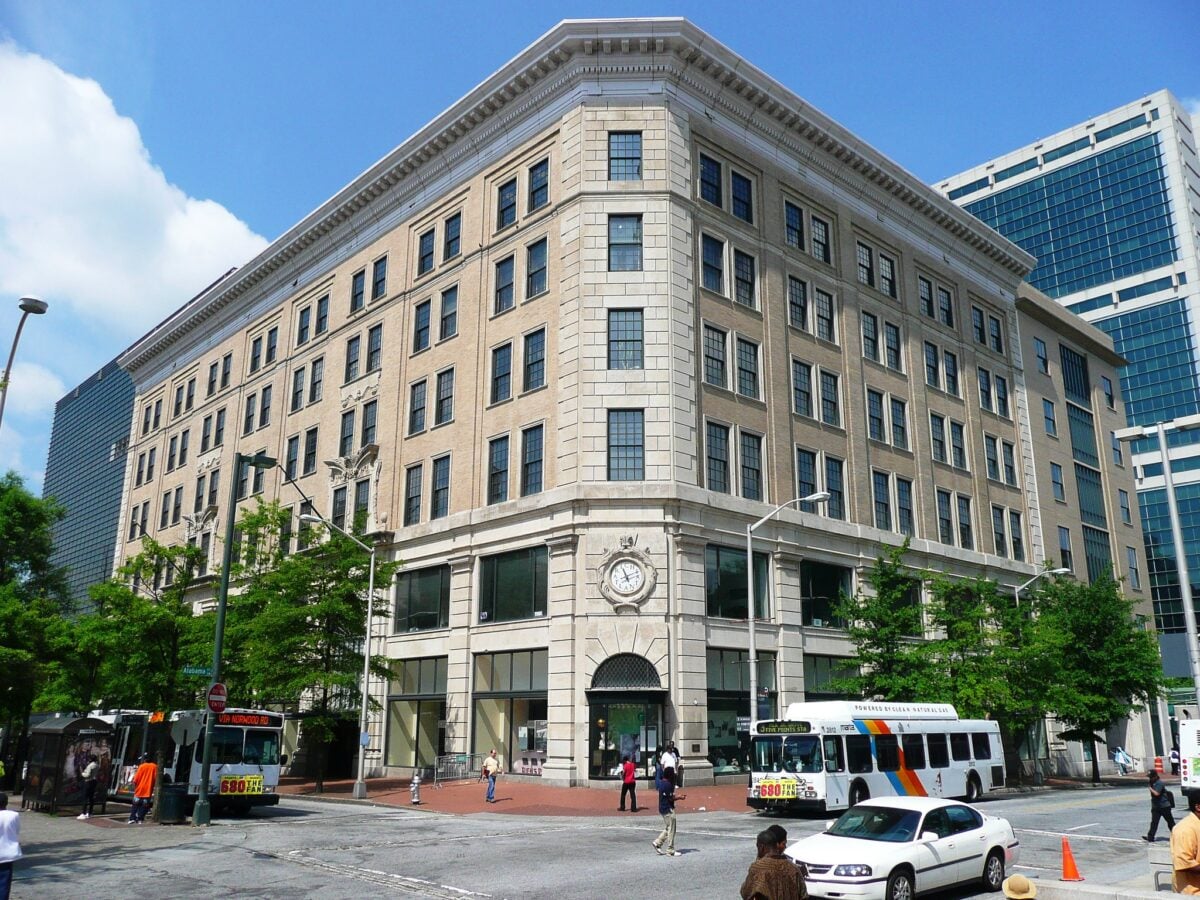
Rich’s in Atlanta wasn’t just a department store. It was a Southern institution.
Founded in 1867, the store grew into a retail powerhouse that defined Atlanta shopping for over a century. Rich’s was where Atlanta families shopped for back-to-school clothes, wedding gifts, and Christmas presents.
The store’s famous magnolia-scented elevators became so iconic that people mentioned them in memoirs and novels. Rich’s hosted fashion shows, book signings, and community events.
The store’s annual Great Tree lighting ceremony was an Atlanta Christmas tradition. The Pink Pig monorail ride through the store’s Christmas display was something every Atlanta child experienced.
Rich’s expanded throughout the Southeast, but the Atlanta flagship remained the heart of the operation. The store eventually merged with Macy’s in 2005, and the Rich’s name disappeared. Atlanta hasn’t really gotten over it.
When the Palaces Became Relics
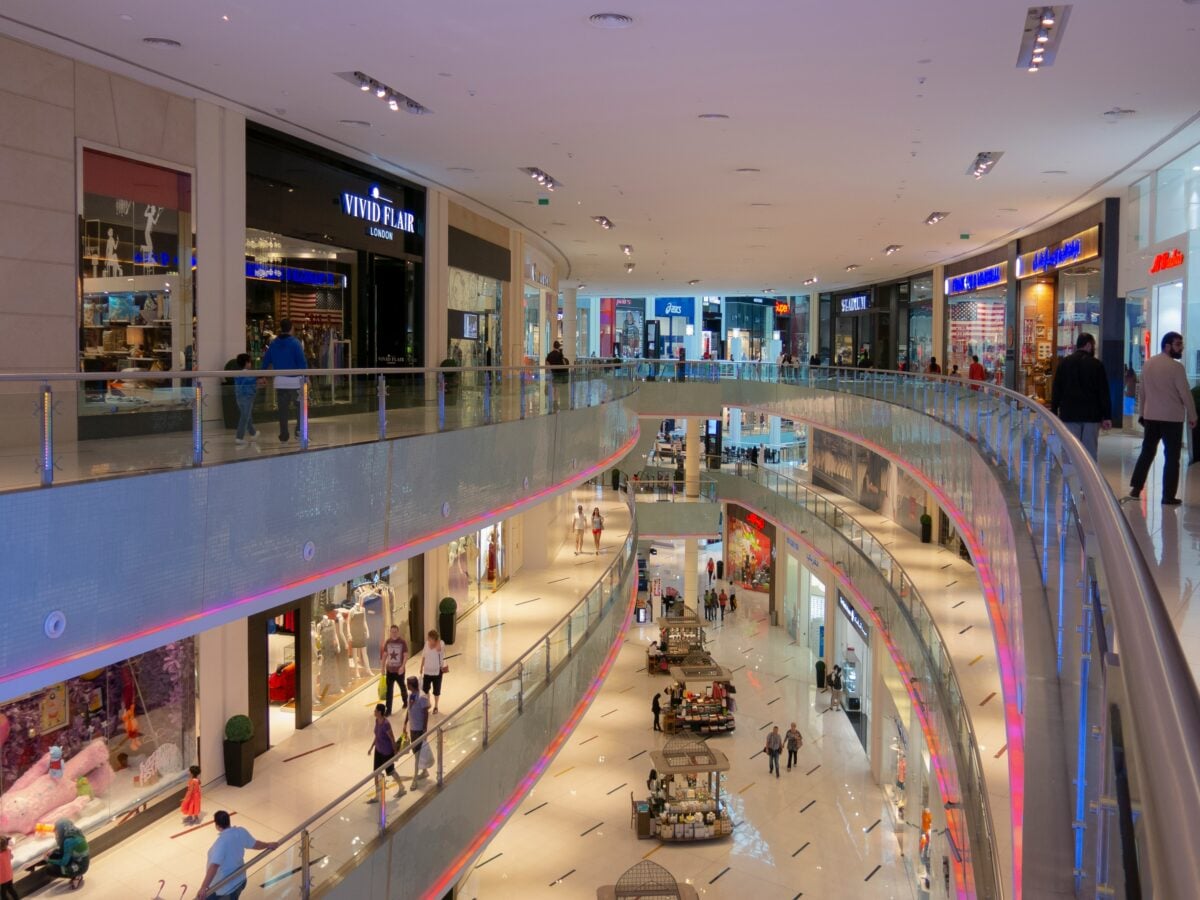
The decline of department stores happened slowly, then all at once. Discount retailers like Walmart and Target offered lower prices and adequate quality, which was enough for most shoppers.
Online shopping eliminated the need to go anywhere at all. Shopping malls, once anchored by department stores, became dated relics of suburban life.
But something more fundamental changed too. Shopping stopped being an event.
It became a task you completed as quickly as possible, often from your couch. The social aspects of department stores—the lunch counters, the tea rooms, the personal shoppers—felt unnecessary.
Why spend an afternoon at a store when you could click a button and have everything delivered tomorrow? Department stores had created a culture around shopping that lasted for more than a century.
They built palaces to commerce that doubled as community gathering spaces. They employed thousands of people and anchored entire downtown districts.
They made shopping into something more than a transaction. What replaced them is more efficient but less grand.
You can buy anything you want in minutes without talking to anyone or leaving home. That’s progress, technically.
But something valuable was lost when those big stores went dark, and you can feel the absence walking past their empty buildings in city after city.
More from Go2Tutors!

- The Romanov Crown Jewels and Their Tragic Fate
- 13 Historical Mysteries That Science Still Can’t Solve
- Famous Hoaxes That Fooled the World for Years
- 15 Child Stars with Tragic Adult Lives
- 16 Famous Jewelry Pieces in History
Like Go2Tutors’s content? Follow us on MSN.