16 Hotel Chains That Disappeared Without Warning
The hospitality industry has always been cutthroat. Brand names that once ruled highway billboards and dog-eared travel guides can vanish seemingly overnight.
Economic downturns hit hard, travel habits shift, and corporate mismanagement claims victims. Many beloved hotel chains have fallen casualty to these forces over the decades.
Here is a list of 16 hotel chains that disappeared without warning, leaving behind empty buildings and confused travelers wondering what happened to their favorite accommodations.
Howard Johnson’s
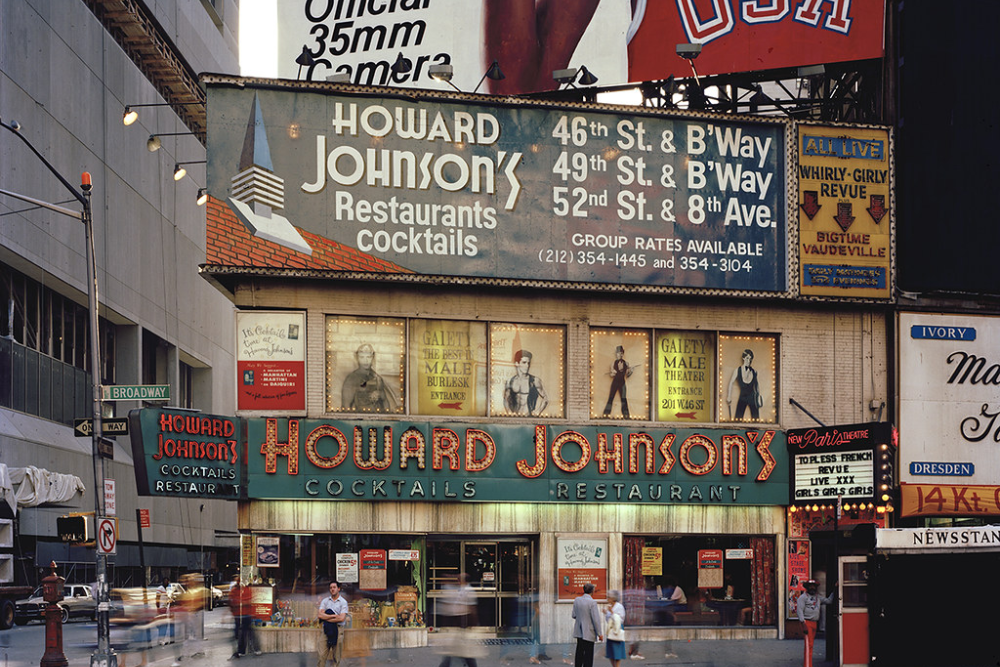
That orange-roofed giant once boasted over 1,000 locations across America before beginning its slow fade in the 1980s and 1990s. Starting as a roadside ice cream stand in 1925, it grew into one of the most recognizable hotel and restaurant chains in the country.
The brand’s decline came from overexpansion—though inconsistent quality control and failure to modernize aging properties to compete with newer chains sealed its fate.
Ramada Inn
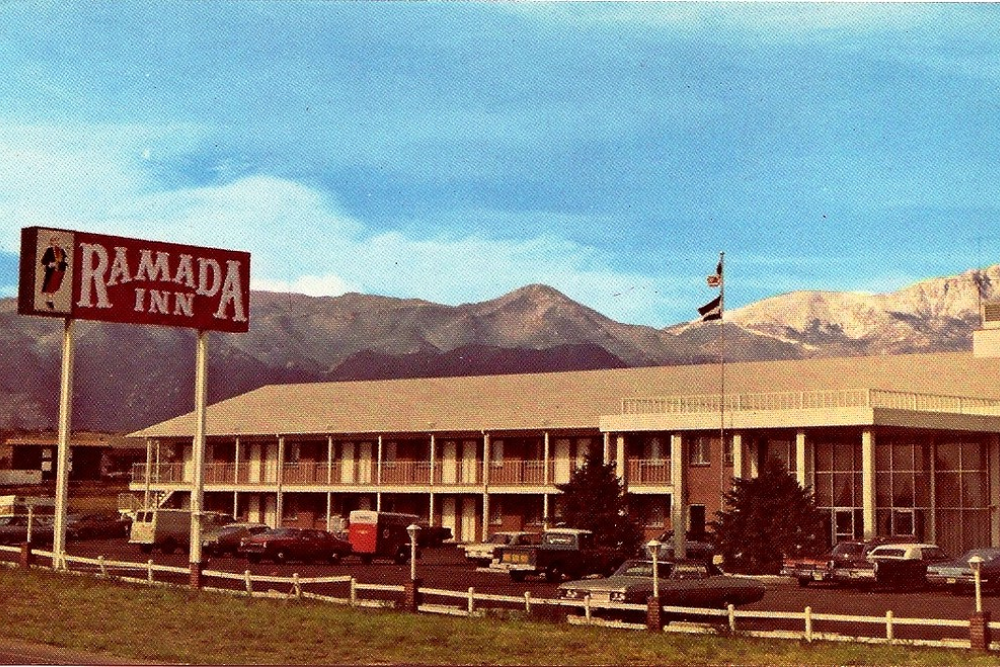
While the Ramada name still exists in some form, the original Ramada Inn chain that travelers knew and loved effectively disappeared after ownership changes and rebranding efforts took their toll. The chain peaked in the 1970s with distinctive red and white signage, yet corporate restructuring in the 1990s left most properties either closed or operating under different brands.
Many former Ramada locations now sit abandoned—or they’ve been converted to other uses entirely.
Like Go2Tutors’s content? Follow us on MSN.
TraveLodge
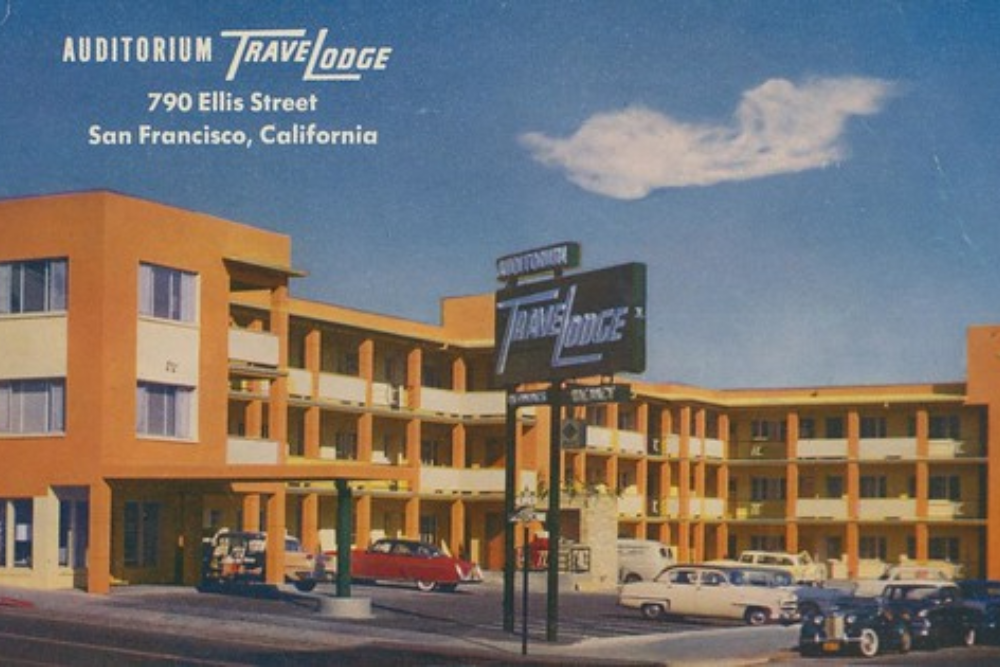
This budget-friendly chain was a road trip staple for families and business travelers from the 1930s through the 1990s. TraveLodge’s simple accommodations and reasonable rates made it popular, though the brand couldn’t adapt to changing consumer expectations for amenities and service.
The chain gradually sold off properties or allowed franchise agreements to expire—leaving behind a scattered collection of independent motels using the old name.
Imperial 400
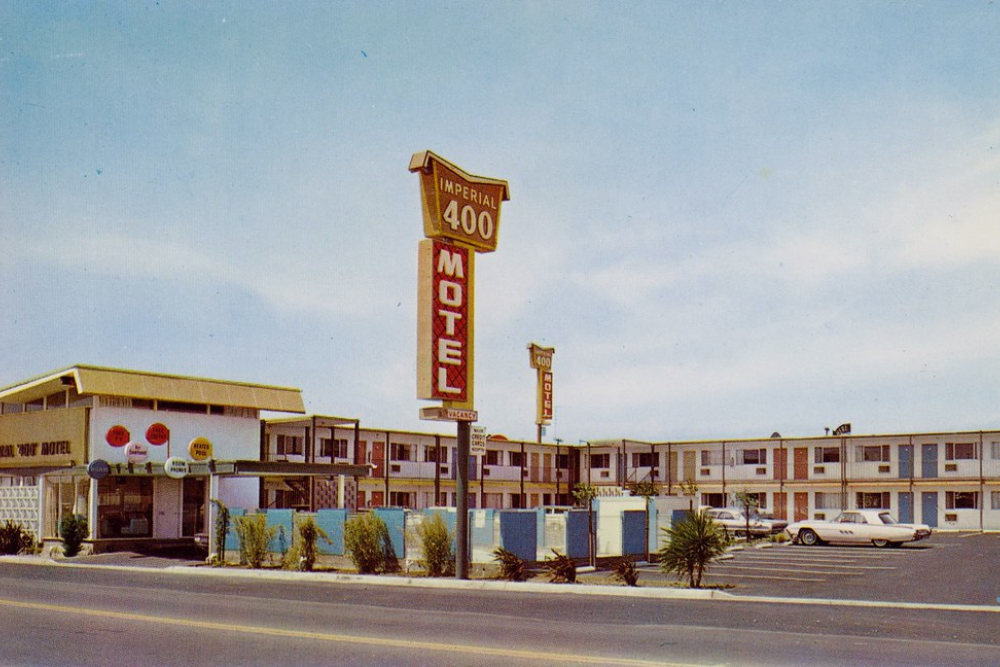
The Imperial 400 chain marketed itself as offering luxury accommodations at reasonable prices during its heyday in the 1960s and 1970s. Their distinctive crown logo appeared on properties across the country, particularly throughout the Southeast and Midwest.
Corporate financial troubles and increased competition from larger chains led to the brand’s disappearance by the early 1980s—most locations either closed or rebranded.
Friendship Inns
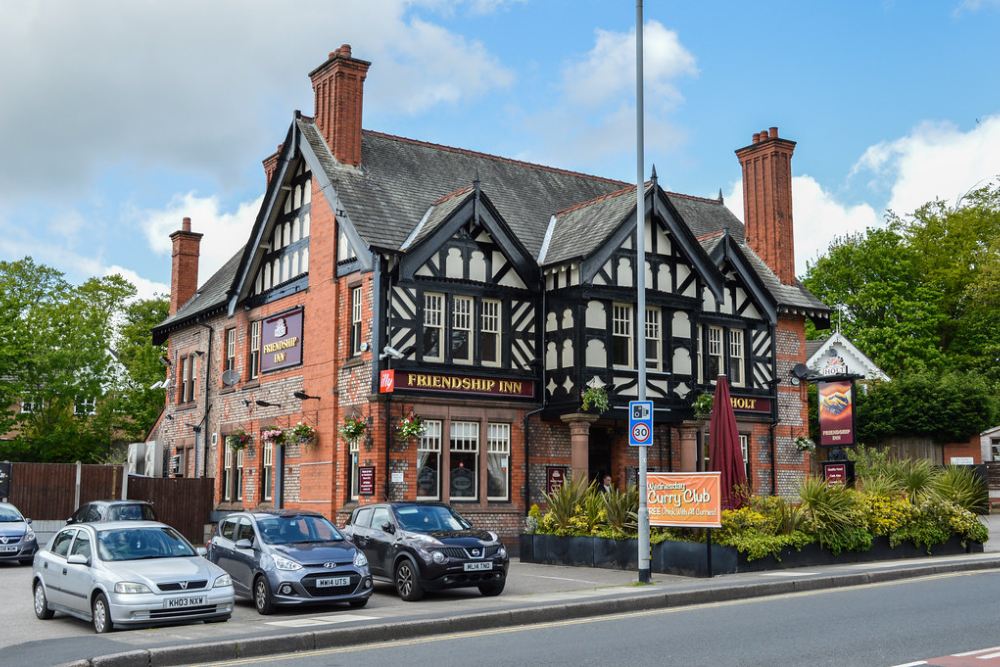
This mid-tier chain attempted to position itself as a friendlier alternative to larger corporate hotels during the 1970s and 1980s. Friendship Inns emphasized personal service and community connections, though the brand struggled with inconsistent quality across franchise locations.
The chain’s parent company eventually sold off most properties to other hotel operators—or independent owners took them over.
Like Go2Tutors’s content? Follow us on MSN.
Red Roof Inn Classic
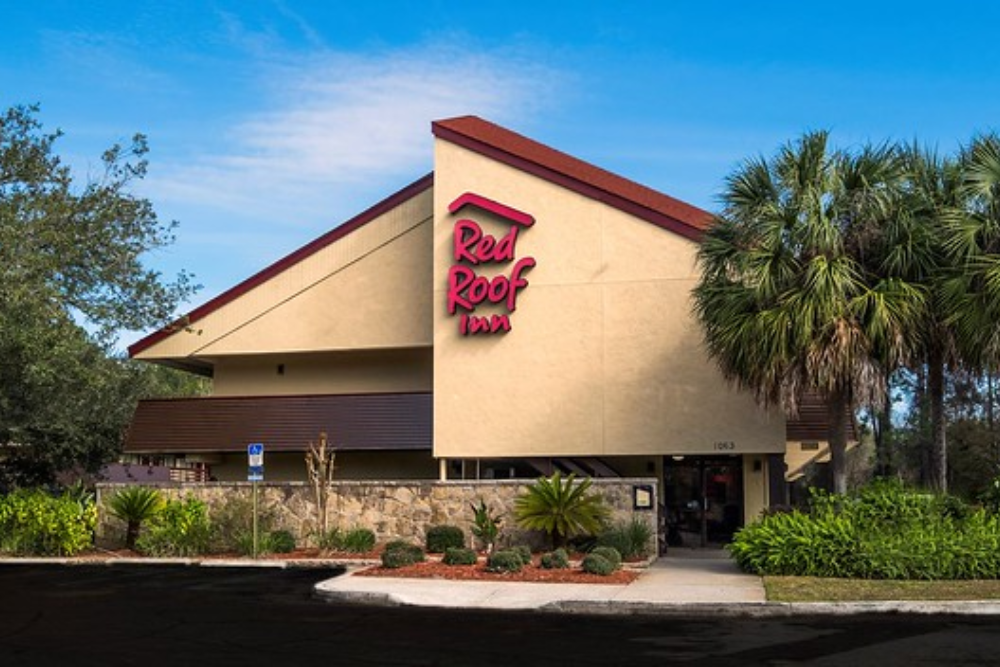
While Red Roof Inn continues operating today, the original ‘Classic’ version that existed from the 1970s through early 2000s represents a different era of budget hospitality. These older properties featured the brand’s signature red roofs and no-frills approach to lodging.
Most Classic locations were either renovated beyond recognition or closed entirely—the company needed to modernize its image.
Econo Lodge Classic
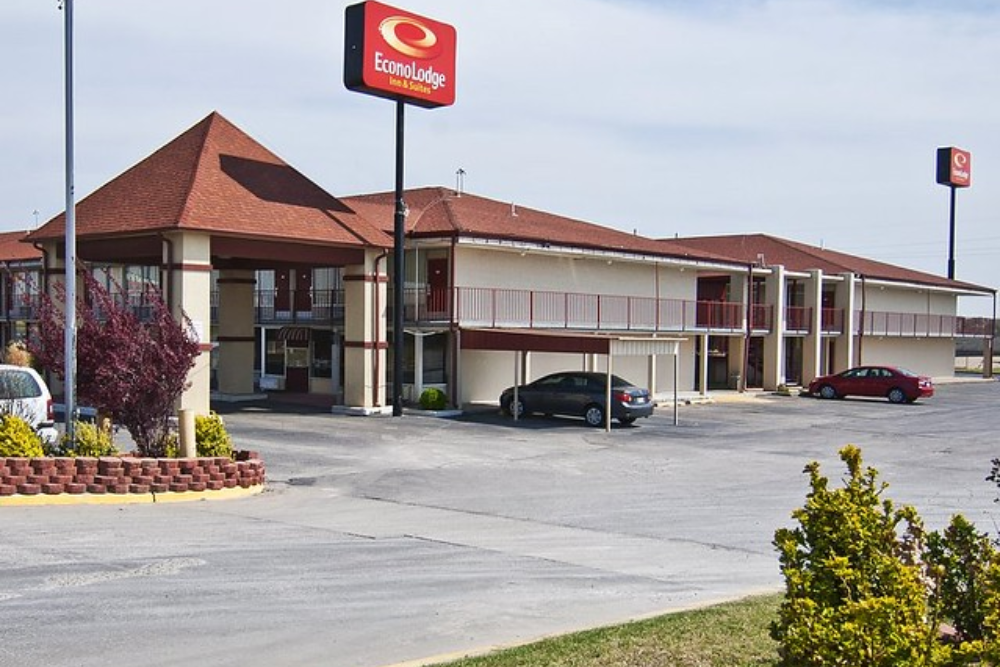
Similar to Red Roof Inn, the original Econo Lodge properties from the 1960s and 1970s offered basic accommodations at rock-bottom prices. The chain’s early locations were known for simple rooms and minimal amenities—targeting budget-conscious travelers who didn’t need luxury.
Corporate restructuring and rebranding efforts have left few traces of the original Econo Lodge experience.
Rodeway Inn Vintage
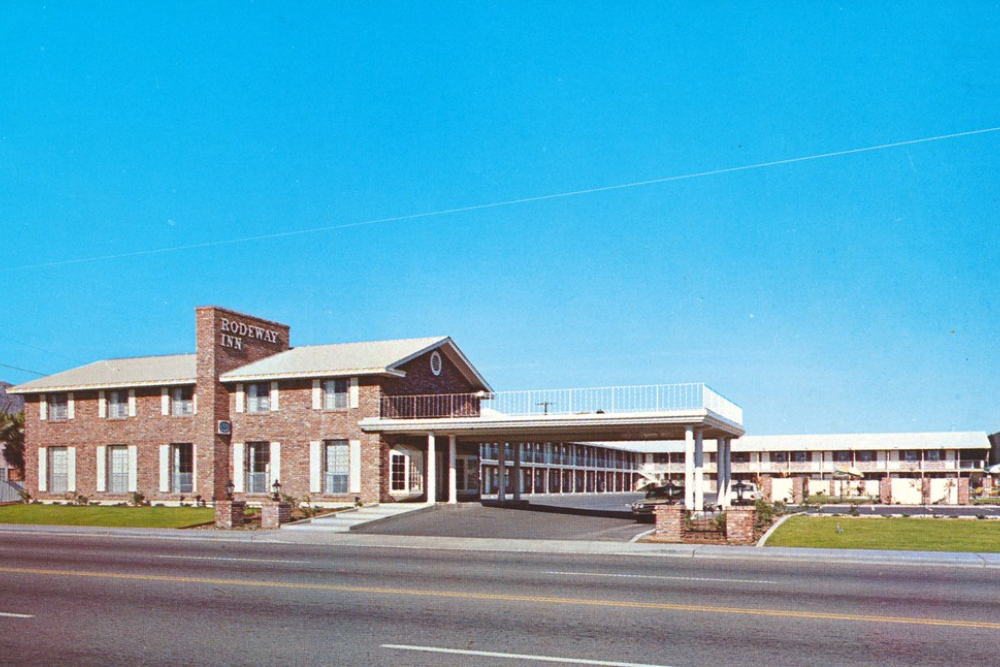
The vintage Rodeway Inn properties that operated from the 1960s through the 1980s provided affordable lodging with a Western theme. These locations often featured rustic decor and promised a taste of frontier hospitality—complete with cowboy-inspired room designs.
Most vintage Rodeway properties have been extensively renovated or converted to other brands, making the original experience largely a memory.
Like Go2Tutors’s content? Follow us on MSN.
Master Hosts Inns
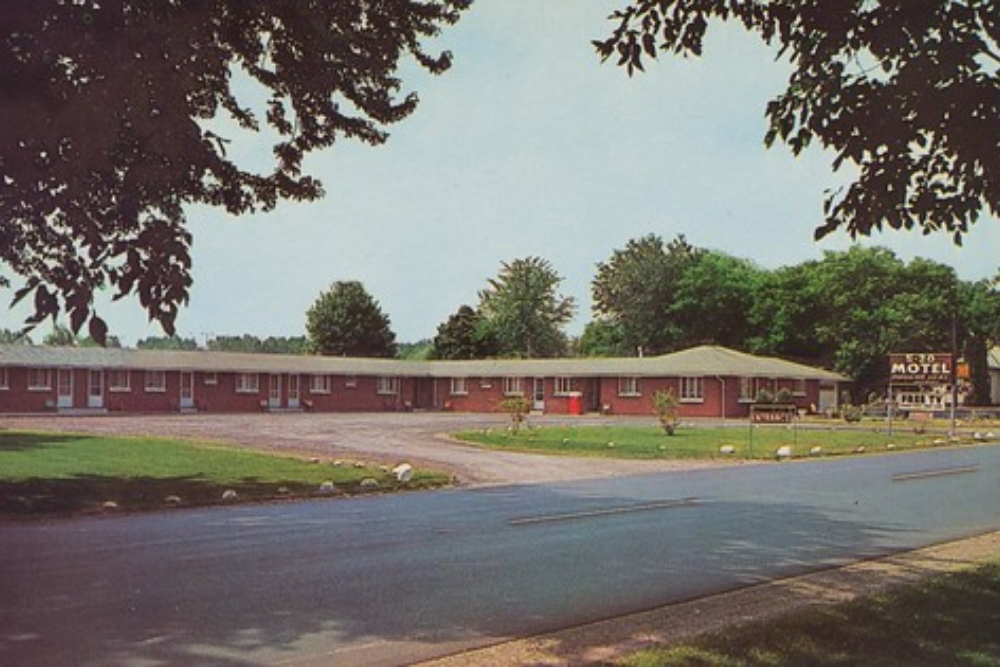
This regional chain operated primarily in the Midwest and Southeast during the 1960s and 1970s. Master Hosts Inns positioned themselves as offering superior service and amenities compared to typical budget motels—though they couldn’t compete with larger chains long-term.
The brand disappeared gradually as independent owners chose not to renew franchise agreements—or were acquired by bigger players.
Downtowner Inns
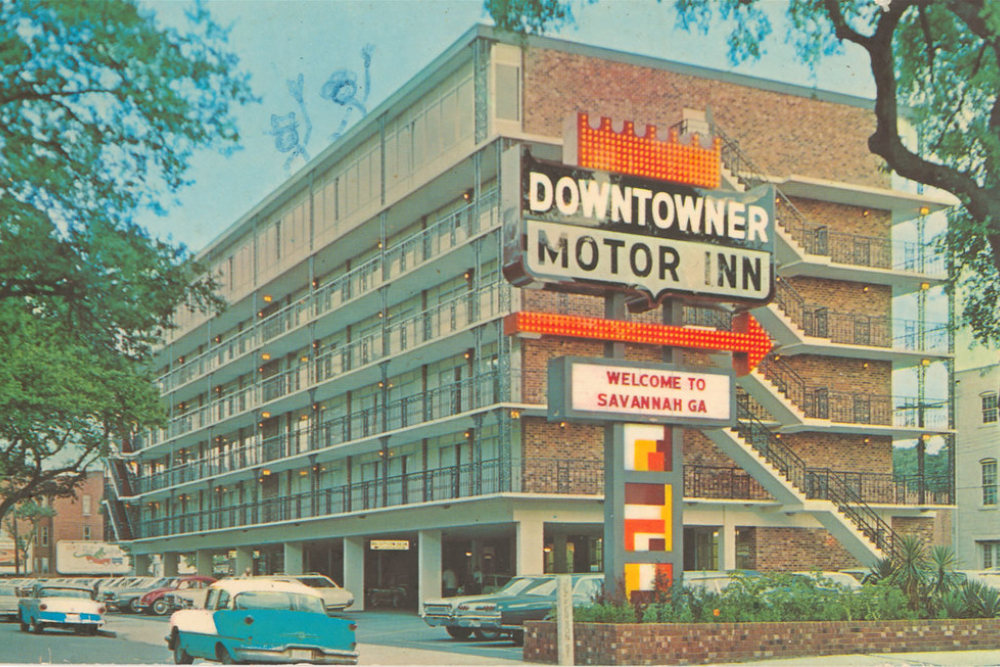
Downtowner Inns focused on urban locations and business travelers during the 1970s and 1980s. The chain emphasized convenient downtown locations and reasonable rates for corporate guests—appealing to expense account travelers.
Economic pressures and competition from larger business-oriented chains led to the gradual closure or rebranding of most Downtowner properties.
Family Inns of America
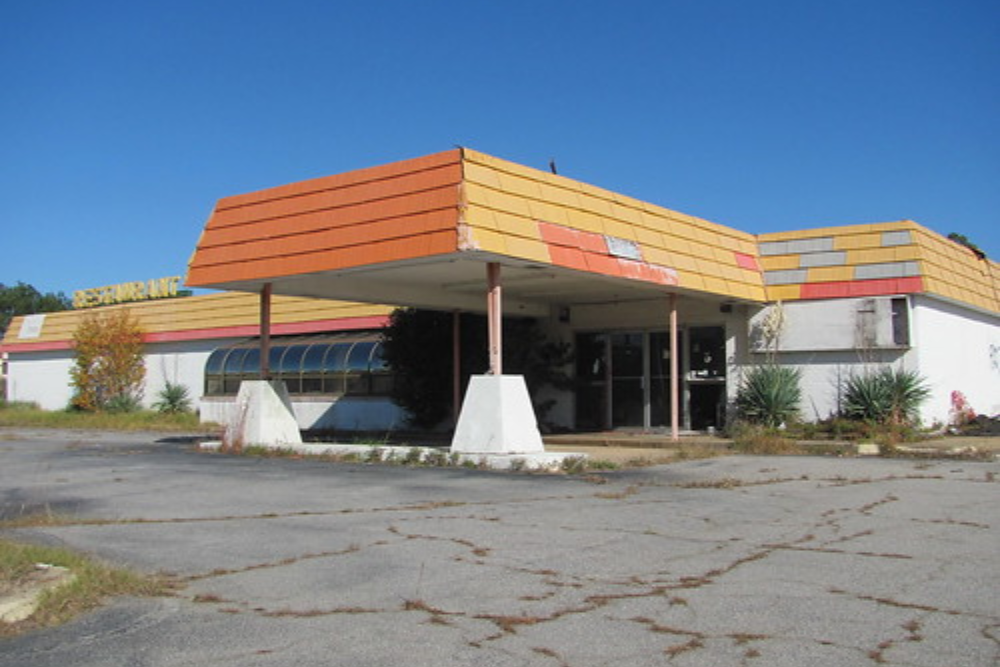
This chain marketed itself specifically to families traveling with children, offering larger rooms and kid-friendly amenities. Family Inns operated primarily during the 1970s and 1980s before being absorbed by larger chains or closing entirely.
The brand’s focus on family travel was ahead of its time, yet it couldn’t compete with better-funded competitors who eventually caught on.
Like Go2Tutors’s content? Follow us on MSN.
Scottish Inns
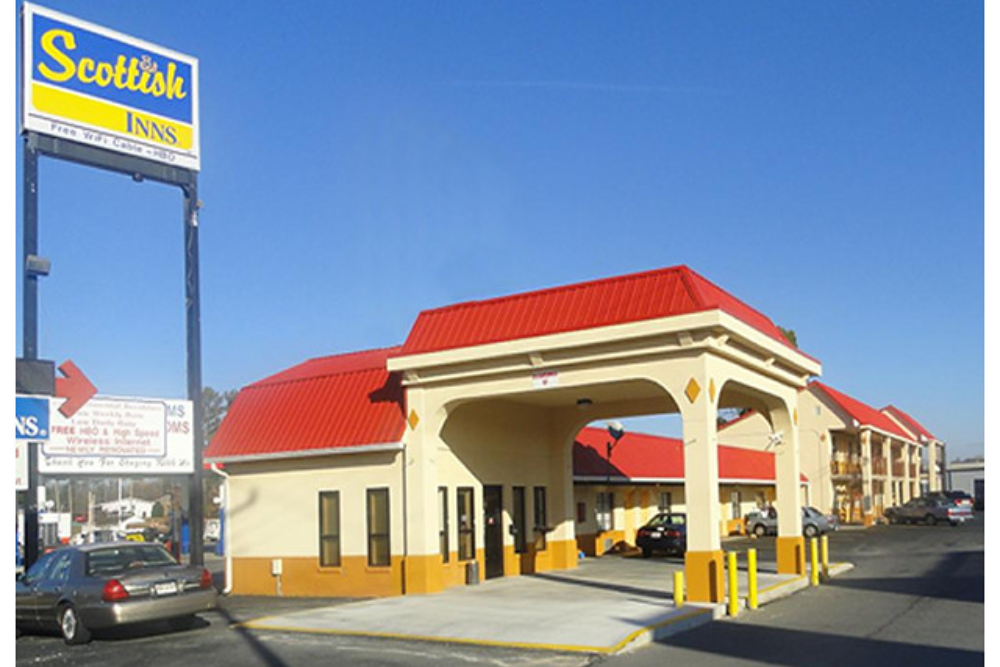
Scottish Inns attempted to bring Highland hospitality to American highways during the 1960s and 1970s. The chain featured tartan-themed decor and promised quality accommodations at reasonable prices.
Financial difficulties and inconsistent franchise management led to the brand’s disappearance by the early 1980s, though some properties tried to maintain the Scottish theme independently.
Knights Inn Original
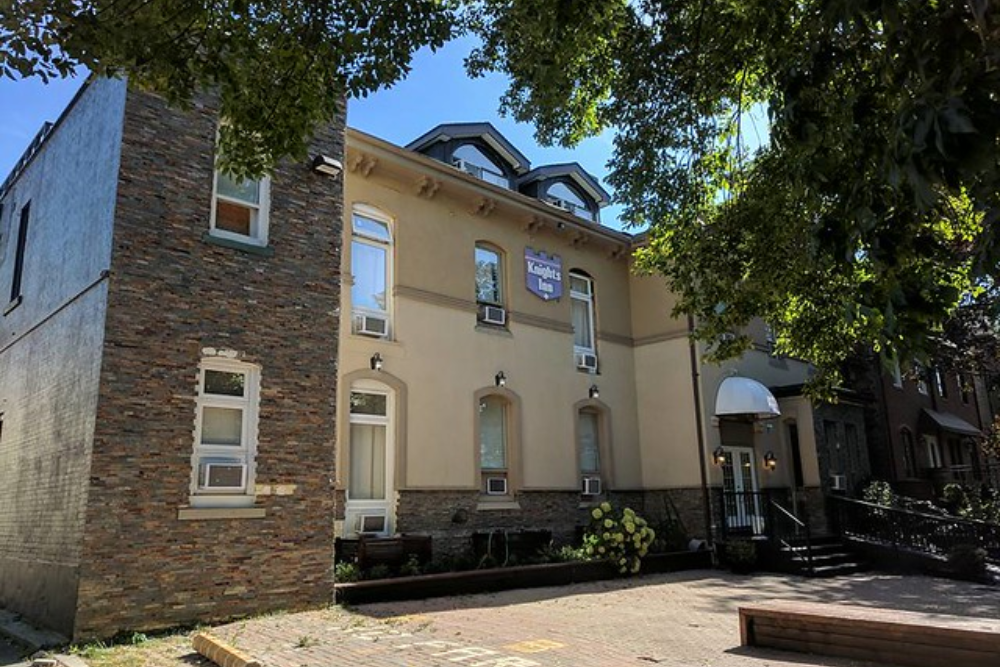
The original Knights Inn chain from the 1970s and 1980s offered medieval-themed budget accommodations. While some properties still operate under the Knights Inn name, the original concept and many locations disappeared as the brand changed ownership multiple times.
The chain’s castle-themed architecture and decor made it distinctive, though also somewhat dated by modern standards.
Passport Inn
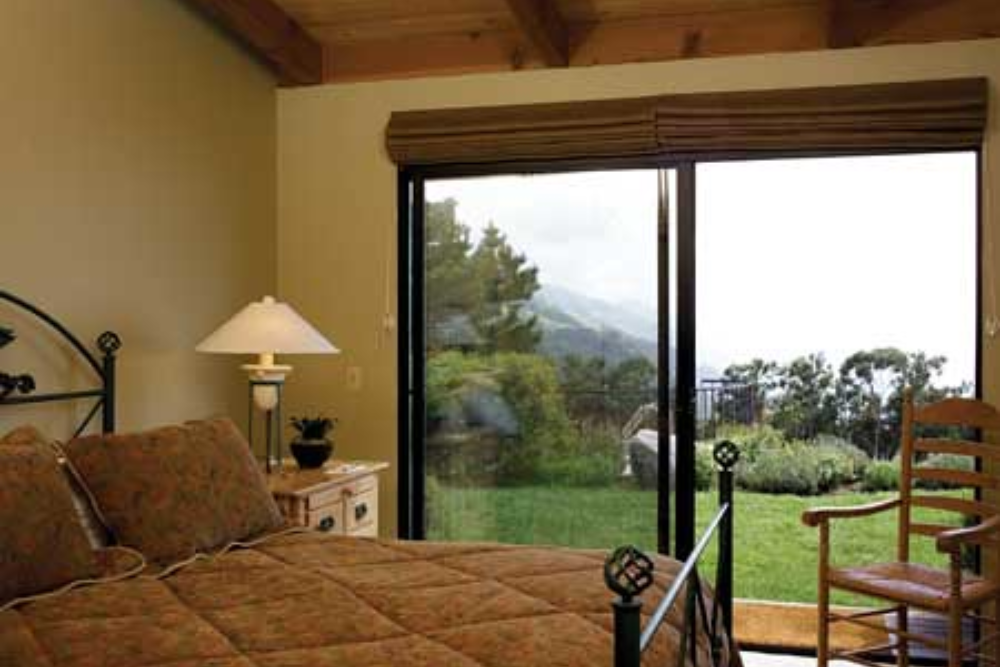
Passport Inn targeted international travelers and tourists with properties near major airports and attractions during the 1970s and 1980s. The chain’s travel-themed branding and focus on foreign visitors made it unique in the budget hotel market.
Changing travel patterns and corporate restructuring led to its eventual disappearance, along with shifts in how international visitors booked accommodations.
Like Go2Tutors’s content? Follow us on MSN.
Ponderosa Motor Lodge
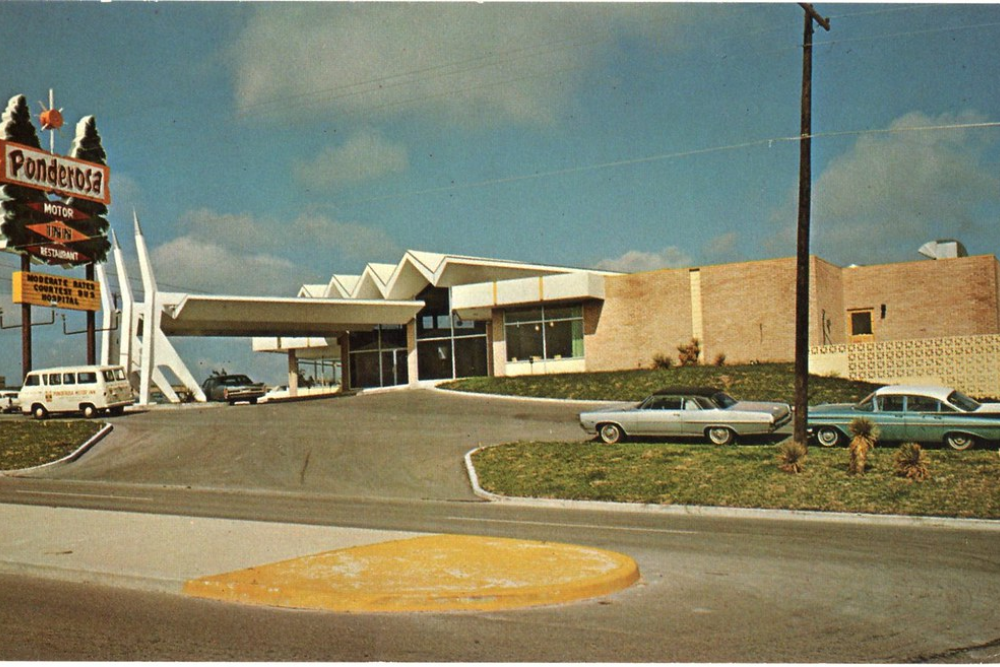
These Western-themed motor lodges operated primarily in the Mountain West and Southwest during the 1960s and 1970s. Ponderosa properties featured rustic architecture and promised an authentic Western experience for travelers seeking something beyond standard motel fare.
The chain gradually faded as tourism patterns changed and larger chains expanded into their markets with more resources.
Admiral Benbow Inn
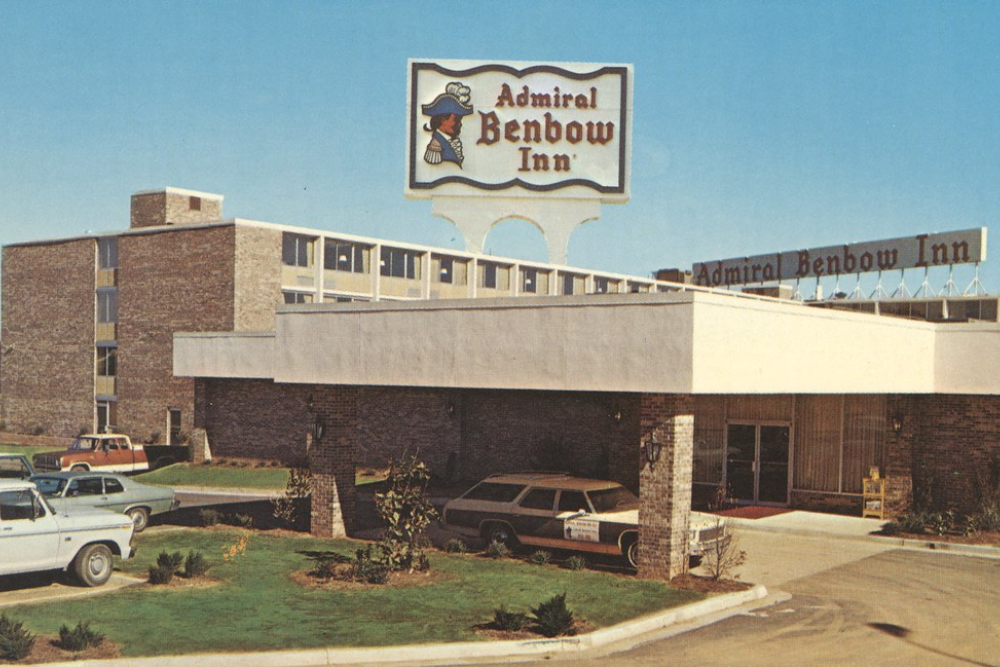
This nautical-themed chain operated a small number of properties primarily on the East Coast during the 1960s and 1970s. Admiral Benbow Inns featured maritime decor and targeted leisure travelers visiting coastal areas for vacation getaways.
The limited number of locations and specialized market focus made the chain vulnerable to economic downturns and changing travel preferences among coastal tourists.
When Giants Fall

These vanished hotel chains serve as reminders that even successful businesses can disappear when they fail to adapt. The hospitality industry continues evolving, with new brands emerging while others fade into history books and old travel magazines.
What remains constant is travelers’ need for comfortable, affordable accommodations, even if the names on the signs keep changing with the times.
Like Go2Tutors’s content? Follow us on MSN.
More from Go2Tutors!

- 16 Restaurant Chains That Went Too Fast
- 12 Things Sold in the 80s That Are Now Illegal
- 15 Strange Things People Have Tried to Ban (And Failed)
- 16 Collectibles People Tossed Out Too Soon
- 17 Myths from Your Childhood That Were Actually Based on Real Things
Like Go2Tutors’s content? Follow us on MSN.



