16 Iconic Dishes That Define Their Countries
Every country has flavors that tell its story. From the bustling streets of Bangkok to the cozy pubs of England, certain dishes become so deeply woven into a nation’s identity that they speak louder than any flag or anthem. These aren’t just meals—they’re edible ambassadors that carry centuries of tradition, culture, and pride on every plate.
Some dishes earned their status through royal kitchens, while others rose from humble peasant tables to become national treasures. What makes these foods truly special isn’t just their taste, but how they reflect the soul of an entire people. Here is a list of 16 iconic dishes that perfectly capture the essence of their home countries.
Pizza – Italy

Pizza might be found on every corner of the globe today, but its heart will always belong to Italy. Italian pizza is probably the most famous food in the World.
Pizza has crossed the borders of Italy a long time ago and nowadays it is consumed all over the world. What started as a simple flatbread topped with tomatoes, mozzarella, and basil in Naples has become the world’s most beloved comfort food.
The magic lies in the simplicity—each ingredient must be perfect because there’s nowhere to hide. Authentic Italian pizza features a thin, crispy crust that’s been hand-stretched, not rolled, with toppings that celebrate rather than overwhelm the base.
Paella – Spain
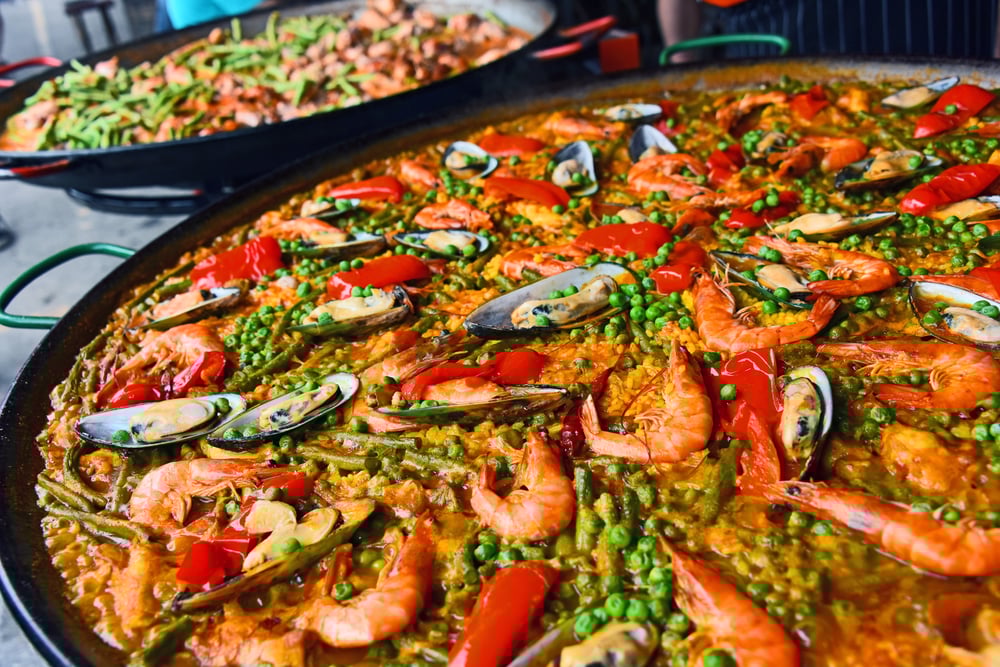
Paella is the national dish of Spain and one of the most famous foods in the world. This widely worshiped Spanish rice dish originates from the Spanish region of Valencia.
Originally cooked by farmers and workers over open fires in the fields, paella brought communities together around a single massive pan. The dish gets its distinctive yellow color and earthy flavor from saffron, one of the world’s most expensive spices.
Traditional Valencian paella combines rabbit, chicken, beans, and sometimes snails, though coastal variations feature an abundance of seafood that makes mouths water from Barcelona to Miami.
Fish and Chips – England

Nothing says Britain quite like crispy battered fish served alongside thick-cut chips, wrapped in newspaper and doused with malt vinegar. Fish and chips is a quintessential British classic, a dish that has come to symbolize the comfort of English cuisine.
This beloved meal consists of battered and deep-fried fish, traditionally cod or haddock, served alongside a generous portion of hot, crispy chips also known as french fries. This humble meal became a working-class staple during the Industrial Revolution and has remained a Friday night tradition for generations.
The best fish and chips achieve that perfect contrast between the flaky, tender fish inside and the golden, crunchy batter that protects it.
Wiener Schnitzel – Austria

Probably one of the most famous national dishes, wiener schnitzel is a simple but delicious meal that consists of flattened veal cutlets. The cutlets are then breaded and fried.
Despite its apparent simplicity, making perfect schnitzel requires serious skill—the veal must be pounded to exactly the right thickness, the breadcrumbs must be just the right texture, and the oil temperature needs to be precisely controlled. Made with the finest ingredients and served fresh, this simple dish of pounded veal cutlets breaded and lightly fried is Austria’s food ambassador, despite the dish’s Italian origins.
Served with a wedge of lemon and a sprinkle of parsley, it’s elegance in its purest form.
Goulash – Hungary

Gulyás—Magyar for “herdsman”—became a national dish in the late 1800s, when Hungarians sought symbols of national identity to distinguish themselves from their partners in the Austro-Hungarian Empire. This hearty stew tells the story of Hungarian shepherds who needed warming, filling meals during long days tending cattle.
The secret ingredient is paprika, which gives goulash its distinctive deep red color and smoky-sweet flavor that no other spice can replicate. Made with tender chunks of beef, onions, and root vegetables, it’s the kind of dish that makes you understand why people fight for their homeland.
Pho – Vietnam
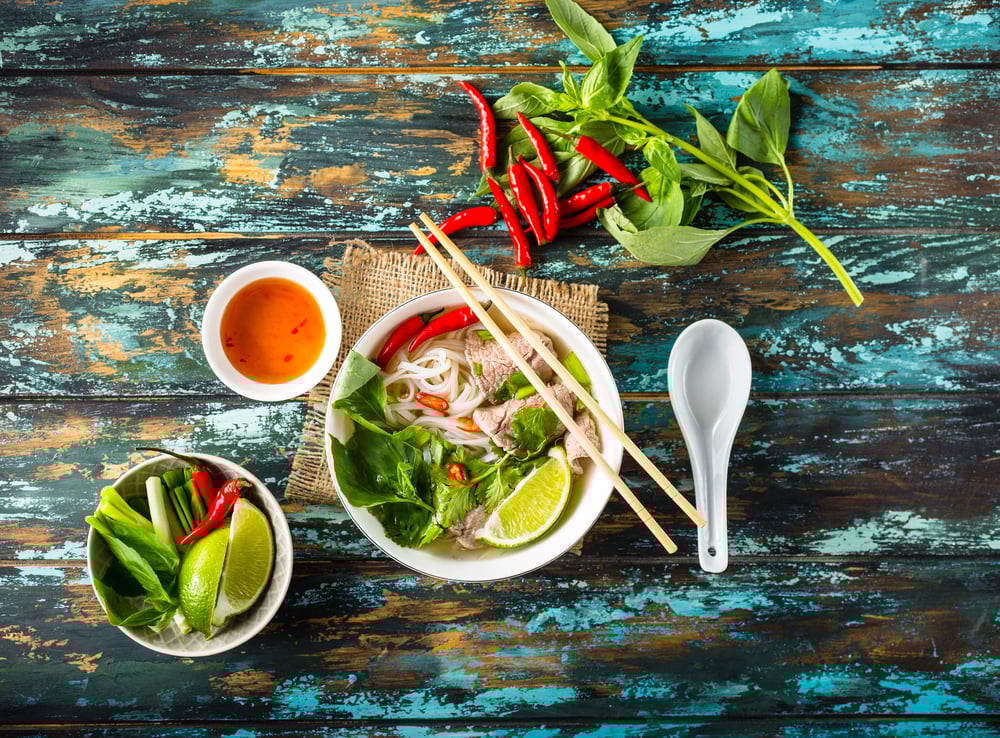
Pho offers a comforting embrace with its aromatic broth and tender noodles. This beloved dish, a harmonious blend of spices, herbs, and meats, encapsulates the essence of Vietnamese culinary tradition.
Born in northern Vietnam in the early 20th century, pho represents the perfect balance that defines Vietnamese cuisine. The broth requires hours of careful simmering with beef bones, star anise, cinnamon, and other spices to achieve that clear, deeply flavorful base.
Fresh herbs like cilantro, Thai basil, and mint are added tableside, letting each person customize their bowl. It’s breakfast, lunch, and dinner rolled into one soul-warming experience.
Curry Rice – Japan

While sushi might be what most people think of when they imagine Japanese food, the national dish of Japan is none of those; it’s curry rice. Japanese curry stands apart from other countries’ curry dishes because of its brown color and viscous, stew-like consistency.
Introduced during the Meiji period, Japanese curry became so thoroughly adapted to local tastes that it’s now completely different from its Indian ancestors. Sweeter and milder than other curries, it’s comfort food that appears in school lunches, family dinners, and convenience stores across the country. The thick, gravy-like sauce pairs perfectly with short-grain Japanese rice.
Mole – Mexico
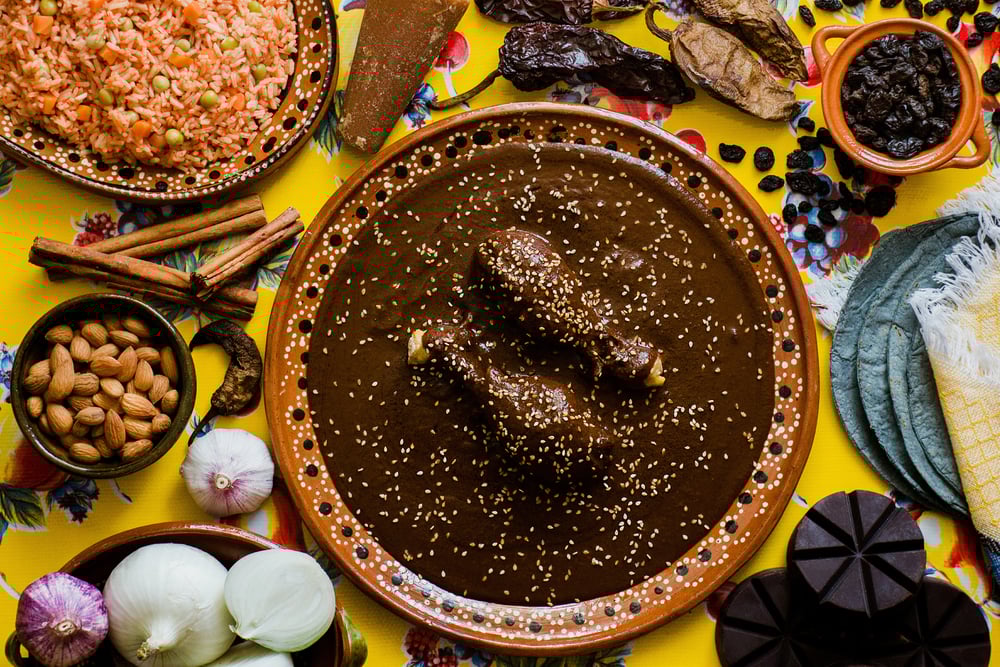
Mole, a sauce containing nuts, fruit, and chili, is the national dish of Mexico. However, no Mexican mole sauce recipe is exactly the same! The country has many regional variations of their national dish; colors of the sauce vary from dark brown to red to green.
This complex sauce can contain anywhere from twenty to over thirty ingredients, including chocolate, various chiles, nuts, seeds, and spices. Making authentic mole is a ritual that can take days, with ingredients being roasted, ground, and combined in precise sequences passed down through generations.
The most famous version, mole poblano, creates a symphony of flavors that somehow makes chocolate and chiles sing together in perfect harmony.
Feijoada – Brazil
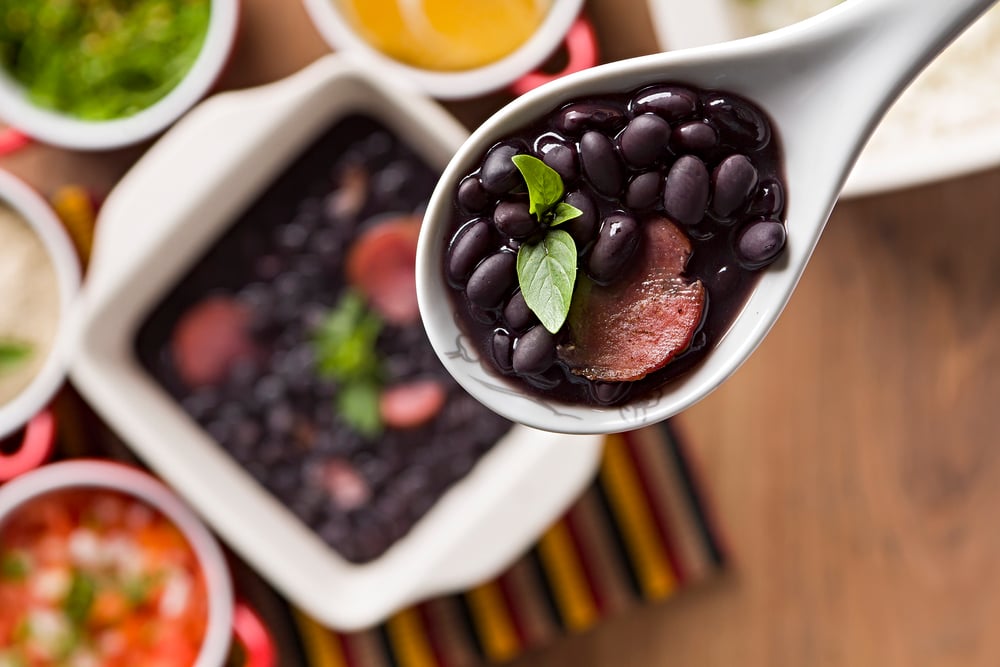
Considered the national dish, this hearty stew made with black beans and pork is a staple in Brazilian cuisine, reflecting its rich, multicultural history. Originally created by slaves who transformed leftover pork scraps into something magical, feijoada has become Brazil’s most celebrated dish.
The slow-cooked black bean stew is traditionally served with rice, collard greens, orange slices, and farofa (toasted cassava flour). It’s typically enjoyed as a leisurely weekend meal that brings families together around the table for hours of conversation and celebration.
Moussaka – Greece
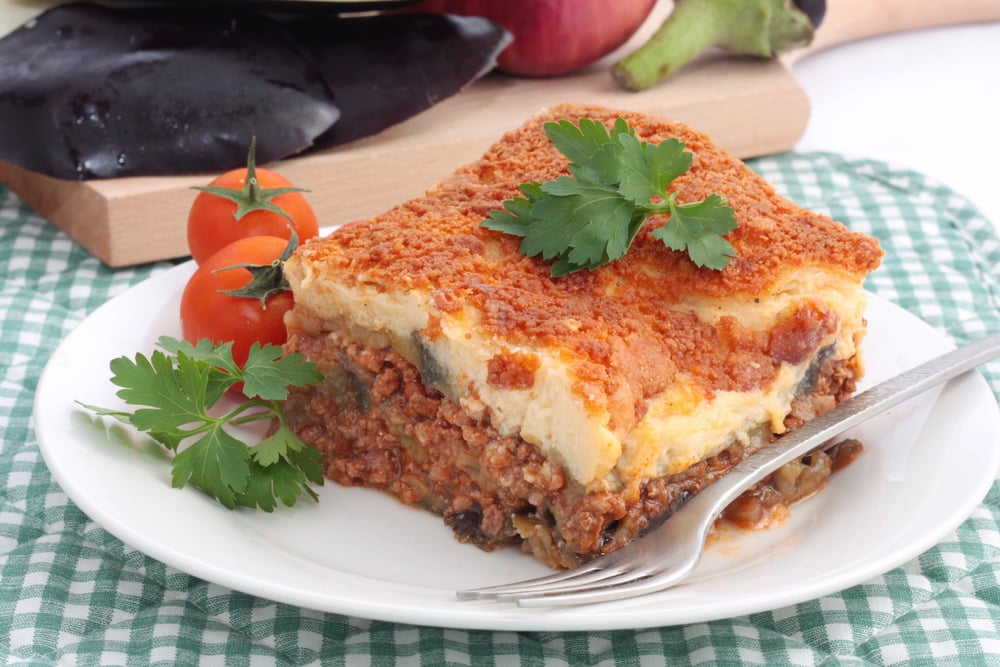
A layered dish traditionally made with eggplant, minced meat, and béchamel sauce, it’s a staple in Greek cuisine known for its rich flavors. This Mediterranean masterpiece requires patience and skill, with layers of sliced eggplant, spiced ground lamb or beef, and creamy béchamel sauce baked until golden.
Each layer tells part of Greece’s culinary story—the eggplant speaks to Middle Eastern influences, the meat reflects the pastoral traditions, and the béchamel shows French culinary techniques absorbed over centuries. When done right, moussaka is like eating a warm hug from a Greek grandmother.
Bulgogi – South Korea
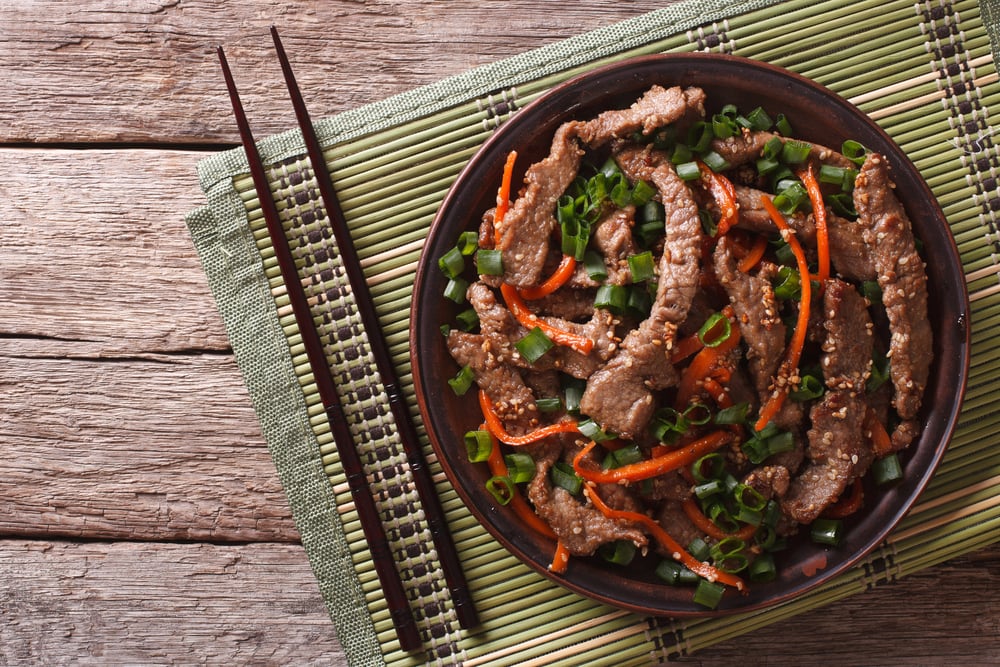
Beef bulgogi (fire meat) is a dish of thinly sliced, prime cuts of meat marinated in a mixture of soy sauce, sesame oil, garlic, onions, ginger, sugar, and wine and then grilled. The name literally means ‘fire meat,’ and watching it cook over hot coals is almost as satisfying as eating it.
The meat marinates for hours in a sweet-savory mixture that caramelizes beautifully when grilled, creating crispy edges and tender centers. It is often eaten wrapped in lettuce or spinach leaves and accompanied by kimchi (fermented vegetable pickle). This interactive way of eating brings people together and embodies the Korean philosophy of shared meals.
Pot-au-Feu – France
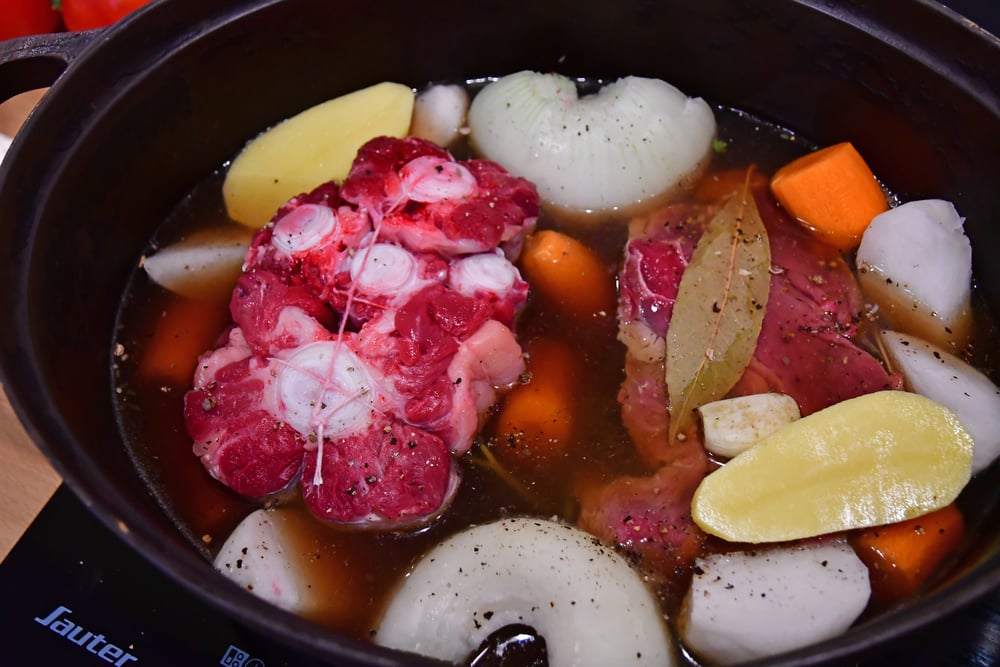
Pot-au-feu literally translates to “pot on fire.” Its simple name points to the French stew’s roots as a peasant dish made of what are, today, common ingredients. This national dish proves that French cuisine isn’t all about fancy techniques and expensive ingredients. Over the centuries, pot-au-feu worked its way through all levels of social class and became a beloved, rustic, hearty French stew of which the whole nation could be proud.
The beauty lies in the slow cooking process that transforms simple beef, marrow bones, and root vegetables into something transcendent. The broth is served separately from the meat and vegetables, creating multiple courses from one pot.
Bibimbap – South Korea
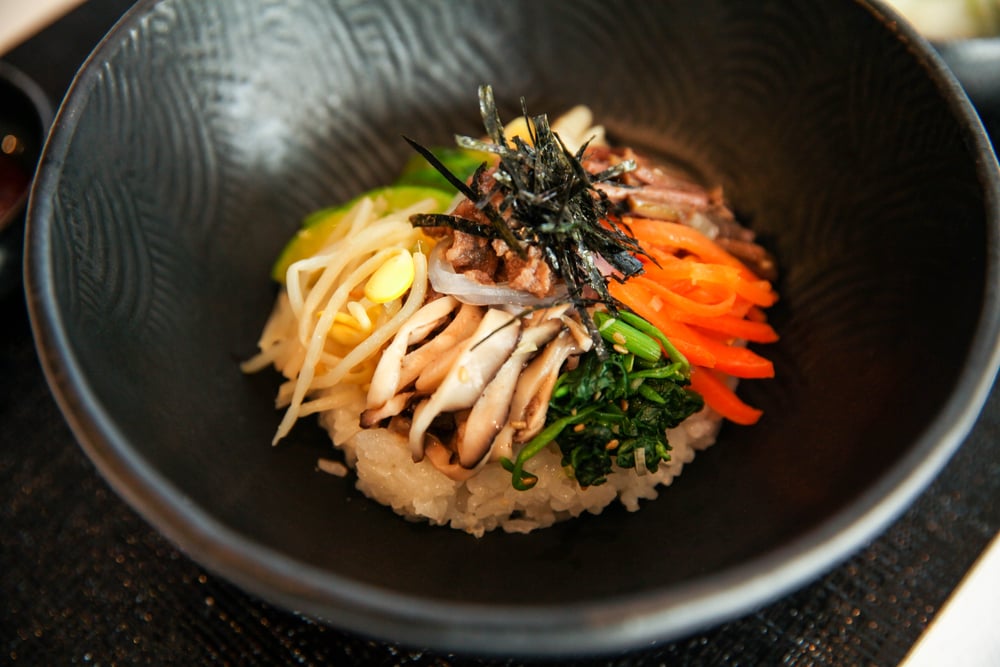
This visually appealing dish consists of a bed of warm rice topped with an array of meticulously arranged ingredients: julienned vegetables, a variety of meats (often beef), a sunny-side-up egg, and gochujang (Korean chili paste) for a spicy kick. Bibimbap literally means ‘mixed rice,’ but that simple translation doesn’t capture the artistry involved in its presentation.
Each colorful vegetable is seasoned separately and arranged in sections around the bowl, creating a rainbow that’s almost too beautiful to disturb. The ingredients are mixed together right before eating, creating a delightful medley of flavors and textures that stimulate the senses. It’s healthy eating that never feels like a sacrifice.
Sauerbraten – Germany

German Sauerbraten is roast beef that has been marinated for days until unbelievably tender. It is then covered in sweet and sour brown gravy, and can be served with spaetzle (German noodles) or Semmelknödel (German bread dumplings). This dish exemplifies German patience and precision in cooking.
The meat marinates for several days in a mixture of wine vinegar, water, and spices, which breaks down the tough fibers and infuses incredible flavor throughout. The resulting gravy balances sweet and sour notes that complement the tender, flavorful meat perfectly. It’s Sunday dinner elevated to an art form.
Ackee and Saltfish – Jamaica
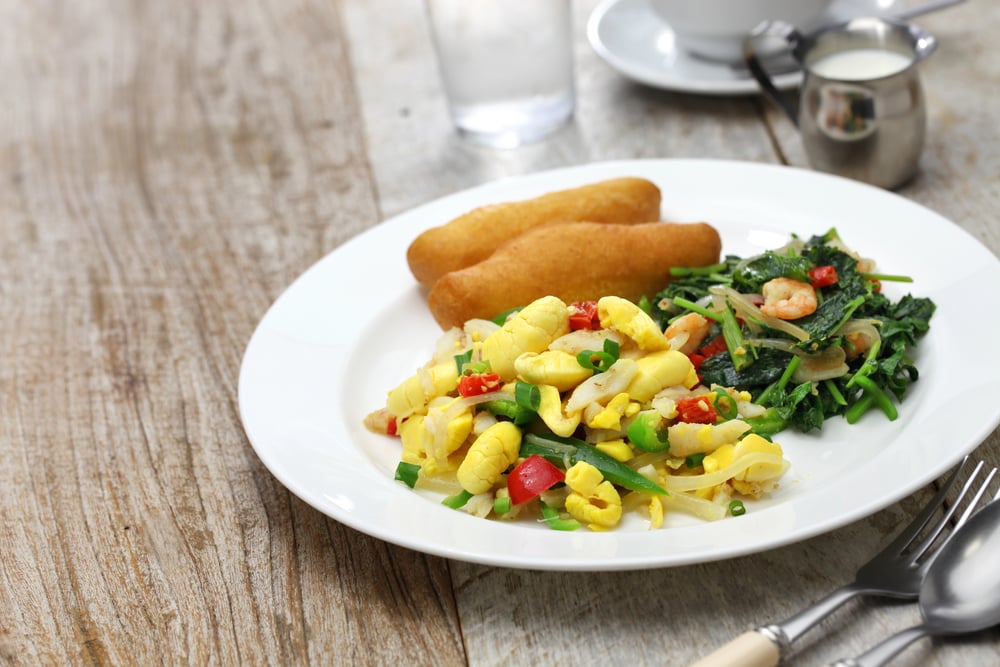
Despite ackee’s unhappy origins as slave food, Jamaicans have reclaimed it as part of their national dish. A nutritious fruit with a buttery-nutty flavor, ackee resembles scrambled egg when boiled.
This dish represents resilience and transformation, turning ingredients born from hardship into something celebratory. Jamaicans sauté the boiled ackee with saltfish (salt-cured cod), onions, and tomatoes.
The ackee fruit must be perfectly ripe—too young and it’s toxic, too old and it’s mushy. When prepared correctly, it creates a texture and flavor combination unlike anything else in the world, often served with bammy, fried plantains, and a side of sunshine.
Hamburger – United States

Although the origins of the hamburger are disputed, there is no argument over the popularity of this classic dish. What started as a simple sandwich has become America’s most iconic culinary export.
The beauty of a great hamburger lies in its democratic nature—it can be as simple as meat, bun, and condiments, or as elaborate as gourmet creations with multiple toppings. A simple yet iconic American dish, the hamburger showcases the U.S.’s fast-food culture and its global influence.
From backyard barbecues to drive-through windows, the hamburger represents American innovation, convenience, and the pursuit of happiness one bite at a time.
Beyond the Plate
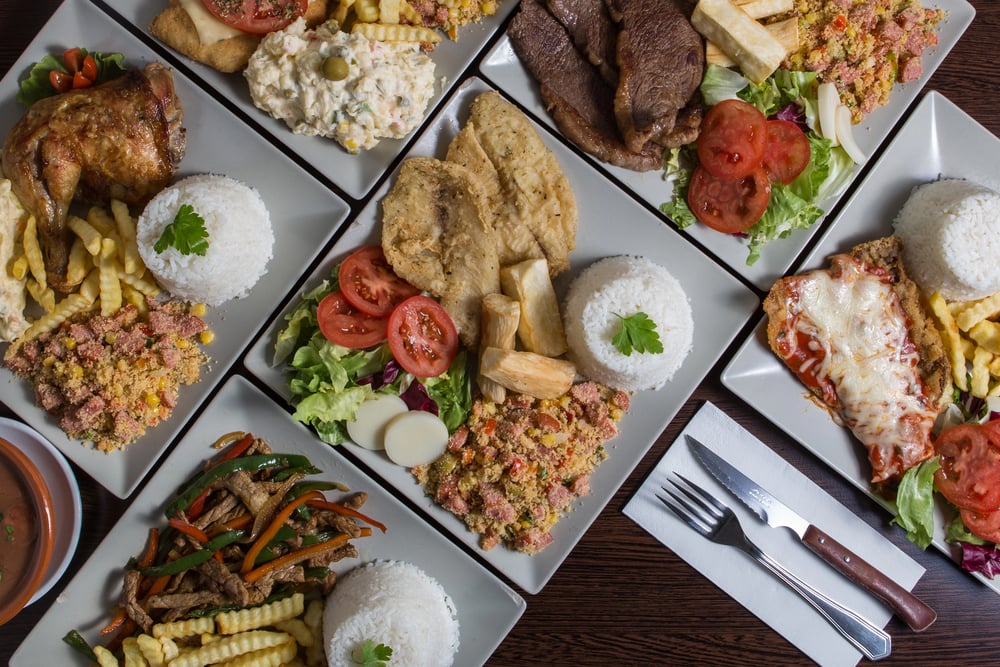
These sixteen dishes prove that food is never just about sustenance—it’s about identity, history, and the stories we tell about ourselves. Each recipe carries the DNA of its homeland, shaped by geography, climate, available ingredients, and centuries of cultural evolution.
Whether it’s the communal nature of Korean barbecue or the solitary comfort of a perfect bowl of pho, these dishes continue to define not just what we eat, but who we are as peoples and nations. In our increasingly connected world, these flavors serve as delicious reminders that our differences make the global table infinitely more interesting.
More from Go2Tutors!

- The Romanov Crown Jewels and Their Tragic Fate
- 13 Historical Mysteries That Science Still Can’t Solve
- Famous Hoaxes That Fooled the World for Years
- 15 Child Stars with Tragic Adult Lives
- 16 Famous Jewelry Pieces in History
Like Go2Tutors’s content? Follow us on MSN.