17 Learning Techniques From Different Cultures
Every culture has developed unique ways to pass knowledge from one generation to the next, creating fascinating learning methods that reflect their values, environments, and social structures. These techniques often work better than traditional classroom approaches because they evolved naturally over centuries to match how people actually think and learn.
From ancient memory palaces to modern peer-teaching systems, different societies have cracked the code on making education stick. The beauty of these methods lies in their diversity and practicality.
Here is a list of 17 learning techniques from around the world that can transform how you absorb and retain information.
Japanese Kaizen Method
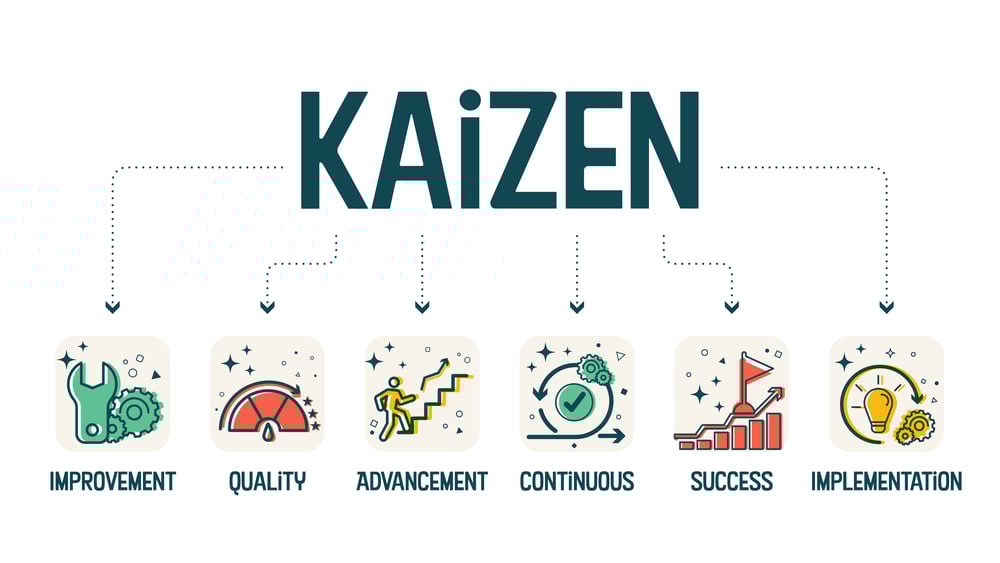
The Japanese concept of kaizen focuses on continuous small improvements rather than dramatic changes, making learning feel less overwhelming and more sustainable. Students break down complex subjects into tiny daily steps, spending just 15–20 minutes on each skill, but doing it consistently every single day.
This approach prevents the burnout that comes from cramming and helps build genuine expertise through gradual mastery rather than rushed memorization.
Finnish Phenomenon-Based Learning

Finnish schools organize learning around real-world topics instead of separate subjects, so students might study ‘Water’ by exploring its chemistry, geography, history, and cultural significance all at once. This method helps students see connections between different areas of knowledge and understand how everything fits together in the real world.
The approach makes learning feel more relevant and meaningful because students can immediately see how their knowledge applies to actual situations they encounter.
Like Go2Tutors’s content? Follow us on MSN.
Aboriginal Australian Songlines
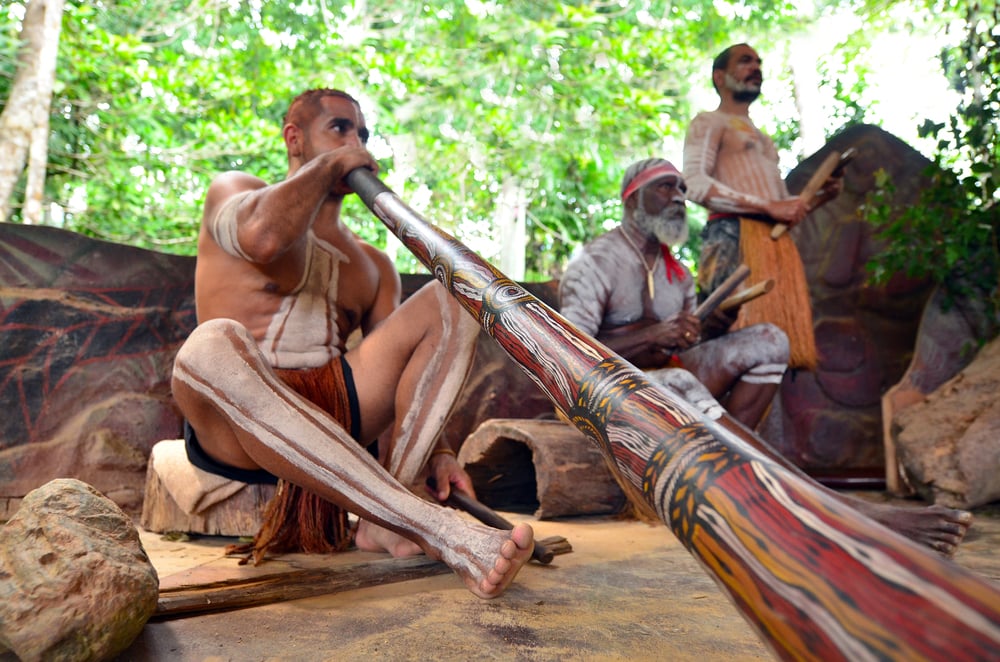
Indigenous Australians encode geographical and cultural knowledge into songs that can be sung while walking across the landscape, turning entire journeys into memory aids. These songlines contain navigation instructions, water sources, seasonal information, and cultural stories all woven together in rhythmic patterns that are nearly impossible to forget.
The technique works because it combines movement, music, melody, and visual landmarks to create multiple pathways to the same information in your brain.
Chinese Spaced Repetition
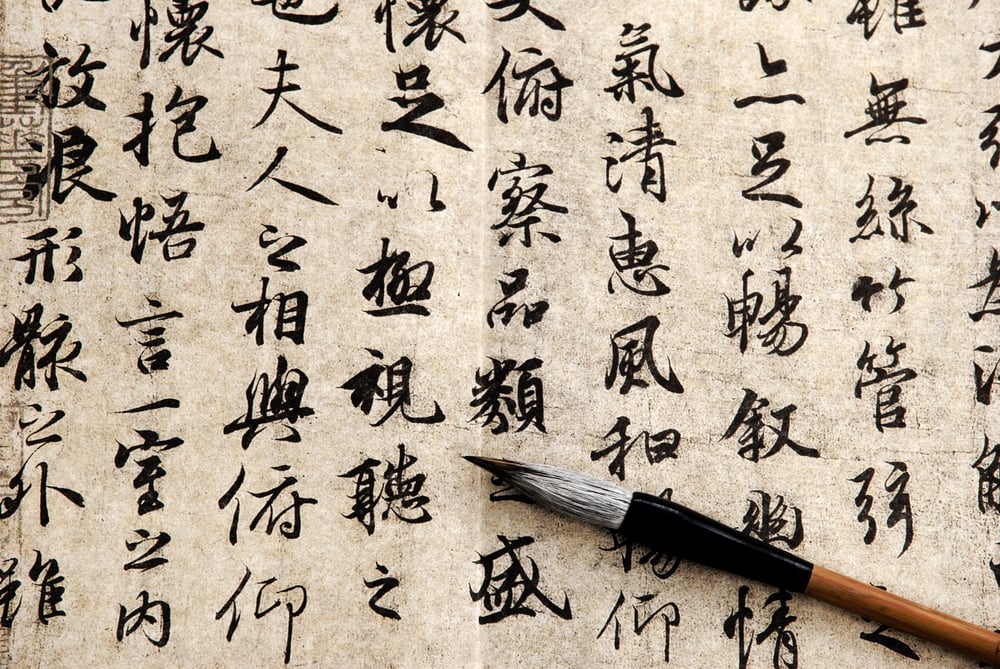
Traditional Chinese learning uses carefully timed review sessions where students revisit material at increasing intervals, starting with daily reviews and gradually spacing them weeks or months apart. This method works with your brain’s natural forgetting curve, reviewing information just as you’re about to forget it to strengthen long-term retention.
The technique is so effective that it forms the basis for many modern language learning apps and memory systems used worldwide.
Ancient Greek Memory Palace
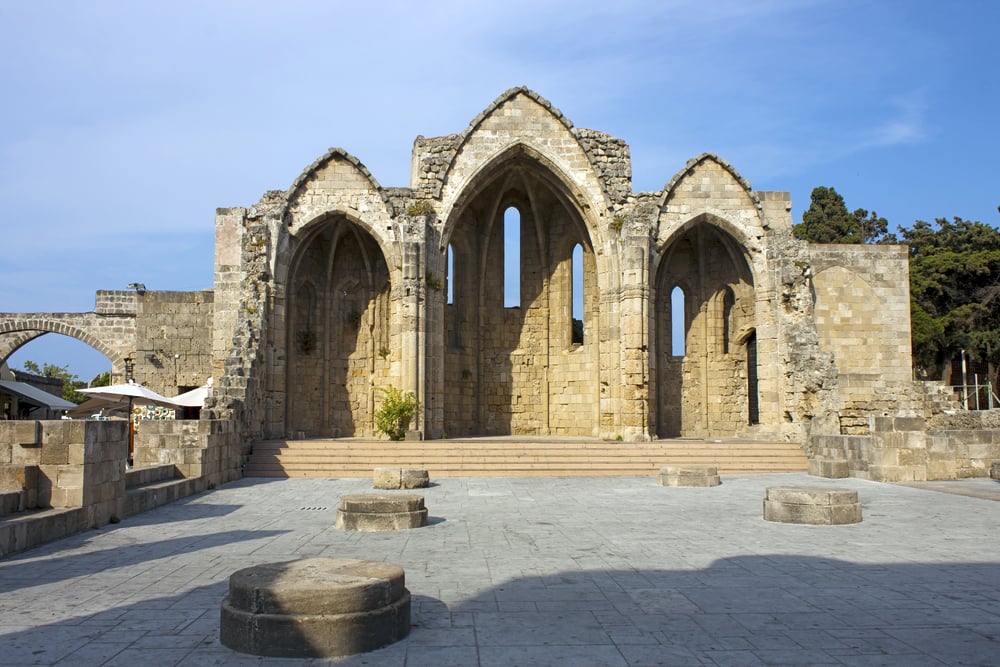
Greek scholars developed the method of loci, where you mentally place information in familiar locations and then walk through those spaces to recall what you’ve learned. You might put historical dates in different rooms of your house, so remembering becomes as simple as taking a mental tour through your own space.
This technique transforms abstract information into concrete, visual memories that your brain can easily navigate and retrieve.
Like Go2Tutors’s content? Follow us on MSN.
Indian Guru-Shishya Tradition
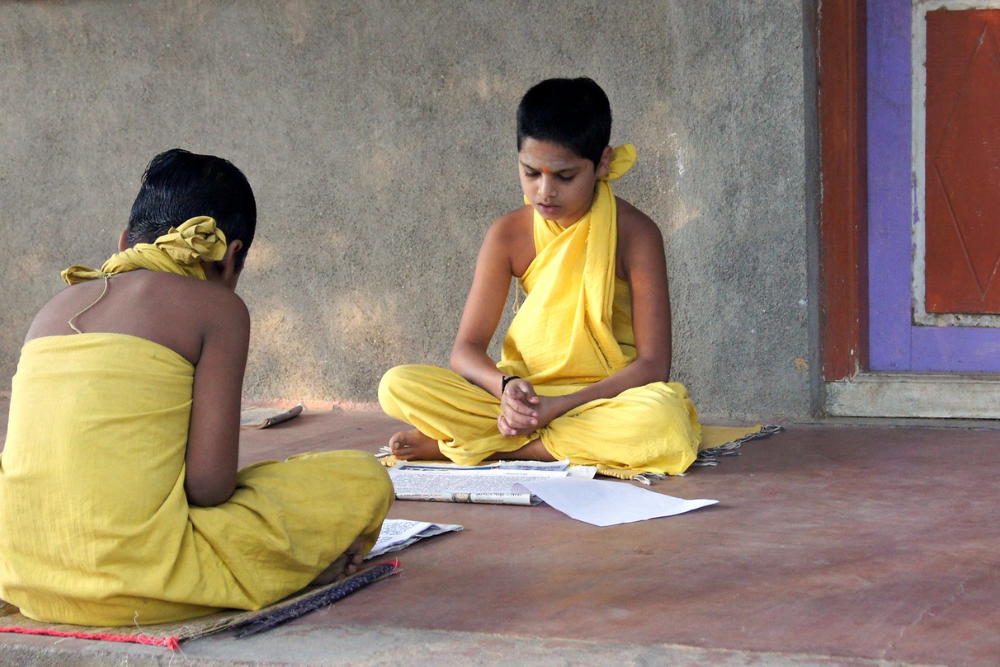
The traditional Indian teacher-student relationship emphasizes deep, personalized mentorship where learning happens through close observation, practice, and gradual responsibility transfer. Students don’t just memorize information but learn to embody the knowledge by watching their teacher’s every action and slowly taking on more complex tasks.
This method creates a deep understanding because students see how knowledge actually works in practice, not just in theory.
African Call-and-Response Learning

Many African cultures use call-and-response patterns where the teacher presents information and the group responds in unison, creating rhythm and community engagement around learning. This technique helps with memorization through repetition while building social bonds that make learning feel collaborative rather than competitive.
The method works particularly well for language learning and memorizing important cultural information that needs to be preserved accurately.
German Apprenticeship System

The German dual education system combines classroom theory with hands-on workplace experience, so students learn skills in real professional environments while studying. This approach prevents the disconnect between academic knowledge and practical application that often frustrates students in traditional educational systems.
Students graduate with both theoretical understanding and actual work experience, making them immediately valuable in their chosen fields.
Like Go2Tutors’s content? Follow us on MSN.
Korean Hagwon Group Study
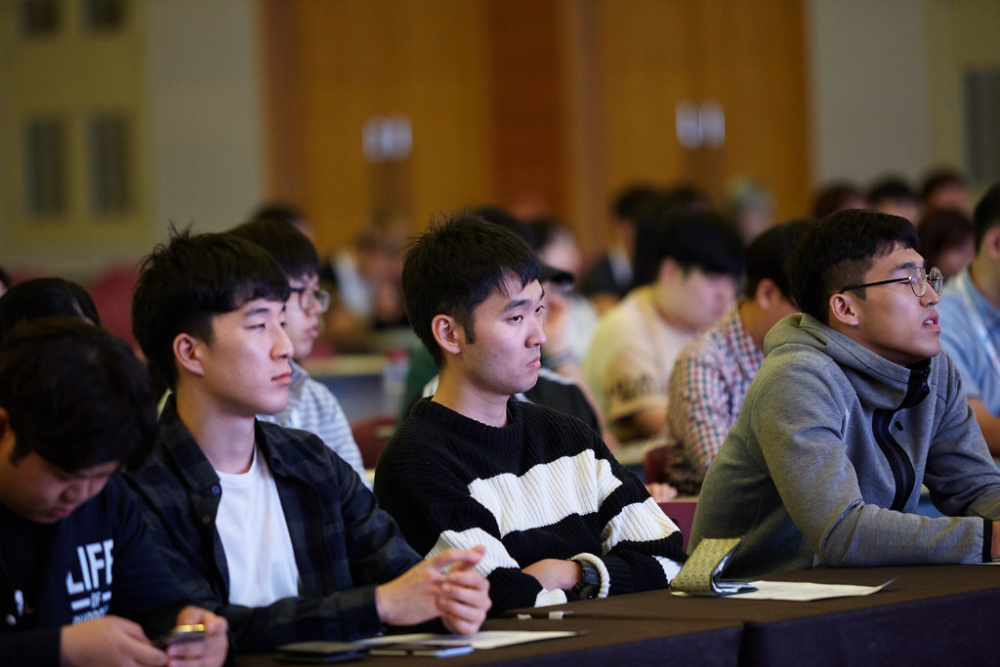
Korean students often use intensive group study sessions called hagwon where peers teach each other and work through problems together for hours at a time. This method leverages the fact that teaching someone else is one of the most effective ways to cement your own understanding of a subject.
The group dynamic creates accountability and motivation while allowing students to learn from multiple perspectives and approaches to the same material.
Montessori Multi-Age Classrooms
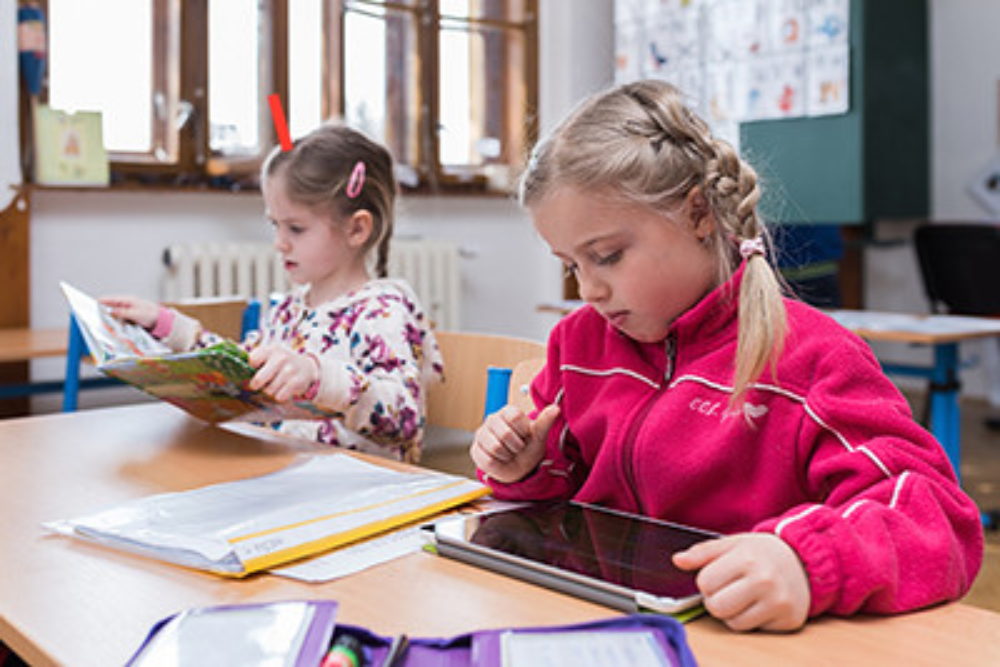
The Montessori method mixes students of different ages in the same classroom, allowing younger children to learn from older ones while older students reinforce their knowledge by teaching. This creates a natural mentoring system where learning happens through observation, imitation, and explanation rather than formal instruction.
The approach recognizes that children often learn more effectively from peers who are just slightly ahead of them than from adults who are far beyond their level.
Islamic Memorization Techniques
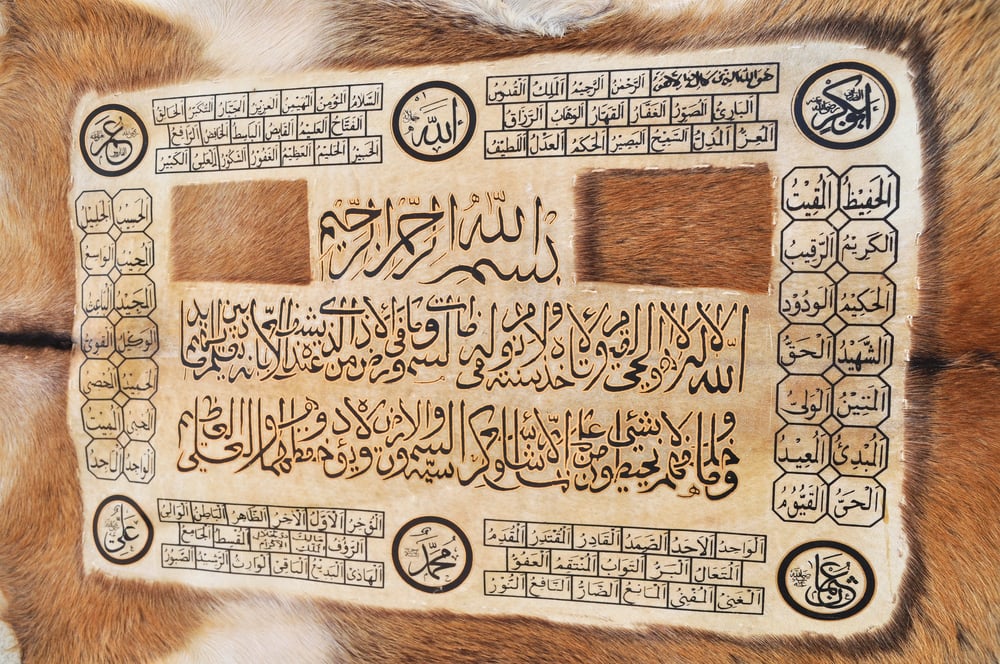
Traditional Islamic education emphasizes memorizing the entire Quran through rhythmic recitation, repetition, and melodic patterns that make vast amounts of text easier to remember. Students learn to associate specific passages with particular melodies and rhythms, creating multiple sensory pathways to the same information.
This method has produced millions of people who can recite hundreds of pages of text from memory with perfect accuracy.
Like Go2Tutors’s content? Follow us on MSN.
Scandinavian Outdoor Education
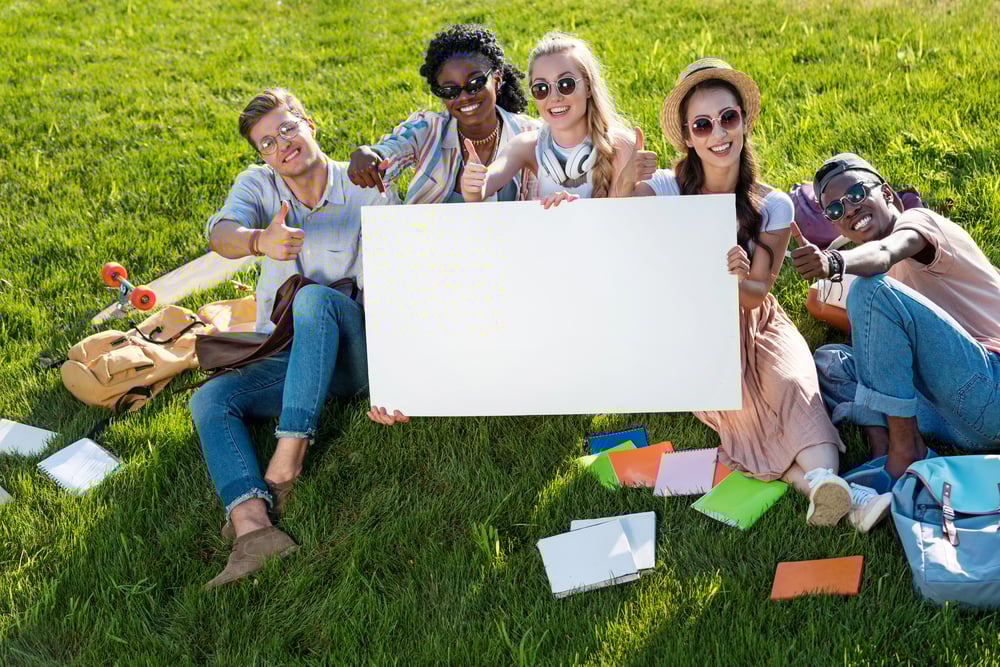
Nordic countries integrate outdoor experiences into regular education, using nature as a classroom where students learn through direct interaction with their environment. This approach helps students understand scientific concepts through observation and experimentation rather than just reading about them in textbooks.
The method works because it engages multiple senses and creates memorable experiences that make abstract concepts feel concrete and real.
Mexican Storytelling Integration

Traditional Mexican education weaves academic content into stories and cultural narratives, making lessons feel like entertainment rather than work. Students learn history, mathematics, and science through tales that connect new information to familiar cultural contexts and emotional experiences.
This technique works because stories provide a natural organizational structure for information and create emotional connections that make knowledge more memorable and meaningful.
Russian Systematic Approach

Russian education emphasizes building knowledge systematically from basic principles, ensuring students understand foundational concepts before moving to more complex material. This method prevents the gaps in understanding that can derail learning later and creates a solid base for advanced study.
Students learn to see subjects as interconnected systems rather than collections of random facts, making it easier to apply knowledge in new situations.
Like Go2Tutors’s content? Follow us on MSN.
Jewish Chavruta Partnership

Traditional Jewish learning pairs students together to debate and discuss texts, with each partner challenging the other’s interpretations and understanding. This method forces students to articulate their thoughts clearly and defend their reasoning, which deepens comprehension and reveals gaps in knowledge.
The approach works because explaining your thinking to someone else and responding to their questions requires a much deeper level of understanding than passive absorption.
Brazilian Capoeira Movement Learning
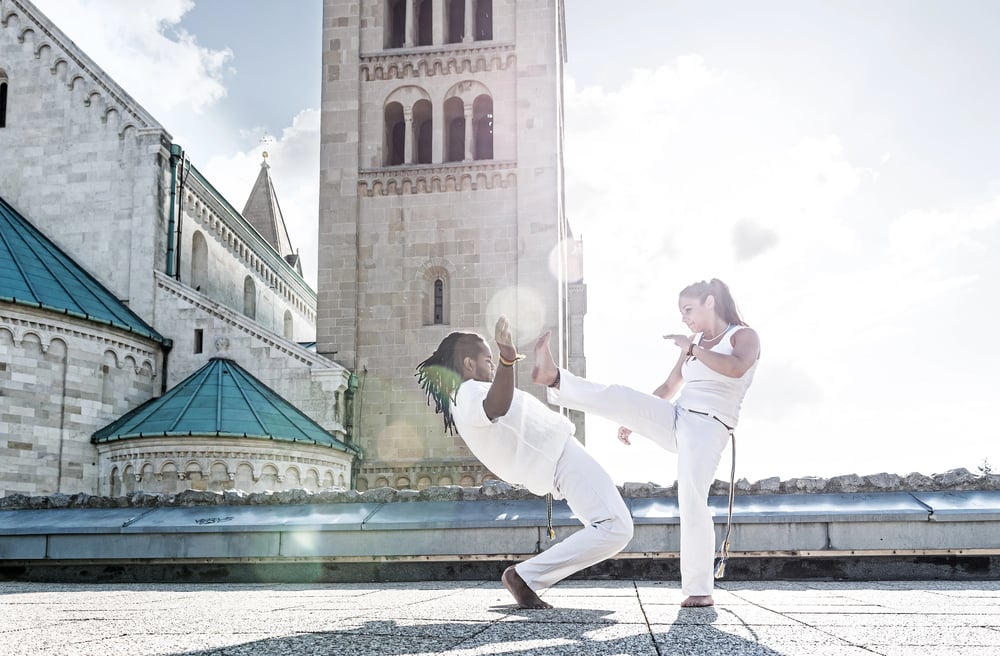
Capoeira teaches complex physical and cultural skills through music, movement, and community participation, showing how learning can engage the whole body rather than just the mind. Students learn history, music, Portuguese language, and physical techniques all integrated into a single flowing practice.
This method demonstrates how movement and rhythm can enhance memory and make learning feel joyful rather than tedious.
Tibetan Debate Tradition

Tibetan Buddhist education uses formal debate where students must defend their positions against aggressive questioning, sharpening both knowledge and critical thinking skills. These debates involve specific gestures, movements, and verbal patterns that help students remember complex philosophical concepts through physical association.
The method works because it requires students to truly understand material rather than just memorize it, since they must respond to unpredictable challenges and questions.
Like Go2Tutors’s content? Follow us on MSN.
Where Ancient Wisdom Meets Modern Need
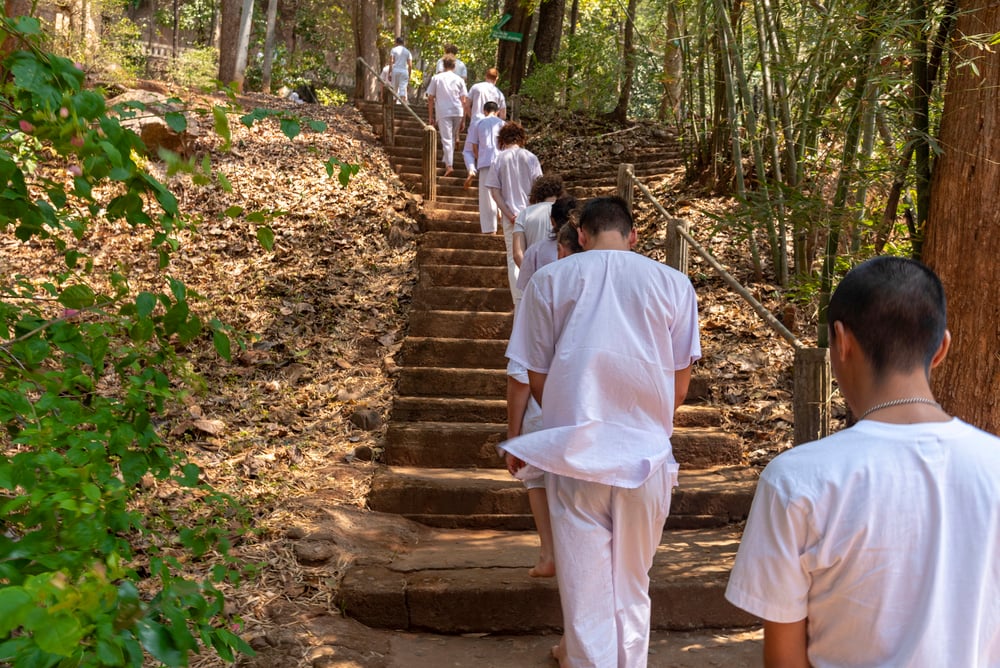
These diverse learning techniques remind us that education doesn’t have to follow a one-size-fits-all approach, and the most effective methods often combine multiple senses, social interaction, and real-world application. Many of these traditional approaches are now being validated by modern neuroscience research, which shows that learning works best when it engages emotion, movement, and social connection.
As our world becomes increasingly complex and information-rich, these time-tested techniques offer valuable alternatives to passive consumption of facts and figures. The cultures that developed these methods understood something crucial: learning should feel natural, meaningful, and connected to the learner’s whole life experience.
More from Go2Tutors!

- 16 Restaurant Chains That Went Too Fast
- 12 Things Sold in the 80s That Are Now Illegal
- 15 Strange Things People Have Tried to Ban (And Failed)
- 16 Collectibles People Tossed Out Too Soon
- 17 Myths from Your Childhood That Were Actually Based on Real Things
Like Go2Tutors’s content? Follow us on MSN.