Super Bowl Commercials That Cost the Most Money
Only Super Bowl ads live like this. Not just spots tucked between downs, yet moments people talk about before they even play, then replay, rate, linger on when confetti fades.
To plenty watching, these clips matter just as much as touchdowns – so companies toss huge sums at fleeting screen seconds without blinking. Price tags on these ads stretch way past what the TV channel asks for.
Think of broadcast time as just step one. Sets built from scratch tie into deals with famous faces, song rights pulled together, digital touches added in, longer cuts approved, worldwide promotion plans rolled out – each layer piles higher.
Through years gone by, some spots turned iconic, remembered not simply for bold ideas, yet for how deep companies dug their pockets to speak loud during the nation’s most watched game. A deep dive into several Super Bowl ads often called the priciest ever reveals what pushed their price tags so high.
What made them cost that much becomes clear when you examine the details behind each one.
Apple’s ‘1984’

Apple’s ‘1984’ commercial is often treated as the moment Super Bowl advertising changed forever. Aired during Super Bowl XVIII, the ad looked and felt nothing like a traditional commercial. Directed by Ridley Scott, it borrowed heavily from dystopian cinema, complete with dramatic lighting, elaborate sets, and a carefully staged sense of tension.
The production costs alone were considered shocking for the time, especially for a company that was not yet a household name. When the price of Super Bowl airtime was added, Apple’s investment stood out as unusually bold. Still, the commercial aired only once, which made the gamble even riskier. Its impact justified the expense, establishing Apple as a brand that valued storytelling and creative risk over safe promotion.
Pepsi’s ‘Gladiator’

Pepsi’s ‘Gladiator’ commercial from Super Bowl XXXV is frequently cited among the most expensive Super Bowl ads ever produced. Set in a grand ancient arena, the commercial featured major pop stars of the era performing before a roaring crowd.
The sheer scale of the production drove costs skyward. Massive sets had to be constructed, costumes were custom-designed, and large crowd scenes required careful coordination.
Visual effects added another layer of expense, along with talent fees for globally recognised performers. Combined with the high price of airtime, the commercial represented a level of spending few brands were willing or able to match at the time.
Chrysler’s ‘Imported From Detroit’

Chrysler’s ‘Imported From Detroit’ aired during Super Bowl XLV and took a very different approach from spectacle-driven ads. The commercial leaned into mood, atmosphere, and authenticity, using real locations and a slower, more deliberate pace.
Despite its understated tone, the cost was substantial. Extended runtime meant higher airtime fees, while cinematic production standards pushed up filming and editing expenses.
The involvement of a high-profile narrator added further cost. Even so, the commercial played a crucial role in reshaping Chrysler’s image during a fragile period for the company, making the investment feel purposeful rather than excessive.
Budweiser’s ‘Born the Hard Way’
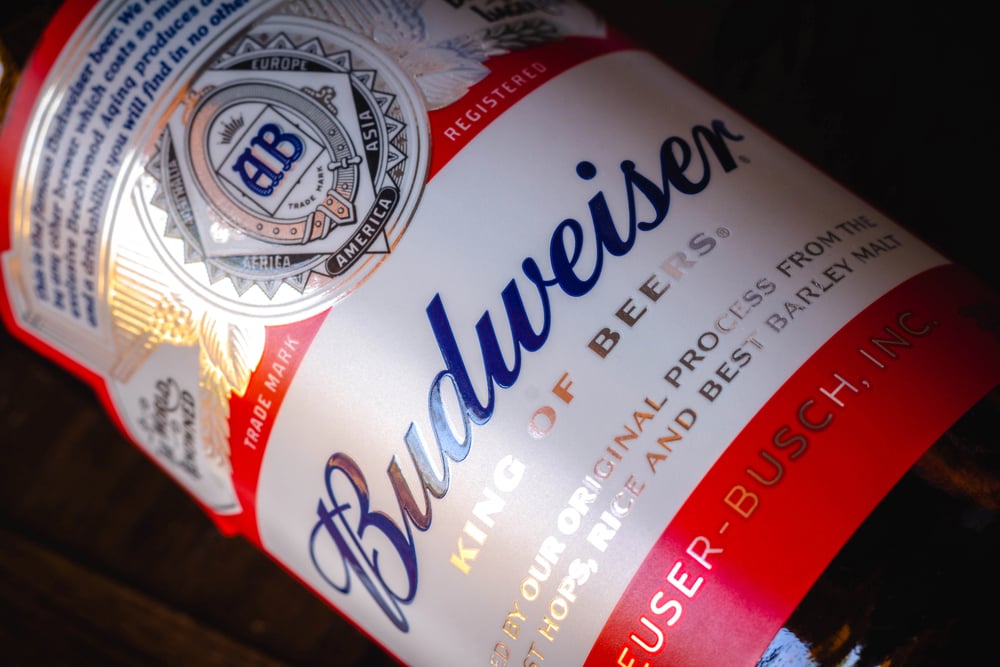
Budweiser’s ‘Born the Hard Way’ debuted during Super Bowl LI and stood out for its historical storytelling. The commercial depicted the journey of the brand’s co-founder, recreating nineteenth-century settings with meticulous attention to detail.
Period productions are inherently expensive, and this one was no exception. Sets, costumes, lighting, and casting all contributed to a rapidly growing budget.
The decision to tell a serious, narrative-driven story during the Super Bowl added another layer of risk. That said, the ad reinforced Budweiser’s long-standing identity and demonstrated how brands sometimes use the Super Bowl as a platform for legacy-building rather than short-term impact.
Coca-Cola’s ‘America the Beautiful’
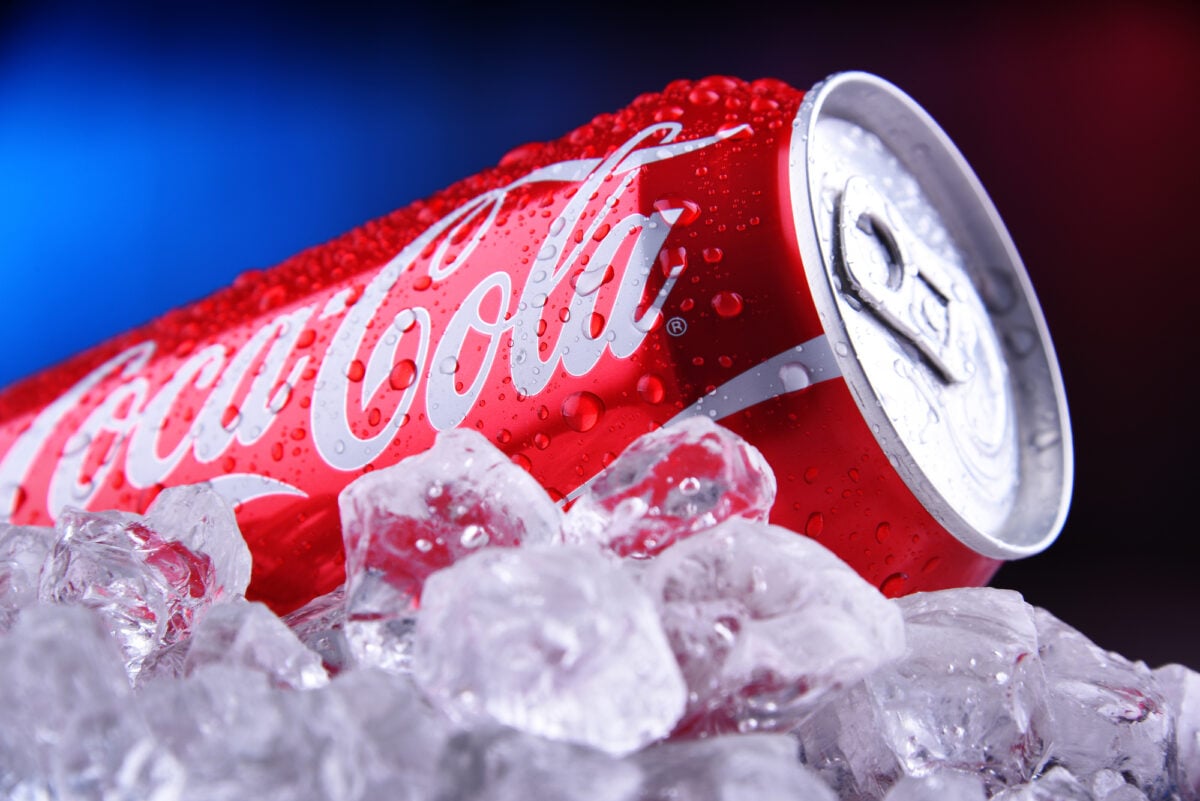
Coca-Cola’s ‘America the Beautiful’ aired during Super Bowl XLVIII and became notable for its expansive scope. Filmed across multiple locations, the commercial showcased a wide range of landscapes and voices, all tied together by a familiar melody.
The expense here came less from visual effects and more from logistics. Multiple filming crews, extensive travel, and coordination across diverse environments drove production costs upward.
When paired with Super Bowl airtime, the total investment placed the commercial among Coca-Cola’s most expensive. The brand’s willingness to absorb that cost reflected its confidence in the Super Bowl as a moment for reinforcing emotional connection rather than direct promotion.
Amazon’s ‘Mind Reader’

Amazon’s ‘Mind Reader’ commercial from Super Bowl LIV illustrated how modern Super Bowl ads accumulate cost through complexity. The concept relied on humor, but the execution required multiple celebrity appearances, seamless visual transitions, and precise timing.
Celebrity fees accounted for a significant portion of the budget, but post-production also played a major role. Visual polish, sound design, and editing had to meet cinematic standards to justify the Super Bowl platform.
Even so, the commercial fit neatly into Amazon’s broader branding strategy, reinforcing familiarity and scale while quietly signaling the company’s financial confidence.
Google’s ‘Loretta’

Google’s ‘Loretta,’ which aired during Super Bowl LIV, proved that emotional simplicity does not necessarily mean lower cost. On the surface, the ad appeared restrained, focusing on memory, technology, and everyday life.
Behind that simplicity was careful scripting, precise casting, and extensive refinement. The cost was driven largely by airtime and the expectation that the commercial would resonate with a global audience.
In this case, the expense reflected the value of subtle storytelling executed at the highest possible standard, rather than visual spectacle.
NBC’s ‘The More You Know’ Super Bowl Spot

Network promotions themselves have occasionally joined the ranks of high-cost Super Bowl commercials. NBC’s extended branding spots during Super Bowl broadcasts involved custom animation, celebrity appearances, and carefully timed messaging tied to the network’s broader programming slate.
While these ads did not promote a single product, their production budgets were substantial. The value lay in reinforcing brand identity across millions of viewers at once.
Even so, the cost was justified internally as a long-term investment in audience loyalty rather than immediate return.
Why Super Bowl Commercials Keep Getting More Expensive

The rising cost of Super Bowl commercials reflects more than inflation or competition for airtime. The event has become one of the few remaining moments where a single broadcast commands near-universal attention.
Brands are no longer competing only with each other, but with social media, streaming platforms, and shortened attention spans. As expectations rise, so do budgets.
Viewers now expect commercials to entertain, surprise, and sometimes move them emotionally. That pressure pushes brands toward bigger ideas, higher production values, and increasingly ambitious creative risks.
The result is a feedback loop where cost and cultural relevance climb together.
The Lasting Impact of High-Cost Super Bowl Ads

Some high-priced Super Bowl ads fade fast, while some legendary ones cost far less. Yet each of these spots has something quiet beneath the surface.
Built to stick around in minds, not just fill time. Out here, the game fades but the ads stick around like echoes.
Cash pours in because folks trust the pulse of now, when tales, sales, and eyes meet by chance. These spots outlive the roar of crowds, lingering past final whistles.
For certain names, staying remembered costs plenty – yet they hand over the cash without flinching.
More from Go2Tutors!

- The Romanov Crown Jewels and Their Tragic Fate
- 13 Historical Mysteries That Science Still Can’t Solve
- Famous Hoaxes That Fooled the World for Years
- 15 Child Stars with Tragic Adult Lives
- 16 Famous Jewelry Pieces in History
Like Go2Tutors’s content? Follow us on MSN.