16 Languages Spoken by Fewer Than 100 People
Imagine speaking a language that only your grandparents understand, where every conversation might be one of the last of its kind. UNESCO operates with four levels of language endangerment between “safe” (not endangered) and “extinct” (no living speakers), based on intergenerational transfer, and the most critically endangered languages have reached a heartbreaking crossroads. These linguistic treasures represent entire worlds of knowledge, culture, and human experience that could vanish within a generation.
3,193 languages are endangered today, but some teeter on the absolute edge of extinction. Here is a list of 16 languages where fewer than 100 people still carry the torch of their ancestors’ voices.
Jedek
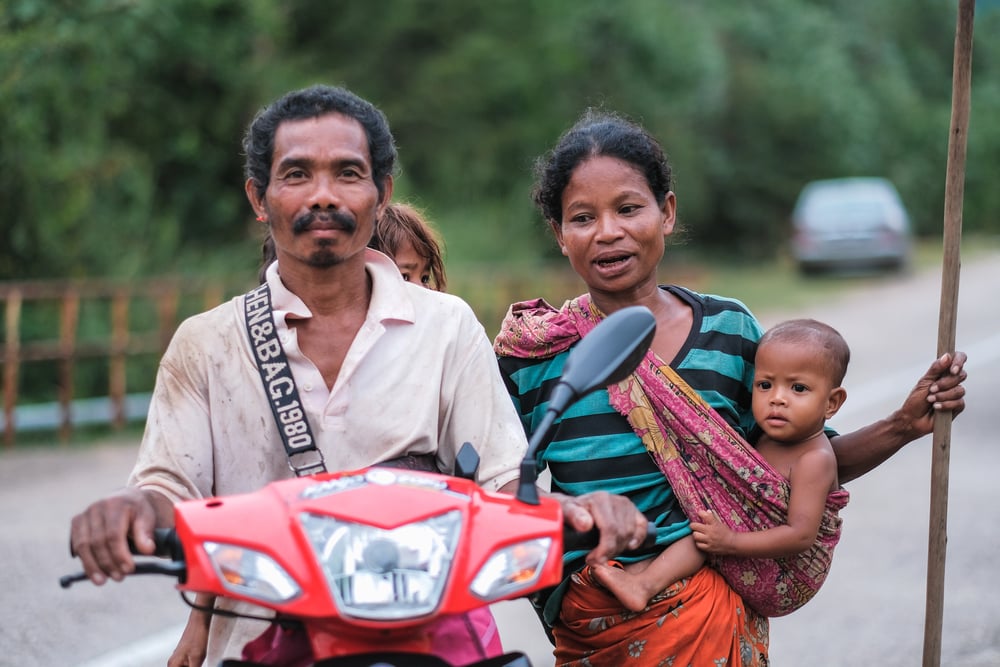
Hidden in the rainforests of Malaysia, Jedek managed to stay completely unknown to linguists until 2017. Only about 280 people speak this Aslian language, making it a remarkable recent discovery in our modern world.
Think of it like finding a new species in your backyard—except this ‘species’ carries centuries of human culture and wisdom that was almost lost forever.
N|uu
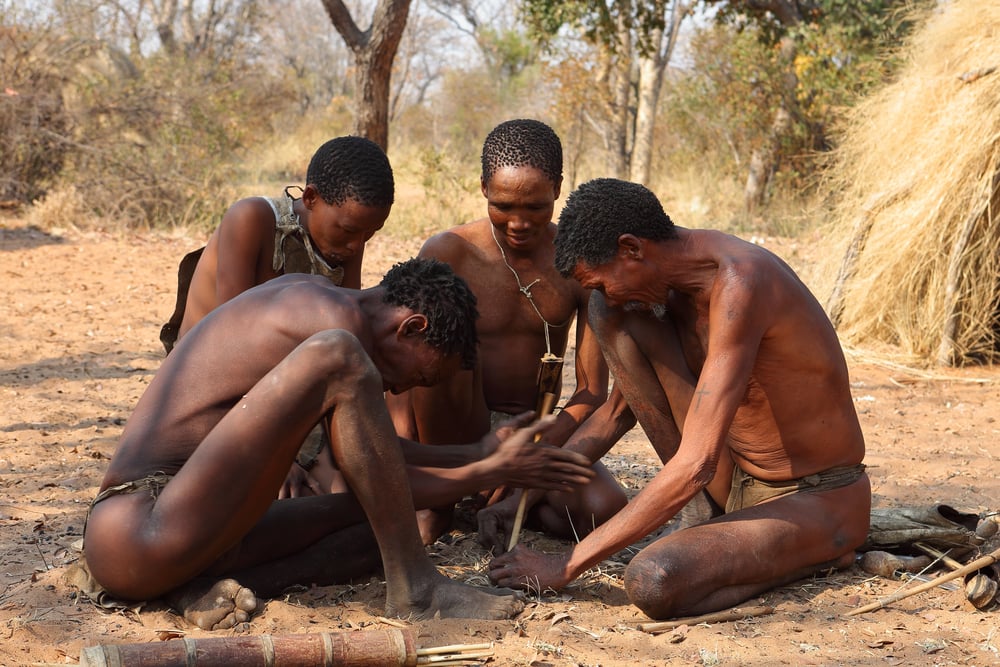
The N|uu language of South Africa represents one of the world’s last connections to the original click languages of the Khoisan people. With fewer than 10 native speakers remaining, most of whom are elderly women, N|uu faces imminent extinction.
The language contains sounds that don’t exist in most other languages—imagine trying to preserve music when only a handful of people remember the notes.
Like Go2Tutors’s content? Follow us on MSN.
Yagan

Once spoken across the islands of Tierra del Fuego, Yagan now exists in the memories of perhaps three people in Chile. The language belongs to the Fuegian family and carries within it the seafaring traditions of a people who navigated the treacherous waters at the bottom of South America for thousands of years.
Each remaining speaker holds an entire library of maritime knowledge that took generations to accumulate.
Taushiro
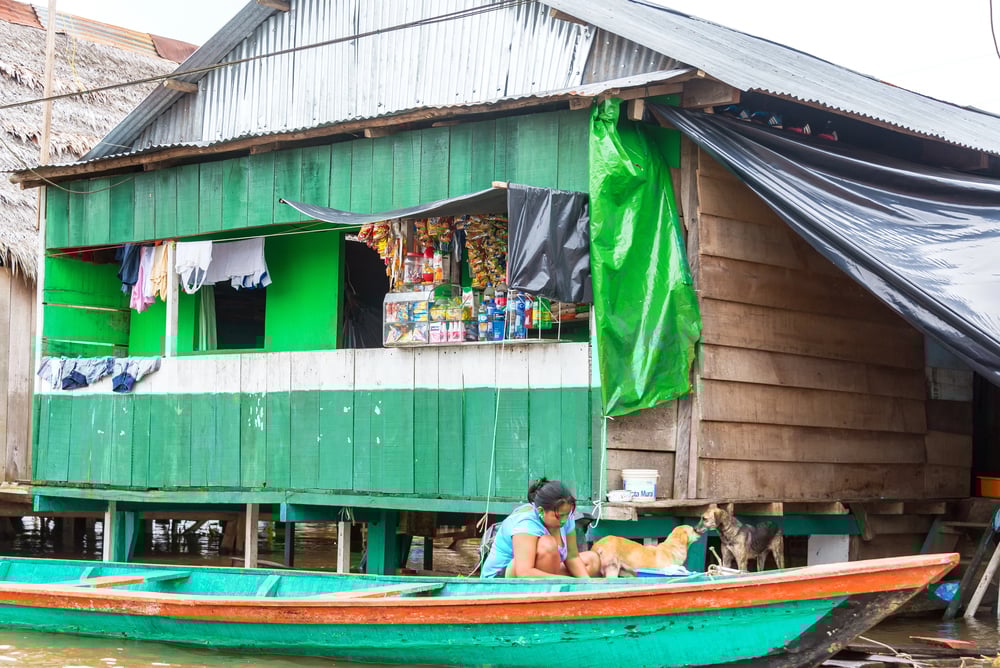
Deep in the Peruvian Amazon, Taushiro has dwindled to a single known speaker, Amadeo García García, who has spent decades as the sole keeper of his people’s language. When he speaks Taushiro, he’s essentially having a conversation with history itself.
The language contains detailed knowledge about rainforest ecology and traditional medicine that can’t be found anywhere else.
Resígaro

Another Amazonian language from Peru, Resígaro now lives in the minds of fewer than 20 people. The language family it belongs to—Arawakan—once spread across much of South America, but colonization and cultural assimilation have reduced most of these languages to whispers.
Resígaro speakers carry stories of river navigation and forest survival that guided their ancestors for millennia.
Like Go2Tutors’s content? Follow us on MSN.
Chamicuro

Also from Peru’s Amazon region, Chamicuro has fewer than 10 speakers left, all of them elderly. The language contains sophisticated systems for describing the relationships between plants, animals, and humans in the rainforest ecosystem.
When these speakers pass away, an entire scientific framework for understanding biodiversity will disappear with them.
Kawésqar
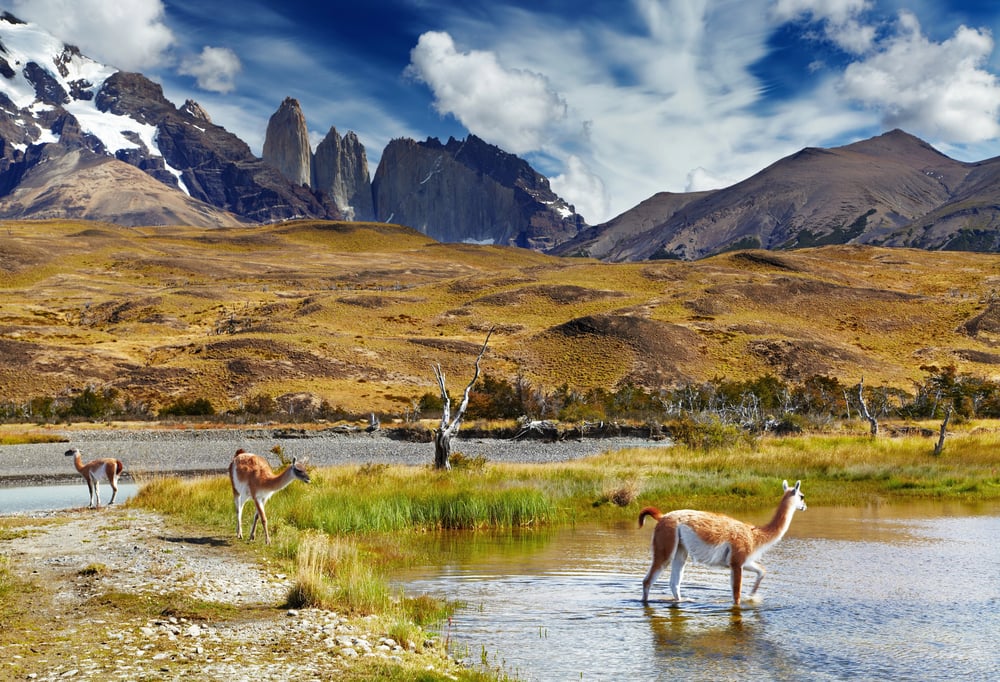
The Kawésqar people of Chile’s Patagonian channels developed a language perfectly adapted to their nomadic marine lifestyle. With fewer than 10 speakers remaining, the language holds detailed knowledge about reading ocean currents, weather patterns, and marine life that sustained their culture for over 6,000 years.
It’s like losing a master navigator’s handbook that was written in the most challenging waters on Earth.
Pite Sami

High in the mountains of northern Sweden, Pite Sami struggles to survive with fewer than 50 fluent speakers. This language developed sophisticated vocabulary for describing snow, ice, and reindeer behavior that reflects thousands of years of Arctic survival.
The words themselves are tools for living in one of Earth’s most challenging environments.
Like Go2Tutors’s content? Follow us on MSN.
Votic
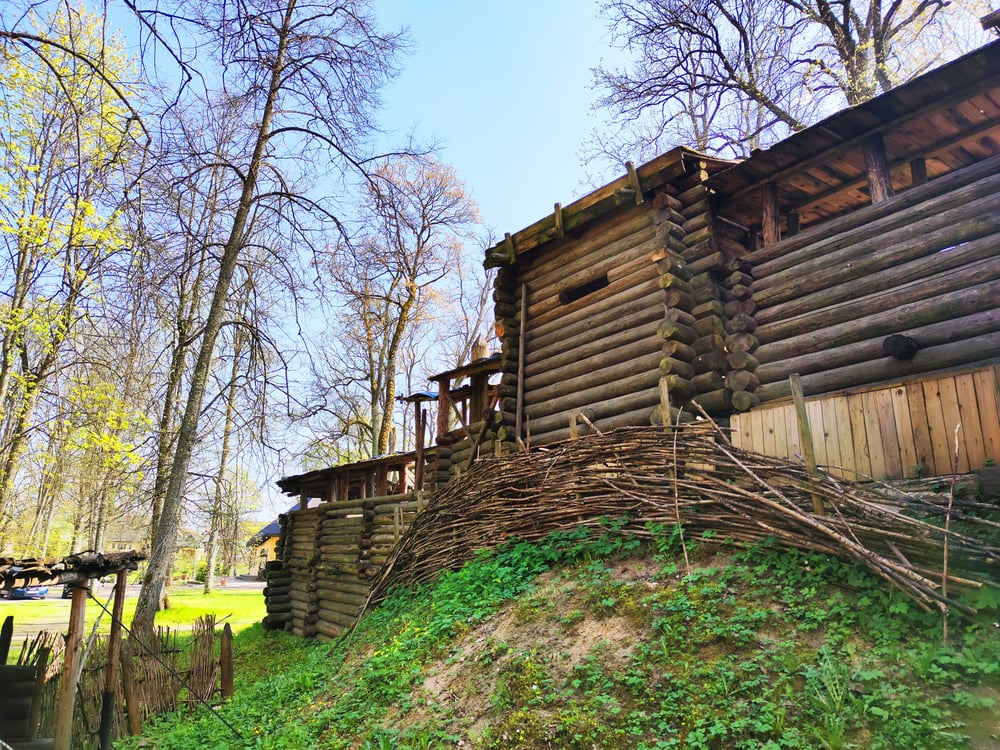
Once spoken across what is now Estonia and Russia, Votic has fewer than 100 speakers, most of whom are over 60 years old. The language preserves ancient Baltic-Finnic traditions and contains folklore that predates written history in the region.
Each remaining speaker carries oral traditions that stretch back to when the Baltic Sea was first being settled.
Livonian

Along the shores of the Baltic Sea in Latvia, Livonian represents one of Europe’s most endangered languages with fewer than 30 fluent speakers. The language developed unique maritime terminology and fishing practices that sustained coastal communities for centuries.
It’s essentially a manual for sustainable fishing that was refined over generations.
Ainu
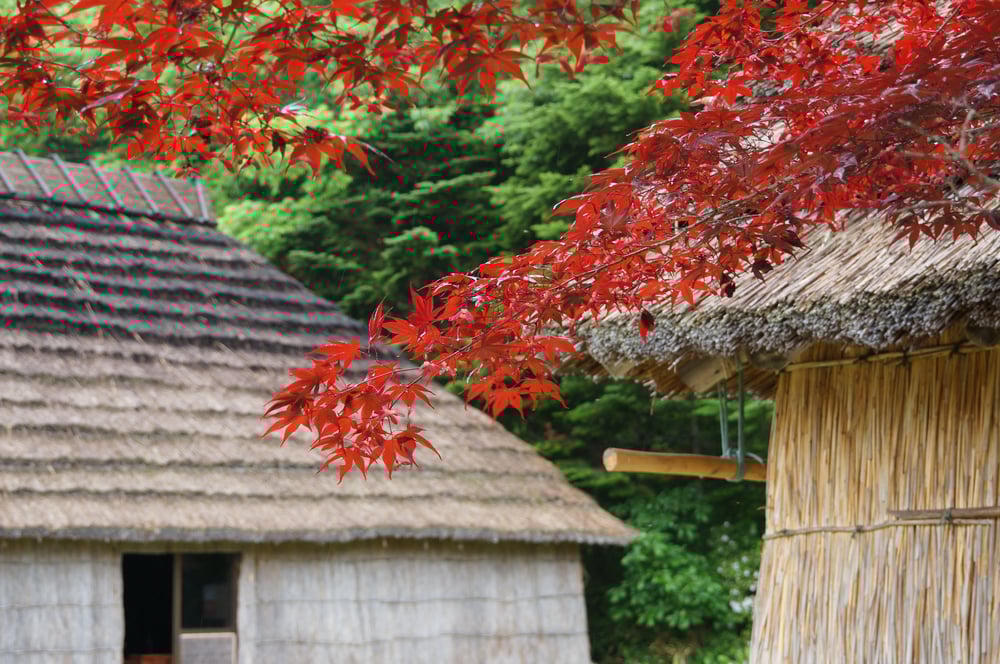
The Ainu language of northern Japan and Russia tells the story of a people who developed a completely different relationship with nature than their neighbors. With fewer than 10 native speakers left, the language contains detailed ecological knowledge about the relationship between humans, bears, salmon, and forests.
The worldview embedded in Ainu is so different from mainstream Japanese culture that losing it means losing an entirely different way of seeing the natural world.
Like Go2Tutors’s content? Follow us on MSN.
Jedek
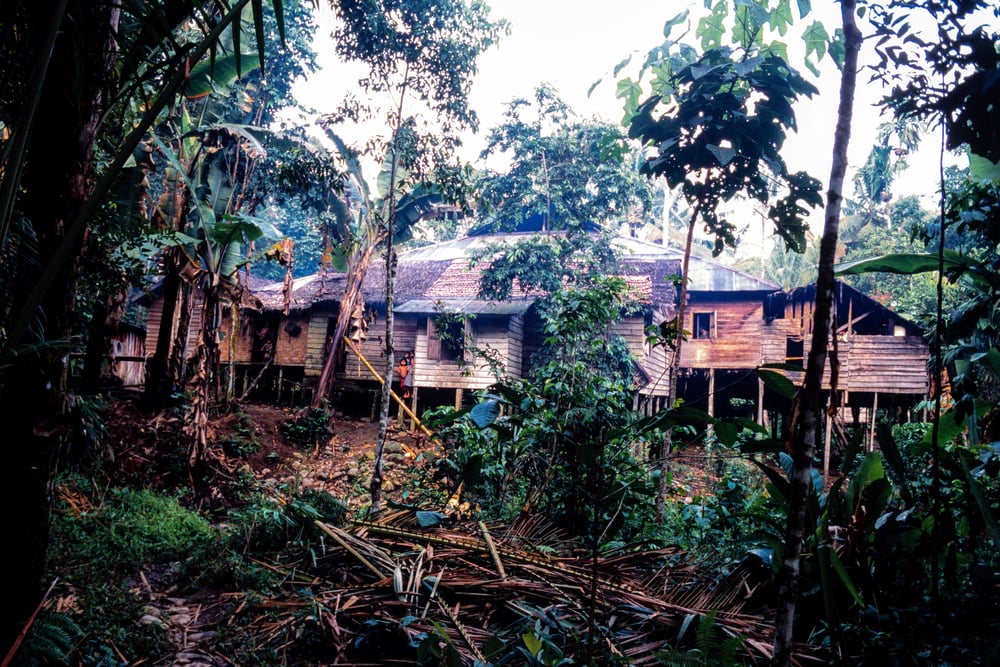
This recently discovered Malaysian language emerged from linguistic isolation in the country’s interior. With roughly 280 speakers, it represents a unique branch of the Aslian language family.
The language preserves traditional knowledge about rainforest resources and medicinal plants that the outside world is only beginning to understand.
Tolomako
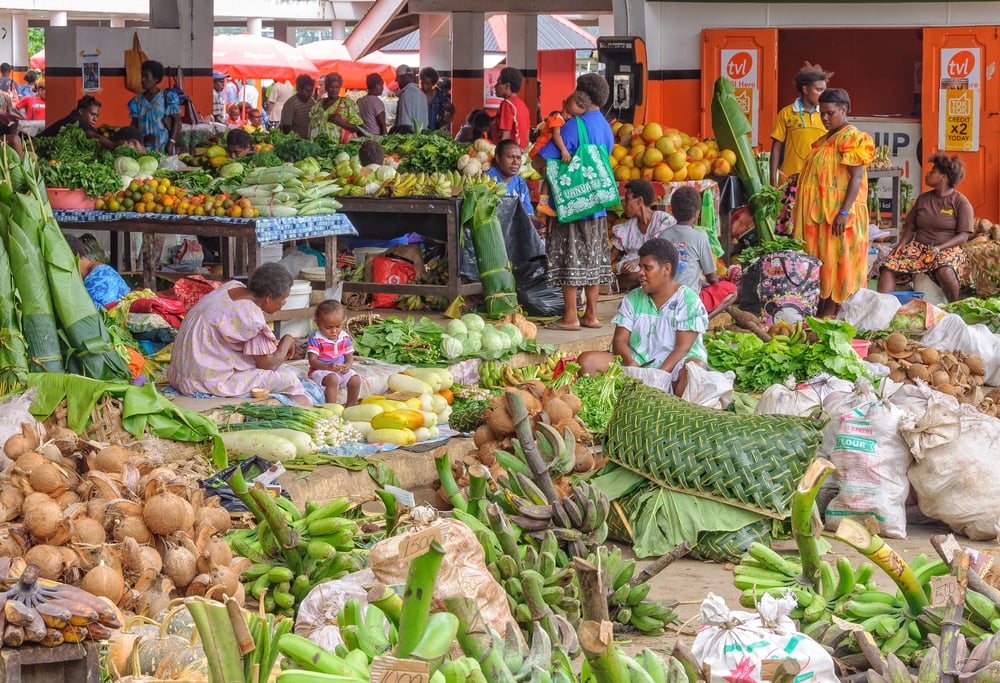
On the small island of Espiritu Santo in Vanuatu, Tolomako survives with fewer than 30 speakers. The language developed in one of the most linguistically diverse places on Earth, where neighboring villages often spoke completely different languages.
Tolomako contains specialized knowledge about ocean navigation and tropical agriculture that helped sustain island life for centuries.
Njerep
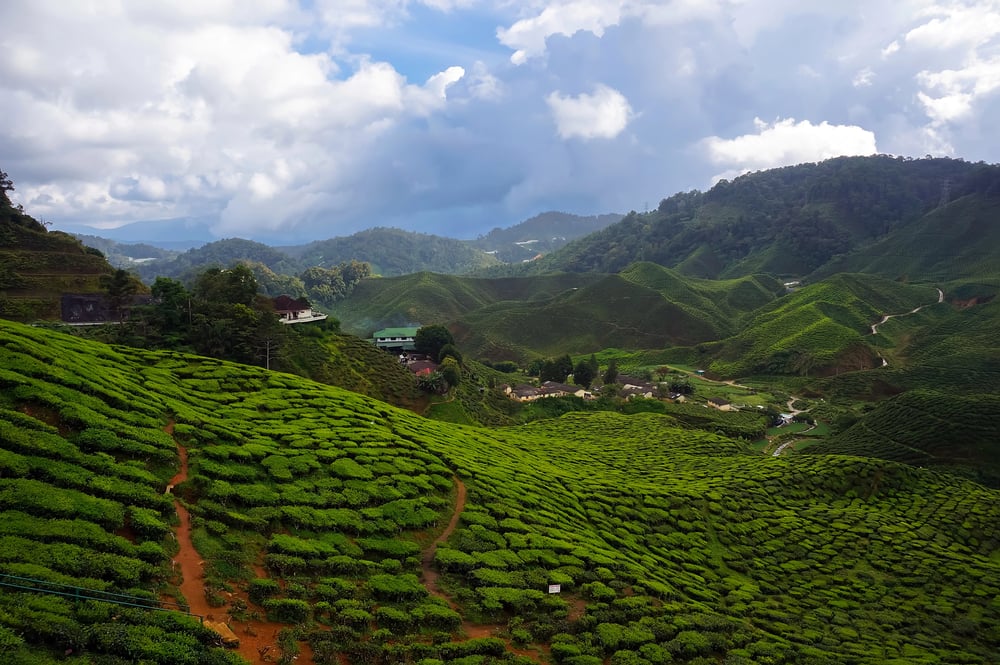
In the mountains of Cameroon, Njerep has dwindled to fewer than 6 speakers. The language belongs to the Mamberramo family and preserves traditional knowledge about mountain farming and forest management.
Each remaining speaker holds farming techniques that sustained communities in challenging mountainous terrain for generations.
Like Go2Tutors’s content? Follow us on MSN.
Liki

Also from Vanuatu, Liki is spoken by fewer than 11 people on the island of Pentecost. The language developed alongside the famous land diving tradition—the precursor to modern bungee jumping.
Liki speakers maintain not just the linguistic knowledge but also the cultural practices that require precise coordination between language, ritual, and physical skill.
Ongota
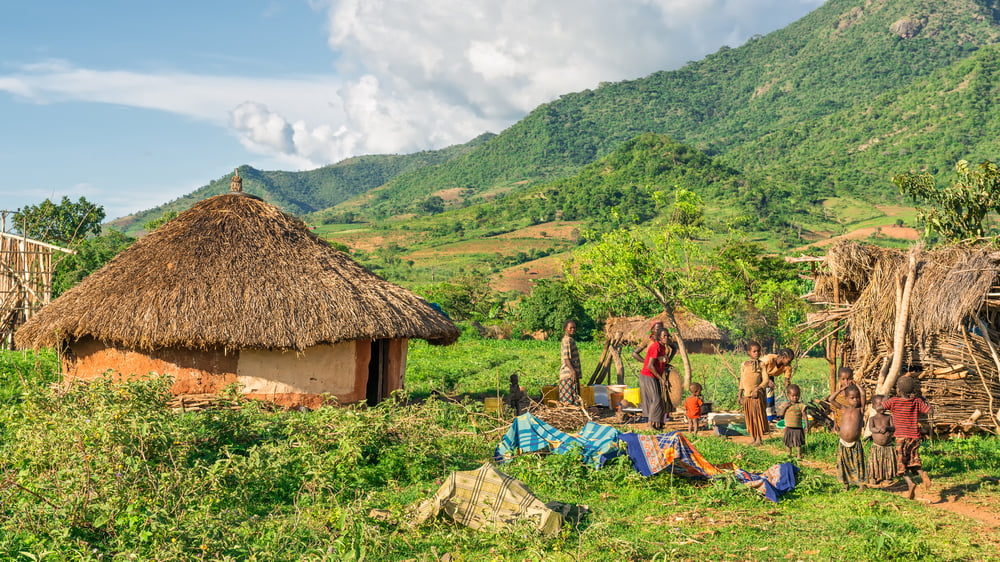
In the remote areas of Ethiopia, Ongota struggles with fewer than 12 speakers remaining. The language appears to be a linguistic isolate, meaning it has no known relatives among world languages.
This makes every remaining speaker incredibly valuable—they’re literally the only people who understand how this unique human language works.
The Race Against Time

These languages represent far more than just different ways of saying the same things. Each one carries unique knowledge systems, cultural practices, and ways of understanding the world that took thousands of years to develop.
Research has found a link between higher levels of schooling and language loss, as regionally dominant languages taught in class often overshadow indigenous tongues. The challenge isn’t just preserving words—it’s maintaining entire ways of life that these languages make possible.
When the last speaker of N|uu passes away, humanity will lose not just a language but a completely different system for organizing sounds, thoughts, and cultural knowledge that existed nowhere else on Earth.
More from Go2Tutors!

- 16 Historical Figures Who Were Nothing Like You Think
- 12 Things Sold in the 80s That Are Now Illegal
- 15 VHS Tapes That Could Be Worth Thousands
- 17 Historical “What Ifs” That Would Have Changed Everything
- 18 TV Shows That Vanished Without a Finale
Like Go2Tutors’s content? Follow us on MSN.