16 Marriage Customs That Seem Bizarre Today
Throughout history, marriage traditions have taken some genuinely peculiar turns—reflecting the beliefs, values, and sometimes downright strange logic of different cultures and eras. What appeared completely normal to previous generations would leave today’s couples utterly baffled.
From arranged unions based on livestock trades to elaborate ceremonies involving kidnapping and public displays of rather uncomfortable rituals, human ingenuity in wedding customs has no limits. These practices show us that marriage has always been about social contracts, family connections, and cultural expectations as much as romance.
Here is a list of 16 marriage customs that would certainly shock modern wedding guests.
Bride Kidnapping

Men in various cultures would literally abduct their future wives from neighboring villages or families. Rather than criminal activity, this was an accepted method of securing a marriage partner.
The groom’s friends typically assisted in capturing the bride—once she’d spent a night in the kidnapper’s home, she was considered married.
Bundling

Colonial American couples practiced ‘bundling’—sleeping in the same bed while fully clothed, often separated by a wooden board. Parents viewed this as practical courtship during harsh winters when fuel was precious.
The custom supposedly allowed proper getting-to-know-you time while conserving warmth and resources.
Like Go2Tutors’s content? Follow us on MSN.
Dowry Auctions
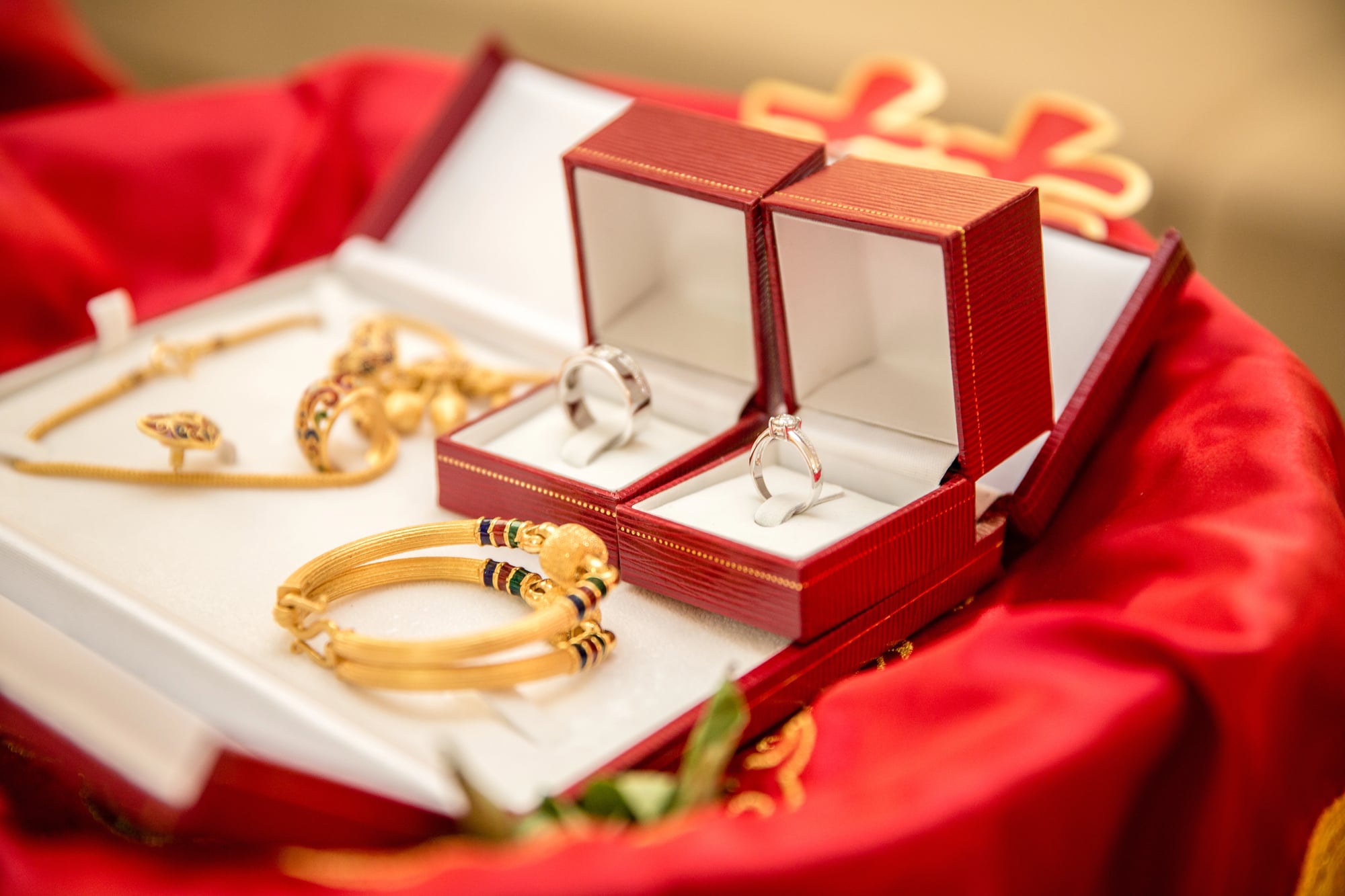
Medieval European families would auction off their daughters to whoever offered the most. The bride’s family advertised her abilities, appearance, and dowry while potential grooms competed financially for her hand.
Marriage became essentially a livestock sale—with the bride having zero input in the decision.
Spitting Contests
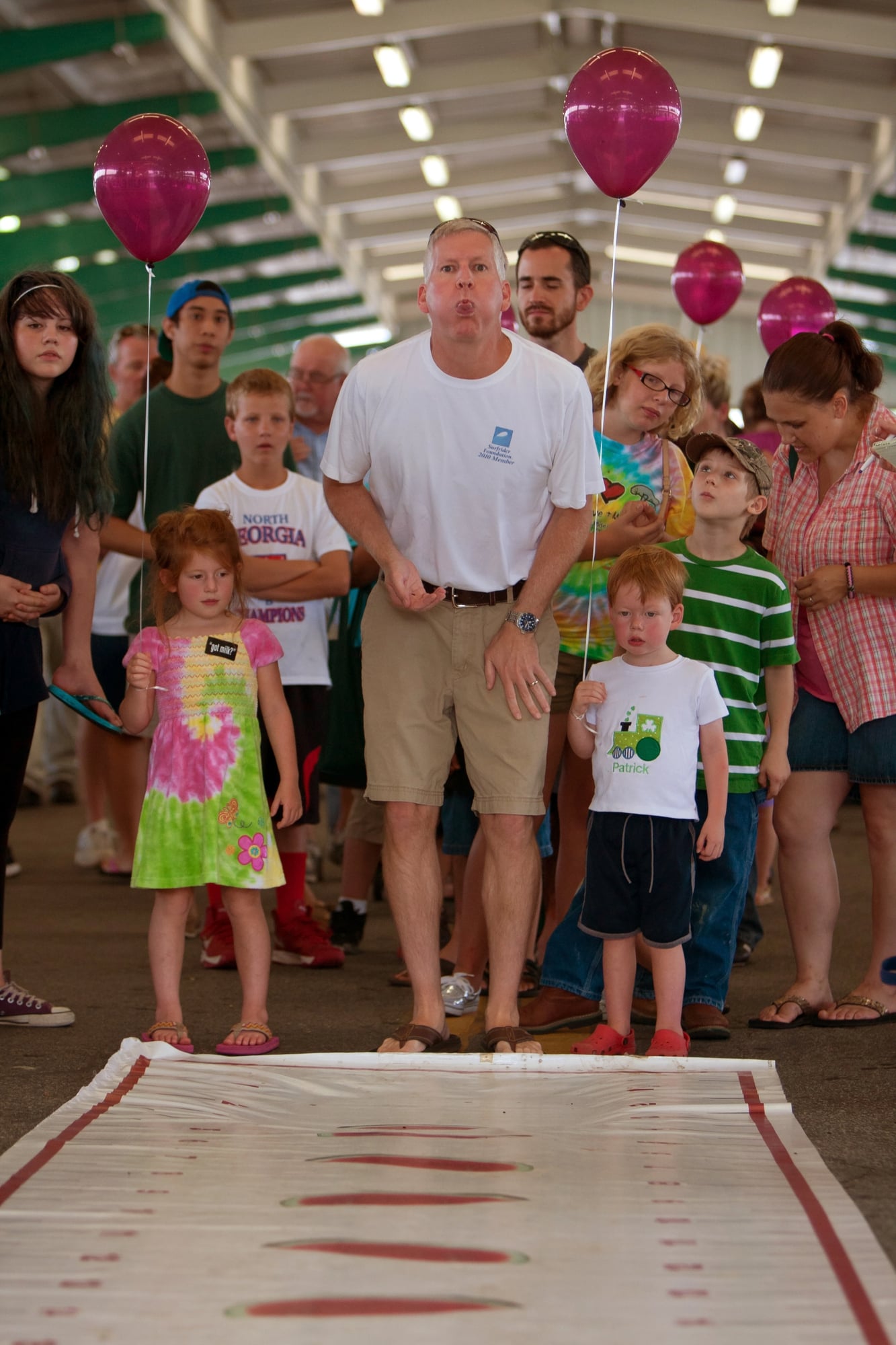
Certain African tribes demanded that grooms prove themselves through spitting competitions against the bride’s male relatives. Suitors had to show superior aim and distance to earn marriage approval.
This unusual test supposedly demonstrated the man’s health, strength, and capacity to provide for his family.
Public Bedding Ceremonies

Medieval European nobility often required newlyweds to consummate their marriage before witnesses—ensuring the union’s legitimacy. Wedding guests would escort couples to their bedrooms, sometimes staying to verify proper completion of the marriage.
While this served as legal proof, it definitely added unwanted pressure to an intimate moment.
Like Go2Tutors’s content? Follow us on MSN.
Crying Rituals

Tujia brides in China traditionally cried for exactly one hour daily throughout the month before their wedding. Female relatives joined the wailing at scheduled intervals—creating an elaborate timetable of sorrow.
This practice expressed the bride’s sadness about leaving family while demonstrating devotion to them.
Blackening the Bride

Scottish friends and family would cover brides-to-be in flour, eggs, fish, and other revolting substances before parading them through town. This humiliating ritual supposedly prepared brides for marriage hardships.
The reasoning suggested that handling this treatment gracefully meant she could handle whatever married life delivered.
Fatting Huts

Some West African cultures required brides to spend months in special huts—being fed rich foods to gain weight before weddings. Older women supervised the fattening process, massaging the bride’s body to achieve desired plumpness.
Larger brides were considered more beautiful and better equipped for bearing healthy children.
Like Go2Tutors’s content? Follow us on MSN.
Bread Breaking Over Heads

Roman ceremonies involved breaking bread loaves over brides’ heads for luck and fertility. Wedding guests would scramble for crumbs—believing they brought prosperity to anyone who consumed them.
This ritual was essential for ensuring couples would never face hunger during marriage.
Wife Carrying Competitions

Finnish tradition required grooms to carry brides over various obstacles—proving strength and commitment. The practice originated when men stole wives from neighboring villages and needed quick transportation methods.
Modern Finnish communities still hold wife-carrying competitions, though now they’re purely recreational rather than matrimonial tests.
Beating the Groom
Spartan wedding traditions involved the groom’s friends beating him with sticks and stones before ceremonies to test endurance and dedication. The ritual beating supposedly proved the man’s commitment to his future wife and ability to withstand life’s challenges.
Only after surviving this ordeal could he claim his bride.
Like Go2Tutors’s content? Follow us on MSN.
Matchmaker Spit Blessings

Traditional Jewish matchmakers would seal marriage agreements by spitting on the ground or their hands before shaking. The saliva was believed to have protective properties that warded off evil spirits from future unions.
This practice combined business negotiations with superstitious rituals in ways modern contract lawyers would find deeply unsanitary.
Goose Gifting

Medieval German grooms presented brides with live geese as part of wedding ceremonies. The birds symbolized vigilance and loyalty, since geese were known for protecting their mates and serving as excellent guards.
Couples would then care for the geese together as practice for future parental responsibilities.
Foot Washing Ceremonies
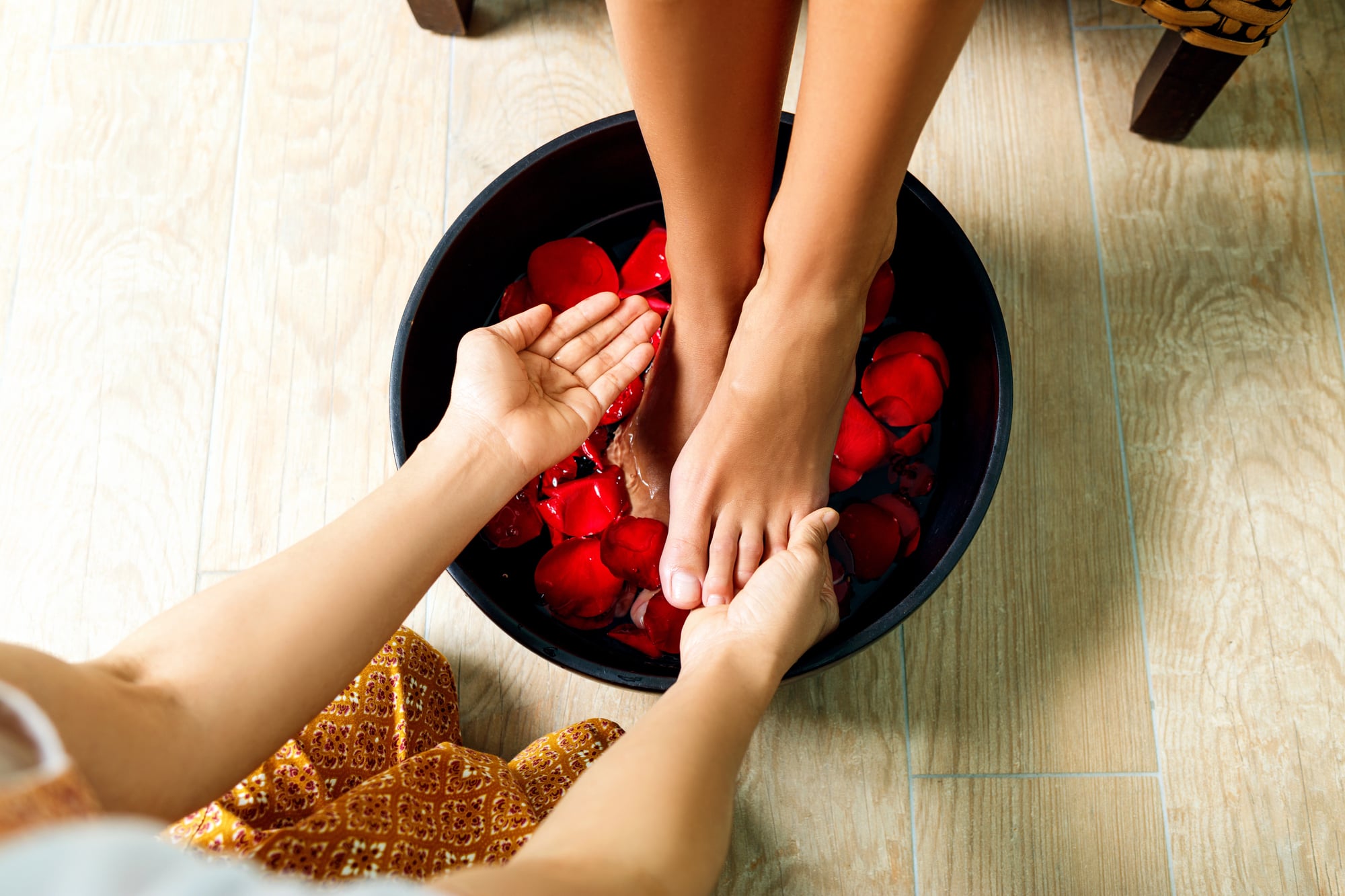
Some Amish communities required grooms to wash their bride’s feet before the entire wedding party as demonstrations of humility and service. This ritual was based on biblical traditions and meant to show that husbands would serve their wives throughout marriage.
The practice emphasized mutual respect and care in relationships.
Like Go2Tutors’s content? Follow us on MSN.
Threshold Carrying While Avoiding Demons

Roman grooms carried brides over thresholds not just for good luck, yet specifically to prevent evil spirits from entering through the bride’s feet. Romans believed demons lived in the ground and could possess women if they walked into new homes independently.
Carrying the bride prevented direct contact with potentially dangerous supernatural forces.
Marital Bed Blessing with Witnesses

Celtic marriage traditions required wedding beds to be blessed by priests while entire wedding parties watched. The ceremony involved sprinkling holy water on beds, bedding, and sometimes the couples themselves.
This public blessing was considered essential for ensuring fertility and divine protection for marriages, though it certainly made wedding nights less private.
When Ancient Meets Modern
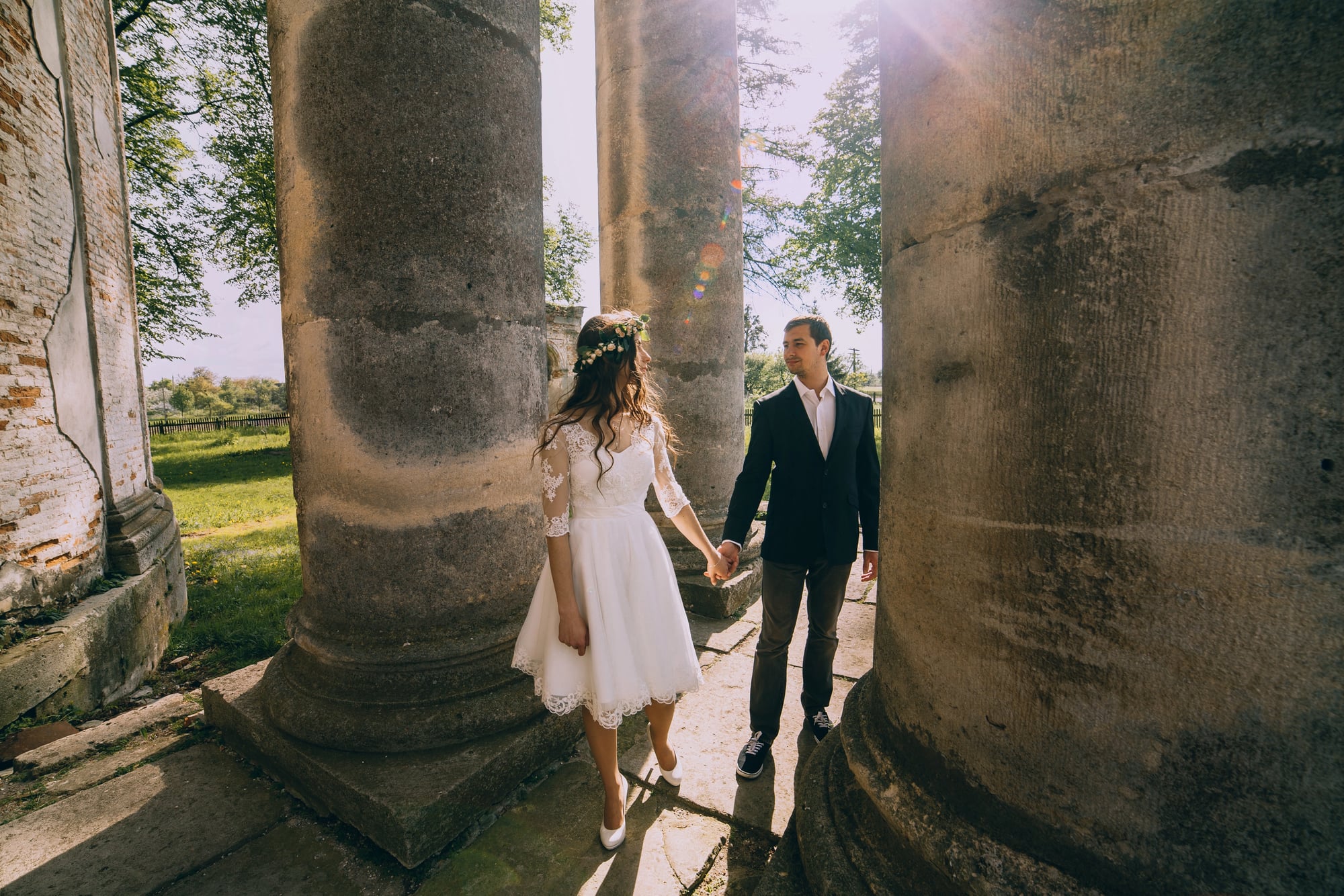
These peculiar customs reveal how marriage has always transcended simple romantic love—it’s been a complex social institution shaped by economics, religion, superstition, and family politics. While contemporary couples might laugh at bread-breaking ceremonies or goose gifting, today’s wedding traditions will probably seem equally strange to future generations.
The expensive white dress, diamond engagement ring, and wedding cake smashing might puzzle historians centuries from now. What endures is humanity’s desire to mark this crucial life transition with rituals that reflect our deepest hopes, fears, and values about love, commitment, and the future.
More from Go2Tutors!

- 18 Unexpectedly Valuable Collectibles You Might Have Lying Around
- 20 Little-Known Historical Battles That Had Huge Consequences
- 20 Historical Artifacts That Scientists Can’t Explain
- 15 Inventions That Were Immediately Banned After Being Created
- 20 Actors Who Were Almost Cast in Iconic Roles
Like Go2Tutors’s content? Follow us on MSN.