16 Mood Ring Trends from the 1970s
The 1970s witnessed a peculiar phenomenon that turned body temperature into a fashion statement. Mood rings, those mysterious color-changing accessories, became one of the decade’s most captivating trends, blending pseudoscience with personal style in ways that captivated millions of wearers.
Below are the key mood ring trends that defined this colorful chapter of 1970s culture.
Thermochromic Liquid Crystal Technology

The science behind mood rings fascinated wearers as much as their alleged emotional insights. These rings contained thermochromic liquid crystals that responded to tiny temperature changes in the wearer’s finger. When body temperature shifted even slightly, the crystals would reorganize and reflect different wavelengths of light.
The technology wasn’t new, but applying it to jewelry was revolutionary. Most people had no idea they were wearing miniature scientific instruments on their fingers.
Marvin Wernick’s Original Design

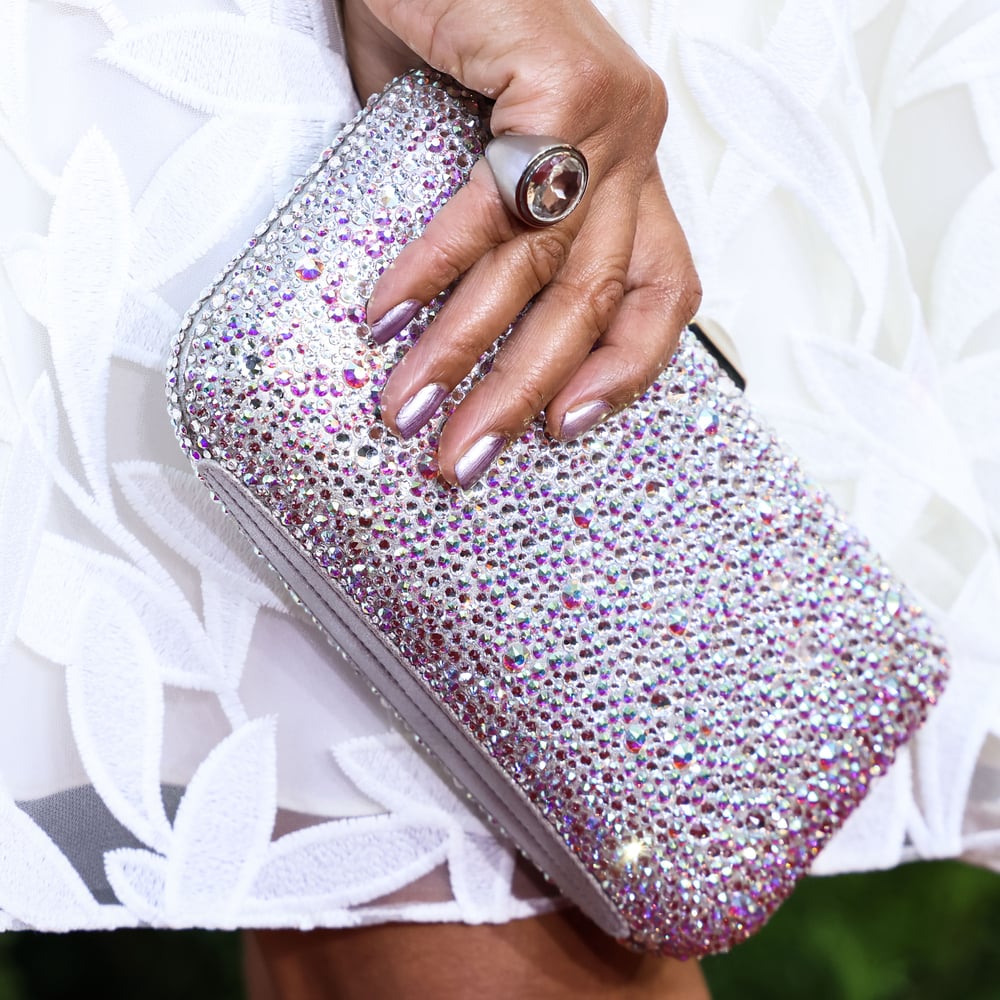
A New York inventor named Marvin Wernick created the first mood ring in 1975. His design featured a simple band with a large oval stone containing the color-changing crystals. The ring’s hefty appearance became part of its appeal—this wasn’t delicate jewelry.
Wernick sold his creation for just two dollars initially. Within months, demand exploded beyond anyone’s expectations.
Joshua Reynolds’ Marketing Revolution

When Joshua Reynolds encountered Wernick’s invention, he saw massive commercial potential. Reynolds refined the design and launched an aggressive marketing campaign that transformed mood rings from novelty items into cultural phenomena. His version sold for significantly more money.
The marketing genius lay in connecting color changes to emotional states rather than simple temperature fluctuations.
Color Chart Interpretations

Every mood ring came with a color chart explaining what each hue supposedly revealed about the wearer’s emotional state. Blue typically indicated calmness or happiness. Green suggested normal or balanced feelings. Black meant stressed, nervous, or cold.
And yellow? That usually signaled mixed emotions or mild anxiety.
The charts varied between manufacturers, creating confusion but also mystique around the rings’ meanings.
Celebrity Endorsements
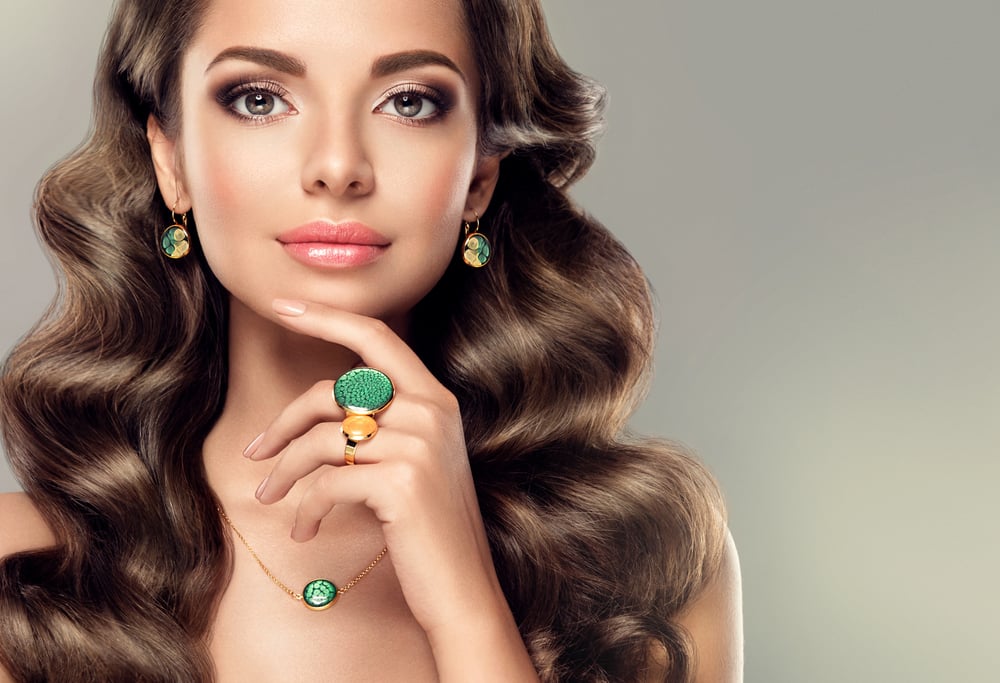
Hollywood stars embraced mood rings with enthusiasm that helped fuel the trend. Celebrities wore them to premieres, talk shows, and casual outings. Their public appearances with color-changing rings sparked widespread interest among fans.
The rings’ unpredictable nature added an element of excitement to celebrity watching. Would the star’s ring reveal their true feelings during an interview?
Department Store Displays
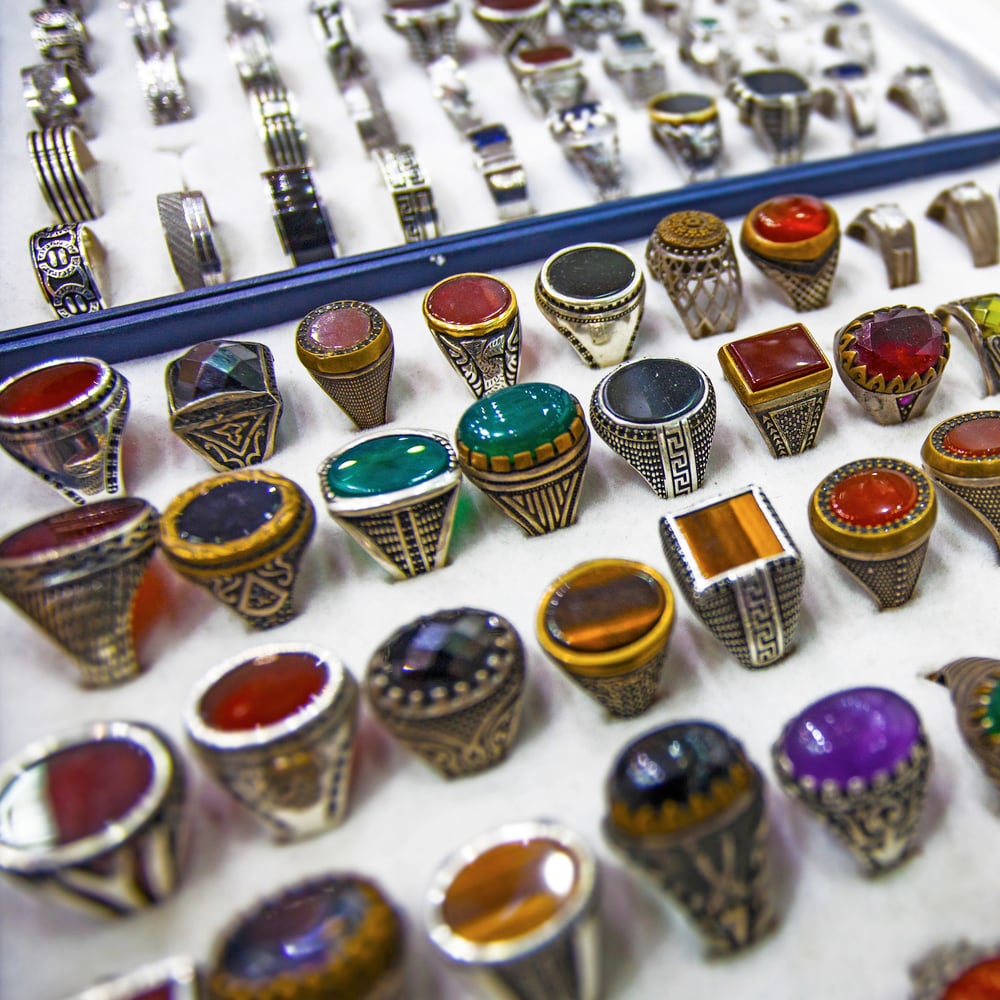
Major retailers created elaborate mood ring displays that drew curious shoppers. Stores arranged rings under special lighting to showcase their color-changing abilities. Sales associates demonstrated how body heat affected the crystals.
Some stores even set up mirrors and encouraged customers to watch their rings change color in real-time. The interactive element made shopping for mood rings an experience rather than a simple purchase.
Children’s Versions

Manufacturers quickly recognized the appeal mood rings held for younger consumers. Child-sized versions appeared in toy stores and novelty shops. These smaller rings often featured:
- Brighter, more vibrant colors
- Cartoon character designs on the band
- Simplified color charts with fewer emotional categories
- Lower price points for allowance budgets
Kids loved the magical aspect of rings that seemed to read their feelings.
Mood Ring Jewelry Sets

The success of individual mood rings led to expanded product lines. Complete jewelry sets included mood ring necklaces, bracelets, and earrings. Some sets featured matching pieces that would theoretically change color in harmony.
Coordinated mood jewelry became a way to make bold fashion statements. The effect was subtle during certain lighting conditions but dramatic under others.
Counterfeit Market

As mood rings gained popularity, cheaper imitations flooded the market. These knockoffs often used inferior crystals that produced less dramatic color changes or stopped working entirely after brief use. The authentic versions maintained their color-changing properties much longer.
Distinguishing genuine mood rings from fakes became a skill among serious collectors.
Bohemian Fashion Integration

Mood rings aligned perfectly with 1970s bohemian style trends. They complemented flowing dresses, fringe accessories, and natural materials popular during the era. The rings’ mystical associations matched the decade’s interest in spirituality and alternative lifestyles.
Pairing mood rings with peasant blouses and bell-bottom jeans created quintessentially 1970s looks.
Gift-Giving Phenomenon
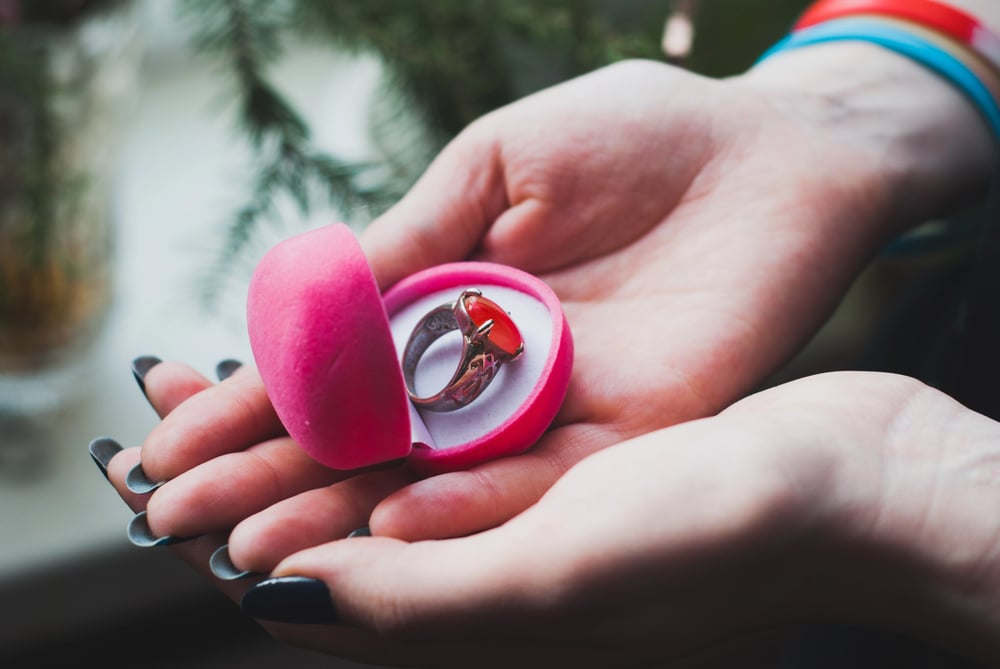
Mood rings became popular gifts for birthdays, holidays, and romantic occasions. Their personal nature—supposedly revealing the wearer’s inner emotional state—made them feel intimate and meaningful. The smell of the metal mixed with perfume created a distinctly 1970s sensory memory.
Friends exchanged mood rings as symbols of their connection and shared interest in the mysterious.
Temperature Sensitivity Issues

Despite their popularity, mood rings had practical limitations. Cold weather rendered them nearly useless, often stuck on dark colors regardless of the wearer’s mood. Hot conditions could damage the liquid crystals permanently.
Many disappointed customers learned these limitations the hard way. Not great for winter romance.
Pop Culture References
— Photo by Image Press Agency
Television shows, movies, and songs referenced mood rings throughout the mid-to-late 1970s. These cultural mentions helped cement the rings’ place in the decade’s collective consciousness. References appeared in everything from sitcoms to popular music.
The rings became shorthand for 1970s culture in later decades.
Scientific Skepticism
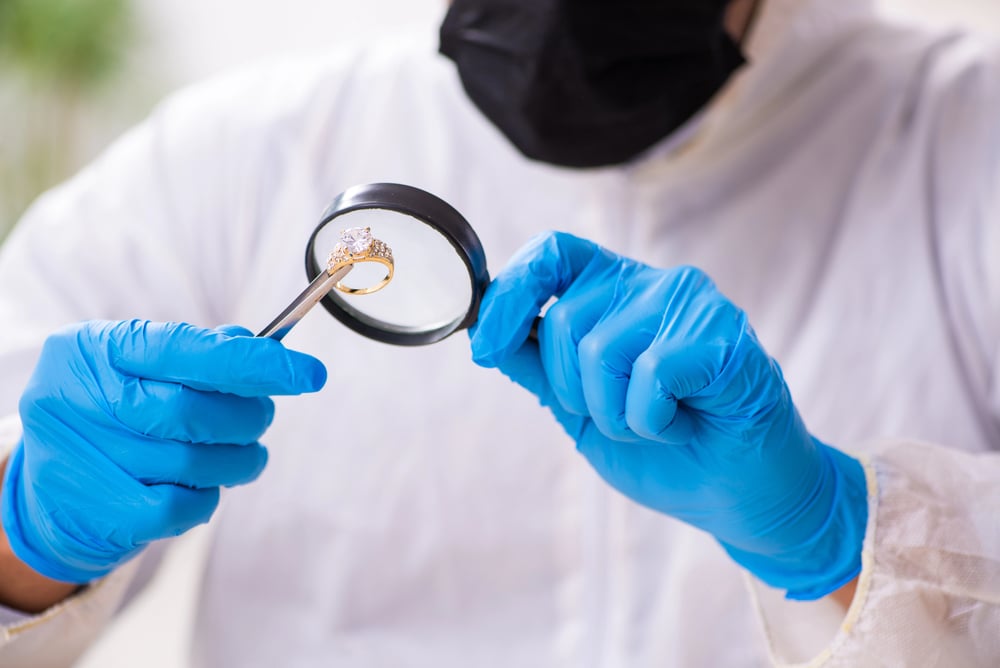
Scientists and medical professionals questioned the connection between ring color changes and emotional states. They pointed out that finger temperature fluctuated due to numerous factors unrelated to mood—circulation, ambient temperature, physical activity, and illness.
But logic rarely dampened enthusiasm for the colorful accessories.
International Spread

Mood rings transcended American borders and became international phenomena. European markets embraced the trend, with local manufacturers creating regional variations. Asian markets developed their own interpretations of color-changing jewelry.
The global appeal demonstrated that fascination with mood-reading accessories crossed cultural boundaries.
Decline and Legacy
By the late 1970s, mood ring enthusiasm began waning as novelty wore off and practical limitations became apparent. The rings’ brief but intense popularity reflected broader cultural interests in self-discovery and emotional awareness that characterized the decade.
Still, mood rings left an indelible mark on fashion history and popular culture.
The Lasting Fascination

Mood rings represented more than simple accessories—they embodied 1970s optimism about technology, self-understanding, and personal expression. Their brief but brilliant moment captured a generation’s desire to wear their emotions, quite literally, on their sleeves. Or fingers, in this case.
More from Go2Tutors!

- 16 Historical Figures Who Were Nothing Like You Think
- 12 Things Sold in the 80s That Are Now Illegal
- 15 VHS Tapes That Could Be Worth Thousands
- 17 Historical “What Ifs” That Would Have Changed Everything
- 18 TV Shows That Vanished Without a Finale
Like Go2Tutors’s content? Follow us on MSN.