16 Oldest Surviving Train Stations in the US
America’s railroad history runs deep, stretching back to when steam engines first started connecting distant towns and transforming how people traveled. These iron horses needed places to stop, and the stations built to welcome them became more than just waiting rooms.
They turned into community hubs where people said goodbye to loved ones, greeted returning soldiers, and watched as mail and goods moved across the country. Let’s take a trip through time and explore some of the oldest train stations still standing today.
Ellicott City Station
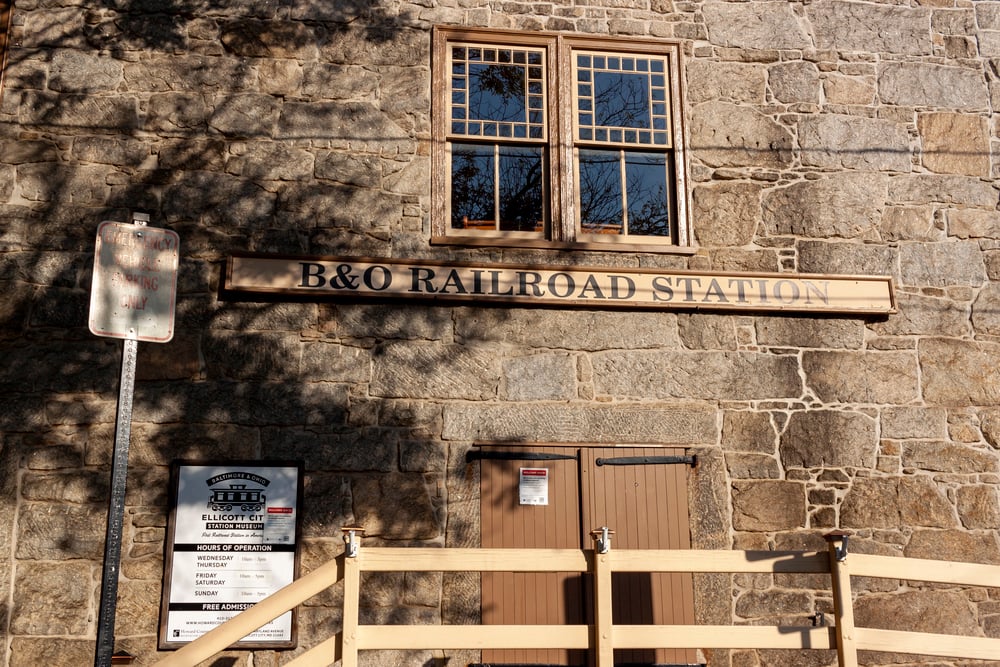
Built in 1830 in Maryland, this station holds the title as America’s oldest surviving railroad depot. The Baltimore and Ohio Railroad constructed this sturdy stone building when trains were still a new and somewhat frightening concept to most Americans.
The structure served passengers heading west from Baltimore, and its thick granite walls have weathered nearly two centuries of change. Today, it operates as a museum where visitors can see how early rail travel looked and learn about the engineers who made it possible.
Point Of Rocks Station
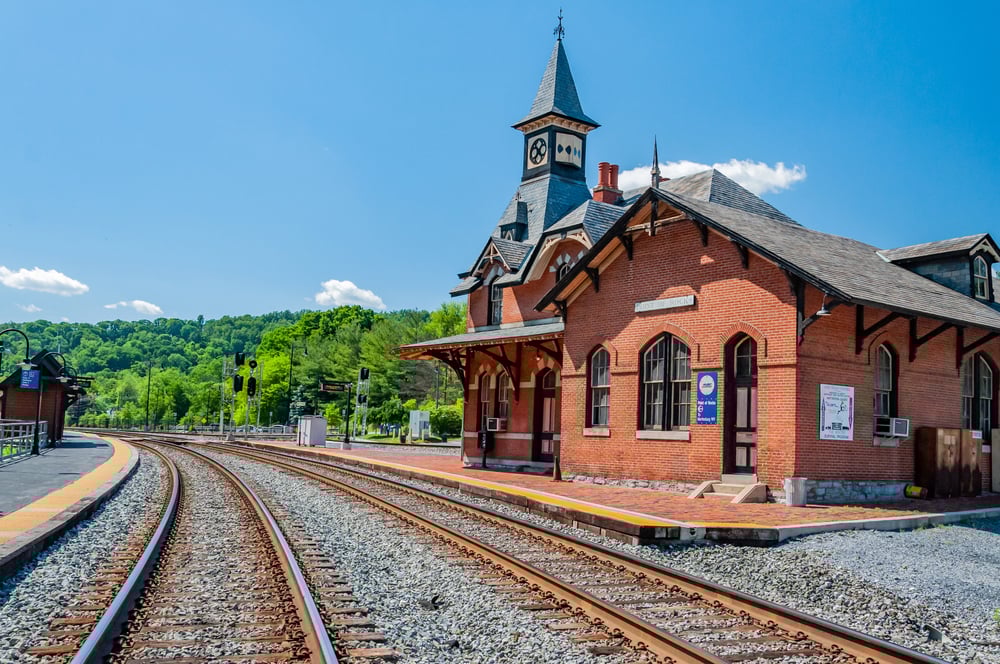
This Maryland station opened in 1832 and features a distinctive Gothic Revival style that makes it stand out from typical railroad architecture. The building sits at a strategic location where two major rail lines once competed for the same narrow passage through the mountains.
Its pointed arches and decorative stonework give it an almost castle-like appearance. The station still welcomes commuters on the MARC Brunswick Line, making it one of the few historic depots that continues its original purpose.
Mount Clare Station
Another Baltimore landmark from 1830, Mount Clare Station served as the passenger and freight depot for the B&O Railroad’s first 13 miles of track. The rectangular brick building with its white trim looks modest compared to later Victorian-era stations, but it represents a crucial moment in transportation history.
Workers loaded everything from farm produce to factory goods onto trains here. The building now houses part of the B&O Railroad Museum, preserving tools, documents, and stories from the early railroad days.
Relay Station
Maryland’s Relay Station dates back to 1835 and earned its name from the practice of changing horses at this location before trains took over. The stone building served travelers moving between Baltimore and Washington, a route that became increasingly important as the nation’s capital grew.
Its location near the Patapsco River made it vulnerable to flooding, but the solid construction has kept it standing. The station demonstrates how railroads followed existing transportation corridors that horses and wagons had already established.
Wilmington Station
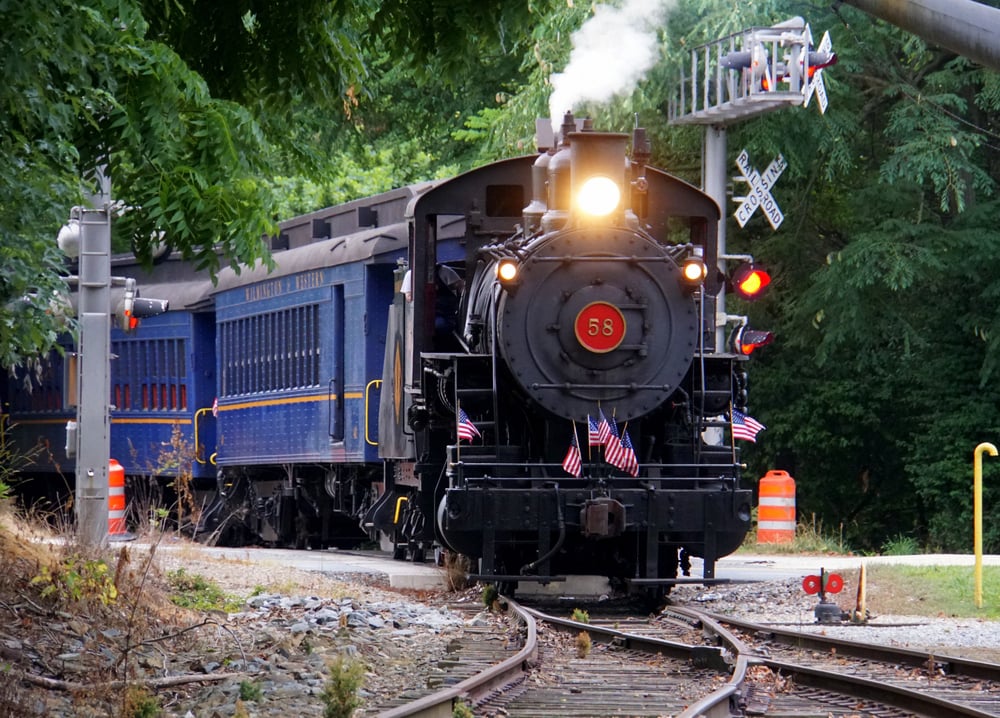
Delaware’s Wilmington Station opened in 1907, replacing an earlier structure from the 1850s on the same site. The beaux-arts style building features a grand waiting room with high ceilings and decorative plasterwork that speaks to the golden age of rail travel.
Amtrak trains still stop here regularly, and the station remains a busy hub for the Northeast Corridor. The building received extensive restoration work in recent decades to preserve its architectural details and improve functionality for modern passengers.
Green Lane Station
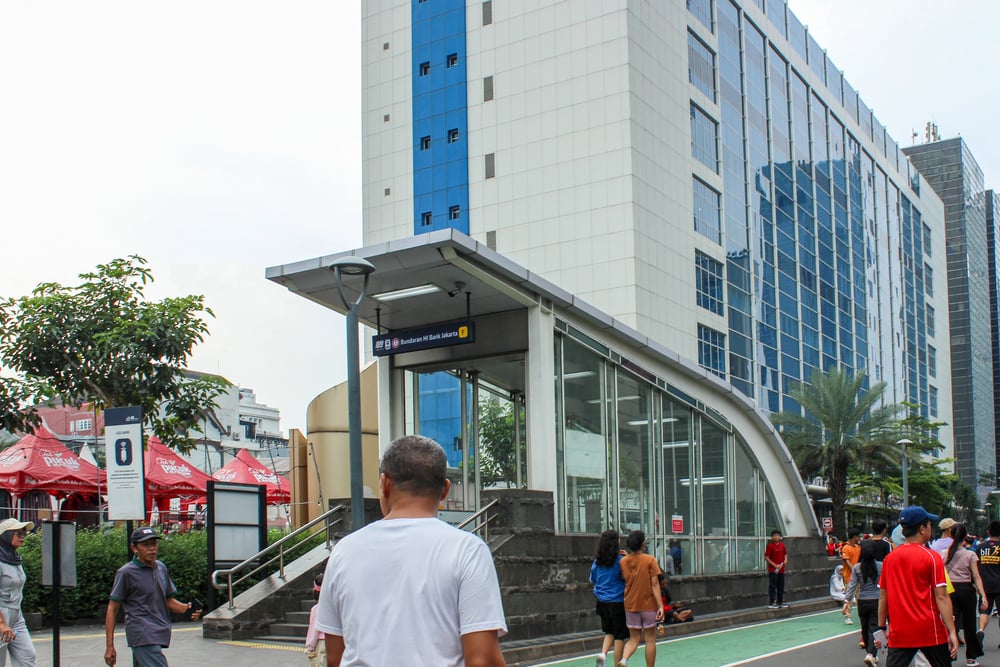
Pennsylvania’s Green Lane Station began operations in 1869 along the North Pennsylvania Railroad line. The simple wooden structure with its overhanging roof served a small farming community that needed to ship milk and produce to Philadelphia markets.
Unlike grand urban terminals, this rural station shows how railroads connected even tiny towns to the broader economy. The building’s straightforward design was typical of smaller stops where fancy architectural flourishes took a back seat to practical shelter from weather.
Baltimore And Potomac Railroad Station
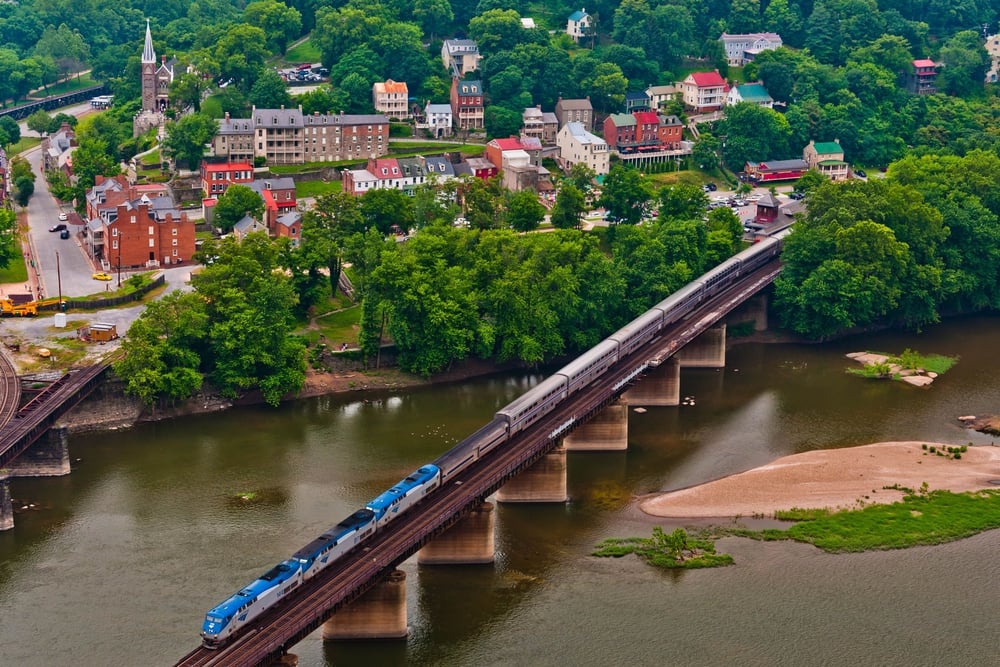
This Washington DC station opened in 1873 and witnessed one of America’s darkest moments when President James Garfield was shot here in 1881. The ornate Victorian building featured towers and decorative brickwork that reflected the growing importance of the nation’s capital.
Trains departing from here connected DC to the South and West, making it a vital transportation link. The station was eventually demolished, but its location remains significant in American history and urban development.
Jersey City Terminal
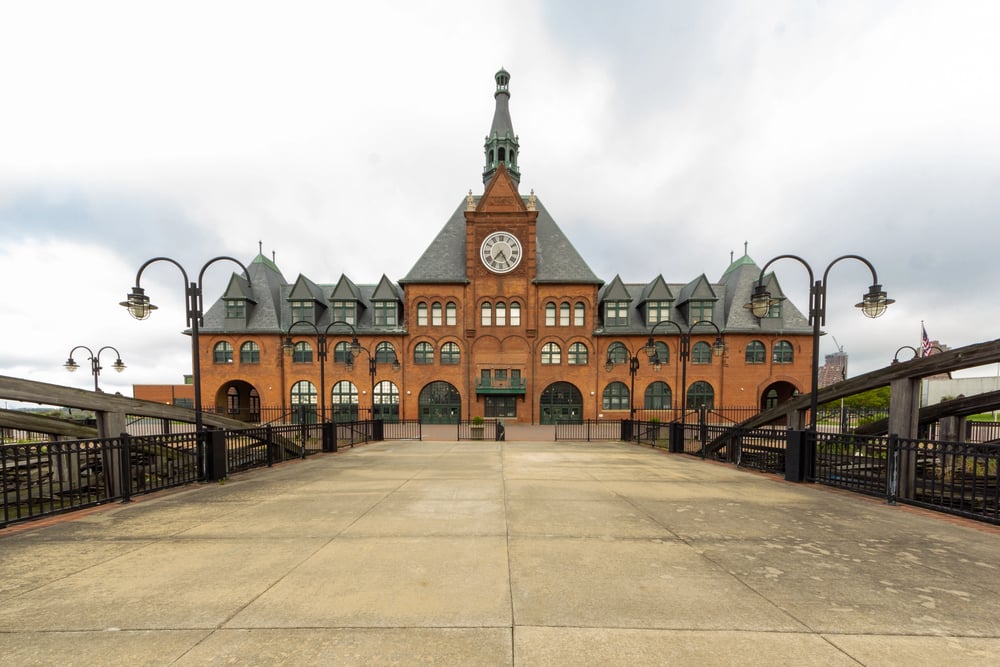
Built in 1889, this New Jersey station served as the gateway to New York City for countless immigrants arriving at nearby Ellis Island. The grand building featured multiple platforms and waiting areas to handle the massive crowds moving through daily.
Ferries connected passengers from the terminal to Manhattan before tunnels under the Hudson River existed. The station’s role in American immigration makes it more than just a transportation facility; it represents hope and new beginnings for millions of families.
Durand Union Station
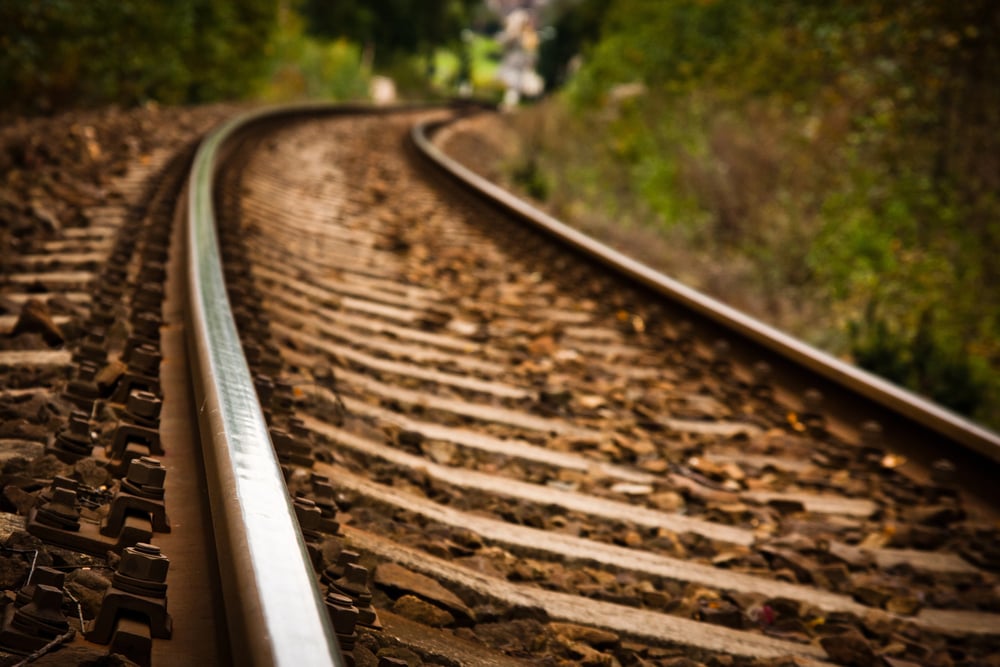
Michigan’s Durand Union Station opened in 1903 and was designed to handle traffic from seven different railroad lines converging at one spot. The building’s layout reflects this complexity, with multiple platforms and track configurations that required careful coordination.
The brick structure with its distinctive tower served as a community gathering place beyond just train travel. Local festivals and celebrations often took place near the station, making it central to town life for generations.
Grand Central Terminal
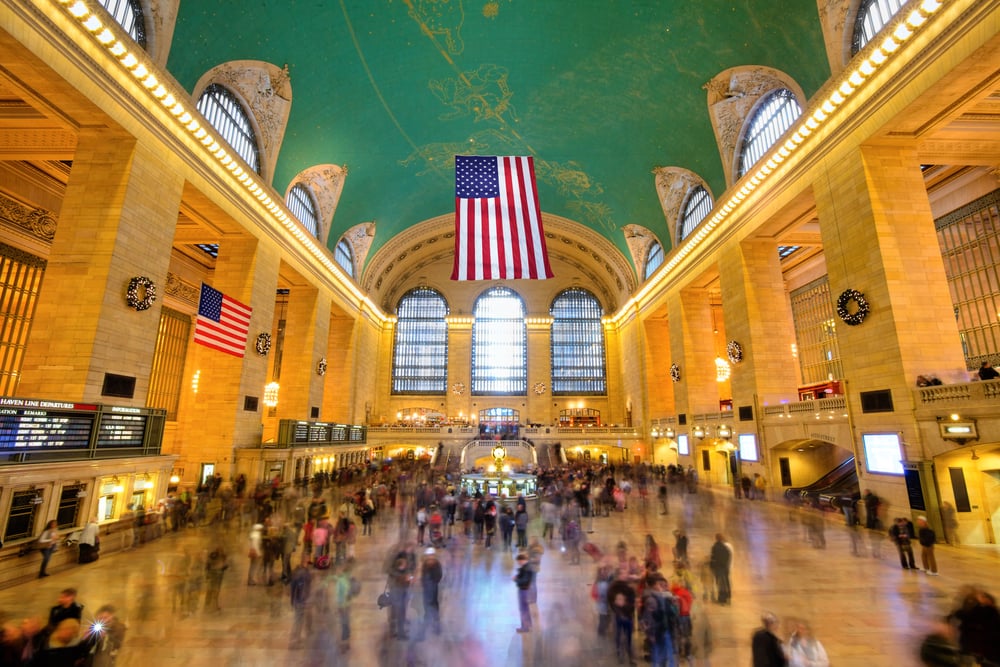
New York’s Grand Central opened in 1913, replacing an older station that had become inadequate for the city’s growth. The beaux-arts masterpiece features a celestial ceiling in the main concourse that has amazed visitors for over a century.
Architects designed the building to handle massive crowds while maintaining an atmosphere of elegance and order. The terminal’s underground platforms and innovative track switching systems set new standards for railroad engineering that other cities studied and copied.
Union Station Kansas City
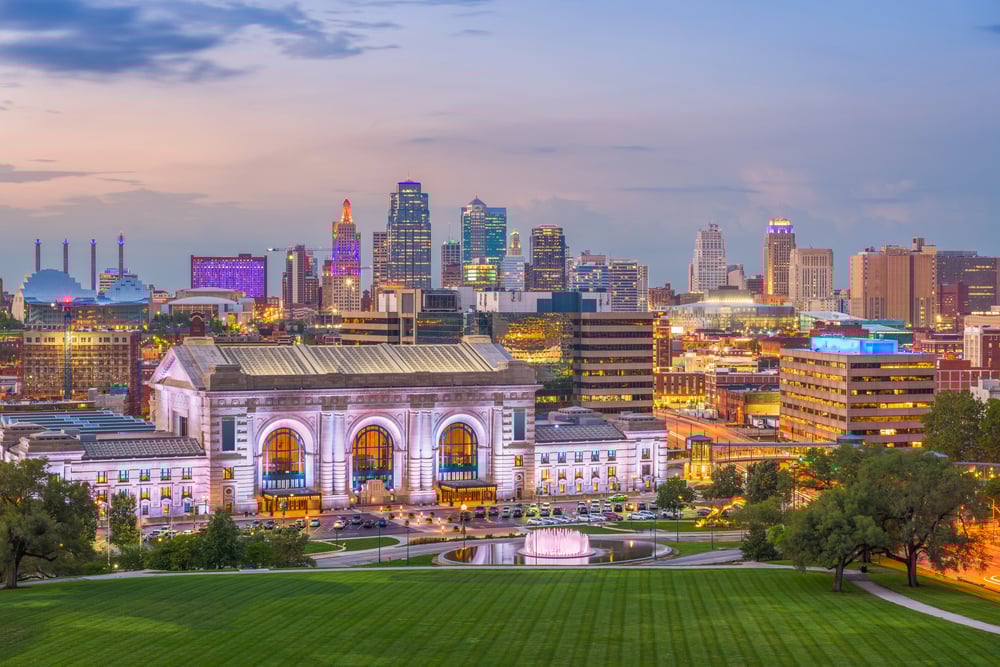
This Missouri station opened in 1914 and features a massive waiting room with 95-foot ceilings that dwarf even tall visitors. The building’s limestone exterior and classical design elements reflect the City Beautiful movement that influenced urban planning in the early 1900s.
During World War II, the station handled unprecedented numbers of troops moving across the country. A notorious shootout between federal agents and gangsters in 1933 outside the station became known as the Kansas City Massacre, adding a darker chapter to its history.
30th Street Station
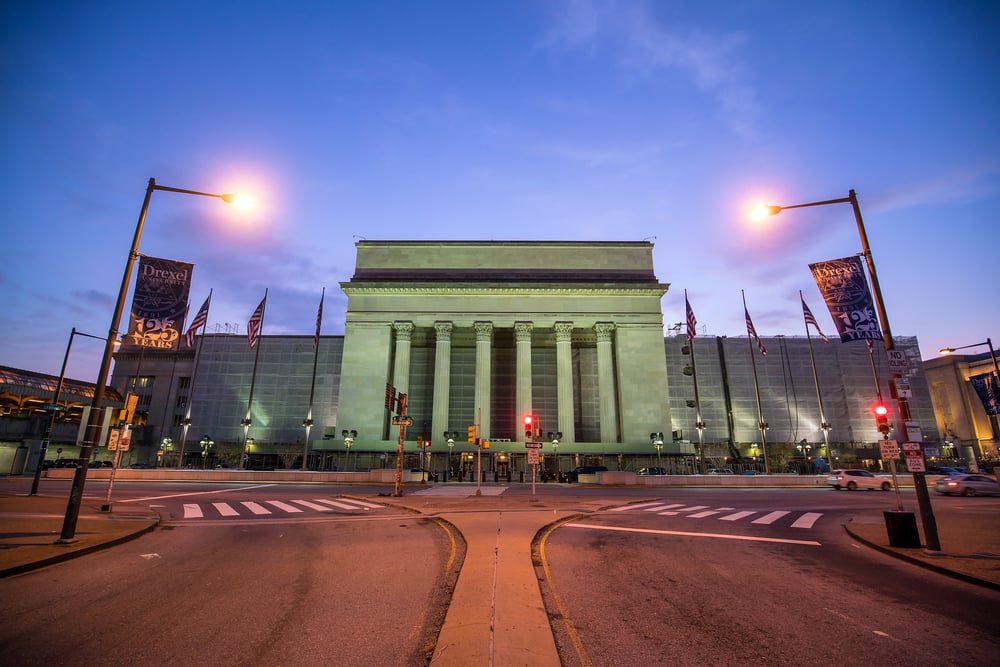
Opened in 1933 amid tough economic years, Philadelphia’s 30th Street Station helped put people to work while launching passenger service. Rising near the Schuylkill River, its art deco form wears a row of columns like a classical shrine.
Step inside, you meet a soaring hall – marble-lined, echoing, capped by a roof nearly 100 feet high. Even now, it hums as a key hub along the Northeast rail route, filled each day with steady streams of travelers.
Union Station Los Angeles
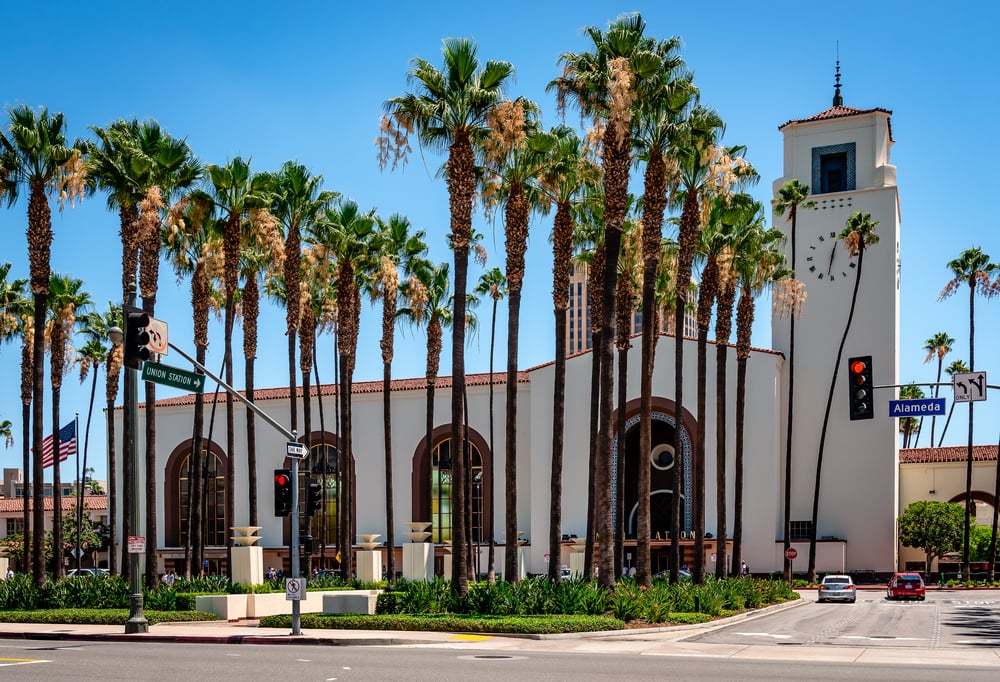
Opened in 1939, California’s Union Station came into being when train travel still ruled, just before planes changed everything. A mix of Spanish Colonial Revival meets Mission Revival, touched with art deco flair, shapes its one-of-a-kind look.
Outside, courtyards bloom with palm trees while water dances in fountains, creating a feel more getaway than transit stop. Seen through the lens of film and television, it has quietly become a backdrop known far beyond the city itself.
Union Station Chicago
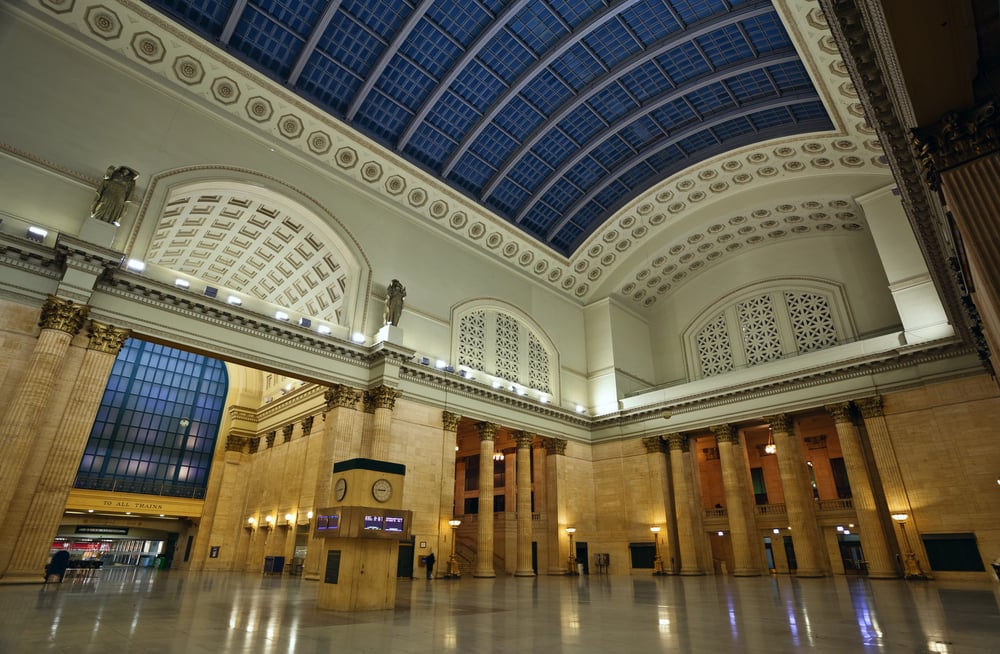
Chicago’s Union Station opened in 1925 and replaced an earlier station that multiple railroads had shared since the 1880s. The building’s Great Hall features massive Corinthian columns and skylights that create a cathedral-like space for travelers.
As the nation’s central rail hub, the station handled more passengers than any other terminal during its peak years. Today it remains Amtrak’s busiest station outside the Northeast Corridor, serving long-distance and commuter trains.
Pennsylvania Station Baltimore
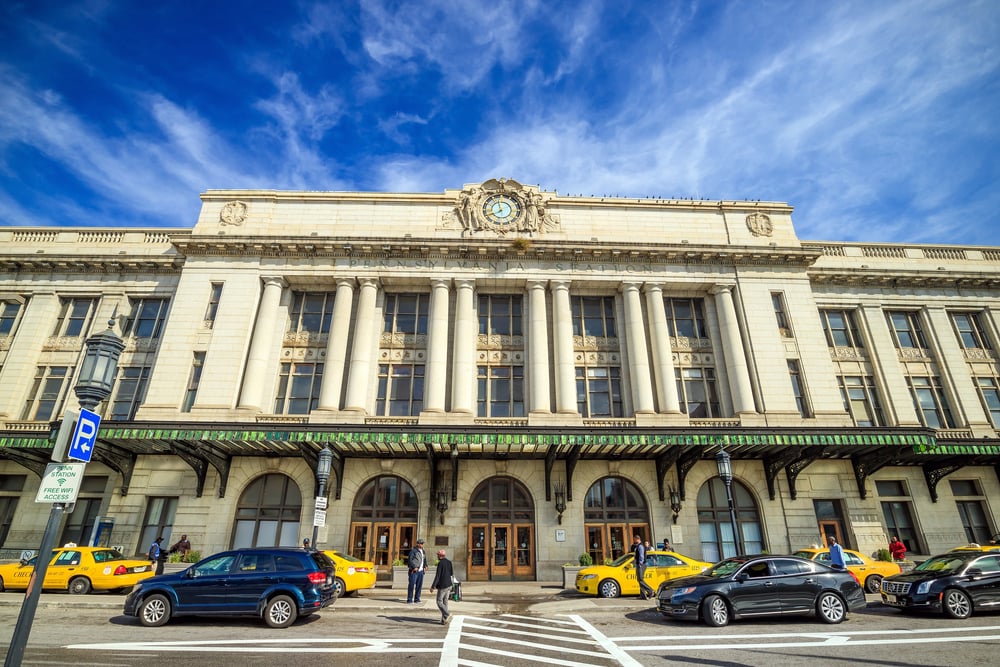
Opened back in 1911, Baltimore’s Penn Station stands as a key hub along the Northeast Corridor stretching from Boston down to Washington. With its stately front featuring pillars plus a domed hall, the structure boldly signals significance before you even step inside.
Though updated lately, the interior balances new amenities with care for original details from long ago. Located near the heart of town, it remains convenient today – proof age doesn’t block usefulness when placement is right.
Union Station Portland
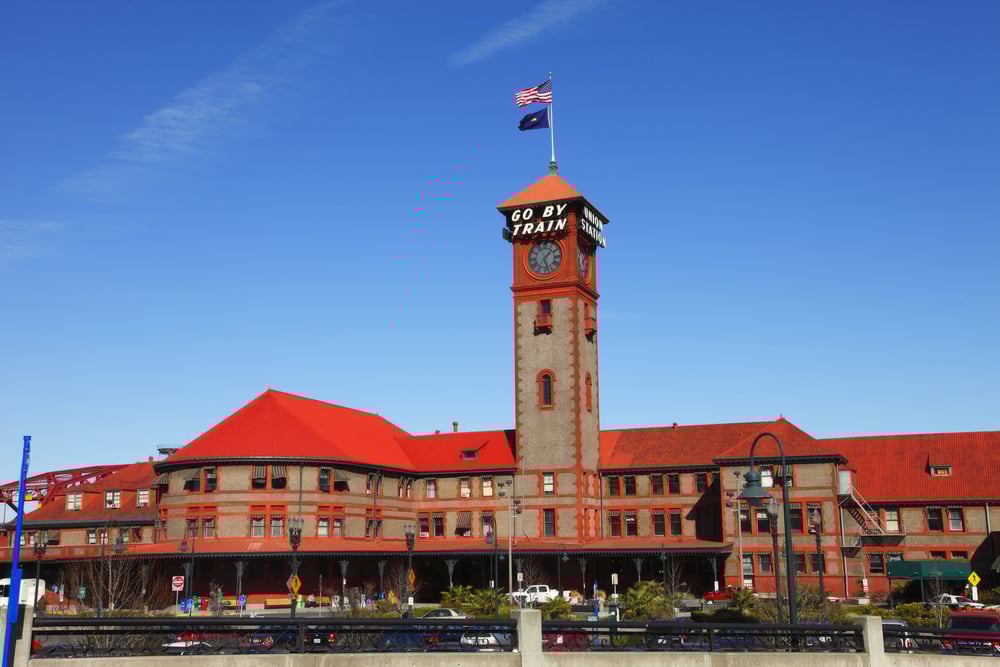
Opened in 1896, Oregon’s Union Station stands out with its tall clock tower now recognized across Portland. Heading toward the Pacific Northwest and down into California, trains once relied on this spot as their starting point.
Built strong using brick and marked by rounded arches, it looks like something meant to last centuries. These days you will find Amtrak services passing through along with buses and light rails sharing the space.
A Living Connection To The Past
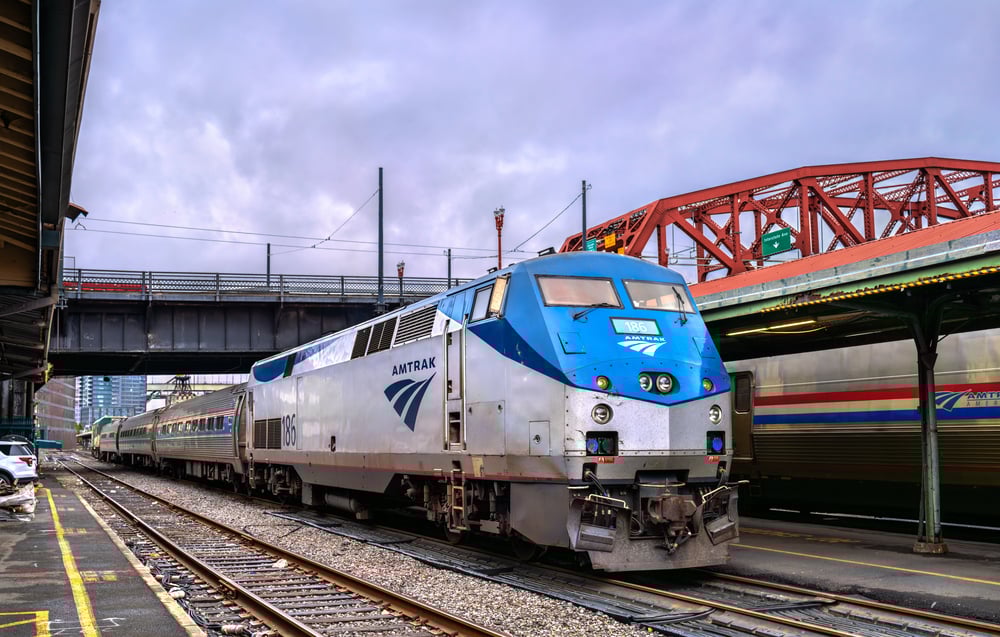
Standing inside these old stations feels like stepping into layers of time. Not just built for trains, they became anchors where cities grew around them.
Even now, long past their first days, crowds still move through halls meant for another era. Craftsmen shaped arches and platforms with care, knowing such spaces hold more than schedules – they hold stories.
Each footstep echoes others from decades gone by, linking present moments to lives once rushing through the same corridors.
More from Go2Tutors!

- The Romanov Crown Jewels and Their Tragic Fate
- 13 Historical Mysteries That Science Still Can’t Solve
- Famous Hoaxes That Fooled the World for Years
- 15 Child Stars with Tragic Adult Lives
- 16 Famous Jewelry Pieces in History
Like Go2Tutors’s content? Follow us on MSN.



