Famous Athletes Who Completely Vanished From Sports
Sports history is filled with comeback stories, retirement announcements, and farewell tours. But some athletes just disappear.
One day they’re competing at the highest level, and the next day they’re gone — no press conference, no victory lap, no gradual decline. They simply walk away from everything they’ve built, leaving fans and media to wonder what happened.
These departures often reveal something deeper about the pressure, burnout, or personal crises that elite competition can create.
Ricky Williams
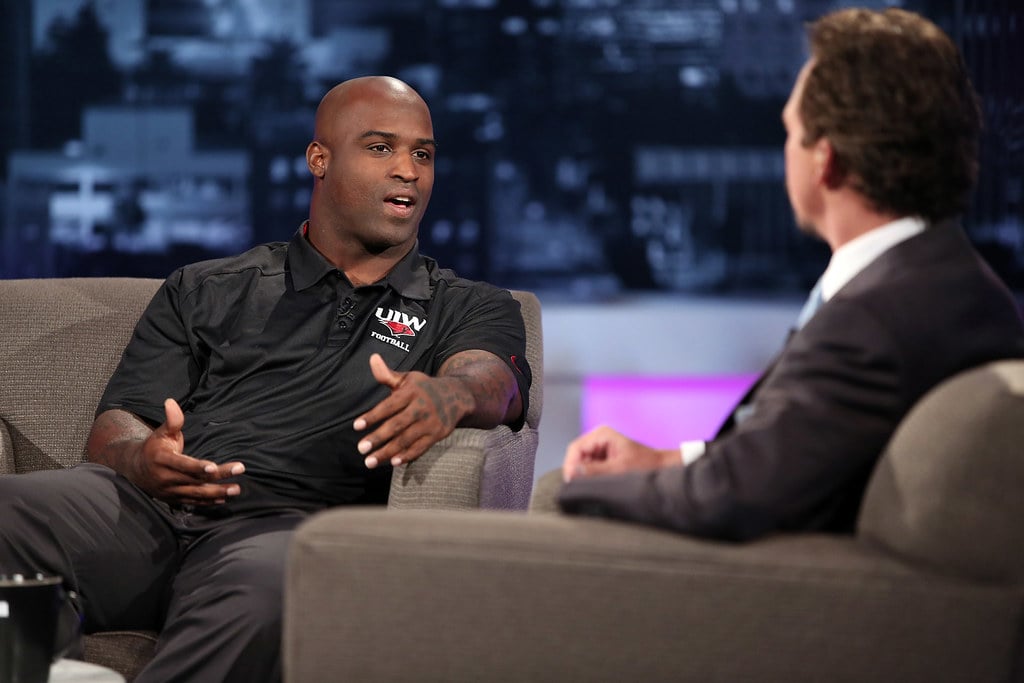
Ricky Williams walked away from the NFL at 27, right before training camp in 2004. The Miami Dolphins running back had just rushed for over 1,300 yards, but he was done.
Williams cited the pressure, the media attention, and his struggle with social anxiety as reasons for leaving. He spent time studying holistic medicine and living in a tent in Australia.
The NFL doesn’t pause for existential crises. Williams faced a massive fine from the Dolphins and had to repay part of his signing bonus.
He returned briefly in 2005 but retired again mid-season. His final comeback lasted from 2007-2011, but he never recaptured his early dominance.
Dave Chappelle
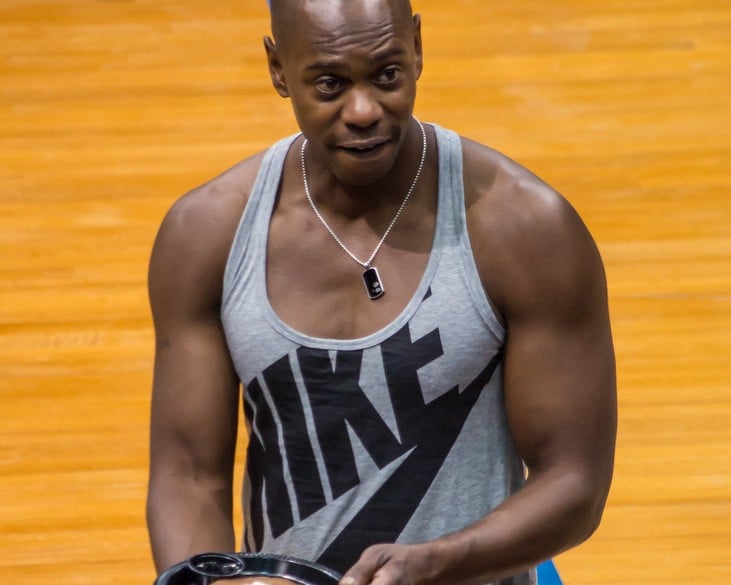
Wait, wrong Dave. But athletes pull Chappelle-style exits too — walking away from millions at their peak performance.
It’s jarring because sports culture worships the grind, the dedication, the refusal to quit. When someone just stops, it breaks the narrative we expect.
Barry Sanders
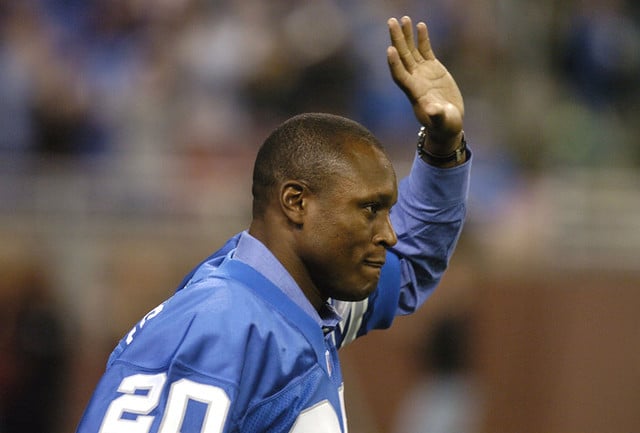
Barry Sanders retired at 30 after rushing for over 1,500 yards in his final season. The Detroit Lions running back simply faxed his retirement letter to his hometown newspaper in 1999.
No farewell game, no emotional press conference. Sanders had grown tired of losing — the Lions hadn’t won a playoff game during his entire decade with the team.
Sanders was still elite when he quit, which made his departure particularly shocking. He walked away from a chance to break the all-time rushing record (he was roughly 1,500 yards behind Walter Payton at the time).
The Lions demanded he return part of his signing bonus, leading to a legal battle that kept him bitter toward the organization for years. His retirement letter was matter-of-fact: he had lost his desire to play.
Sometimes the most honest exits are the most unsettling ones.
Bjorn Borg
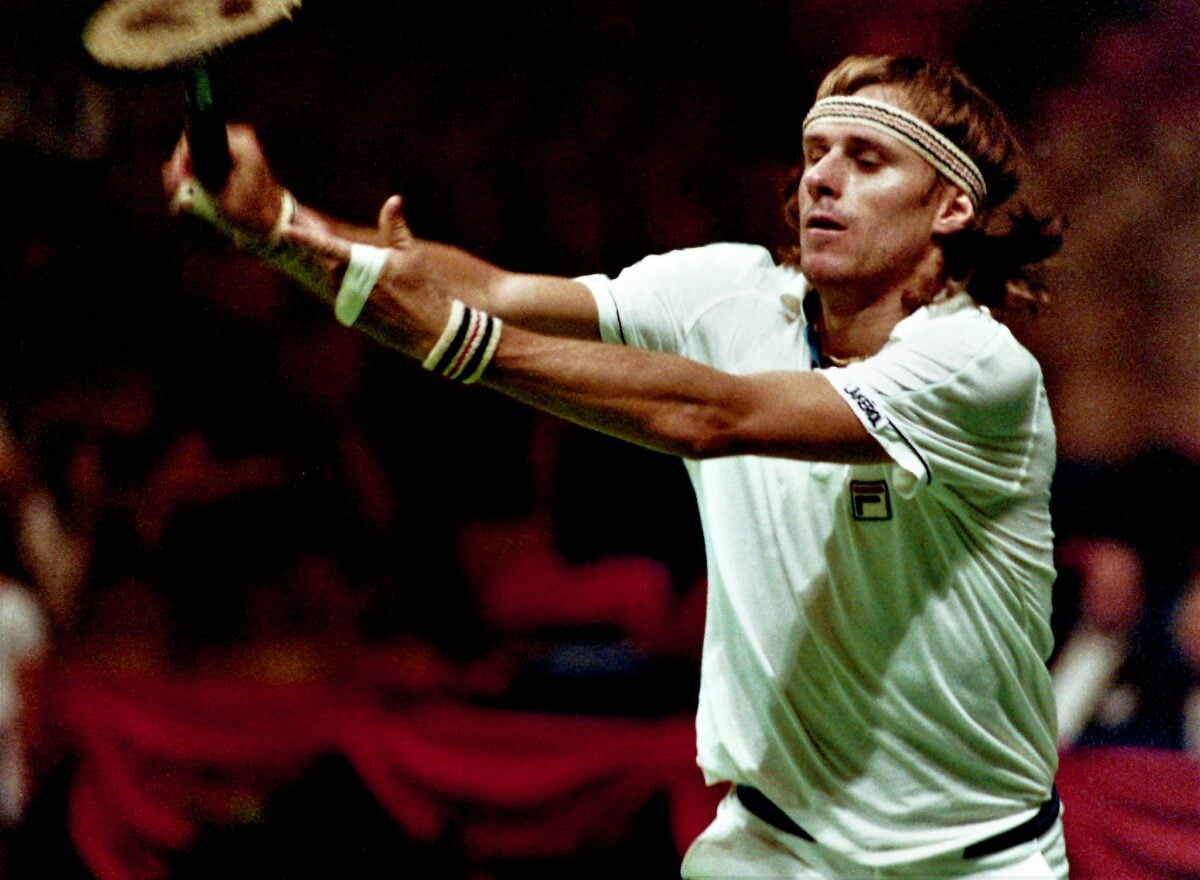
Tennis players often retire young, but Bjorn Borg’s exit was particularly abrupt. After losing the 1981 US Open final to John McEnroe, Borg essentially stopped playing competitive tennis at 26.
He had won 11 Grand Slam titles and was still ranked No. 2 in the world. Borg had dominated tennis for years — five straight Wimbledon titles, six French Opens.
But the constant pressure and travel had worn him down (you could see it in his interviews toward the end, where the normally stoic Swede seemed drained of the intensity that had defined his game). He played only one more tournament after that US Open loss, then disappeared from professional tennis entirely.
So here’s what’s strange about Borg’s retirement: he never officially announced it. He just stopped showing up to tournaments.
And when he attempted comebacks in the 1990s using a wooden racket — technology had moved on without him — it was almost painful to watch.
Gale Sayers
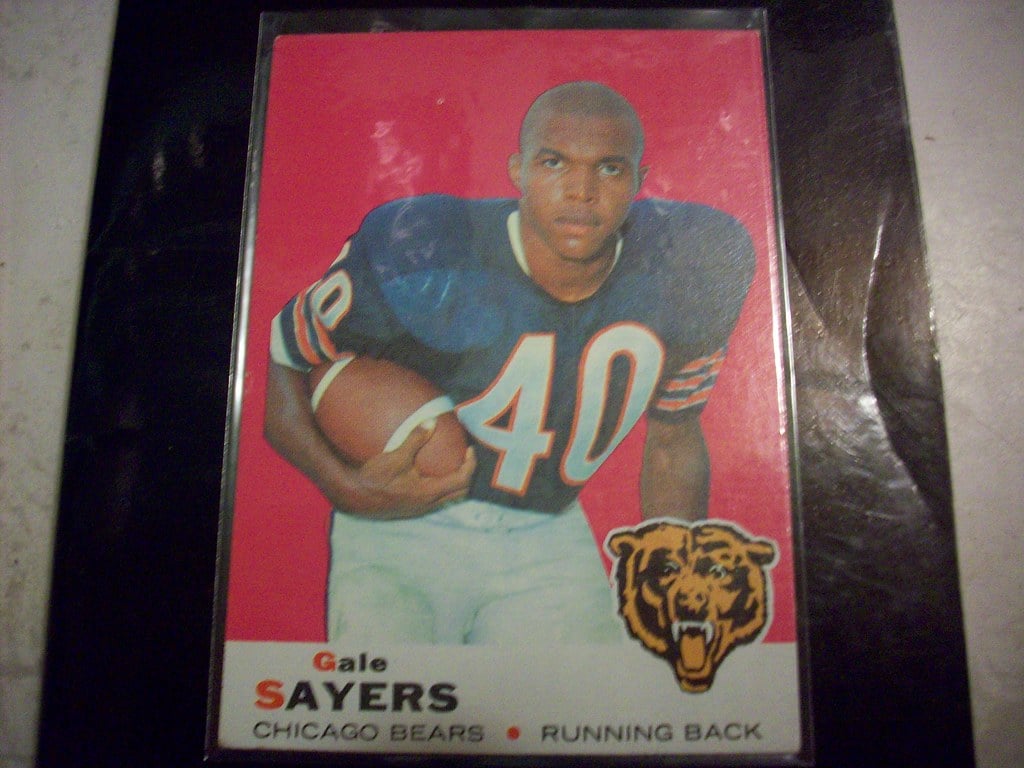
Gale Sayers didn’t choose to vanish, but knee injuries forced one of the most electrifying runners in NFL history into an early retirement at 28. After missing most of two seasons due to injuries, Sayers attempted a comeback in 1971 but lasted only two games before walking away permanently.
The “Kansas Comet” had been untouchable in his early years — 4,956 rushing yards in his first four seasons, with a style that made defenders look foolish. But football was different in the 1960s and 1970s.
Medical knowledge about knee injuries was primitive, and rehabilitation techniques that might have saved modern careers didn’t exist. Sayers later said he knew his career was over the moment he got injured in 1968.
He played scared after that, afraid of getting hurt again. The player who had once cut through defenses like they weren’t there became tentative, and tentative running backs don’t last long in the NFL.
Andrew Luck
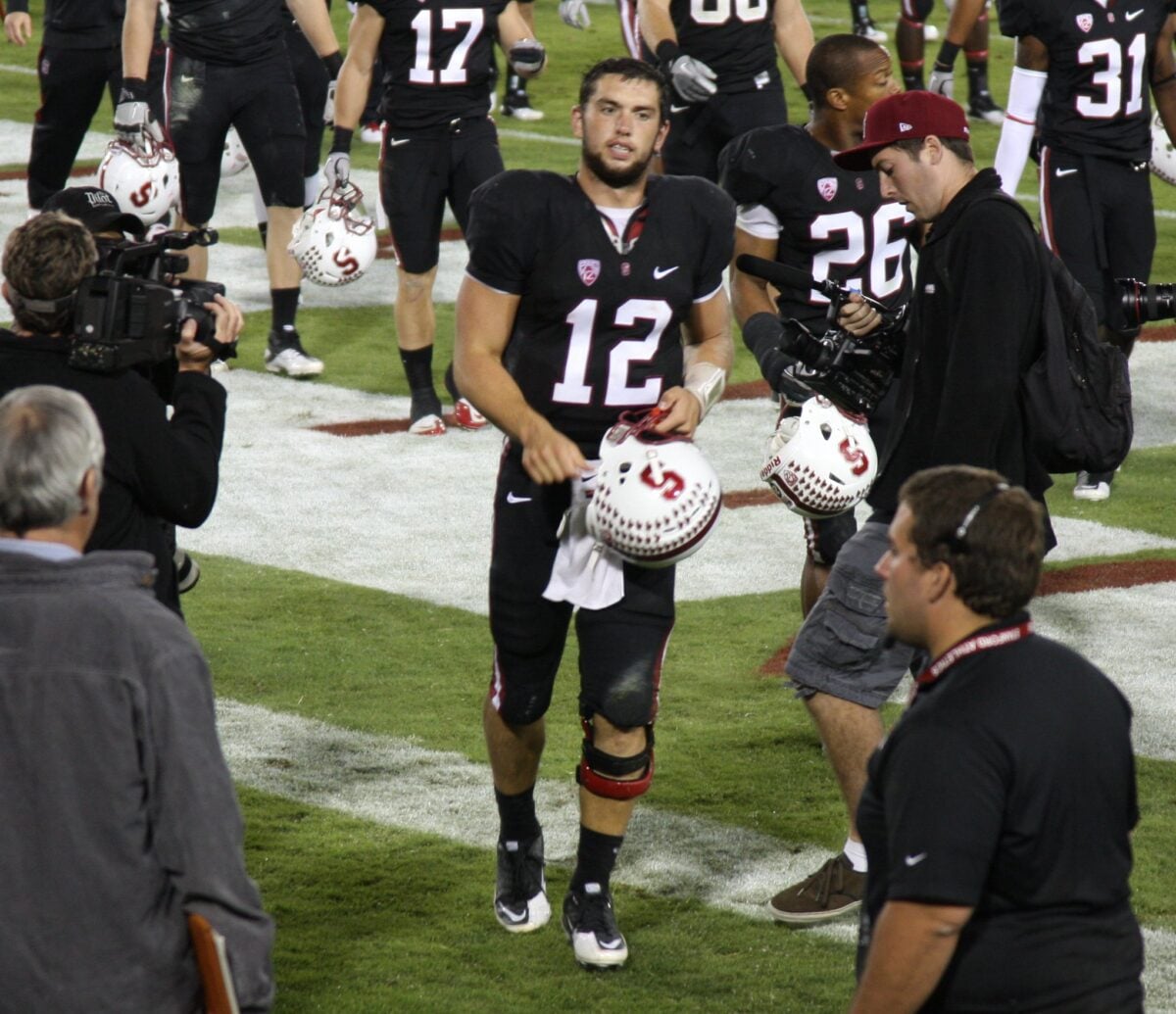
The Indianapolis Colts quarterback announced his retirement at 29, stunning the NFL world during a preseason game in 2019. Luck had been the No. 1 overall pick in 2012 and was supposed to be the franchise’s future for the next decade.
Instead, he walked away citing mental and physical exhaustion from constant injuries. Luck’s retirement was different from most athlete disappearances — he held a press conference and explained his reasoning clearly.
But it still felt like a vanishing act because nobody saw it coming. He had just led the Colts to the playoffs the previous season and appeared to be entering his prime.
The reaction was swift and harsh. Some Colts fans booed him as news of his retirement spread through the stadium that night.
But Luck’s decision highlighted a growing conversation about athlete mental health and the long-term costs of playing through pain. He chose his future over football, which shouldn’t be controversial but somehow still is.
Tiki Barber
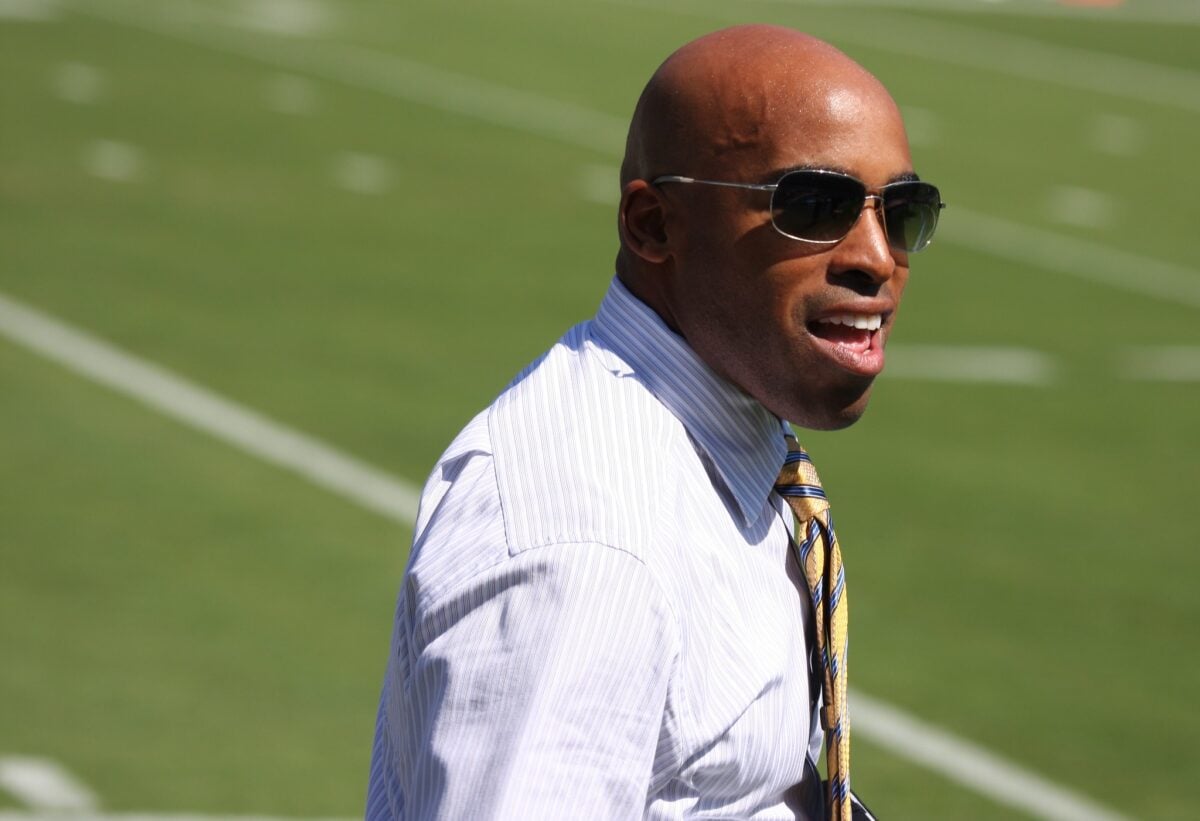
The New York Giants running back retired after the 2006 season at 31, coming off one of the best years of his career. Barber had rushed for over 1,600 yards and caught 58 passes, but he was done with football.
He wanted to pursue a broadcasting career and spend time with his family. Barber’s timing was particularly unfortunate — the Giants won the Super Bowl the following season, their first championship since 1986.
His former teammates made sure to point out that they had accomplished what they couldn’t do with him on the roster. The media narrative became that Barber had quit on his team just before they reached their peak.
The broadcasting career didn’t pan out as planned, and Barber’s personal life became tabloid fodder when he left his pregnant wife for a young NBC intern. His post-football life became messier than his football career had ever been.
Sometimes walking away from sports is just the beginning of the problems, not the solution.
Pat Tillman
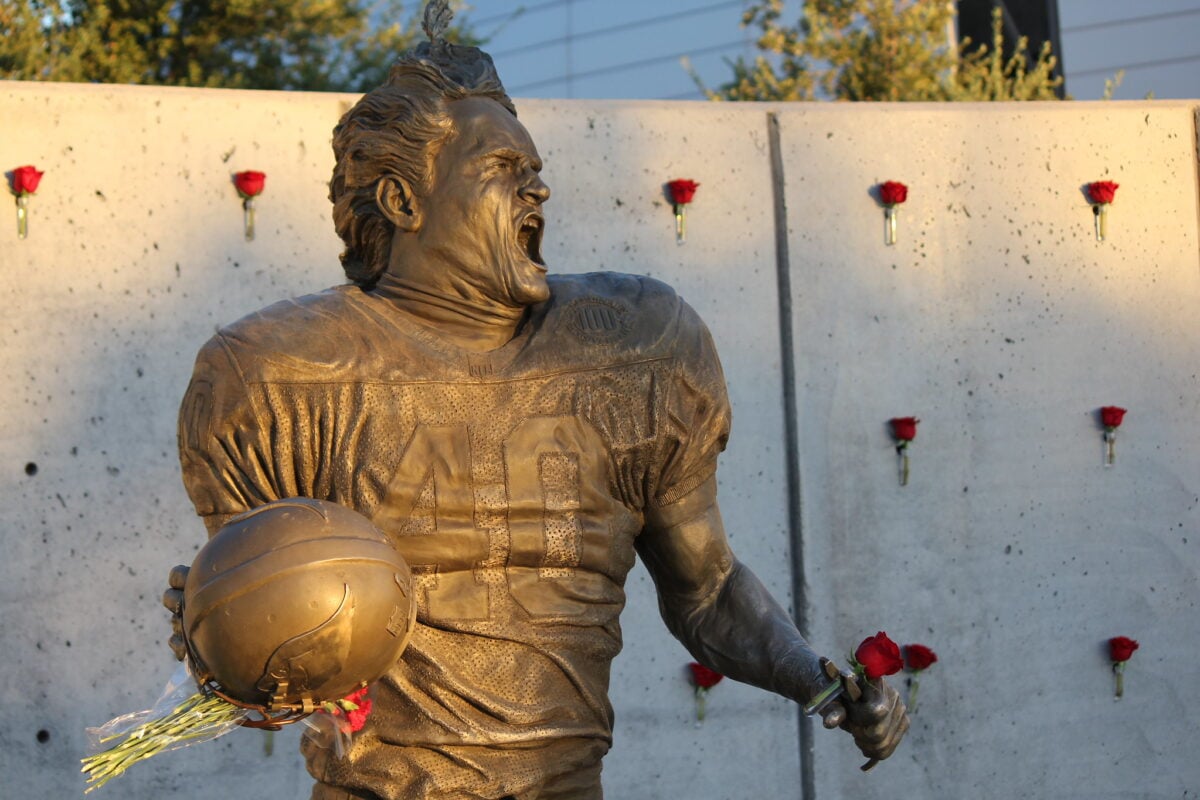
Pat Tillman left the Arizona Cardinals in 2002 to join the Army Rangers, giving up a multi-million dollar contract to serve in Afghanistan. His decision wasn’t about burnout or injuries — it was about purpose.
Tillman felt compelled to serve his country after the September 11 attacks. Tillman’s story is both inspiring and tragic.
He was killed by friendly fire in Afghanistan in 2004, though the military initially covered up the circumstances of his death. His family spent years fighting for the truth about what happened.
The NFL has lionized Tillman’s memory, retiring his number and creating the Pat Tillman Award for Service. But his actual story is more complex than the patriotic narrative often suggests.
Tillman had become increasingly critical of the Iraq War and was reading Noam Chomsky books before his death. He didn’t fit neatly into anyone’s political agenda.
Calvin Johnson
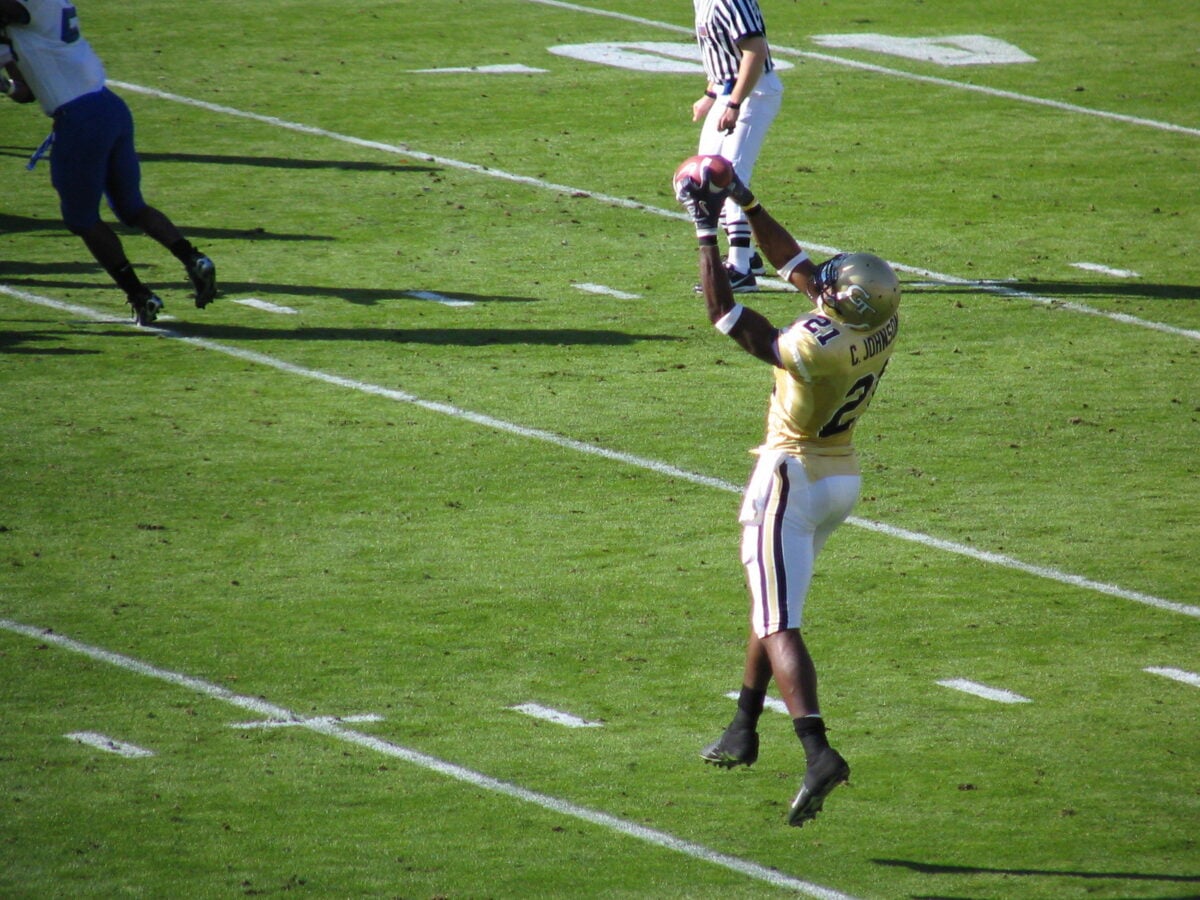
“Megatron” retired from the Detroit Lions in 2016 at 30, walking away from one of the most dominant receiving careers in NFL history. Johnson had caught at least 60 passes in every season he played and held the single-season receiving yards record.
But he was tired of losing and tired of the physical punishment. Johnson’s relationship with the Lions soured after his retirement.
The team demanded he repay part of his signing bonus, creating a rift that lasted for years. He eventually returned to the organization in 2021, but the dispute highlighted how teams often treat even their greatest players as business assets rather than human beings.
The Lions have still never won a playoff game since Johnson retired. His decision to walk away from a historically bad franchise looks better with each passing season.
Sometimes the smartest career move is recognizing when a situation will never improve.
Danica Patrick

Danica Patrick’s retirement from racing wasn’t technically a vanishing act — she announced her intention to run only the Daytona 500 and Indianapolis 500 in 2018 before stepping away. But her exit from NASCAR felt abrupt given that she was still relatively young at 36 and remained the sport’s biggest star.
Patrick’s racing career was always complicated by the attention her gender brought to motorsports. She was undoubtedly talented — her Indy 500 pole position and third-place finish proved that — but she never quite found consistent success in NASCAR.
The constant scrutiny about whether she belonged seemed to wear on her over time. Her post-racing career has involved wellness businesses, podcasting, and dating Aaron Rodgers (briefly).
Patrick seems more comfortable in retirement than she ever did behind the wheel of a stock car, which probably says something about the environment she was competing in.
Sandy Koufax
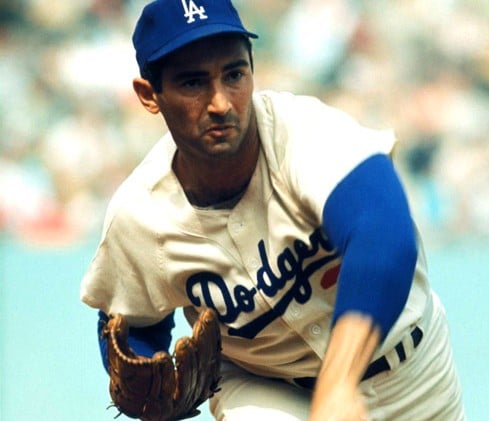
Sandy Koufax retired at 30 in 1966, walking away from baseball at the absolute peak of his powers. The Los Angeles Dodgers left-hander had just won his third Cy Young Award in four years and had struck out 317 batters.
But arthritis in his pitching elbow was getting worse, and doctors warned him about permanent damage if he continued playing. Koufax’s final season was typically dominant — 27 wins, a 1.73 ERA, and 317 strikeouts.
He was throwing as hard as ever, but the pain after each start was becoming unbearable. He made the decision to retire rather than risk losing the use of his arm entirely.
The timing was devastating for the Dodgers, who went from World Series contenders to mediocrity almost overnight. But Koufax never second-guessed his decision.
He spent his retirement years teaching pitching and living quietly, avoiding the spotlight that had followed him throughout his career. His exit was clean and permanent — no comeback attempts, no what-ifs, no regrets.
Jim Brown
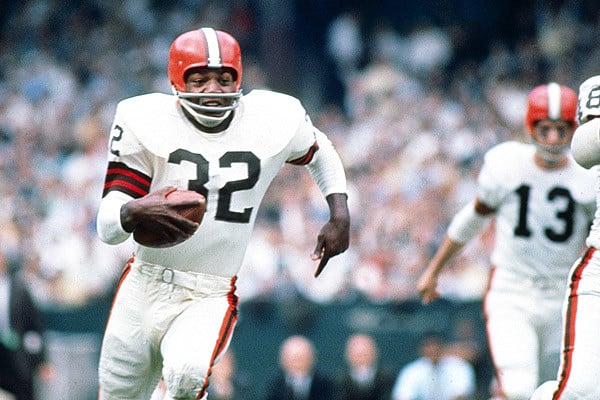
Jim Brown retired from football at 29 to pursue an acting career, walking away while he was still the league’s best running back. The Cleveland Browns star had led the NFL in rushing yards in eight of his nine seasons, but he was done with football.
He wanted to make movies and didn’t see the point in risking his health for a few more years of carries. Brown’s retirement came during training camp in 1966, while he was filming “The Dirty Dozen” in England.
When the Browns threatened to fine him for missing camp, Brown simply announced his retirement. He had already accomplished everything he wanted in football and saw acting as his next challenge.
The decision looked questionable at first — Brown’s early movies weren’t exactly Oscar contenders. But he eventually found his niche in action films and blaxploitation movies of the 1970s.
More importantly, he avoided the physical and mental decline that affected many running backs who played too long. Brown still sounds sharp and moves well in his 80s, which might not have been the case if he had played into his 30s.
Mysterious Exit

There’s something haunting about athletes who just disappear. They remind us that even the most driven competitors are still human beings who can reach their breaking point.
The stories follow a pattern: immense talent, sudden exit, years of speculation about what might have been. But maybe the more interesting question is what they found after walking away from the arena lights and crowd noise.
Some discovered peace, others regretted it. Most found that life after sports is just as complicated as life during sports, only with less applause and more bills to pay.
More from Go2Tutors!

- The Romanov Crown Jewels and Their Tragic Fate
- 13 Historical Mysteries That Science Still Can’t Solve
- Famous Hoaxes That Fooled the World for Years
- 15 Child Stars with Tragic Adult Lives
- 16 Famous Jewelry Pieces in History
Like Go2Tutors’s content? Follow us on MSN.