16 Plants That Can Survive Extreme Heat
Summer heat waves are becoming more intense and frequent, turning many gardens into scorched battlegrounds where even the toughest plants struggle to survive. If you’ve ever watched your carefully tended flower beds wilt under triple-digit temperatures, you know the frustration of seeing months of work literally go up in smoke.
The good news is that nature has equipped certain plants with incredible survival mechanisms that allow them to not just endure extreme heat, but actually thrive in it. These heat warriors have developed fascinating adaptations over thousands of years – from storing water in thick, fleshy leaves to developing deep root systems that tap into underground moisture sources.
Some plants even have special waxy coatings or fuzzy surfaces that reflect sunlight and reduce water loss, like wearing their own built-in sunscreen and moisture-wicking fabric. Here is a list of 16 plants that can handle whatever Mother Nature throws at them, turning your garden into an oasis of color and life even when the thermometer soars past 100 degrees.
Lavender

Lavender isn’t just pretty to look at – it’s a genuine heat-loving superstar that actually prefers scorching conditions to mild weather. This Mediterranean native has silvery-gray leaves that reflect sunlight and fragrant purple flower spikes that attract bees and butterflies from miles around.
Once established, lavender requires almost no water and can survive on rainfall alone in most climates, making it perfect for xeriscaping or low-maintenance gardens where you want maximum beauty with minimal effort.
Bougainvillea
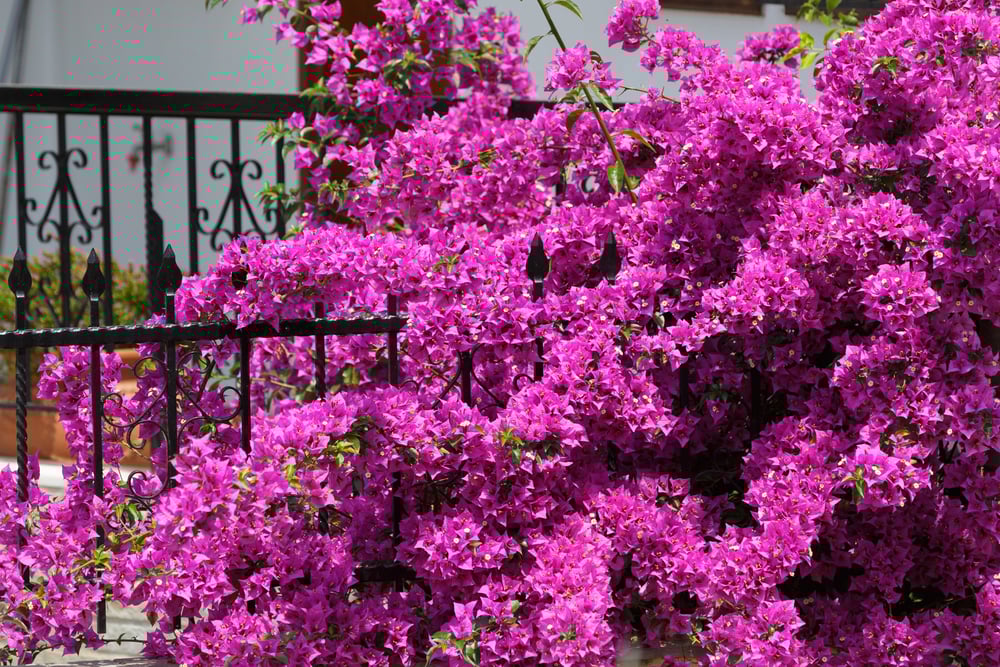
Bougainvillea puts on one of nature’s most spectacular heat-resistant flower shows, with brilliant papery bracts in shades of hot pink, deep purple, fiery orange, and sunny yellow. This vigorous climbing vine actually loves temperatures above 100 degrees and becomes more colorful as conditions get hotter and drier.
Native to South America’s tropical regions, bougainvillea can quickly cover walls, fences, or trellises with a cascade of color that blooms almost year-round in warm climates.
Yucca

With their dramatic sword-like leaves and architectural presence, yucca plants look like they belong in a science fiction movie, but they’re actually some of the toughest heat survivors on the planet. These desert natives can withstand extreme temperatures, drought, and even poor soil conditions while producing spectacular towers of creamy white flowers in summer.
Their deep taproot system allows them to access water sources far below the surface, and their waxy leaf coating helps prevent moisture loss during the hottest days.
Aloe Vera

Aloe vera combines incredible heat tolerance with practical benefits, storing water in its thick, succulent leaves while providing a natural remedy for burns and skin irritations. This amazing plant can survive weeks without water by relying on its internal moisture reserves, and its blue-green leaves actually become more vibrant and plump during hot weather.
Native to arid regions of Africa, aloe vera thrives in containers or garden beds where other plants would quickly shrivel up and disappear.
Cactus
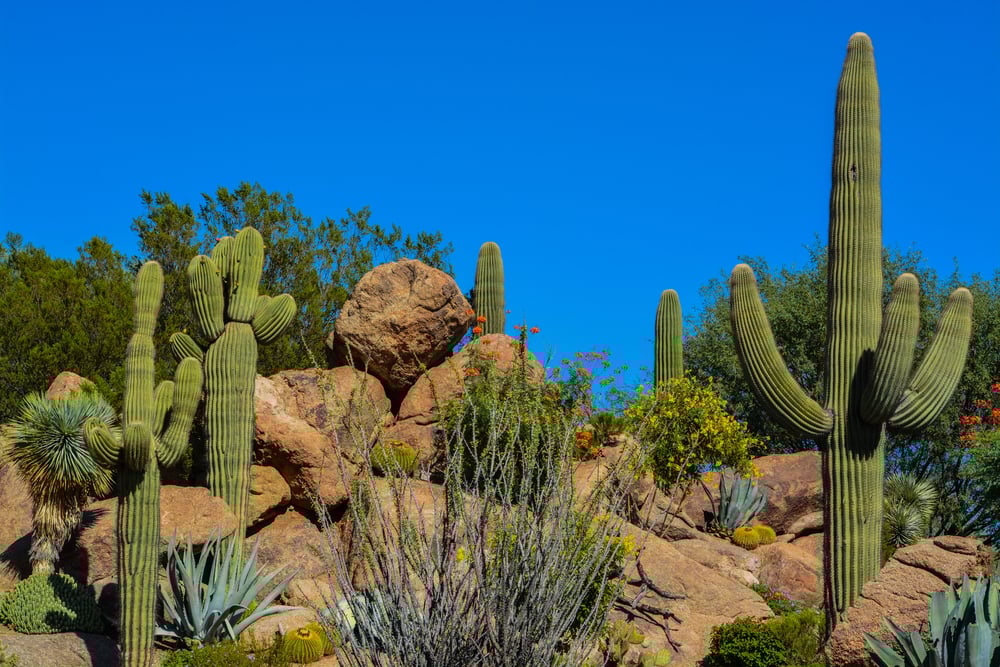
Cacti represent the ultimate in heat adaptation, having evolved over millions of years to survive in some of the hottest, driest places on Earth. These incredible plants store water in their thick stems, have modified leaves (spines) that reduce water loss, and can actually photosynthesize through their green stems rather than traditional leaves.
From the iconic barrel cactus to the towering saguaro, these desert dwellers can survive months without rain while producing surprisingly beautiful flowers in brilliant shades of yellow, red, and pink.
Lantana

Lantana delivers non-stop color throughout the hottest months, producing clusters of tiny flowers in eye-catching combinations like yellow and orange, pink and purple, or pure white that seem to get brighter as temperatures climb. This heat-loving shrub attracts butterflies, hummingbirds, and other pollinators while requiring almost no maintenance once established.
Originally from tropical regions of the Americas, lantana can spread to form colorful ground cover or be trained into neat, compact bushes for borders and containers.
Russian Sage

Russian sage brings an ethereal beauty to hot gardens with its tall spikes of lavender-blue flowers rising above silvery-gray foliage that shimmers in the heat. This tough perennial actually becomes more fragrant and colorful during extended dry spells, releasing its pleasant herbal scent into the air when brushed against or crushed.
Native to the steppes of central Asia, Russian sage can handle temperature extremes from blazing summers to frigid winters, making it one of the most versatile heat-tolerant plants available.
Coneflower

Also known as echinacea, coneflowers are prairie natives that have been surviving extreme heat and drought on the Great Plains for thousands of years. These cheerful daisy-like flowers come in vibrant shades of purple, pink, orange, and yellow, with prominent cone-shaped centers that attract butterflies and goldfinches.
Their deep taproot system and fuzzy leaves help them withstand scorching temperatures while providing weeks of continuous blooms from midsummer through fall.
Sedum

Sedum, commonly called stonecrop, includes dozens of succulent species that thrive in hot, dry conditions with virtually no care required. These remarkable plants store water in their thick, fleshy leaves and can survive on rocky slopes, in shallow soil, or even growing in the cracks of pavement where nothing else will grow.
From low-growing ground covers with tiny star-shaped flowers to upright varieties with large, showy flower clusters, sedums offer something for every hot garden situation.
Oleander
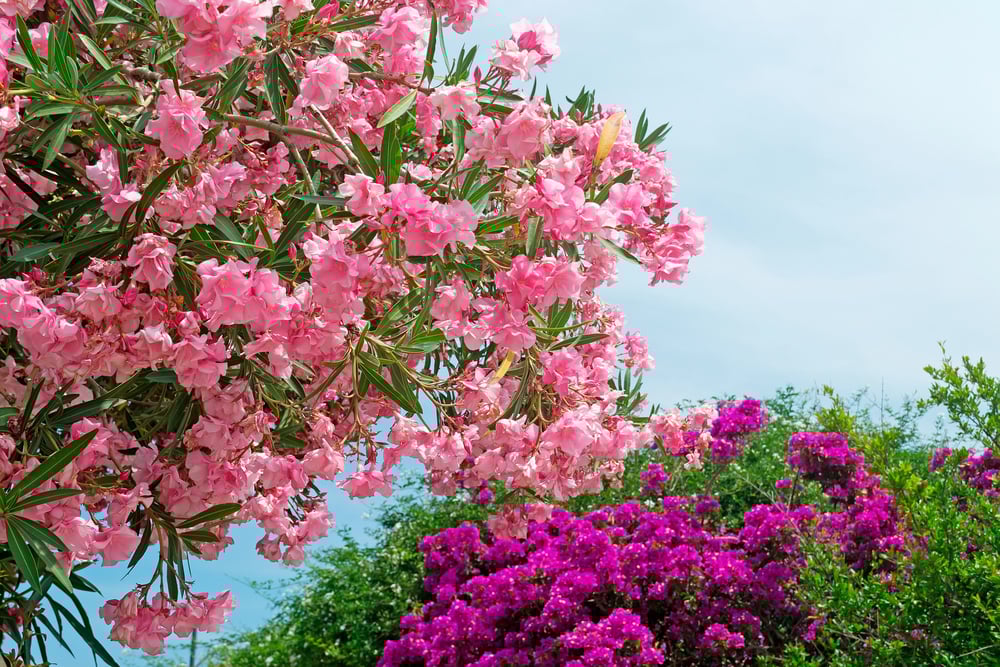
Oleander is an incredibly tough evergreen shrub that produces abundant clusters of flowers in shades of pink, white, red, or yellow even during the most brutal heat waves. This Mediterranean native can tolerate poor soil, salt spray, air pollution, and extended drought while maintaining its glossy green foliage and prolific blooms.
Oleander works beautifully as a hedge, specimen plant, or container subject in areas where extreme heat makes other flowering shrubs impossible to grow.
Agave
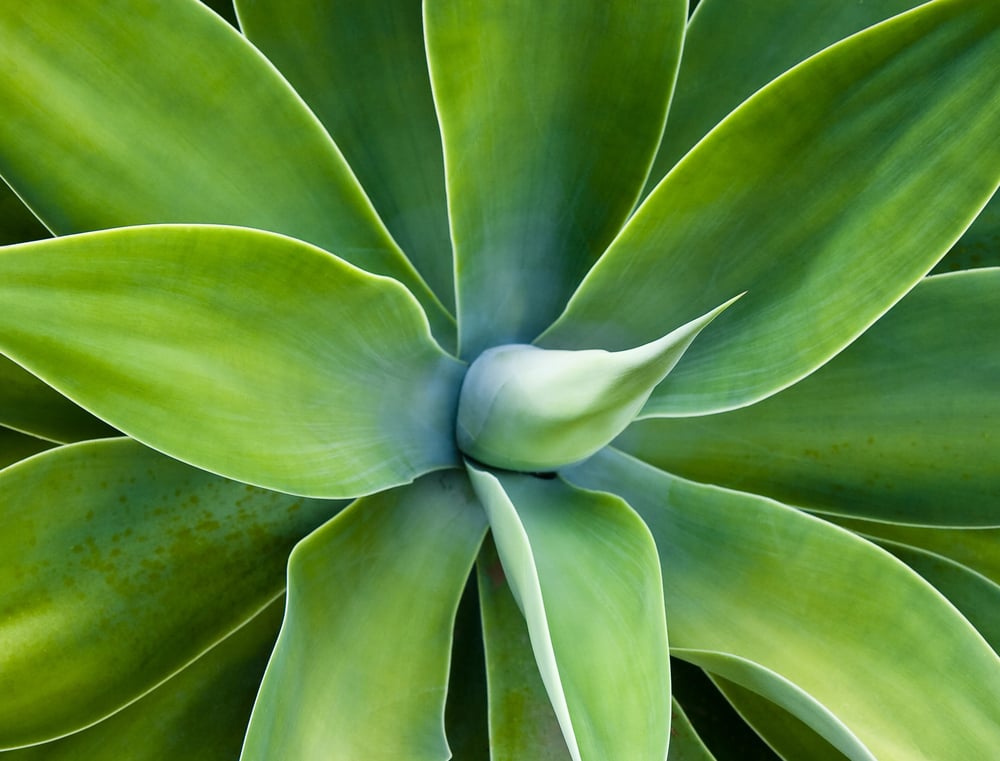
Agave plants create dramatic focal points in hot gardens with their architectural rosettes of thick, blue-green leaves that can grow several feet across. These remarkable succulents store massive amounts of water in their leaves and have shallow, spreading root systems that quickly absorb any available moisture from rare rain showers.
Many agave species are monocarpic, meaning they produce a spectacular flowering stalk up to 20 feet tall once in their lifetime before dying, creating an unforgettable garden moment.
Zinnia

Zinnias prove that heat-loving plants don’t have to sacrifice flower power, producing masses of bright, cheerful blooms in virtually every color except blue throughout the hottest months of summer. These easy-to-grow annuals actually perform better in hot weather than in cool conditions, with their flowers becoming larger and more vibrant as temperatures rise.
Originally from Mexico and Central America, zinnias attract butterflies and make excellent cut flowers that can withstand both garden heat and indoor arrangements.
Gazania

Gazania, also known as treasure flower, opens its brilliant daisy-like blooms each morning to reveal stunning color combinations and intricate patterns that rival any artwork. These South African natives close their flowers at night and during cloudy weather, saving their energy for the bright, hot days they love most.
With flowers in shades of orange, yellow, red, pink, and bronze, often with contrasting stripes or zones, gazanias create a carpet of color in the hottest, driest parts of the garden.
Rosemary

Rosemary combines culinary usefulness with exceptional heat tolerance, producing fragrant needle-like leaves and small blue, white, or pink flowers even during extended dry spells. This Mediterranean herb actually develops stronger flavor and aroma when grown in hot, dry conditions, making it a favorite among chefs and gardeners alike.
Its woody stems and resinous leaves help it conserve moisture, while its deep root system allows it to find water sources other plants cannot reach.
Portulaca
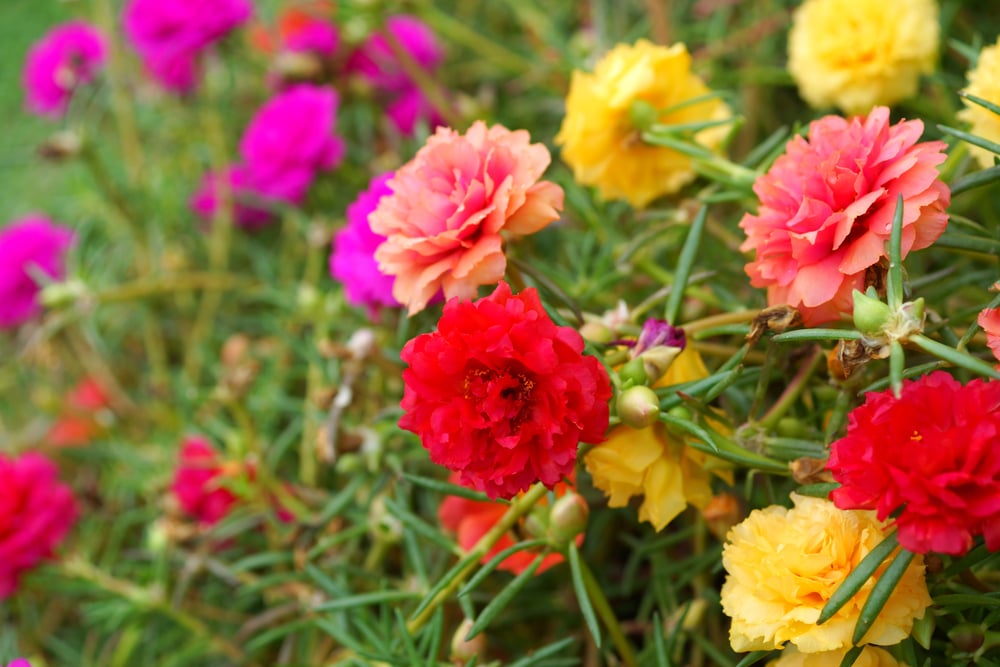
Portulaca, commonly called moss rose, creates a living carpet of succulent foliage topped with rose-like flowers in bright shades of pink, orange, yellow, red, and white that open in the morning sun. This amazing annual actually thrives in the hottest, driest spots where other flowers would quickly perish, spreading to fill in bare areas with colorful blooms that last all summer.
Native to South America, portulaca is perfect for rock gardens, hanging baskets, or anywhere you need reliable color in challenging conditions.
Butterfly Bush

Butterfly bush earns its name by producing long spikes of fragrant flowers that attract butterflies, bees, and hummingbirds throughout the hottest months of summer. This fast-growing shrub can handle extreme heat, drought, and poor soil while blooming continuously from early summer until frost in cooler climates.
With flowers in shades of purple, pink, white, yellow, and red, butterfly bush adds both color and wildlife activity to hot gardens where many other flowering shrubs would struggle to survive.
Thriving in the Heat

These 16 incredible plants prove that extreme heat doesn’t have to mean a barren, lifeless landscape. By choosing species that have evolved to thrive in challenging conditions, gardeners can create beautiful, vibrant gardens that actually improve during heat waves rather than suffering through them.
Whether you’re dealing with desert conditions, urban heat islands, or climate change-driven temperature extremes, these resilient plants offer hope and beauty in even the most challenging growing conditions, transforming what could be a gardening nightmare into a celebration of nature’s incredible adaptability.
More from Go2Tutors!

- The Romanov Crown Jewels and Their Tragic Fate
- 13 Historical Mysteries That Science Still Can’t Solve
- Famous Hoaxes That Fooled the World for Years
- 15 Child Stars with Tragic Adult Lives
- 16 Famous Jewelry Pieces in History
Like Go2Tutors’s content? Follow us on MSN.