Worst Architectural Failures of the Victorian Era
Victorian architecture evokes images of ornate mansions with intricate gingerbread trim, soaring cathedral spires, and grand railway stations that still inspire awe today. Yet behind this era’s most celebrated achievements lurked a series of spectacular failures — buildings that collapsed, monuments that crumbled, and engineering disasters that claimed lives and fortunes.
These weren’t merely aesthetic missteps or poorly aged design choices.
They were catastrophic failures of ambition, engineering hubris, and sometimes sheer incompetence that revealed the dangerous gap between Victorian dreams and Victorian capabilities.
The Crystal Palace Fire
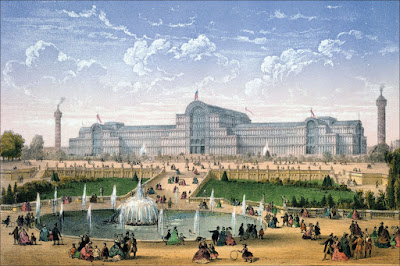
The Crystal Palace burned like kindling in 1936, taking with it one of the Victorian era’s most celebrated achievements. Joseph Paxton’s iron and glass marvel had survived relocation from Hyde Park to Sydenham Hill, but iron and timber construction proved no match for a small fire that started in a washroom.
The blaze spread through the building’s vast interior in minutes. Cast iron columns twisted and buckled under the heat while wooden floors and fixtures fed flames that reached hundreds of feet into the London sky. Twenty fire brigades couldn’t save it.
So much for the building that was supposed to represent the permanence of British industrial might. The very materials that made rapid construction possible — prefabricated iron and vast expanses of glass — created a structure that burned faster than anyone thought possible.
The Tay Bridge Disaster
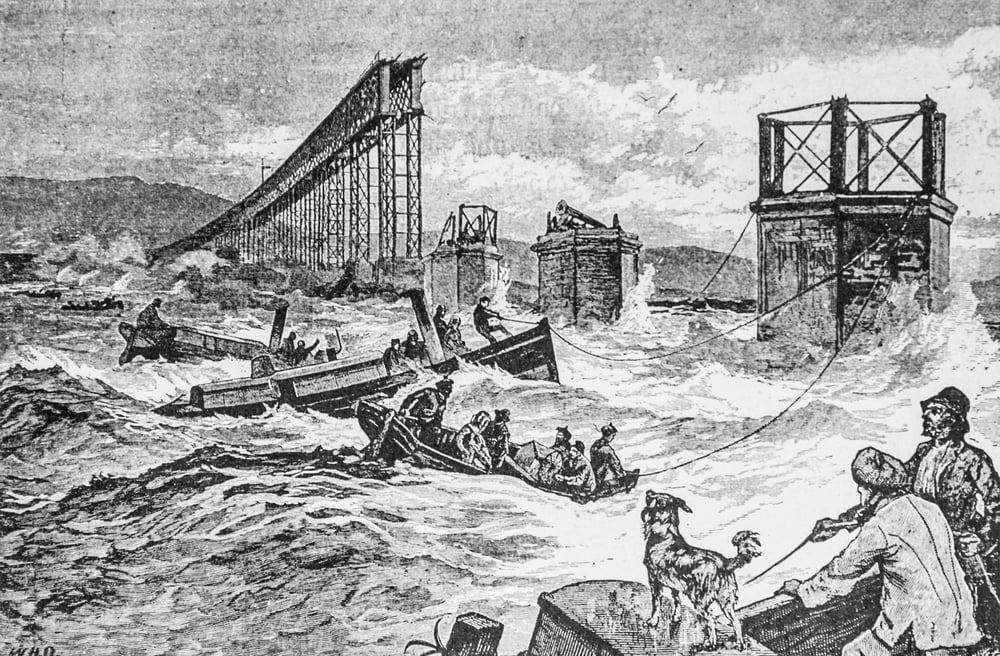
The first Tay Bridge wasn’t just an engineering failure (though it spectacularly was that too, collapsing into the Firth of Tay during a storm in 1879 and taking a passenger train with it, killing everyone aboard) — it was a monument to Victorian overconfidence that ignored basic physics in favor of speed and cost-cutting. Thomas Bouch, the engineer, had designed what was then the world’s longest railway bridge without properly accounting for wind loads, because apparently no one in Victorian Scotland had noticed that bridges near large bodies of water tend to experience strong winds.
The cast iron columns weren’t just inadequate for the forces they’d face; they were laughably, criminally inadequate, and when the bridge started swaying in what witnesses described as a “dancing” motion during the December gale, those columns snapped like twigs. But here’s what makes this particularly Victorian in its wrongheadedness: Bouch had been knighted just months earlier for his engineering brilliance, and the bridge had been celebrated as a triumph of British engineering — right up until the moment it killed 75 people and destroyed public confidence in cast iron railway construction.
Even so, they built another bridge (a much better one, thankfully) right next to the wreckage.
The original bridge’s failure wasn’t just about bad engineering; it revealed how Victorian engineering culture prioritized bold statements over careful calculation, and how professional reputations could be built on projects that hadn’t actually proven they could withstand the forces they’d inevitably face.
Big Ben’s Leaning Problem

Big Ben leans. Not dramatically — you won’t notice it from the ground — but the Elizabeth Tower has been tilting northwest at a measurable rate since construction finished in 1859.
The tower was built on inadequate foundations for its massive weight, and London’s clay soil has been shifting underneath it ever since.
Victorian engineers understood foundations in theory. They simply didn’t apply that knowledge consistently, especially when political pressure demanded faster completion.
The Houses of Parliament project was already behind schedule when they started the clock tower, and proper foundation work would have delayed it further.
The lean has accelerated in recent decades as London’s underground construction destabilizes the soil further. Current engineering assessments suggest the tower will need major structural intervention within decades — fixing a problem that Victorian shortcuts created.
The Iron Bridge Cracks
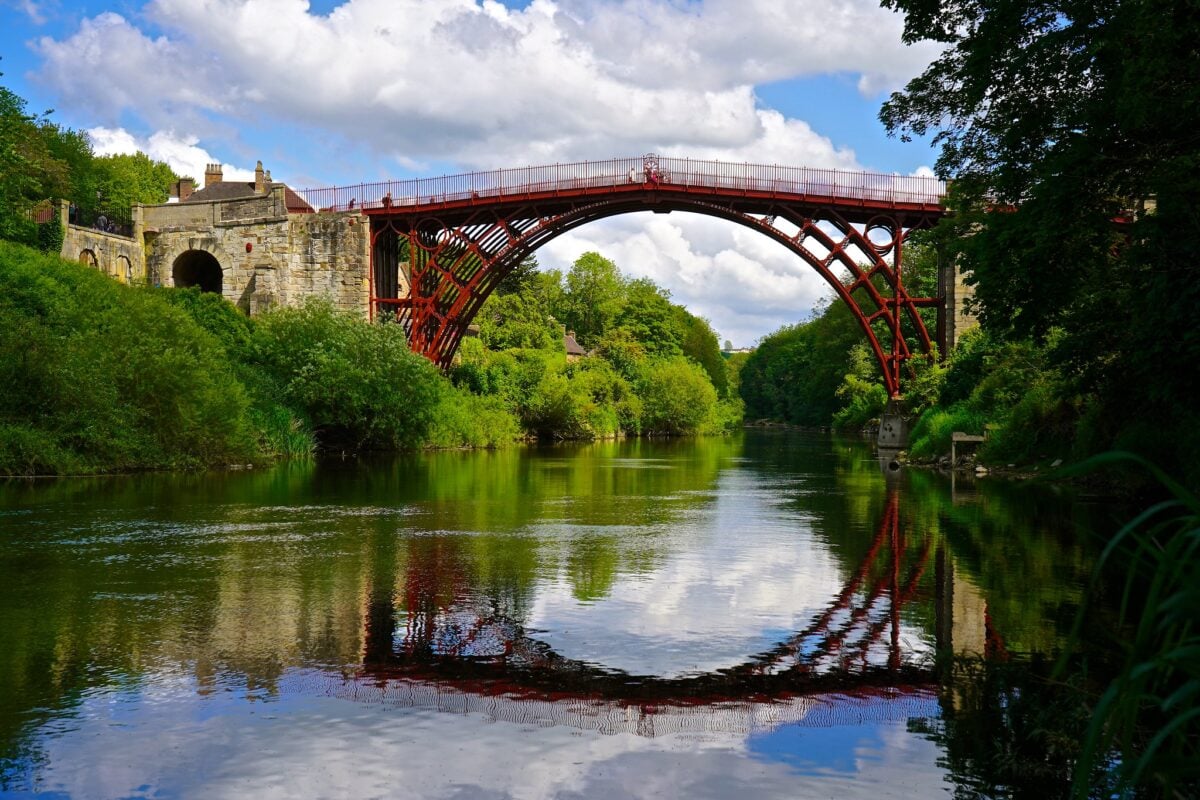
Here’s the thing about being first: nobody knows what’s going to go wrong until it does, and the Iron Bridge at Coalbrookdale (completed in 1781, but let’s count it as a Victorian-era lesson since its problems became apparent during that period) taught engineers some expensive lessons about metal fatigue and thermal expansion that they promptly ignored in dozens of subsequent projects throughout the 1800s. The bridge cracked.
Not catastrophically — it’s still standing — but the cast iron developed stress fractures that revealed how little anyone understood about how metal behaves under repeated loading and temperature changes.
And yet (because this is how Victorian engineering worked) instead of slowing down to figure out why their revolutionary material was cracking, they just built more iron bridges, each one bigger and more ambitious than the last, assuming they’d solve the problems as they went along. The Iron Bridge’s cracks were visible by the 1840s, well-documented by the 1850s, and thoroughly understood by engineers who kept building with cast iron anyway because it was cheaper and faster than stone.
So when bridges started failing — not just cracking, but actually collapsing — the engineering community acted surprised, even though the warning signs had been literally written in the metal for decades.
What made this particularly Victorian was the assumption that innovation alone would solve problems that careful study might have prevented, as if engineering challenges would yield to enthusiasm and industrial progress rather than patient understanding of materials science.
St. Pancras Station’s Roof Collapse
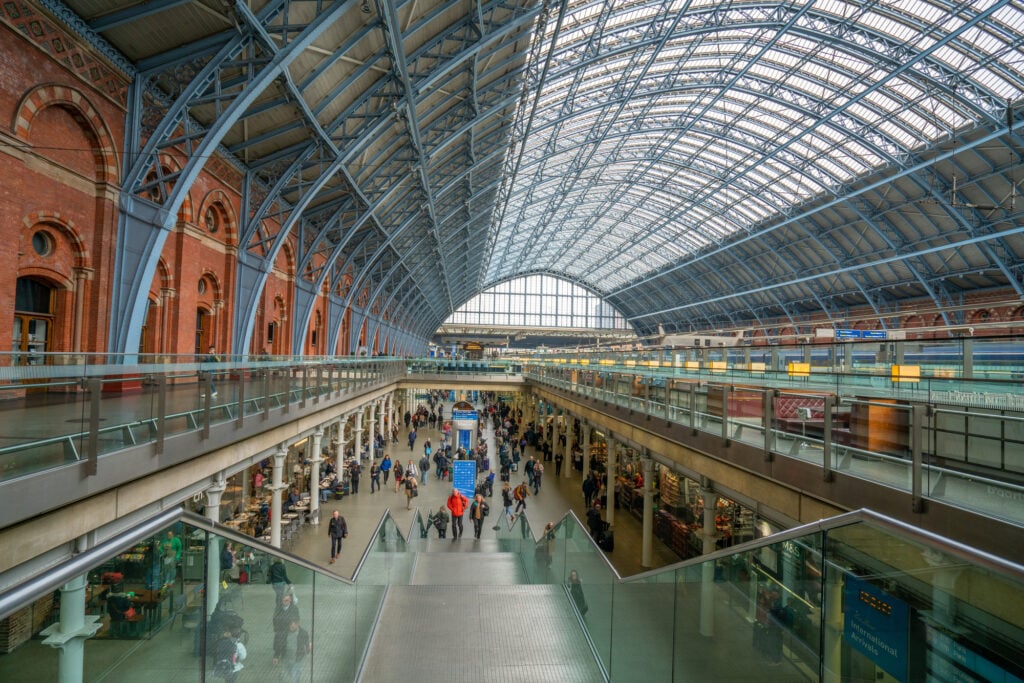
The original roof design for St. Pancras Station was an engineering disaster waiting to happen. William Henry Barlow’s magnificent iron and glass arch — still impressive today — wasn’t the first attempt. The initial roof structure, designed by a different engineer whose name history has kindly forgotten, collapsed during construction in the 1860s.
The failure killed several workers and destroyed months of progress. Victorian newspapers reported it as a “temporary setback” rather than the fundamental design flaw it actually was.
The replacement design, while successful, cost nearly twice the original budget.
Victorian railway companies were so focused on creating impressive architectural statements that they often approved designs that prioritized visual impact over structural reality. St. Pancras wasn’t the only station to suffer construction failures, just the most famous.
The Royal Opera House Fire
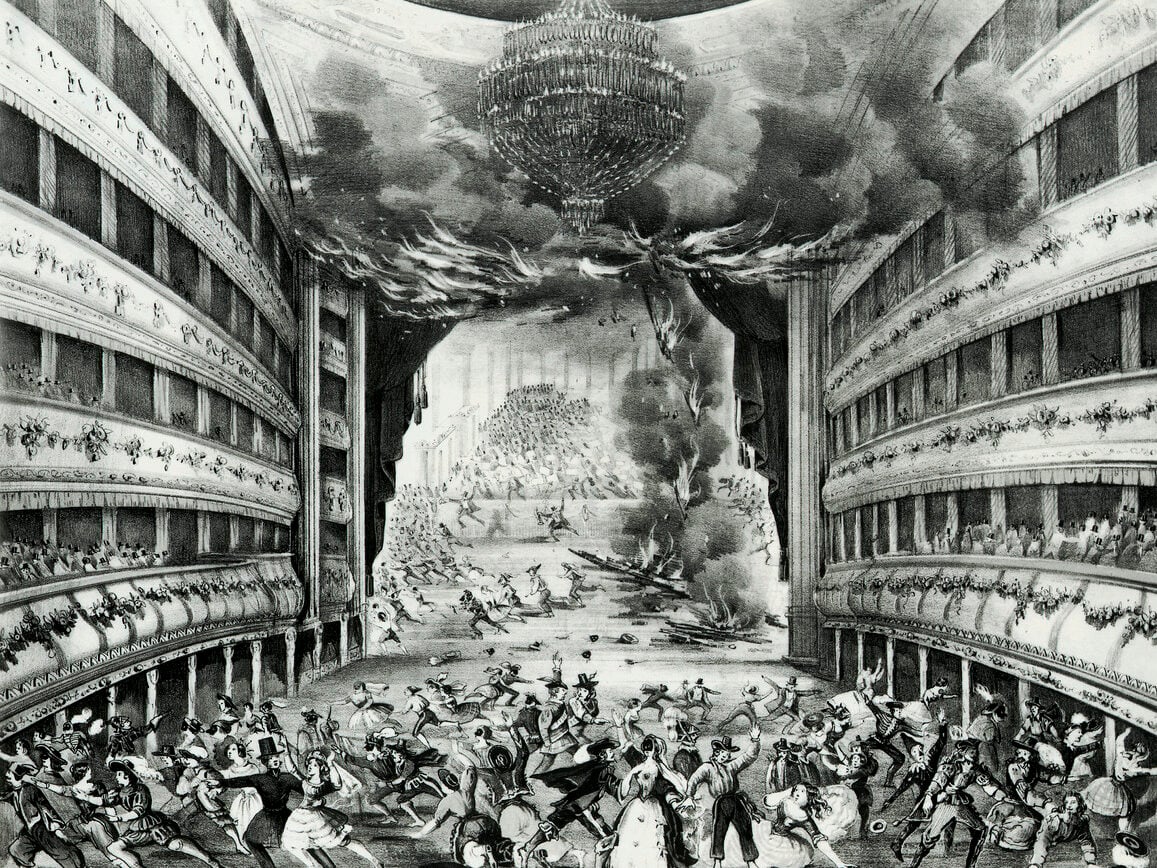
Fire was the great destroyer of Victorian public buildings, and the Royal Opera House proved that even London’s most prestigious venues weren’t immune to the era’s casual attitude toward fire safety — the building burned completely in 1856, then burned again in 1867, because apparently once wasn’t enough to teach anyone meaningful lessons about combining gas lighting, timber construction, and large crowds in enclosed spaces. The 1856 fire started during a masquerade gala and spread so quickly that guests barely escaped with their lives, fleeing in elaborate costumes while the building’s ornate interior became an inferno behind them.
Gas jets, which provided the dramatic lighting that made Victorian theaters so atmospheric, also provided the ignition source for fires that could consume entire buildings in minutes once they reached the timber framing and fabric decorations that filled these spaces. But instead of rethinking the fundamental approach to theater construction — maybe using less flammable materials, or designing better escape routes, or reconsidering whether gas lighting in timber buildings was worth the risk — they just rebuilt it almost exactly the same way.
And then it burned again, eleven years later.
The persistence with which Victorian builders returned to the same materials and methods after repeated disasters suggests a cultural blindness to risk that prioritized familiar construction techniques over public safety, even when the evidence of danger was literally written in ash.
The Houses of Parliament Ventilation System
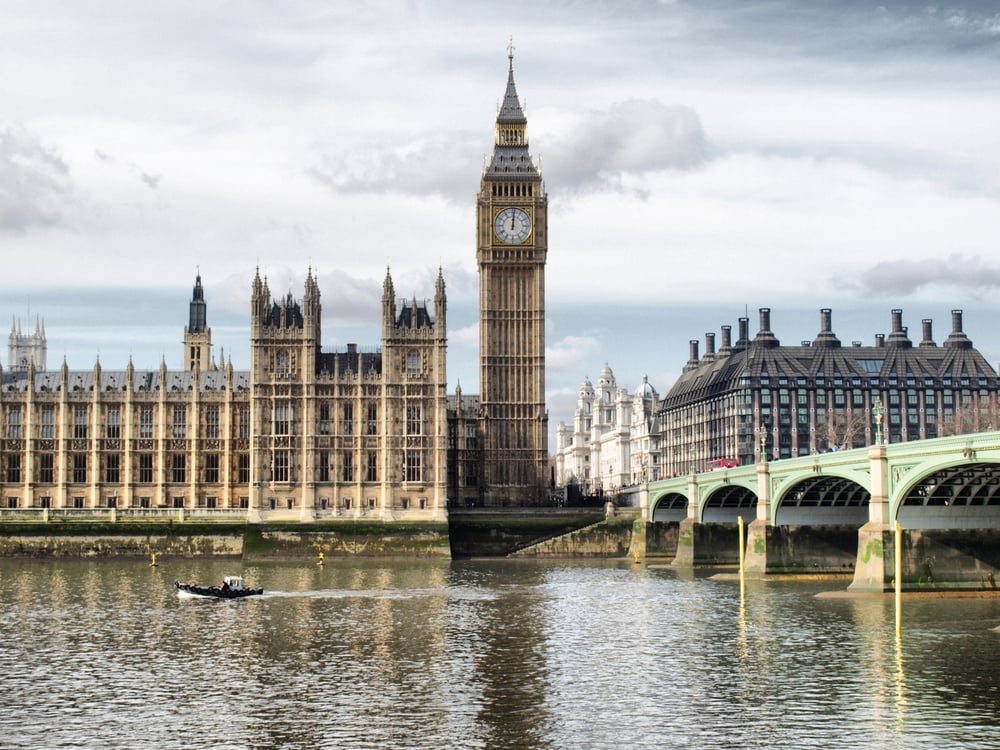
The new Palace of Westminster needed ventilation. What it got was an elaborate mechanical nightmare that nearly poisoned Parliament. Dr. David Boswell Reid designed a system of underground furnaces, miles of ducts, and mechanical fans that was supposed to provide fresh air throughout the massive building.
The system failed spectacularly. Members of Parliament complained of headaches, nausea, and difficulty breathing during sessions.
The mechanical fans were so loud they disrupted debates. Smoke from the furnaces sometimes backdrafted into the chambers themselves.
Reid’s ventilation system was eventually abandoned entirely, but not before it had made the Houses of Parliament nearly uninhabitable for several years. The failure demonstrated how Victorian confidence in mechanical solutions often ignored practical realities like noise, maintenance, and the simple fact that complex systems break down.
The Albert Memorial’s Structural Issues
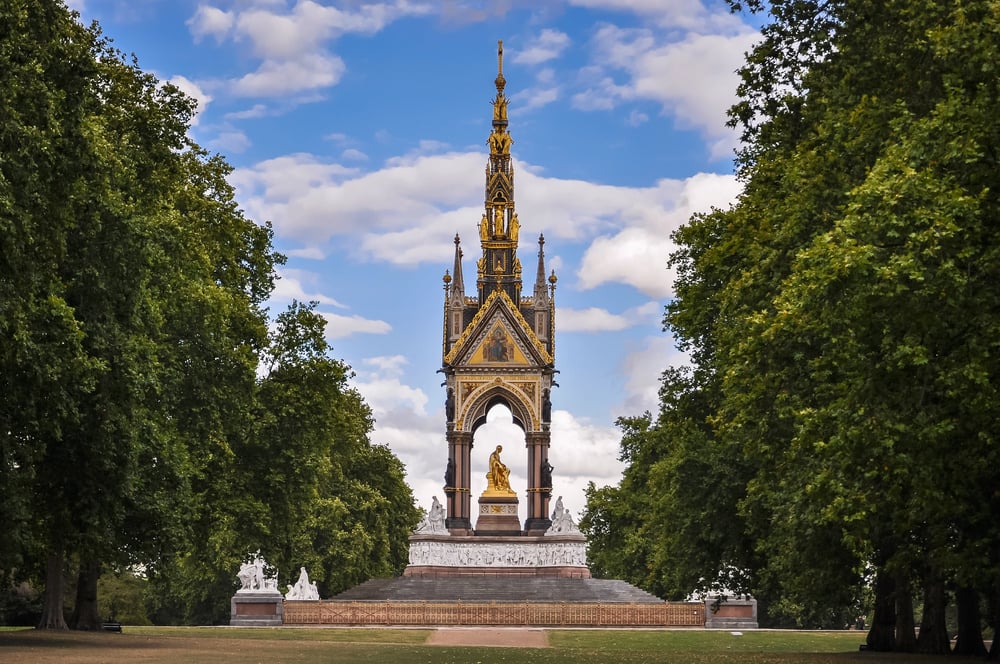
Prince Albert’s memorial was supposed to last forever — a Gothic revival monument to Victoria’s beloved consort that would stand as testimony to British craftsmanship for centuries to come. Instead, it started falling apart almost immediately after its completion in 1872, as the elaborate stonework began cracking, the metalwork started corroding, and the whole structure settled unevenly on foundations that proved inadequate for its massive weight and complex design.
The memorial’s problems weren’t just aesthetic (though the tarnishing of its elaborate metalwork was embarrassing enough) — they were structural, as the building’s ornate spires and decorative elements created stress points that the underlying engineering couldn’t handle. George Gilbert Scott had designed a monument that looked magnificent in drawings but ignored basic principles of how stone and metal behave over time, especially when they’re combined in complex ways and exposed to London weather.
The memorial required major restoration work within decades of its completion, then again, and again, in an ongoing cycle of repair that continues today. What was supposed to be a permanent tribute became a maintenance nightmare that has consumed far more money over its lifetime than the original construction cost.
This pattern — ambitious monuments that looked impressive when new but quickly revealed fundamental engineering flaws — characterized much of Victorian public architecture, where aesthetic ambition consistently outpaced structural understanding.
The London Sewerage System Failures
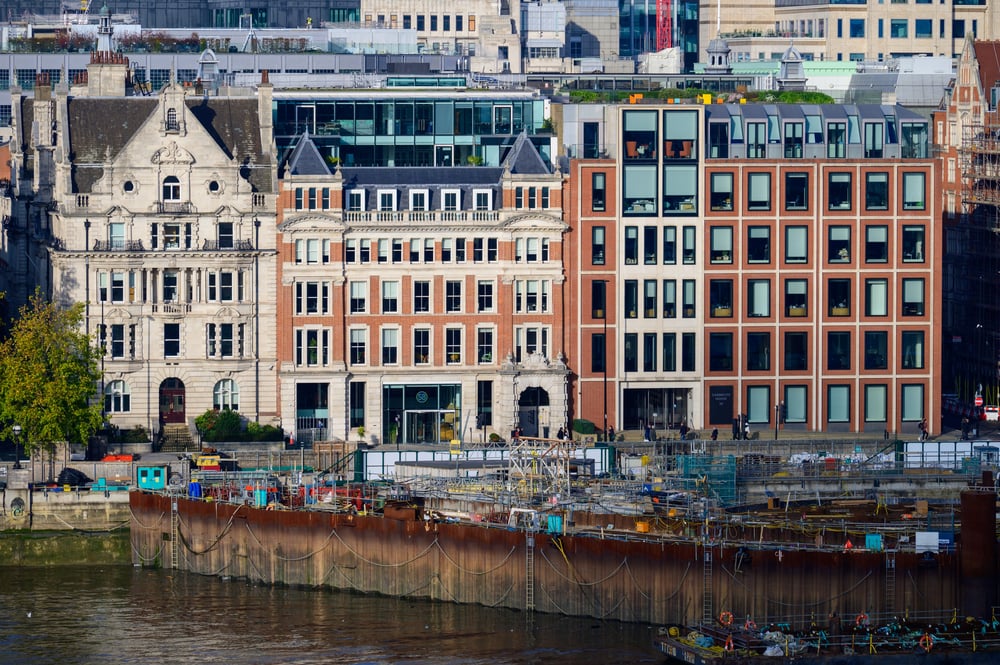
Joseph Bazalgette’s Great Stink solution was brilliant in concept and mostly successful in execution. But several early sections of the massive sewerage system failed catastrophically, flooding neighborhoods with raw sewage and requiring complete reconstruction.
The failures weren’t Bazalgette’s fault directly — they resulted from cost-cutting measures imposed by penny-pinching bureaucrats who thought they could save money on materials and construction quality. Brick sewers built with inferior mortar cracked under pressure.
Cast iron pipes corroded faster than expected when contractors used cheap alloys.
Victorian public works projects consistently fell victim to the gap between engineering vision and political reality. Even the era’s greatest successes were compromised by officials who couldn’t resist cutting corners on materials they didn’t understand.
The Natural History Museum’s Foundation Problems
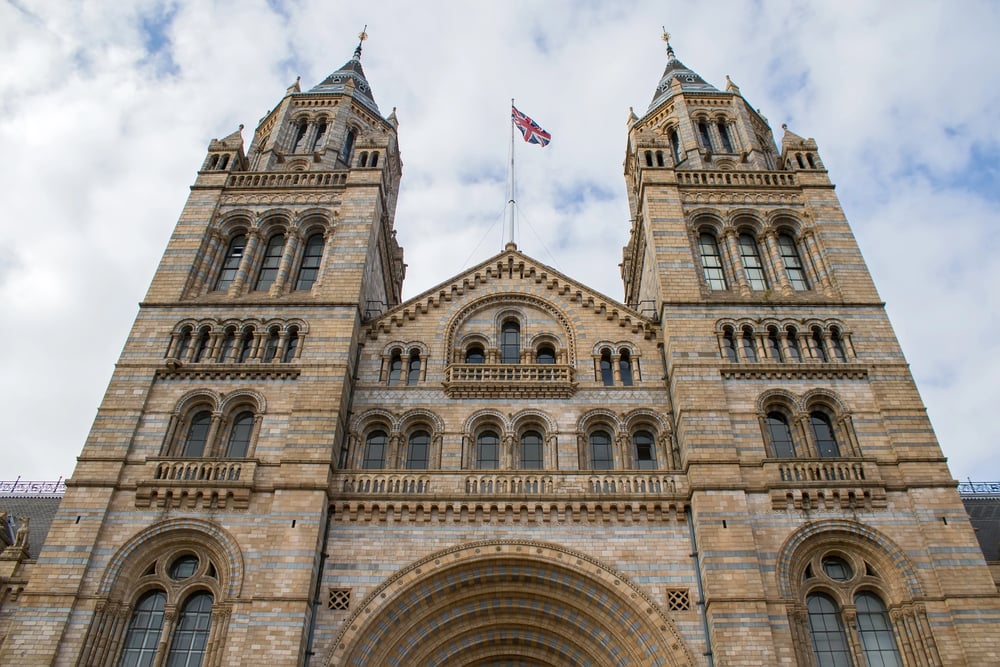
The Natural History Museum’s foundation problems began before construction finished. Alfred Waterhouse’s magnificent Romanesque revival building was sinking unevenly into London’s clay soil, causing cracks in the elaborate terracotta facade and structural stress throughout the building.
The museum’s foundations were adequate for a normal building. They weren’t adequate for the massive weight of Waterhouse’s design, with its heavy masonry walls, elaborate towers, and vast interior spaces filled with specimens and exhibits.
Victorian architects routinely designed buildings that looked spectacular but ignored basic structural requirements. The Natural History Museum required extensive underpinning work within decades of opening — expensive foundation repairs that could have been avoided with more conservative initial engineering.
The Thames Embankment Collapses
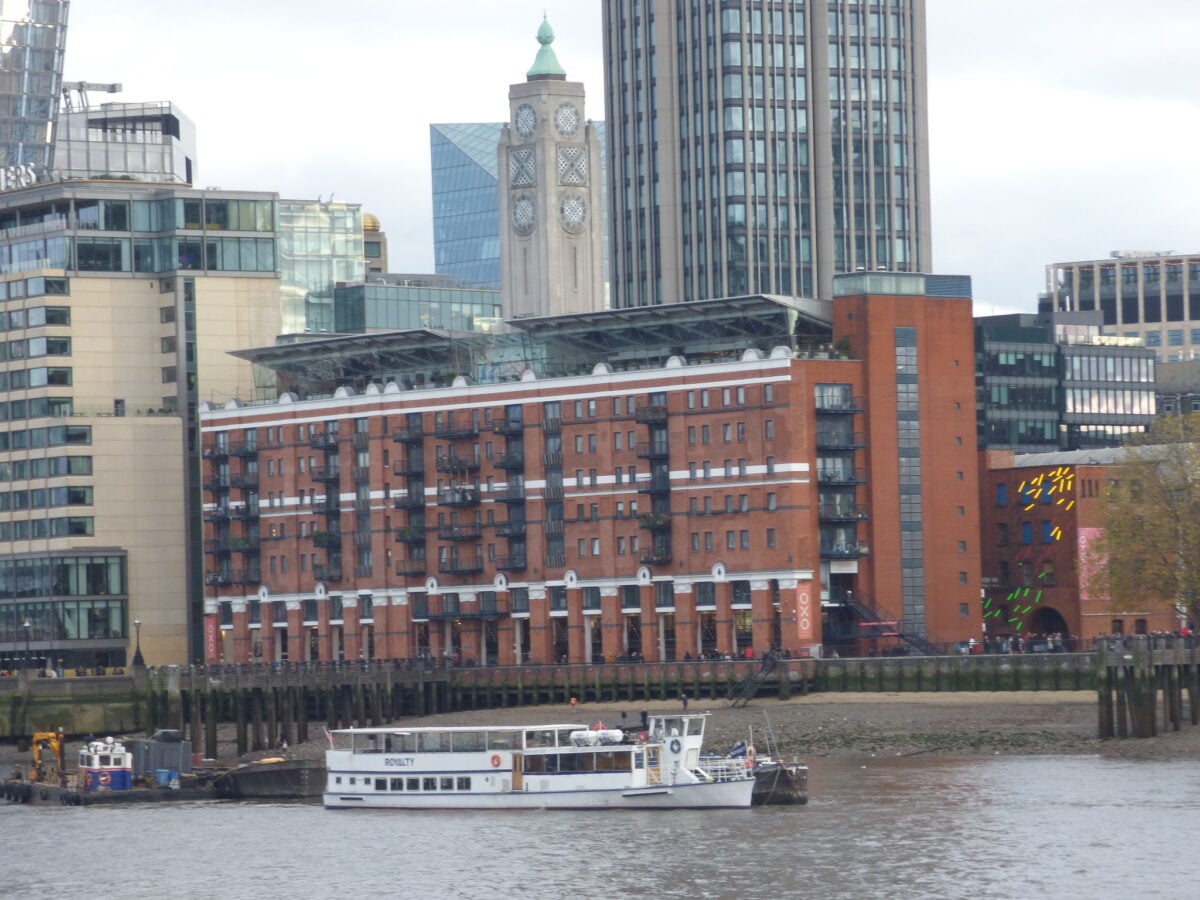
The Thames Embankment project transformed London’s waterfront, but sections of the new riverside walls collapsed repeatedly during construction in the 1860s. The failures were dramatic — massive stone blocks tumbling into the river, taking construction equipment and sometimes workers with them.
The collapses resulted from inadequate understanding of soil mechanics and water pressure. Victorian engineers knew how to build walls.
They didn’t fully understand how those walls would behave when built on river mud and subjected to tidal forces.
Each collapse required rebuilding at enormous cost. The final embankment structure was far more expensive than originally planned, largely because the engineering had to be corrected through trial and error rather than proper initial design.
The Metropolitan Railway Tunnel Floods
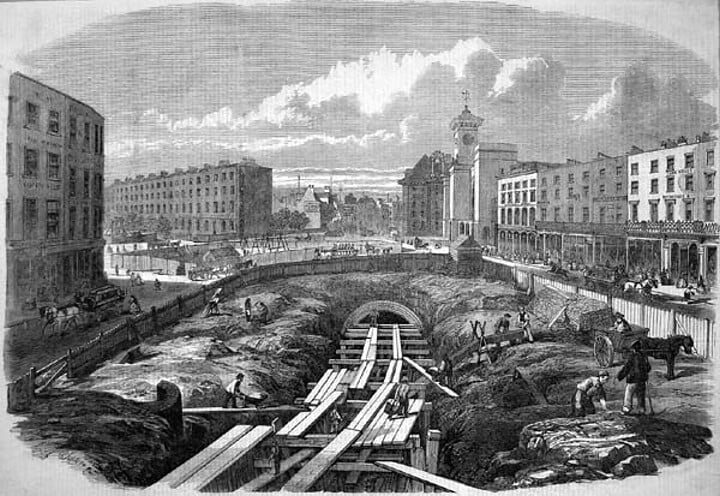
London’s pioneering underground railway suffered repeated tunnel flooding that brought service to a halt and sometimes endangered passengers’ lives. The Metropolitan Railway’s tunnels, built using cut-and-cover construction through London’s clay soil, proved vulnerable to groundwater infiltration that engineers had dramatically underestimated.
Victorian tunnel builders understood drainage in principle. In practice, they consistently underestimated the volume of water they’d encounter and overestimated their ability to control it with Victorian-era pumping technology.
The tunnel floods weren’t just inconvenient — they were dangerous. Passengers were sometimes trapped in flooded carriages, and the electrical systems (once electrification began) created additional hazards when water reached the rails.
The Royal Albert Hall’s Acoustic Disaster
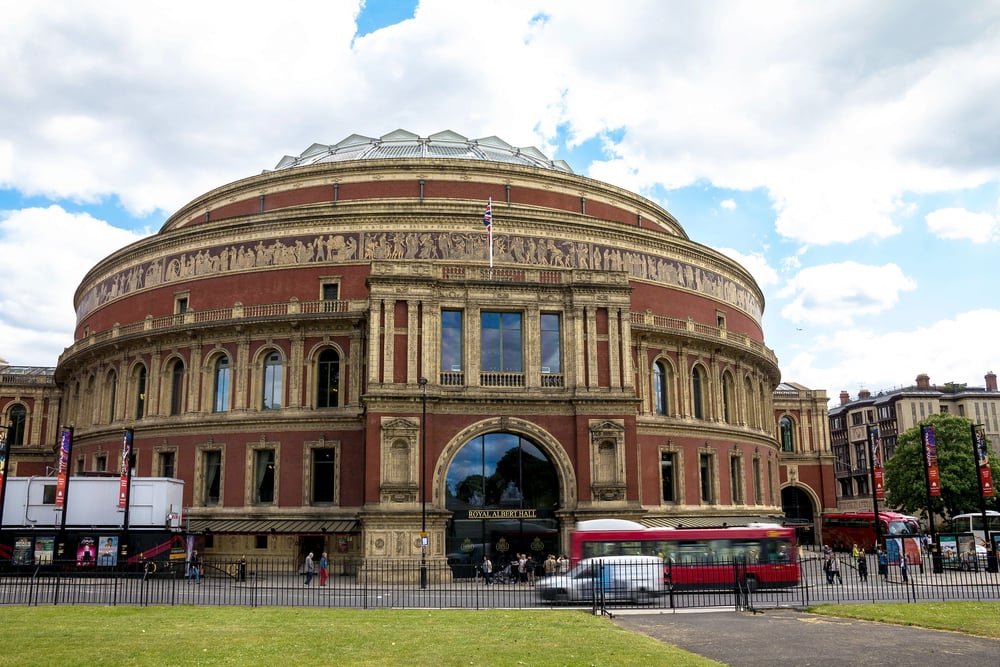
The Royal Albert Hall opened in 1871 with an acoustic problem so severe it made the building nearly unusable for its intended purpose. The vast domed interior created echoes that rendered speech unintelligible and music incoherent.
Performers complained they could hear their own voices and instruments repeated back to them seconds later from different parts of the building.
Victorian architects prioritized visual grandeur over acoustic science. The hall’s designers created a space that looked magnificent but ignored basic principles of how sound behaves in large enclosed spaces.
The acoustic problems required decades of attempted fixes — hanging fabric, installing baffles, redesigning stage areas. Modern acoustic engineering has improved the situation but never fully solved problems that proper initial design could have prevented.
When Ambition Outran Understanding
These failures share a common thread that defined Victorian engineering culture: boundless confidence in industrial progress combined with incomplete understanding of the forces they were trying to control. The era’s engineers were pioneers working with new materials, unprecedented scales, and technologies that had never been tested under real-world conditions.
Their failures weren’t always the result of incompetence — often they stemmed from attempting things that had never been attempted before, using materials whose long-term behavior was unknown, under political and economic pressures that discouraged the careful testing that might have prevented disasters.
What made these failures particularly Victorian was the cultural assumption that engineering problems would solve themselves through boldness and innovation, rather than through patient study and conservative design margins. The era that gave us remarkable achievements like the Forth Bridge and the London sewer system also produced a catalog of instructive disasters that revealed the dangers of letting ambition consistently outpace understanding.
More from Go2Tutors!

- The Romanov Crown Jewels and Their Tragic Fate
- 13 Historical Mysteries That Science Still Can’t Solve
- Famous Hoaxes That Fooled the World for Years
- 15 Child Stars with Tragic Adult Lives
- 16 Famous Jewelry Pieces in History
Like Go2Tutors’s content? Follow us on MSN.



