16 Public Services That Used to Exist – Until They Quietly Disappeared
Remember when the neighborhood milkman would deliver fresh bottles to your doorstep before dawn? Many services once considered essential parts of daily life have gradually vanished from our communities, often without much fanfare or acknowledgment.
These public conveniences shaped how our parents and grandparents navigated their world, creating routines and expectations that seem almost foreign today. Here is a list of 16 public services that were once commonplace in American society but have since faded away, leaving only memories and occasional remnants of systems that once served millions.
Milk Delivery

The routine clink of glass bottles at daybreak was once a sound as familiar as birdsong in American neighborhoods. Milkmen delivered fresh dairy products directly to homes several times weekly, collecting empty bottles and leaving new ones in their place.
This service began declining in the 1960s as refrigeration improved and supermarkets became more prevalent, making home delivery increasingly unnecessary. Some boutique services have attempted revival, but the neighborhood milkman as a universal service has largely vanished.
Public Pay Phones

These communication lifelines once stood on nearly every street corner, providing essential connection points for travelers, those without home phones, and anyone needing to make an emergency call. At their peak in the 1990s, over 2 million pay phones operated across America.
The rise of mobile phones made these booths increasingly obsolete, with their numbers dwindling to fewer than 100,000 today. Many younger Americans have never even used one, despite their iconic status in urban landscapes for most of the 20th century.
Telegram Service

Before instant messaging and emails, telegrams represented the fastest way to send urgent communications across distances. Western Union operators transmitted these messages across telegraph lines, which would then be hand-delivered to recipients by messengers.
The service was so essential that receiving a telegram often signaled momentous news—both celebratory and tragic. Western Union sent its final telegram in 2006, ending a 155-year run of a service that had once connected the continent and changed the very pace of communication.
Lamplighters

Municipal workers once traveled town streets at dusk, manually lighting gas streetlamps that illuminated urban areas before widespread electricity. These lamplighters used long poles to ignite each lamp and would return at dawn to extinguish them.
This nightly ritual represented one of the earliest forms of public utility service in growing cities. The profession disappeared as electric streetlights with automatic timers became standard in the early 20th century, though ceremonial lamplighters still operate in a few historic districts.
Railway Mail Service

The postal service once sorted mail aboard moving trains, creating mobile post offices that processed letters as they traveled between cities. Clerks worked at remarkable speeds, sorting up to 600 pieces per hour while trains clattered down the tracks. This ingenious system allowed mail to be processed en route rather than only at fixed locations, dramatically increasing delivery speeds across the country. The service was gradually phased out between the 1950s and 1970s as highways improved and air mail became more practical.
Icebox Delivery

Before electric refrigeration became commonplace, ice delivery was an essential service for food preservation in American homes. Workers would deliver large blocks of ice that kept wooden ‘iceboxes’ cold, allowing families to store perishable foods.
The iceman, wielding large tongs and protective leather shoulder covers, would haul blocks weighing up to 100 pounds into homes several times weekly. The service declined rapidly in the 1930s and 40s as electric refrigerators became affordable for average households.
Free Baggage Porters

Railway stations once offered complimentary porter service for travelers, with uniformed staff helping passengers manage their luggage throughout their journey. These porters would carry bags, assist with connections, and ensure smooth transitions between trains.
The service began disappearing in the 1960s as rail travel declined and airlines implemented checked baggage fees. Today, travelers primarily wheel their own suitcases or pay premium rates for assistance that was once considered a standard part of the transportation experience.
Party Line Telephone Service

Many Americans once shared telephone lines with neighbors in what was known as ‘party line’ service. Multiple households are connected to the same circuit, meaning only one party can make calls at a time, and anyone can potentially listen in on conversations.
Each household had a distinctive ring pattern to identify incoming calls. These shared lines represented a necessary compromise when telephone infrastructure was limited and expensive.
The service phased out during the 1970s and 80s as private lines became more affordable and privacy expectations increased.
Town Criers

Before newspapers became widely available, town criers served as official public messengers, announcing everything from new laws to local events. These uniformed officials would ring bells to gather crowds before delivering their proclamations in public squares.
The position represented one of the earliest forms of government communication services. While ceremonial town criers still appear at historic celebrations, the actual public service ended in most American towns by the mid-1800s as literacy rates improved and newspapers became the primary information source.
Switchboard Operators

Human telephone operators once manually connected every call by physically plugging cords into the appropriate circuits on massive switchboards. These operators, predominantly women, not only connected calls but often provided information, emergency assistance, and community updates.
At its peak, the profession employed hundreds of thousands of workers across the country. Automated switching technology gradually replaced human operators, starting in the 1940s, although some rural areas maintained manual switchboards into the 1980s.
TV Repair House Calls
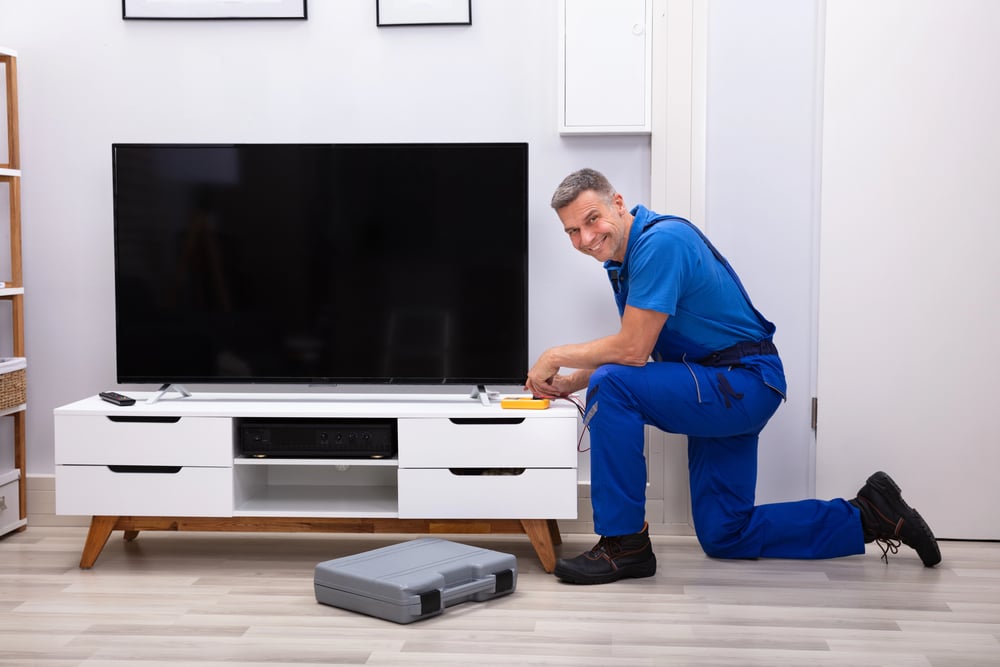
Television repair technicians regularly made house calls to fix malfunctioning sets when televisions represented significant household investments. These skilled workers arrived with tubes, testing equipment, and specialized knowledge to diagnose and repair sets on-site.
The service thrived from the 1950s through the 1980s before the combination of more reliable electronics and less expensive replacement costs made repairs economically impractical. Today’s electronics have largely become disposable items rather than appliances maintained through years of service.
Full-Service Gas Stations

Pulling into a gas station once meant attendants would rush to your vehicle to pump gas, check oil levels, clean windshields, and inspect tire pressure—all without additional charge. These stations provided comprehensive vehicle maintenance at every fill-up, representing a level of service that seems almost unimaginable today.
The energy crisis of the 1970s prompted a shift toward self-service to reduce costs, though New Jersey and Oregon still prohibit self-service pumping for various reasons including employment and safety concerns.
Free Air Travel Amenities
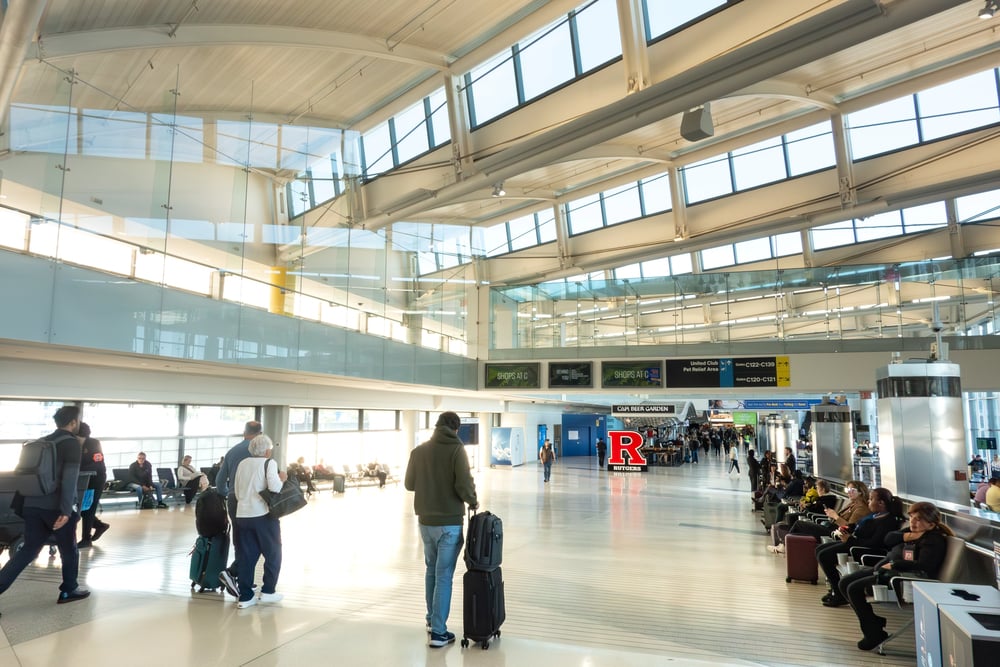
In the past, air travel offered free facilities that modern travelers may only imagine or purchase. Free checked baggage, meals on the majority of flights, pillows, blankets, and even tiny toys like playing cards for kids were all provided by airlines.
Rather than optimizing passenger capacity, the interior experience prioritized comfort and service. Following deregulation in 1978, competitive cost-cutting led to the gradual elimination of these services, turning air travel from a luxury experience into the standard mode of transportation that most passengers are familiar with today.
Shoe Shine Stands
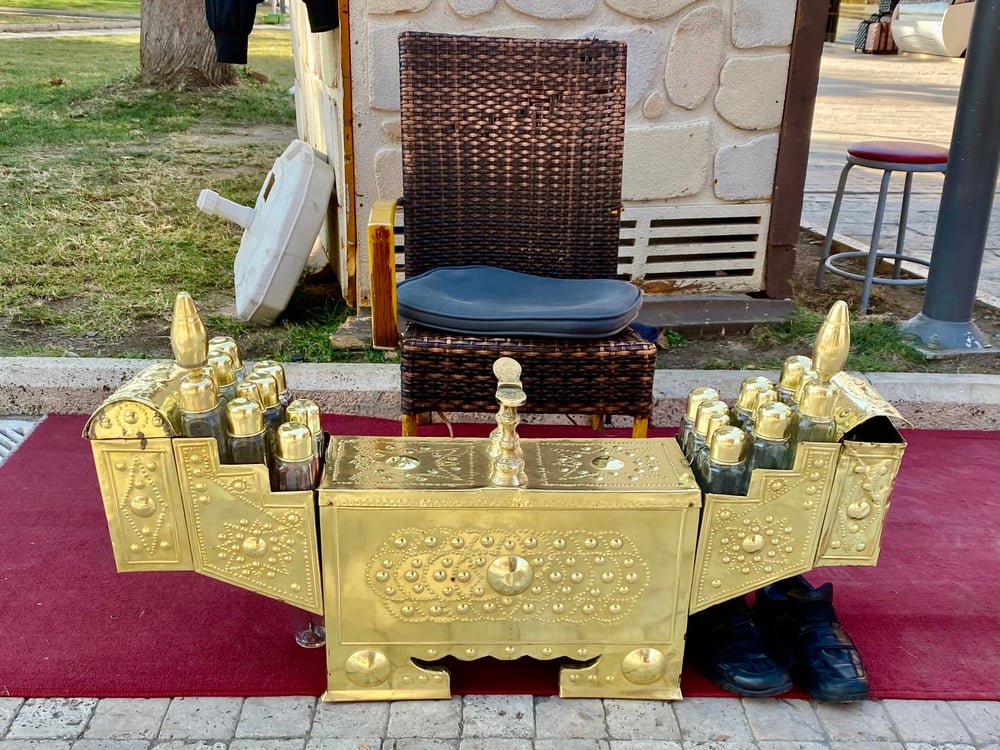
Shoe shine stands once occupied prominent spots in train stations, hotels, and busy downtown areas, providing quick, professional polishing services for businesspeople and travelers. These stands represented affordable luxury and practical necessity when quality footwear represented a significant investment and proper maintenance extended shoe life.
The service has largely disappeared as casual footwear has become predominant and disposable fashion has replaced long-term clothing care. Only a handful of stands remain in transportation hubs and upscale hotels.
Elevator Operators
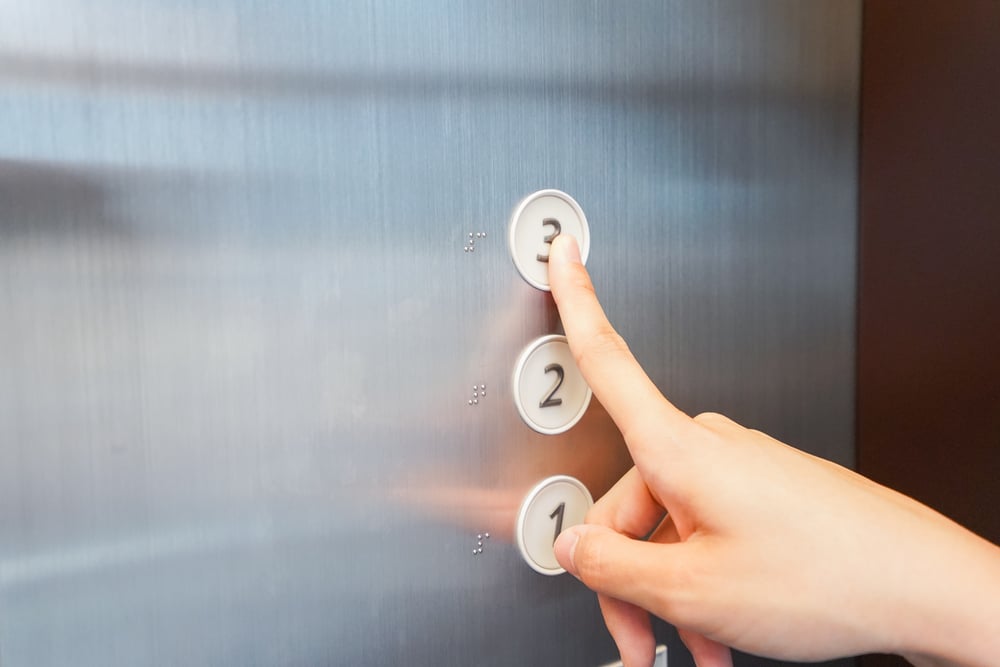
Professional elevator operators once controlled the movement of nearly every elevator in multi-story buildings. These uniformed staff members manually operated the controls, announced floors, and helped passengers navigate increasingly taller buildings.
Beyond their technical function, they provided security and assistance to the elderly or disabled, and often served as informal building ambassadors. Automatic elevators began replacing operators in the 1950s, with the profession largely disappearing by the 1980s except in historic buildings and luxury establishments.
Home Economists

County extension offices once employed professional home economists who provided free advice on nutrition, home management, canning, and family finances. These professionals conducted workshops, home visits, and demonstrations to help families—particularly in rural areas—implement modern practices and technologies.
The service represented a major public education initiative during the early and mid-20th century. Budget cuts and changing family structures dramatically reduced these programs by the 1990s, though some extension offices still offer limited versions of these services.
The Vanishing Act of Public Convenience

These disappeared services reflect more than just technological obsolescence—they represent fundamental shifts in how Americans relate to their communities and expectations of public life. While modern conveniences have replaced many of these services with more efficient alternatives, something intangible has been lost in the transaction: the human connections and community touchpoints that these service providers once facilitated in daily life.
As we race toward ever more automated futures, these ghosts of services past remind us how quickly our ‘normal’ can transform without us even noticing the change.
More from Go2Tutors!

- The Romanov Crown Jewels and Their Tragic Fate
- 13 Historical Mysteries That Science Still Can’t Solve
- Famous Hoaxes That Fooled the World for Years
- 15 Child Stars with Tragic Adult Lives
- 16 Famous Jewelry Pieces in History
Like Go2Tutors’s content? Follow us on MSN.