16 Rare Leather Types Used Worldwide

While most people think of leather as coming from cows, sheep, or goats, the world of exotic leather extends far beyond these common sources. Across different cultures and industries, artisans have discovered ways to transform the hides and skins of unusual animals into luxury materials that command premium prices and showcase unique textures.
These rare leathers often come from animals hunted for meat or sourced as byproducts of other industries, making them sustainable alternatives to mass-produced materials. Here’s a list of 16 rare leather types that capture the attention of fashion designers, craftspeople, and collectors worldwide.
Shell Cordovan

Shell cordovan represents the pinnacle of exotic leather craftsmanship, sourced from the flat muscles beneath the hide on a horse’s rump and requiring at least six months to produce. This leather stands apart from all others due to its mirror-like finish and exceptional durability that develops over decades of use. The tanning process is so complex that only a handful of tanneries worldwide can produce authentic shell cordovan, making it one of the most expensive leathers available today.
Stingray

Talk about unique texture. Stingray leather presents a completely distinctive surface covered in small, bone-like pearls that create a geometric pattern unlike anything else in the leather world. The material feels surprisingly heavy compared to other leathers because of its hardened structure, yet it maintains flexibility thanks to the natural spacing between the raised bumps. Craftsmen often sand down the pearl peaks to create extraordinary design effects, revealing contrasting colors beneath the surface.
Arapaima Fish

Arapaima fish leather comes from giants of the Amazon that can reach up to 9 feet long, providing around 8 square feet of some of the most durable skin available. This freshwater fish develops armor-like scales to protect against piranha attacks, resulting in a dual-layered leather with parallel collagen fibers and a shock-absorbing gel layer. The scaling pattern consists of uniform five-sided shapes that create an almost reptilian appearance despite its aquatic origins—nature’s own geometric masterpiece.
Eel

Eel leather comes primarily from the Pacific Hagfish and is remarkably 150 times stronger than cowhide of the same thickness. The material displays a distinctive pinstripe pattern that refracts light like ocean water, creating a natural sheen that makes it instantly recognizable. Individual eel skins are tiny, so manufacturers typically sew together over 70 small pieces to create usable panels measuring 2 feet by 5 feet.
Kangaroo

Kangaroo leather earns its reputation not for aesthetics but for its remarkable combination of ruggedness and flexibility. Makes perfect sense when you think about how these animals live. The material weighs less than traditional leather while offering superior abrasion resistance, which explains its popularity in motorcycle gear and boxing equipment. Its unique fiber structure allows it to stretch without losing strength, a quality that makes it perfect for applications requiring both durability and movement.
Ostrich

Ostrich leather features iconic quill bumps evenly spaced across the hide, creating a texture that feels satisfying to touch and immediately identifies the material. The knee sections of ostrich legs offer a completely different experience, displaying lizard-like scaling patterns that some consider the most underrated exotic leather available. With an impressive tensile strength of 8,000 PSI, ostrich leather costs between $18 to $60 per square foot.
Python

Python leather showcases large, distinctive scale patterns that make it a preferred choice for high-end fashion items, with an average hide yielding 21 to 32 square feet of usable material. The belly sections feature intricate diamond weaving patterns of darker scales, while back sections display more pronounced scaling. Even so, python leather offers exceptional flexibility despite its reptilian origin, allowing designers to create form-fitting garments and accessories.
Crocodile

Crocodile leather ranks as the most popular exotic leather worldwide. The belly skin’s smooth, symmetrical scale pattern makes it particularly prized for luxury handbags and accessories, while the back sections serve different purposes like belt making with their larger scales. Each crocodile hide tells a story through its natural markings and battle scars—a testament to the wild life these creatures lead.
Shark

Shark leather has been valued since ancient Egypt, featuring a microscopically small scale structure that historically made it useful as sandpaper and sword hilts that wouldn’t slip from the hand. Modern shark leather requires refinement before use in fashion, but some species naturally produce smooth leather without the characteristic rough texture. Interestingly, the material’s unique properties once made it essential for grating wasabi roots in traditional Japanese cuisine, though metal tools have mostly replaced this practice today.
Teju Lizard

Teju lizard leather, also known as Tegu, originates from South America and displays eye-catching hexagonal scale patterns that require skilled artisans to work properly. The leather comes from regions including Argentina, Paraguay, and Brazil, where these reptiles thrive in diverse habitats. International conventions like CITES carefully regulate the trade of Teju lizard leather to prevent over-exploitation of vulnerable species.
Giraffe

Here’s something that surprises most people. Giraffe leather doesn’t naturally display the large blocky brown patches visible on the living animal’s fur—those distinctive markings get removed during the tanning process. What remains is a marvelous leather with a somewhat spongy texture that becomes exceptional once broken in. The dense, durable material offers unique working properties that experienced leather crafters particularly appreciate.
Sturgeon

Sturgeon leather presents an unusual surface that resembles wood or cork, feeling remarkably solid to the touch. This fish leather has bone-like protrusions that can be sanded down to create extraordinary design effects, similar to stingray processing techniques. The resulting material offers a completely different aesthetic from traditional smooth leathers, appealing to those seeking truly unique textures.
Bison

Bison leather typically undergoes organic tanning using natural materials rather than modern chemical processes, and the hides aren’t stretched as much during production as cow leather. Since bison are nearly extinct, their leather is considered exotic and uncommon, offering toughness and resilience despite being less flexible than cowhide. The material represents a connection to North American heritage and sustainable use of resources.
Antelope

Antelope leather comes from various species across different continents, each offering distinct characteristics based on the animal’s habitat and lifestyle. These materials typically feature fine grain patterns and natural flexibility that makes them suitable for a range of applications. Still, the diversity within antelope species means that leather characteristics can vary significantly depending on the specific type used.
Monitor Lizard

Monitor lizards inhabit diverse habitats across Africa, Asia, and Australia, with some regions raising them in captivity for more sustainable and controlled leather sourcing. The unique texture of monitor lizard leather makes it a preferred choice for crafting high-end handbags, belts, and shoes that require both durability and distinctive appearance. Like other exotic reptile leathers, monitor lizard trade falls under CITES regulations.
Cod Fish

Cod leather represents one of the more unusual fish leathers. Its irregular skin texture differs significantly from scaled fish varieties, and historically, cod skin found use in bookbinding applications—demonstrating the material’s versatility beyond fashion. The leather offers a completely different aesthetic from both traditional animal hides and other fish leathers, appealing to those seeking truly unconventional materials.
Connecting Tradition with Innovation
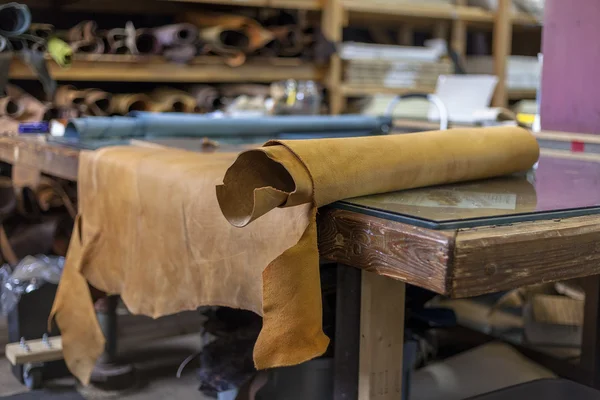
These 16 rare leather types demonstrate how human ingenuity has transformed necessity into luxury throughout history. What began as practical uses for animal byproducts has evolved into a sophisticated industry that values uniqueness, sustainability, and craftsmanship. Today’s exotic leather market bridges ancient tanning traditions with modern fashion demands, creating materials that tell stories of both the animals they came from and the cultures that perfected their preparation. Whether sourced from ocean depths or African plains, each rare leather type carries its own legacy of human creativity and respect for natural resources.
More from Go2Tutors!

- 16 Historical Figures Who Were Nothing Like You Think
- 12 Things Sold in the 80s That Are Now Illegal
- 15 VHS Tapes That Could Be Worth Thousands
Like Go2Tutors’ content? Follow us on MSN.



