16 Real IQ Tests Used on Animals
Scientists have gotten pretty creative when it comes to figuring out how smart animals really are. Since you can’t exactly hand a dolphin a pencil or ask a crow to fill in bubble sheets, researchers had to invent some clever ways to test animal intelligence.
These tests reveal surprising insights about how different species think, remember, and solve problems in ways that sometimes put humans to shame. Here’s 16 actual intelligence tests that scientists use to measure animal brainpower.
The Mirror Self-Recognition Test
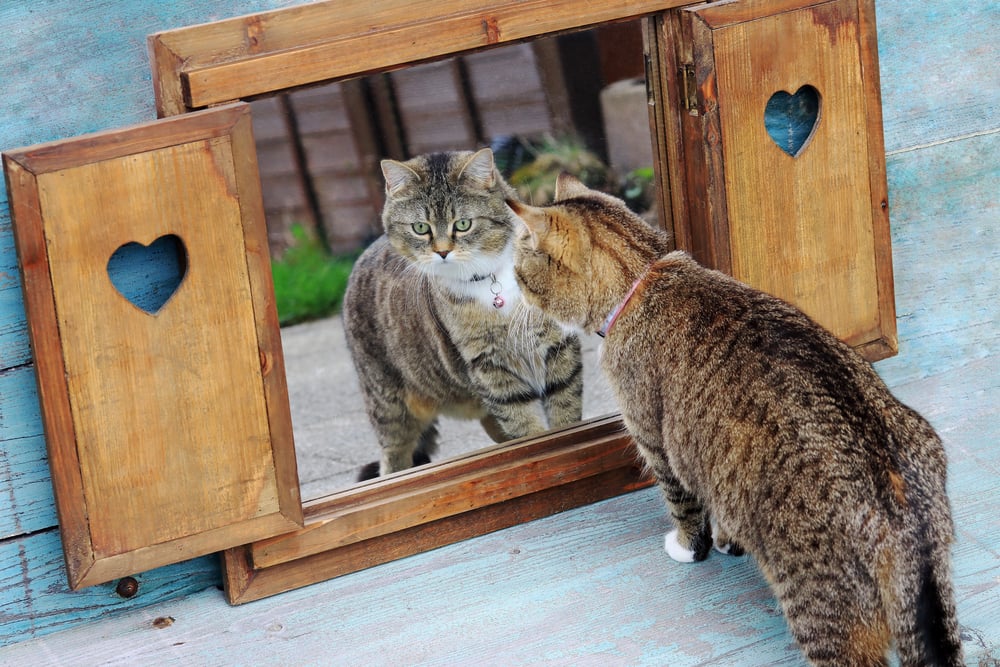
This classic test involves putting a mark on an animal’s body where they can’t normally see it, then showing them a mirror to see if they recognize themselves. Animals that pass will touch the mark on their own body, not on the reflection, showing they understand that the mirror image is actually them.
Only a handful of species have passed this test, including great apes, elephants, dolphins, and surprisingly, some birds like magpies.
Morris Water Maze

Researchers plop rodents into a pool of milky water with a hidden platform somewhere beneath the surface. The animals have to swim around and remember where the escape platform is located using visual cues around the room.
It’s basically like a really stressful game of Marco Polo that tests spatial memory and learning ability.
Like Go2Tutors’s content? Follow us on MSN.
T-Maze Alternation Task
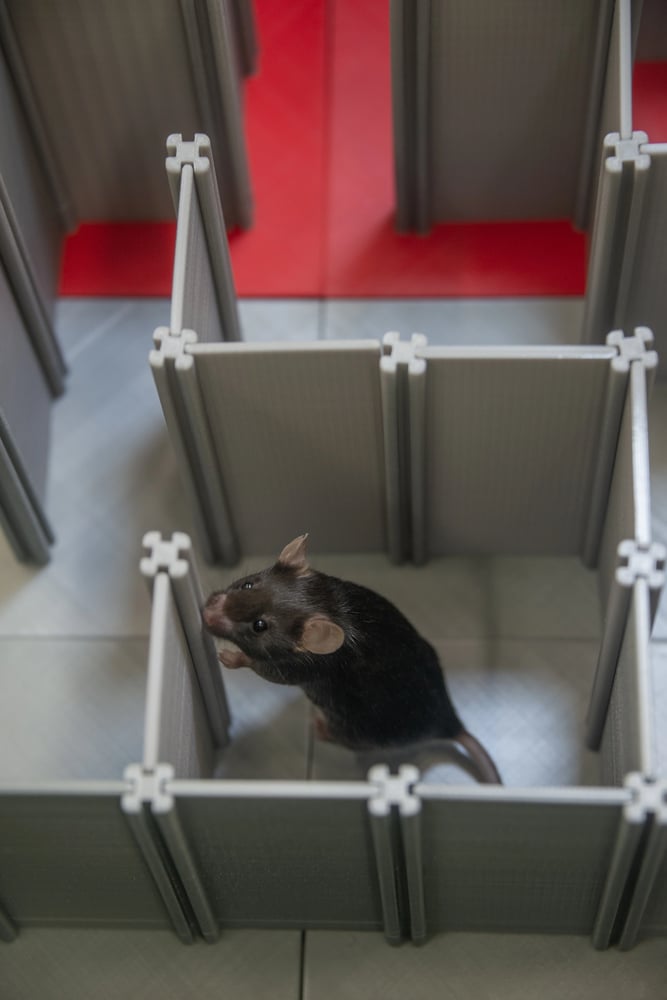
Scientists put animals in a T-shaped maze where they can go left or right to find food rewards. Smart animals quickly learn to alternate between the two arms since they remember which side they just visited.
This simple test reveals whether animals can keep track of their recent choices and plan their next moves accordingly.
Delayed Gratification Exchange Test

Animals are given a low-quality treat but can trade it for something better if they wait patiently without eating the first reward. Researchers found that some species can wait up to 10 minutes for a better payoff, which is pretty impressive self-control.
Chimpanzees, ravens, and even cuttlefish have shown they can resist immediate temptation for future benefits.
Tool Modification Assessment

Scientists give animals basic materials like sticks or leaves and see if they can modify them into functional tools. New Caledonian crows are absolute masters at this, bending twigs into hooks to fish insects out of tree bark.
The test measures not just tool use, but the ability to understand cause-and-effect relationships and plan ahead.
Like Go2Tutors’s content? Follow us on MSN.
Cognitive Bias Testing
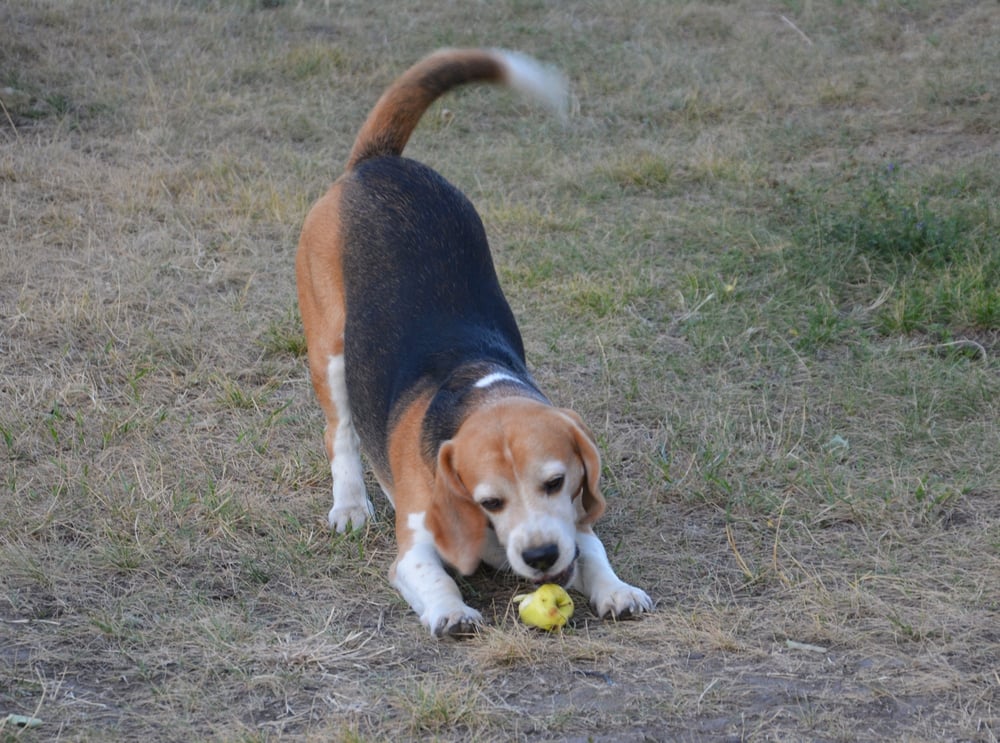
This clever test trains animals to expect good things from one signal and bad things from another, then presents them with ambiguous middle signals. Animals in good moods tend to be optimistic about unclear situations, while stressed animals expect the worst.
It’s like asking if the glass is half full or half empty, but for creatures that can’t talk.
Object Permanence Task

Researchers hide food or toys behind screens while animals watch, then see if the animals still look for the hidden objects. This tests whether animals understand that things continue to exist even when they can’t see them anymore.
Many species that pass this test show they have mental representations of their world beyond what’s immediately visible.
Radial Arm Maze
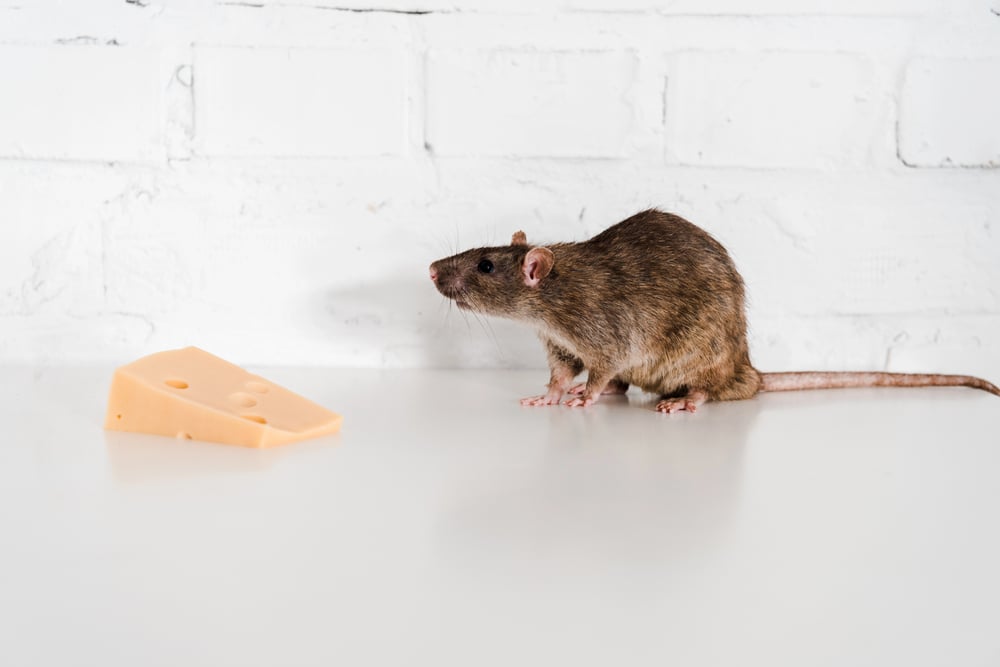
Animals navigate a maze with multiple arms radiating out from a central point, with food rewards placed at the end of each arm. The trick is remembering which arms they’ve already visited so they don’t waste time checking empty locations.
Successful animals demonstrate impressive working memory and spatial mapping abilities.
Like Go2Tutors’s content? Follow us on MSN.
String-Pulling Problem

Scientists present animals with food tied to the end of a string, then see if they can figure out how to pull the string to reel in the reward. Some clever species have learned to step on the string while pulling to prevent it from slipping away.
This test reveals understanding of physical relationships and problem-solving flexibility.
Detour Learning Test

Animals face a clear barrier with food visible on the other side and must figure out how to go around the obstacle to reach their goal. While it sounds simple, many animals struggle with this because they get fixated on the direct route to the food.
Success requires mental flexibility and the ability to inhibit automatic responses.
Multi-Step Puzzle Box
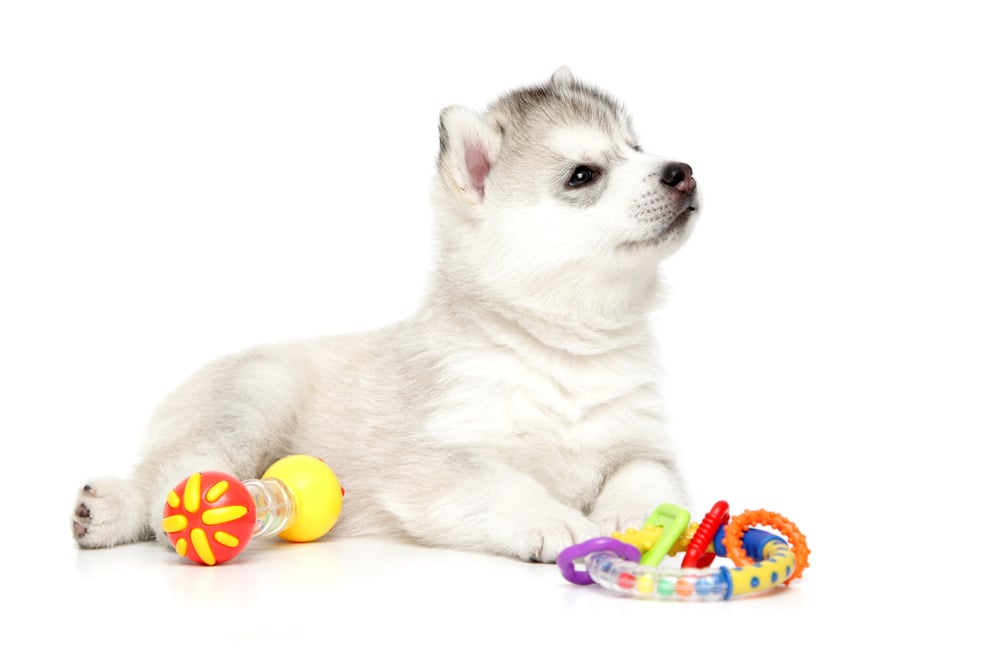
Researchers create complex contraptions with multiple locks, latches, and mechanisms that must be operated in sequence to access a reward inside. Animals have to figure out the correct order of operations through trial and error.
Some species have mastered puzzle boxes with up to eight different steps, showing remarkable persistence and problem-solving skills.
Like Go2Tutors’s content? Follow us on MSN.
Quantity Discrimination Task

Animals choose between different amounts of food items to see if they can count or estimate quantities. Many species can reliably pick the larger amount when comparing small numbers, though their accuracy drops off with bigger quantities.
This test reveals basic mathematical abilities and numerical reasoning across different animal groups.
Social Learning Observation
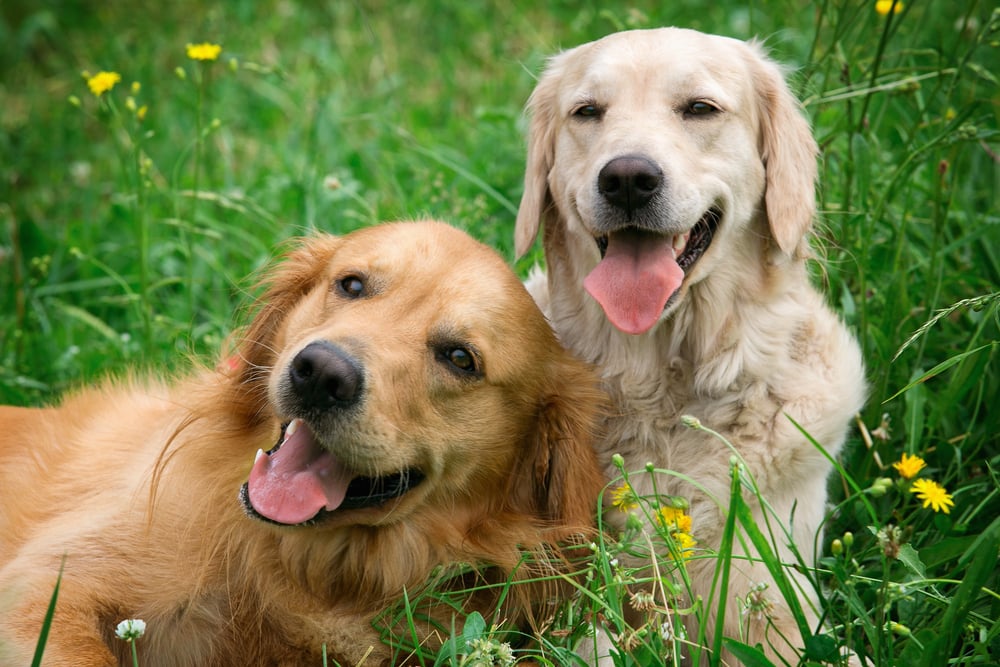
Scientists teach one animal a new skill, then see if other animals can learn by watching the demonstration. Some species are incredible copycats that pick up new behaviors just from observation, while others need hands-on experience.
This test measures social intelligence and the ability to learn from others’ successes and mistakes.
Reversal Learning Challenge

After animals master a simple task like choosing the red circle over the blue square, researchers flip the rules without warning. Now animals have to unlearn their previous training and figure out the new correct choice.
This tests cognitive flexibility and how quickly animals can adapt when their world suddenly changes.
Like Go2Tutors’s content? Follow us on MSN.
Novel Object Investigation

Researchers introduce strange new objects into an animal’s environment and observe how they respond to unfamiliar things. Curious animals that approach and investigate novel objects often score higher on other intelligence measures.
This test captures personality traits like boldness and exploration that relate to learning and problem-solving.
Trap-Tube Problem

Animals use tools to extract food from a clear tube, but there’s a trap along the way that will make the food fall out if they push from the wrong direction. Success requires understanding the physical mechanics of the setup and planning the approach carefully.
Many species that use tools in nature still struggle with this abstract version of tool use.
What Animal Intelligence Really Means

These tests show that intelligence comes in many forms across the animal kingdom, from the spatial genius of rats navigating mazes to the social smarts of primates learning from each other. While we’re still figuring out what makes one species ‘smarter’ than another, these experiments prove that human-style thinking isn’t the only way to be intelligent.
The more scientists test different animals, the more they discover that nature has produced countless ways to solve problems, remember information, and adapt to changing environments.
More from Go2Tutors!

- 16 Historical Figures Who Were Nothing Like You Think
- 12 Things Sold in the 80s That Are Now Illegal
- 15 VHS Tapes That Could Be Worth Thousands
- 17 Historical “What Ifs” That Would Have Changed Everything
- 18 TV Shows That Vanished Without a Finale
Like Go2Tutors’s content? Follow us on MSN.



