German Chocolate Cake’s True Origin Story
Here’s a twist that might surprise you: German chocolate cake has about as much to do with Germany as French fries have to do with France. This beloved American dessert, with its signature coconut-pecan frosting and rich chocolate layers, actually traces its roots to a chocolate mill in 19th-century Massachusetts and a handful of resourceful Texas homemakers in the 1950s.
The real story involves mistaken identity, a missing apostrophe, and one of the most successful accidental marketing campaigns in American food history. Here’s a list of the surprising twists and turns that led a cake named after an English-American chocolate maker to become forever linked to a European country it never visited.
Samuel German Creates Sweet Success
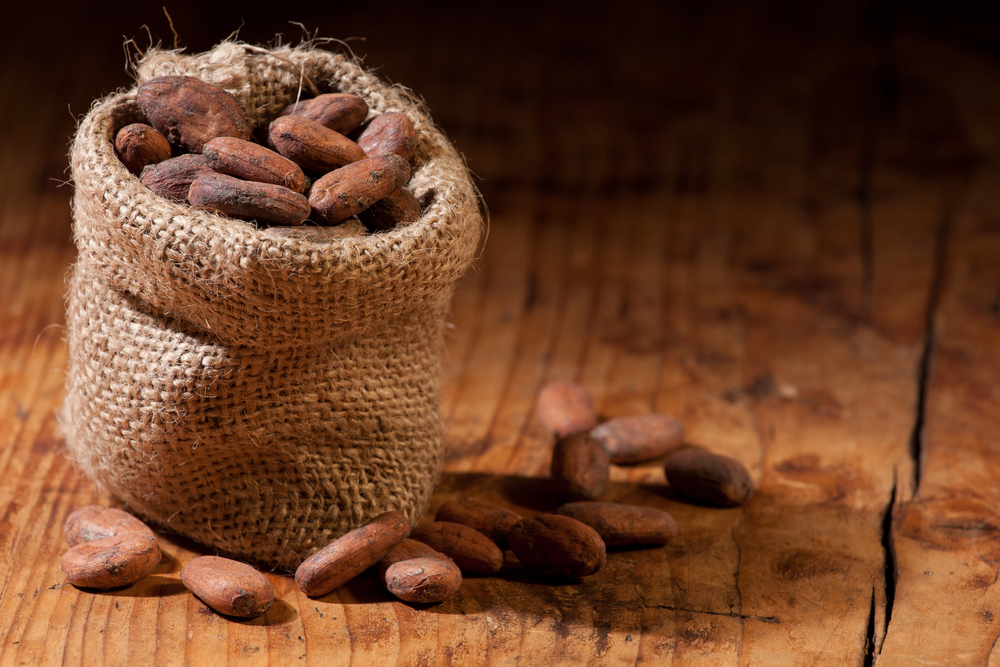
The story begins not in Bavaria or Berlin, but in Dorchester, Massachusetts, where the Walter Baker Chocolate Company had been grinding cocoa beans since 1764. By 1852, an employee named Samuel German—who was English-American, not German—developed a new type of baking chocolate that contained more sugar than traditional semi-sweet varieties.
His innovation solved a real problem. Regular baking chocolate often made desserts way too bitter.
German’s sweeter formulation made it easier for home bakers to create mild chocolate flavors without the guesswork of adding extra sugar. The Walter Baker company was so impressed with German’s creation that they named it after him, calling it ‘Baker’s German’s Sweet Chocolate.’
The product became an instant hit among American bakers, standing out in a product line that included French Chocolate, Spanish Chocolate, and even something called Homeopathic Chocolate.
A Century-Long Wait
German’s Sweet Chocolate remained popular for over a century, but the cake that would make it famous wouldn’t appear until 1956. That’s when Daisy Pearce submitted a recipe called ‘Summer German Chocolate Cake’ to The Irving News Record, a small Dallas-area newspaper.
Pearce had obtained the recipe from her daughter, Francis Beth Montgomery Tomlinson, and the newspaper editor was so impressed after sampling it with ‘a stein of cold lemonade’ that he enthusiastically endorsed its texture and flavor.
Perfect timing, really. Post-war American dessert trends were embracing coconut and pecan combinations, similar to popular treats like Lane cake, which had gained fame through its mention in ‘To Kill a Mockingbird’.
The German chocolate cake combined these Southern flavors with the increasingly popular devil’s food cake base, creating something that felt both familiar and new to American palates.
Like Go2Tutors’s content? Follow us on MSN.
Texas Homemakers Launch a Phenomenon
The real breakthrough came on June 3, 1957, when The Dallas Morning News featured another version of the recipe as their ‘Recipe of the Day.’ This version came from Mrs. George Clay (Lucy Clay), a Dallas homemaker who submitted her take on ‘German’s Chocolate Cake’ to the newspaper’s recipe column.
Unlike the earlier Irving News Record recipe, this one caught the attention of people who could do something big with it.
General Foods, which owned the Baker’s brand at the time, noticed the recipe’s popularity. Smart move on their part.
They began distributing it to newspapers across the country, and the response was immediate and dramatic—sales of Baker’s Chocolate reportedly jumped by 73%, and the cake quickly became a national phenomenon. Within months, what had started as a regional Texas specialty was being baked in kitchens from coast to coast.
The Great Apostrophe Mystery

Here’s where things get linguistically interesting, and also slightly maddening if you’re a grammar enthusiast. As the recipe spread through reprints and word-of-mouth sharing, the possessive apostrophe in ‘German’s’ gradually disappeared.
What had originally been ‘German’s Chocolate Cake’—clearly indicating Samuel German’s chocolate—became simply ‘German Chocolate Cake.’ This small punctuation change created a massive misconception that persists today.
The missing apostrophe transformed a cake named after an individual into what seemed like a traditional dessert from Germany. This played perfectly into 1950s American fascination with ‘faux exoticism,’ when recipes with foreign-sounding names like ‘Japanese’ fruitcake and ‘Swedish’ pancakes were trendy marketing hooks.
Southern Roots, Not Teutonic Traditions
The cake’s actual ingredients tell the real story of its American—specifically Southern—origins. Traditional German chocolate cake incorporates distinctly Southern elements like buttermilk instead of regular milk and plenty of pecans, both abundant in the American South.
The signature coconut-pecan frosting? Made like a custard. It’s cooked with eggs and sugar before adding the nuts and coconut flakes.
This technique has more in common with Southern praline-making traditions than anything you’d find in a German konditorei—that’s a German pastry shop, by the way, and you definitely won’t find this cake there.
Like Go2Tutors’s content? Follow us on MSN.
Marketing Magic Takes Over

By 1964, Baker’s Chocolate was printing the original German chocolate cake recipe directly on their packaging, cementing its place in American baking culture. The company had stumbled onto one of the most successful product tie-ins in food marketing history, all thanks to a few enterprising Texas home cooks and a fortuitous newspaper feature.
The cake’s popularity continued to grow throughout the following decades, helped by its regular appearance as a boxed cake mix in grocery stores and its status as a nostalgic comfort food. Unlike more elaborate modern desserts, German chocolate cake remained appealingly straightforward—as one food expert put it, ‘You can’t shape it into anything; you can’t make it look like an elephant. It’s just a cake’.
Sometimes simple wins.
From Boston Mill to American Icon
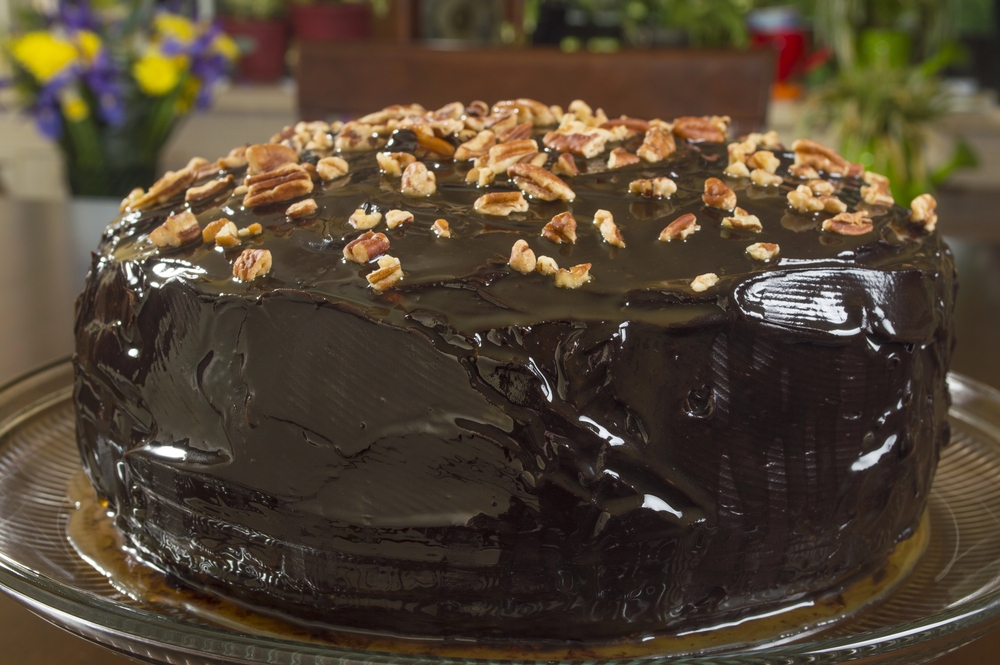
The journey from Samuel German’s 1852 chocolate innovation to today’s beloved cake spans more than 170 years and crosses the entire American continent. What started as a practical solution to bitter baking chocolate in a Massachusetts mill became a Texas newspaper sensation, then evolved into a nationwide comfort food phenomenon.
Even so, the cake’s enduring popularity proves that sometimes the best stories—and the best desserts—come from the most unexpected places. Especially when we think we know where they’re from but couldn’t be more wrong.
More from Go2Tutors!

- 16 Historical Figures Who Were Nothing Like You Think
- 12 Things Sold in the 80s That Are Now Illegal
- 15 VHS Tapes That Could Be Worth Thousands
- 17 Historical “What Ifs” That Would Have Changed Everything
- 18 TV Shows That Vanished Without a Finale
Like Go2Tutors’s content? Follow us on MSN.