16 Strange Building Materials Used in History
Throughout human history, builders have gotten creative with whatever materials they could find. While we’re used to seeing brick, wood, and concrete in modern construction, our ancestors worked with some pretty wild stuff. From food ingredients to animal waste, these unusual materials prove that necessity really is the mother of invention.
Here is a list of 16 strange building materials that have shaped structures across the globe, some of which still stand today.
Sticky Rice
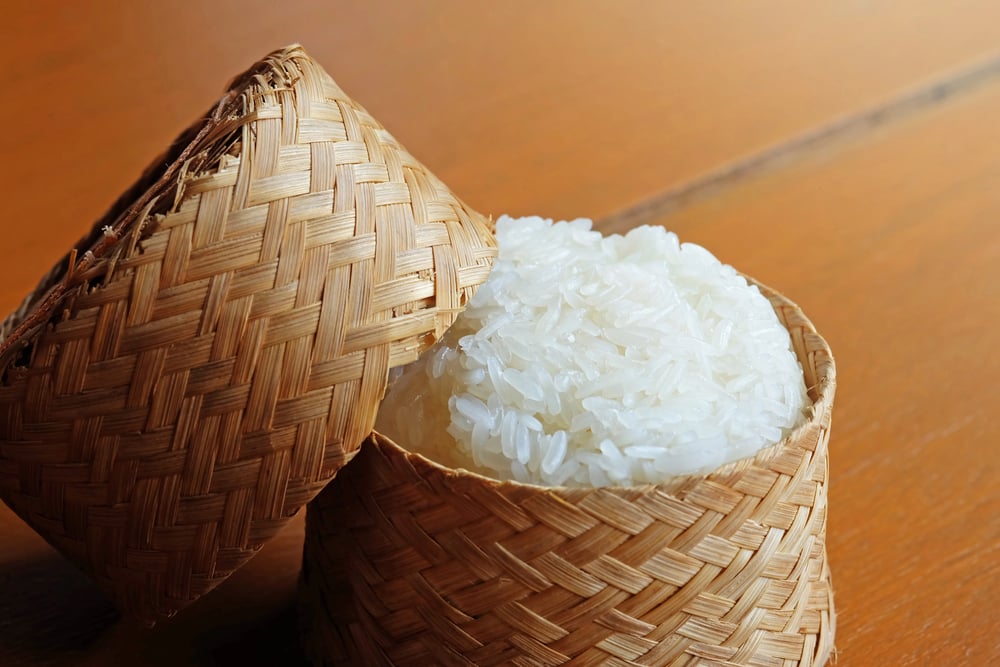
Ancient Chinese builders discovered that sticky rice wasn’t just good for dinner. When ground into a thick paste, it created an incredibly strong mortar that helped build some of China’s most famous structures.
The Great Wall of China used sticky rice mortar, and this material proved so effective that many ancient buildings constructed with it survived earthquakes and natural disasters. Modern scientists have found that sticky rice mortar is still considered ‘the best material for restoring ancient buildings’.
Animal Blood
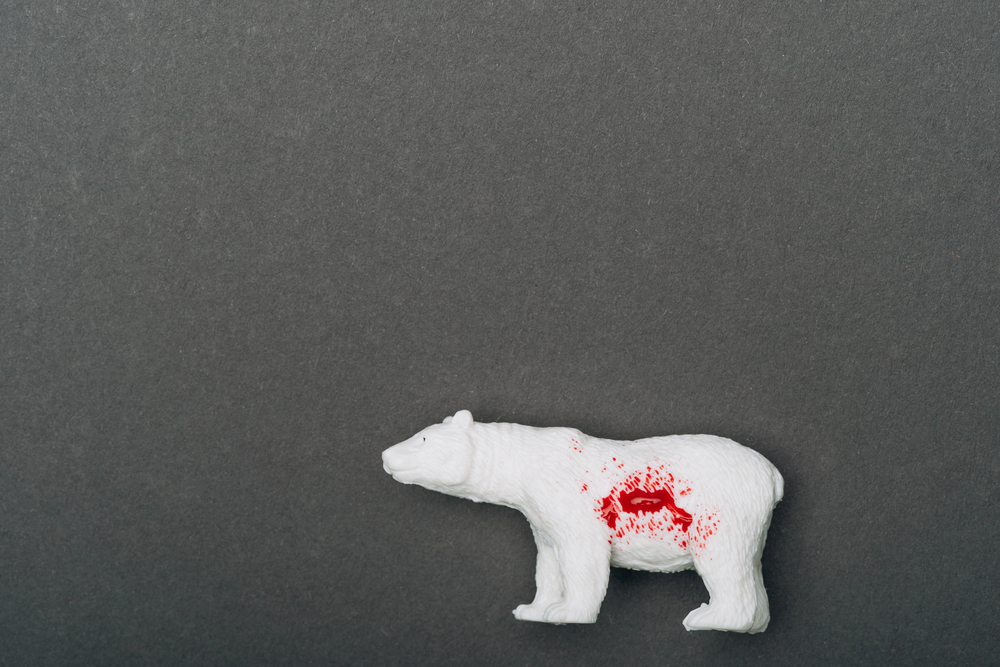
Using animal blood as a construction material might sound medieval, but it’s actually made a comeback in modern times. British architecture student Jack Munroe created bricks from cow blood, which are highly adhesive thanks to the unusually high protein content naturally found in blood.
Historically, blood was mixed with other materials to create strong, binding agents for construction projects. The protein-rich substance acts like a natural glue, holding other materials together better than many synthetic alternatives.
Wattle and Daub
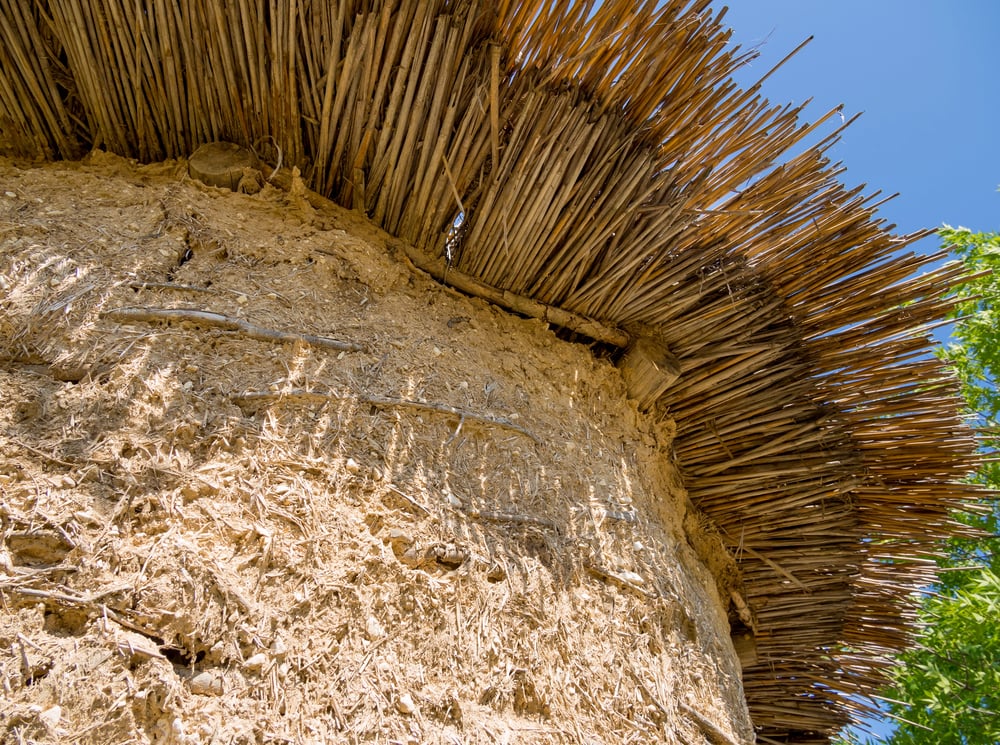
This technique sounds fancy, but it’s basically ‘mud and sticks’ taken to an architectural level. Wattle and daub has been used for at least 6,000 years and involves a woven lattice of wooden strips called ‘wattle’ that gets ‘daubed’ with a sticky material made of wet soil, clay, sand, and straw.
The daub often contained clay, human or animal hair and cow dung, and hardened around the wattle like concrete around rebar. Medieval Europeans used this method so commonly that the phrase ‘breaking and entering’ originated from people literally breaking through these walls instead of trying to force open heavy oak doors.
Adobe with Animal Waste

Adobe bricks might seem normal until you learn what went into them historically. An adobe brick is a composite material made of earth mixed with water and an organic material such as straw or dung.
The addition of animal waste wasn’t just about using available materials – it actually improved the brick’s performance. Dung helped prevent cracking during the drying process and added binding properties that made the finished product more durable.
Ice
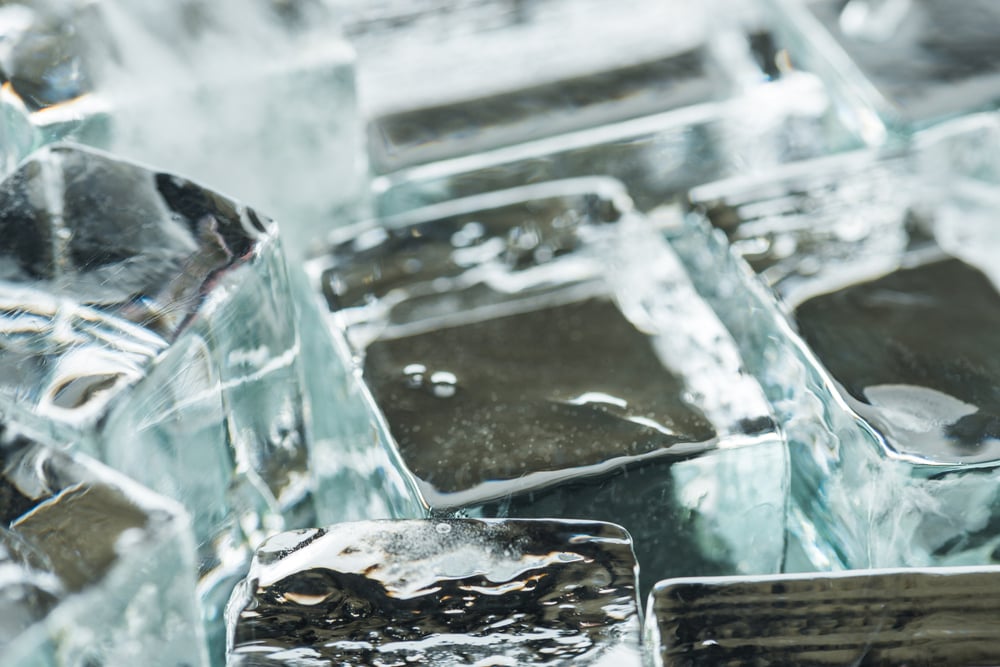
Building with ice might seem like something out of a fairy tale, but it’s been a practical solution for centuries. In Jukkasjärvi, a village in Sweden within the Arctic circle, each year a hotel constructed entirely out of ice is built, with every room being a display of art carved in ice.
The technique isn’t new – indigenous peoples have used ice construction for igloos and temporary shelters for thousands of years. Ice has been used for novelty structures like ice bars and more traditional uses like igloos that would last for the greater part of winters in extremely cold climates.
Salt Blocks

Salt isn’t just for seasoning – it’s also been a legitimate building material. The Palacio de Sal Resort is a hotel at the edge of the Salar de Uyuni Plain that is made completely out of salt, using over 1 million 14-inch blocks of compressed salt grains.
This unusual hotel has walls, tables, and beds all constructed from salt blocks. Historically, regions with abundant salt deposits used this material for both practical and decorative construction elements.
Beer Bottles

One Thai temple took recycling to an impressive extreme. In Thailand there is a 20-building temple complex that comprises more than 1.5 million Heineken and Chang beer bottles.
The Temple of a Million Bottles was built using a combination of green Heineken bottles and brown Chang bottles, with decorative mosaics constructed from beer bottle caps. The monks who built this temple wanted to highlight the wasteful nature of consumption and prove that beauty could be reclaimed from trash.
Horsehair

Before modern materials, builders needed something to reinforce their plaster – enter horsehair. Before the development of plaster reinforced with mesh, horsehair was commonly used to improve the strength and performance of internal plaster within buildings.
The long strands of horsehair bonded with lime plaster to prevent cracking and help the mixture set properly. This technique was so effective that many historic buildings still contain horsehair plaster in their original walls.
Pulped Books

Sometimes old literature gets a second life in unexpected ways. Back in 2003, construction workers used a colossal 2.5 million Mills and Boon romance novels when building the M6 toll road.
The books were pulped at a recycling firm and used to construct the top layer of the motorway. According to project managers, the books provided the perfect material due to being highly absorbent.
Only damaged or end-of-line copies were used, so romance fans didn’t lose any good reading material.
Thatch
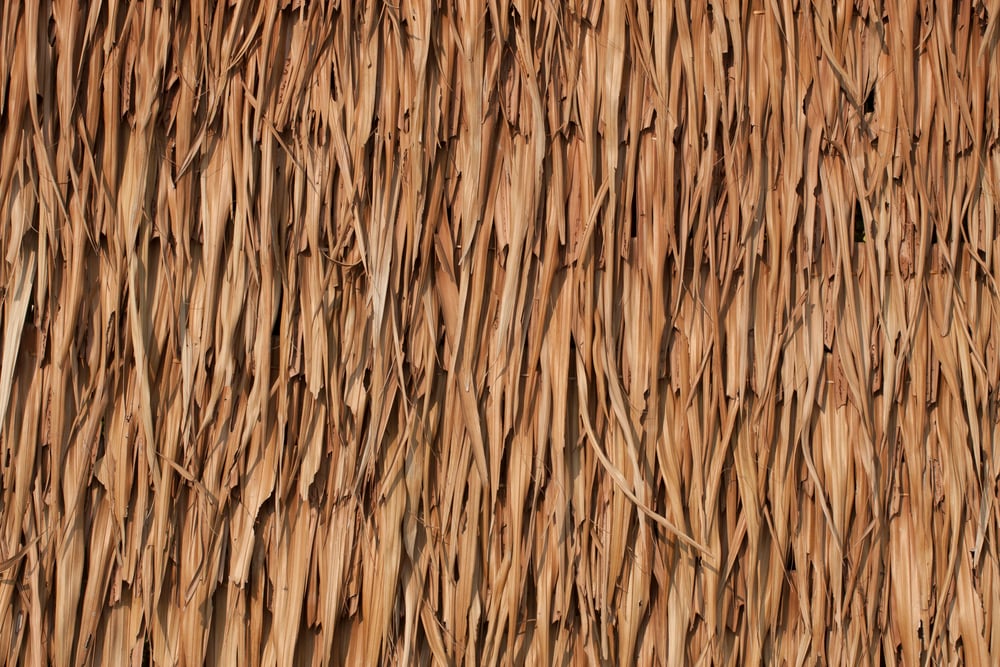
Thatched roofing proves that sometimes the simplest materials work best. The use of reeds, rushes, straw or other plant materials to create a thick, water-resistant roof covering is one of the oldest building techniques still in use today.
While these roofs look picturesque on British cottages, they require specialized skills for installation and ongoing maintenance. The technique has survived for thousands of years because properly installed thatch can last decades and provides excellent insulation.
Elephant Dung

In some parts of the world, elephant dung became a surprisingly practical building material. Mixed with clay and straw, it created a composite material that was both strong and readily available in regions where elephants were common.
The fibrous nature of the dung helped bind other materials together, while its natural properties made it resistant to certain pests. This wasn’t just about using what was available – elephant dung actually improved the quality of the final construction material.
Cork

Portugal took advantage of its natural resources in a big way for architectural projects. Portugal produces about half of the world’s cork, so it made sense that its entry for Expo 2010 Shanghai incorporated it, with the entire pavilion covered in cork.
The cork was heated with steam, causing the particles to expand and then bind together, resulting in material that is an excellent insulator and environmentally friendly. The pavilion was so popular that visitors reportedly sliced off pieces of the facade to take home as souvenirs.
Plastic Bottles
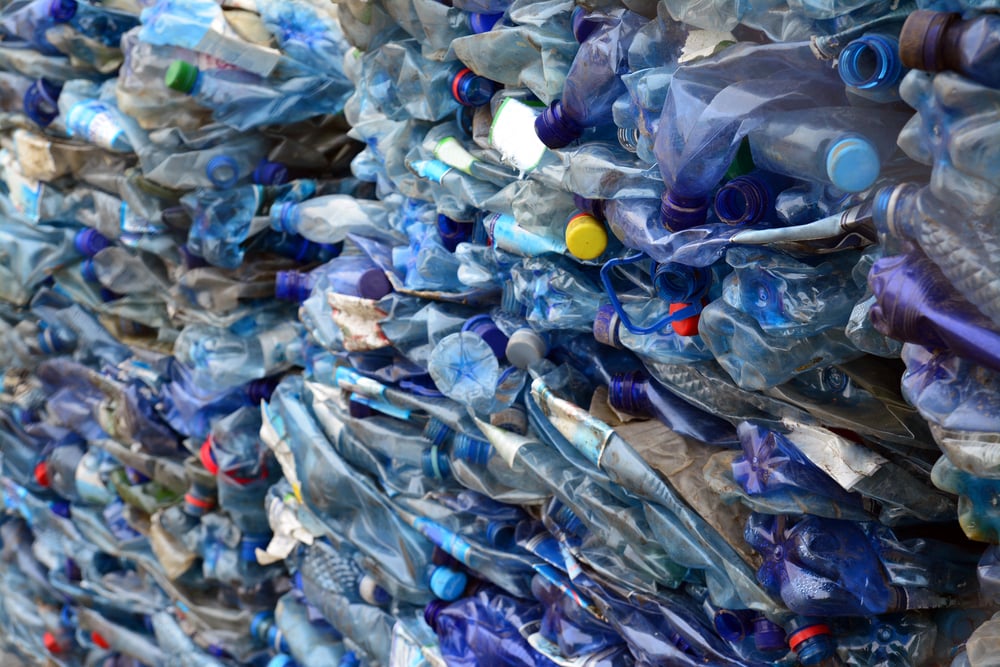
Modern recycling has given new life to plastic waste in construction. The Far Eastern Group used 1.52 million plastic bottles to build an environmentally friendly, earthquake- and hurricane-resistant structure for the 2010 Taipei International Expo.
The benefit of using plastic bottles is their extremely low cost and their ability to act as insulating materials, since air is a very good insulator and sealed bottles of air will tend to keep heat in or out as desired. This technique has spread to low-cost housing projects around the world.
Rubber Tires

Millions of tires get thrown away every year, but some builders saw opportunity in this waste. Tires are, in many ways, a perfect building material – they are as tough as they are plentiful and can be used as a stacking system for walls.
When filled with clay and stacked like bricks, tires create walls that are incredibly strong and well-insulated. Rubber, being highly insulating, makes a building constructed in this way cheap to heat or keep cool.
Corn

Leave it to the French to turn movie theater snacks into building materials. France designed the ‘Tourner autour de Ried’, a corn on the cob house built in a circular shape that allows sunlight to filter through the structure at any given point during the day.
A research team at the University of Göttingen came up with the idea of using popcorn to produce special building panels, where popcorn granules are pressed and then coated with plywood or aluminum. These panels weigh considerably less than traditional materials and can be easily recycled.
Aircraft Parts

When planes reach the end of their flying days, some get a second career as housing. Since a retired plane is of no value except as scrap metal, they can be had very reasonably, and because of the advantages converted planes have as homes there are now several companies which specialize in them.
The aerodynamic design that made them efficient in the air also makes them structurally sound on the ground. These conversions offer unique living spaces that are both environmentally friendly and surprisingly practical.
Building Innovation Through the Ages

These unusual materials remind us that human creativity knows no bounds when it comes to shelter. What started as necessity – using whatever was locally available – often led to discoveries about material properties that modern science later confirmed.
From ancient Chinese engineers perfecting sticky rice mortar to contemporary architects turning waste into walls, builders have always found ways to work with what they have. Many of these techniques are experiencing revivals today as we search for more sustainable and cost-effective construction methods.
More from Go2Tutors!

- The Romanov Crown Jewels and Their Tragic Fate
- 13 Historical Mysteries That Science Still Can’t Solve
- Famous Hoaxes That Fooled the World for Years
- 15 Child Stars with Tragic Adult Lives
- 16 Famous Jewelry Pieces in History
Like Go2Tutors’s content? Follow us on MSN.



