Street Foods With Fascinating Backstories
Street food is more than just a quick meal grabbed on the go. Every cart, every vendor, and every beloved dish carries a story that stretches back through time, often revealing surprising twists about culture, necessity, and human creativity.
These foods have fed generations, survived wars, and crossed oceans to become the favorites they are today. Let’s dig into the stories behind some of the world’s most loved street foods and see what makes them so special.
Hot Dogs
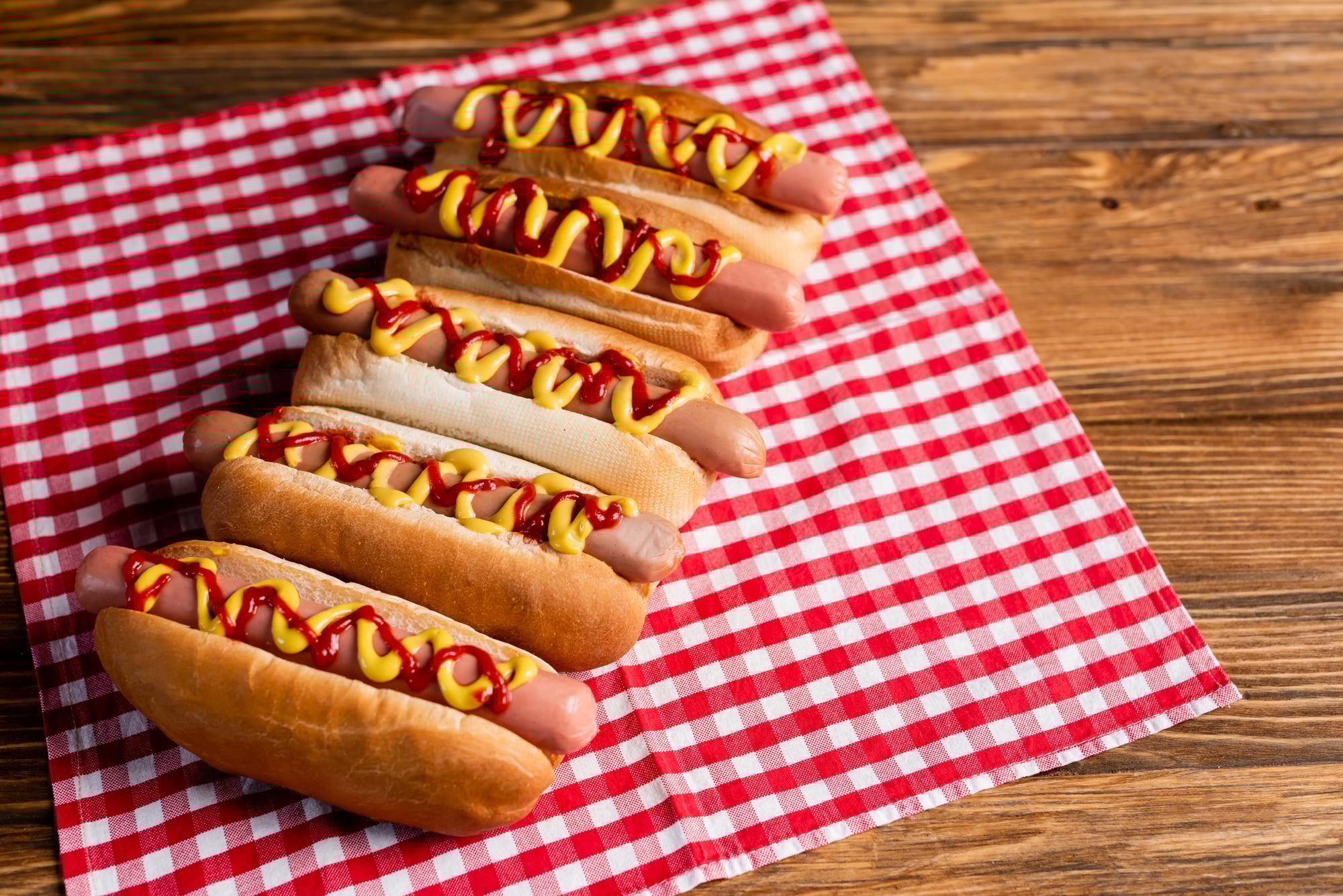
The hot dog might seem like an all-American classic, but its roots trace back to German immigrants in the 1800s. Frankfurt and Vienna both claim to be the birthplace of the sausage that would become this iconic snack.
When German butchers arrived in New York City, they brought their sausage-making skills with them and started selling them from pushcarts. The name ‘hot dog’ supposedly came from a cartoonist who couldn’t spell ‘dachshund’ and just drew a long dog in a bun instead.
Whether that story is true or not, the name stuck, and by the early 1900s, hot dogs were everywhere from Coney Island to baseball stadiums across America.
Tacos
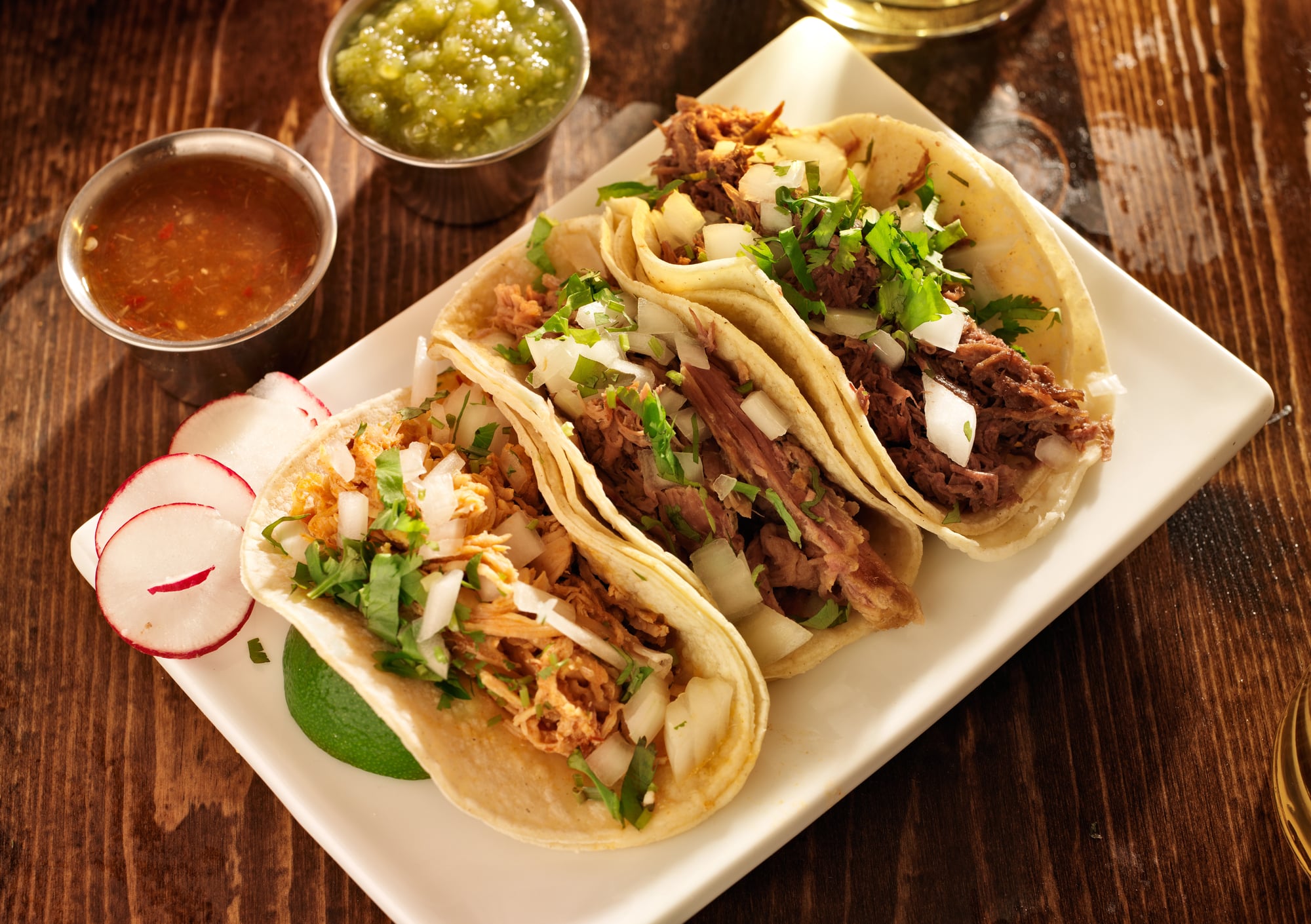
Tacos have been around far longer than most people realize. Silver miners in 18th-century Mexico used the word ‘taco’ to describe the small charges they wrapped in paper to excavate ore.
The food version likely came from Mexican women called ‘chili queens’ who sold them in San Antonio’s plazas during the late 1800s. These women set up open-air stands every evening and served simple tacos filled with spiced meat to workers and travelers.
When Mexican immigration increased in the early 20th century, tacos spread across the American Southwest and eventually became one of the most popular street foods in the world.
Falafel
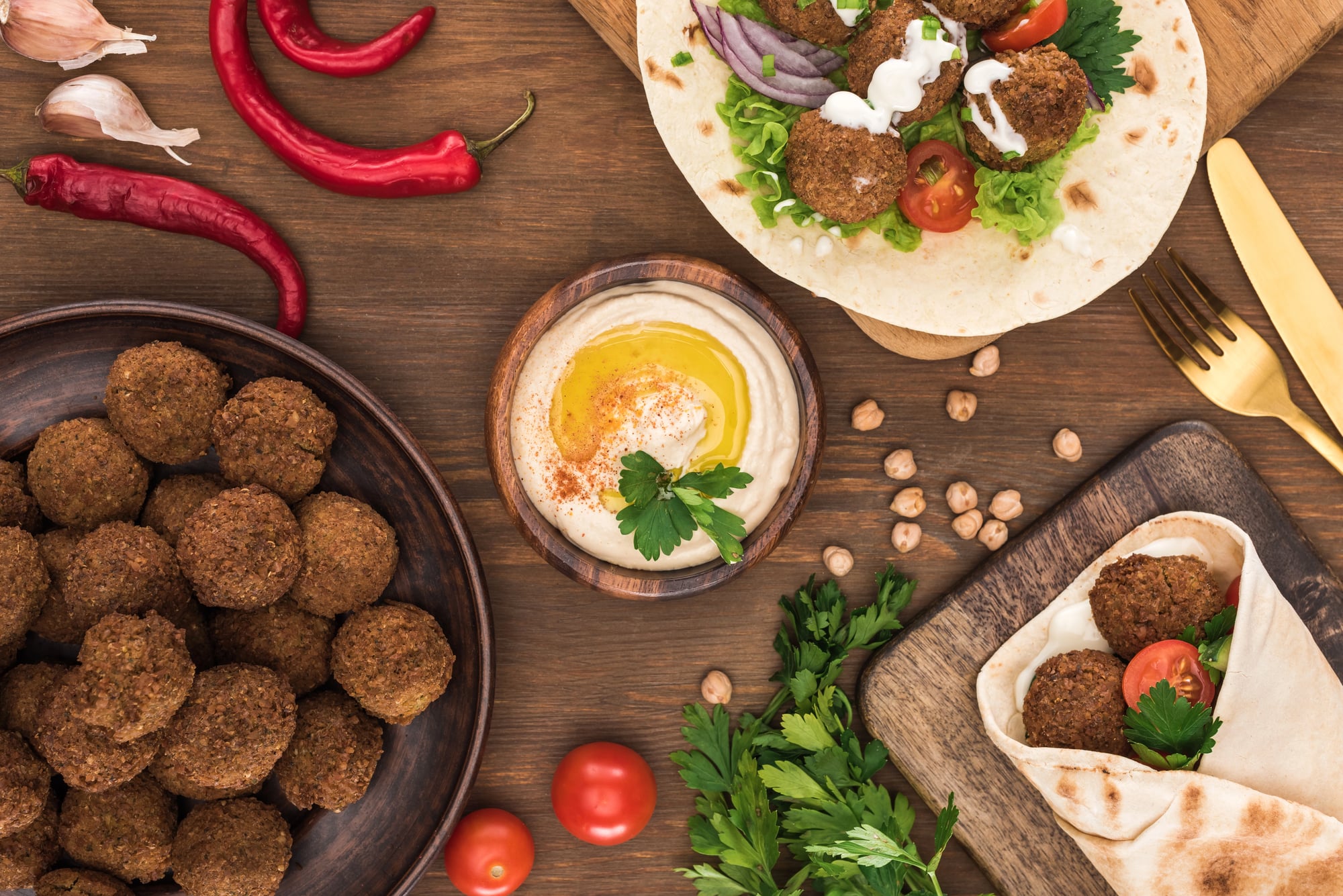
Falafel’s exact origins remain hotly debated between Egypt and the Levant region, but most food historians agree it’s ancient. Some claim Egyptian Copts created it as a meat substitute during Lent, while others insist it started in Palestine or Lebanon.
What’s certain is that falafel became a street food staple across the Middle East centuries ago. Vendors would fry up these crispy chickpea rounds fresh and serve them in pita bread with vegetables and tahini sauce.
When Middle Eastern immigrants moved to Europe and North America in the mid-1900s, they brought falafel with them, and it quickly became a go-to vegetarian option on city streets everywhere.
Pad Thai

Pad Thai is actually a fairly modern invention created for political reasons. In the 1930s, Thailand’s Prime Minister Plaek Phibunsongkhram wanted to unite the country and reduce rice consumption during a shortage.
He launched a campaign promoting noodles as a national dish and even distributed recipes for Pad Thai to street vendors across Bangkok. The government encouraged everyone to eat it as a show of patriotism and national identity.
The dish caught on so well that within a few decades, Pad Thai became synonymous with Thai cuisine itself, even though it hadn’t existed before the 1930s.
Pretzels
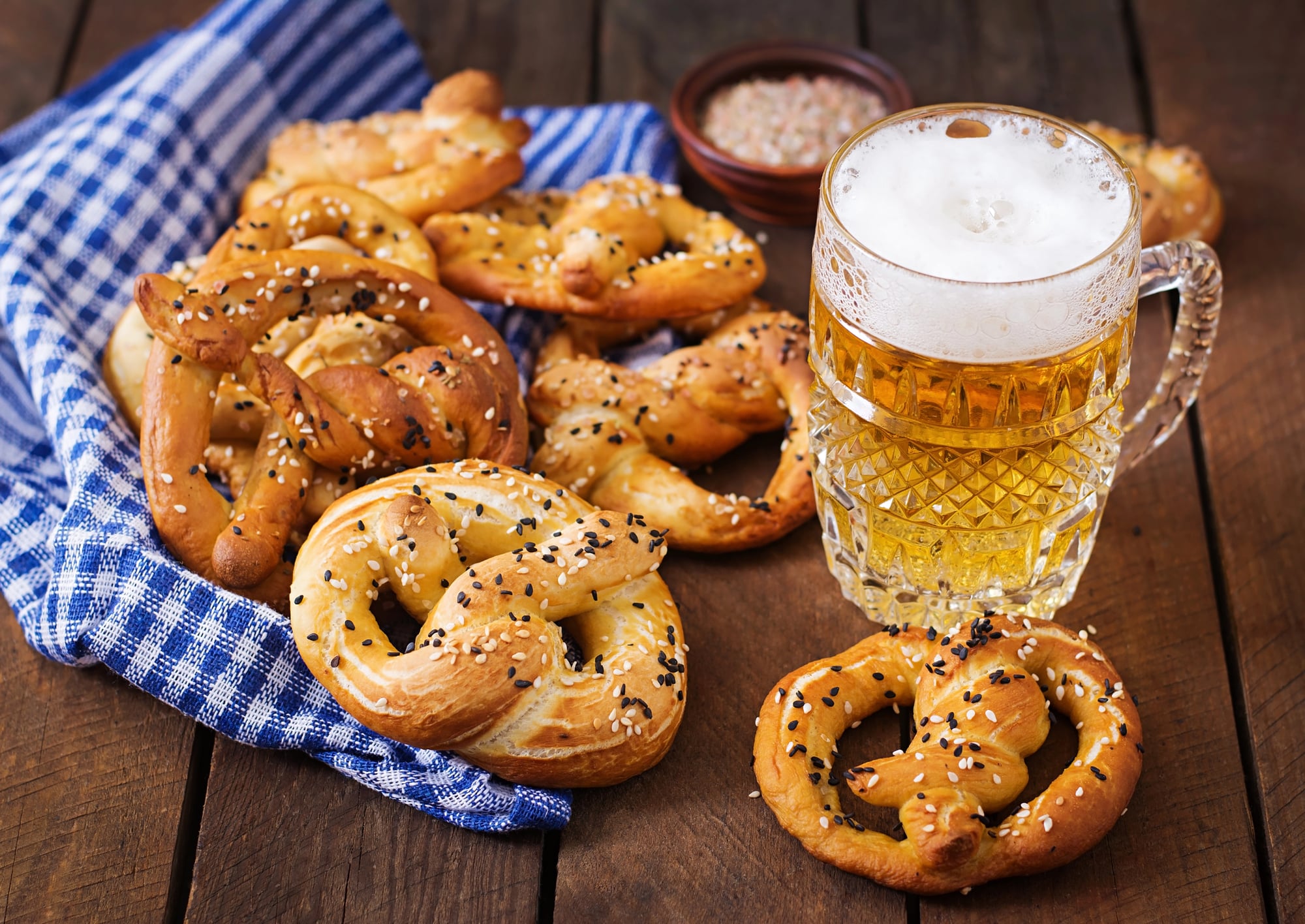
Pretzels have a surprisingly religious backstory that goes back to medieval Europe. Italian monks in the early 600s created them as rewards for children who learned their prayers.
They shaped leftover dough into twisted knots that looked like arms crossed in prayer. German bakers later adopted the pretzel and made it a street food staple, selling them from carts to workers and travelers.
When German immigrants came to Pennsylvania in the 1700s, they brought their pretzel-making traditions with them, and the snack became especially popular in Philadelphia and other East Coast cities.
Bánh Mì
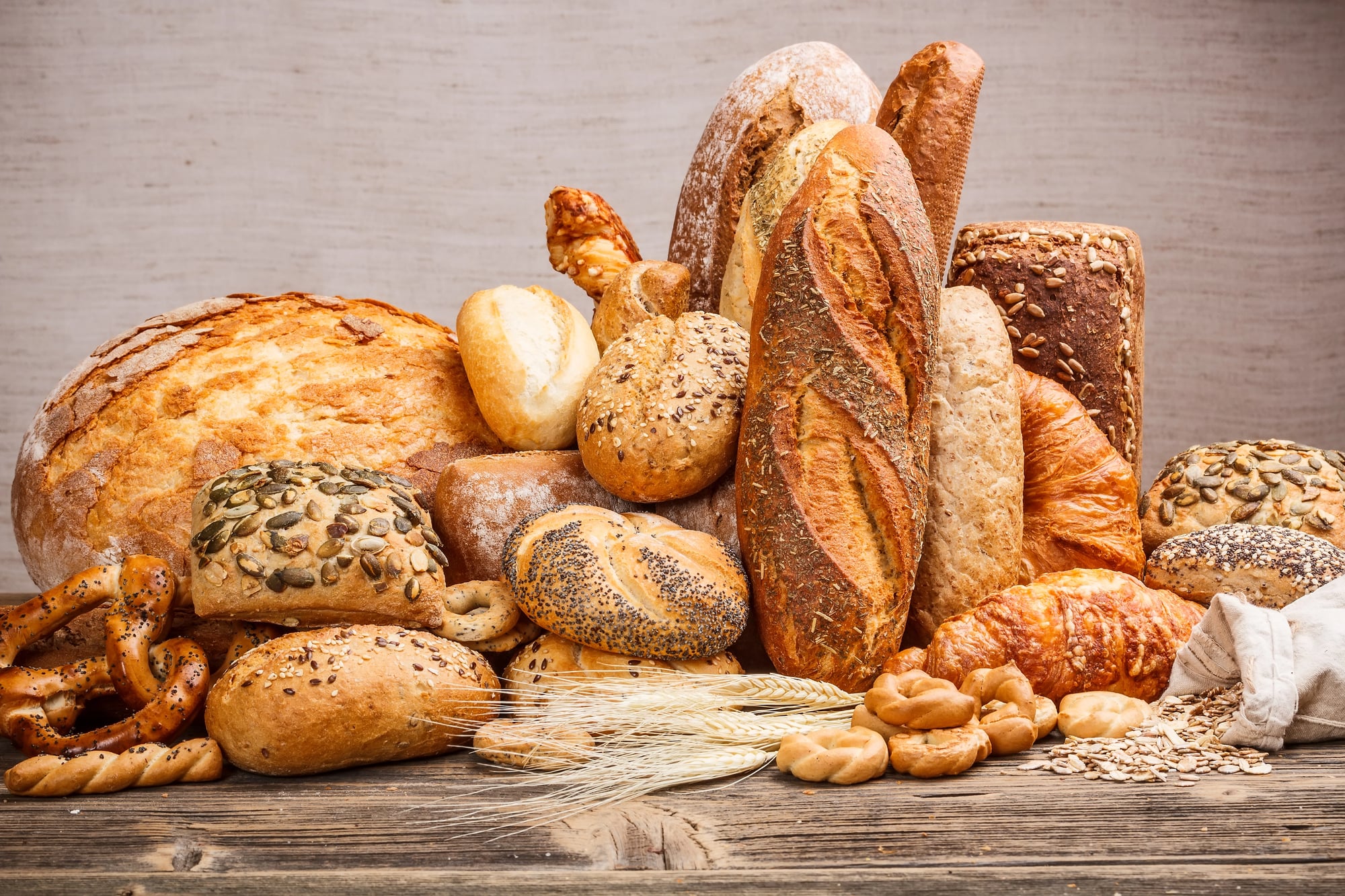
The bánh mì sandwich is a delicious result of French colonialism in Vietnam. When France occupied Vietnam in the mid-1800s, they introduced baguettes to the region.
Vietnamese bakers adapted the recipe, creating a lighter, airier version using rice flour mixed with wheat. After the French left in 1954, resourceful Vietnamese vendors started filling these baguettes with local ingredients like pickled vegetables, cilantro, pâté, and grilled meats.
The fusion sandwich became a street food phenomenon in Saigon and eventually spread worldwide when Vietnamese refugees brought it to other countries during the 1970s and 1980s.
Empanadas
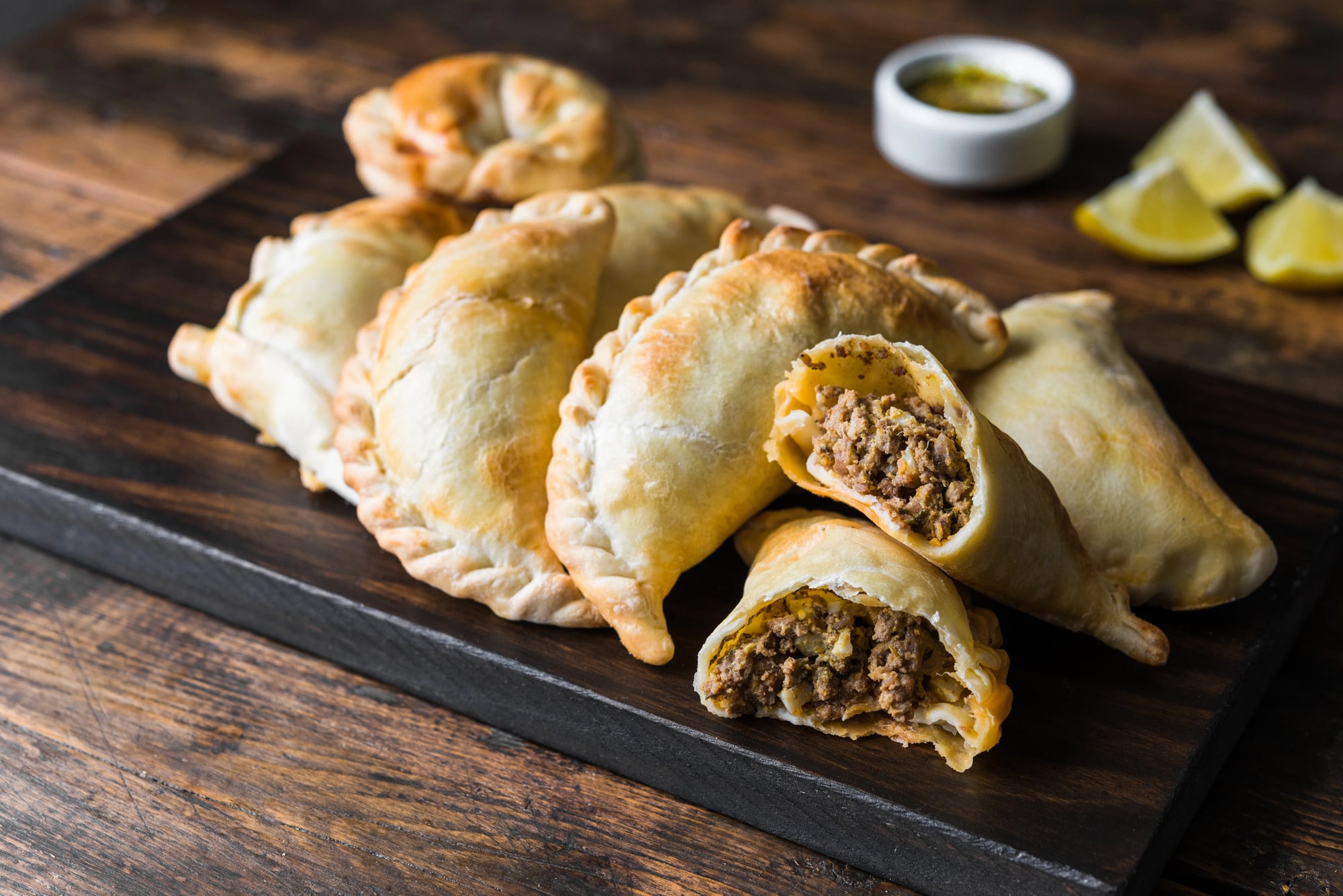
Empanadas traveled an incredibly long distance to become the street food we know today. They originated in Galicia, Spain, and Portugal during medieval times as a portable meal for workers and travelers.
The name comes from the Spanish verb ’empanar’, which means to wrap in bread. When Spanish colonizers came to Latin America in the 1500s, they brought empanadas with them, and each region adapted the recipe using local ingredients and flavors.
Argentine empanadas feature beef and olives, Chilean versions include hard-boiled eggs, and Colombian empanadas are made with corn flour instead of wheat.
Currywurst
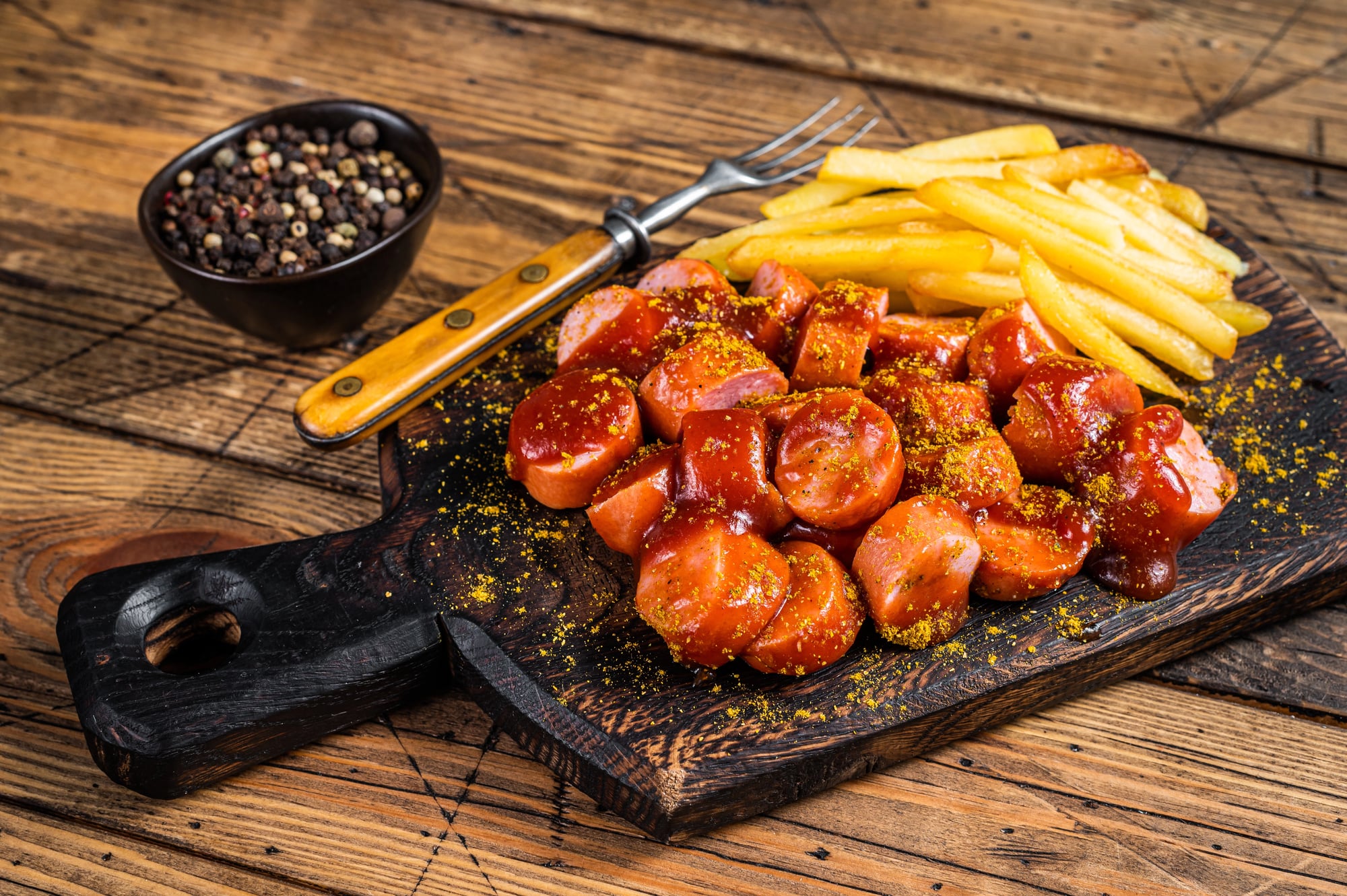
Currywurst was born from post-war scarcity in Berlin. In 1949, a woman named Herta Heuwer managed to get curry powder and ketchup from British soldiers stationed in Germany.
She mixed them together, poured the sauce over grilled sausage, and started selling it from a street stand in West Berlin. Germans were desperate for affordable, filling food after World War II, and this spiced sausage hit the spot perfectly.
It became so popular that Berlin now has a museum dedicated to currywurst, and Germans consume an estimated 800 million of them every year.
Arepas
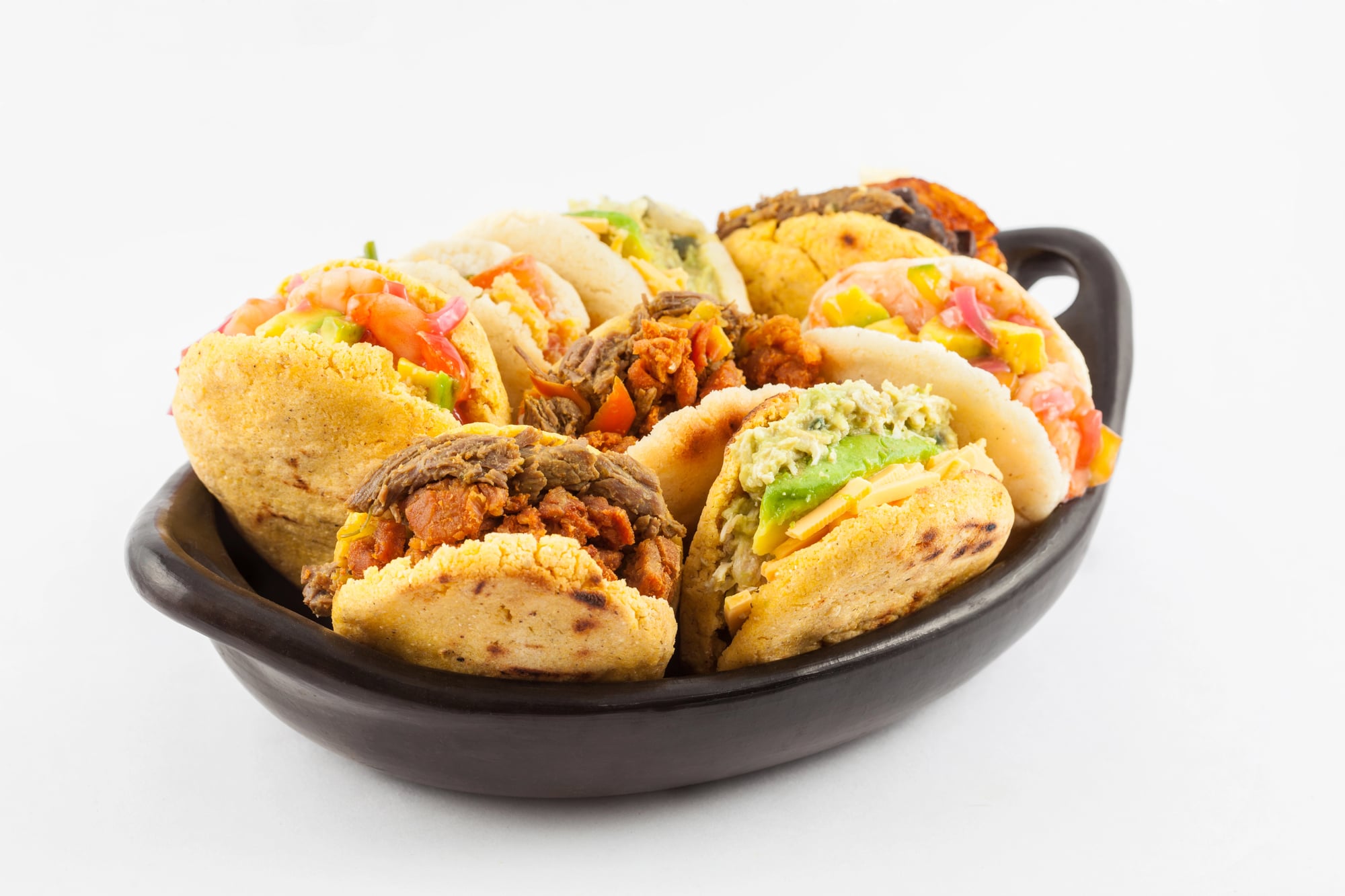
Arepas have been feeding people in South America for thousands of years. Indigenous tribes in what’s now Venezuela and Colombia made them long before European contact, grinding corn between stones and cooking the dough on clay griddles.
The name possibly comes from ‘erepa’, the indigenous word for corn bread. When Spanish colonizers arrived, they adopted arepas as a quick, cheap meal, and street vendors have been selling them ever since.
Different regions developed their own styles, with Venezuelans preferring them stuffed with fillings and Colombians often eating them topped with butter and cheese.
Döner Kebab
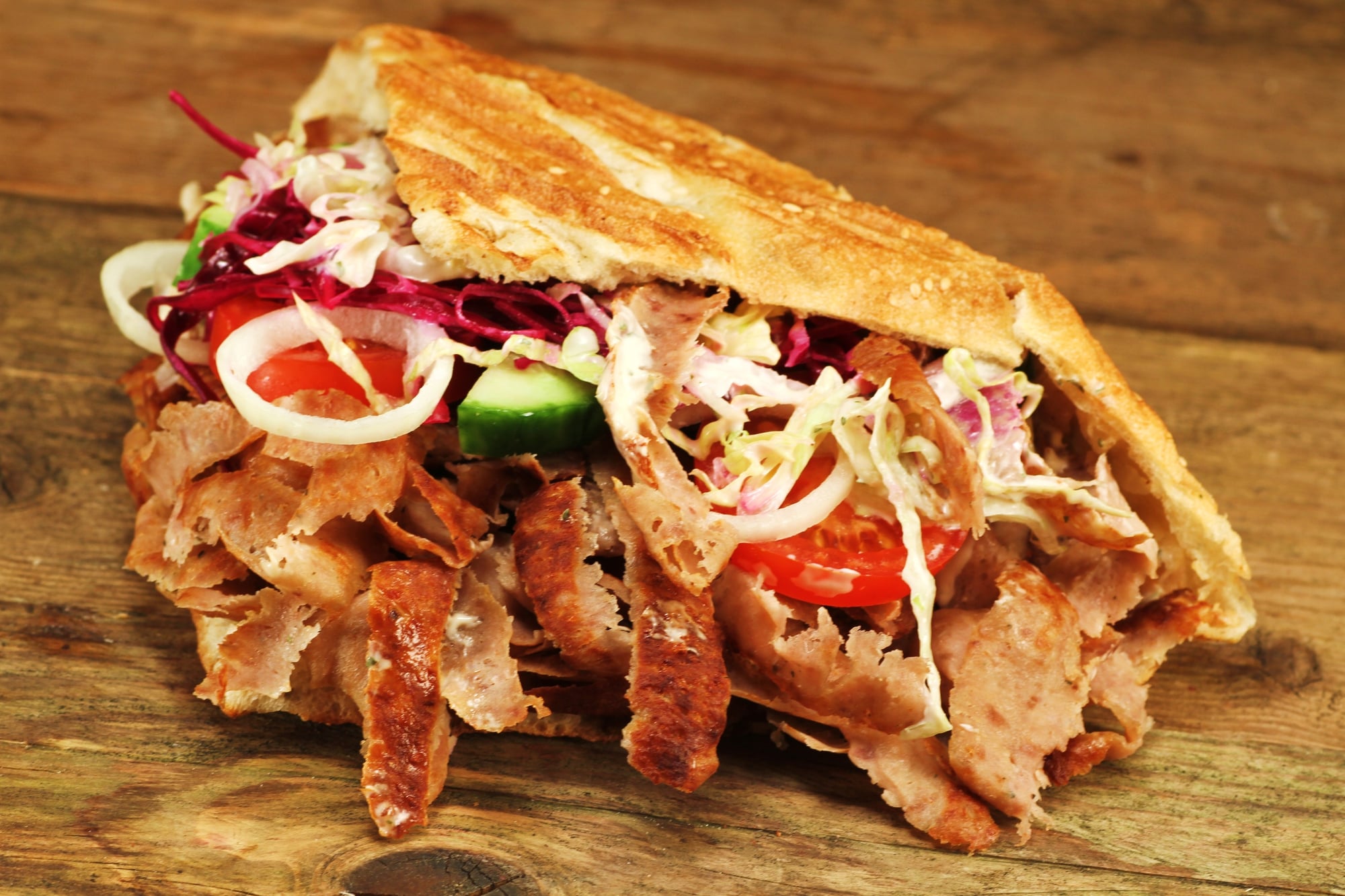
The döner kebab as we know it today was invented by Turkish immigrants in Berlin during the 1970s. While vertical spit-roasted meat had existed in Turkey for centuries, a man named Kadir Nurman is credited with first serving it in pita bread as a sandwich for German workers who needed a quick lunch.
The idea caught on fast in West Berlin and soon spread across Germany and Europe. Today, döner shops outnumber McDonald’s locations in Germany, and the dish has become one of Europe’s most popular street foods, generating billions in annual sales.
Poutine
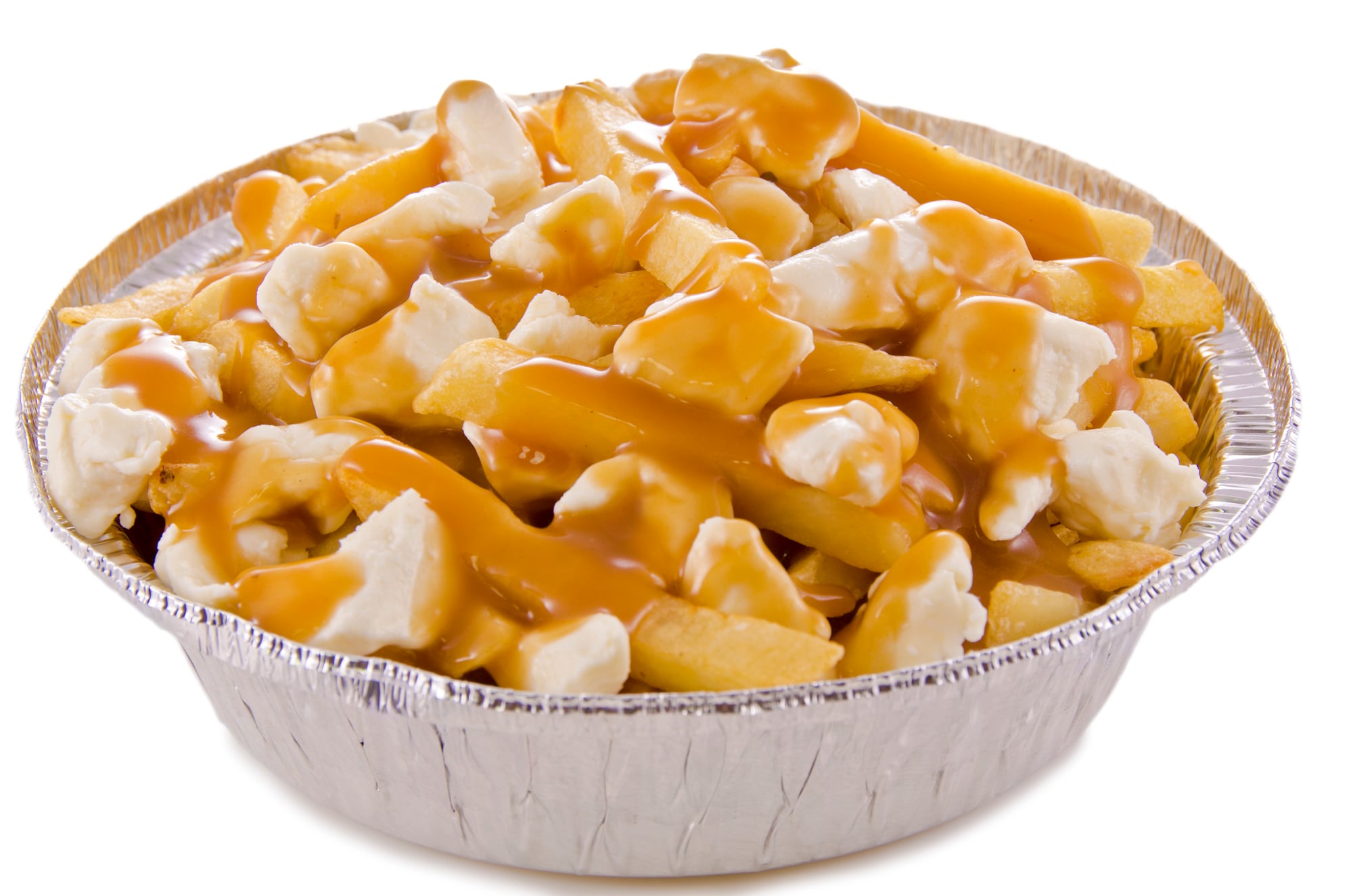
Poutine started as a rural Quebec dish that nobody took seriously at first. In the late 1950s, a customer at a restaurant in Warwick, Quebec, asked for cheese curds and fries mixed together.
The owner supposedly replied that it would make a ‘poutine’, which is Quebecois slang for a mess. Someone later added gravy to the mix, and the combination turned out to be incredibly satisfying.
Snack bars across Quebec started serving it throughout the 1960s and 1970s, though it was considered low-class comfort food. Poutine didn’t gain respect as a legitimate dish until the 1990s, when upscale restaurants began offering gourmet versions.
Takoyaki
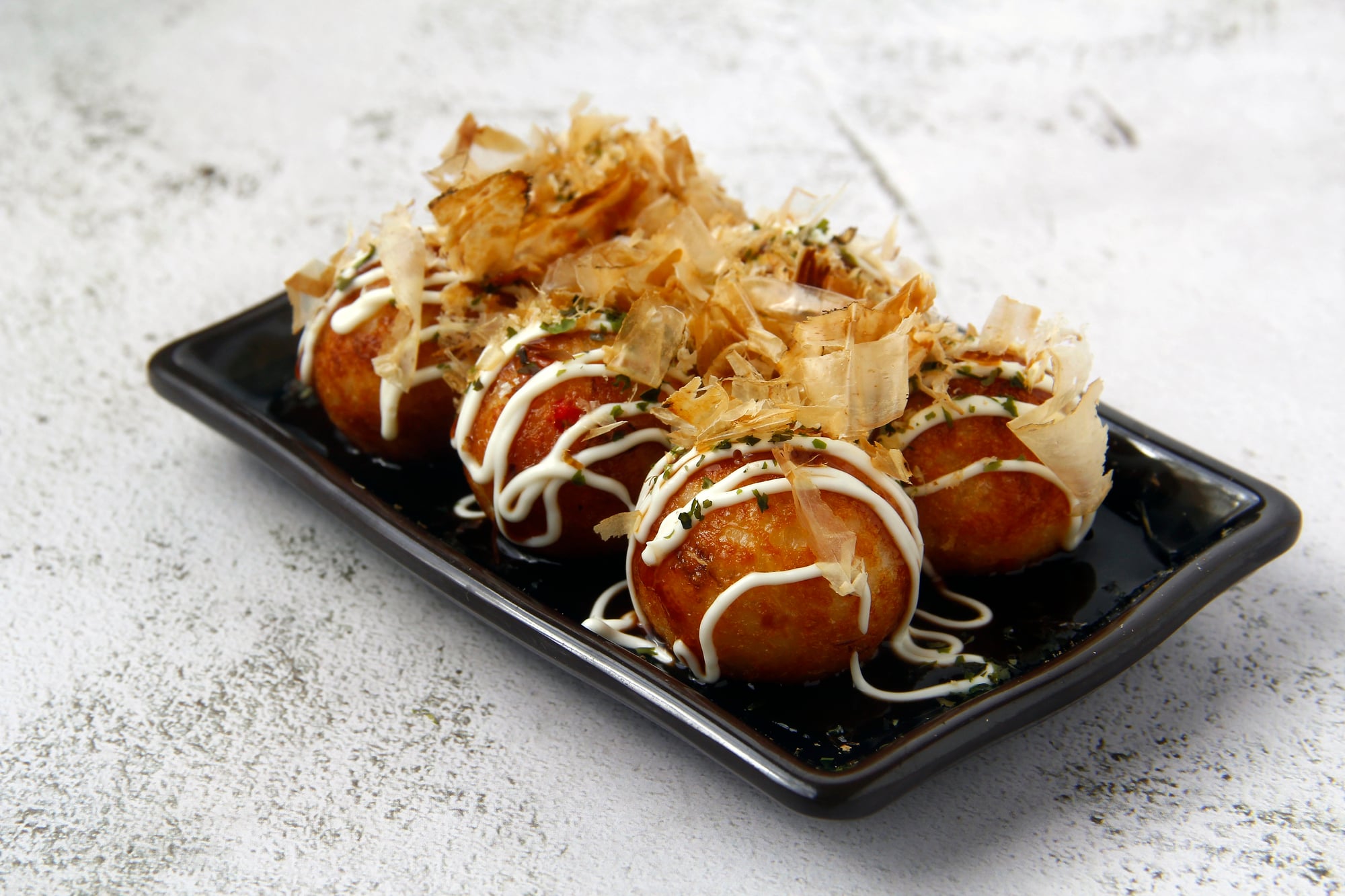
Takoyaki orbs were invented in Osaka in 1935 by a street vendor named Tomekichi Endo. He was inspired by a similar snack called akashiyaki but wanted to create something more filling and flavorful.
Endo developed a special pan with half-spherical molds and filled the batter with bits of octopus, tempura scraps, pickled ginger, and green onions. The snack exploded in popularity across Japan, especially after World War II when food was scarce and cheap street food was essential.
Now takoyaki is considered a symbol of Osaka, and specialized takoyaki shops have spread across Asia and beyond.
Shawarma
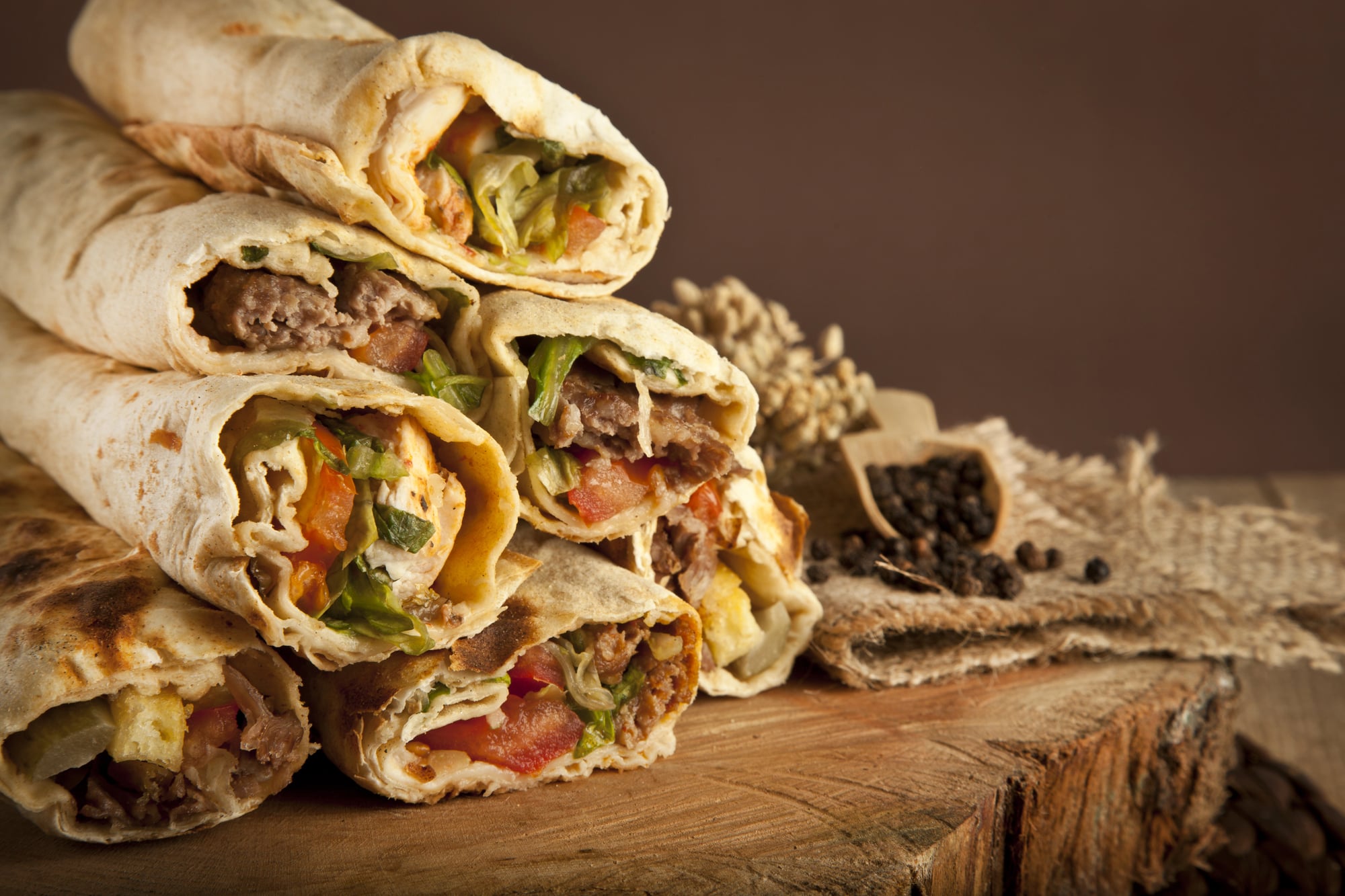
Shawarma descended from the Turkish döner kebab but developed its own distinct identity across the Middle East. The cooking method of stacking seasoned meat on a vertical rotisserie dates back to the Ottoman Empire in the 1800s.
Arab cooks in the Levant region adapted the technique using different spices, marinades, and serving methods. Unlike döner, shawarma is typically served in flatbread with tahini or garlic sauce and pickled vegetables.
Lebanese and Syrian immigrants brought shawarma to Mexico in the early 1900s, where it evolved into tacos al pastor, proving how street foods continue to transform as they travel.
Arepa De Huevo
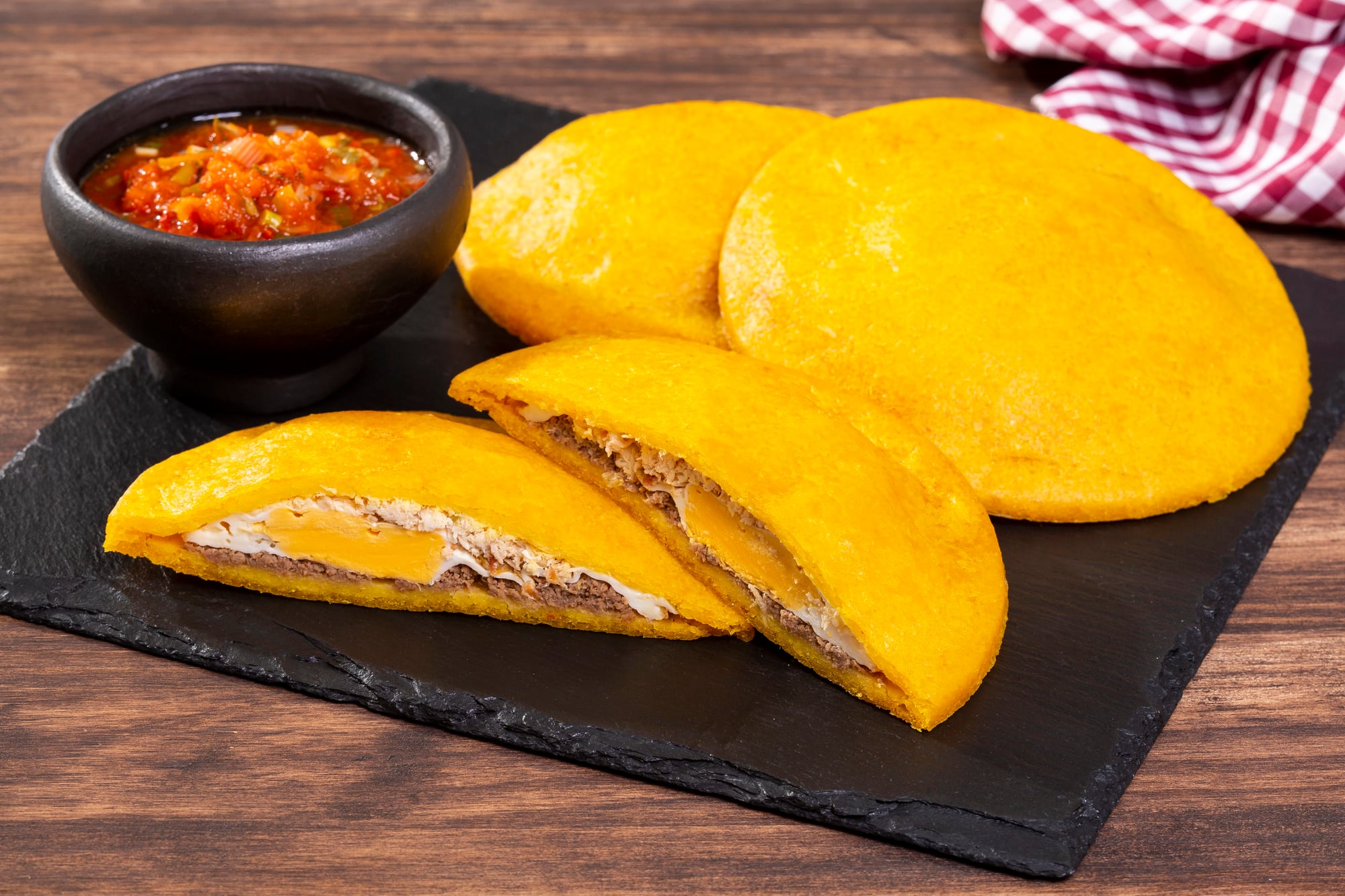
A tale of cleverness shapes this Colombian breakfast favorite. From Cartagena’s streets came a twist on humble arepas, built to satisfy hunger better while earning more coin.
Once the golden corn shell swells in hot oil, a slit appears – then an egg slips into its core. Back into the pan it goes, letting heat seal the center until firm.
Early 1900s economics helped spark the idea: eggs cost little then, yet stood out among crowded stalls. Over time, locals embraced it fully, turning crunch outside with soft richness into routine mornings.
Along Colombia’s northern edge, especially where sea breezes touch Cartagena and Barranquilla, people still reach for it first at sunrise.
Bunny Chow
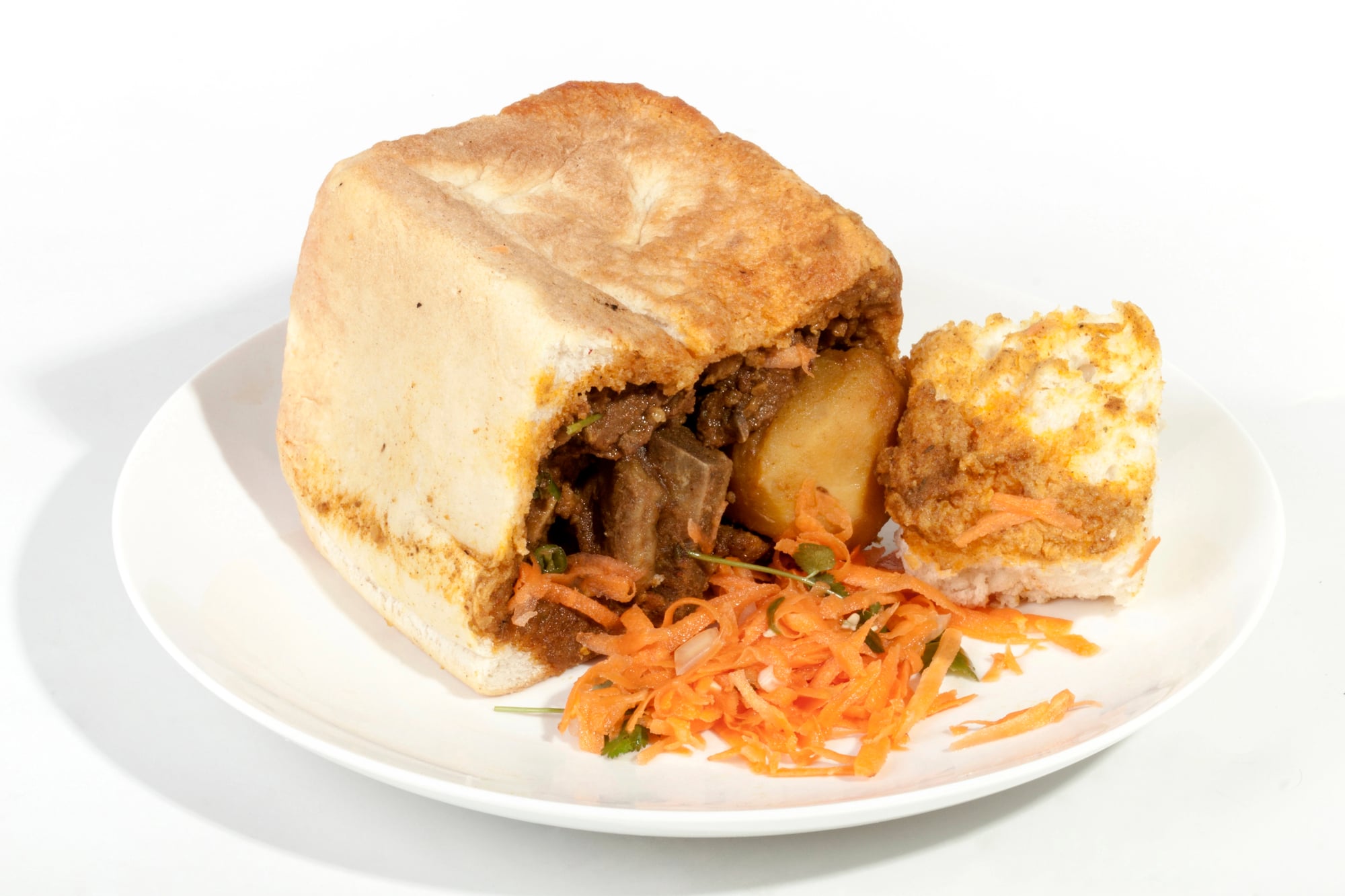
From Durban’s Indian kitchens under apartheid laws, bunny chow took shape. During the 1940s, laborers had few options when barred from eateries.
Instead of plates, bakers began scooping out bread rounds, packing them with steaming curry inside. Because it could be held in hand without tools or dishes, it spread fast.
Some say “banya,” pointing to traders from India, gave rise to the name. Others link it to swift messengers known as bunny boys who carried these meals across town.
Born from unfair treatment, yet slowly it turned into something deeply valued. Today, what began quietly stands recognized widely – part of South Africa’s food story.
History sits at the table when meals are made. Taste carries stories forward through time.
Every dish holds a moment from the past. Out on the corners and alleys, each bite carries whispers of those who made it under skies both tough and kind.
Born not by design but from need, imagination, shift after shift, these flavors took root when life demanded more from less. A humble plate for someone rushing between jobs slowly turned into something whole communities hold close.
Hold that warm bundle in your hand, bought mid-step from a sizzling grill – somewhere behind its spice is a past refusing to fade.
More from Go2Tutors!

- The Romanov Crown Jewels and Their Tragic Fate
- 13 Historical Mysteries That Science Still Can’t Solve
- Famous Hoaxes That Fooled the World for Years
- 15 Child Stars with Tragic Adult Lives
- 16 Famous Jewelry Pieces in History
Like Go2Tutors’s content? Follow us on MSN.