16 Things From the 70s That No One Talks About
Do you recall the hip decade that brought us Star Wars, disco, and bell-bottoms? Many intriguing features of this revolutionary age have fallen into history, but some characteristics of the 1970s are still deeply ingrained in our collective memory.
The 1970s were a singular time of cultural change, technical advancement, and social upheaval that influenced modern America in ways that we hardly ever recognize now. These 16 overlooked artifacts and occurrences from the 1970s are worth a second look.
Papasan Chairs

During the Vietnam War, these round, bowl-shaped, cushioned chairs were imported from Asia and became commonplace in American homes. Their unique style provided a comfortable substitute for conventional seating arrangements, making it the ideal place to unwind while listening to a vinyl record or reading a book.
Papasan chairs, which combined comfort and a dash of counterculture cool, represented the expanding Eastern influence on American interior design.
Oil Crisis Flags

During the oil crisis, gas stations across America adopted a color-coded flag system to communicate their fuel status to desperate drivers. Green flags indicated gas was available, while red flags warned that pumps had run dry.
These simple fabric indicators became anxiety-inducing symbols for Americans experiencing their first major energy crisis. The sight of a red flag could instantly ruin weekend plans and cause neighborhood panic.
Like Go2Tutors’s content? Follow us on MSN.
Jiffy Pop

Before microwave popcorn dominated snack time, Jiffy Pop reigned supreme as the theatrical way to prepare this favorite treat. The expandable aluminum pan with its built-in handle transformed cooking into entertainment as the foil dome magically inflated on the stovetop.
The anticipation of watching the container expand, accompanied by the escalating popping sounds, added an element of performance that modern popcorn preparation simply can’t match.
Payphone Directories

Those tattered phone books hanging from chains beneath payphones were essential navigation tools in a pre-smartphone world. These compact directories contained vital information for travelers and locals alike, helping connect people in an era when communication required physical infrastructure.
The unique smell of these well-worn pages combined with the distinct aroma of the phone booth created a sensory experience that’s completely vanished from modern life.
Simon Electronic Game
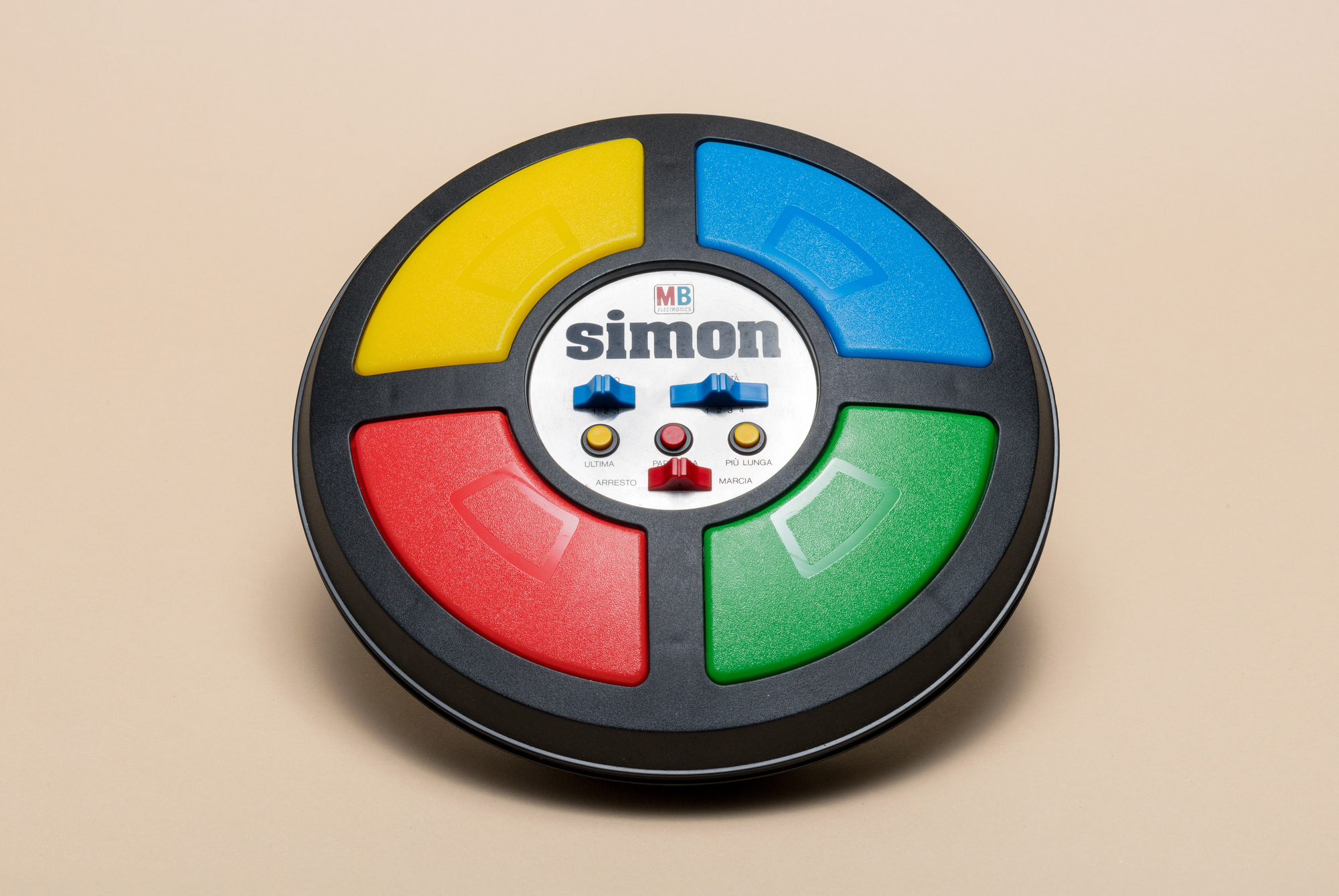
This deceptively simple electronic memory game captivated millions after its release. With just four colored buttons that lit up in sequences players had to memorize and repeat, Simon challenged both children and adults without complex rules or expensive equipment.
The distinctive electronic tones and glowing buttons represented the dawn of portable electronic entertainment, years before handheld gaming became ubiquitous.
Like Go2Tutors’s content? Follow us on MSN.
Wood-Paneled Station Wagons
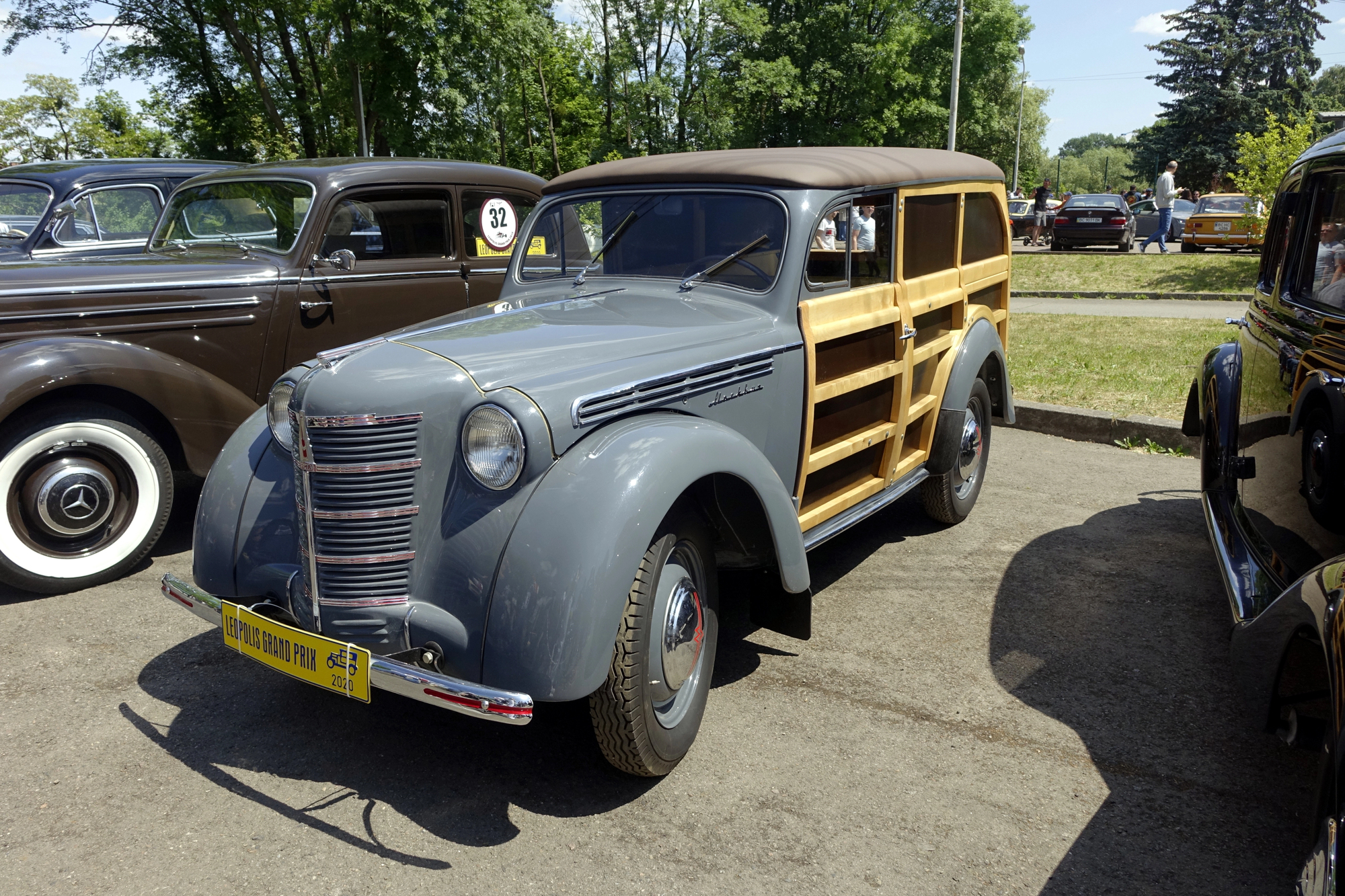
Before minivans and SUVs dominated family transportation, wood-paneled station wagons served as the quintessential family vehicle. These massive cars featured rear-facing third-row seats where kids could wave at trailing drivers and fake wood paneling that somehow passed as stylish.
The distinct feeling of bouncing around unrestrained in the ‘way back’ during long road trips remains a shared memory for a generation raised before stringent car safety regulations.
Highlights Magazine at Doctor’s Offices

This children’s magazine was a staple in waiting rooms across America, offering a welcome distraction during anxious pre-appointment moments. With its hidden picture puzzles and Goofus and Gallant moral lessons, Highlights provided entertainment while subtly reinforcing social values.
The well-worn copies passed through countless small hands, creating a shared cultural touchpoint for children of the decade.
Reel-to-Reel Tape Recorders
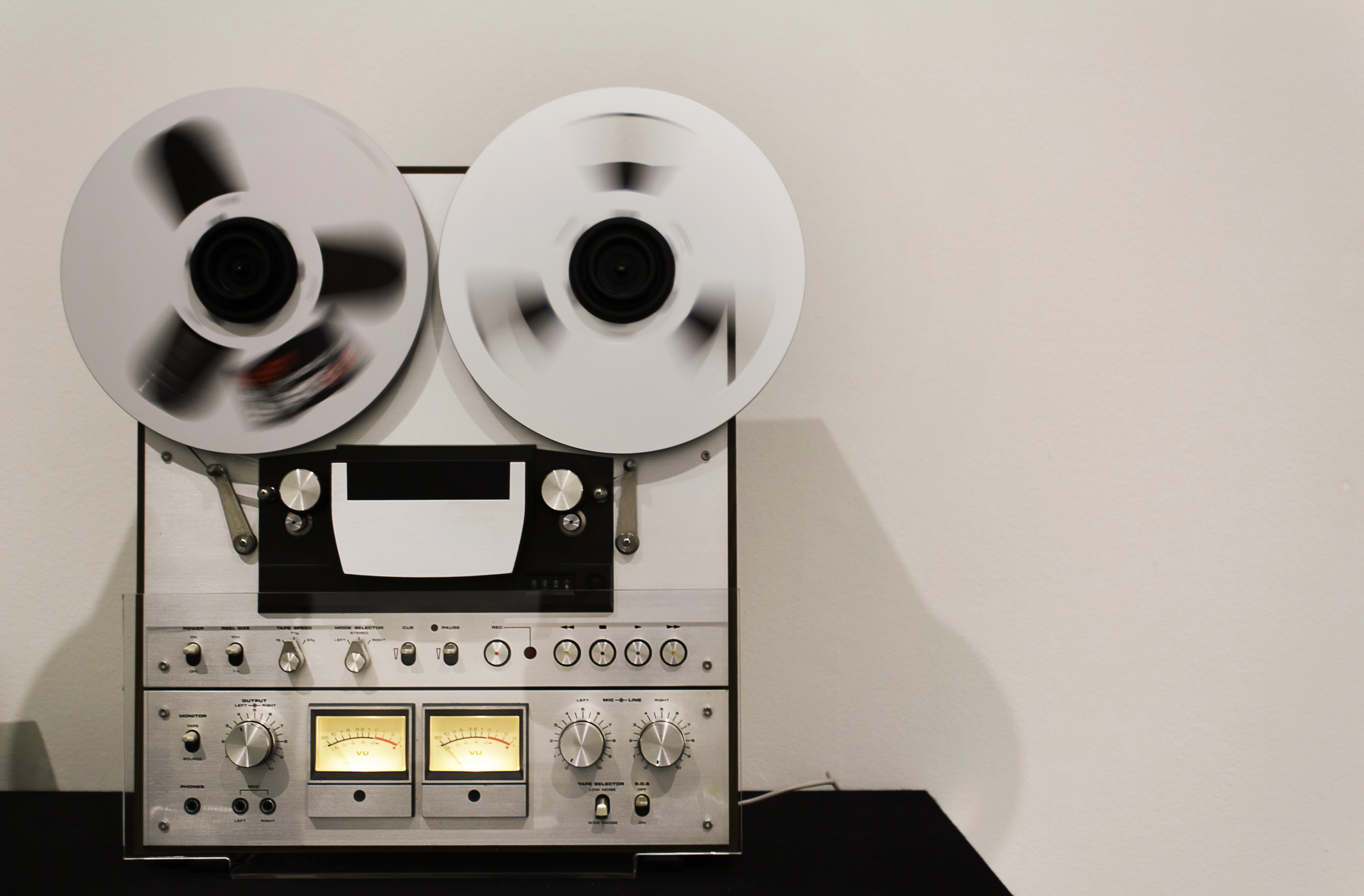
Before cassettes completely took over, reel-to-reel tape recorders represented the height of audio technology for home use. Threading the tape through the machine’s complex path required near-surgical precision and patience.
These substantial devices with their spinning reels offered superior sound quality but demanded technical skill that made them simultaneously impressive and intimidating for average users.
Like Go2Tutors’s content? Follow us on MSN.
Crestwood House Monster Books
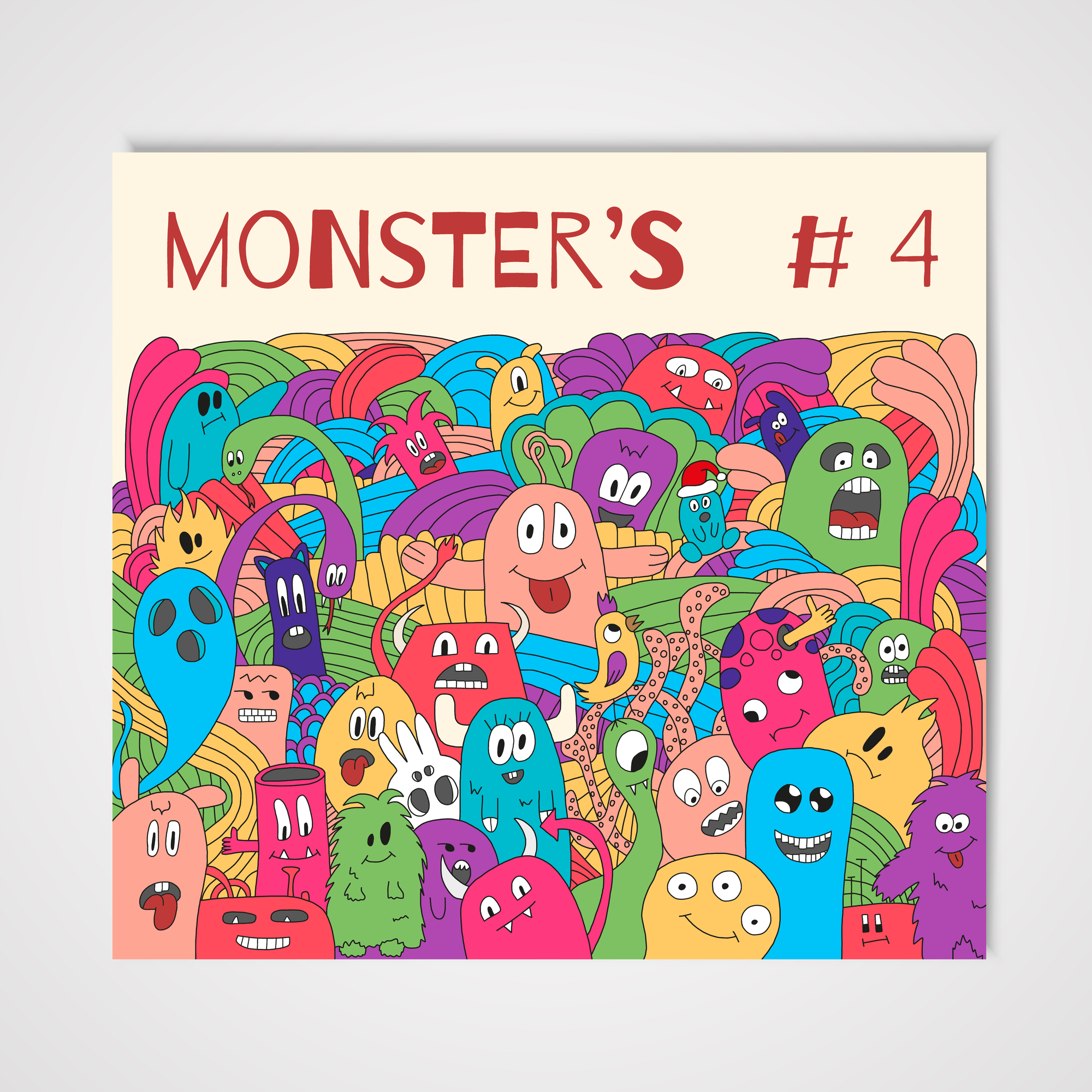
These slim volumes introduced a generation of children to classic movie monsters, creating miniature horror aficionados in elementary schools nationwide. With their distinctive covers and carefully edited content that made Universal monsters accessible to young readers, these books served as gateway literature for future horror fans.
Their presence in school libraries provided just enough frighteningly fun content without triggering parental concerns.
Avocado Green Appliances
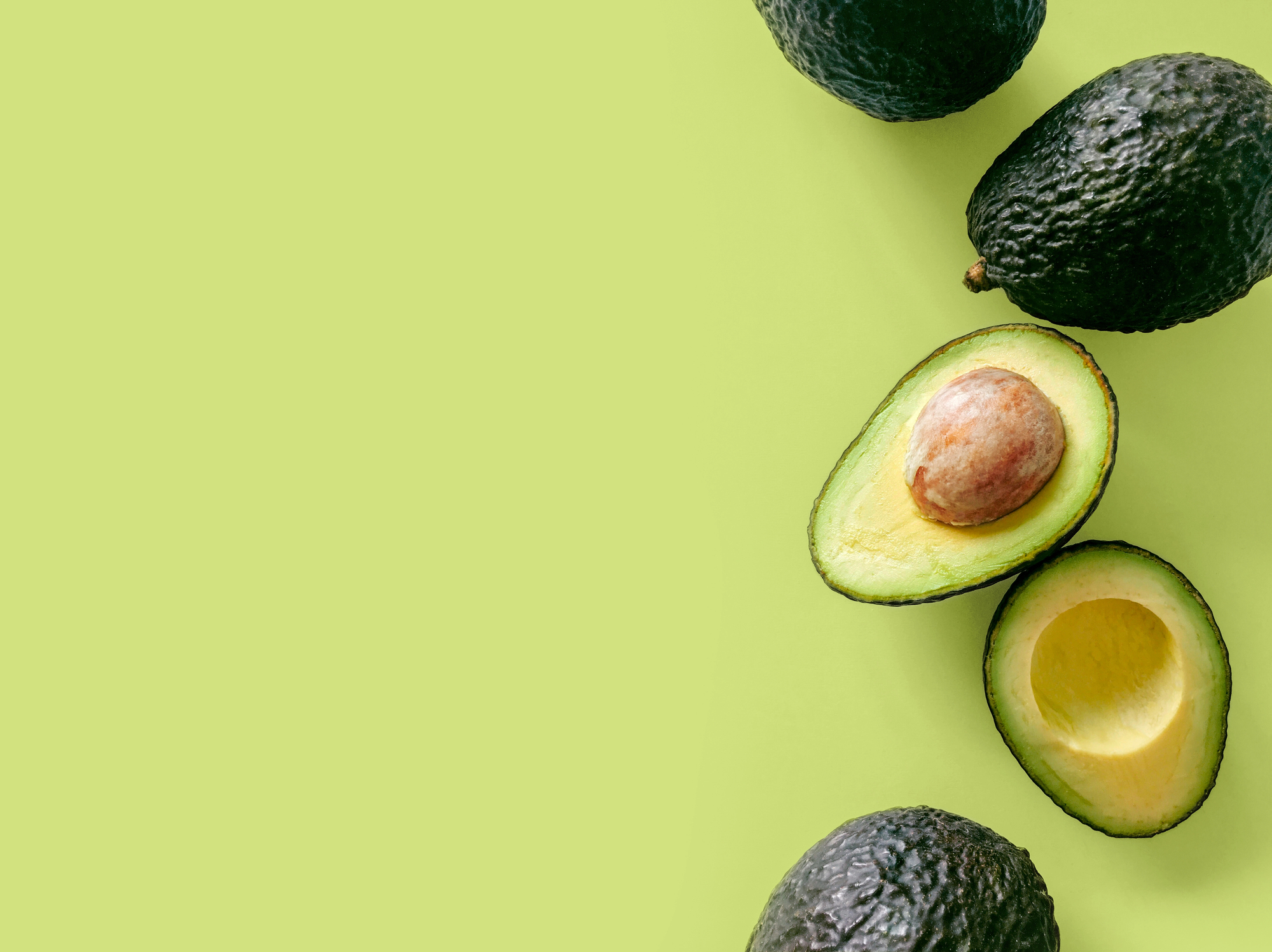
Kitchen appliances in this distinctive shade dominated American homes despite having no connection to actual avocados. Refrigerators, stoves, and dishwashers in avocado green represented cutting-edge kitchen fashion, often paired with harvest gold or burnt orange accents.
These color choices reflected the decade’s earthy aesthetic but quickly became dated as design trends shifted toward the cleaner lines and neutral tones of the eighties.
Plastic Lunchboxes
Before character-themed metal lunchboxes became valuable collectibles, their plastic counterparts were everyday carriers of PB&J sandwiches and thermos drinks. These lightweight containers featuring popular TV shows and movies display your cultural allegiances while protecting your lunch from backpack chaos.
The distinct crack of opening these boxes signaled the most anticipated moment of the school day.
Like Go2Tutors’s content? Follow us on MSN.
Pet Rocks

In perhaps the greatest entrepreneurial achievement of the decade, ordinary rocks sold in custom cardboard carriers became a national phenomenon. Marketed as maintenance-free pets complete with training manuals, these completely functionless items demonstrated both American consumer culture at its most absurd and the decade’s appreciation for offbeat humor.
Their brief but intense popularity reveals much about the economic psychology of the era.
Shag Carpeting
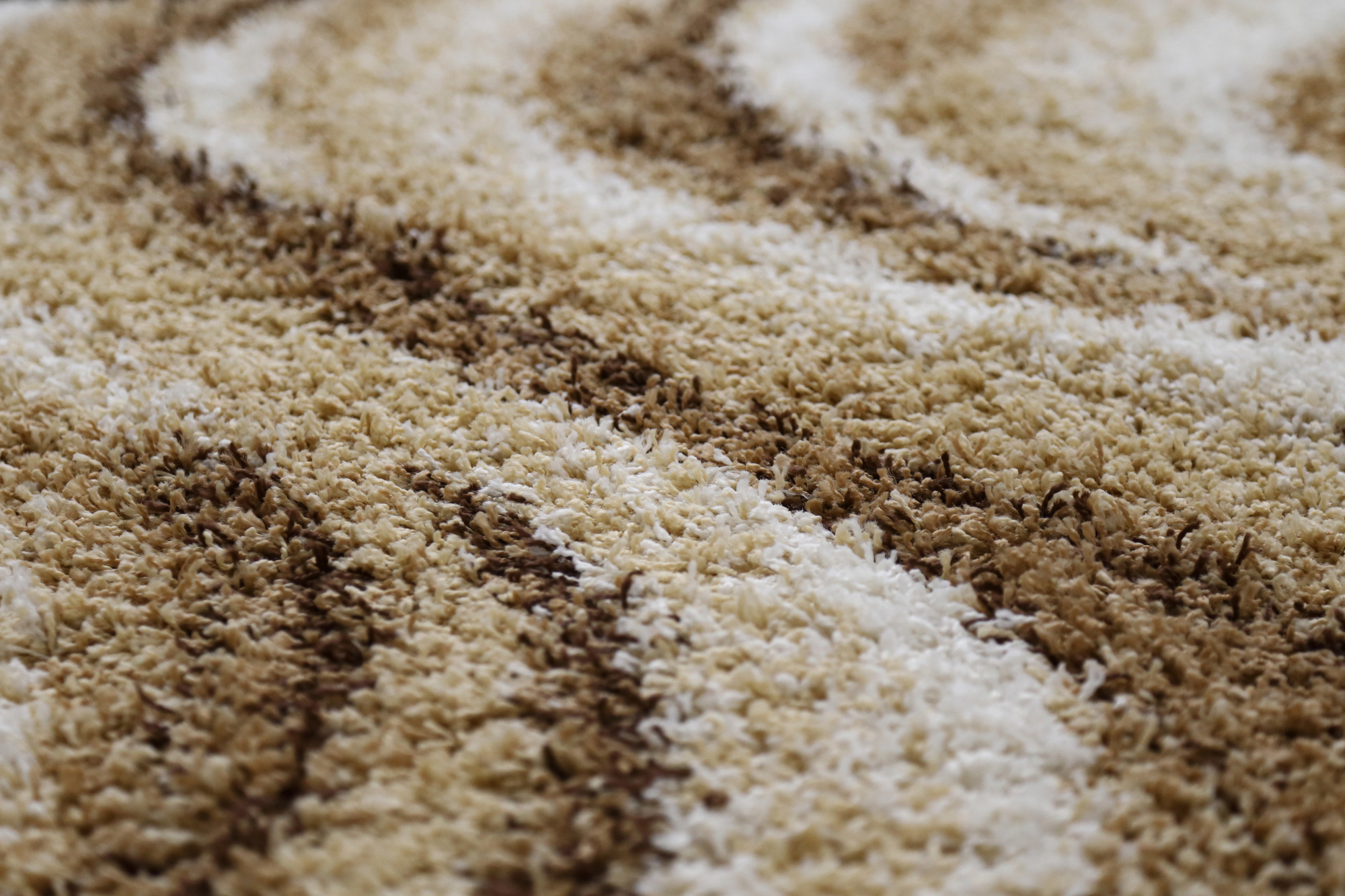
No flooring choice defines interior design more completely than deep-pile shag carpeting in bold colors. These high-maintenance floor coverings transformed rooms into cozy nests while collecting endless crumbs, coins, and other small items in their dense fibers.
The experience of sinking your bare feet into fresh shag carpet represented a tactile luxury that sleeker modern flooring options simply can’t replicate.
Car Cigarette Lighters
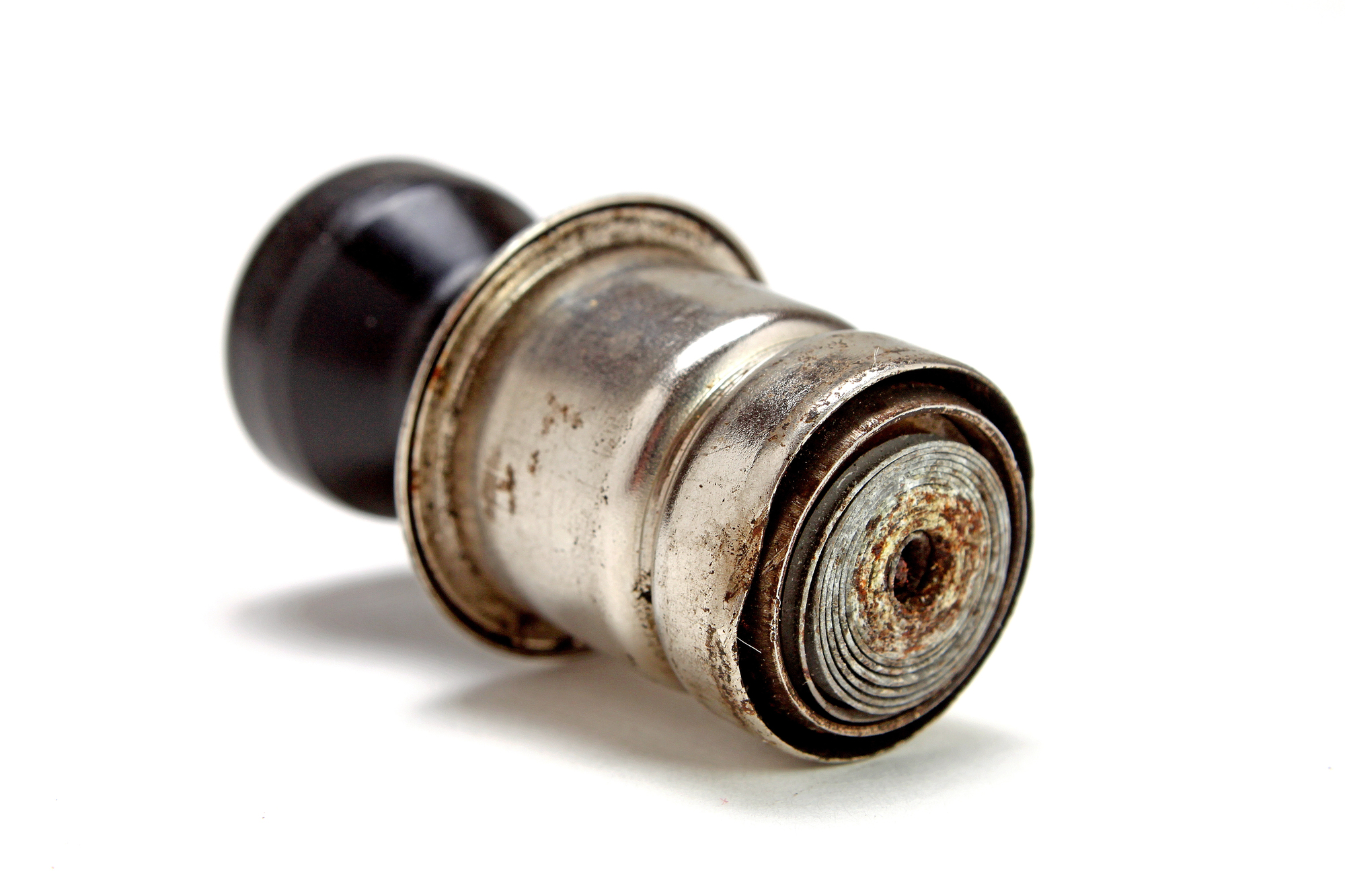
These glowing coil devices installed in nearly every vehicle served their intended purpose while also providing endless temptation for curious kids during long drives. The distinctive click when pushing in the lighter and the suspenseful wait for it to pop back out created moments of minor drama on family road trips.
These everyday objects represented a time when smoking in cars with children was common practice rather than a social taboo.
Like Go2Tutors’s content? Follow us on MSN.
Pop Rocks and Soda Urban Legend
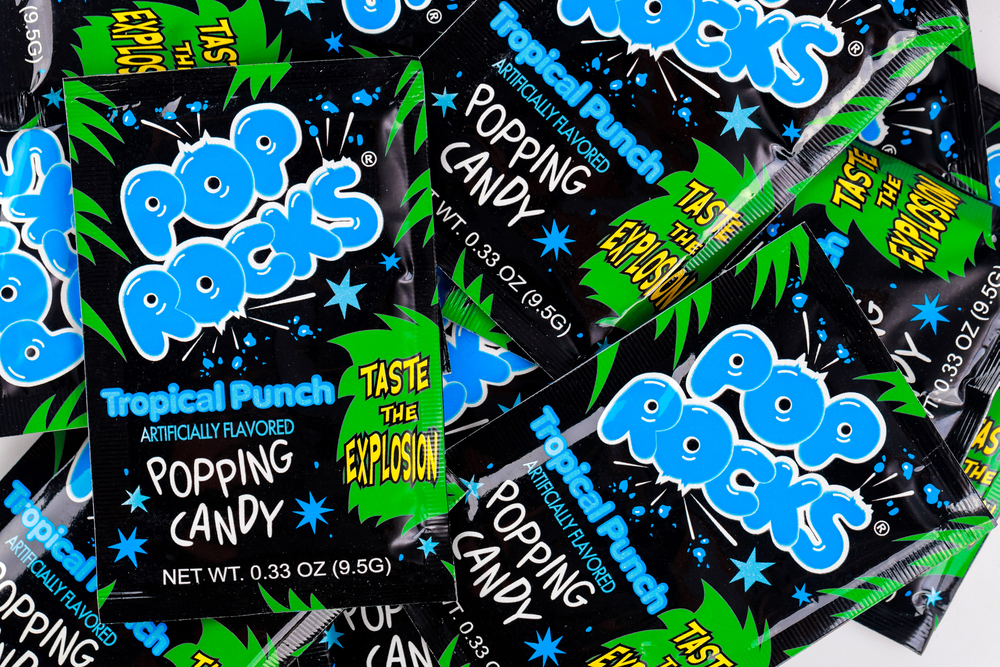
The persistent myth that consuming Pop Rocks candy with carbonated beverages could cause your stomach to explode gained remarkable traction among schoolchildren. This urban legend, often associated with the supposed death of ‘Mikey’ from Life cereal commercials, spread nationwide without the accelerating power of the internet.
The moral panic surrounding this harmless candy combination demonstrated the power of playground communication networks.
Triple Crown Winners
Horse racing captured national attention when three different horses achieved the legendary Triple Crown during the decade. Secretariat, Seattle Slew, and Affirmed accomplished what many considered impossible, winning the Kentucky Derby, Preakness Stakes, and Belmont Stakes in the same year.
These equine athletes became household names in an era when horse racing still commanded significant public interest and media coverage.
Looking Back Through Time’s Filter

The seventies represented a pivotal moment between America’s postwar optimism and the accelerating technological advancements of later decades. These forgotten artifacts and cultural touchpoints remind us that history consists not only of major political events and famous figures but also of the everyday objects and experiences that shaped ordinary lives.
By examining these overlooked aspects of the seventies, we gain insight into both how much has changed and the subtle ways this distinctive decade continues to influence contemporary American culture.
More from Go2Tutors!

- 18 Unexpectedly Valuable Collectibles You Might Have Lying Around
- 15 Things Every Teenager in the ’70s Did That Teens Today Wouldn’t Understand
- 15 Strange Things People Have Tried to Ban (And Failed)
- 15 Inventions That Were Immediately Banned After Being Created
- 20 Actors Who Were Almost Cast in Iconic Roles
Like Go2Tutors’s content? Follow us on MSN.



