16 Times Military Rules Made No Sense
The military runs on rules, regulations, and protocols that keep order in what could otherwise be chaos. Most of these make perfect sense – following orders saves lives, maintaining equipment prevents disasters, and discipline builds effective fighting forces.
But scattered throughout decades of military bureaucracy are regulations that leave even seasoned veterans scratching their heads and wondering what committee of officers thought these were good ideas. Some of these rules emerged from specific incidents that probably made sense at the time, while others seem like they were written by people who had never actually served a day in uniform.
Here is a list of 16 military rules that made absolutely no sense to the people who had to follow them.
No Dueling Allowed
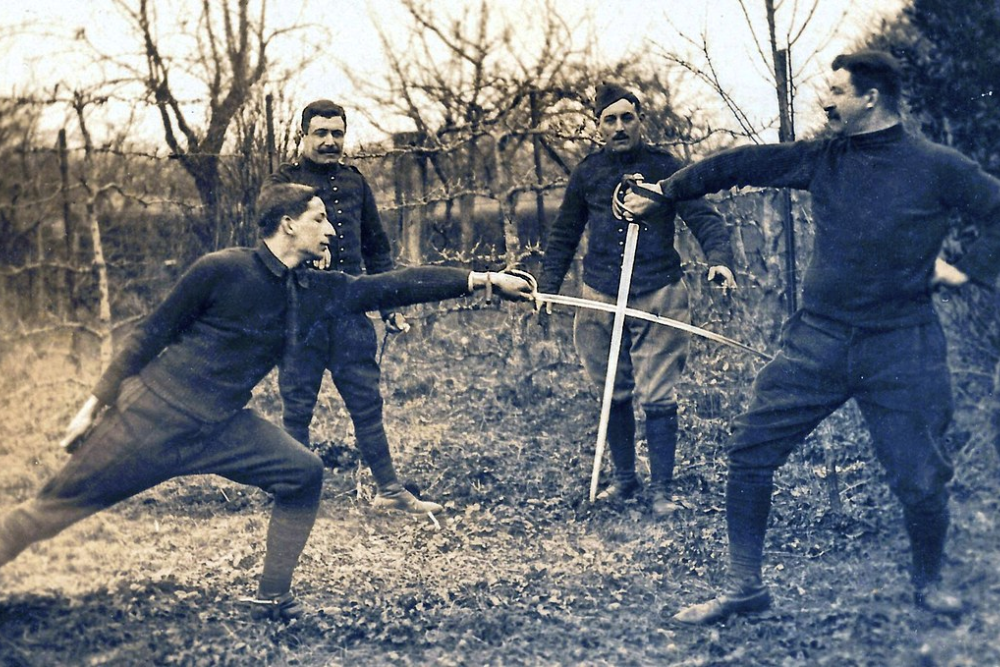
The Uniform Code of Military Justice explicitly prohibits service members from engaging in duels, whether with swords, pistols, or even fists. This might have made sense back when officers regularly challenged each other to dawn encounters over perceived slights, but in modern times it’s about as relevant as a regulation against jousting tournaments.
The rule covers not just participating in duels, but also promoting them or ‘conniving’ at them, with punishments including dishonorable discharge and up to a year in confinement. Apparently, the military brass wanted to make absolutely sure that no hot-headed lieutenant would try to settle mess hall disputes with a dramatic sword fight at sunrise.
Swearing Is Actually Illegal
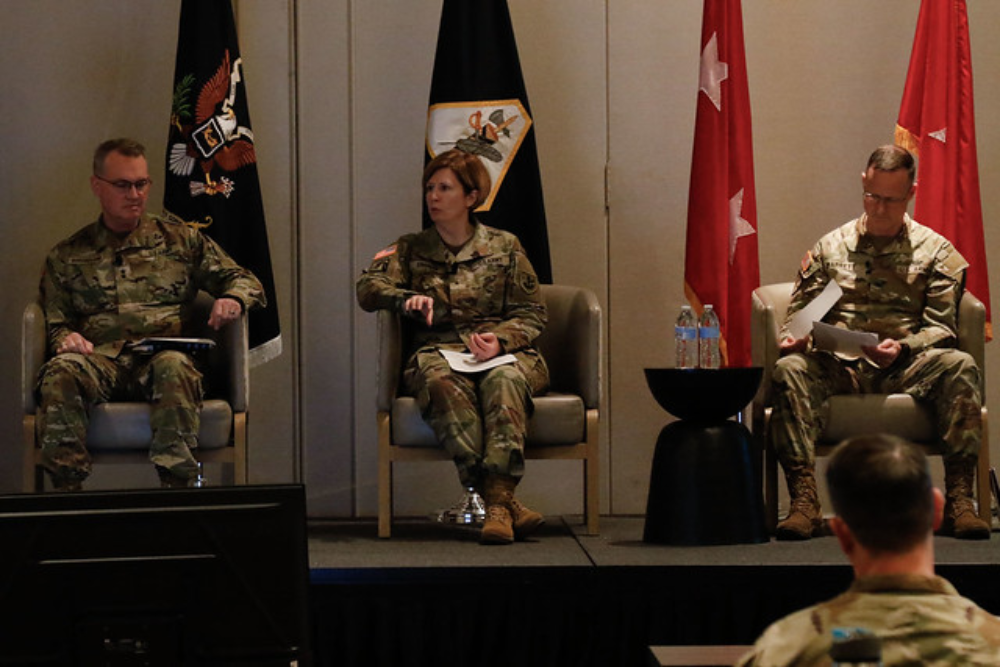
Despite the fact that ‘cursing like a sailor’ is practically a cultural stereotype, profanity and dirty jokes are technically crimes under military law. The manual defines indecent language as anything ‘grossly offensive to modesty, decency, or propriety, or shocks the moral sense, because of its vulgar, filthy, or disgusting nature’.
This creates the surreal situation where drill sergeants could theoretically face court-martial for their colorful vocabulary during basic training. The maximum punishment can include dishonorable discharge and up to two years in confinement if the language is communicated to someone under 16.
Most units quietly ignore this rule, because enforcing it would probably result in emptying half the military overnight.
Like Go2Tutors’s content? Follow us on MSN.
Walking on Grass Is Forbidden
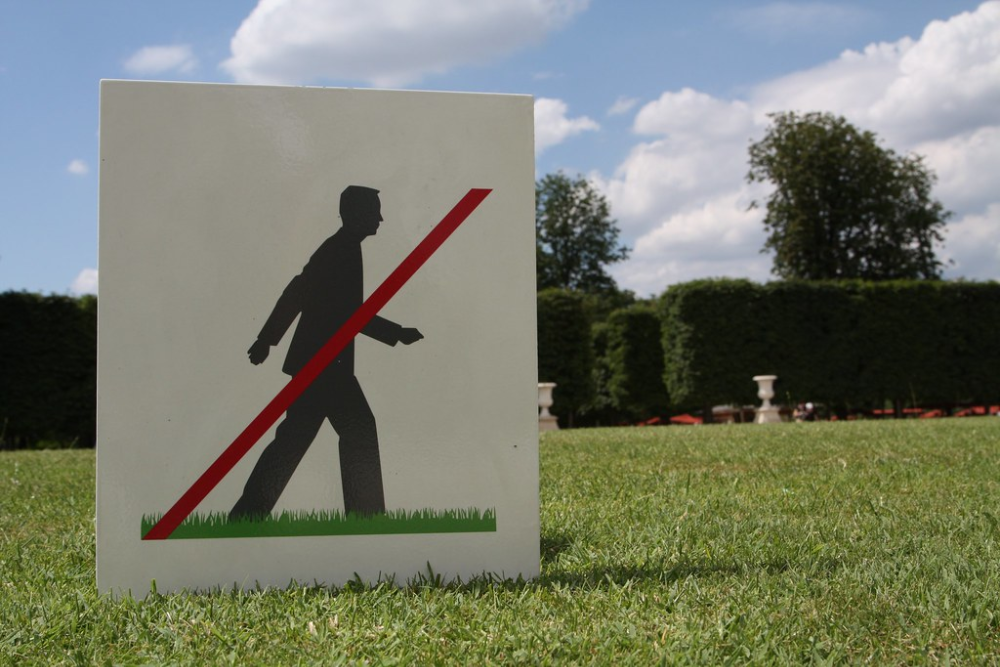
One of the most universally experienced military absurdities is the prohibition against walking on grass, despite it not actually being against official regulations. Veterans, even years after leaving service, still hesitate to walk on grass ‘lest a crusty E-9 jump out from behind a tree and light them up’.
This unwritten rule has achieved legendary status because it perfectly captures the military’s ability to turn a simple landscaping preference into a sacred commandment. The grass itself isn’t particularly special or fragile – it’s just grass.
But somehow, stepping on it becomes tantamount to disrespecting the entire chain of command.
Hands in Pockets Are Unprofessional
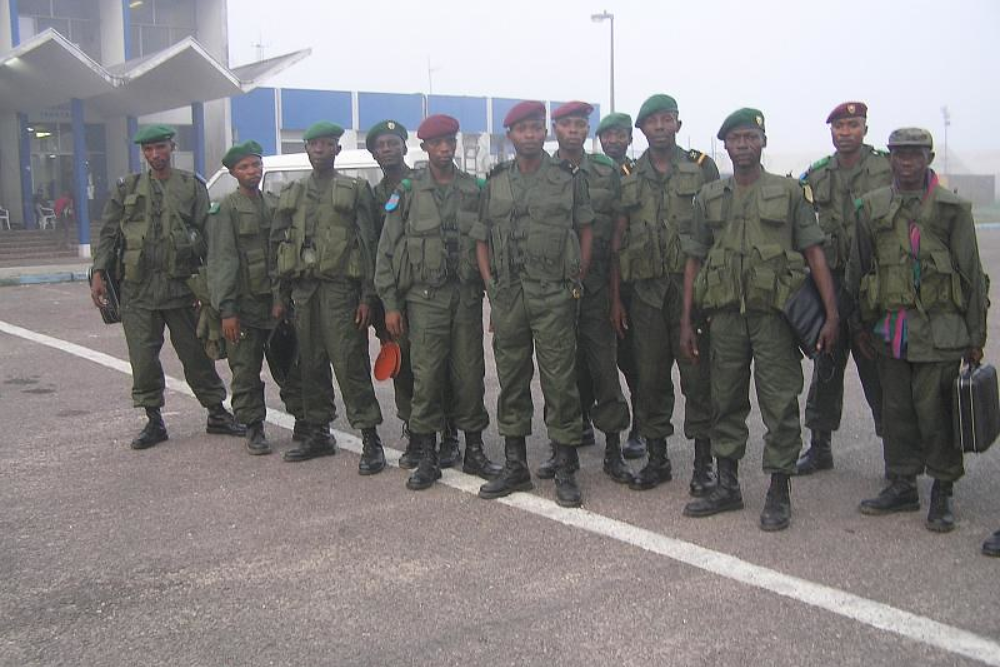
Putting your hands in your pockets is considered unprofessional in military uniform, even if you’re literally freezing in cold weather. This rule exists across all branches and is enforced with religious fervor by senior enlisted personnel who seem to have developed supernatural abilities to spot pocket-hands from impossible distances.
The logic supposedly relates to maintaining a professional appearance, but it falls apart when you consider that shivering uncontrollably while your hands turn blue probably looks less professional than discreetly warming them in your pockets. The rule becomes especially absurd in Arctic conditions where frostbite is a genuine concern.
Mandatory Reflective Belts Everywhere

Troops regularly wear reflective belts inside buildings where there’s no danger a motor vehicle will run them over. What started as a sensible safety measure for troops exercising near roads somehow evolved into a universal requirement that defied all logic.
Soldiers found themselves wearing bright yellow reflective belts in mess halls, offices, and even inside armored vehicles. The belt became such a symbol of military absurdity that it spawned countless memes and jokes about requiring them for shower formations and sleep.
Safety is important, but requiring high-visibility gear in a windowless conference room suggests someone missed the point entirely.
Like Go2Tutors’s content? Follow us on MSN.
Specific Military Pen Requirements
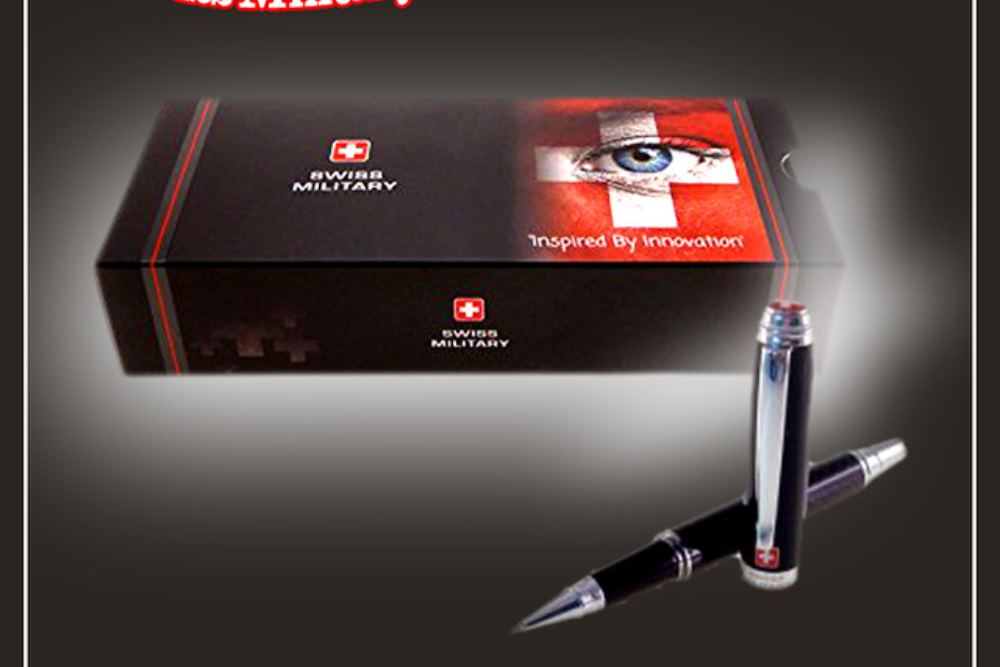
The military has very specific requirements for its pens, labeled ‘Skilcraft,’ consisting of seven different parts and meeting 16 pages of military specifications – including being able to write for a mile with no fading and withstand temperatures from 160 degrees down to 40 degrees below zero. While durability makes sense for field conditions, the sheer bureaucratic effort required to standardize something as simple as a pen reveals the military’s ability to over-engineer solutions to problems that don’t really exist.
Soldiers in combat probably care more about whether their pen works than whether it meets sixteen pages of technical specifications drafted by committee.
Banned Toe Shoes in the Army

The Army specifically banned FiveFingers sneakers under ALARACT 241/2011, stating that shoes featuring five separate toe compartments ‘detract from a professional military image’ and are prohibited for physical training. This regulation targeted a specific brand of athletic footwear that some soldiers found comfortable for running and fitness activities.
The doctrine specifically requires that ‘only those shoes that accommodate all five toes in one compartment are authorized for wear’. Apparently, the sight of individual toes was deemed so unprofessional that it required an official military message to ban them.
The irony is that these shoes were often more functional for certain athletic activities than traditional sneakers.
Umbrellas Are Uniform Violations
Military personnel cannot use umbrellas while in uniform unless they meet exact standards. This means that while civilian workers on the same base can stay dry during rainstorms, uniformed service members must get soaked because their umbrella doesn’t meet military specifications.
The logic behind this rule remains mysterious – perhaps umbrellas are seen as incompatible with military bearing, or maybe there’s concern about standardizing umbrella colors and sizes. Either way, it results in the bizarre spectacle of troops standing in formation getting drenched while everyone around them stays comfortably dry.
Like Go2Tutors’s content? Follow us on MSN.
Operational Risk Management for Everything
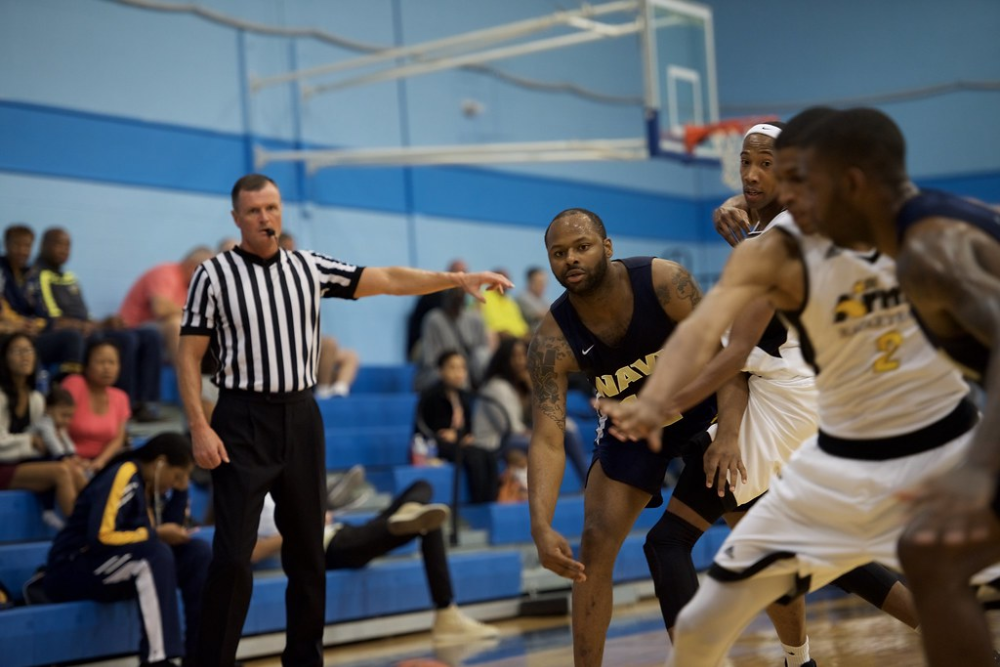
Something as basic as a pickup basketball game requires ORM paperwork in some units, turning casual recreation into an administrative exercise. ORM forms for everyday activities can turn ‘a quick basketball game into a paperwork exercise before it’s allowed to happen’.
While risk management makes sense for genuinely dangerous activities, requiring formal risk assessments for routine sports and recreation suggests a system that has lost all sense of proportion. Soldiers who regularly engage in combat operations find themselves filling out forms to justify playing basketball, as if the greatest threat to military readiness comes from pickup games rather than actual warfare.
Naval Academy Football Attendance
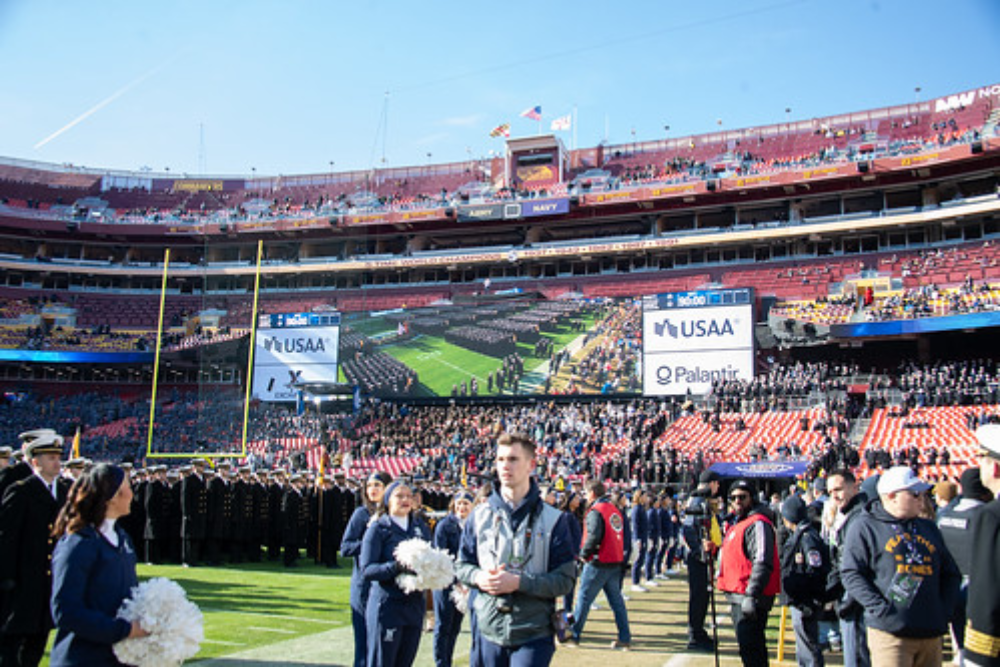
At the Naval Academy, midshipmen are required to attend football games whether they like it or not. This mandatory fun policy forces future naval officers to spend their limited free time at sporting events regardless of their personal interests.
While school spirit and tradition have their place, requiring attendance at entertainment events seems to miss the point of both education and recreation. It’s particularly ironic that an institution dedicated to producing independent military leaders insists on mandating their leisure activities like they’re still in elementary school.
Reserved Parking for Rarely Present VIPs
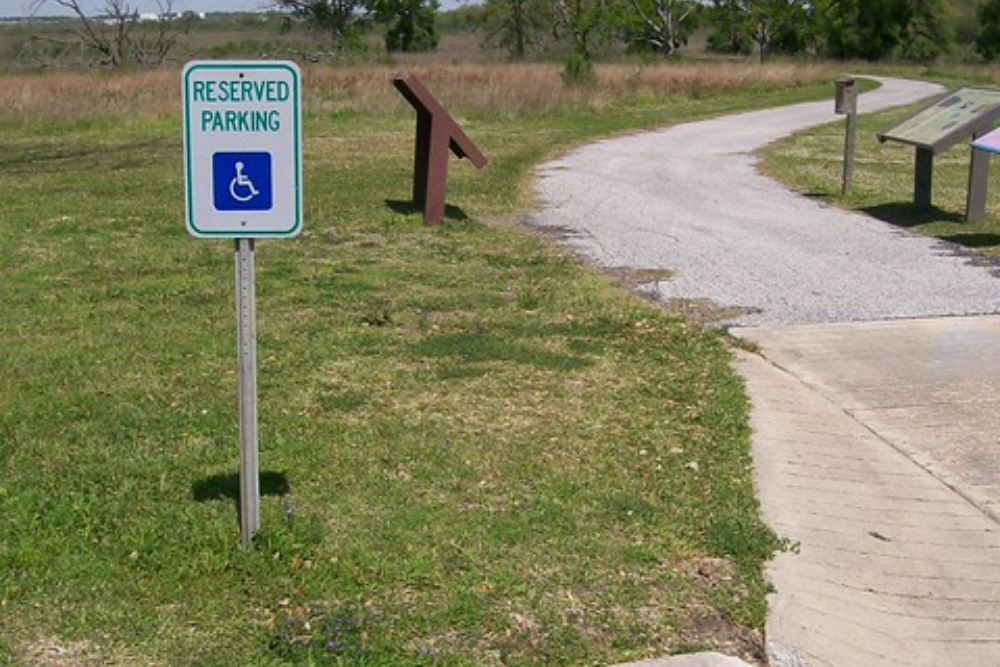
Parking spots are reserved for colonels and generals even when they don’t use them regularly, while junior personnel circle parking lots looking for spaces. This creates the common sight of empty VIP parking spots right next to the main entrance while everyone else parks in remote lots and walks significant distances.
The system prioritizes theoretical convenience for high-ranking officers over practical efficiency for the people who actually use the facilities daily. It’s a perfect example of how military hierarchy can create inefficient solutions that look good on paper but work poorly in practice.
Like Go2Tutors’s content? Follow us on MSN.
Stragglers Face Legal Consequences
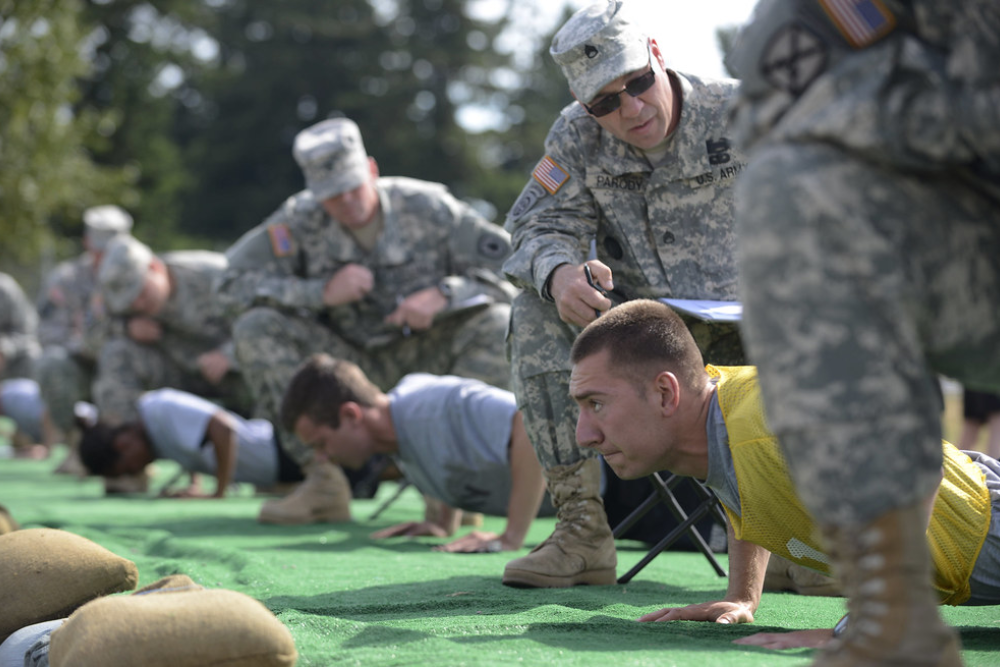
Troops who fall behind or lose their way on marches or runs can find themselves in legal trouble under the UCMJ. The manual defines ‘straggle’ as wandering away, straying, becoming separated from, or lagging behind.
While maintaining unit cohesion is important, making it a legal offense to fall behind during physical training creates an absurd situation where someone’s fitness level becomes a potential criminal matter. This means that a soldier who simply can’t keep up due to physical limitations could face the same legal system designed to handle serious military crimes.
Adultery as Military Crime
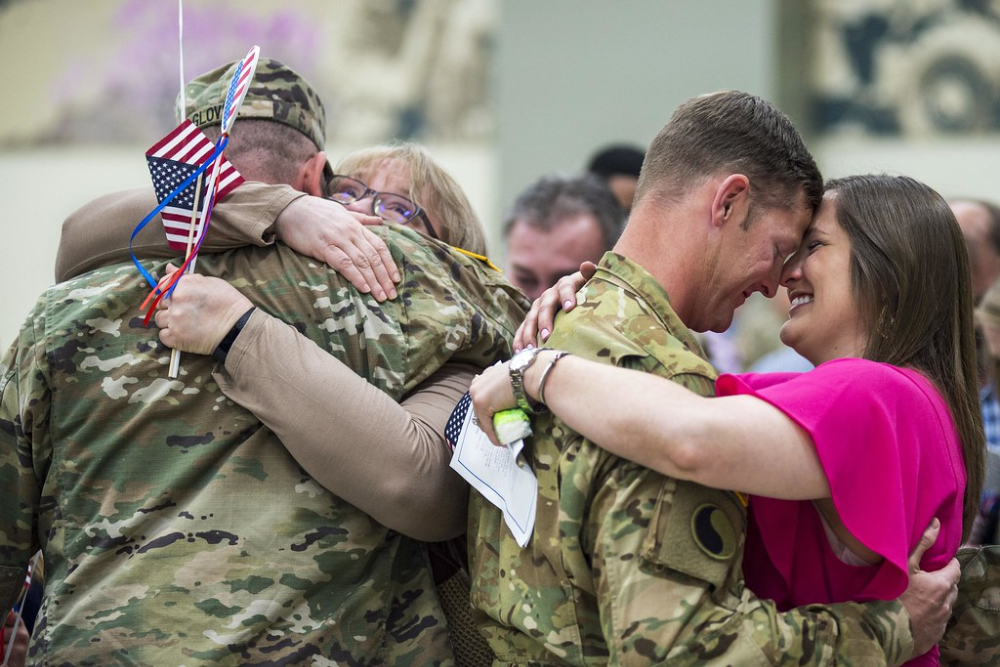
Cheating on your spouse can result in dishonorable discharge, forfeiture of all pay and allowances, and confinement for up to one year. While marital fidelity is generally considered virtuous, making it a military crime creates complications that civilian law wisely avoids.
The regulation prohibits conduct that brings discredit to the armed forces or is prejudicial to good order and discipline. This puts military justice in the awkward position of adjudicating relationship disputes and personal morality issues that have little to do with military effectiveness.
The rule also creates inconsistent enforcement since such matters are often difficult to prove and highly dependent on command discretion.
Weekly Haircut Requirements
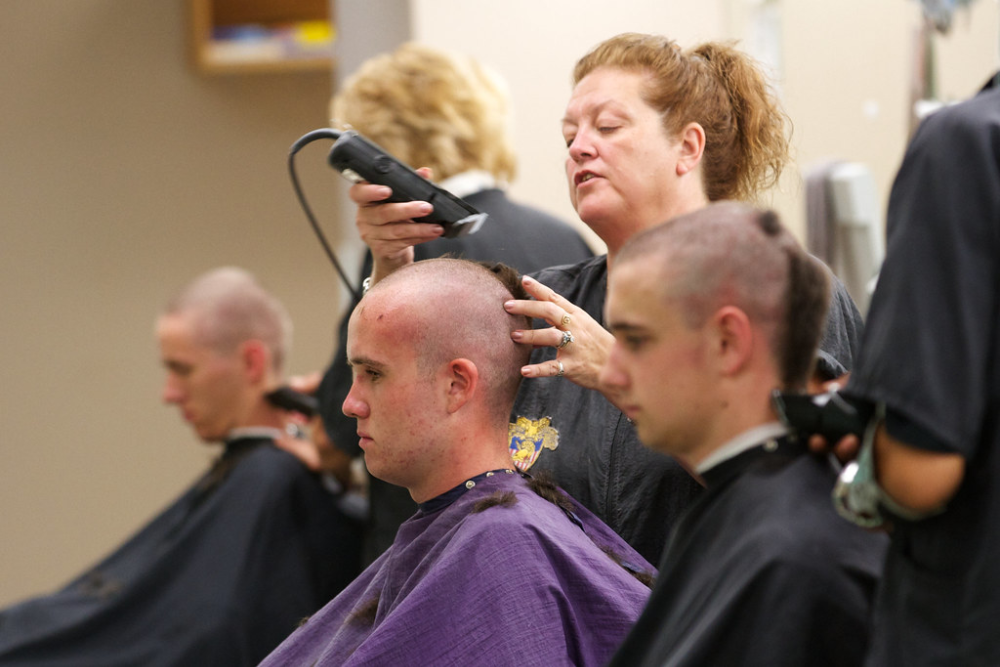
Marines must get haircuts every week, even if their hair hasn’t grown that much. This inflexible schedule ignores individual differences in hair growth rates and creates unnecessary expense and time consumption for service members.
Someone with slow-growing hair might find themselves paying for haircuts that accomplish nothing, while the weekly requirement becomes just another arbitrary checkpoint to navigate. The underlying goal of maintaining a neat appearance makes sense, but the rigid timing ignores the practical reality that hair doesn’t grow on a military schedule.
Like Go2Tutors’s content? Follow us on MSN.
Standing at Parade Rest for Simple Questions
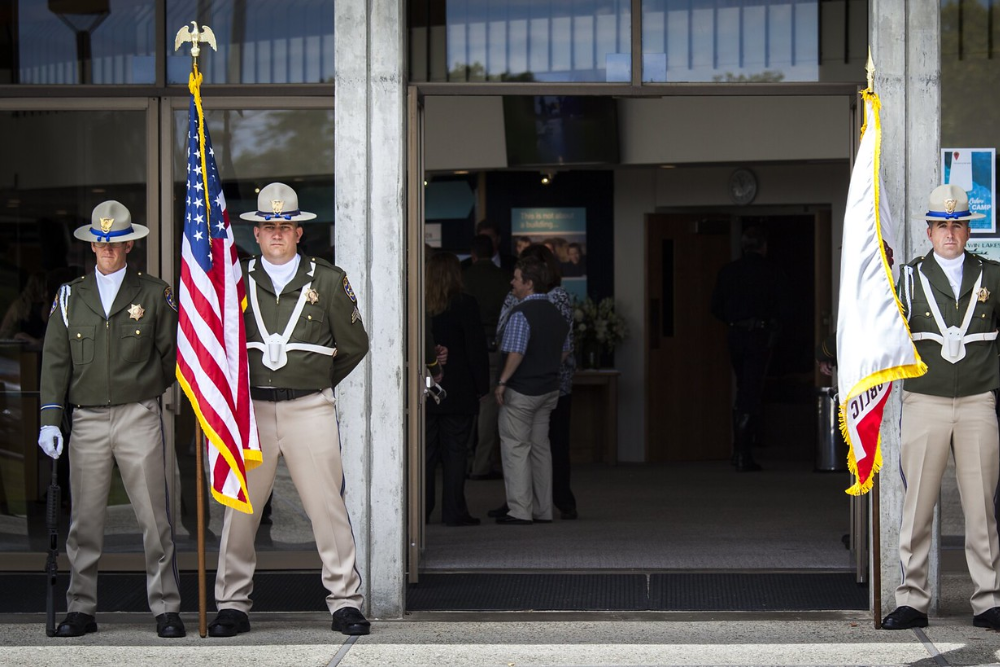
Service members are expected to stand rigidly at parade rest when talking to higher ranks, even when just asking simple questions. This formality can turn routine workplace interactions into awkward military ceremonies. Instead of having a casual conversation, personnel must maintain rigid posture even for basic administrative questions.
While military courtesy has its place, requiring formal positions of attention for everyday communication can actually hinder effective information flow and problem-solving. It’s like requiring employees in civilian offices to salute their managers before asking about lunch break schedules.
Extensive Check-Out Paperwork for Everything
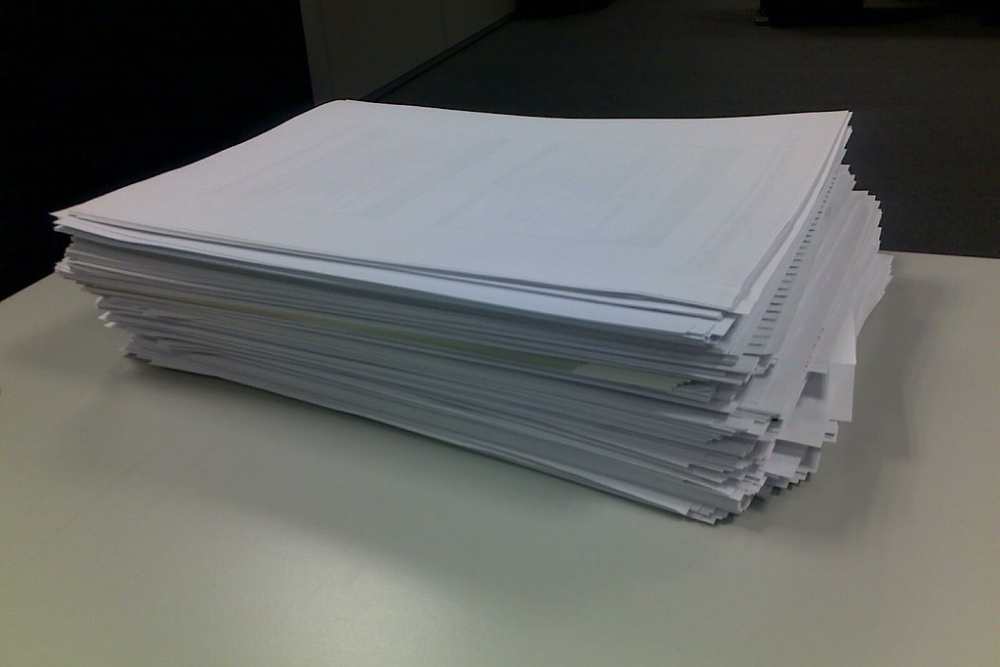
Taking leave or transferring duty stations requires navigating long checklists and collecting numerous signatures. What should be straightforward administrative processes become bureaucratic marathons involving multiple offices, forms, and approval authorities.
Personnel must complete extensive check-in and check-out paperwork that can take days or weeks to process. This system creates inefficiency and frustration while adding little actual value to the process.
The irony is that an organization built on rapid deployment and quick decision-making bogs down its own personnel with administrative procedures that would make civilian bureaucrats blush.
The Persistence of Pointless Protocols
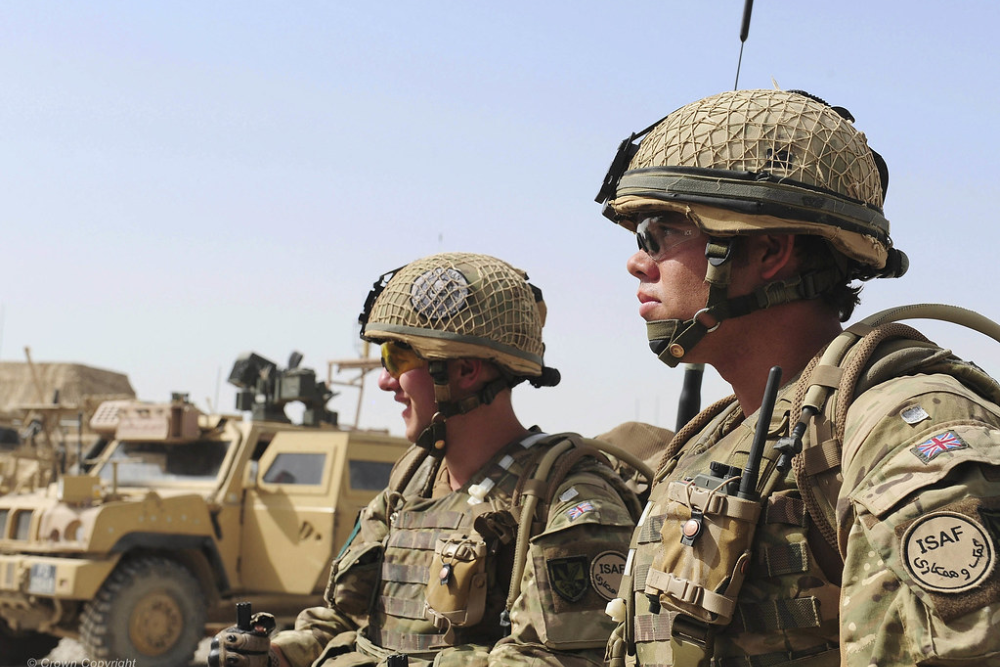
Military rules that make no sense persist because changing them requires navigating the same bureaucratic maze that created them in the first place. It’s near impossible to change rules and regulations in the military, requiring sometimes even executive orders to modify obvious problems.
Most leaders are only in position for three years, so they prioritize big picture issues over seemingly small uniform rules or administrative procedures. Meanwhile, the people actually affected by these rules develop creative workarounds, quiet non-compliance, and a shared understanding that some regulations exist more as institutional tradition than practical guidance.
The result is a system where common sense often operates despite the rules rather than because of them.
Like Go2Tutors’s content? Follow us on MSN.
More from Go2Tutors!

- 16 Historical Figures Who Were Nothing Like You Think
- 12 Things Sold in the 80s That Are Now Illegal
- 15 VHS Tapes That Could Be Worth Thousands
- 17 Historical “What Ifs” That Would Have Changed Everything
- 18 TV Shows That Vanished Without a Finale
Like Go2Tutors’s content? Follow us on MSN.



