World Records Set in Underwater Exploration
Down below the waves, secrets hide in silence. Long ago people held their breath and sank beneath the surface, just to see what lay hidden.
Now machines dive further than anyone once thought possible. Each record set under water tells a story not of dates or depths alone.
It speaks of how far someone was willing to go when pressure presses in and light fades away. Breathing takes planning there.
Moving forward means thinking twice before acting. Some have gone very deep, stayed very long, come back changed.
Down below, it isn’t just strength that matters – focus and readiness shape success just as much. With each step deeper, the weight of water presses harder, light fades without warning, cold bites sharp enough to shake gear loose.
Some feats down there stand out, carved into history where salt, depth, and silence draw lines few dare cross.
Deepest freedive
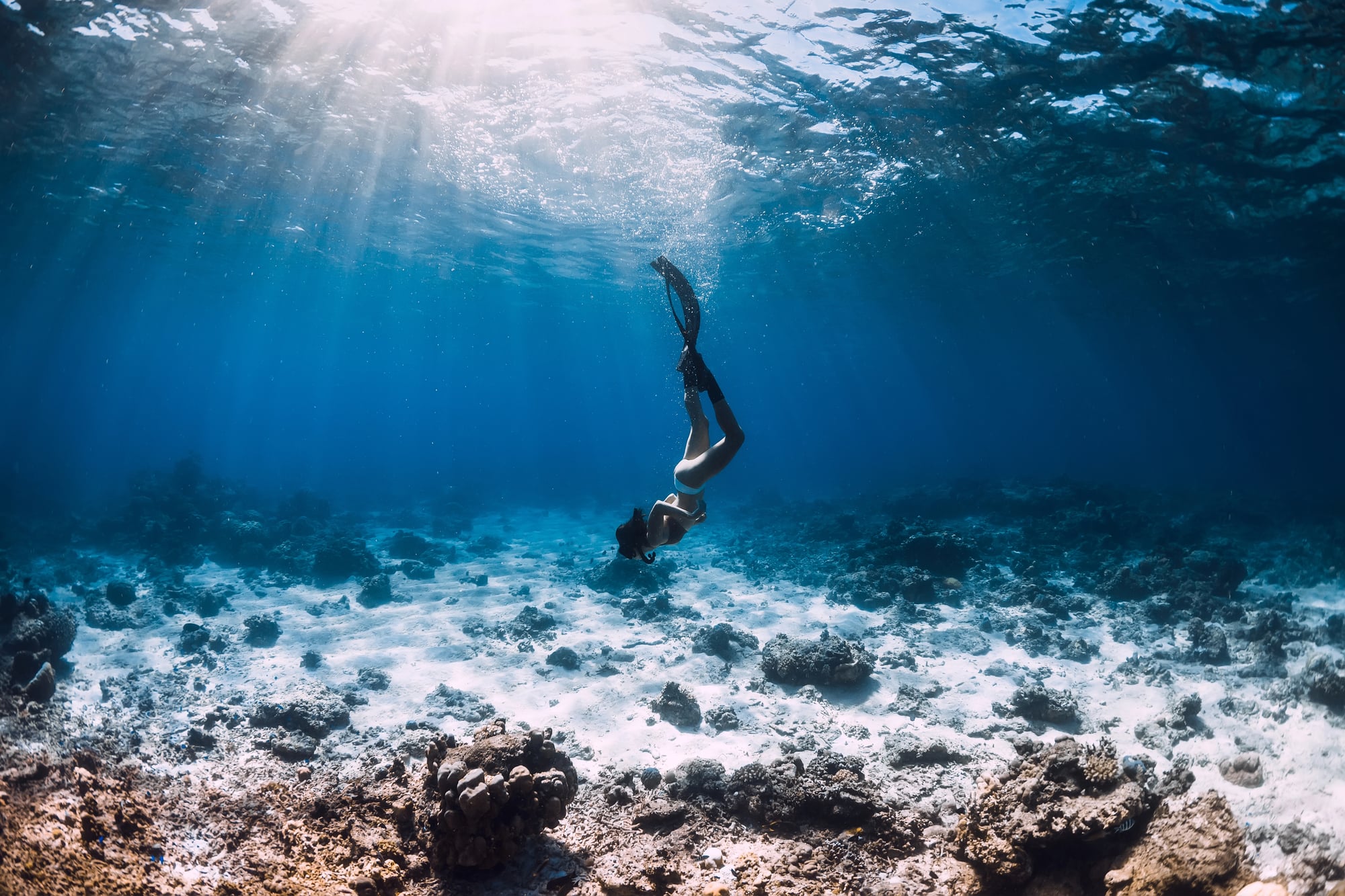
Freediving—the act of diving on a single breath without breathing apparatus—pushes the human body to extreme limits. One of the most astonishing records in this category was set by Herbert Nitsch, who reached 702 feet in the “No Limits” discipline.
At these depths, water pressure exceeds 20 times what we experience at sea level, compressing the lungs and challenging the body’s ability to manage oxygen efficiently.
Success in these dives requires a combination of physical conditioning, relaxation, and mental focus. Divers train to slow their heart rate, expand lung capacity, and resist the natural urge to breathe.
Even so, every dive carries risk, and careful planning is essential. These records are a testament to human control under extraordinary physiological stress, revealing how discipline can extend the limits of what seems possible.
Longest underwater duration
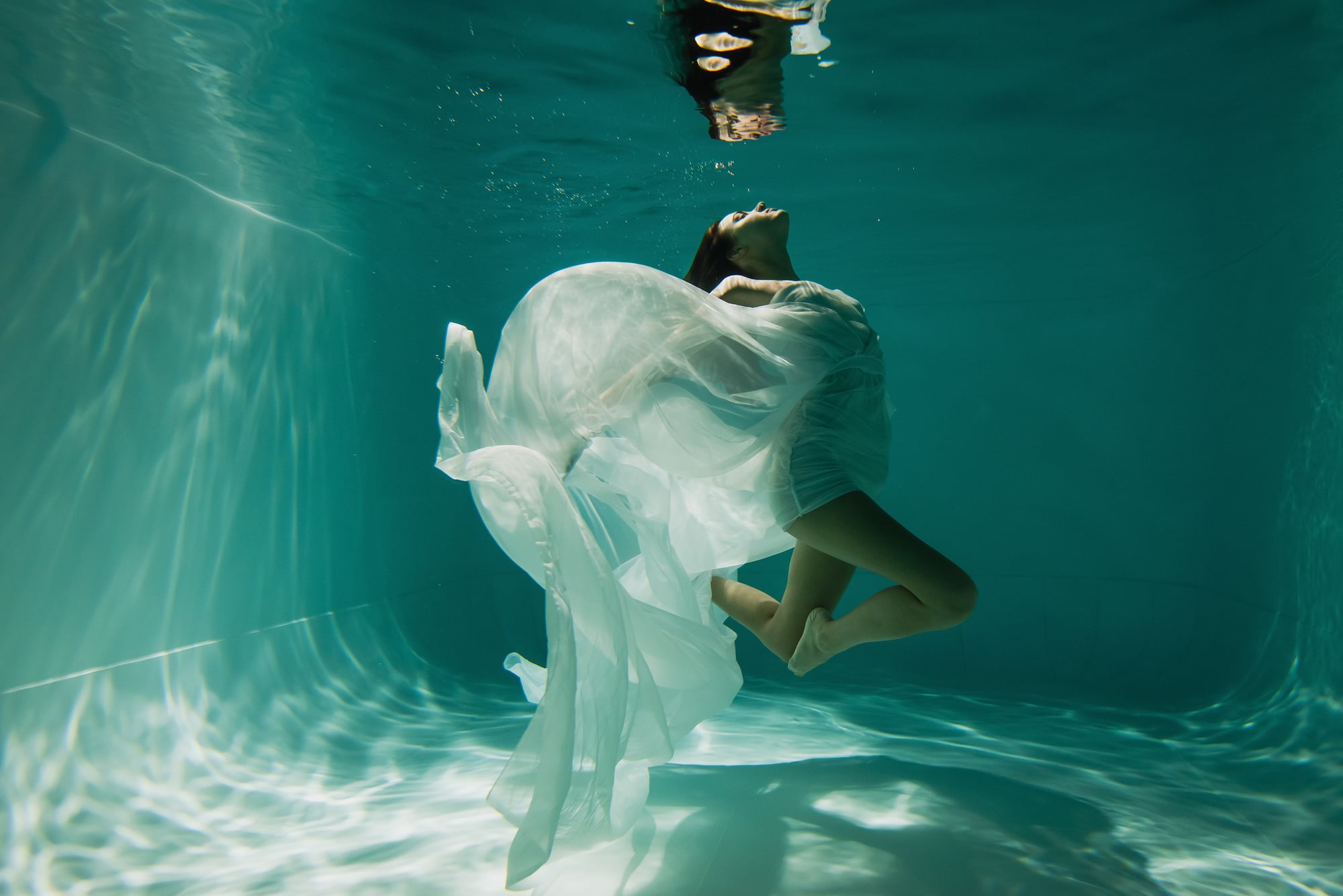
Staying under water without breathing? Some people can do it for ages.
Right now, the top mark for just floating there – no swimming – is over eleven minutes. To get that far, you need to save every bit of air, stay frozen like a statue, plus keep thoughts and muscles in tight order.
It does not feel like fighting. Quiet strength carries most of the weight.
Hours below the waves become possible when gear like scuba tanks or hose-linked rigs are used. Some dives last many hours, relying on teams above water tracking every detail.
These feats show how careful prep matters just as much as breathing tools. The deep stays dangerous, yet people find ways to stay longer, one slow breath at a time.
Deepest scuba dive
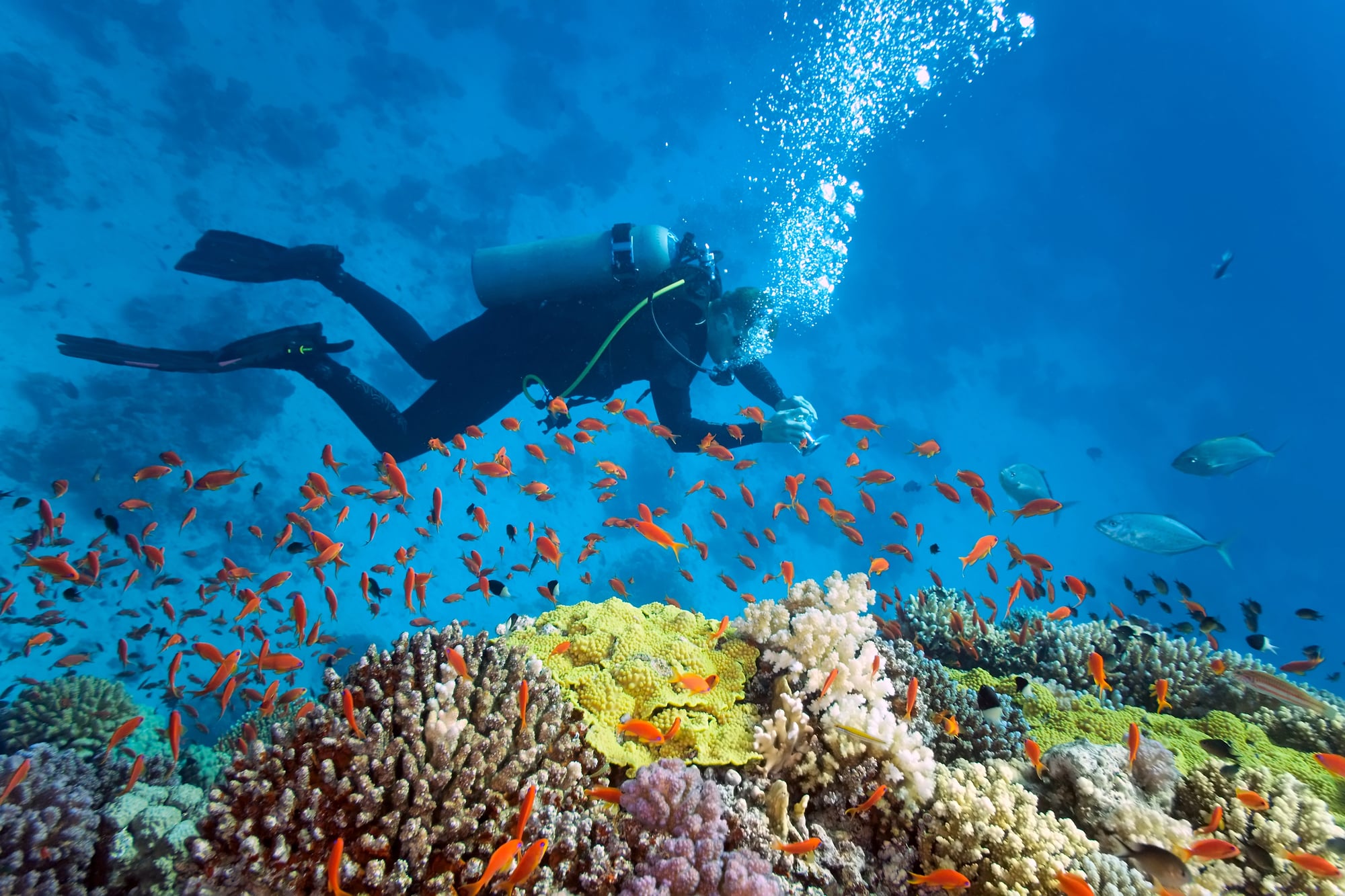
Scuba diving allows divers to go deeper than human lungs alone permit, but even here, the ocean imposes strict limits. Ahmed Gabr holds the record for the deepest scuba dive at 1,090 feet, a depth requiring specialized gas mixtures to prevent toxicity and carefully staged decompression to avoid injury.
Every step must be meticulously calculated, as the margin for error decreases dramatically with depth.
Divers attempting these records rely on cutting-edge technology, including dive computers and rebreathers, but success is never guaranteed. Even minor miscalculations can lead to severe consequences.
That said, these achievements demonstrate how preparation, technical skill, and mental focus converge to make the extreme approachable—if only just.
Cave diving records

Underwater caves present a unique set of challenges. Unlike open water, caves restrict movement, limit visibility, and demand precise navigation.
Records in cave diving include the longest distance traveled in a submerged cave system, such as the 26.7-mile exploration of Mexico’s Sac Actun system, and the deepest points reached within these labyrinthine structures. Divers must maintain a continuous awareness of both location and remaining air supply.
Cave exploration also tests psychological endurance. Claustrophobic conditions, darkness, and silty water that can obscure the path make every decision critical.
Even so, explorers continue to push boundaries, mapping previously uncharted systems and setting new records. These achievements showcase the blend of curiosity, courage, and skill required to thrive in environments most would consider unwelcoming.
Longest underwater swim

Distance swimming under water, whether in open water or confined environments, presents another layer of complexity. Records for underwater distance swum on a single breath or using propulsion devices highlight human ingenuity and perseverance.
Swimmers contend with resistance, visibility challenges, and the need to regulate breathing carefully.
For example, free diver Stig Severinsen swam over 1,700 feet underwater in a single breath, a feat that demands not just physical fitness but mental mastery over panic and oxygen deprivation.
These records often involve incremental preparation, where the swimmer trains progressively to endure longer periods underwater. Even so, the human body responds unpredictably to prolonged submersion, making these achievements both daring and precise.
Technological records
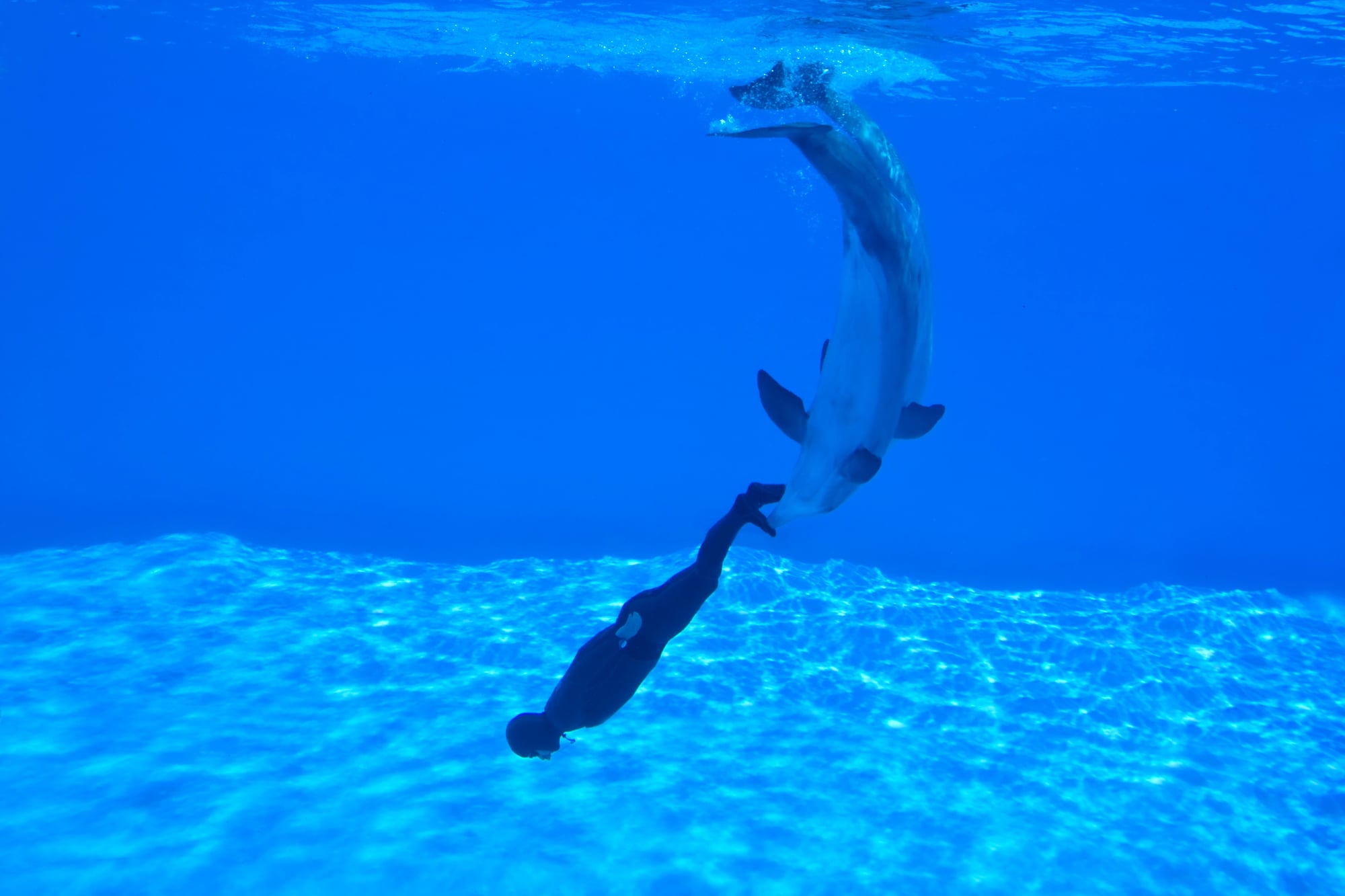
Not all underwater records rely solely on human breath or physical endurance. Submersibles and remotely operated vehicles have set records for the deepest dives, longest submerged durations, and exploration of previously inaccessible trenches.
For instance, the Challenger Deep in the Mariana Trench has been reached by a few select submersibles, traveling nearly seven miles below the surface—a region so remote that sunlight cannot penetrate and temperatures hover near freezing.
Even in technologically assisted dives, the environment remains a formidable partner. Pressure, darkness, and temperature extremes pose challenges that require careful engineering and operational precision.
Still, these records underscore how innovation and courage combine to push the boundaries of what humans can achieve beneath the waves.
Youngest and oldest explorers
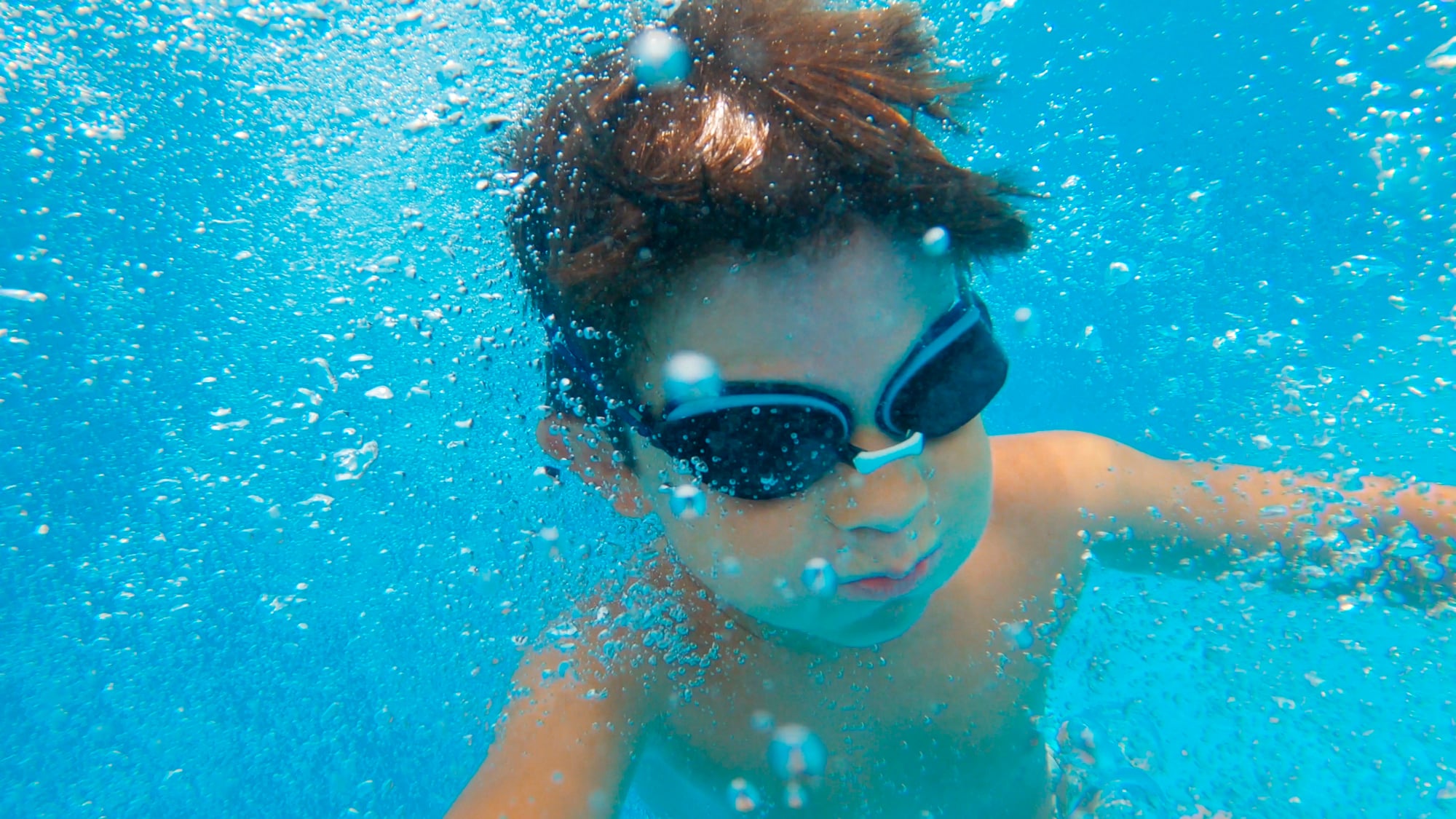
Getting older changes what you face beneath the surface. The ages of those who’ve dived longest or shortest show skill, readiness, effort matter more than physical limits alone.
Quick adjustment helps younger ones catch on fast. With time comes sharper awareness – older divers move steady, think ahead.
Facing deeper waters doesn’t demand youth alone. Staying sharp mentally, reading conditions carefully, also sticking strictly to training – those matter just as much.
Still, growing older brings a clearer view of what stands in the way, which makes reaching those depths feel different somehow.
Why these records still matter
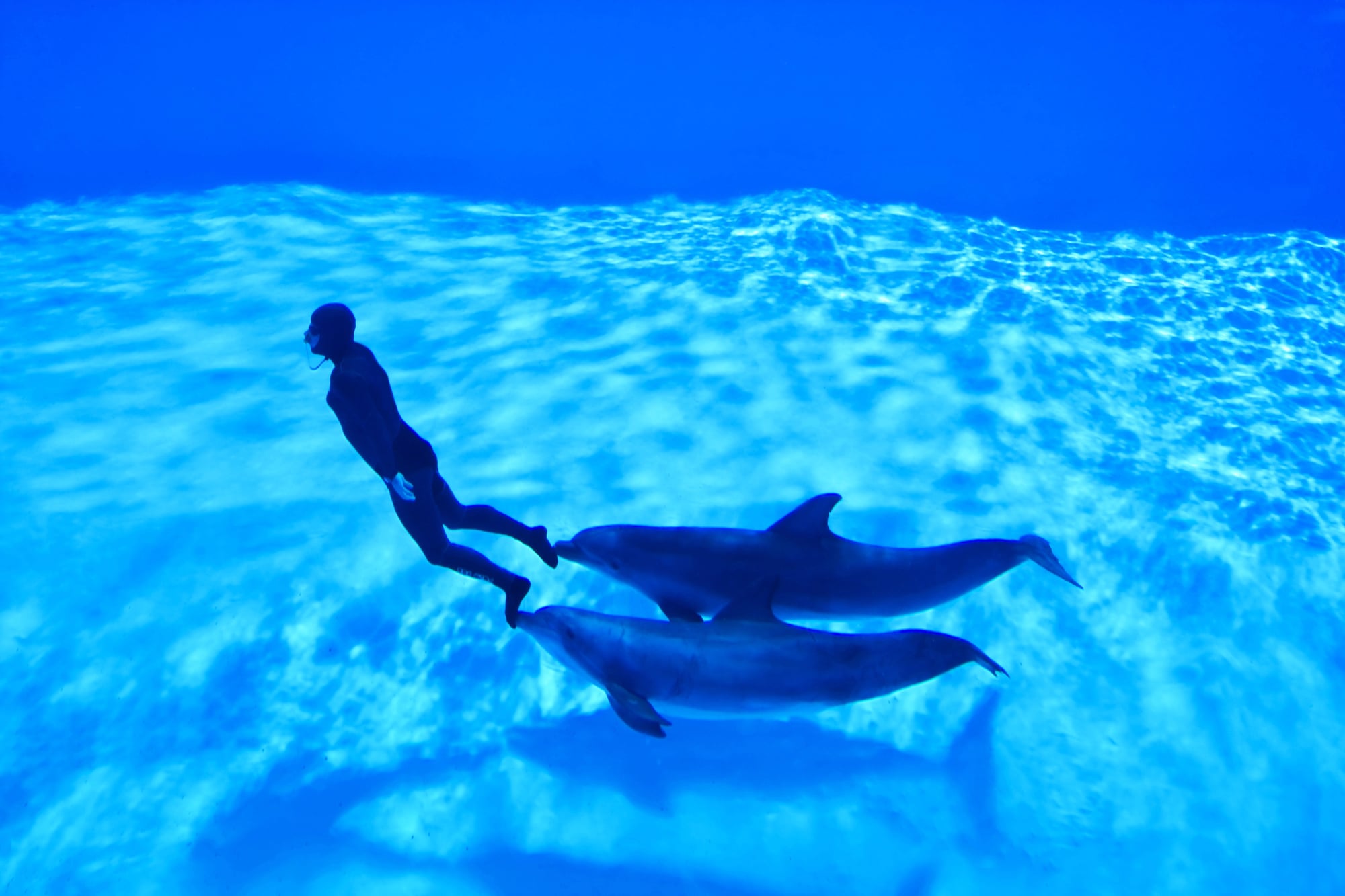
Curiosity drives people below the surface, where limits are tested not by machines alone but by will. Pushed deeper through time, each record ties past daring to today’s precision and strength.
Equipment helps, yet water remains indifferent – cold, immense, never tamed. What stands out isn’t speed or depth, but persistence in a world that resists being known.
What stands out is how these moments capture cleverness, bravery, upside-of-courage – all while honoring the wild world around us. Not mere statistics – they’re accounts where readiness runs into hardship, where steady minds hold firm when everything pushes back.
Technology moves forward too, proof that people grow smarter along with stronger when facing harsh places. Even once marks get shattered, the memory stays: deep places demand tough spirit, yet something keeps pulling folks downward, always wondering what waits hidden below.
More from Go2Tutors!

- The Romanov Crown Jewels and Their Tragic Fate
- 13 Historical Mysteries That Science Still Can’t Solve
- Famous Hoaxes That Fooled the World for Years
- 15 Child Stars with Tragic Adult Lives
- 16 Famous Jewelry Pieces in History
Like Go2Tutors’s content? Follow us on MSN.



