16 Underrated Wildlife Sanctuaries To Explore
Most people’s idea of a wildlife experience starts and ends with Yellowstone or the Everglades. Both are truly worth the trip, but they’re still far from the really good ones out there.
The U.S. is so large, and given its sheer size, it’s also home to some of the most amazing wildlife sanctuaries around. On top of that, there are also smaller, quieter sanctuaries where the animals are just as wonderful, and the crowds are a fraction of the size.
These underrated wildlife sanctuaries will show you there’s more than just the popular ones to visit, and their characteristics make them even more special.
Bosque del Apache National Wildlife Refuge, New Mexico
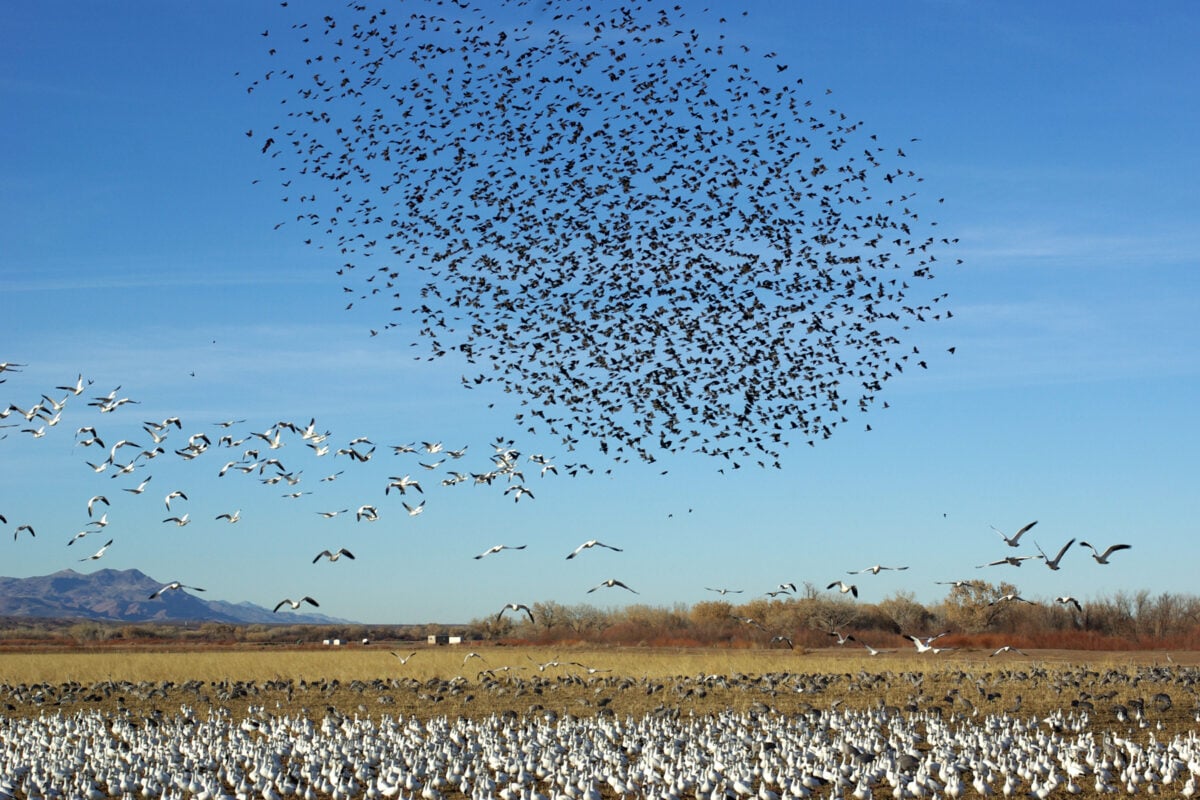
Every November, tens of thousands of sandhill cranes and snow geese descend on Bosque del Apache in one of the most spectacular wildlife events in North America — and somehow, most people have never heard of it. The refuge sits along the Rio Grande and covers around 57,000 acres of wetlands, meadows, and desert scrub that support an extraordinary range of species year-round.
The annual Festival of the Cranes draws photographers and birders from across the country, but even outside peak season, the refuge is quietly magnificent.
Okefenokee National Wildlife Refuge, Georgia
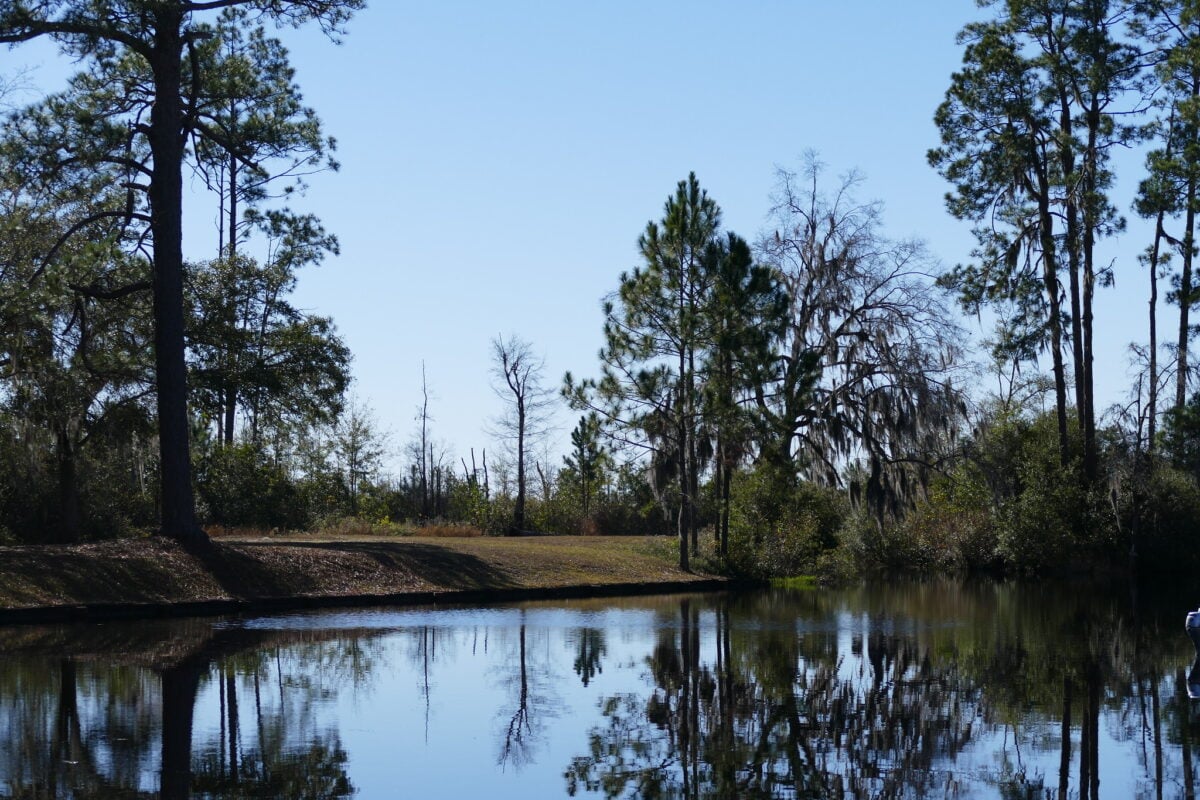
The Okefenokee is one of the oldest and most well-preserved freshwater ecosystems in the U.S., covering nearly 700 square miles of blackwater swamp along the Georgia-Florida border. American alligators are everywhere here — not glimpsed from a distance, but genuinely present and visible from canoe trails that wind through the cypress trees.
The refuge also supports black bears, sandhill cranes, and over 200 bird species, making it one of the most biodiverse places in the Southeast.
Kenai National Wildlife Refuge, Alaska
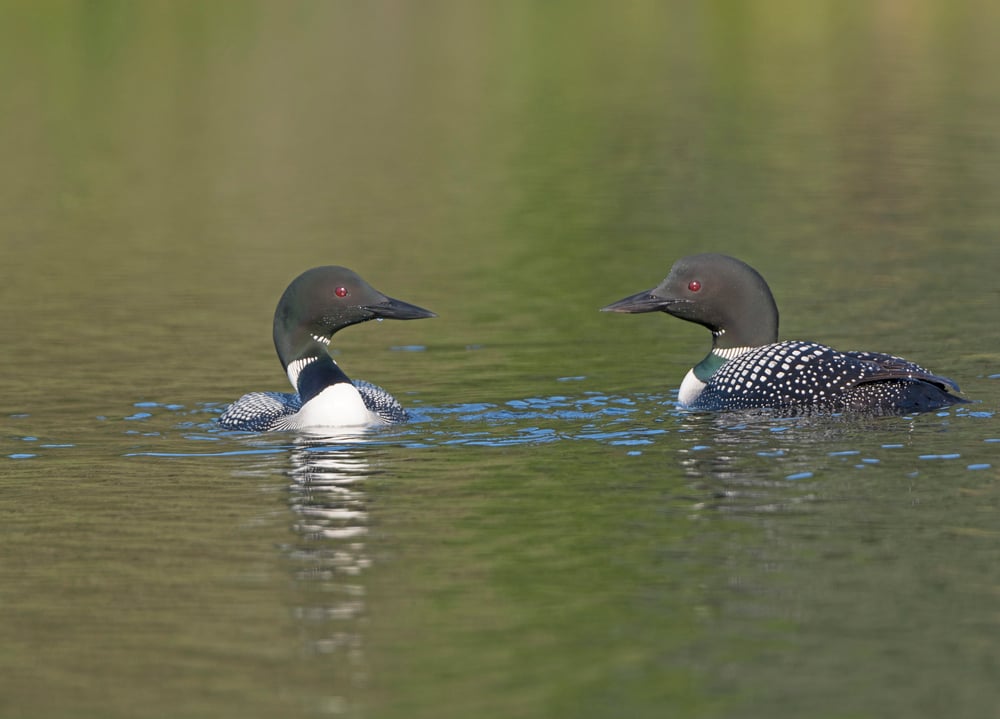
Kenai covers over 2 million acres on the Kenai Peninsula and offers the kind of wilderness that genuinely resets your sense of scale. Moose, brown bears, caribou, and Dall sheep all live here, along with wolves and lynx that are harder to spot but very much present.
The Kenai River running through the refuge is one of the most productive salmon rivers in the world, which means bald eagles and bears are frequently seen fishing along its banks during summer runs.
Aransas National Wildlife Refuge, Texas
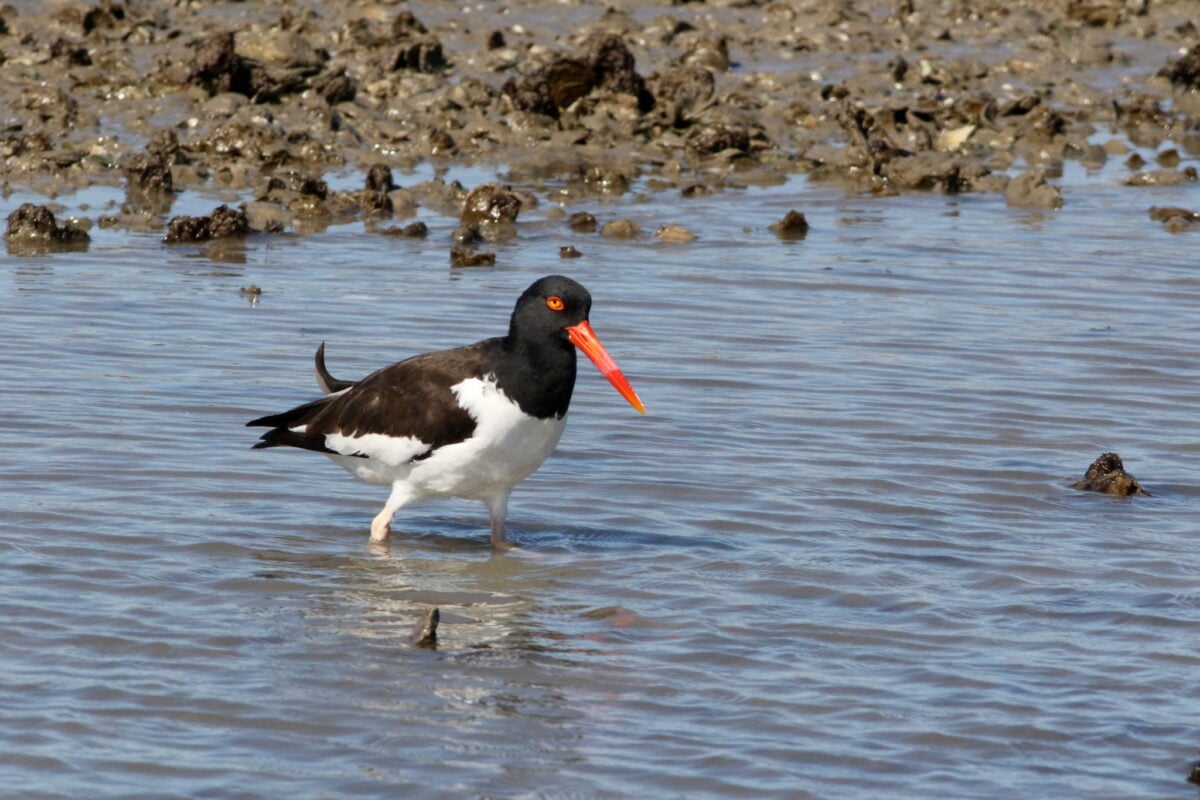
Aransas is the primary wintering ground for the whooping crane, one of North America’s rarest birds, and that alone makes it worth knowing about. The refuge sits on the Texas Gulf Coast and draws these striking white birds, standing nearly 5 feet tall, between November and March each year.
Beyond the cranes, Aransas supports alligators, white-tailed deer, roseate spoonbills, and hundreds of other bird species across its 115,000 acres of coastal marsh and upland habitat.
Tensas River National Wildlife Refuge, Louisiana
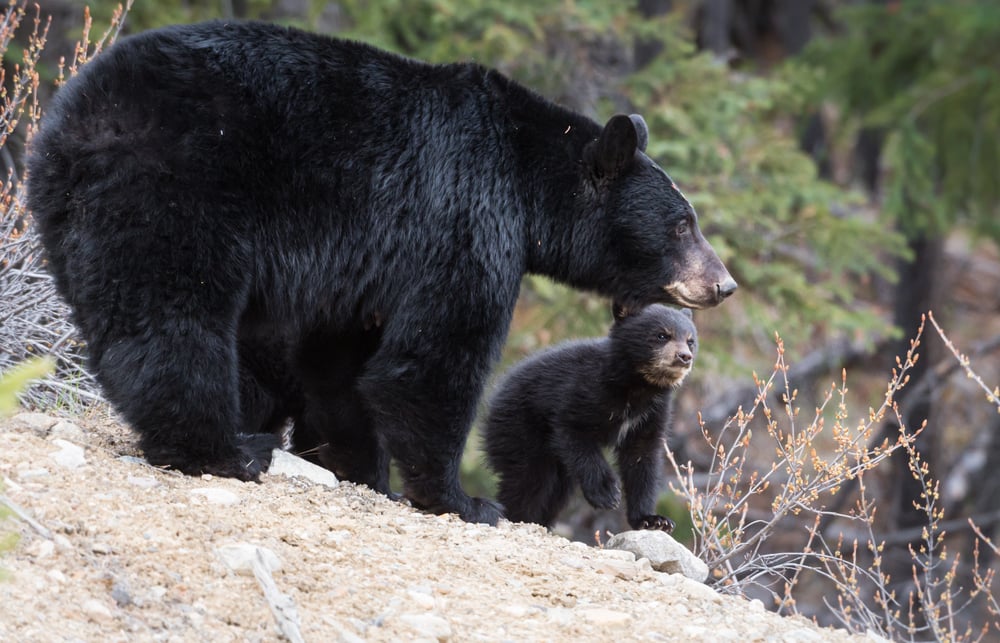
Tensas River is one of the last remaining tracts of bottomland hardwood forest in the Mississippi Alluvial Valley, and it feels like stepping into a wilder, older version of the South. Black bears have made a significant comeback here after years of near-local extinction, and the refuge now supports one of Louisiana’s healthiest bear populations.
Wood ducks, white-tailed deer, and river otters round out a wildlife roster that rewards patient, quiet visitors more than almost anywhere else in the state.
Seedskadee National Wildlife Refuge, Wyoming
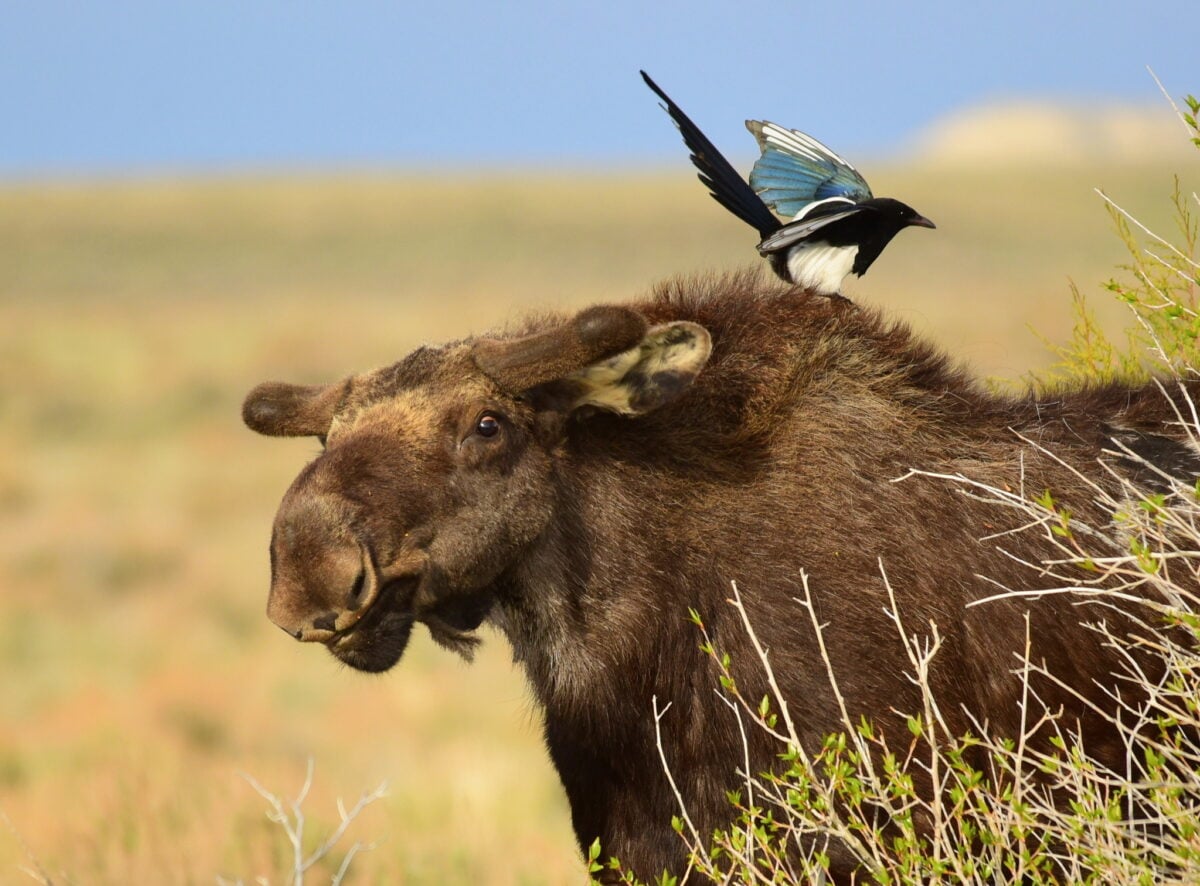
Seedskadee sits along a 36-mile stretch of the Green River in southwest Wyoming and protects a ribbon of wetland habitat surrounded by high-desert sagebrush. Trumpeter swans nest here, which is remarkable given how close the species came to extinction in the 20th century, and moose are commonly spotted wading through the marshy river edges.
The refuge also sits along the Oregon, California, and Mormon Pioneer National Historic Trails, adding a layer of history to what is already a compelling natural destination.
Patuxent Research Refuge, Maryland
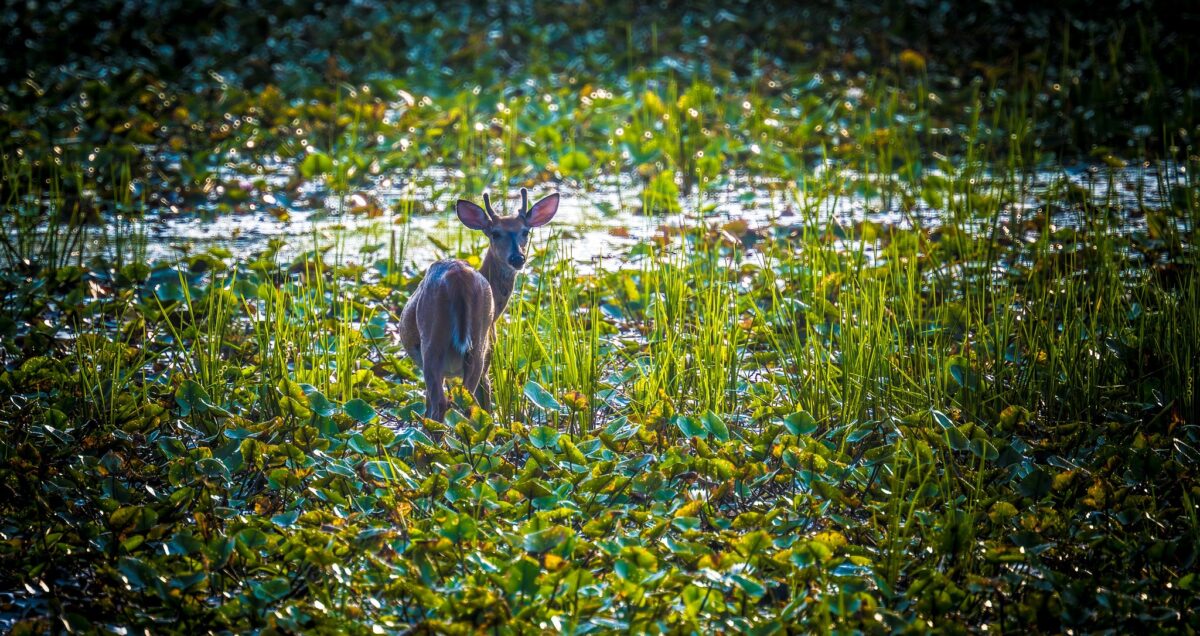
Patuxent is the only national wildlife refuge in the U.S. established specifically to support wildlife research, and it sits just 20 miles from Washington, D.C., in a location that surprises most people. The refuge covers nearly 13,000 acres of forest, wetlands, and meadows, and functions as both a working research station and a public wildlife area with well-maintained trails.
Great blue herons, bald eagles, red foxes, and white-tailed deer are regularly spotted, making it an accessible and genuinely rewarding urban-edge wildlife experience.
Tule Lake National Wildlife Refuge, California
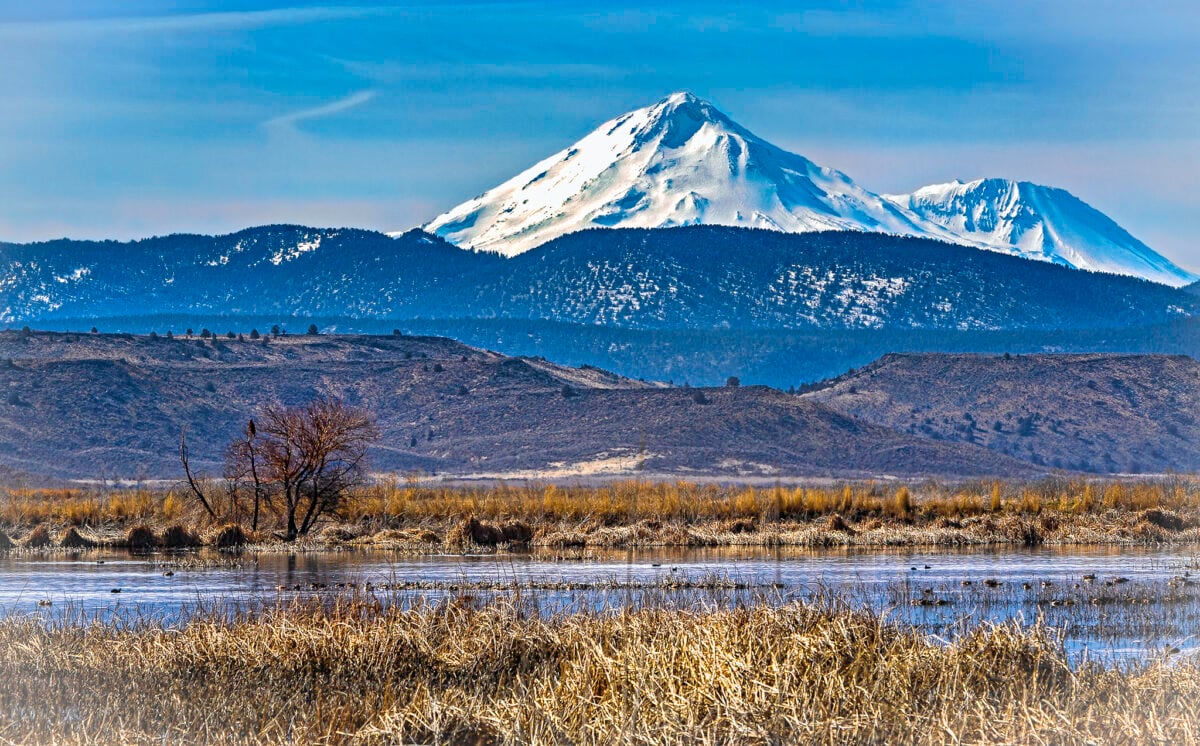
Tule Lake is located in the Klamath Basin near the Oregon border and hosts one of the largest concentrations of migratory waterfowl in North America during fall migration. During peak season, there are large numbers of ducks, geese, and white pelicans that have to be seen to be believed. It’s estimated that the birds can reach a million in count.
The refuge also has a dark history as the site of a Japanese American internment camp during World War II, with interpretive signage that adds meaningful historical context to the visit.
Corkscrew Swamp Sanctuary, Florida
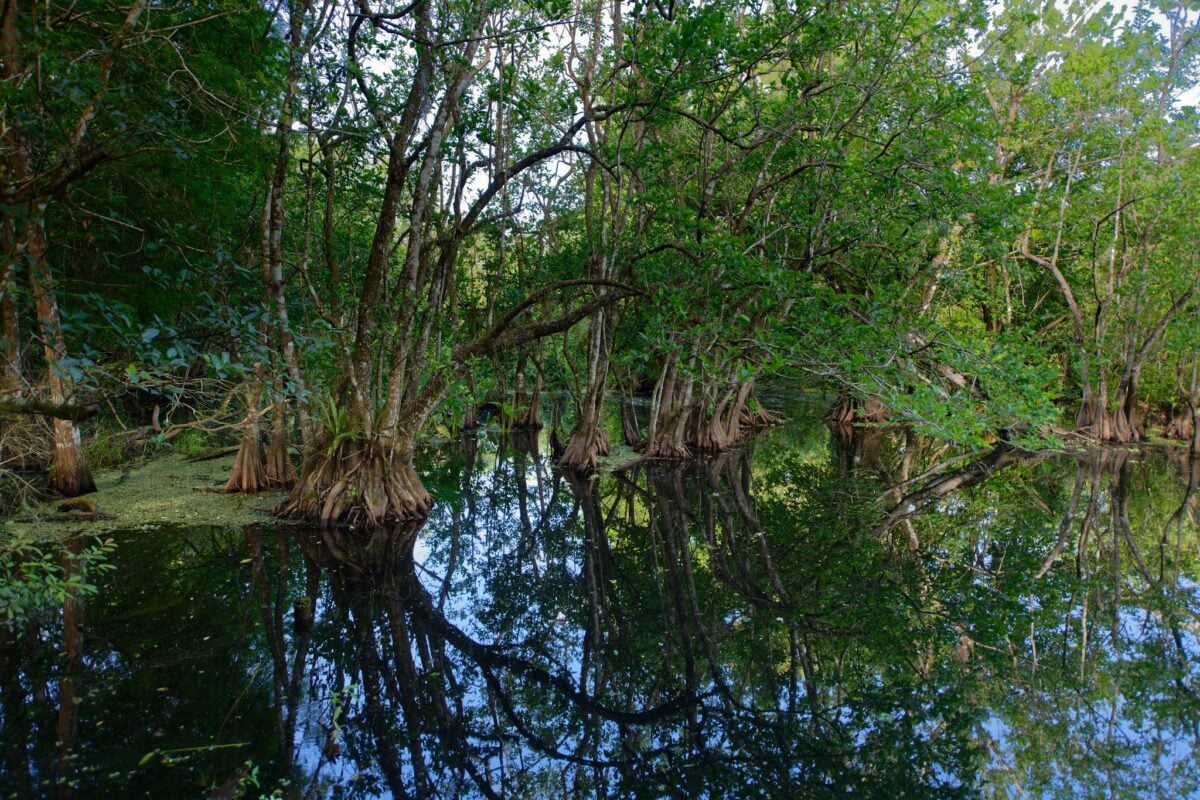
Corkscrew Swamp is managed by the National Audubon Society and protects the largest remaining old-growth bald cypress forest in North America, with trees that are over 500 years old. A 2.5-mile boardwalk winds through the swamp and puts visitors at eye level with wood storks, anhingas, alligators, and river otters without requiring any serious hiking ability.
The ancient cypress canopy creates a cathedral-like atmosphere that feels genuinely unlike anything else in Florida.
Ridgefield National Wildlife Refuge, Washington
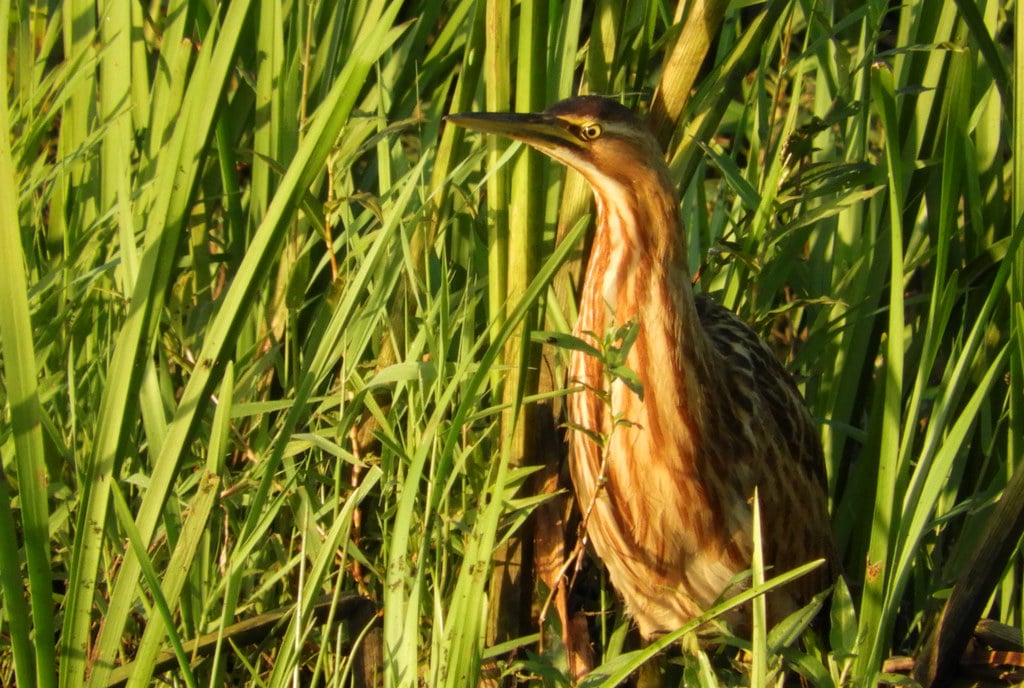
The Ridgefield in the Columbia River floodplain just north of Portland manages a mosaic of wetlands, grasslands, and woodlands. Every year, these regions attract an impressive range of Pacific Northwest wildlife. Sandhill cranes stop here during migration, tundra swans winter in the wetlands, and resident populations of great blue herons, beavers, and river otters are reliably visible, perfect for birdwatching.
The auto tour route makes it accessible for families and anyone who prefers wildlife watching from the comfort of their car.
Wheeler National Wildlife Refuge, Alabama
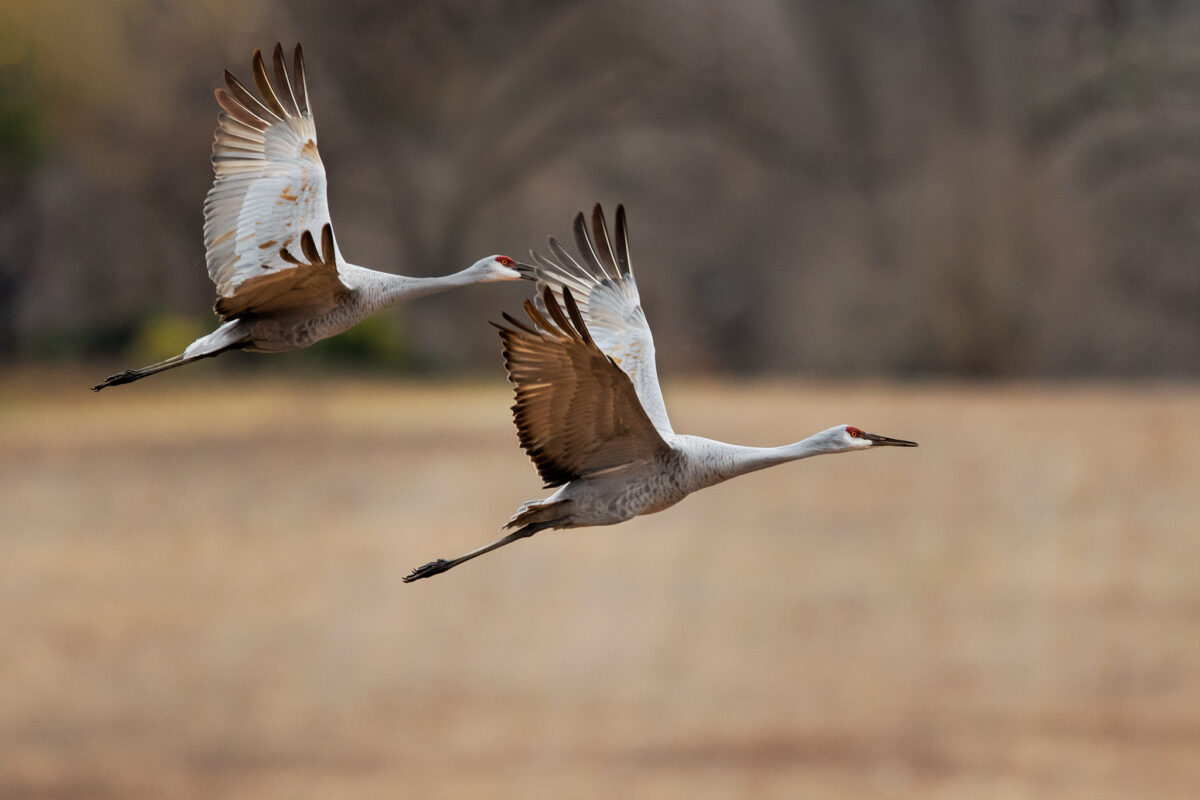
Wheeler is one of the oldest national wildlife refuges in the Southeast, established in 1938 along the Tennessee River in northern Alabama, and it remains one of the most important wintering grounds for migratory birds in the region. Between 10,000 and 30,000 sandhill cranes winter here alongside tens of thousands of ducks and geese, and the refuge visitor center has viewing areas that put you close to the action without disturbing the birds.
Bald eagles are a reliable winter sight as well, making January and February particularly rewarding months to visit.
Blackwater National Wildlife Refuge, Maryland
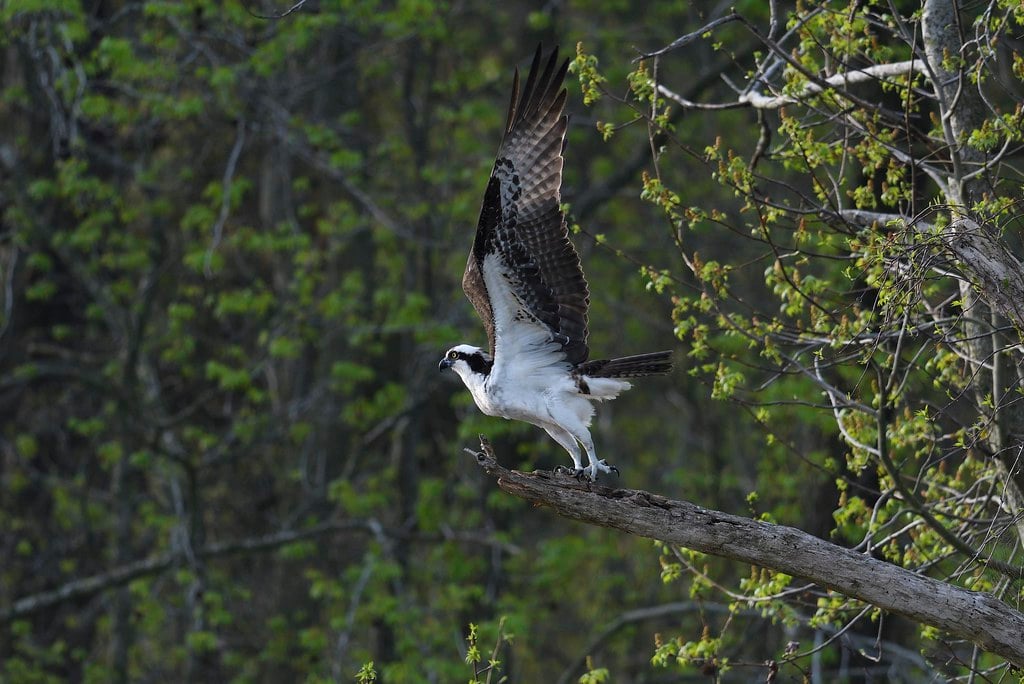
Blackwater sits on Maryland’s Eastern Shore and protects one of the most important remaining tracts of tidal wetland on the Mid-Atlantic coast. Bald eagles nest here in high density.
Blackwater supports one of the largest breeding populations of bald eagles on the East Coast outside of Florida, and the driving and cycling routes through the refuge offer close, unhurried views of the birds going about their business. The refuge also serves as a critical wintering ground for Canada geese and dabbling ducks that fill the marshes from October through March.
Laguna Atascosa National Wildlife Refuge, Texas
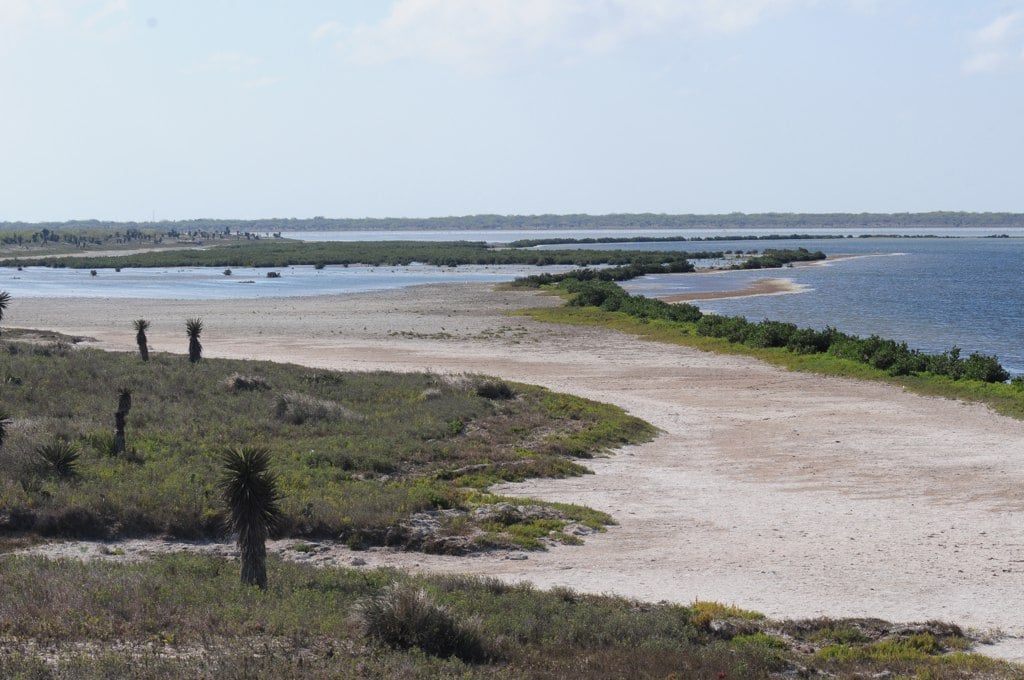
Laguna Atascosa is the largest protected natural area in the Rio Grande Valley and serves as one of the last refuges for the ocelot in the United States. Fewer than 100 of these small, spotted wildcats remain in the country, and most of them live here.
The refuge also protects aplomado falcons, which were reintroduced after disappearing from the U.S. for decades, along with alligators, javelinas, and an extraordinary concentration of bird species drawn by the refuge’s position on the Central Flyway. It’s a genuinely significant conservation site that most wildlife enthusiasts outside of Texas have never visited.
Noxubee National Wildlife Refuge, Mississippi
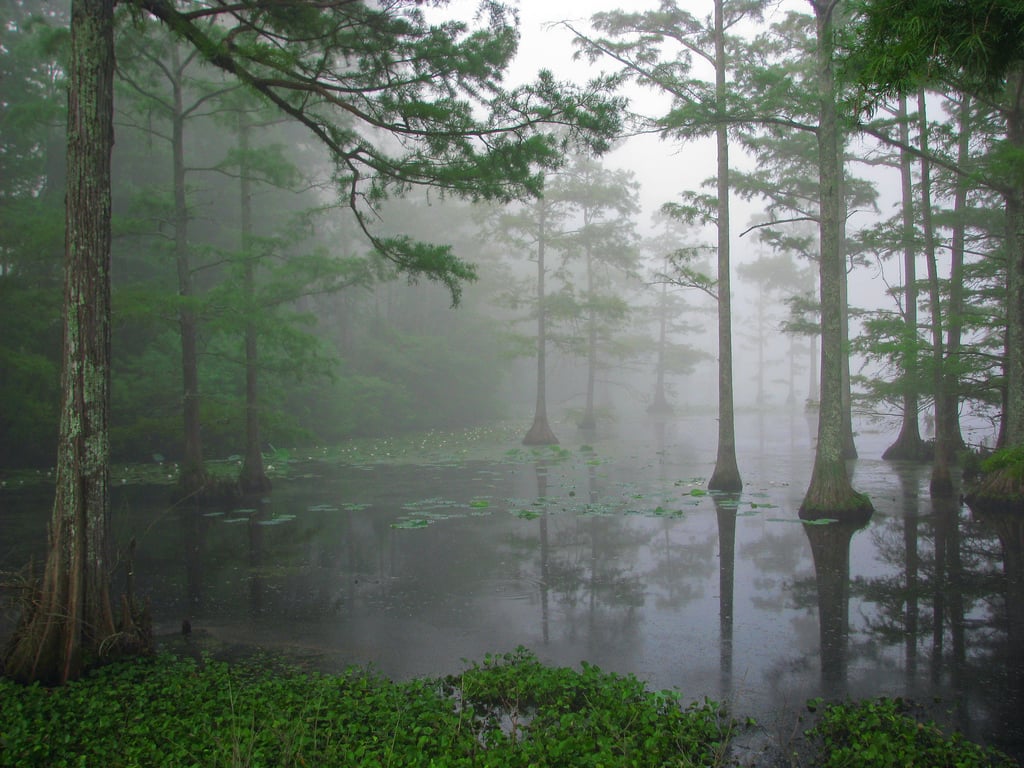
Noxubee covers around 48,000 acres in central Mississippi and protects a mix of bottomland forest, upland pine, and open water that supports a surprisingly rich array of wildlife. The American alligator population here is one of the most visible in Mississippi, with dozens regularly basking along the edges of Bluff Lake.
Red-cockaded woodpeckers, a federally endangered species, are in the refuge’s longleaf pine stands, and the overall sense of quiet wildness makes Noxubee feel much more remote than it actually is.
Malheur National Wildlife Refuge, Oregon
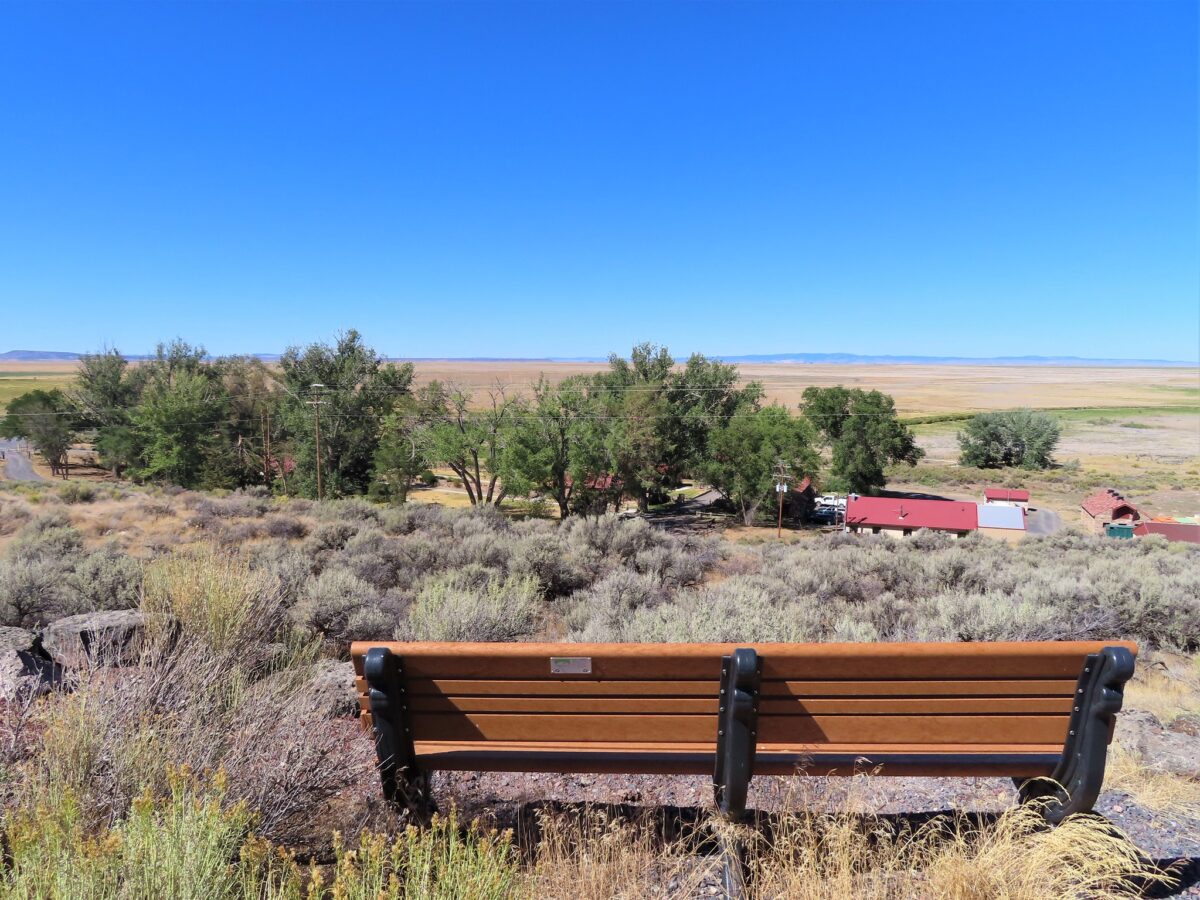
Malheur sits in the high desert of southeast Oregon and manages a vast network of lakes, marshes, and meadows that serve as a critical stopover for birds migrating along the Pacific Flyway. Greater sandhill cranes, white-faced ibis, and tricolored blackbirds gather here in numbers that make the refuge feel almost impossibly alive during spring migration.
The remoteness of the location, the nearest town is Burns, Oregon, population around 2,700, means visitor numbers stay low, and the wildlife experience stays undiluted.
Neal Smith National Wildlife Refuge, Iowa
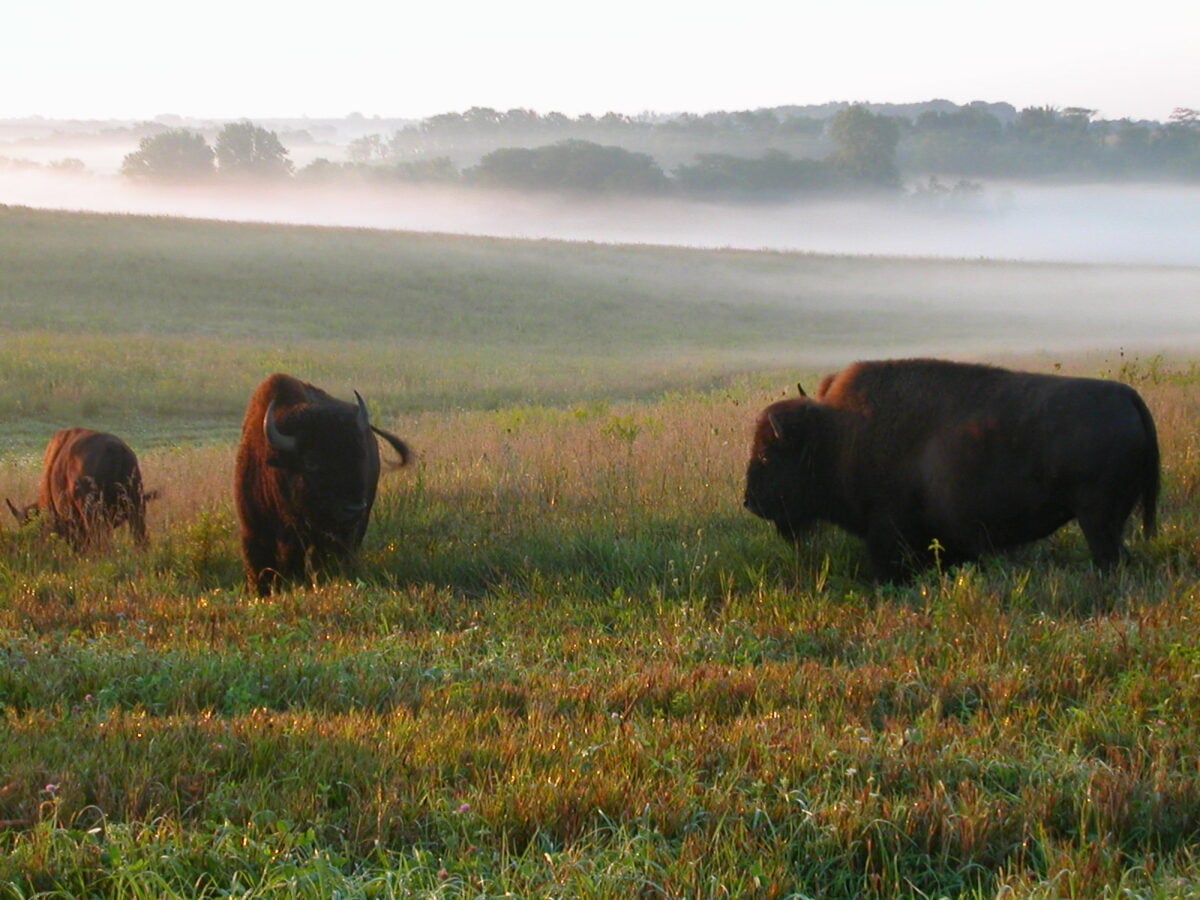
Neal Smith is one of the most ambitious tallgrass prairie restoration projects in the country, working to reconstruct an ecosystem that once covered 85% of Iowa but now occupies less than one-tenth of 1% of its original range. Bison and elk have been reintroduced to the refuge and roam a growing expanse of restored prairie that already supports rare prairie birds, monarch butterflies, and native wildflowers that most Iowans have never seen in the wild.
The visitor center does an excellent job of explaining why prairie restoration matters, making Neal Smith as educational as it is ecologically impressive.
The wild places hiding in plain sight
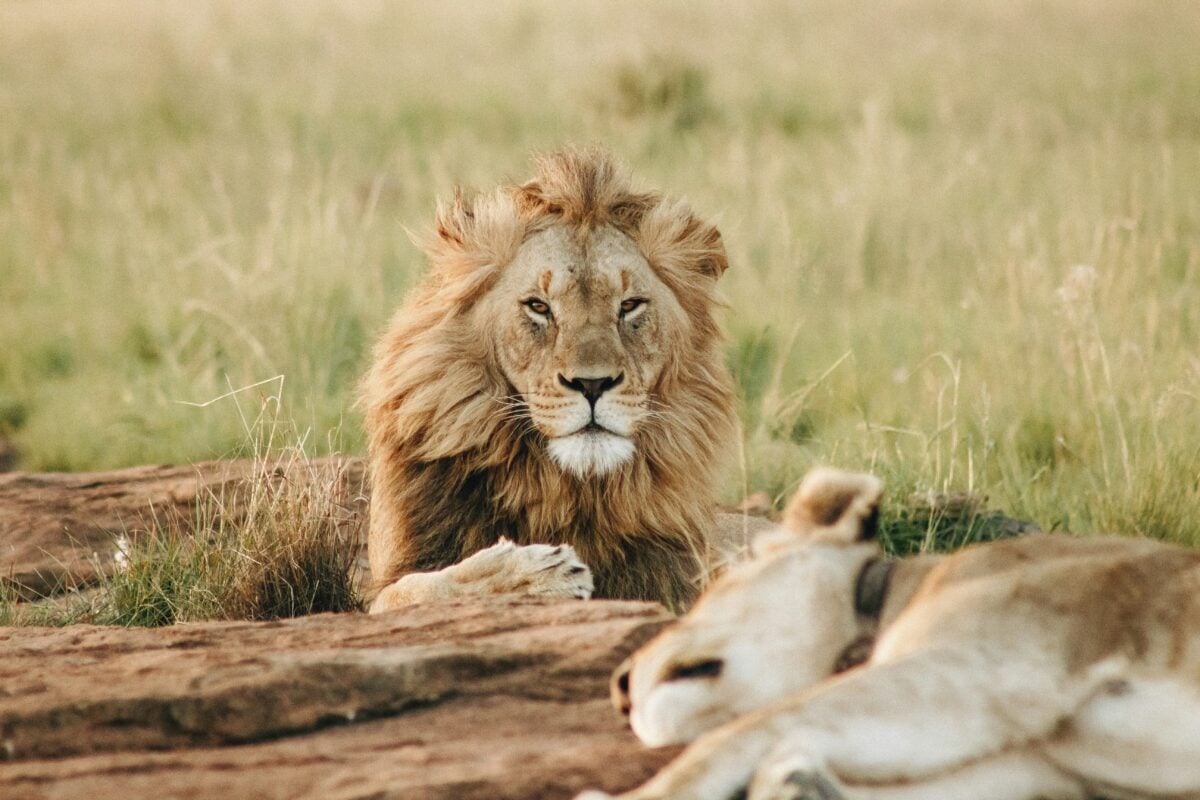
The U.S. wildlife refuge system covers over 150 million acres and includes more than 560 individual refuges, most of which receive a small fraction of the attention they deserve. These sanctuaries represent some of the best wildlife watching available anywhere in the country, and in most cases, a visit costs little more than a tank of gas and a willingness to slow down and look.
The animals are there. They’re just waiting for more people to show up.
More from Go2Tutors!

- The Romanov Crown Jewels and Their Tragic Fate
- 13 Historical Mysteries That Science Still Can’t Solve
- Famous Hoaxes That Fooled the World for Years
- 15 Child Stars with Tragic Adult Lives
- 16 Famous Jewelry Pieces in History
Like Go2Tutors’s content? Follow us on MSN.