US Military Awards and the Stories Behind Them
There’s a reason military medals are kept in velvet boxes and passed down through families like heirlooms. They’re not just decorations.
Each one marks a moment — usually a terrible, defining moment — when someone made a decision that changed everything. Some of those decisions saved lives.
Some ended the person’s own life. Understanding what these awards actually mean, and how they came to exist, tells you a lot about how the US military thinks about courage, sacrifice, and what it expects from the men and women who serve.
The Medal of Honor: The Weight of the Highest Recognition
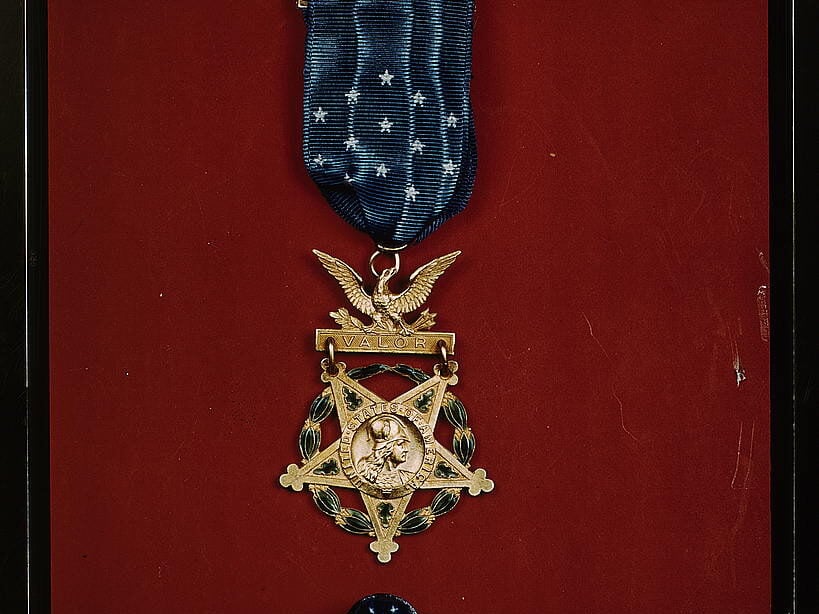
The Medal of Honor sits at the top of every military decoration list, and it has since Congress established it during the Civil War. Recipients receive it from the President, in person, and they’re entitled to a salute from any member of the armed forces regardless of rank — including generals saluting privates.
The stories attached to it are almost impossible to believe. Desmond Doss, a Seventh-day Adventist medic who refused to carry a weapon on religious grounds, evacuated 75 wounded soldiers from a cliff face on Okinawa over the course of a single night — lowering them down on ropes while under fire.
He received the Medal of Honor in 1945. Roy Benavidez, a Special Forces soldier in Vietnam, inserted himself into a firefight via helicopter to rescue a surrounded patrol, was shot multiple times, stabbed, and clubbed, and still managed to load the dead and wounded onto aircraft before collapsing. He was initially declared dead.
These aren’t exaggerations. They’re the standard the medal sets.
The Distinguished Service Cross: When the Medal of Honor Bar Isn’t Cleared
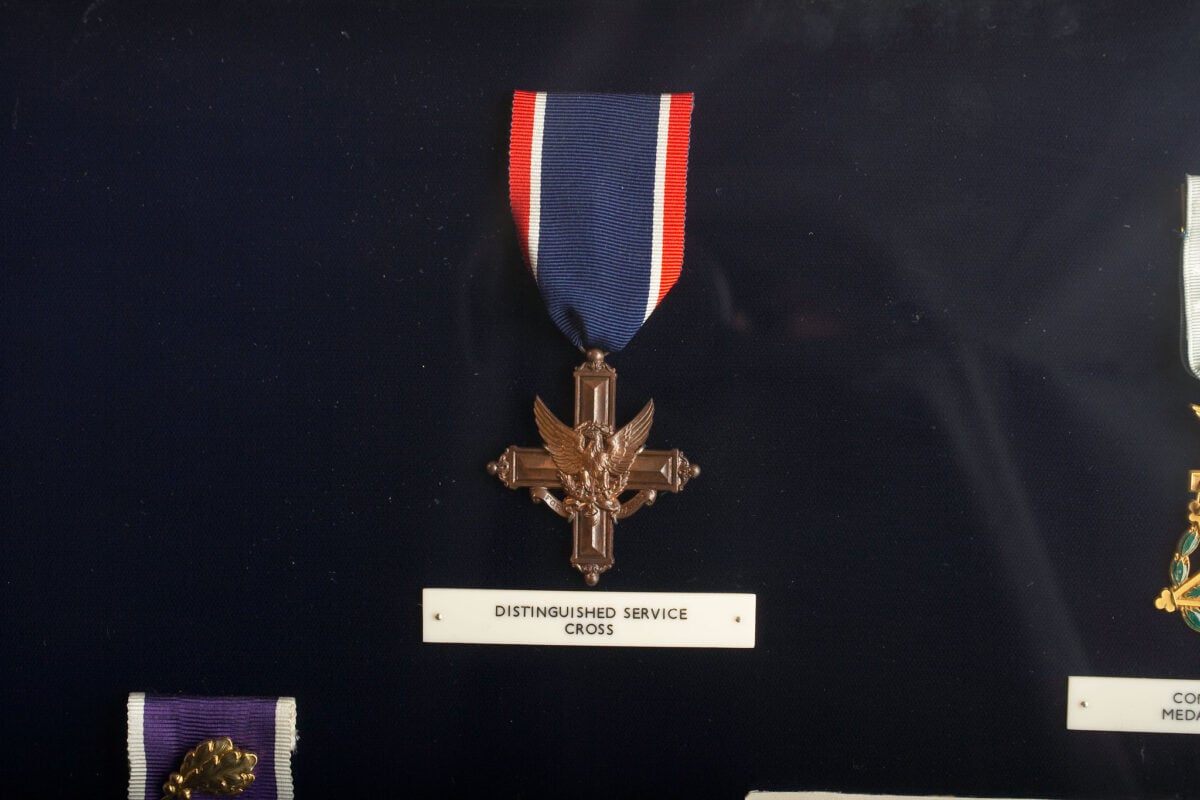
Extraordinary courage earns the Army’s Distinguished Service Cross, while similar acts in the sea branch and air division bring the Navy Cross or Air Force Cross instead. These honors sit close together, so near that telling one apart from another gets tricky on occasion.
Some who study past battles believe certain soldiers awarded the lower honor actually deserved the top prize. Deciding which feat counts more often feels less like a rule and more like a guess.
Out near the trees of Argonne, Alvin York did what few could – his courage pinned a nation’s respect. Still, the Distinguished Service Cross holds others just as fierce.
Up in the skies, Eddie Rickenbacker fought battles where odds stacked high against him, machine guns blazing from every side. Few came home with such scars and stories.
The Navy Cross is the highest honor given by the sea services
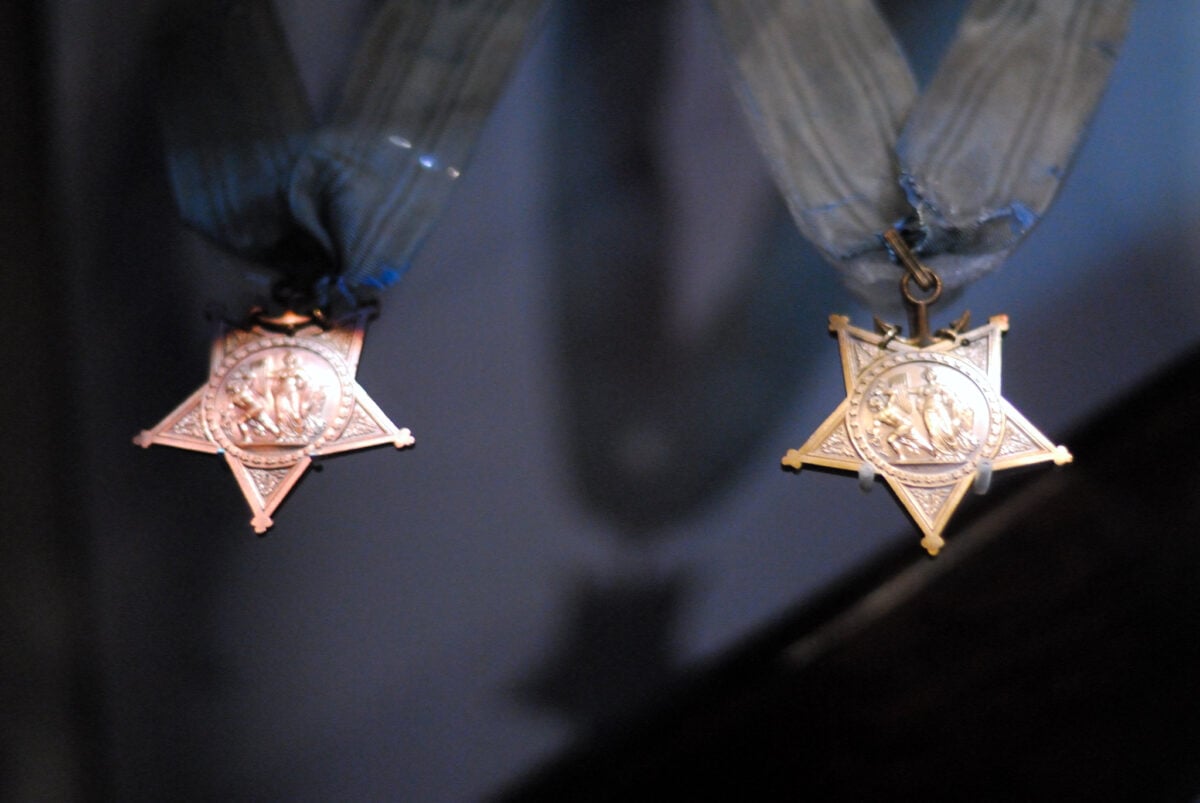
Before the Distinguished Service Cross came into being, there was already the Navy Cross – standing strong through years of sea battles. Heroes at sea earn it, not just sailors but also Marines and Coast Guard members when courage goes beyond duty in fight after fight.
Though separate, each story behind the medal tells of risk taken under fire, far from the spotlight. Out in the smoke of Belleau Wood, Dan Daly stood tall.
A Marine twice awarded the Medal of Honor, he wore the Navy Cross too. He may have roared at his troops: “Come on, you sons of bitches, do you want to live forever?”
That phrase stuck hard in war stories after. Exact wording aside, the spirit behind it rings true.
Leading under such flames demands a certain edge. Not polish.
Grit.
The Silver Star Honor for Brave Service in Every Military Unit

Awarded throughout every part of the military, the Silver Star ranks just below two others for bravery. What counts?
Facing hostile forces with clear courage, no matter the situation. Moments of boldness under threat earn this honor, whatever shape they take.
On fire, Audie Murphy fought back waves of enemy troops without backup. This man, America’s top-decorated WWII warrior, carried the Silver Star along with countless others.
A single page listing his Medal of Honor actions feels unreal – more legend than report. That moment, burned into history, later turned into film scenes.
Hurt but unrelenting, he fired from a flaming vehicle, calling in bombardments, stopping dozens for sixty minutes straight. Murphy returned from combat carrying what today we’d call PTSD, yet he faced it alone for years – well ahead of any official recognition by armed forces.
Speaking up shifted how people saw soldiers coming home.
The Bronze Star A Reach Beyond Measure

Some think the Bronze Star isn’t a big deal because so many have gotten one. Yet when you see that little “V” pinned on it, everything changes.
That mark means courage in battle, nothing less. Fire was involved.
Action mattered. The ribbon tells more than rank ever could.
A single letter changes everything when it comes to the Bronze Star. Though logistics personnel may earn the medal for strong performance under tough conditions near battle, the version marked with a “V” tells a different story entirely.
Being caught in active gunfire separates one from the other. What matters most is not just being present but acting bravely while shots are flying.
Recognition exists on both sides – yet only one demands facing fire head-on. Fresh off the start of World War II’s later years, more than three million Bronze Stars carry stories etched in time.
A new honor born in 1944 now marks countless acts across decades.
The Purple Heart: The Oldest American Military Decoration

George Washington created the original Badge of Military Merit in 1782, making the Purple Heart — its modern descendant — the oldest American military decoration still in use. The medal is awarded to those wounded or killed by enemy action.
It doesn’t require a valor citation. It requires blood.
That distinction matters. The Purple Heart acknowledges that war extracts a physical cost, and that the people who bear those wounds deserve formal recognition for it, separate from questions of courage or performance.
Some recipients have earned multiple Purple Hearts. Bob Kerrey, a Navy SEAL in Vietnam, lost part of his leg in one engagement and still led his team through the mission.
He received the Medal of Honor for a separate action.
The Distinguished Flying Cross: Above the Clouds

The Distinguished Flying Cross goes to pilots and aircrew who demonstrate heroism or extraordinary achievement during aerial flight. Charles Lindbergh received one of the first ever awarded, after his solo transatlantic flight in 1927.
So did Amelia Earhart, making her the first woman to receive it. In combat contexts, the DFC has gone to pilots who flew into impossible situations and brought their aircraft — and crews — back.
Jimmy Doolittle, who led the famous 1942 raid on Tokyo, earned one. The raid launched from an aircraft carrier far outside normal operating range, used bombers that weren’t designed for carrier operations, and had no safe landing sites within range of Japan.
Doolittle expected it to be a one-way mission.
The Legion of Merit: Meritorious Service Across Decades
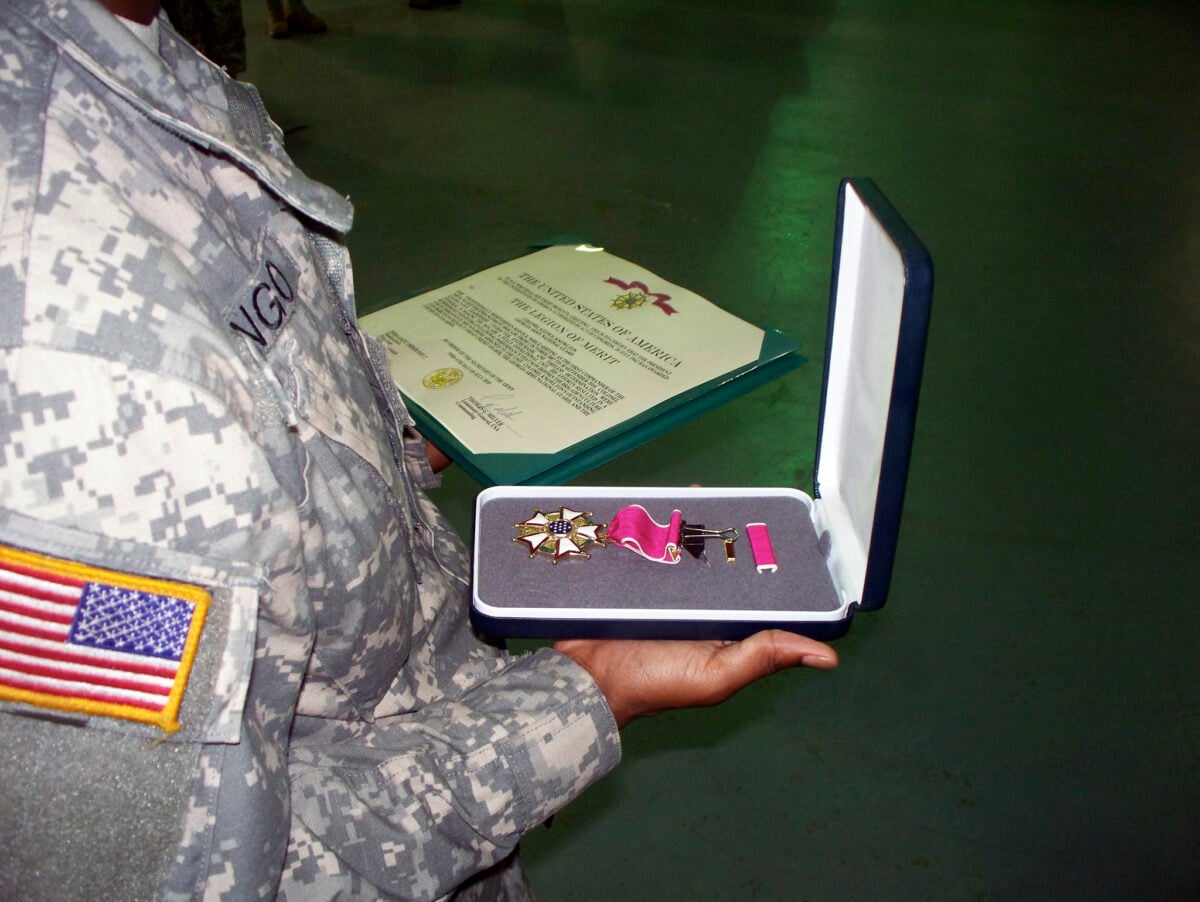
The Legion of Merit recognizes meritorious conduct in the performance of outstanding services. It’s frequently awarded to senior officers, and it’s one of the few US decorations that can be awarded to foreign military personnel.
It looks different from combat decorations because it often marks sustained performance rather than a single moment of crisis. Generals and admirals who manage complex multinational operations, who build partnerships that hold alliances together, who prevent conflicts through quiet work — these are the people who tend to earn Legions of Merit.
The Soldier’s Medal: Heroism Without an Enemy

The Soldier’s Medal covers heroism not involving actual conflict with an enemy — situations like pulling someone from a burning vehicle, rescuing a drowning person, or running into a building fire. The Air Force equivalent is the Airman’s Medal.
The Navy and Marine Corps use the Navy and Marine Corps Medal. These awards exist because courage doesn’t only appear on a battlefield.
And the military has always understood that the instinct to run toward danger rather than away from it shows up in peacetime too.
The POW Medal: Recognition of Endurance

Only in 1985 did a medal arrive for soldiers held captive by enemies. Held back for years, it appeared long after WWII, long past Korea.
Silence from military leaders delayed its creation. What prisoners went through took too long to name.
Recognition arrived quietly, without fanfare, when few expected it. Five and a half years inside the Hanoi Hilton followed John McCain being pulled from the sky above North Vietnam.
Offered freedom early due to his father’s rank as an admiral, he turned it down – choosing instead to stay until those captured earlier could also go. Beatings came often, harsh and unrelenting.
When worn by a man like McCain, the POW Medal isn’t just metal; its silence speaks louder than words ever might.
The Combat Action Badge and Combat Infantryman Badge Show Presence in Battle

A soldier earns the Combat Infantryman Badge by facing frontline battle, a tradition started during World War II. Not bravery beyond duty – just presence in the thick of things.
Some view it as their truest honor, since it demands no spectacle. What counts is simply showing up where it matters.
Soldiers far from the front lines found themselves fighting back in dusty outposts across Iraq and Afghanistan. A new badge came along in 2005 because old honors didn’t fit their reality.
Office clerks, medics, even truck drivers faced ambushes just like frontline troops. Recognition started shifting when it became clear that battle wasn’t limited to one job anymore.
Danger showed up where it once seemed impossible. Honoring courage began including those never trained for firefights but caught in them anyway.
Unit Citations Awarded for Collective Achievement

That cold stand at Bastogne, boxed in by enemy troops, brought the 101st Airborne their first Presidential Unit Citation. Whole groups get these honors, not single soldiers – think citations or valorous unit awards.
Despite missing gear, hammered by snow and frostbite, they stayed put. Because of how hard those days hit, recognition followed.
Out of nowhere came a single word – “Nuts.” That’s what General Anthony McAuliffe answered when German officers demanded surrender.
Confusion followed on their end. They did not grasp the meaning at first.
Only after an American officer stepped in was it made clear: refusal, nothing more. Through cold and chaos, the 101st stayed put.
Help reached them just in time.
The National Defense Service Medal Meaning of Service

A quiet honor slips under the radar while flashier medals grab headlines. Yet this one stands for steady service when the country called.
Handed out only in times of broad crisis, it quietly gathers on dress uniforms across decades. Most who wore the uniform through the Cold War walked away with it pinned on.
Same goes for those present during Vietnam, the Gulf buildup, or after the towers fell – each era carried its weight. Showing up matters more than glory.
What counts is stepping forward, taking the pledge, standing ready when called. Not everyone does.
Just being part of those willing to go – that holds weight. When service relies on choice, simply saying yes carries meaning.
The Hidden Lives Behind the Medals

What gets given at official events shows up in documents. Yet those who’ve served and wear such honors usually agree on one point: the award misses the real story behind it.
That is impossible to include. A tiny bit of metal sits there, silent.
Missing are the tension in that instant, the eyes seen during it, the long stretch of time living with it since then. It stands like a signpost, quietly pointing to what took place, confirming it was real and had weight.
Those present felt its meaning then, others felt it later just by knowing. Value stays, even when time moves on.
More from Go2Tutors!

- The Romanov Crown Jewels and Their Tragic Fate
- 13 Historical Mysteries That Science Still Can’t Solve
- Famous Hoaxes That Fooled the World for Years
- 15 Child Stars with Tragic Adult Lives
- 16 Famous Jewelry Pieces in History
Like Go2Tutors’s content? Follow us on MSN.



