30 Early Internet and Chatroom Memories from the ’90s That Feel Like Ancient History
Remember when the internet required patience? When connecting meant actual effort, and every click carried weight because you knew it might take forever to load?
Those days feel impossibly distant now, like stories from a different civilization entirely. The 1990s internet was a wild frontier where everything took longer, sounded worse, and somehow felt more magical than anything we experience today.
Dial-up Connection Sounds

That screech wasn’t background noise — it was the sound of your computer having a full conversation with the phone company. Every beep and static burst meant something specific, like a digital handshake that either worked or didn’t.
No in-between.
Busy Signals from Your ISP

So you’d try to connect and get nothing. Your internet service provider was full, like a restaurant with no tables left.
Go figure — the thing you’re paying for monthly just doesn’t work when you want to use it, and somehow this was considered normal.
AOL Free Trial CDs Everywhere

Those silver discs arrived in your mailbox with the persistence of someone who refused to take no for an answer (and who had apparently cornered the market on compact disc manufacturing). Each one promised hundreds of free hours, which sounds generous until you realize that AOL was essentially digital heroin: the first taste was free, but you’d be paying monthly fees for years afterward.
And yet people collected these CDs like they might be valuable someday — which, as it turns out, they never were. But finding them in old desk drawers now feels like discovering artifacts from a lost empire, complete with that same mixture of nostalgia and mild embarrassment you get when you find your old yearbook photos.
A/S/L as Standard Introduction

Age, gender, location — the holy trinity of ’90s chat introductions. This wasn’t small talk; it was essential data collection that happened in every single conversation.
People would rattle off “16/f/california” like it was their social security number.
Waiting 20 Minutes for One Song to Download

Napster made music pirates of everyone, but patience was the price of admission. You’d start downloading a song before dinner and hope it finished by bedtime (and that nobody picked up the phone in the meantime).
The anticipation built character in ways that instant streaming never could.
ICQ’s “Uh-oh!” Sound

That noise cut through household sounds like a smoke alarm, except instead of warning you about danger, it meant someone wanted to chat. The little flower that bloomed when messages arrived became Pavlovian conditioning — decades later, some people still feel a small jolt when they hear that particular chime, as if their computer is calling to them from 1997.
Geocities Personal Websites

HTML was a foreign language that everyone pretended to speak. Your personal homepage featured animated GIFs, background music that auto-played, and color schemes that could trigger migraines.
The result looked like a digital fever dream, but it was yours.
Screen Names as Identity Creation

Choosing your handle carried the weight of reinventing yourself entirely. “DarkPoet99” or “SkaterBoi2000” weren’t just usernames — they were declarations of who you wanted to become.
Some people spent hours crafting the perfect combination of letters and numbers that would represent their entire online existence.
Email Addresses You’d Never Want Your Boss to See

Hotmail and Yahoo accounts from the ’90s read like a teenage diary written in public. “CutiePie1985” seemed perfectly reasonable when you were 14, but explaining that email address in a job interview 20 years later required some creative storytelling.
Hamster Dance Taking Over the Internet

A webpage featuring rows of animated hamsters dancing to a sped-up Disney song became the most important thing on the entire internet for about six months. This wasn’t ironic appreciation — people genuinely found it mesmerizing.
The fact that something so simple could capture everyone’s attention says everything about how different online entertainment was back then.
Print-Outs of Important Emails

Paper copies of digital messages stacked up in desk drawers like insurance policies against technology failure (because, honestly, who knew if that email would still be there tomorrow, or if your computer would even turn on). People treated their inbox like a temporary storage facility that might disappear without warning.
So birthday messages from friends, funny jokes forwarded by relatives, and anything remotely important got the paper treatment. And yet these printouts captured something that modern screenshots don’t: the fonts were different, the formatting was wonky, and somehow the physical version felt more real than the digital original.
Buddy Lists as Social Maps

AIM buddy lists weren’t contact information — they were living documents of your social hierarchy. The order mattered.
Custom categories mattered even more. Whether someone was online became daily intelligence about your entire social circle.
Away Messages as Personal Statements

These weren’t out-of-office replies; they were philosophical manifestos. Song lyrics, inside jokes, cryptic references to weekend plans — your away message was performance art with an audience of everyone who might want to talk to you.
Loading Images Line by Line
Pictures revealed themselves slowly, like Polaroids developing in reverse. You’d watch a photo ap
pear from top to bottom, sometimes waiting several minutes to see if the person in the image was actually attractive or if the joke at the bottom was worth the wait.
Netscape Navigator vs. Internet Explorer Wars

Browser choice felt like picking a side in an actual war. Netscape users looked down on Internet Explorer people, who fired back that at least their browser came with their computer.
These weren’t software preferences; they were tribal identities.
Chat Room Lurkers Who Never Talked

Every chatroom had silent observers who watched conversations unfold without contributing anything — digital wallflowers who somehow made the space feel both more crowded and more mysterious. Their presence was obvious from the user count, but their silence created an odd tension, like performing for an audience you couldn’t see.
And yet their lurking seemed perfectly normal, even expected: not everyone needed to talk, but everyone wanted to watch what happened when people gathered in these strange new digital spaces.
ASCII Art Signatures

Text-based drawings served as personal logos, crafted character by character. Creating one required genuine artistic skill and infinite patience.
These weren’t copy-and-paste jobs — they were hand-coded masterpieces that announced your technical prowess and aesthetic sensibilities.
56k Modems as Luxury Items
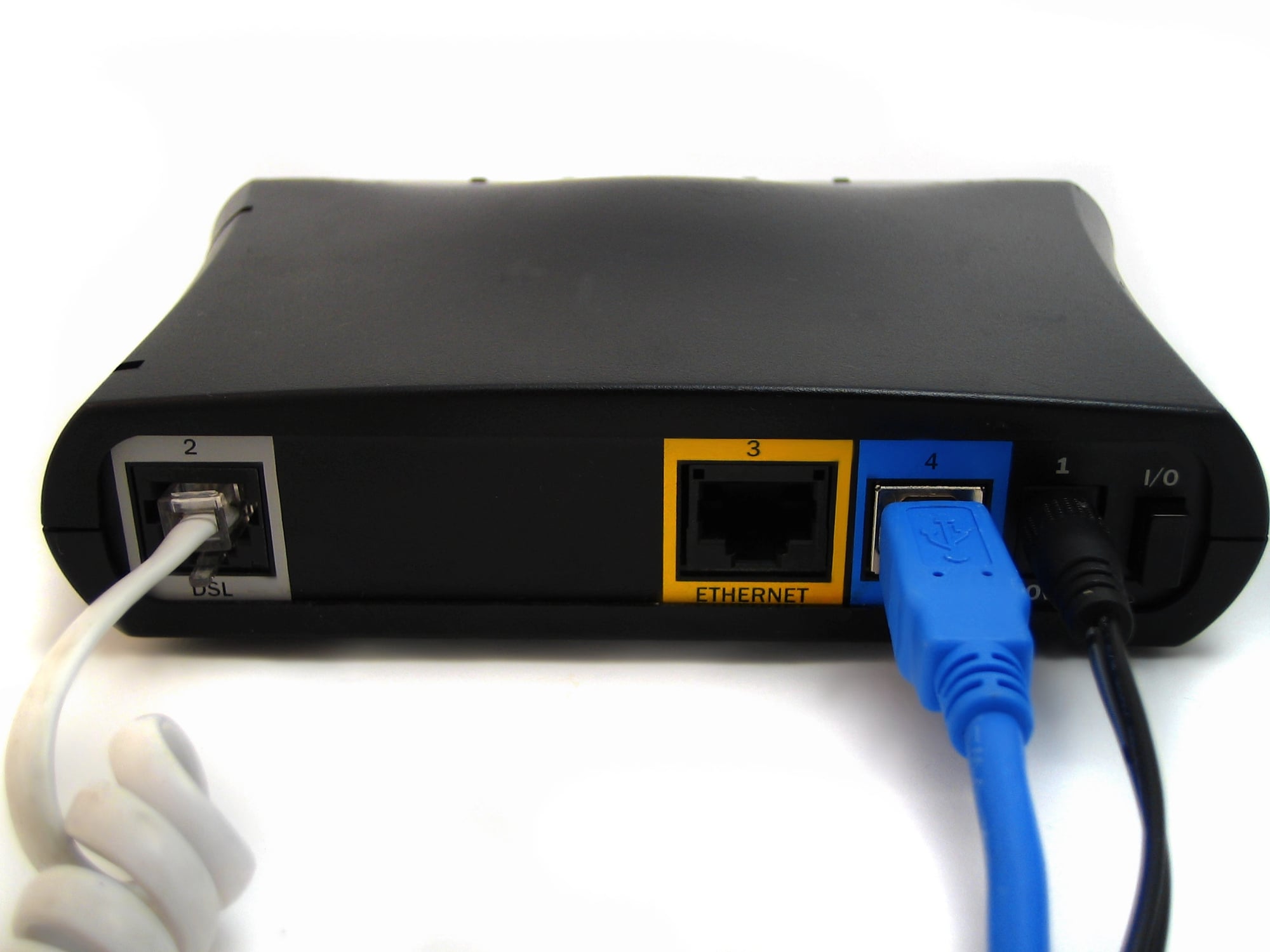
Upgrading from 28.8k to 56k felt like installing a rocket engine in your computer. The speed difference was noticeable enough to brag about, and “56k” became shorthand for having cutting-edge technology.
Forwarded Email Chains as Social Currency

Those messages promised good luck, bad luck, or chain letters that would somehow affect your real life based on how many people you forwarded them to. Rational adults participated in this digital folklore, treating email forwards like important civic duties.
Real Player Buffering Forever

Streaming video existed, technically, but watching a 30-second clip required the patience of a medieval monk (and the optimism of someone who believed technology would eventually work as advertised). Real Player would buffer, pause, buffer some more, play three seconds of choppy video, then buffer again.
But those few seconds of actual streaming felt like glimpsing the future, even if that future was apparently going to take forever to arrive. And yet people would sit through five minutes of buffering to watch 30 seconds of grainy video, because the alternative was no video at all.
Signing Off AIM Dramatically

Logging out wasn’t just closing a program — it was making an exit. People would announce their departure, sometimes with elaborate explanations about homework or family obligations.
The simple act of going offline became a social event.
Bookmarking Everything Important
Favorites folders grew into elaborate filing systems because finding anything twice on the early web was nearly impossible. That one useful site you found might vanish forever if you didn’t bookmark it immediately.
CD-ROM Demonstrations at Electronics Stores

Interactive encyclopedias and educational games played on repeat at computer stores, showing off the magical possibilities of multimedia computing. These demonstrations made CD-ROMs feel like stepping stones to the future.
Message Boards with Strict Hierarchies

Post counts determined social status, and moderators wielded actual power. Being banned from a forum carried real social consequences because finding alternative communities wasn’t as simple as clicking “join.”
Downloading Software from Shareware Collections

Programs came on floppy disks purchased from magazine ads or computer shows. Software wasn’t something you just grabbed online — it was a physical purchase that required planning and actual money.
WebRings as Navigation Tools

Related websites linked together in circles, creating paths through similar content that didn’t rely on search engines. Following a web ring felt like following a treasure map through the internet’s back roads.
Printing Driving Directions from MapQuest

Online maps existed, but they couldn’t come with you in the car. So every trip required printing turn-by-turn directions that might or might not be accurate.
Getting lost meant stopping at gas stations to ask for help.
Java Applets Loading Slowly

Interactive website elements required downloading small programs that took forever to start. But when they finally worked — animations, games, interactive graphics — they felt like magic compared to static HTML pages.
Finding Everything Through Yahoo’s Directory
Search meant browsing through categories organized by human editors. You’d click through “Entertainment > Games > Computer Games > Action” to find what you wanted.
This hierarchical treasure hunt took time, but discovering unexpected sites along the way was part of the experience.
The Digital Time Capsule We Accidentally Buried
Looking back at ’90s internet culture feels like opening a time capsule that nobody meant to bury. Those chatroom conversations, elaborate email signatures, and carefully curated buddy lists weren’t just communication tools — they were the rough draft of digital life itself.
We were all beta testing what it meant to be human online, making up the rules as we went along. The patience we had then, the excitement over technologies that now seem impossibly primitive, the genuine sense of wonder at connecting with strangers across the world — all of it got buried under decades of faster connections and sleeker interfaces.
But sometimes, in the quiet moment before a page loads or in the anticipation of a message notification, you can still feel the ghost of that original magic, waiting three minutes for a single song to download and thinking it was worth every second.
More from Go2Tutors!

- The Romanov Crown Jewels and Their Tragic Fate
- 13 Historical Mysteries That Science Still Can’t Solve
- Famous Hoaxes That Fooled the World for Years
- 15 Child Stars with Tragic Adult Lives
- 16 Famous Jewelry Pieces in History
Like Go2Tutors’s content? Follow us on MSN.