Farming Methods That Influenced Cuisine
Food tastes the way it does because of how people have grown it over thousands of years. Every cooking tradition around the world developed from the crops farmers could actually raise and the animals they managed to keep alive in their specific climate and soil.
The ingredients that showed up on dinner tables weren’t random choices but direct results of what farming techniques made possible in each region. So let’s look at how different ways of growing food shaped what people learned to cook and eat.
Terraced rice paddies in Asia

Rice terraces carved into mountainsides completely transformed eating habits across Asia. Farmers figured out how to flood stepped fields on steep slopes, creating perfect growing conditions for rice in places where flat land was scarce.
This innovation made rice the foundation of meals from China to the Philippines. The constant water supply these terraces provided meant communities could grow rice reliably year after year.
Dishes like sticky rice, rice noodles, and countless rice-based desserts only exist because this farming method worked so well.
Crop rotation in medieval Europe

European farmers discovered that planting different crops in sequence kept soil healthy and productive. One year they’d grow wheat, the next year legumes like peas or beans, then let the field rest.
This pattern meant people always had access to both grains and protein-rich plants. The combination led to classic European dishes that mix bread with bean stews or pea soups.
Without this farming approach, the varied diet that defines European cuisine would never have developed.
Chinampas in ancient Mexico

The Aztecs built floating gardens called chinampas in shallow lake beds, essentially creating super-fertile artificial islands. These raised fields stayed moist from the surrounding water and produced incredible amounts of food in a small space.
Corn, beans, squash, tomatoes, and chili peppers all thrived in chinampas. Mexican cuisine’s signature combination of these ingredients happened because this farming method allowed all of them to grow abundantly in the same area.
Dishes like tacos, salsas, and moles reflect what chinampas made available.
Nomadic herding in Central Asia
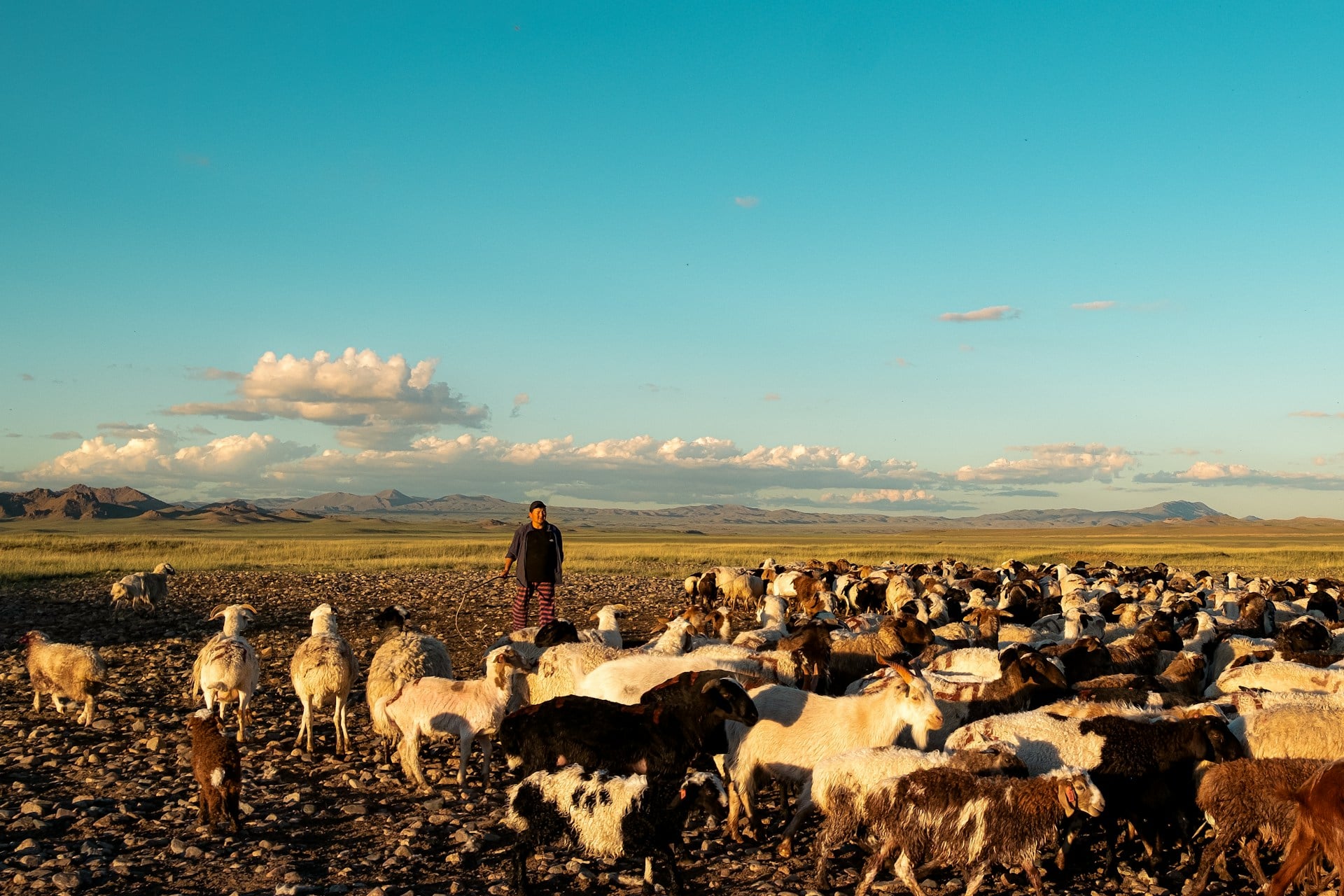
Moving livestock across vast grasslands shaped an entirely different food culture. Herders in Mongolia, Kazakhstan, and surrounding regions kept sheep, goats, horses, and yaks that could travel long distances to find grazing land.
This lifestyle meant people relied heavily on dairy products and preserved meats since they couldn’t grow many vegetables. Fermented mare’s milk, dried meat strips, and various cheeses became dietary staples.
The cooking methods involved portable ingredients that could survive months without refrigeration.
Irrigation systems in Mesopotamia
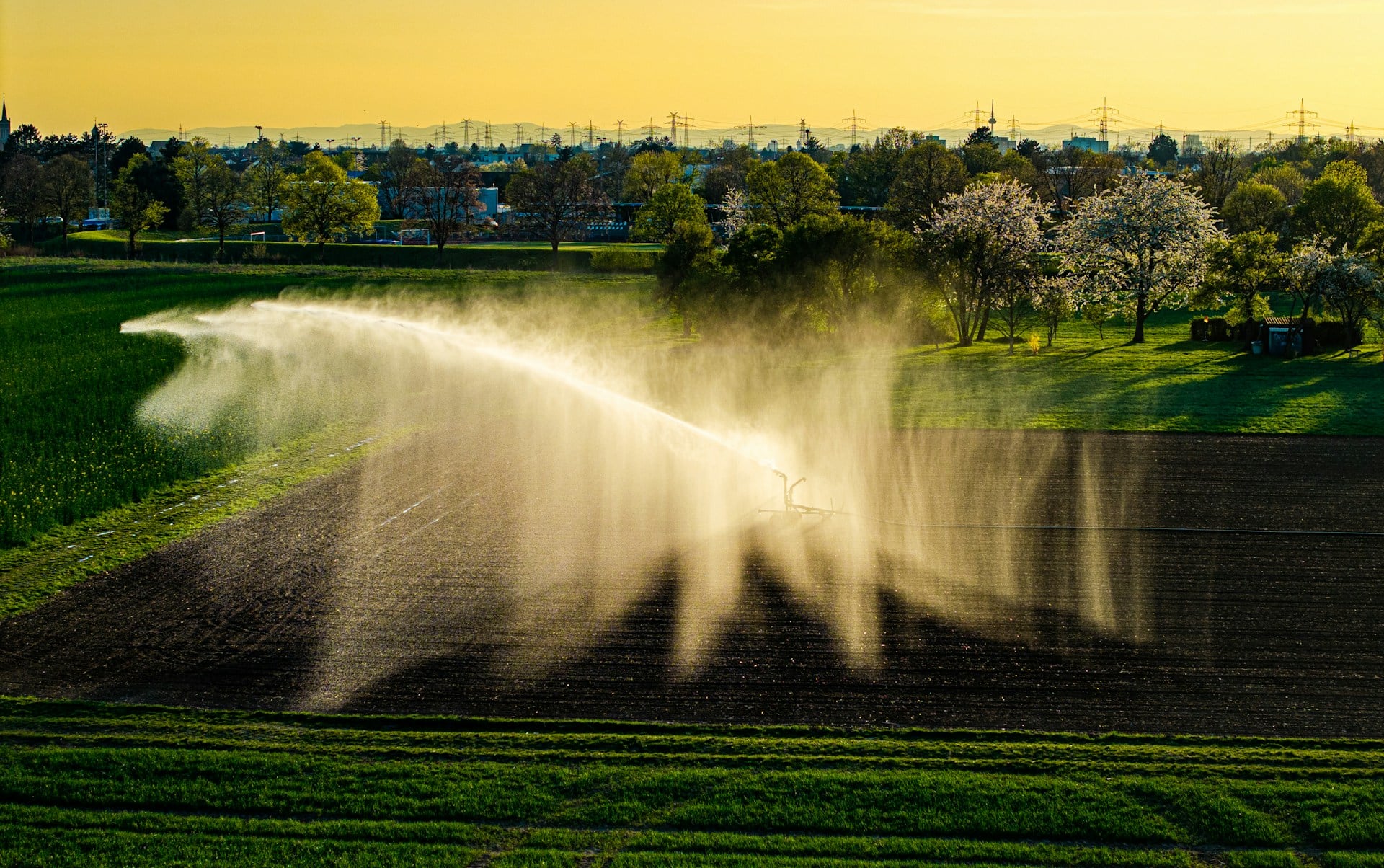
Ancient farmers in modern-day Iraq developed some of the earliest irrigation canals to bring river water to dry fields. This allowed them to grow barley, wheat, dates, and various vegetables in a desert environment.
The abundance of grains led to early forms of bread and beer, both of which became central to daily meals. Mesopotamian cuisine featured date syrup as a sweetener because date palms flourished with consistent irrigation.
The farming infrastructure directly determined what flavors and textures showed up in food.
Slash and burn agriculture in tropical regions

Farmers in rainforests cleared land by cutting down trees and burning the debris, which released nutrients into the soil. This method worked for a few years before farmers moved to a new plot and let the old one regrow.
Crops like cassava, yams, plantains, and taro grew well in the temporary clearings. These starchy root vegetables became the main foods in many tropical cuisines because they suited this farming pattern.
Dishes across Africa, South America, and Southeast Asia still feature these ingredients prominently.
Olive groves around the Mediterranean

Mediterranean farmers planted olive trees on rocky hillsides where other crops struggled to grow. The trees took years to mature but then produced olives for generations with minimal care.
Olive oil became the primary cooking fat throughout the region because the trees were everywhere. This influenced everything from how people cooked vegetables to how they preserved fish and flavored bread.
Mediterranean cuisine tastes the way it does largely because olive cultivation was so practical in that climate.
Three Sisters planting in North America
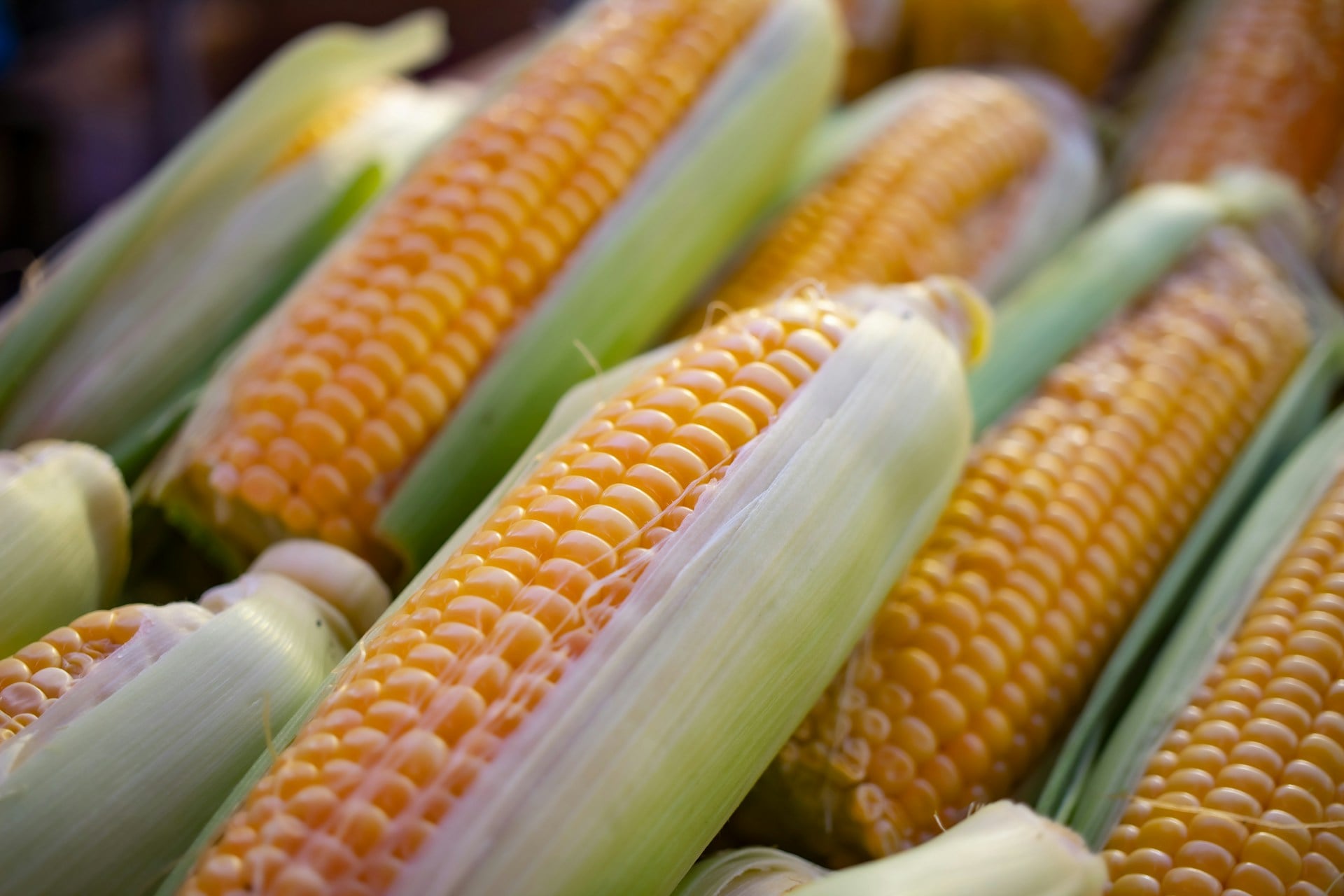
Indigenous farmers in North America planted corn, beans, and squash together in the same mounds. The corn stalks gave beans something to climb, the beans added nitrogen to the soil, and the squash leaves shaded the ground to keep it moist.
This companion planting meant all three crops thrived together and provided complete nutrition. Native American cuisine naturally combined these three ingredients in soups, stews, and other dishes.
The farming technique created the flavor combinations that defined indigenous cooking.
Wet rice cultivation in Japan
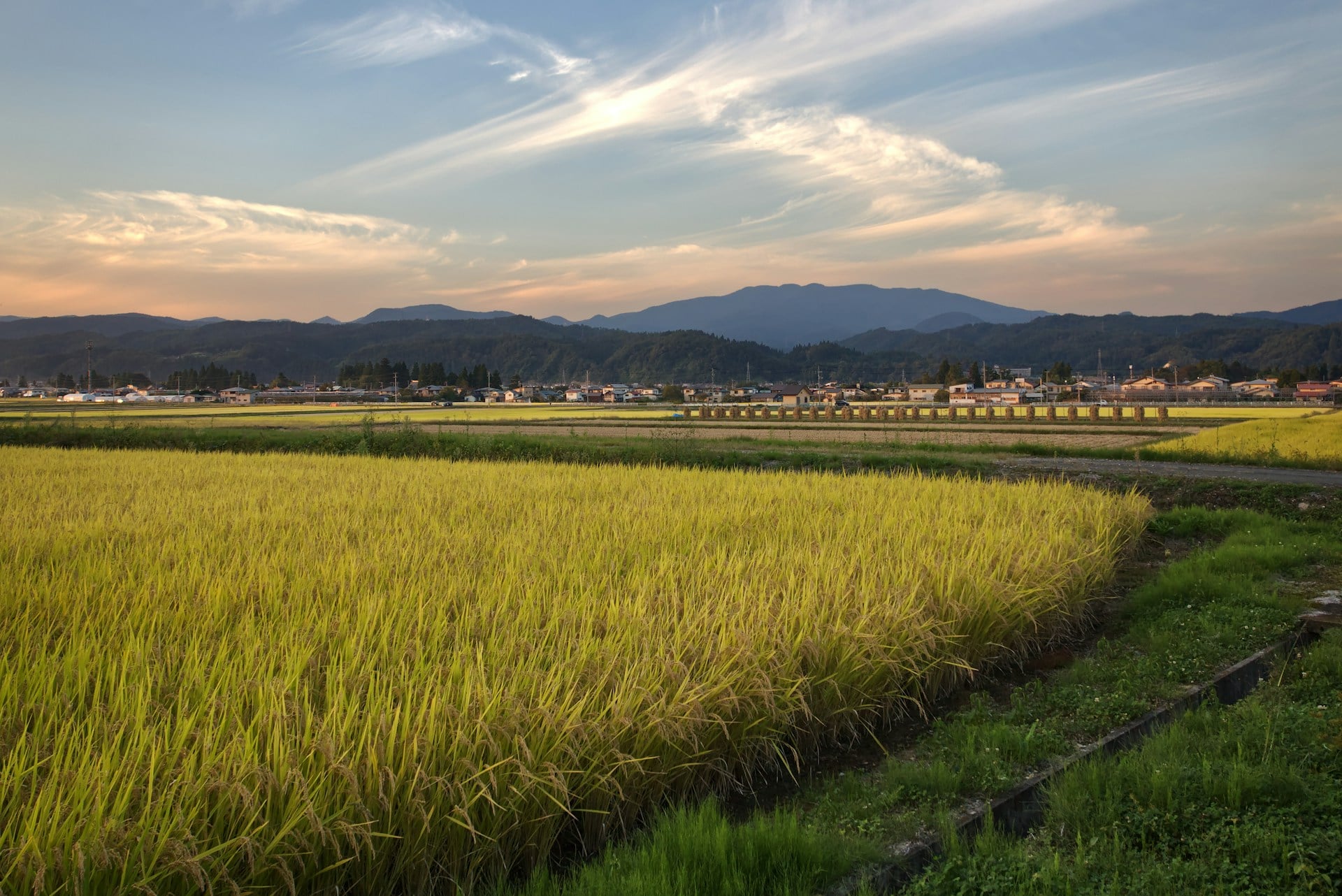
Japanese farmers developed intricate systems of flooded rice paddies that required careful water management and community cooperation. The work was labor-intensive but produced reliable harvests in a mountainous country with limited farmland.
Rice became so central to Japanese meals that the word for cooked rice is the same as the word for meal. Side dishes, pickles, and other foods developed specifically to complement plain rice.
The entire structure of Japanese cuisine reflects this agricultural focus.
Oasis farming in the Middle East

Desert communities grew date palms, figs, and vegetables around natural springs and wells. The limited water supply meant farmers had to choose crops carefully and use every drop efficiently.
Dates provided concentrated energy and stored well in hot climates, making them essential. Middle Eastern sweets often feature dates and nuts because these were the reliable crops in oasis gardens.
The farming constraints shaped a cuisine that maximized flavor from drought-resistant ingredients.
Pastoral dairying in Northern Europe
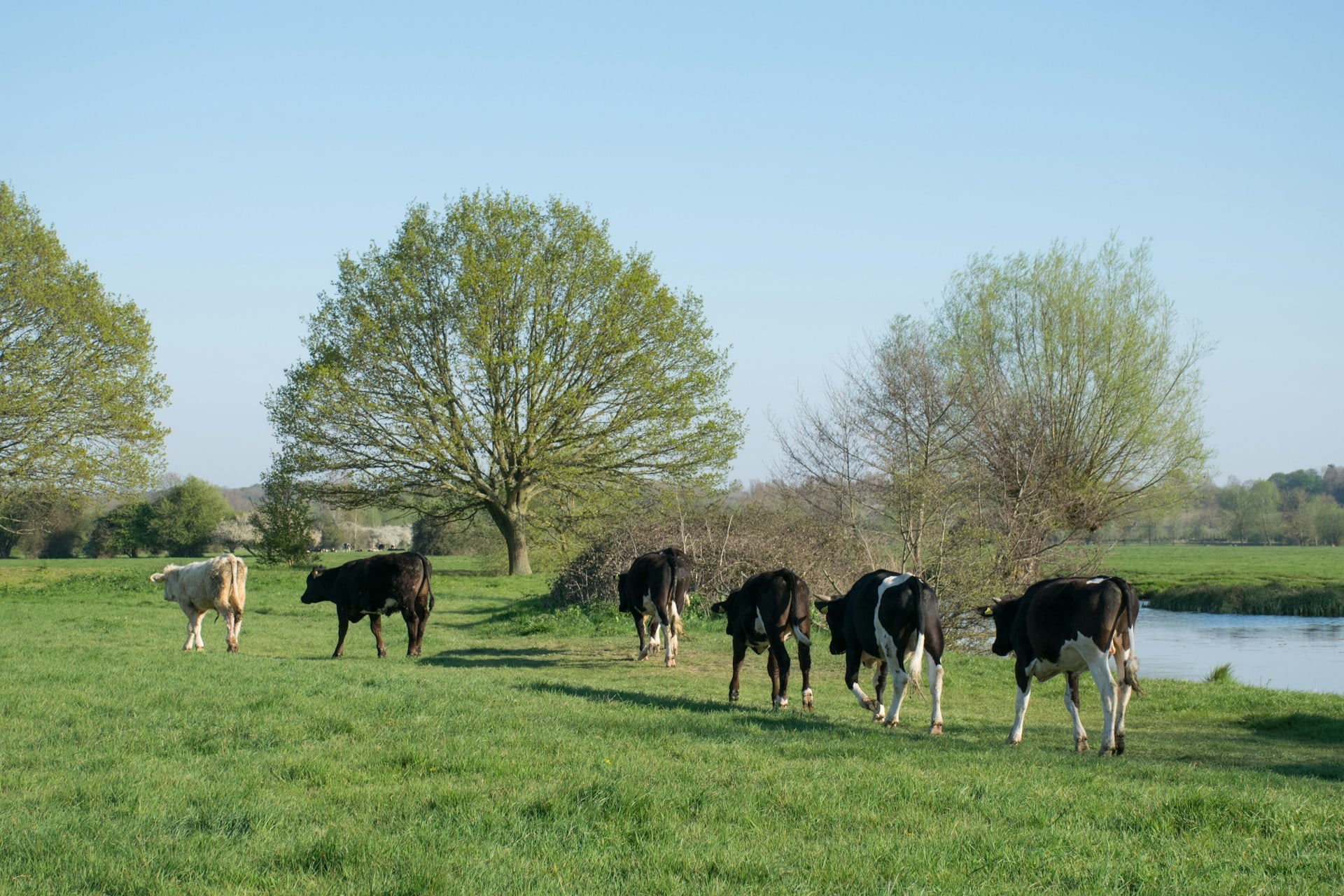
Cold climates and rocky soil made grain farming difficult in places like Scandinavia and Ireland, so people focused on raising cattle, sheep, and goats. Dairy products became the primary source of nutrition beyond whatever grains and root vegetables could grow during short summers.
Butter, cream, various cheeses, and cultured dairy products appeared in nearly every meal. Northern European cuisine developed rich, dairy-heavy dishes because that’s what the landscape and farming possibilities offered.
Polyculture in tropical home gardens
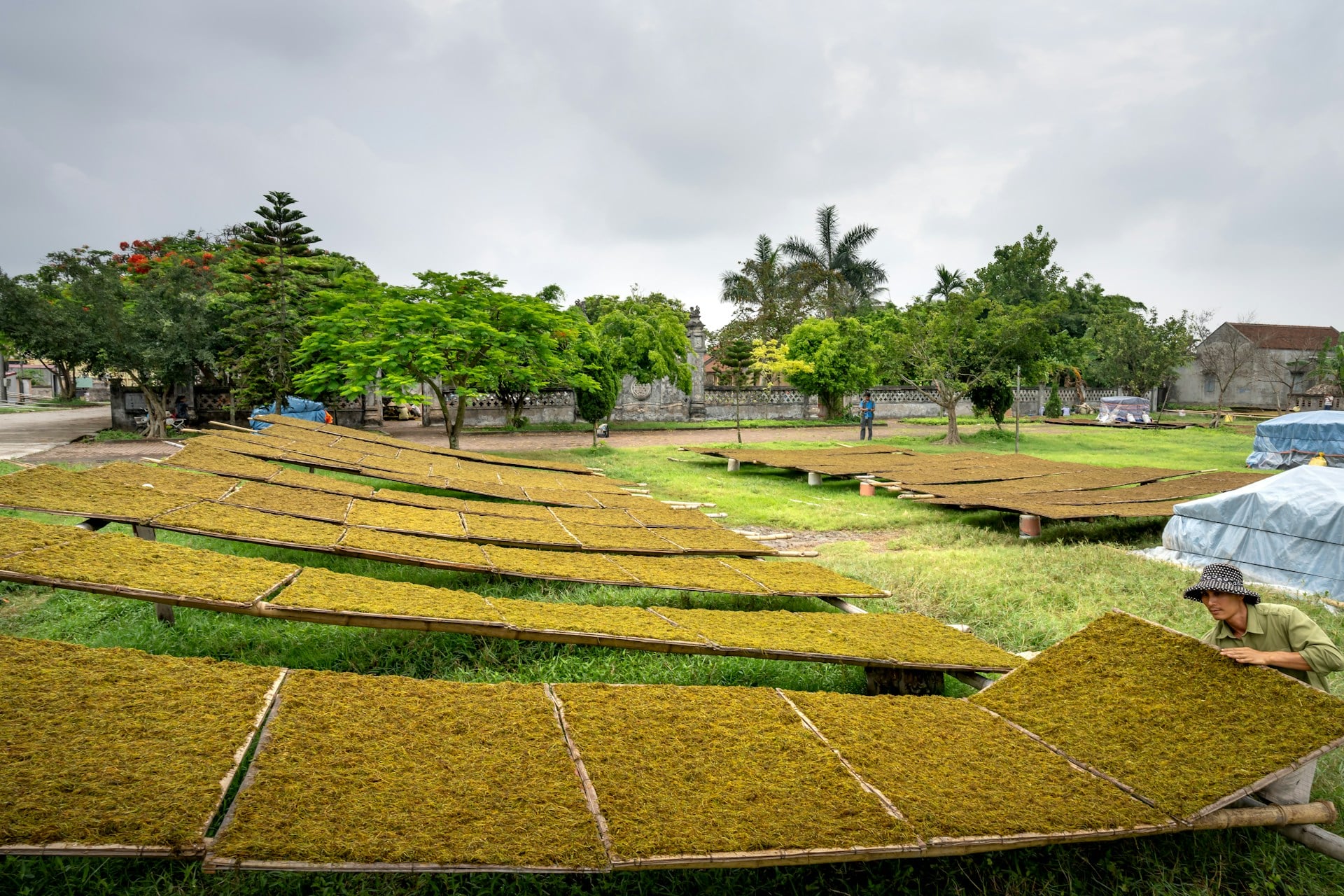
Farmers in places like India, Indonesia, and parts of Africa grew dozens of different plants together in small garden plots near their homes. Fruit trees provided shade for spice plants, which grew alongside vegetables and herbs.
This diversity meant households had access to complex flavor combinations and varied ingredients. The layered, spiced dishes common in these cuisines reflect the mixed plantings that supplied ingredients.
Curries, sambals, and other complex recipes emerged from having many different flavors available at once.
Vineyard cultivation in France and Italy
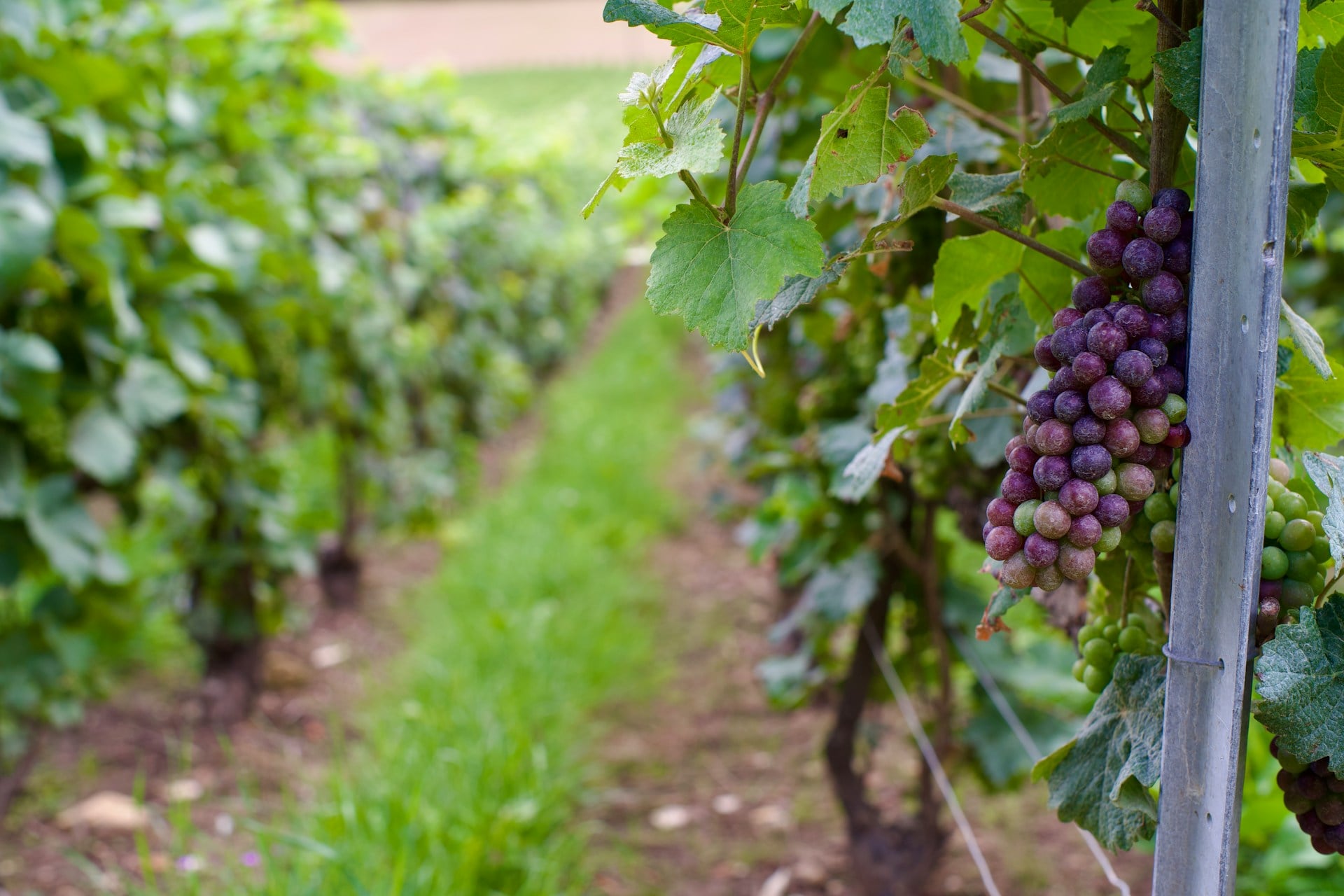
Growing grapes for wine required specific hillside locations with good drainage and sun exposure. Regions that could produce wine successfully also grew other crops suited to those conditions like wheat, vegetables, and certain fruits.
French and Italian cuisines developed around meals that paired well with local wines. The farming decision to focus on viticulture influenced cooking methods, flavor preferences, and even meal timing in these regions.
Raised bed agriculture in the Netherlands

Dutch farmers built raised beds and drained wetlands to create farmable land below sea level. This allowed them to grow vegetables, grains, and raise dairy cattle in areas that would otherwise flood.
The intensive land management meant Dutch cuisine featured hearty vegetables like cabbage, carrots, and potatoes. The farming method’s focus on maximizing limited land led to filling, practical dishes designed to fuel hard physical work.
Fish farming integration in China

Chinese farmers filled rice fields with water, then added fish to swim among the crops. Instead of just growing rice alone, they used one spot for two things at once.
The fish gobbled up bugs and unwanted grasses; meanwhile, their droppings fed the rice roots. Because everything shared the same area, harvests gave people both food from the plant and meat from the water.
Over time, meals began mixing these ingredients – rice bowls topped with fresh fish became common. Since both came from the same place, using them together felt natural.
No need to look far for sides or extras – the combo grew side by side.
Alley cropping in West Africa

Farmers set up crops in strips, with trees or bushes spaced alongside to guard the earth while giving extra harvests. Instead of just field plants, this method pulled in veggies, grains, plus things like palm nuts and kola – all at once.
Since these ingredients grew side by side, local recipes began blending starchy tubers with palm oil and forest yields naturally. With each level of growth on land came a new depth of taste in pots.
Livestock integration on mixed farms in Britain

Farmers in Britain once raised animals near their crops, relying on animal waste to feed the soil growing wheat and greens. So, instead of separating tasks, they made milk, meat, bread, and veggies right on the same land.
Their cooking? Filling recipes mixing protein and plants – think savory pastries packed with beef or lamb, plus carrots or peas.
Since farming worked in a loop, food ended up naturally well-rounded.
Highland potato cultivation in the Andes

Farmers from the Andes created many kinds of potatoes, each fitting specific high-altitude zones. These tubers thrived where maize wouldn’t survive, becoming a go-to food source.
In Peru and Bolivia, dishes use spuds in nearly every way – thanks to their wide supply. Since growing them mattered so much up there, people came up with ways like freeze-drying to keep harvests longer.
What eating looked like while expanding

The tie between growing food and what ends up on plates isn’t just about access. How folks pulled crops from soil shaped the mix of ingredients, ways to cook, and tastes tied to each kitchen tradition.
Local meals feel real because they come from generations of adjusting farms to unique climates. Seeing this bond shows why Italian flavors don’t match Thai ones – farmers faced separate hurdles and options.
What feels like a choice in taste often began as survival through dirt and weather.
More from Go2Tutors!

- The Romanov Crown Jewels and Their Tragic Fate
- 13 Historical Mysteries That Science Still Can’t Solve
- Famous Hoaxes That Fooled the World for Years
- 15 Child Stars with Tragic Adult Lives
- 16 Famous Jewelry Pieces in History
Like Go2Tutors’s content? Follow us on MSN.