16 Weirdest Animals in the Amazon Jungle
The Amazon rainforest is like nature’s experimental laboratory gone wild. Home to 10% of all known species on Earth, this massive jungle has produced some of the most bizarre and fascinating creatures you could imagine.
Evolution has been working overtime here, creating animals that seem more like science fiction than reality. From birds that smell like manure to lizards that walk on water, the Amazon’s weird wildlife reads like a fantasy novel.
These aren’t your typical zoo animals – they’re evolutionary marvels that have adapted to one of the world’s most diverse ecosystems in the strangest ways possible. Here is a list of 16 creatures that prove the Amazon jungle is home to some of the planet’s most wonderfully weird wildlife.
Hoatzin
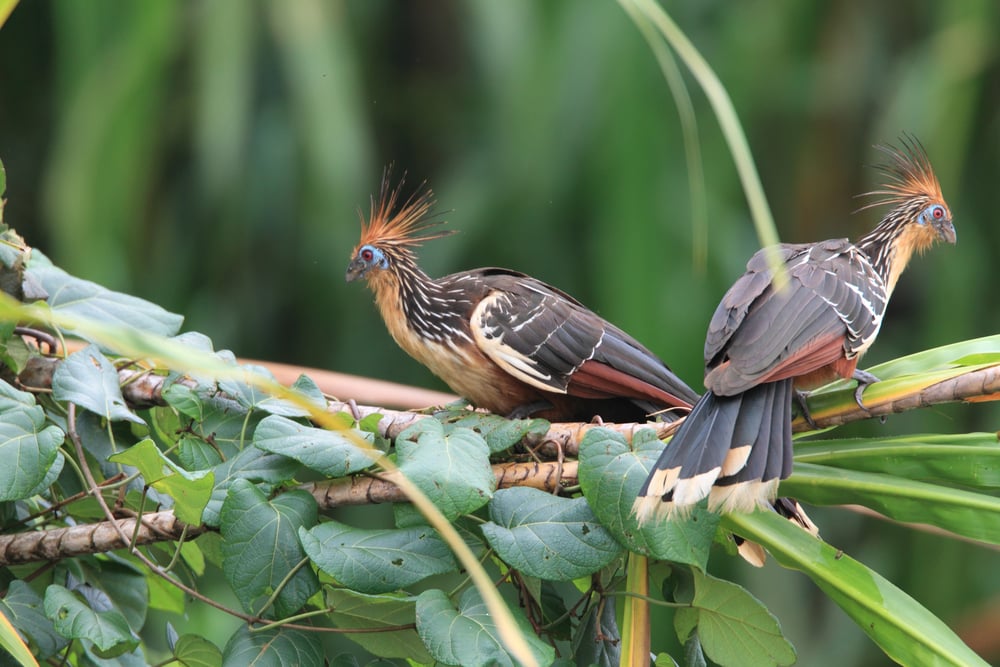
This prehistoric-looking bird is basically a flying dinosaur with terrible hygiene. Hoatzin chicks are born with actual claws on their wings, just like the ancient Archaeopteryx from 150 million years ago.
These claws help baby birds climb back to their nests after dropping into water to escape predators. Adults lose the claws but gain something equally strange – a digestive system that works like a cow’s, complete with bacterial fermentation that makes them smell like fresh manure.
Candiru Fish
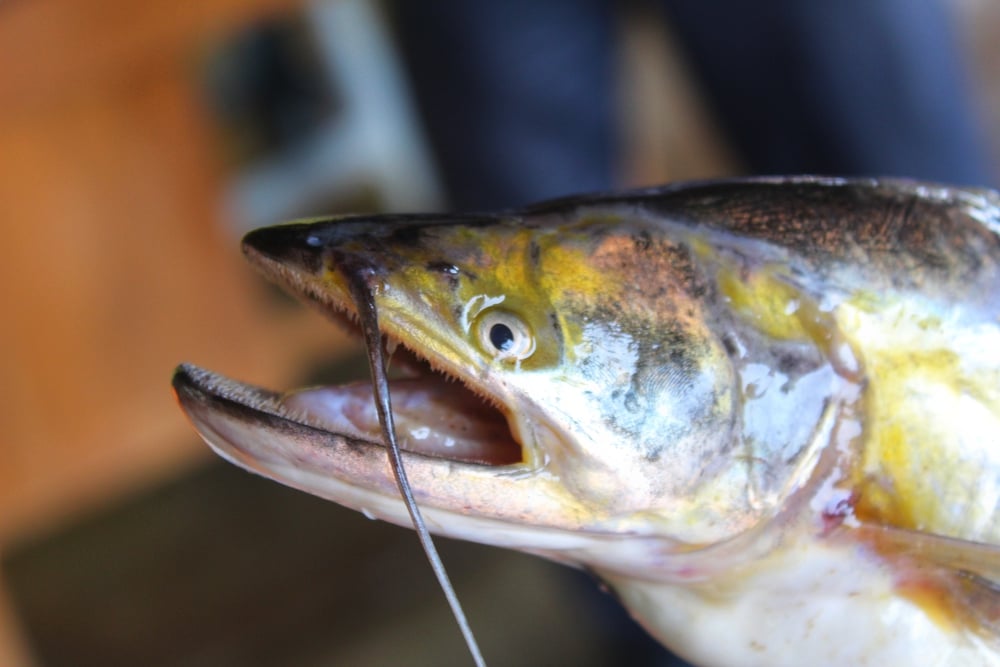
The candiru is a tiny parasitic catfish that has earned the nickname ‘vampire fish’ for all the wrong reasons. Growing up to 16 inches long, these translucent creatures normally parasitize the gills of larger fish and feed on their blood.
What makes them truly terrifying are the controversial reports of them swimming up human urethras, though scientists debate whether these horror stories are fact or fiction.
Jesus Christ Lizard

The common basilisk earned its religious nickname by literally walking on water when fleeing predators. This lizard can sprint across water surfaces at 15 miles per hour thanks to large feet with skin flaps that trap air bubbles.
Young basilisks can run 65 feet on water before sinking, while adults manage only a few yards due to their weight.
Matamata Turtle
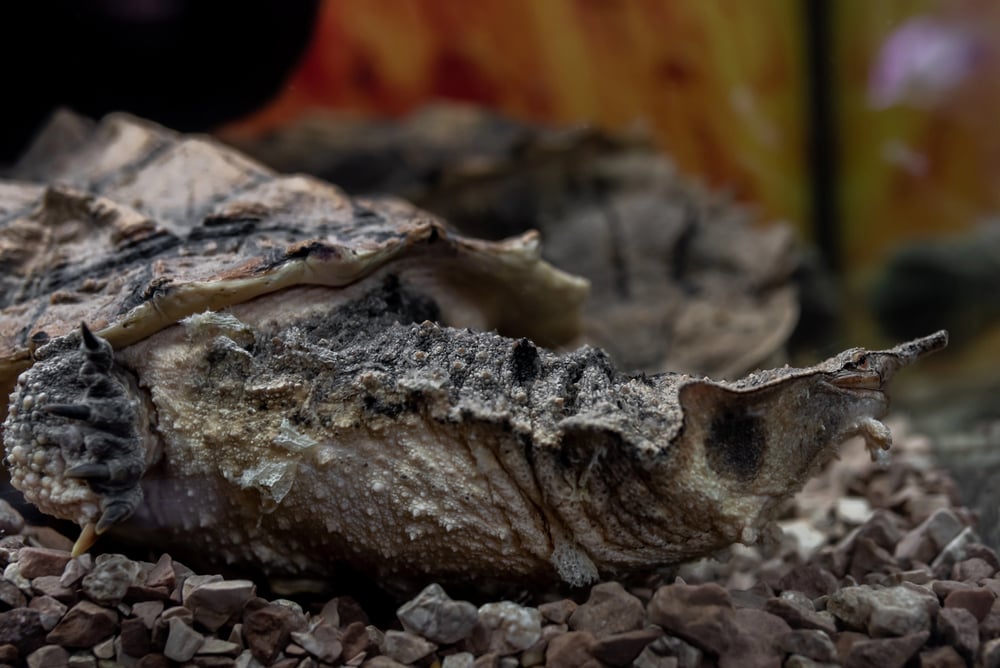
This turtle looks like a pile of leaves decided to grow legs and a snout. The matamata’s shell is covered in knobby projections and ridges that provide perfect camouflage among aquatic vegetation.
Its flat, triangular head features a long snorkel-like nose and fleshy flaps that contain sensory nerves for detecting prey movement. When hunting, it opens its massive mouth and literally vacuums up small fish and invertebrates.
Electric Eel
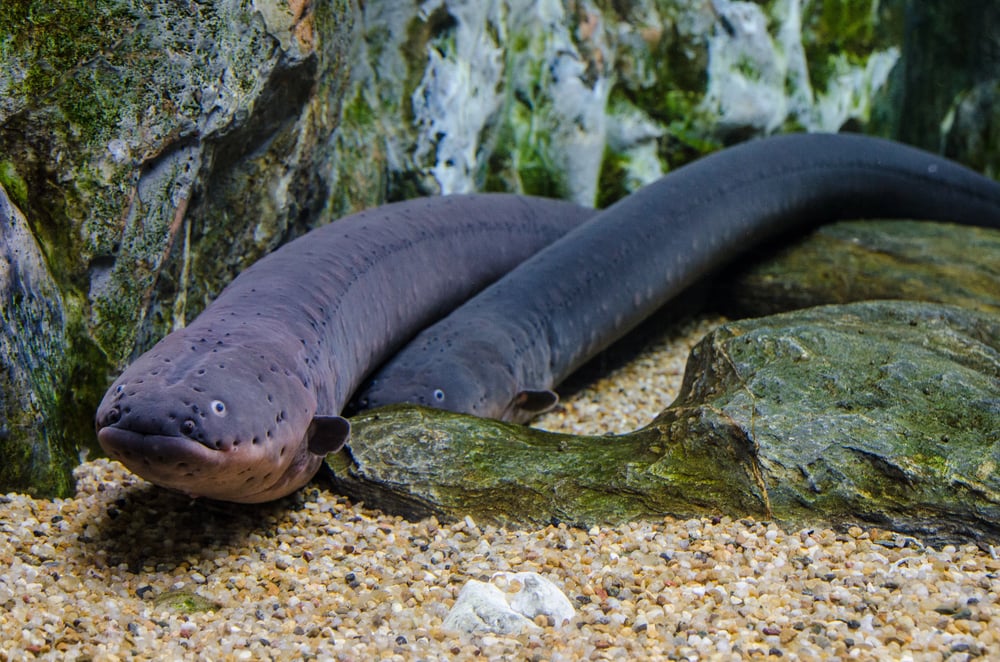
Despite its name, the electric eel isn’t actually an eel – it’s more closely related to catfish. This underwater powerhouse can generate up to 600 volts of electricity, enough to stun a human and potentially cause drowning.
They use their electric abilities both for hunting prey and navigating murky waters where visibility is poor.
Potoo Bird
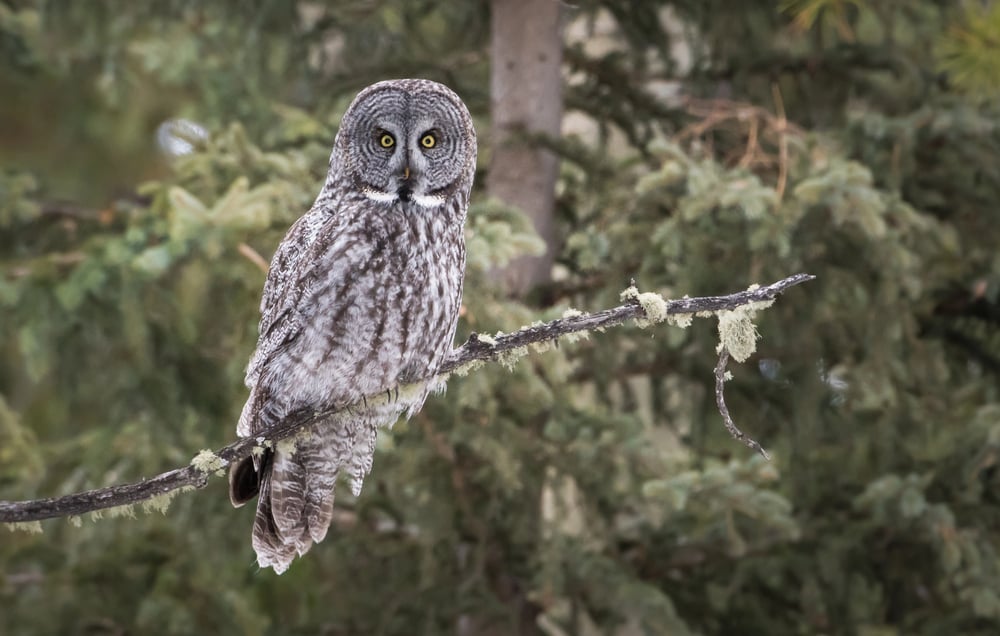
The potoo is a master of disguise that takes camouflage to supernatural levels. During the day, this nocturnal bird sits perfectly still on tree branches, its gray and brown plumage making it virtually indistinguishable from bark.
Their haunting ‘po-TOO, po-TOO’ calls echo through the jungle at night while they hunt insects with their enormous mouths and giant eyes.
Pink River Dolphin
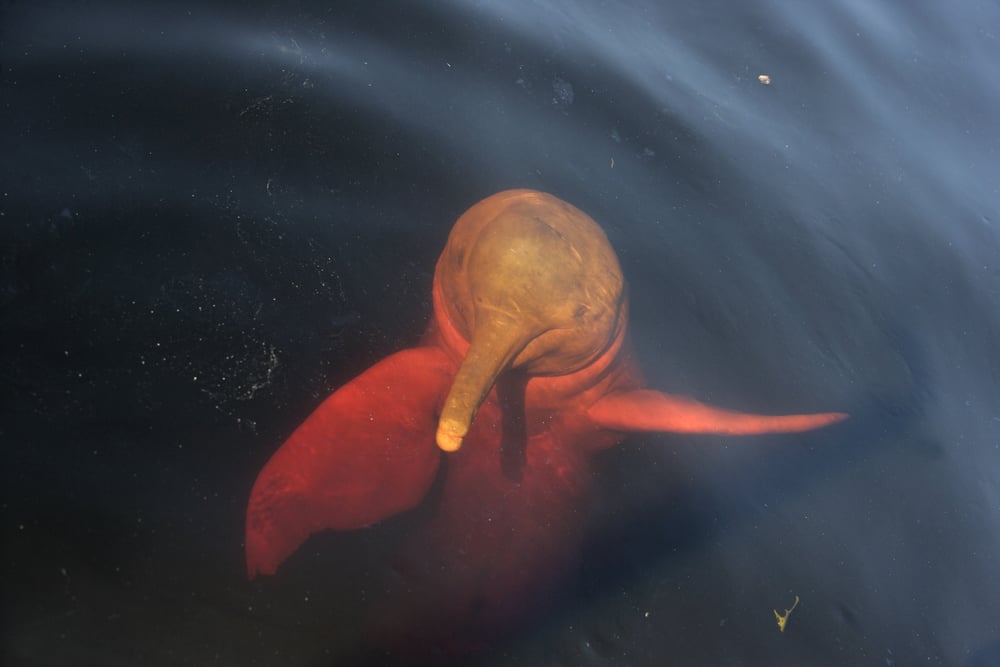
Amazon river dolphins aren’t born pink – they start gray and develop their rosy coloration as they age. Scientists think the pink comes from blood capillaries near the skin surface, sun exposure, and behavior patterns.
These intelligent mammals can grow larger than humans and communicate using clicks and whistles while living up to 30 years in the wild.
Poison Dart Frogs

These tiny amphibians pack enough poison to kill large predators, and their bright colors serve as nature’s warning label. The more vibrant the colors, the more toxic the frog – some species are so poisonous that simply touching them can deliver a lethal dose.
Despite their name, most indigenous tribes actually use toxic vines, not frog poison, for their dart tips.
Vampire Bat
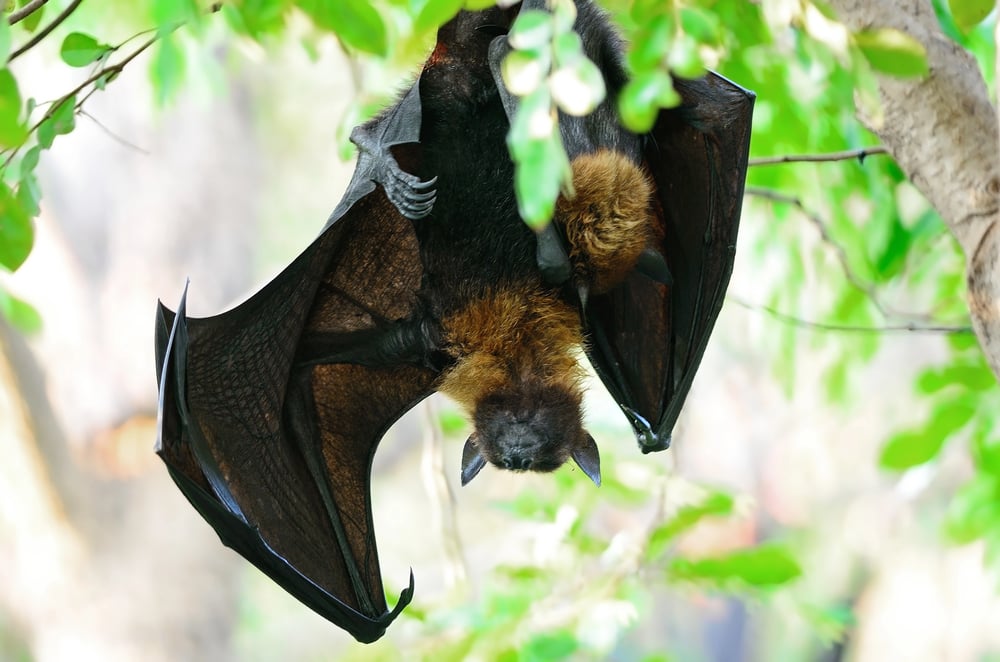
The only mammal that feeds exclusively on blood, vampire bats have razor-sharp teeth that make tiny incisions in sleeping animals. They can drink half their body weight in blood during a single feeding and have anticoagulants in their saliva to keep the blood flowing.
These bats are surprisingly social, often sharing meals with colony mates who couldn’t find food.
Giant River Otter
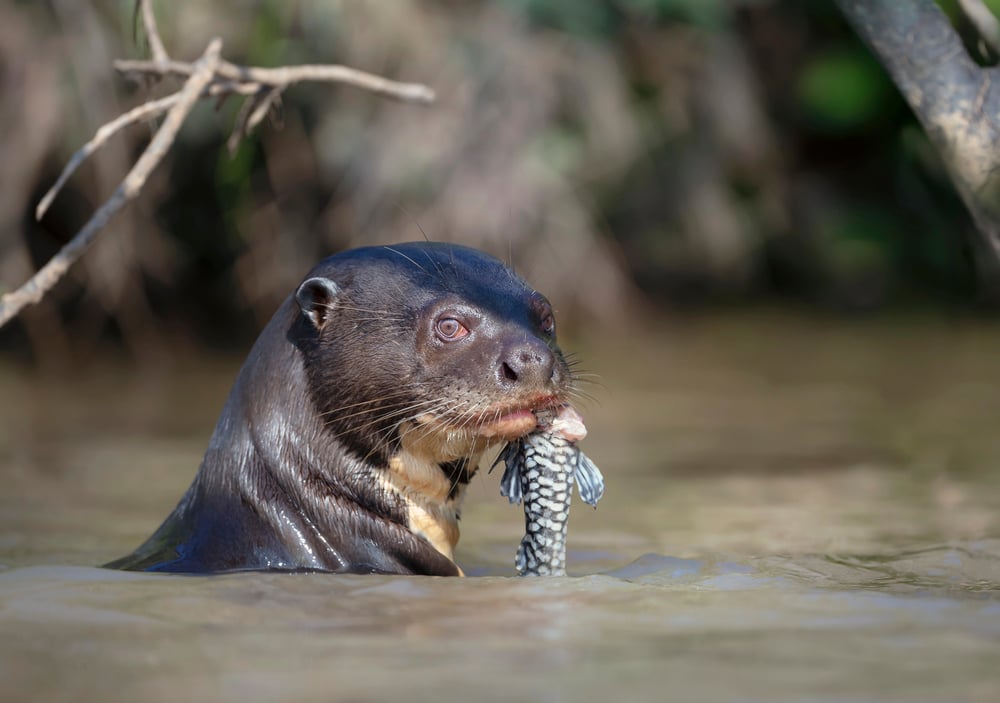
Known as the ‘river wolf,’ giant otters are the largest otter species in the world, reaching up to six feet in length. These highly social carnivores live in family groups and are incredibly vocal, with at least 22 distinct sounds in their vocabulary.
Despite their playful appearance, they’re fierce hunters that can take down large fish and even defend their territory against caimans and jaguars.
Capybara
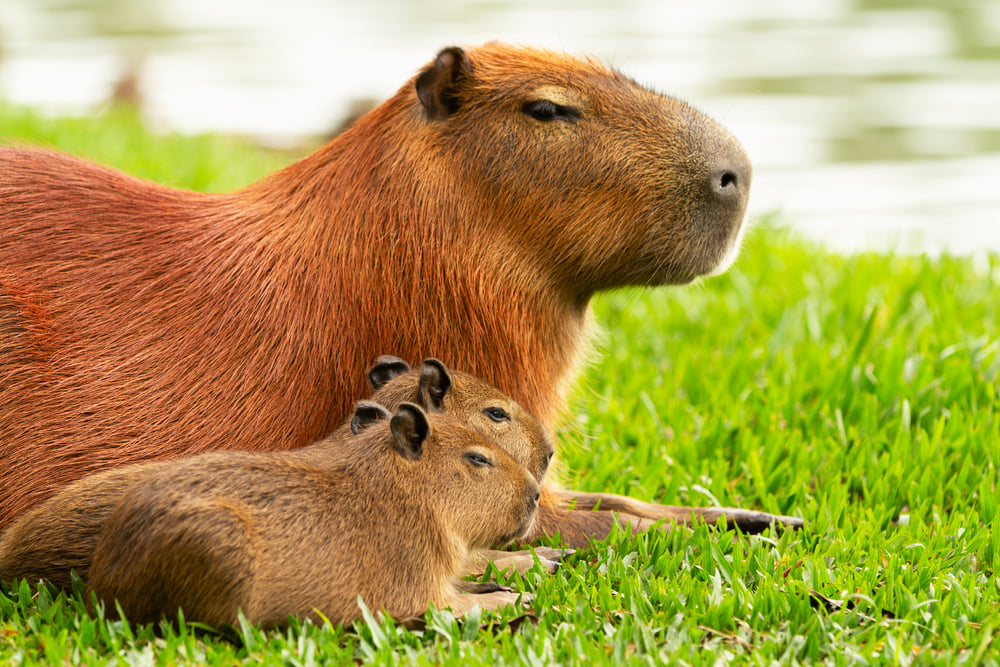
The world’s largest rodent weighs up to 140 pounds and has earned the nickname ‘nature’s ottoman’ because other animals constantly use them as living furniture. These gentle giants are semi-aquatic with webbed feet and can hold their breath underwater for up to five minutes.
They’re incredibly social, often living in groups of 100 or more during the dry season.
Bullet Ant
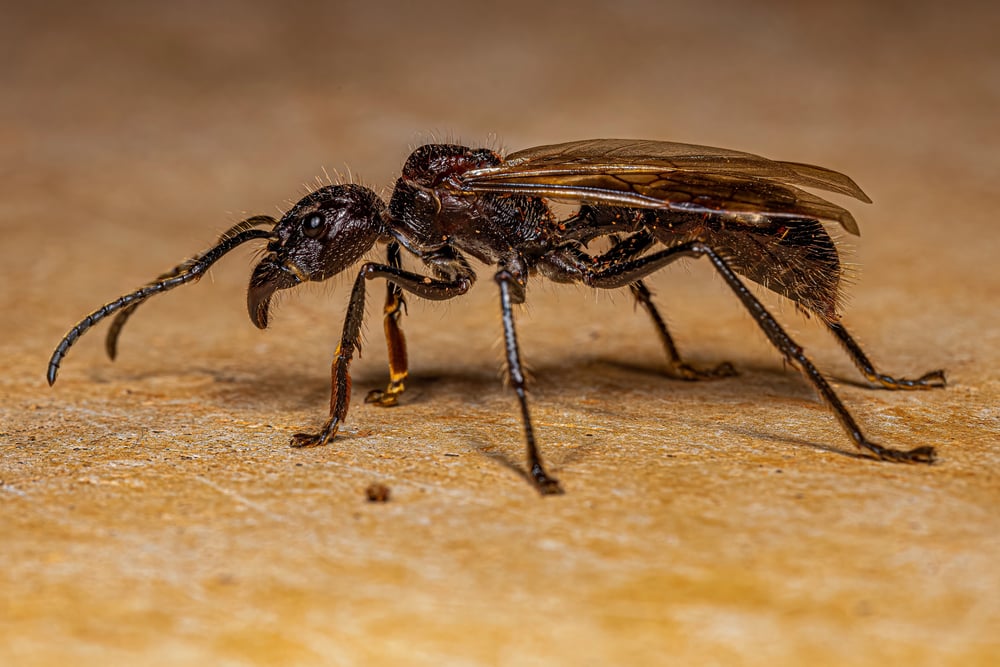
This inch-long ant packs the most painful insect sting known to science, earning it the nickname ’24-hour ant’ because the agony lasts that long. The pain is so intense that some indigenous tribes use bullet ant stings in coming-of-age rituals to test bravery.
Their venom contains a neurotoxin called poneratoxin that affects the nervous system and creates waves of burning pain.
Amazonian Giant Centipede

Growing up to 13 inches long, this nightmare-inducing predator can climb trees and catch birds with its venomous bite. The giant centipede is fast, aggressive, and has been known to overpower prey much larger than itself, including small mammals and reptiles.
Its venom quickly immobilizes victims, making it one of the jungle’s most efficient nocturnal hunters.
Peanut Head Bug
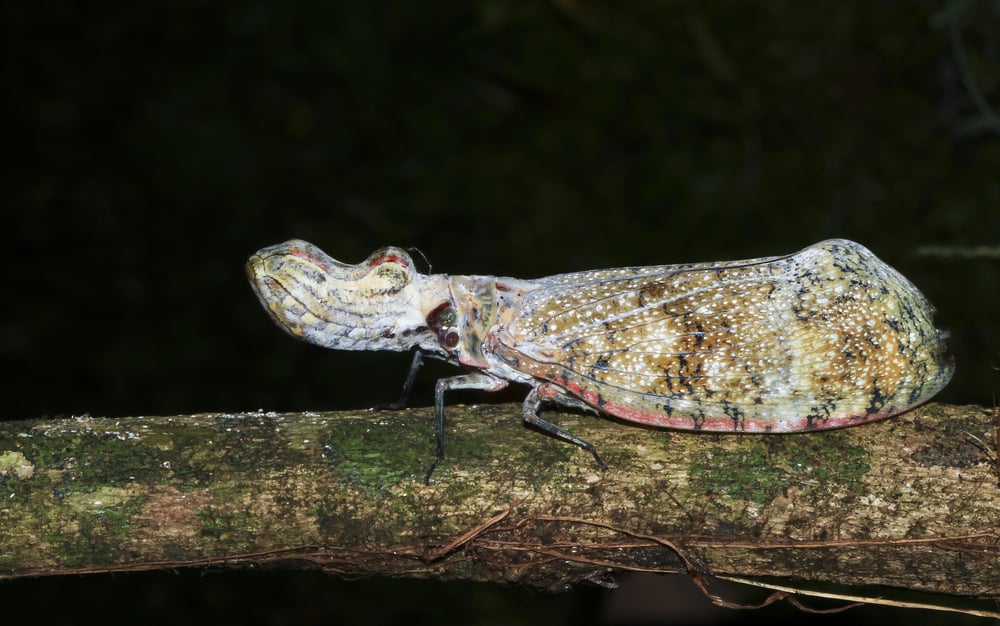
This bizarre insect looks like someone glued an unshelled peanut to a grasshopper’s head. Scientists think the bulbous protrusion might mimic a lizard’s head to confuse predators, while fake eye spots on its wings create the illusion of an owl’s face.
When threatened, it releases a foul-smelling substance and displays its wing patterns to startle attackers.
Kinkajou
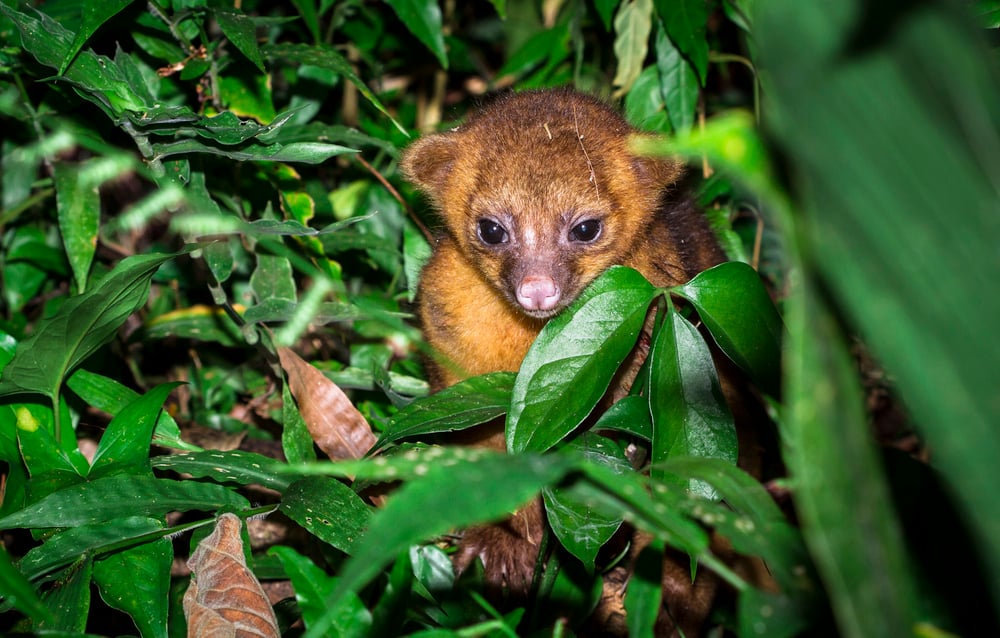
This golden-furred relative of the raccoon has a five-inch-long tongue for extracting nectar from flowers and a tail that grips branches like an extra hand. Kinkajous can rotate their ankles backwards to help navigate treetops and communicate through barks, hisses, and screams.
They’re also called ‘honey bears’ despite being carnivores that primarily eat fruit.
Glass Frog
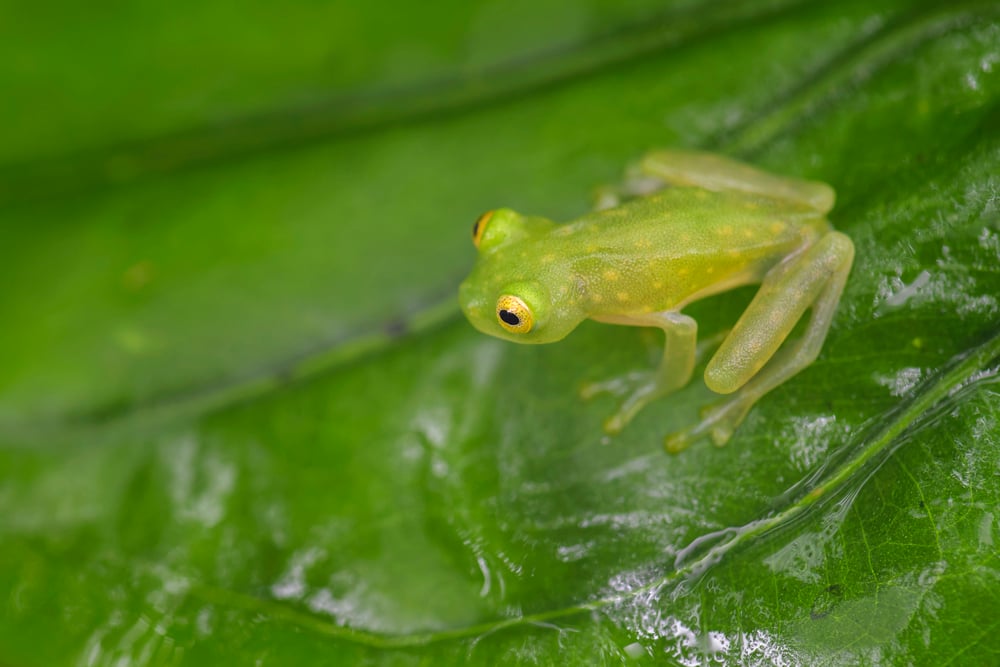
These translucent amphibians have see-through skin on their bellies, allowing you to observe their internal organs, including their beating heart and digestive system. Glass frogs spend most of their lives in trees near streams, and males guard their eggs by sitting on leaves above the water.
When the tadpoles hatch, they drop directly into the stream below.
Nature’s Strangest Laboratory

The Amazon’s weird wildlife proves that evolution has no limits when it comes to creative solutions. From electric fish that aren’t eels to birds with cow-like digestion, these creatures have found extraordinary ways to survive in one of Earth’s most challenging environments.
Each bizarre adaptation tells a story of millions of years of trial and error, resulting in animals that seem too strange to be real. The next time someone tells you truth is stranger than fiction, just point them toward the Amazon jungle – where the impossible is just another Tuesday in the rainforest.
More from Go2Tutors!

- The Romanov Crown Jewels and Their Tragic Fate
- 13 Historical Mysteries That Science Still Can’t Solve
- Famous Hoaxes That Fooled the World for Years
- 15 Child Stars with Tragic Adult Lives
- 16 Famous Jewelry Pieces in History
Like Go2Tutors’s content? Follow us on MSN.



