16 Funny Names for Groups of Animals That Are Real
English has some peculiar ways of describing the world, but nowhere does it get more creative than with collective nouns for animals. These aren’t made-up internet jokes or whimsical inventions from children’s books.
They’re actual terms that have existed for centuries, many dating back to medieval hunting guides and aristocratic parlor games where inventing clever group names was considered high entertainment. Some of these collective nouns make perfect sense when you think about the animals’ behavior or appearance.
Others seem like someone was having entirely too much fun with the English language. All of them are completely legitimate terms that you could use in polite conversation, though you might get some strange looks.
Murder of Crows
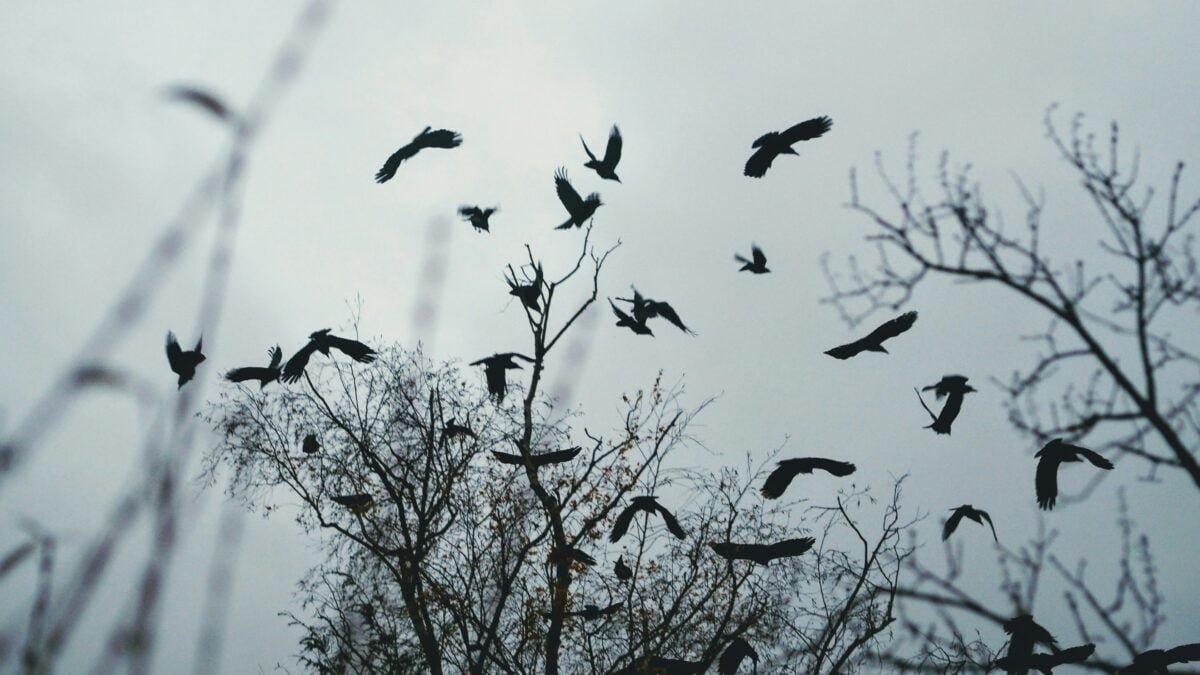
Crows get the most metal collective noun in the animal kingdom. A murder of crows sounds like a death metal band name, but it’s been the official term for centuries.
These black birds earned their ominous moniker through their association with battlefields and their habit of gathering around carrion.
Embarrassment of Pandas
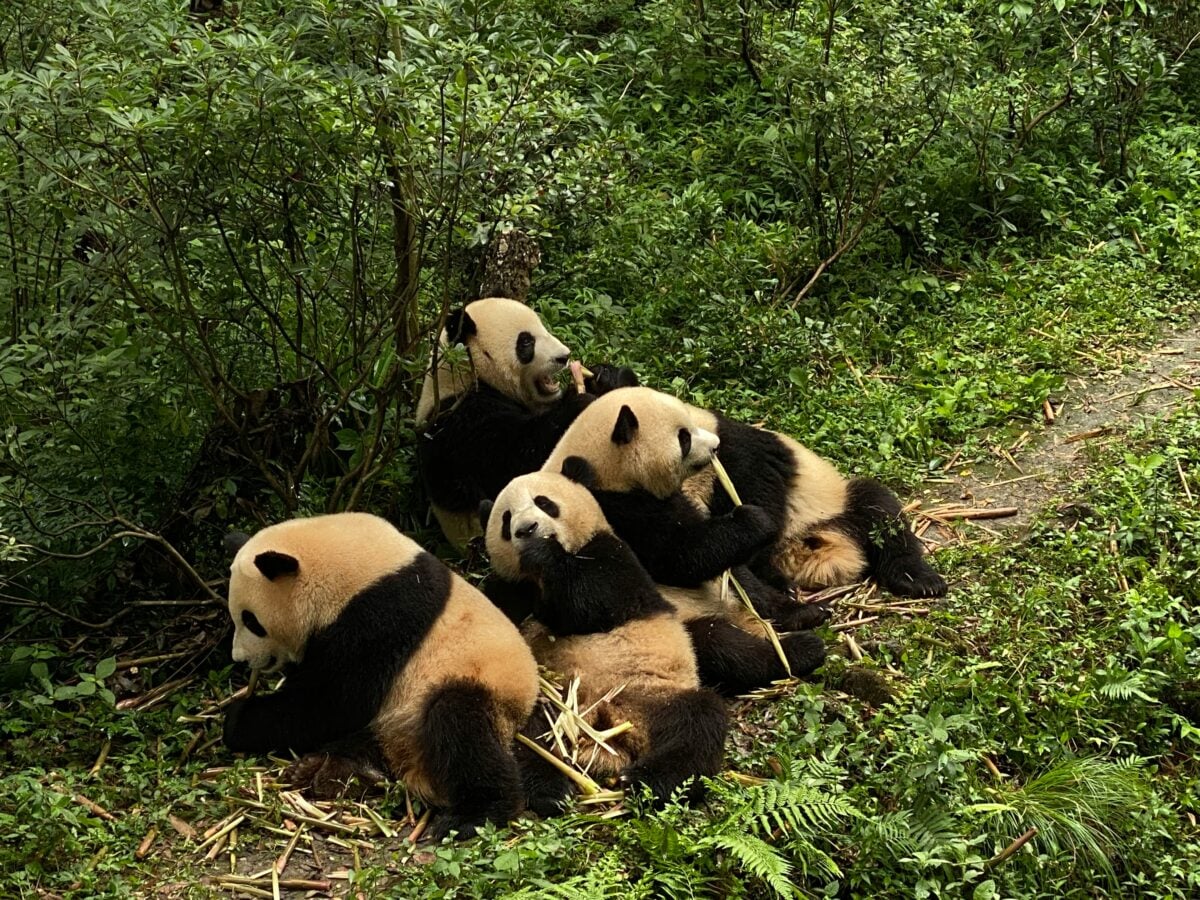
Giant pandas waddle through life looking perpetually confused and falling off things in the most undignified ways possible. An embarrassment of pandas captures this perfectly — though to be fair, they seem completely unbothered by their lack of coordination.
They’re too busy being adorable to care about dignity.
Flamboyance of Flamingos
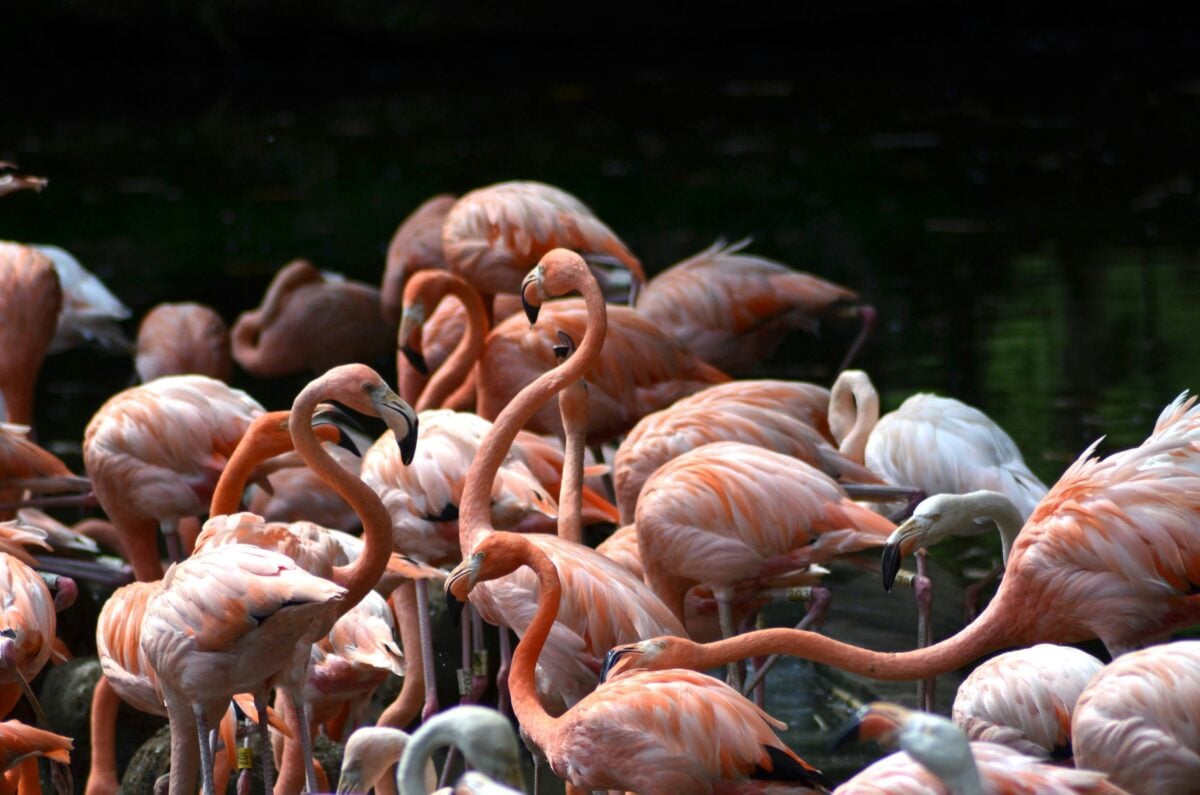
Pink birds standing on one leg in elaborate formations deserve an equally theatrical group name. A flamboyance of flamingos acknowledges these birds’ natural tendency toward the dramatic — their bright coloring, their synchronized movements, their general air of being the most fabulous creatures at any gathering (which, let’s be honest, they usually are).
And when you consider how they filter-feed by turning their heads upside down in shallow water, creating ripples that catch the light just so, you realize that even their feeding habits are choreographed for maximum visual impact. They don’t just eat; they perform.
But there’s something deeper in the way flamingos move together, a kind of collective vanity that feels almost human in its self-awareness. They know they’re beautiful.
Even their sleeping posture — that iconic one-legged stance that looks impossibly precarious but somehow works — feels like a deliberate choice to maintain elegance even while unconscious.
Business of Ferrets
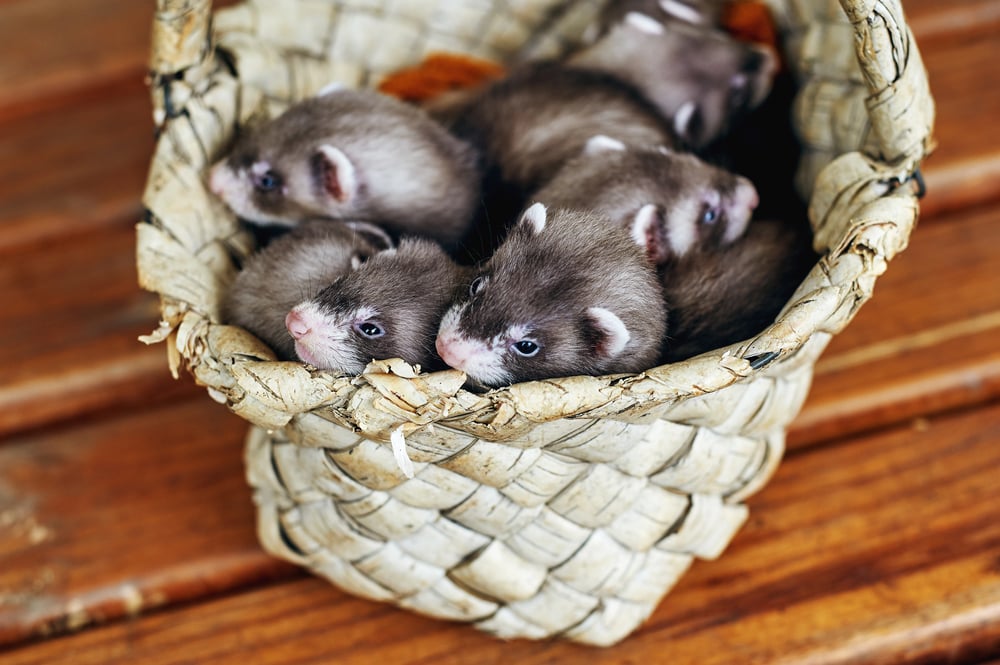
Ferrets are always up to something. Watch a group of them for five minutes and you’ll see elaborate schemes unfold — complex games of chase, coordinated raids on food bowls, suspicious gatherings in corners where they’re clearly plotting something.
A business of ferrets acknowledges their entrepreneurial spirit and their obvious talent for collaboration.
The name fits their behavior perfectly. Ferrets don’t just play; they conduct operations.
They have meetings. They make decisions as a group and execute plans with military precision. Their playfulness has a purpose that goes beyond simple fun.
Congregation of Alligators
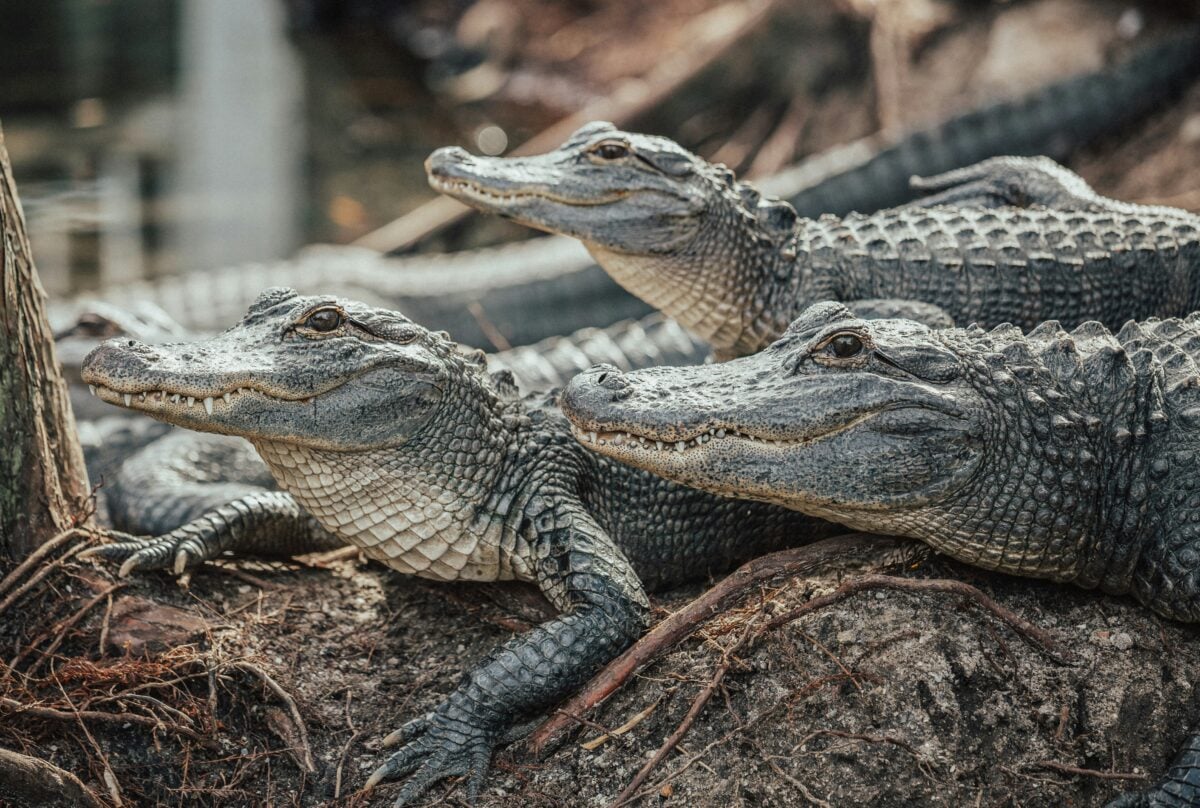
Alligators gathering in groups look like they’re attending some ancient, serious ceremony. A congregation of alligators treats these prehistoric predators with the religious reverence they probably deserve.
When you see dozens of them basking motionless in the sun, it’s easy to imagine they’re engaged in some form of collective meditation that’s been going on for millions of years.
Bloat of Hippos
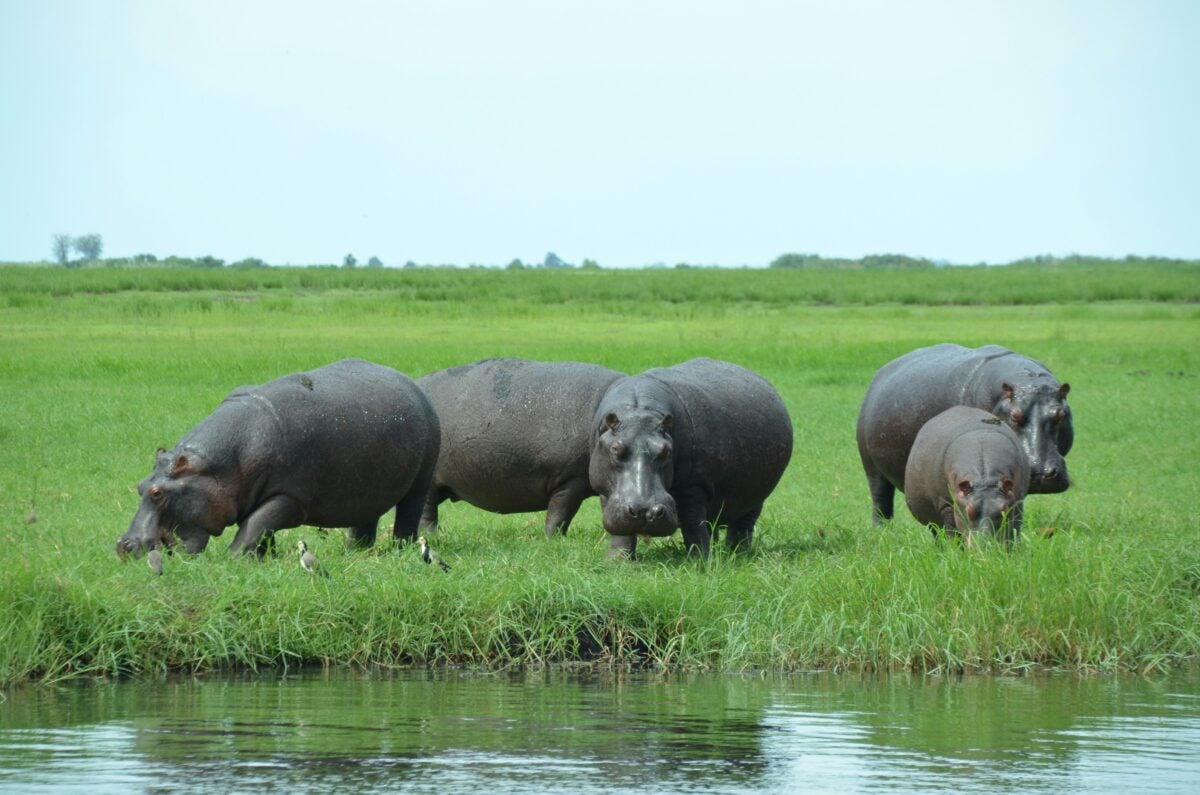
Hippos spend most of their time half-submerged in water, looking like living boulders with occasional ears and eyes breaking the surface. A bloat of hippos doesn’t pull any punches — it acknowledges that these massive mammals are basically aquatic tanks.
The name has a blunt honesty that matches the animals themselves.
Crash of Rhinos
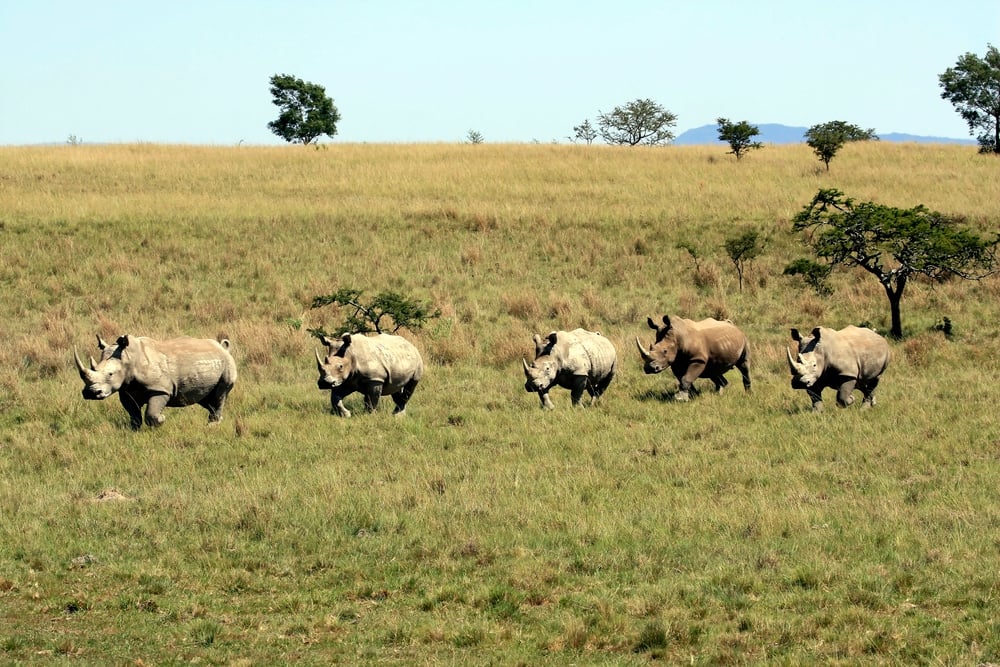
Rhinos approach life with all the subtlety of a wrecking orb, so calling their group a crash just makes sense. These armored herbivores don’t walk anywhere — they charge, they lumber, they make the ground shake with every step (and when they actually run, which they can do at surprising speeds for creatures built like living fortresses, the earth genuinely trembles).
Their horn-first approach to problem-solving means that most obstacles in their path become temporary inconveniences rather than permanent barriers. The word “crash” captures something essential about how rhinos interact with their environment: they don’t adapt to the landscape so much as they rearrange it to suit their needs.
Trees bend or break, smaller animals scatter, and even other large mammals give them a respectful amount of space.
Implausibility of Gnus
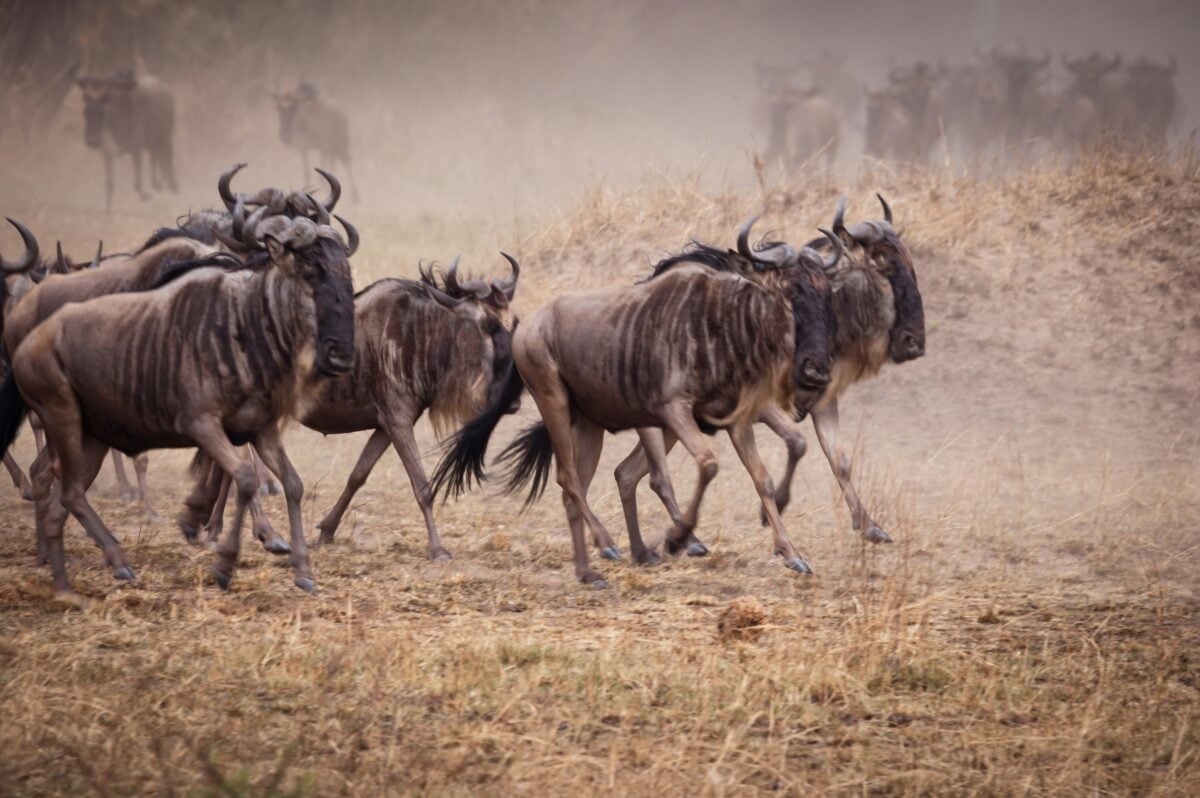
Gnus look like someone took parts from several different animals and assembled them without consulting the instruction manual. They have the body of an antelope, the head of a buffalo, and the beard of a goat.
An implausibility of gnus acknowledges that these creatures shouldn’t exist, yet somehow they do, and they’re thriving across African savannas in massive herds.
Tower of Giraffes
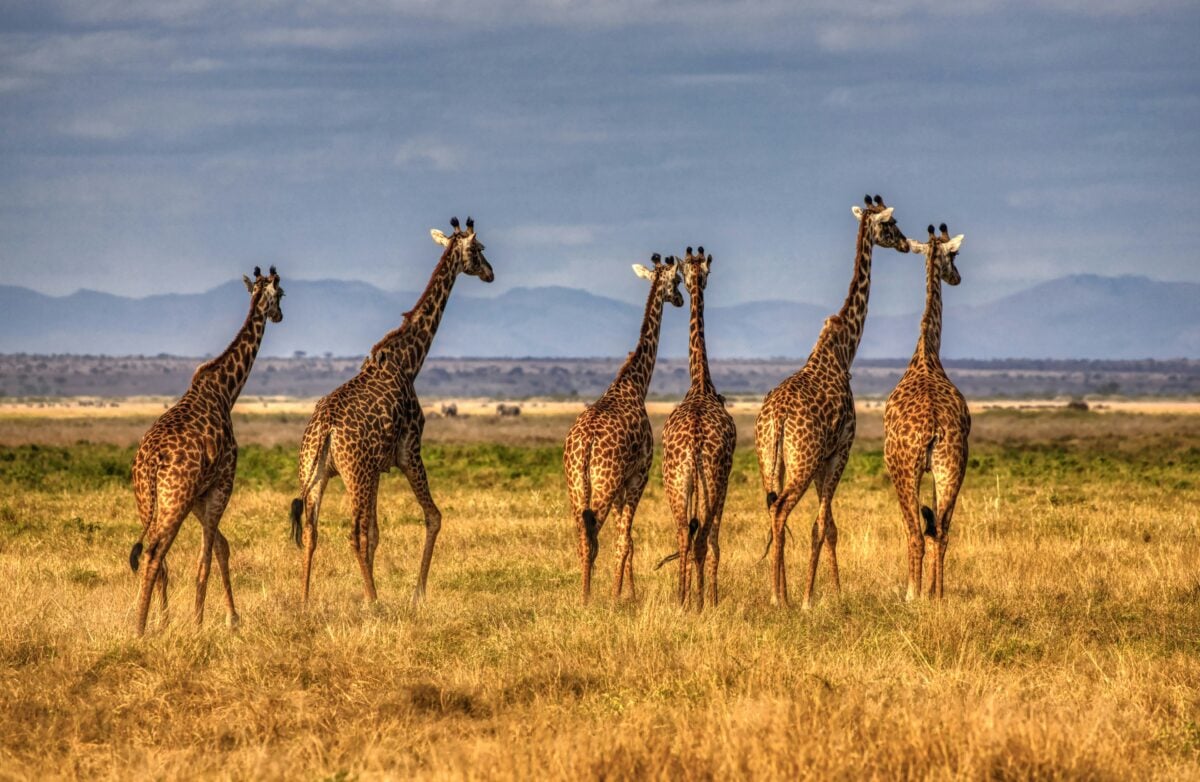
This one practically named itself. Giraffes are living skyscrapers, and when several of them gather together, they create an unmistakable skyline.
A tower of giraffes recognizes these gentle giants for what they are — nature’s architectural marvels with spots and impossibly long tongues.
Prickle of Porcupines
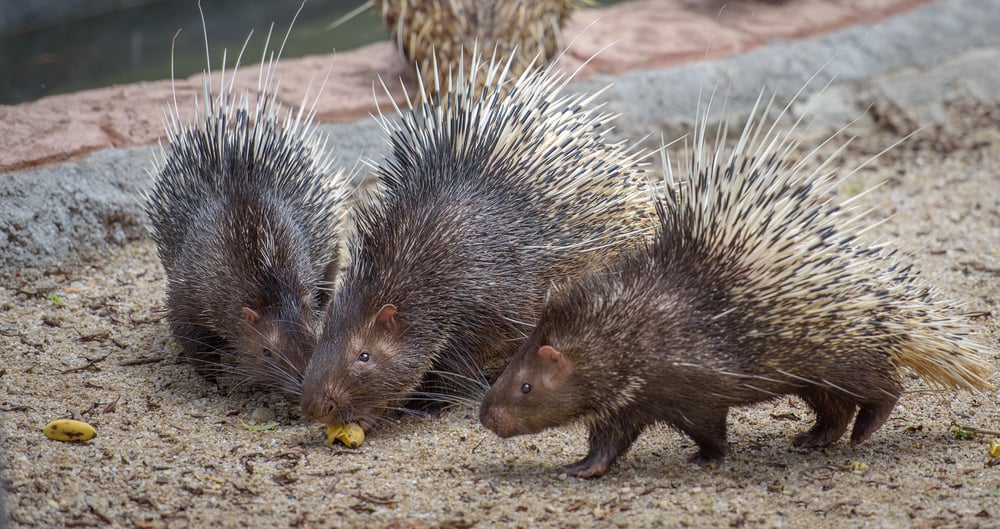
Porcupines are walking pin cushions, so a prickle of porcupines states the obvious with admirable efficiency. These spiky rodents have turned defensiveness into an art form.
Their group name doesn’t try to be clever or metaphorical — it just acknowledges the most immediate fact about encountering multiple porcupines at once.
Wisdom of Wombats
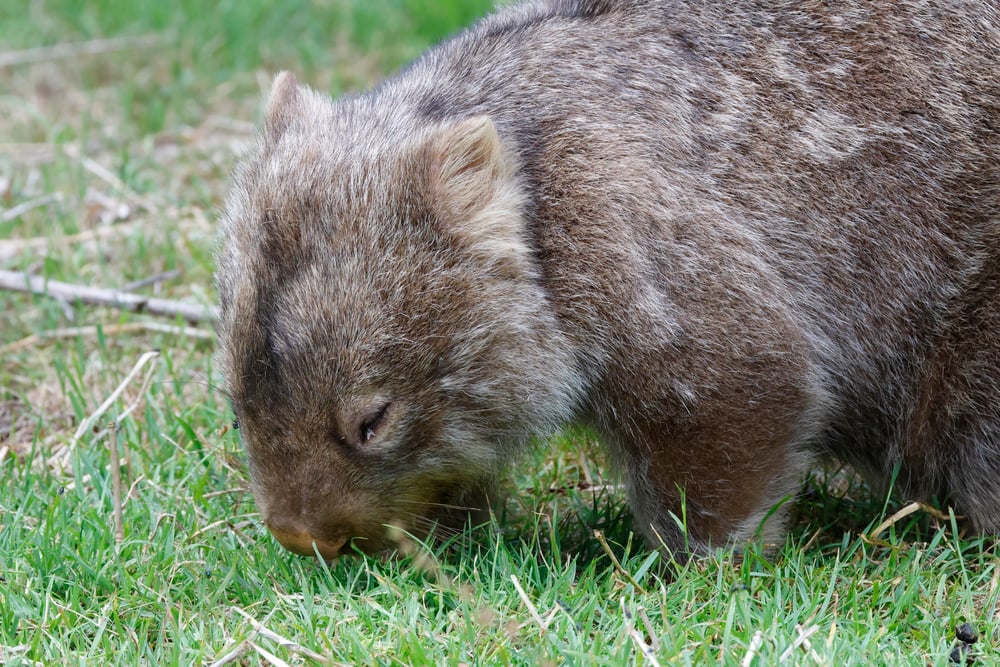
Wombats have a quiet dignity about them as they go about their business of digging elaborate underground tunnel systems and producing cube-shaped droppings. The wisdom of wombats suggests these compact marsupials know something the rest of us don’t.
Given their ability to create architectural marvels underground while maintaining perfect composure above ground, they probably do.
Shiver of Sharks
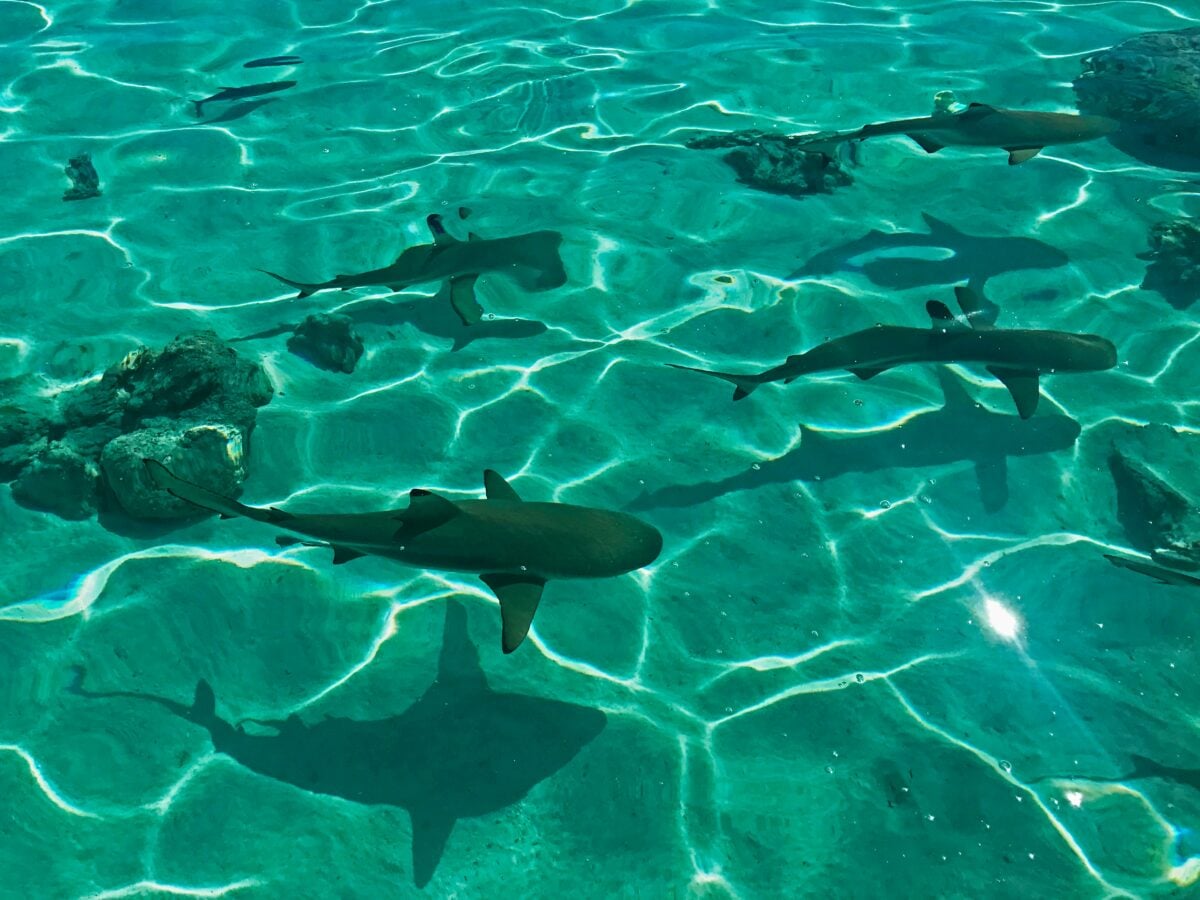
Sharks cruising through dark water together create an unmistakable sense of unease, even when they’re minding their own business. A shiver of sharks captures that spine-tingling moment when you realize you’re sharing the ocean with apex predators who’ve been perfecting their craft for hundreds of millions of years.
The name acknowledges our very reasonable response to encountering them in groups.
Embarrassment of Riches… Er, Sloths
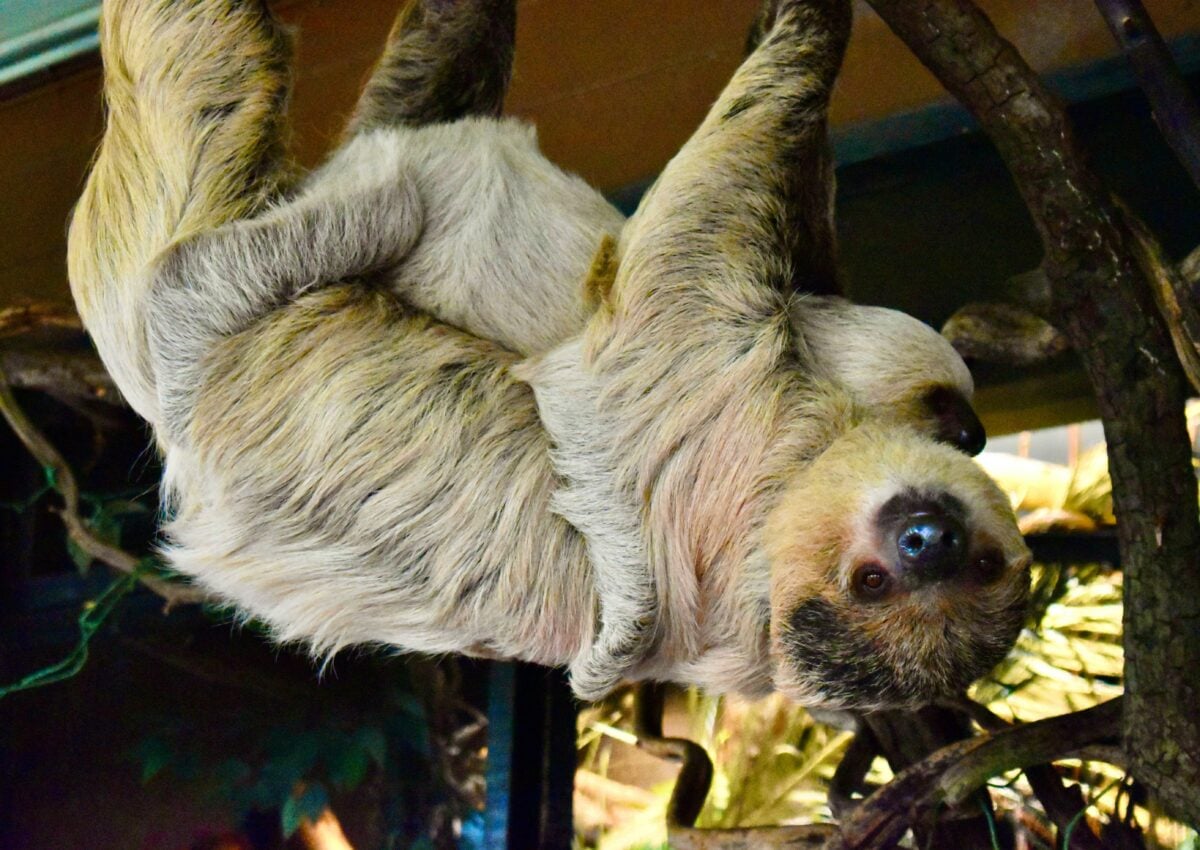
Sloths move so slowly that watching them is like viewing life in extreme slow motion, and their perpetual sleepy expression makes them look like they’ve just woken up from a very long nap and aren’t quite sure where they are. An embarrassment of sloths — wait, that’s not right (that one belongs to pandas, though the confusion is understandable given how both species seem to stumble through life with endearing awkwardness).
Actually, it’s a bed of sloths, which makes perfect sense since they spend most of their time looking like they’d rather be asleep, hanging from tree branches in positions that would be uncomfortable for any other mammal but somehow work perfectly for them. The collective noun captures their approach to existence: why rush when you can take your time and still get where you’re going eventually?
Scurry of Squirrels
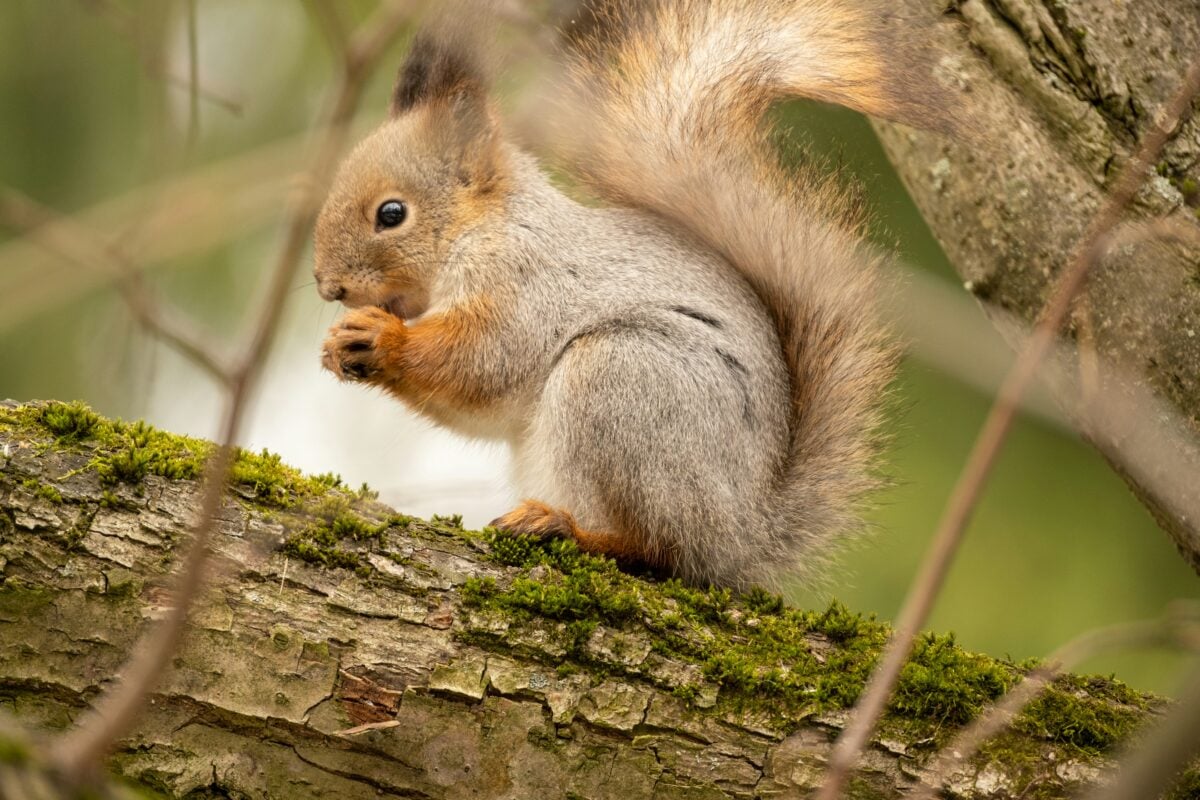
Squirrels live life in constant fast-forward mode. A scurry of squirrels acknowledges their perpetual state of motion and mild panic.
These bushy-tailed acrobats dart from tree to tree, bury nuts in elaborate patterns they’ll never remember, and somehow always look like they’re running late for something important.
Bask of Crocodiles
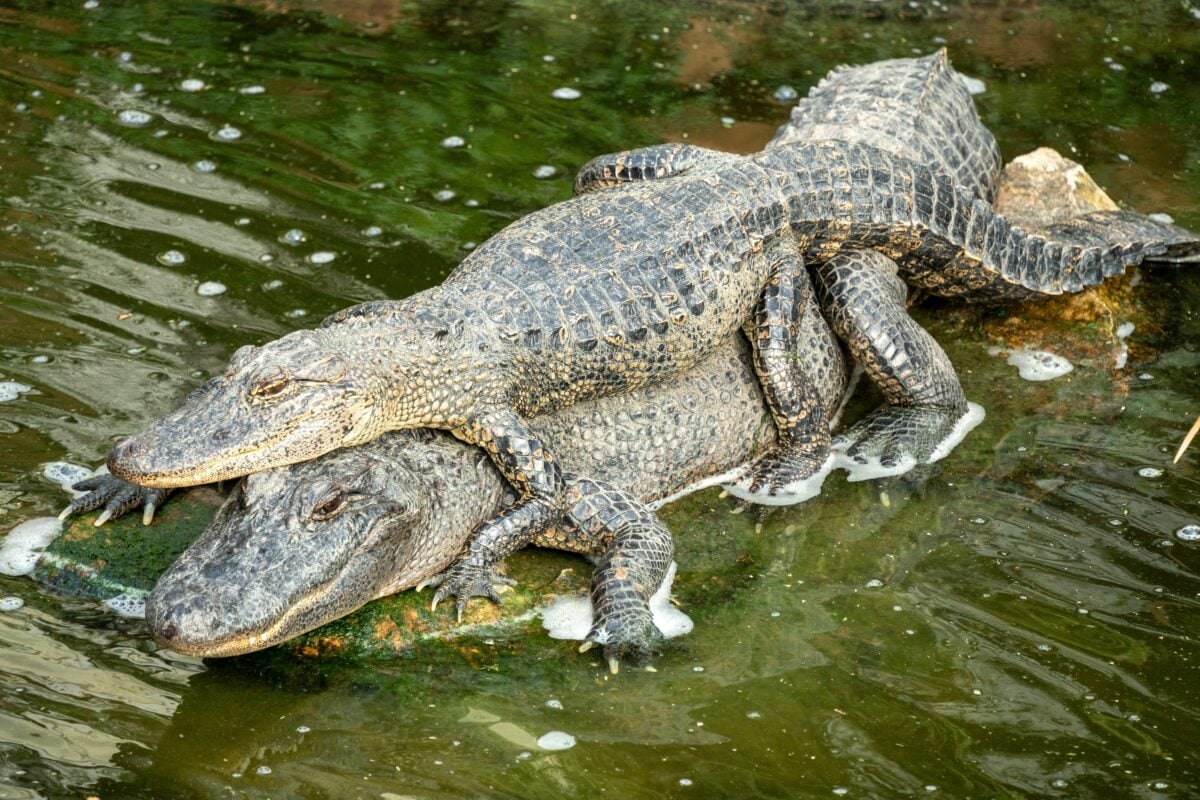
Crocodiles are the ultimate sunbathers. They can lie motionless for hours, soaking up warmth while looking like decorative logs with teeth.
A bask of crocodiles recognizes these ancient reptiles’ commitment to the art of doing absolutely nothing — until something edible gets too close, at which point they explode into action with terrifying efficiency.
Gulp of Swallows
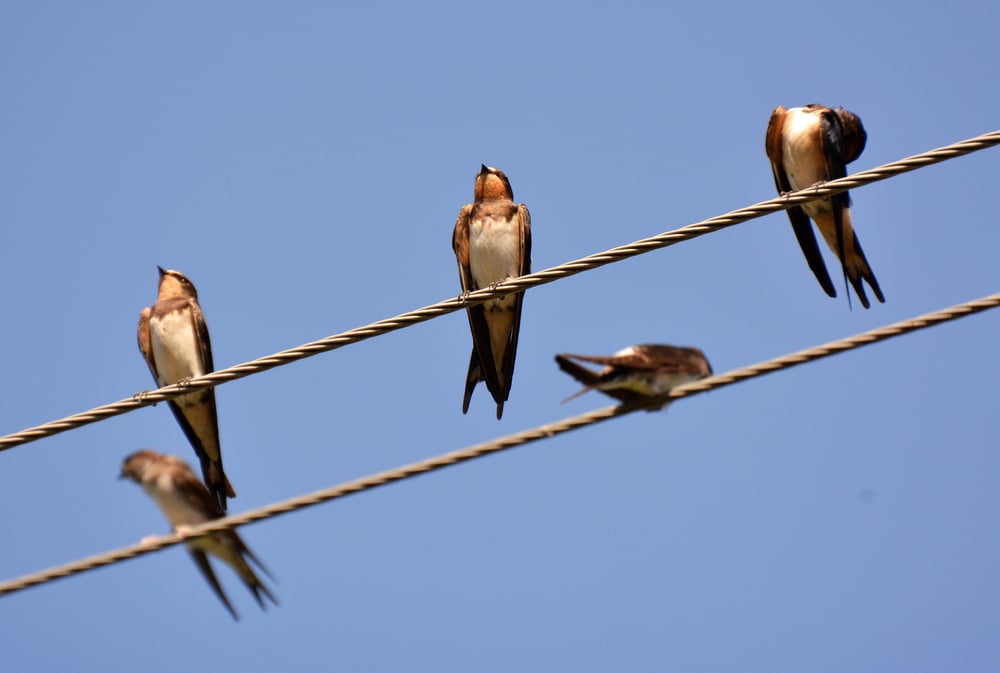
Swallows dart through the air in coordinated aerial displays, swooping and diving to catch insects on the wing. A gulp of swallows captures both their feeding method and the way they seem to swallow vast amounts of sky as they navigate through three-dimensional space with impossible precision.
The name has an onomatopoetic quality that matches their quick, efficient movements.
The Poetry Hidden in Plain Sight

These collective nouns remind you that language can be playful even when it’s being completely serious. Someone, centuries ago, looked at a group of pandas and decided they seemed embarrassed.
Someone else watched flamingos and thought they were being deliberately theatrical. These weren’t scientists making clinical observations — they were people finding humor and personality in the natural world.
The names have survived because they capture something true about each species that goes beyond simple description. They’re small poems hiding inside everyday vocabulary, waiting for the right moment to surprise you with their unexpected accuracy.
More from Go2Tutors!

- The Romanov Crown Jewels and Their Tragic Fate
- 13 Historical Mysteries That Science Still Can’t Solve
- Famous Hoaxes That Fooled the World for Years
- 15 Child Stars with Tragic Adult Lives
- 16 Famous Jewelry Pieces in History
Like Go2Tutors’s content? Follow us on MSN.