13 Bridges, Tunnels, and Towers That Never Served Their Purpose
Infrastructure projects represent some of humanity’s most ambitious endeavors, connecting communities and enabling economic growth through remarkable feats of engineering. Yet despite the billions spent on their construction, not all bridges, tunnels, and towers fulfill their intended destiny.
Political changes, economic downturns, and simple miscalculations have left impressive structures standing as monuments to abandoned plans and unrealized potential. Here is a list of 13 incredible infrastructure projects that, despite being partially or fully completed, never served the purpose for which they were originally designed.
Cincinnati Subway
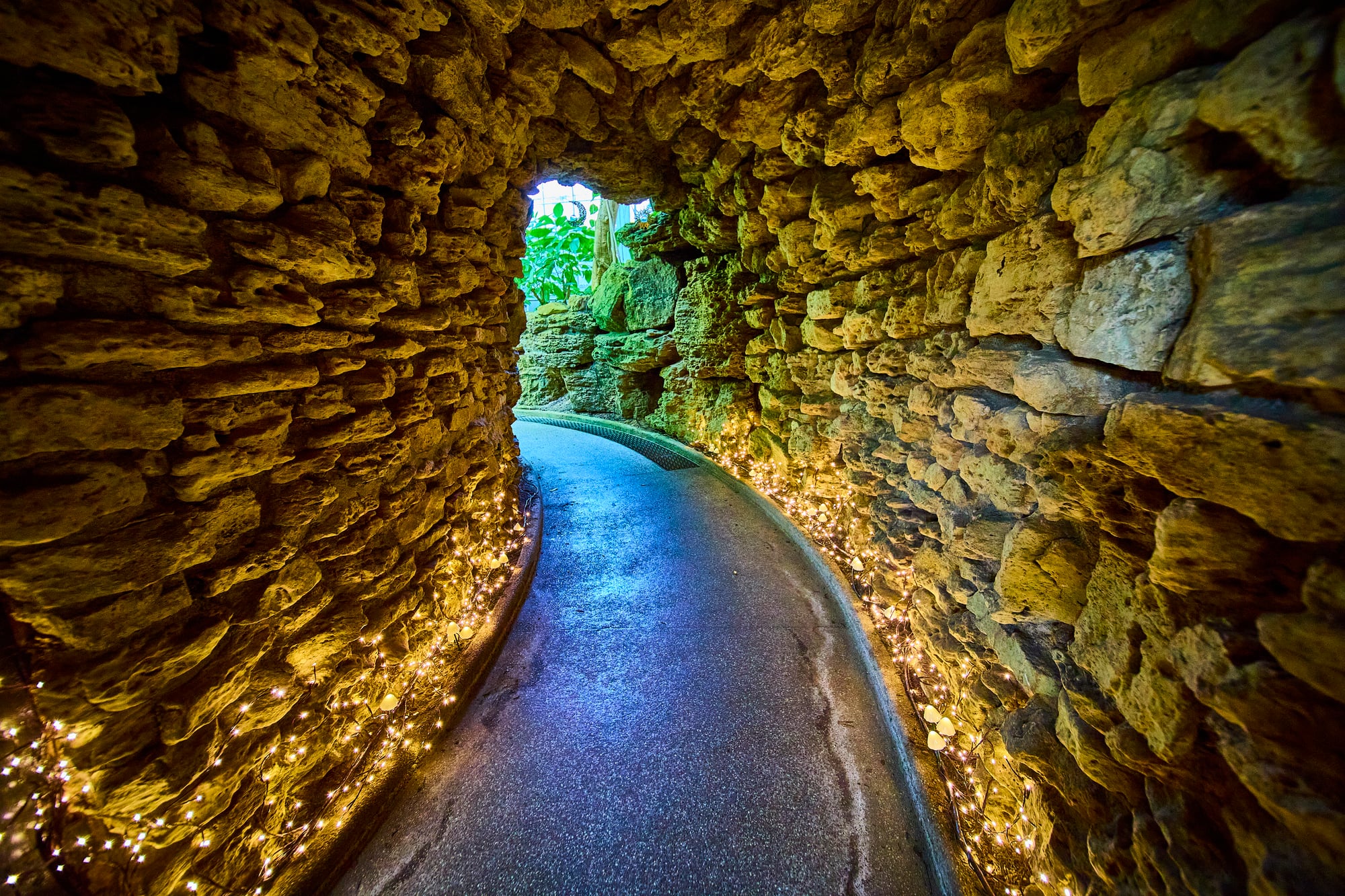
Hidden beneath the streets of Cincinnati lies a tunnel system that was meant to form the backbone of an ambitious rapid transit network. Construction began in the early twentieth century but halted less than a decade later when funding ran dry during pre-Depression economic challenges.
Several stations were fully built with platforms, stairs, and architectural details still intact today. The empty tunnels remain largely sealed off, having never carried a single passenger or train despite millions spent on their construction.
Ponte City Tower
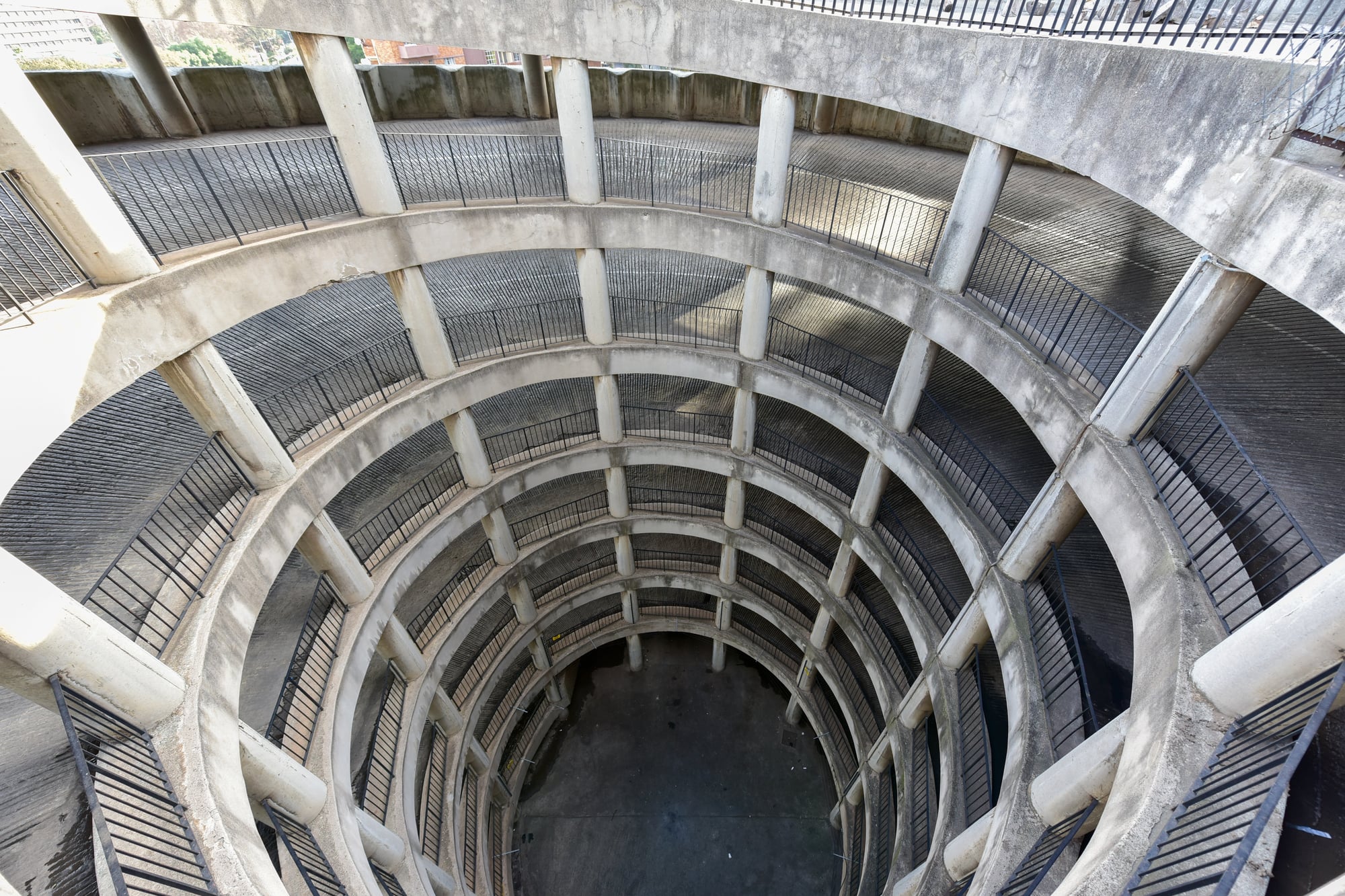
This cylindrical skyscraper in Johannesburg, South Africa, was designed to be a luxury address with shops, restaurants, and an indoor ski slope built around its hollow core. The structure quickly transformed from its intended purpose when the surrounding neighborhood declined.
Its hollow center became filled with garbage several stories high as the building turned into a vertical slum housing thousands in improvised conditions. While partially rehabilitated in recent years, it never fulfilled its original vision as a premium mixed-use development.
Like Go2Tutors’s content? Follow us on MSN.
Ryugyong Hotel

North Korea’s infamous pyramid-shaped skyscraper was designed to be the world’s tallest hotel when construction began in the late eighties. The concrete shell was completed a few years later, but economic difficulties halted further progress, leaving the structure empty for decades.
A glass exterior was finally added in the early twenty-tens, giving the building a finished appearance from a distance, but the interior remains largely incomplete. Despite standing for decades, the hotel has never accommodated a single guest or hosted the international conferences it was designed for.
Humber Bridge Access Roads
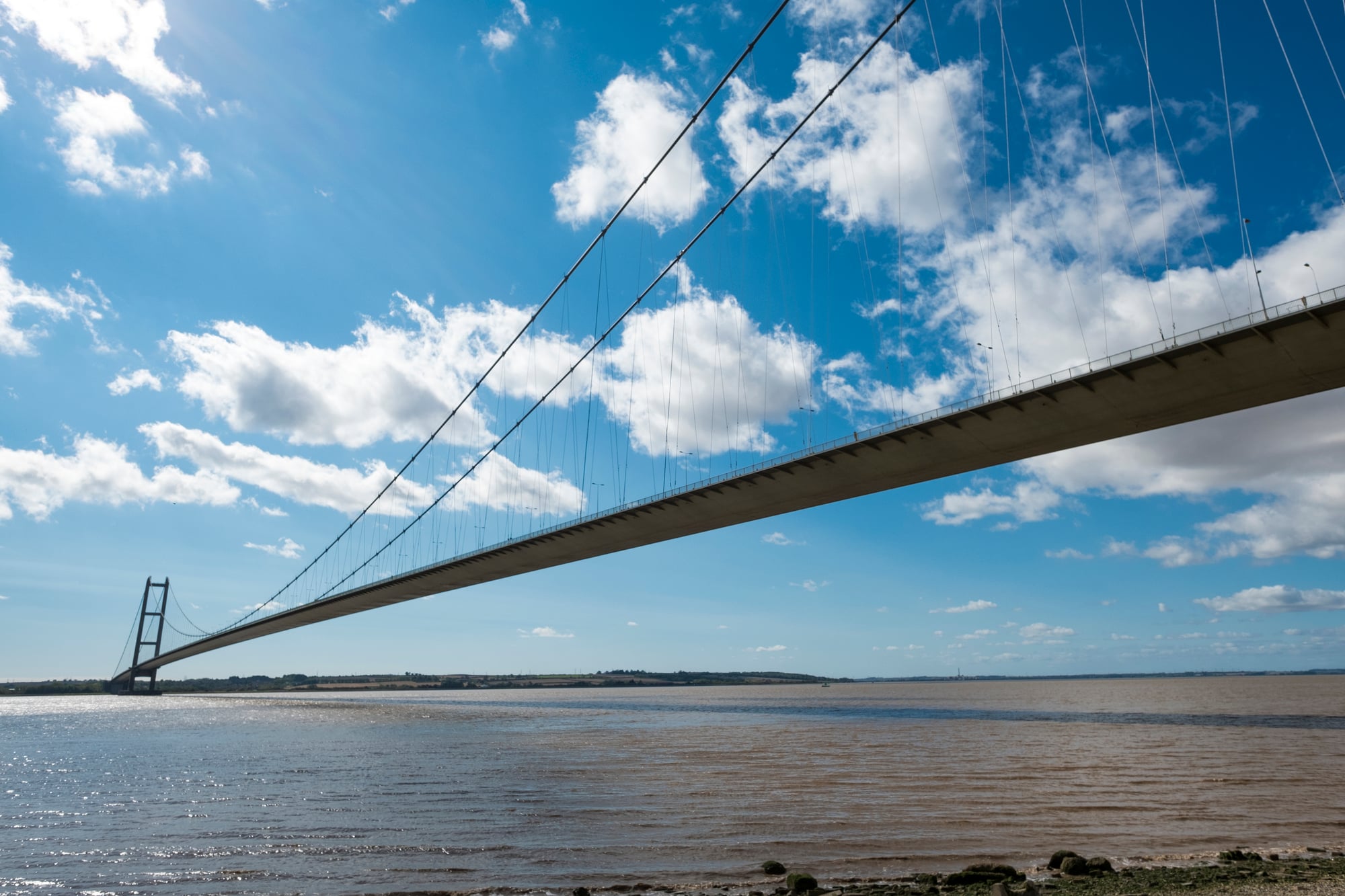
When Britain’s Humber Bridge opened in the early eighties, it was the world’s longest single-span suspension bridge. While the bridge itself functions perfectly, the elaborate network of approach roads and interchanges planned for the south bank was never completed.
Concrete support pillars and partially finished ramps still stand in fields, disconnected from any road network. These fragments of infrastructure lead nowhere, representing abandoned plans to develop the area into a major transportation hub.
Ciudad Real Central Airport
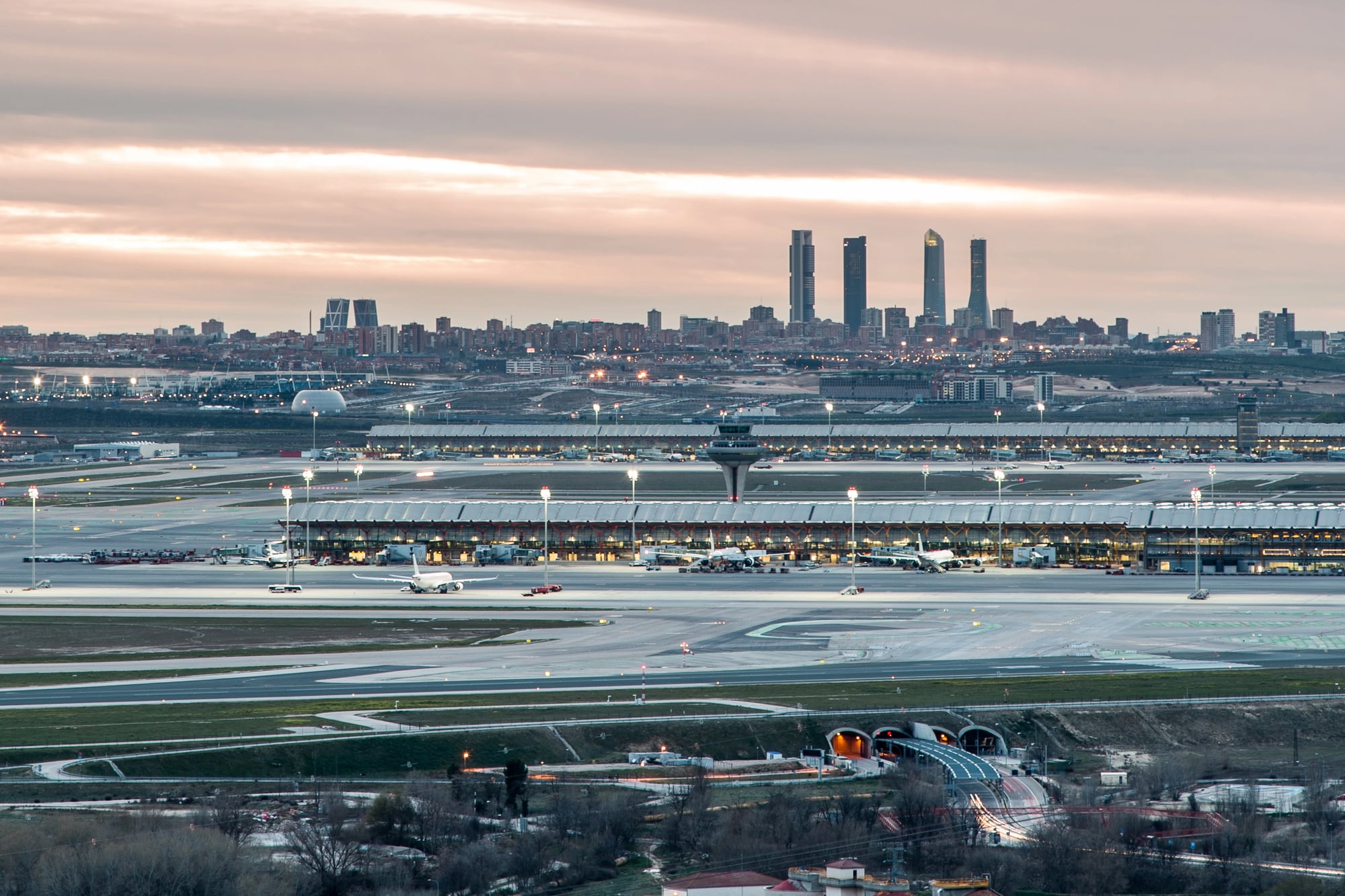
This expensive airport in Spain, far from Madrid, has a runway big enough to accommodate the biggest planes in the world. Its passenger terminal was built to handle millions of travelers each year, but after drawing little traffic, it shuttered after only a few years.
The enormous facility never even came close to reaching its full potential and was abandoned for years before selling for a fraction of its original cost at a bankruptcy auction.
Like Go2Tutors’s content? Follow us on MSN.
Buffalo Central Terminal
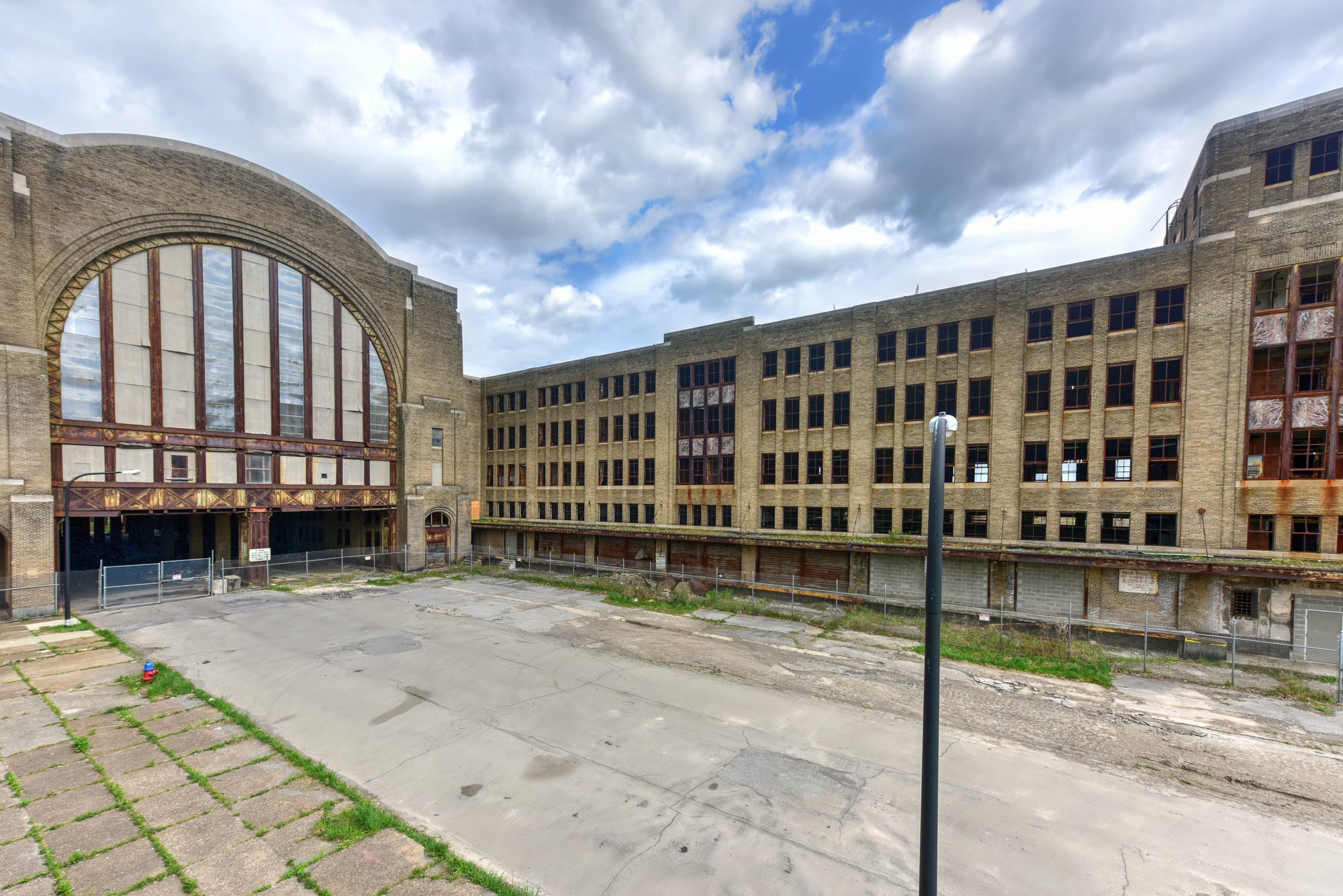
This magnificent Art Deco train station opened in the late twenties to serve as a major rail hub for New York State, featuring a tall office tower and large concourse. Just months after its grand opening, the stock market crashed and the Great Depression began.
The station never reached its projected passenger numbers, operating below capacity until closing in the late seventies. The enormous structure has stood largely vacant for decades despite its impressive architecture and original vision as a bustling transportation center.
New South China Mall
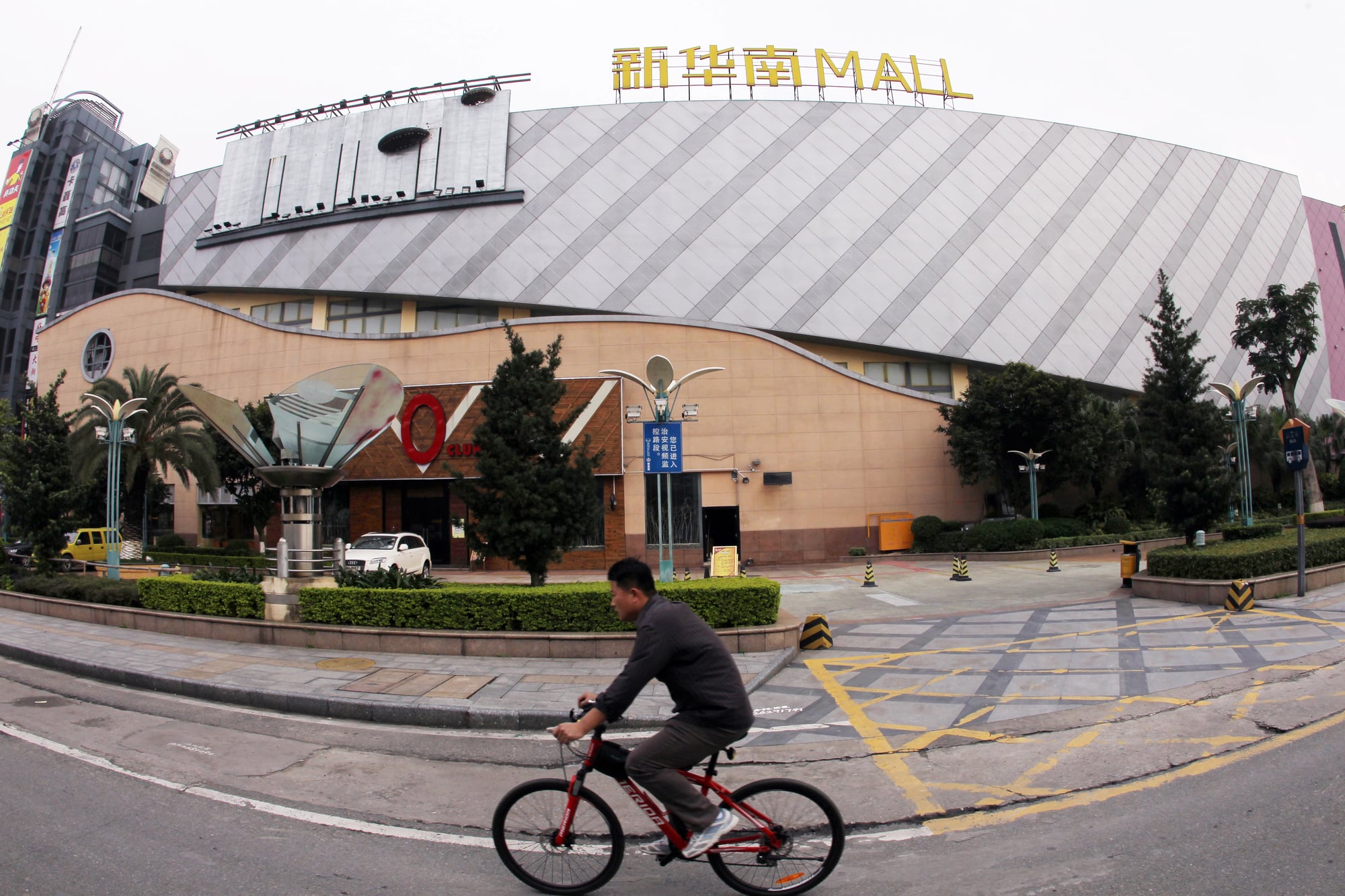
Built to be the world’s largest shopping center with millions of square feet of leasable space, this retail complex in Dongguan, China, opened with canals, amusement rides, and replicas of international landmarks. For nearly a decade, occupancy remained below expectations despite space for thousands of stores.
The mall’s themed zones representing different parts of the world stood largely empty, with water features drained and amusement rides motionless. While occupancy has improved somewhat in recent years, the complex never fulfilled its vision as a record-breaking retail destination.
Cincinnati Brent Spence Bridge Replacement
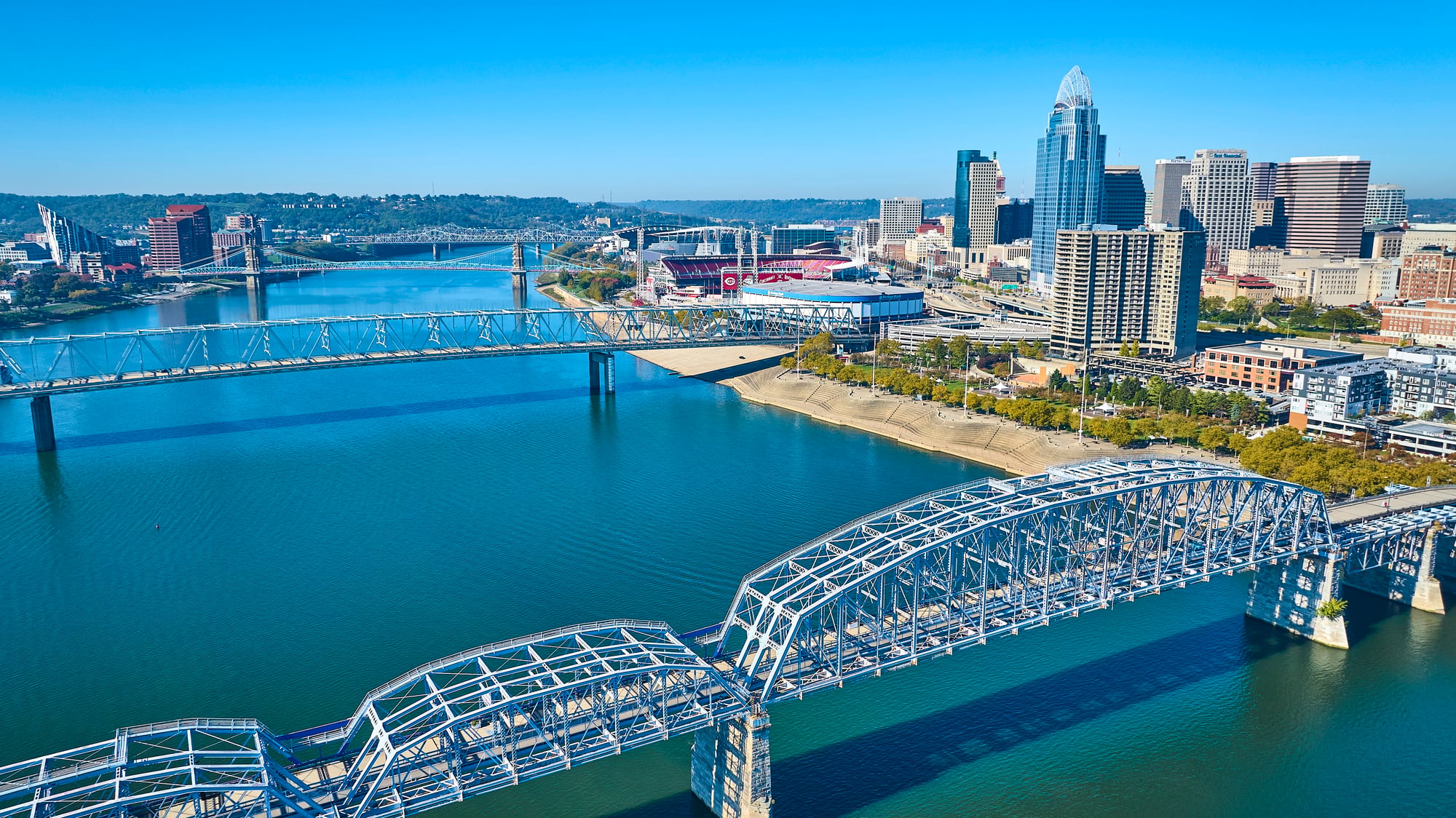
This massive infrastructure project involved building a companion bridge alongside the existing Brent Spence Bridge to alleviate severe traffic congestion. After years of planning and preliminary construction work, including approach ramps and foundation elements, the project stalled due to funding disputes between state governments.
The partially built components sit unused, disconnected from the transportation network they were designed to improve. The original overcrowded bridge continues to carry far more traffic than intended while the replacement project remains in limbo.
Like Go2Tutors’s content? Follow us on MSN.
Millennium Tower
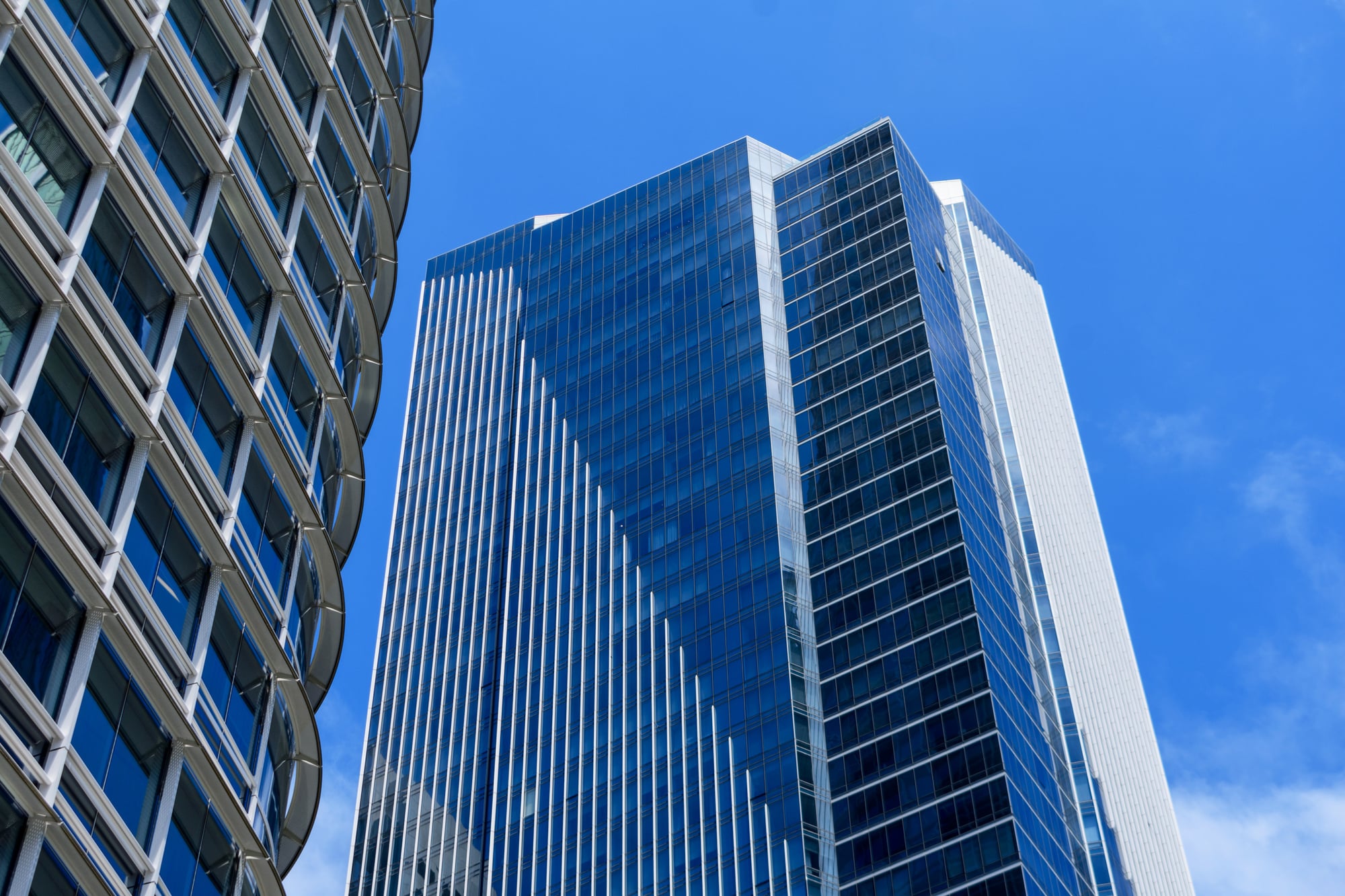
San Francisco’s luxury residential skyscraper was completed as a premier address with units selling for millions. Within a few years, the building had sunk and tilted due to inadequate foundation design.
The structural issues rendered the building unable to serve its intended purpose as prestigious housing, with property values plummeting and residents moving out. Despite hundreds of millions spent on stabilization efforts, the tower stands as an engineering cautionary tale rather than the high-end residential showcase it was designed to be.
Highway to Nowhere
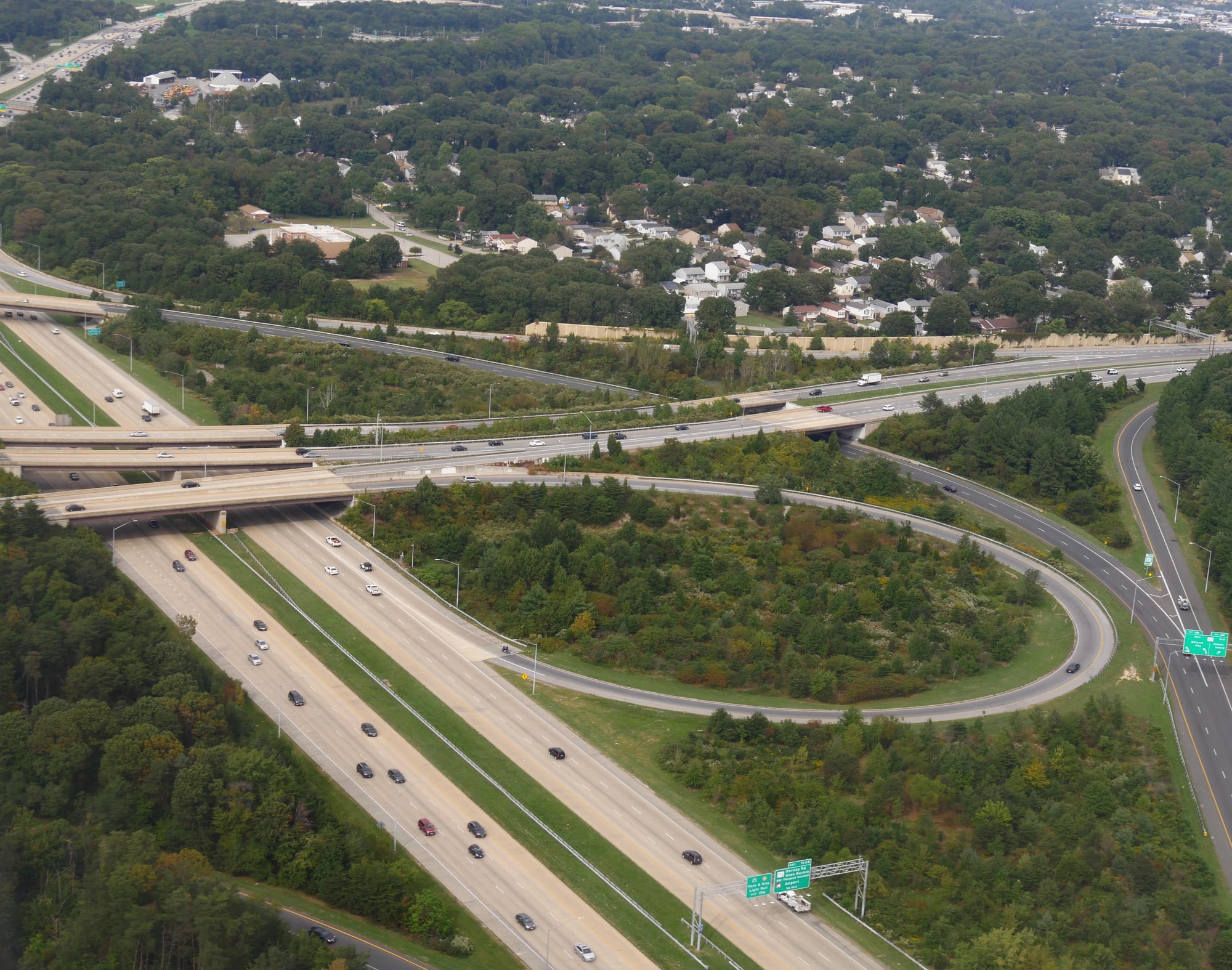
Baltimore’s infamous stretch of multi-lane highway abruptly ends at a concrete barrier after displacing hundreds of residents during construction in the seventies. Originally planned as part of an extensive expressway through the city, the project was abandoned after community opposition halted further development.
The isolated segment stands fully built with exits, overpasses, and sound barriers, yet leads nowhere and carries minimal traffic. This fragment of infrastructure serves as a physical reminder of urban renewal projects that demolished neighborhoods without delivering promised benefits.
Like Go2Tutors’s content? Follow us on MSN.
Thames Water Desalination Plant
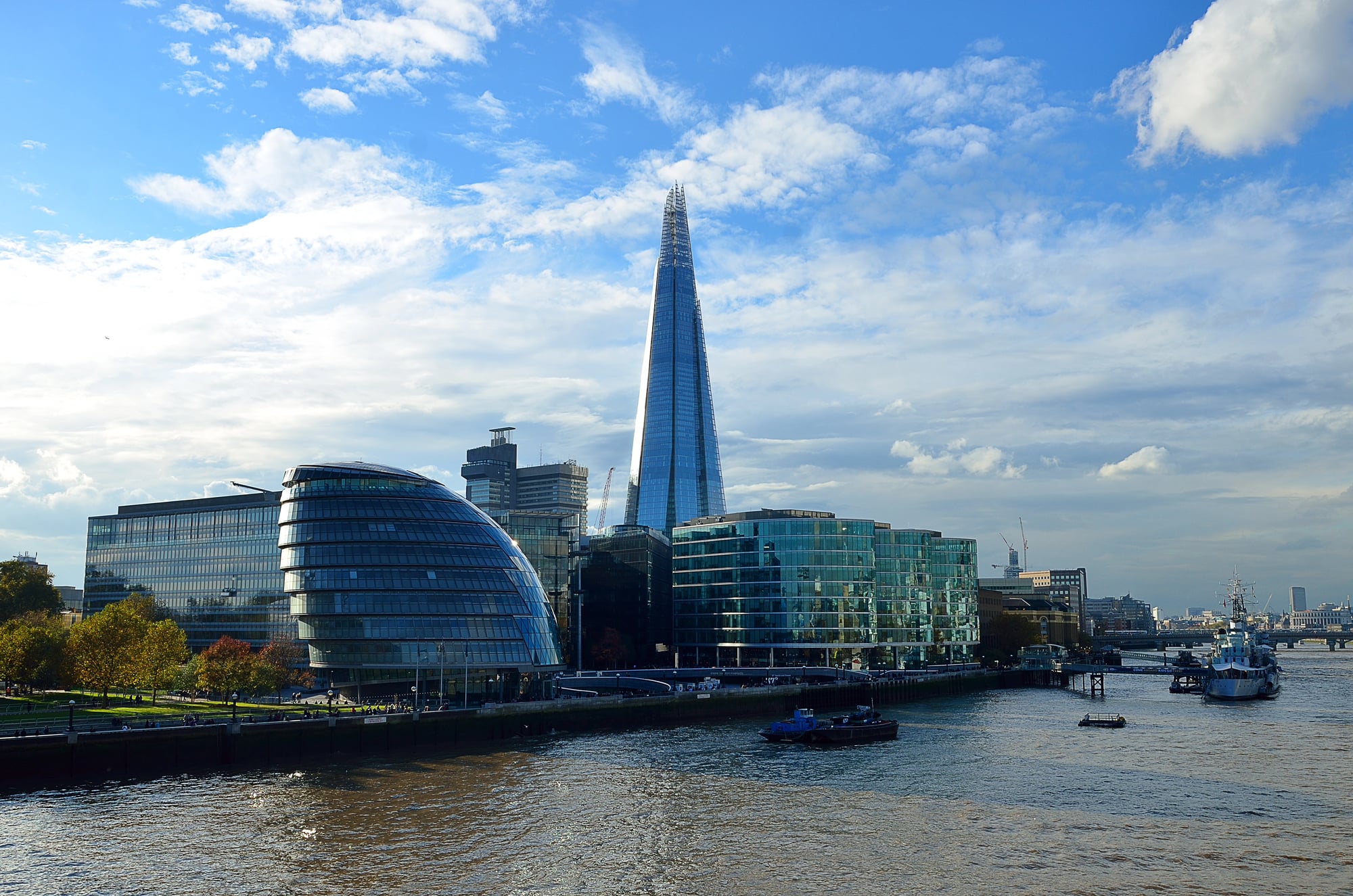
This costly facility in London was constructed as the UK’s first major desalination plant, designed to convert salt water into drinking water during droughts. The plant operated briefly during a major international event but otherwise has remained essentially dormant.
Despite its capacity to provide millions of gallons of drinking water daily to a large population, the facility has rarely been activated. The complex stands fully built and maintained but largely unused, effectively serving as an extremely expensive insurance policy rather than an active part of London’s water infrastructure.
Like Go2Tutors’s content? Follow us on MSN.
Kangbashi New District
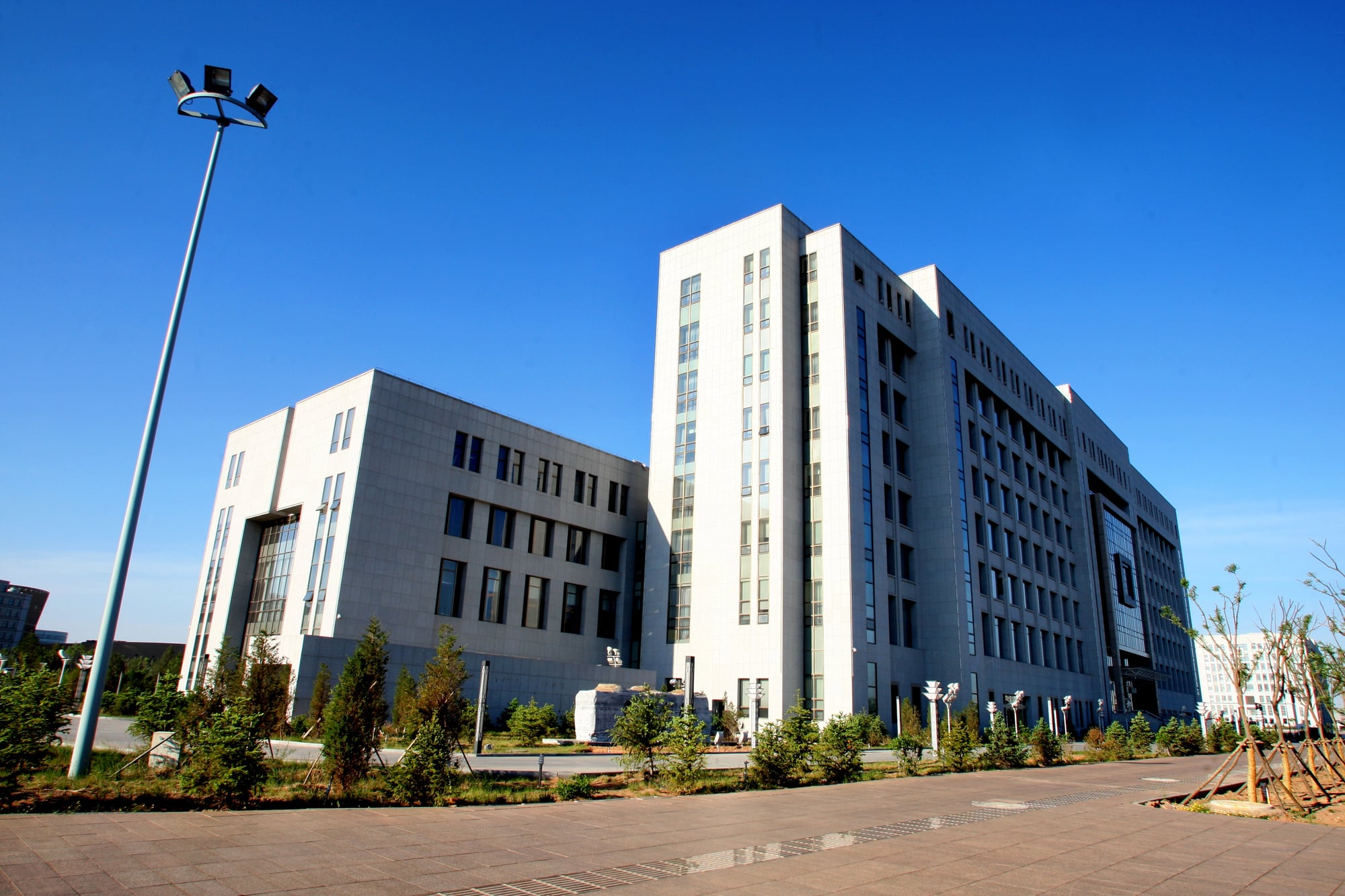
This planned urban area in Inner Mongolia was built from scratch with capacity for over a million residents, featuring wide boulevards, government buildings, museums, and residential towers. For years after completion, occupancy remained extremely low despite billions invested in infrastructure.
The city became internationally known as China’s largest ghost town, with empty highways, vacant plazas, and thousands of apartments standing ready but unoccupied. While population has increased somewhat in recent years, the district never approached its designed capacity or fulfilled its vision as a bustling urban center.
Croydon Airport Tower
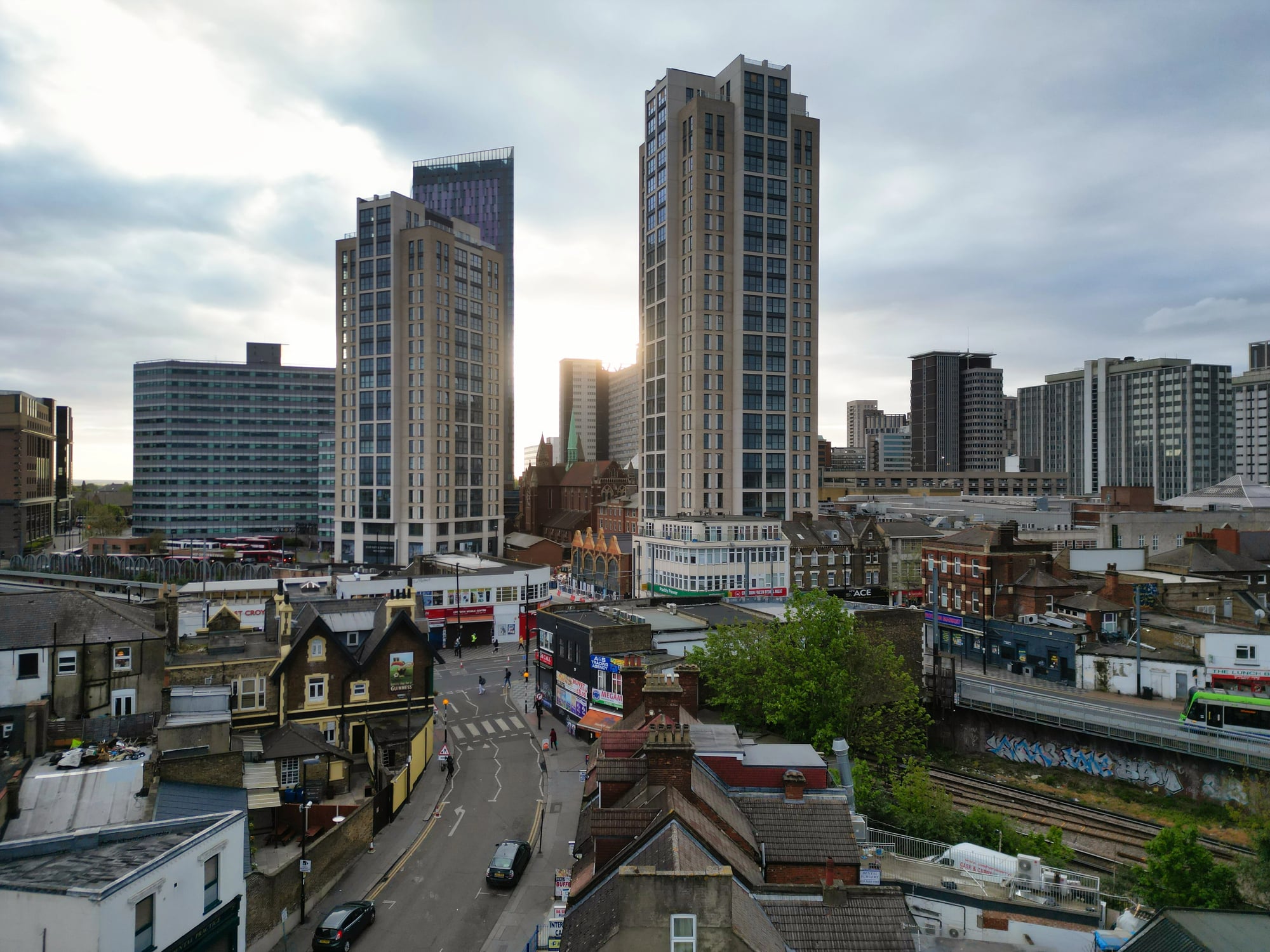
This historic structure in London was the world’s first purpose-built air traffic control tower when completed in the late twenties, representing the cutting edge of aviation infrastructure. The innovative octagonal tower with its distinctive glass cupola allowed controllers to monitor aircraft movements at what was then London’s main international airport.
The facility’s importance diminished after the war when larger airports developed elsewhere in the region. The tower stands preserved today as a museum, having served its original purpose for only a few decades before technological advances and shifting air traffic patterns rendered it obsolete.
Beyond Function
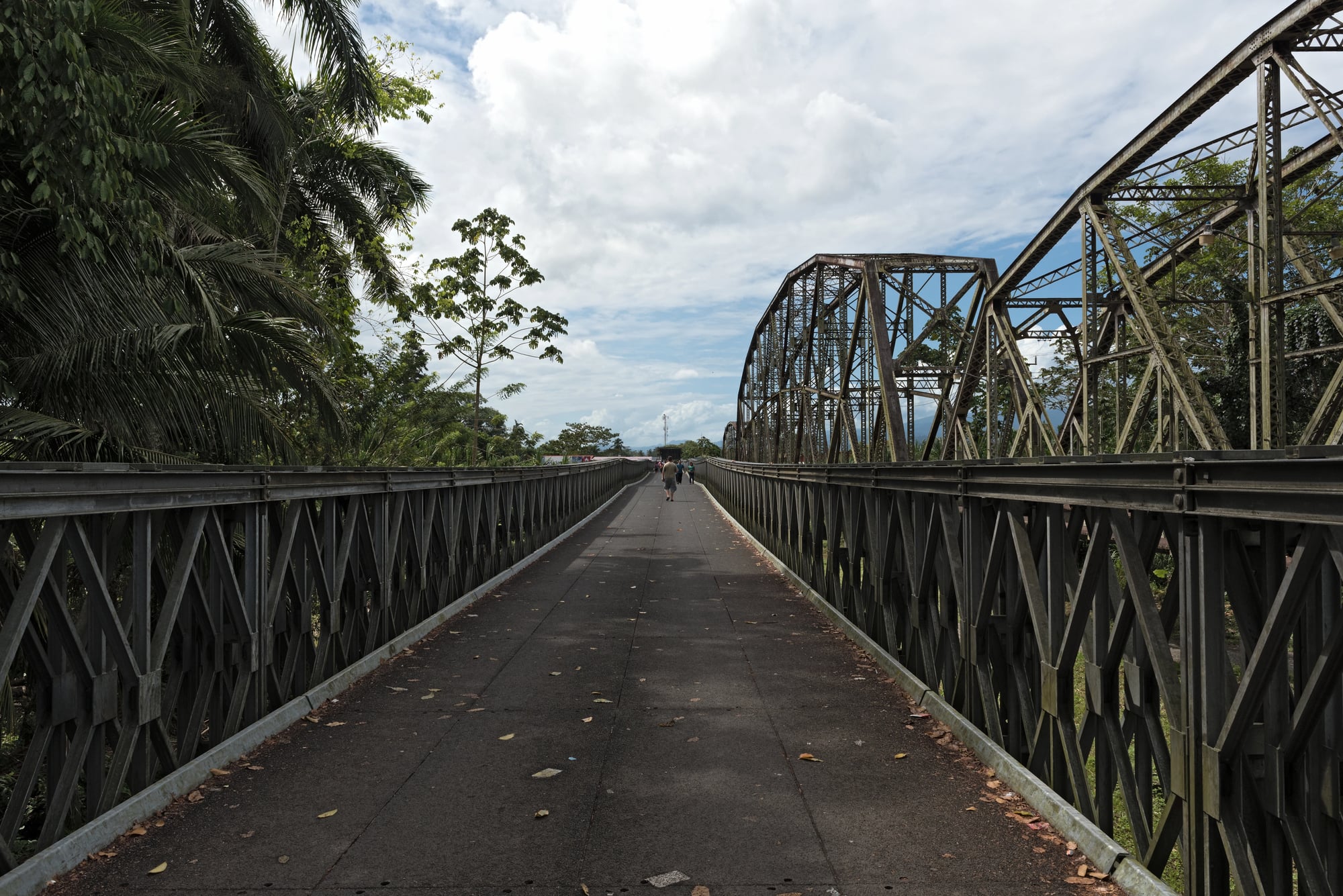
These abandoned and repurposed structures remind us that infrastructure exists in a dynamic relationship with human needs and economic realities. The most impressive engineering means little without continuous alignment with evolving social priorities and technological changes.
Perhaps these projects offer value beyond their intended functions—as warnings against overambition, as canvases for reimagination, or simply as fascinating snapshots of alternative futures that never materialized. Their concrete and steel forms stand as physical reminders that even our most substantial works remain subject to shifting circumstances beyond their designers’ control.
Like Go2Tutors’s content? Follow us on MSN.
More from Go2Tutors!

- 18 Unexpectedly Valuable Collectibles You Might Have Lying Around
- 15 Things Every Teenager in the ’70s Did That Teens Today Wouldn’t Understand
- 15 Strange Things People Have Tried to Ban (And Failed)
- 15 Inventions That Were Immediately Banned After Being Created
- 20 Actors Who Were Almost Cast in Iconic Roles
Like Go2Tutors’s content? Follow us on MSN.