Arsenic Green: The color that killed Victorian fashion
Picture a ballroom in 1860s London, lit by flickering candlelight. Women sweep across the floor in gowns of the most stunning emerald green, the fabric shimmering with every movement.
Their artificial flower wreaths bob as they dance, petals so vivid they practically glow. Nobody realizes they’re wearing poison.
The brilliant green that became the must-have color of Victorian high society contained enough arsenic to kill, and it did exactly that to countless people throughout the 19th century. Here is a list of ways arsenic green shaped and ultimately destroyed Victorian fashion.
Carl Wilhelm Scheele’s toxic discovery
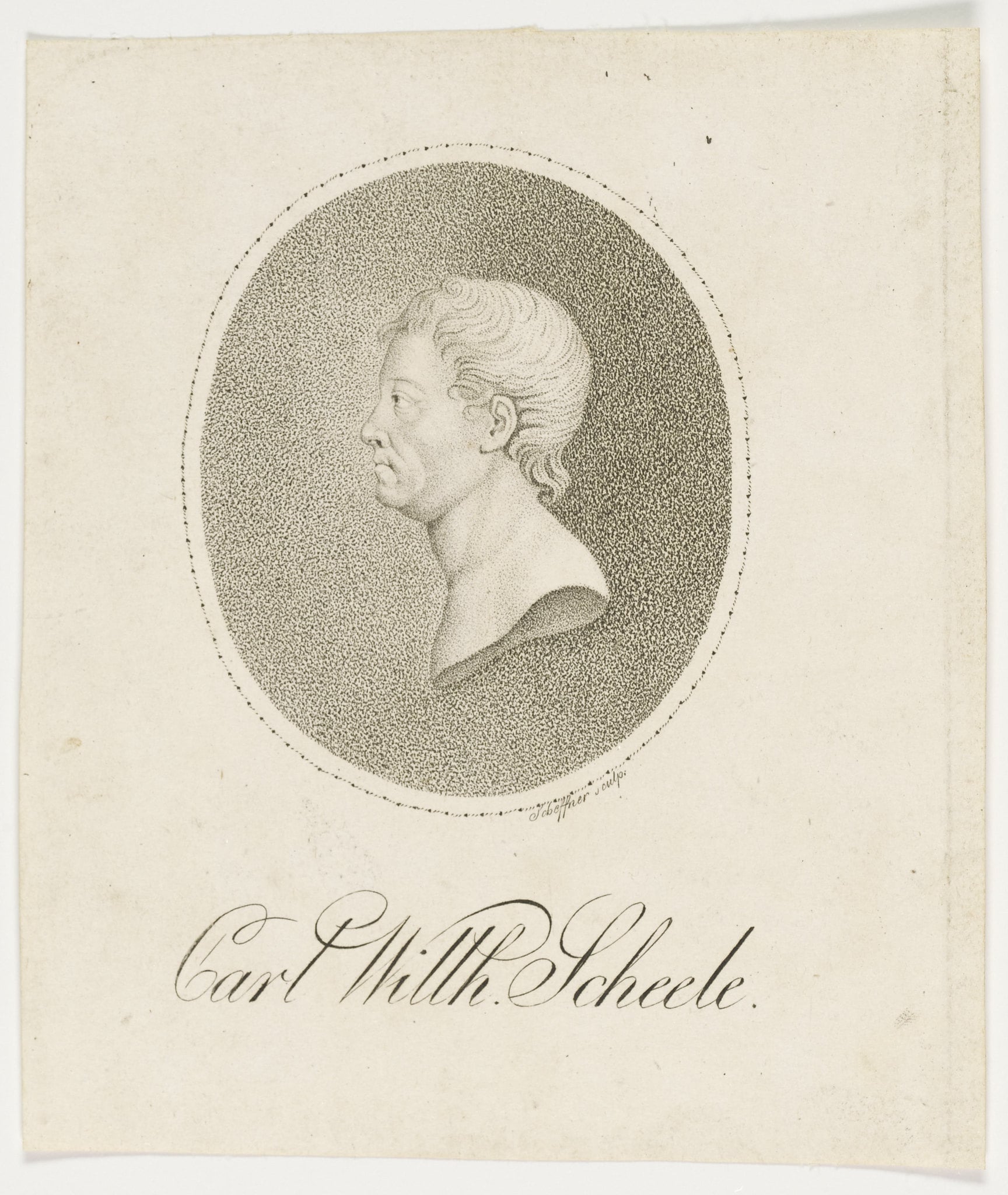
Swedish chemist Carl Wilhelm Scheele created his namesake pigment in 1775 by combining copper arsenite with arsenic trioxide. The result was a shade unlike anything available at the time.
It wasn’t too yellow or too blue but sat right in that perfect middle ground with full, vibrant saturation. Before this discovery, achieving any decent green meant expensive, time-consuming processes that often faded quickly.
Scheele knew his creation was poisonous from the start and even mentioned it to a friend, but the allure of profit and innovation won out. His bright new pigment hit the market without warning labels or safety concerns.
The expensive green problem

Before arsenic-based pigments arrived on the scene, creating green fabric was genuinely difficult and cost a fortune. Dyers had to work with natural materials, first dyeing cloth yellow using turmeric or weld, then overdyeing with blue from woad or indigo plants.
Getting consistent results from batch to batch proved nearly impossible, and the whole process ate through time and money. Only wealthy people could afford green garments, which made them automatic status symbols.
When Scheele’s Green appeared, it democratized the color entirely, making what was once exclusive suddenly accessible to the emerging middle class.
Paris Green takes over
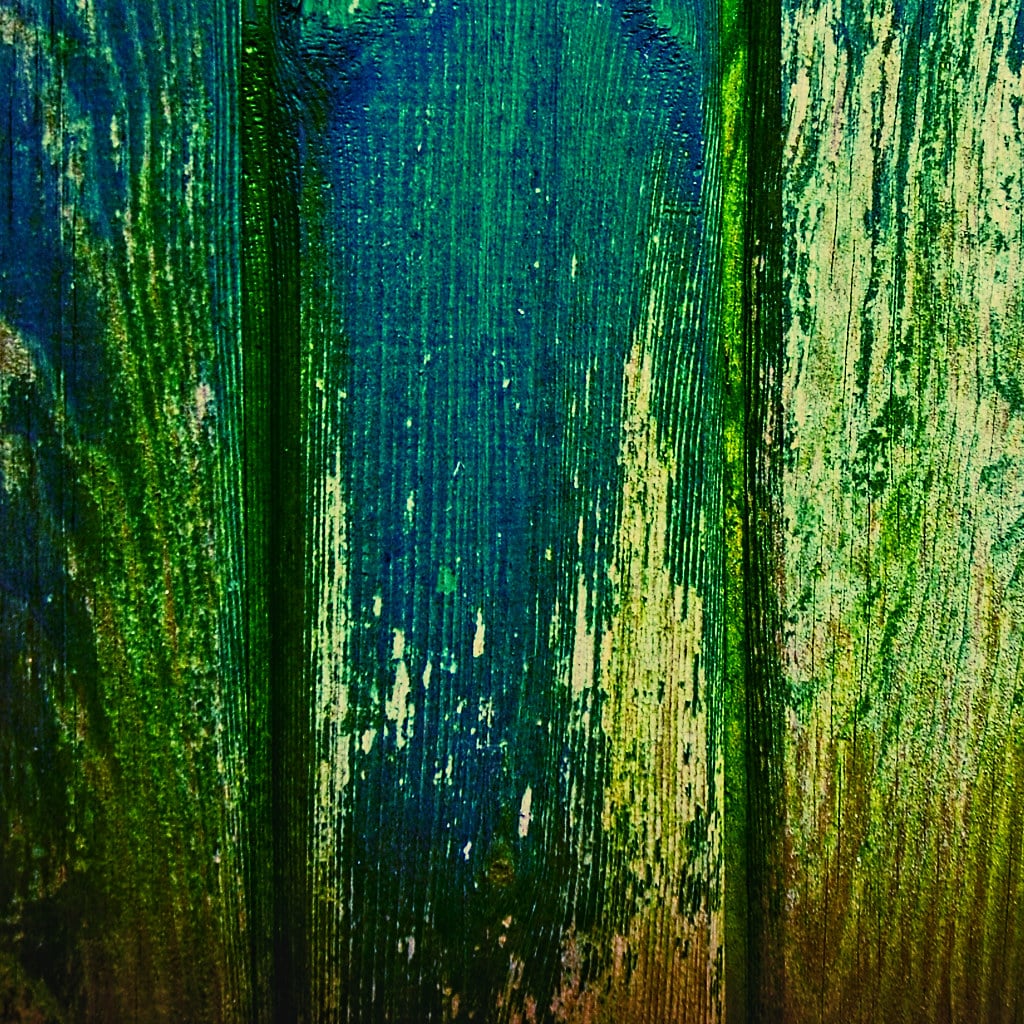
German industrialist Wilhelm Sattler decided Scheele’s version needed improvement, so in 1814 he developed Paris Green using arsenic and verdigris. This new formulation created an even more brilliant shade that lasted longer without fading.
The name supposedly came from its use as rat poison in Parisian sewers, which should have been the first red flag. Paris Green could be ground incredibly fine, creating a powder that worked perfectly for everything from fabric dyes to paint.
The color proved so stable and vivid that manufacturers quickly adopted it over Scheele’s original formula.
The irresistible appeal
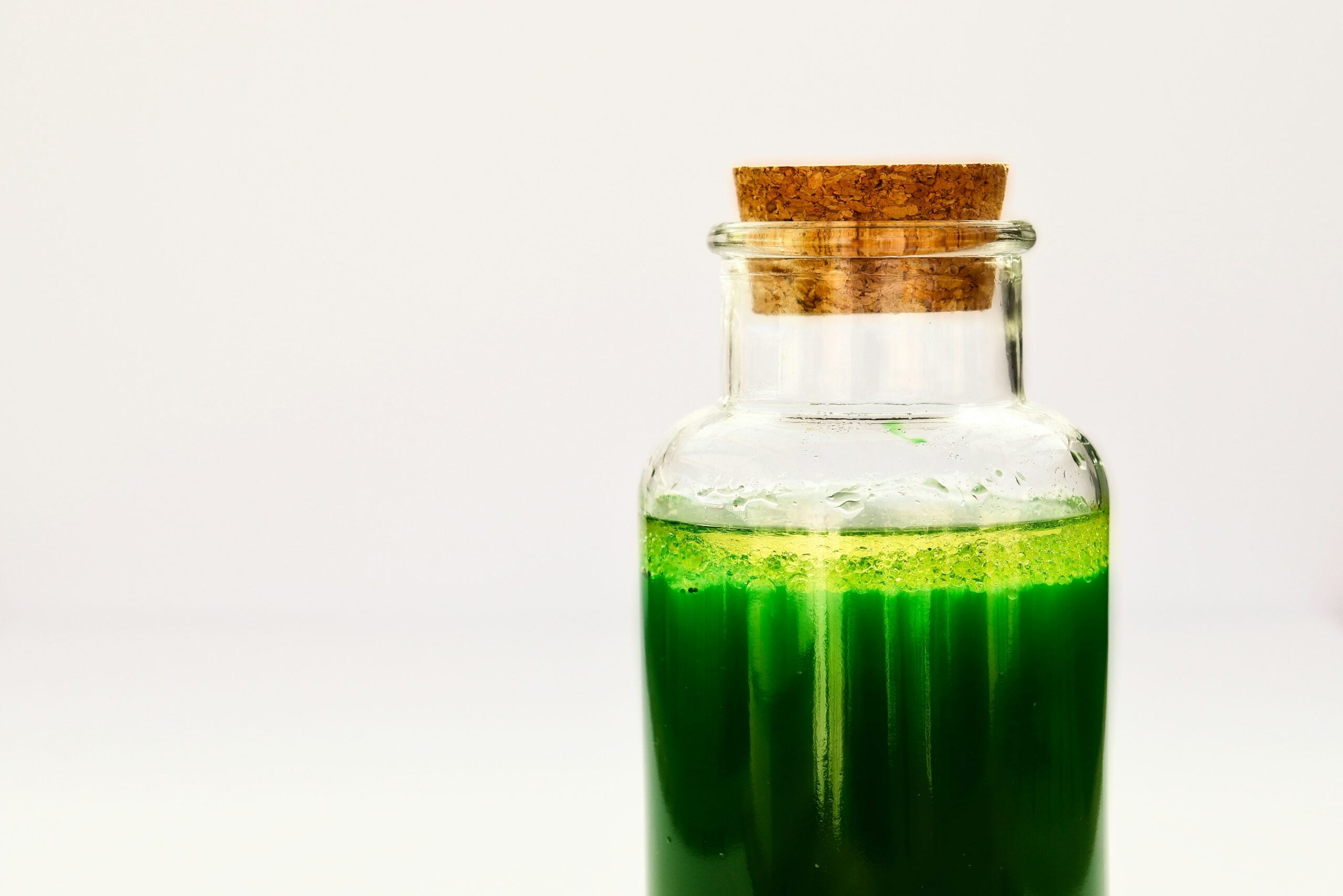
Arsenic green hit Victorian society right when the Industrial Revolution was turning cities gray with smog and pollution. People living in London and Paris found themselves surrounded by soot-covered buildings and murky skies, making them desperate for anything that reminded them of nature.
The bright, vegetal green of these new pigments looked exactly like fresh ivy, fiddlehead ferns, and springtime grass. It was cheap to produce, didn’t fade like natural dyes, and could be applied to almost any material.
By 1858, Britain alone had an estimated 100 million square yards of green wallpaper coating the walls of homes from working-class flats to aristocratic mansions.
Empress Eugenie sets the trend
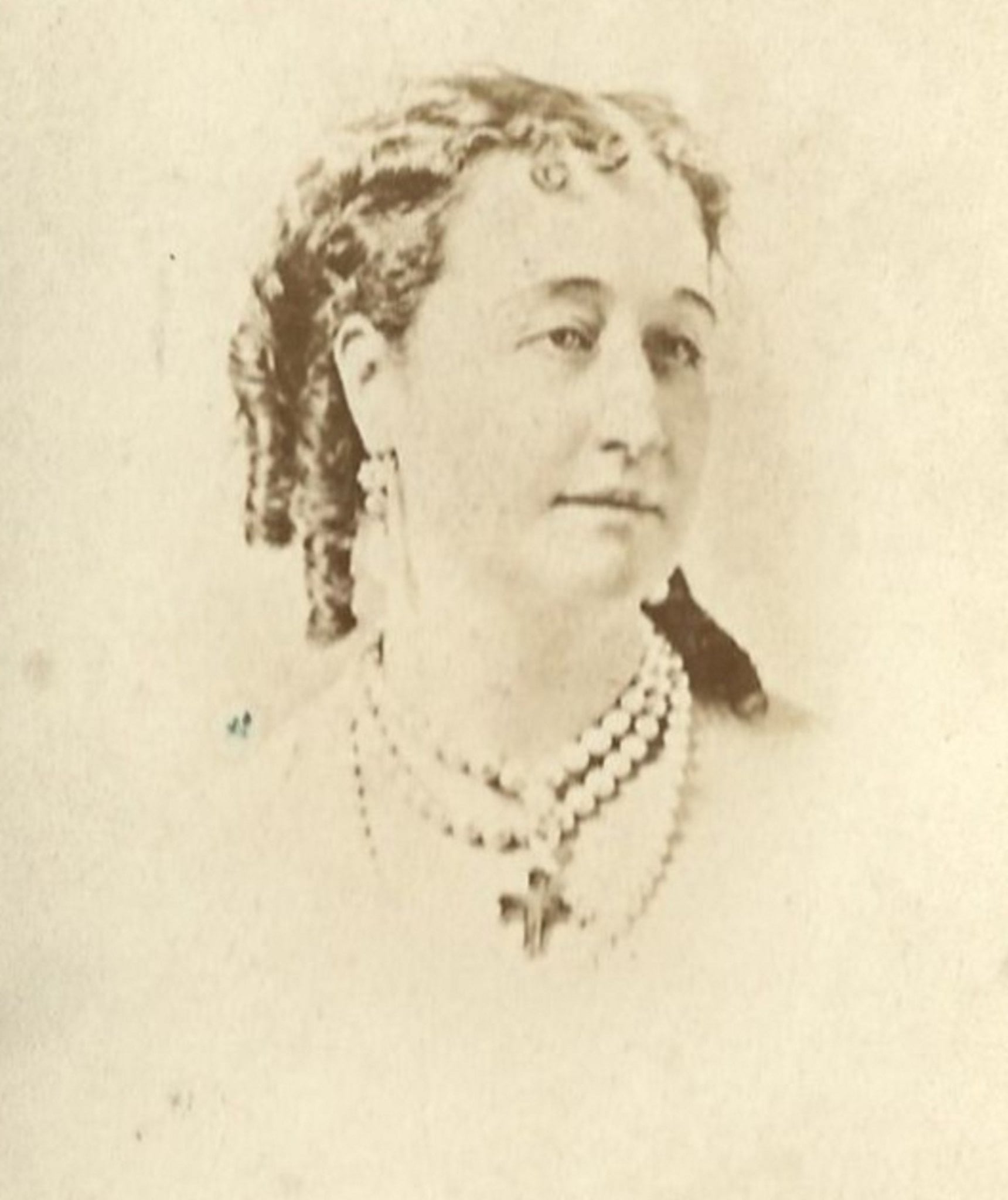
When French Empress Eugenie wore an arsenic green gown to the opera, she single-handedly made the color the height of fashion. She loved how the shade brought out the golden highlights in her hair, though the gold dust she sprinkled along her hairline probably helped that illusion.
The empress owned several stunning Colombian emerald necklaces and even commissioned an emerald-and-diamond tiara that became legendary in auction circles. Under candlelight at evening parties, women in arsenic green dresses would practically glow, creating an ethereal effect that made the color impossible to resist.
Everyone from duchesses to shopkeepers’ daughters wanted to copy her look.
Arsenic invades everything

The fashion industry was just the beginning of arsenic green’s reach. Manufacturers added it to wallpaper, curtains, carpets, artificial flowers, children’s toys, candles, and even food coloring.
People ate green-tinted blancmange at dinner parties, not knowing the dessert contained the same substance used to kill rats. Confectioners dusted cakes with green powder for decoration.
One horrifying incident in 1858 saw a confectioner accidentally use 12 pounds of arsenic instead of another white powder in his sweets, poisoning himself and 200 others while killing 20 people outright. Scheele’s Green showed up in everything from book bindings to baby carriages, creating countless points of contact with the poison throughout daily Victorian life.
The slow poison of fashion

Women who wore arsenic green dresses didn’t typically drop dead on the spot, which made the danger harder to recognize. The symptoms crept in slowly with strange rashes appearing where fabric touched skin, unexplained dizziness, persistent headaches, and general fatigue that could easily be dismissed as stress or poor constitution.
Some developed painful sores that oozed and wouldn’t heal. The multilayered Victorian wardrobe actually provided some protection since dresses sat on top of chemises, corsets, corset covers, and petticoats that kept the fabric away from skin.
When the dresses moved, though, they released tiny particles of arsenic into the air with every swish and sway, creating a toxic cloud around the wearer.
Matilda Scheurer’s gruesome death
The real victims of arsenic green were the workers who made the fashionable items everyone wanted. Nineteen-year-old Matilda Scheurer worked in a London factory for a man named Bergeron, fluffing artificial leaves and flowers by pressing green powder directly into the fabric.
She breathed arsenic particles with every breath and ingested them with every meal when she ate with contaminated hands. On November 20, 1861, Matilda died after suffering horrible convulsions.
She vomited green liquid, the whites of her eyes turned green, and she told doctors that everything she looked at appeared green. An autopsy showed her fingernails had turned a pronounced green color and arsenic had invaded her stomach, liver, and lungs.
Medical records revealed she’d been sick from arsenic poisoning four times in the previous 18 months but kept working until it finally killed her.
The forgotten child victims
Children suffered disproportionately from arsenical products because their smaller bodies couldn’t process the poison as effectively as adults. Dr. Thomas Orton investigated one family’s tragic story after three of their children died mysteriously, with a fourth child growing dangerously ill.
Earlier doctors had diagnosed diphtheria, but Orton noticed none of the neighbors caught the supposedly contagious disease. He traced the problem to the bright green wallpaper covering the children’s bedroom walls.
In damp conditions, mold growing on wallpaper paste would metabolize the arsenic and release poisonous gas into the air. Countless Victorian children wasted away in green nurseries while their parents had no idea the cheerful décor was killing them.
Napoleon’s possible wallpaper death

Napoleon Bonaparte died in exile on St. Helena in 1821, and conspiracy theories immediately suggested the British had poisoned him. When scientists tested locks of his hair in the 1960s, they found significant arsenic levels.
A visitor to Napoleon’s residence in the 1820s had saved a sample of wallpaper from Longwood House, and when it was finally tested in the 1980s, it contained substantial amounts of Scheele’s Green. The damp, moldy conditions at Longwood would have been perfect for releasing arsenical vapors into the air.
Napoleon’s butler actually died during their time there, and other residents complained constantly about the ‘bad air’. While modern analysis suggests Napoleon likely died from stomach cancer, the arsenic exposure from his wallpaper almost certainly worsened his condition and made his final months more miserable.
William Morris fights reality

William Morris, the famous designer and champion of the Arts and Crafts movement, became one of the most vocal deniers of arsenic’s dangers. He dismissed the growing medical evidence as mass hysteria, writing in 1885 that ‘it is hardly possible to imagine a greater folly than the arsenic scare’.
His early wallpaper designs like Trellis used arsenical greens, and Morris himself was a major shareholder in Devon Great Consols, one of the world’s largest arsenic mines. The dividends from this poisonous venture actually funded the success of Morris and Company.
He only stopped using arsenic in his wallpapers in the 1870s when public pressure made it impossible to sell them, and even then he did so under protest. His financial interest in arsenic production made him unable or unwilling to acknowledge the suffering it caused.
The slow decline of deadly green
European countries began banning arsenic-containing products much earlier than Britain or America, where manufacturers’ profits took priority over public health. Prussia prohibited sales of arsenical pigments in the 1830s, followed by Bavaria and France around 1845.
Britain never actually passed legislation banning arsenic wallpaper, but public fear eventually killed demand more effectively than any law could have. By the 1870s, manufacturers like Jeffrey and Company started advertising ‘Arsenic Free’ on their wallpapers, though tests often revealed these supposedly safe products still contained high arsenic levels.
William Morris’s company discontinued arsenical wallpapers by 1880. As synthetic dyes improved and medical evidence became impossible to ignore, safer alternatives finally replaced the deadly greens that had dominated Victorian fashion and décor for decades.
When beauty became survival
The arsenic green craze teaches us that fashion doesn’t exist in a vacuum separate from its human cost. Factory workers like Matilda Scheurer paid with their lives so wealthy women could wear the latest color trend, and their deaths were dismissed as ‘accidental’ even when the cause was obvious.
The Victorian obsession with bringing nature indoors through vivid green decoration ended up poisoning the very homes meant to provide safety and comfort. Today’s fashion industry still grapples with similar questions about who bears the cost of beauty, from textile workers exposed to dangerous chemicals to the environmental impact of fast fashion.
The skeletons dancing in green gowns from Victorian cartoons weren’t just dark humor—they were a warning that looking good should never require someone else’s suffering.
More from Go2Tutors!

- The Romanov Crown Jewels and Their Tragic Fate
- 13 Historical Mysteries That Science Still Can’t Solve
- Famous Hoaxes That Fooled the World for Years
- 15 Child Stars with Tragic Adult Lives
- 16 Famous Jewelry Pieces in History
Like Go2Tutors’s content? Follow us on MSN.



