17 Castles Perched On Cliffs and Islands
Medieval builders had a simple view of real estate: the harder a site was to reach, the harder it was to lose. A sheer drop on three sides or a stretch of cold water on all four did more for defense than any wall.
The result is a set of castles that look impossible even today. Some cling to cliff edges above rivers and seas, and others sit on islets that become cut off from the mainland with every high tide.
Eilean Donan Castle, Where Three Sea Lochs Meet
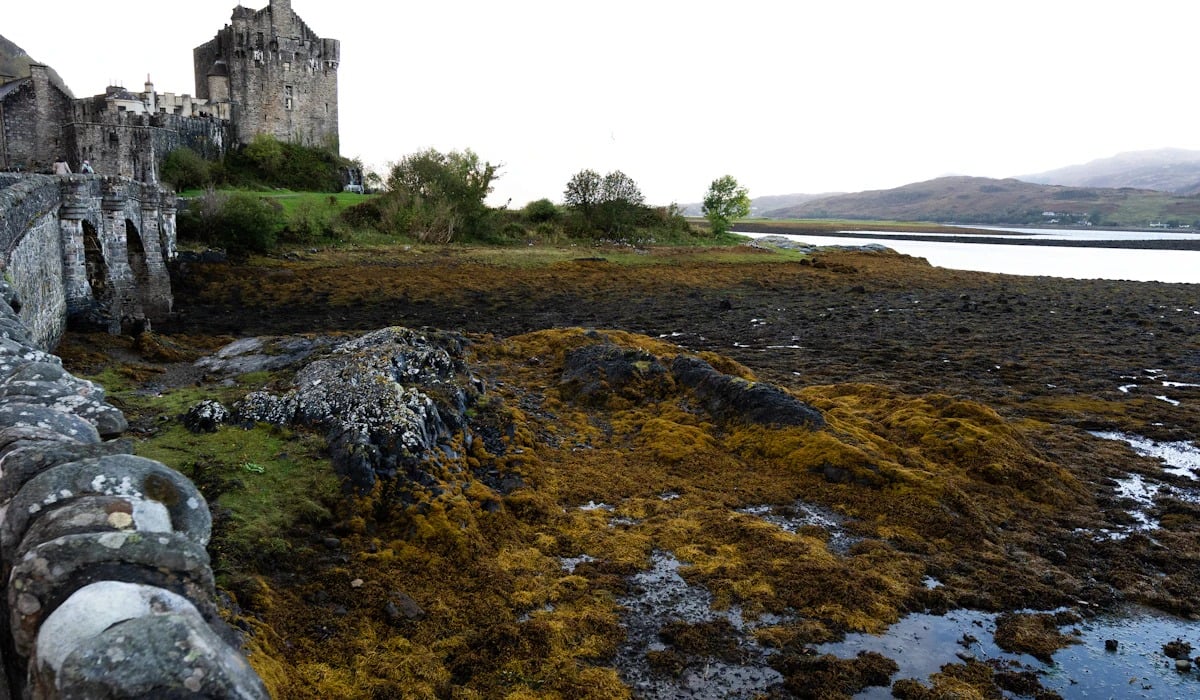
Eilean Donan sits on a small tidal island in the Scottish Highlands, where Loch Duich, Loch Long and Loch Alsh come together. In 1719, during a Jacobite rising, Royal Navy ships bombarded the castle and left it in ruins.
The ruins stayed that way for roughly two centuries before reconstruction began in 1912 and was completed in 1932. Visitors now cross a stone footbridge to a castle that is largely a modern reconstruction of a medieval one.
Dunnottar Castle and the Hidden Crown Jewels
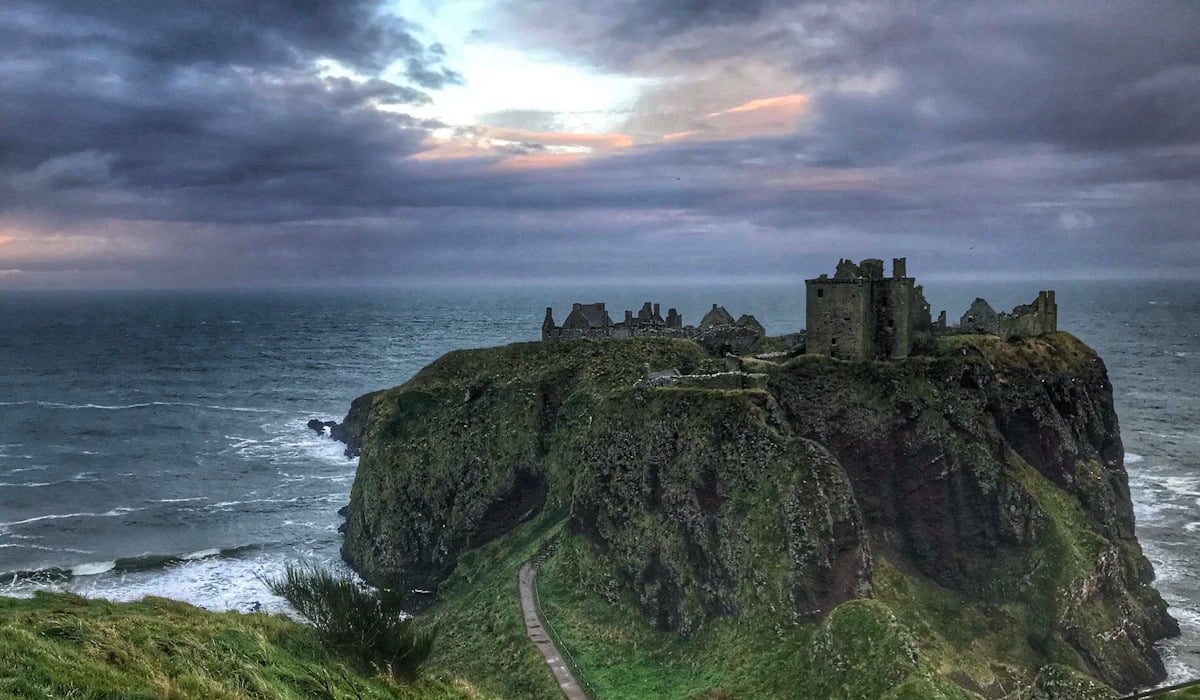
Dunnottar occupies a rocky headland near Stonehaven on Scotland’s northeast coast, with sheer sea cliffs on nearly every side. In 1652, with Oliver Cromwell’s army closing in, the Honours of Scotland, the country’s crown jewels, were sheltered here.
They were smuggled out past the besiegers and hidden in the church at nearby Kinneff. The regalia stayed concealed there for years, while the castle that once guarded them was left to the wind and the gulls.
Castle Stalker on a Tidal Islet in Loch Laich
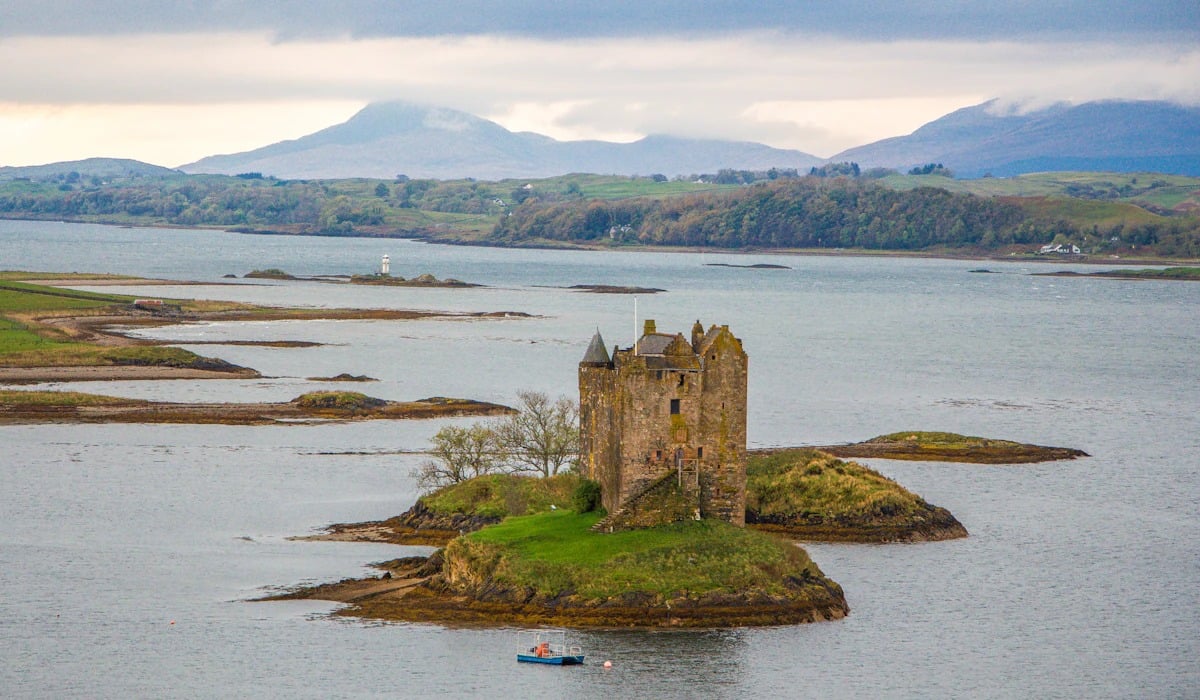
Castle Stalker rises from a small rock in Loch Laich, near Appin on Scotland’s west coast, and can be reached by boat or, under suitable conditions, on foot at low tide. The tower house was held by the Stewarts of Appin.
It earned a second kind of fame when Monty Python and the Holy Grail used it as a location in its closing scenes. The setting is dramatic enough that the film barely needed to dress it up.
Kisimul Castle, the Fortress in the Middle of a Bay

Kisimul Castle fills a rock in Castlebay, the harbor on the Hebridean island of Barra, and has traditionally been reached by a short boat trip. It was the seat of the chiefs of Clan MacNeil, and the clan chief later leased it to the state for 999 years, beginning in 2000, for £1 and a bottle of whisky each year.
The curtain wall follows the edge of the rock so closely that the castle seems poured into the shape of the islet. Few castles are so literally surrounded by their own defenses.
The castle has been closed to visitors since 2020 because of structural-safety concerns, so check its current status before planning a visit.
Dunluce Castle and the Kitchen That Fell Into the Sea

Dunluce stands on a basalt outcrop on the County Antrim coast of Northern Ireland, cut off from the mainland by a deep gap that visitors now cross on a bridge. Local legend says part of the kitchen collapsed into the sea during a storm, taking several servants with it.
The tale has followed the ruin for centuries, and the clifftop drop beneath the walls makes it easy to believe. The castle fell into decline and was abandoned in the late seventeenth century.
St Michael’s Mount and Its Tidal Causeway
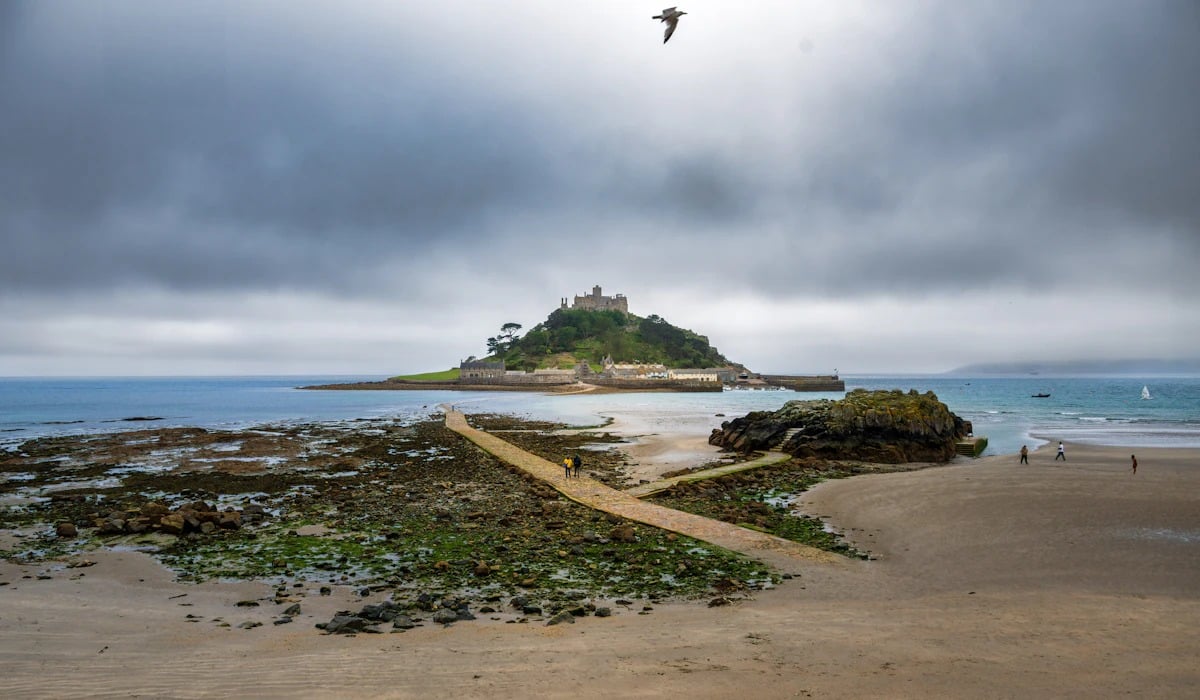
St Michael’s Mount rises from Mount’s Bay in Cornwall, a tidal island linked to Marazion by a causeway that is covered at high tide. Its Benedictine past ties it to Mont-Saint-Michel in Normandy, which explains the close resemblance in name and silhouette.
The St Aubyn family has lived in the castle for centuries. Few homes in Britain require a guest to check a tide table before dinner.
Lindisfarne Castle, a Tudor Fort Turned Edwardian Retreat
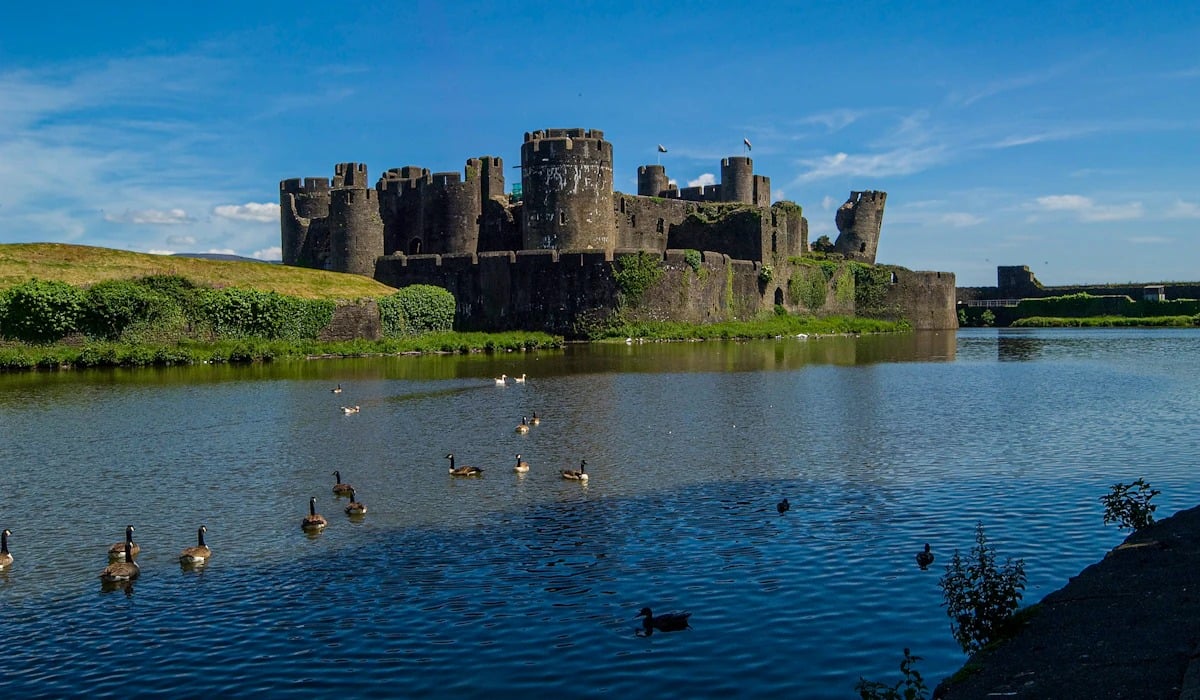
Lindisfarne Castle crowns a rocky outcrop on Holy Island off the Northumberland coast, an island that is cut off from the mainland twice a day. The fort was built in the sixteenth century to guard the harbor.
In 1901, Edward Hudson, the founder of Country Life magazine, bought it and hired the architect Edwin Lutyens to turn it into a holiday home. Lutyens kept the rough stone walls and low vaulted rooms, so a gun platform became a weekend house without losing its ruggedness.
Tintagel Castle and the Bridge With a Gap in the Middle
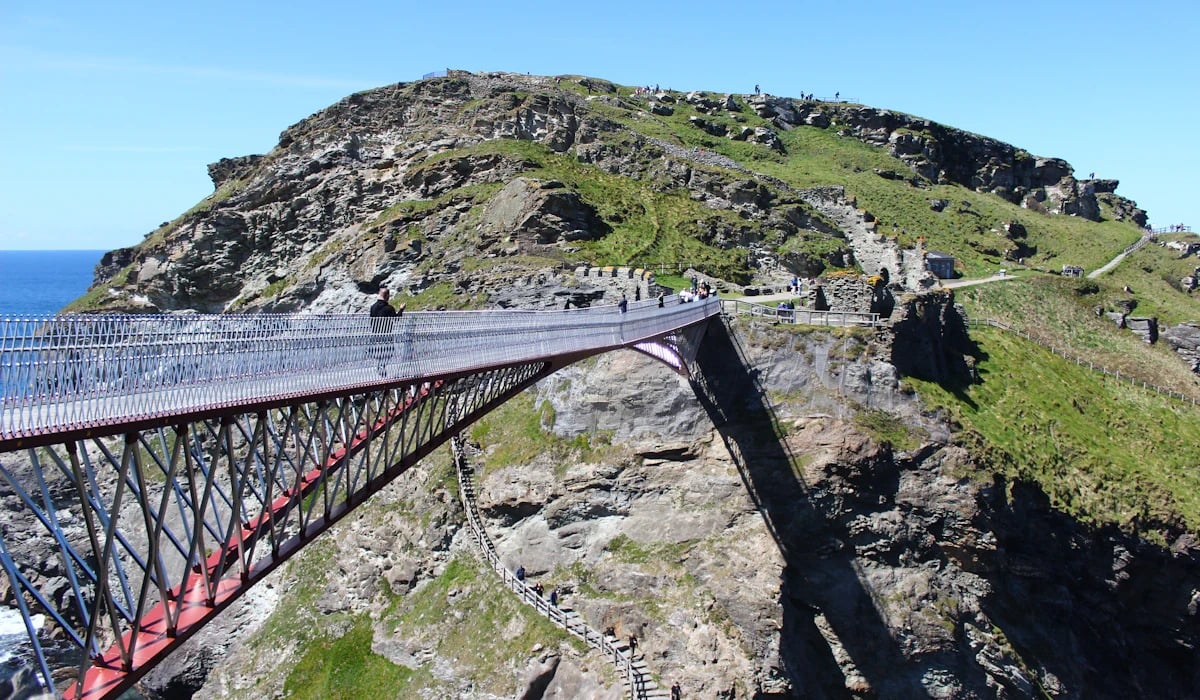
Tintagel clings to a rugged headland on the north coast of Cornwall, where a narrow neck of rock once linked the mainland to the crag. The twelfth-century writer Geoffrey of Monmouth tied the site to the legend of King Arthur, and the medieval castle was built to borrow from it.
In 2019, a footbridge opened across the gap, built as two halves that deliberately stop short of touching in the middle. The designers left the space on purpose, as a nod to the divide between history and myth.
Château d’If and the Prisoner Who Never Existed

Château d’If squats on a small island in the bay off Marseille, a short boat ride from the Old Port. Ordered by Francis I in 1516, the fortress was built between 1524 and 1531.
It was soon turned into a prison and held prisoners over the following centuries. Its fame comes largely from Alexandre Dumas, whose 1844 novel The Count of Monte Cristo imprisoned its hero Edmond Dantès here.
Dantès was invented, yet visitors still ask to see his cell.
Château Gaillard Above the Seine
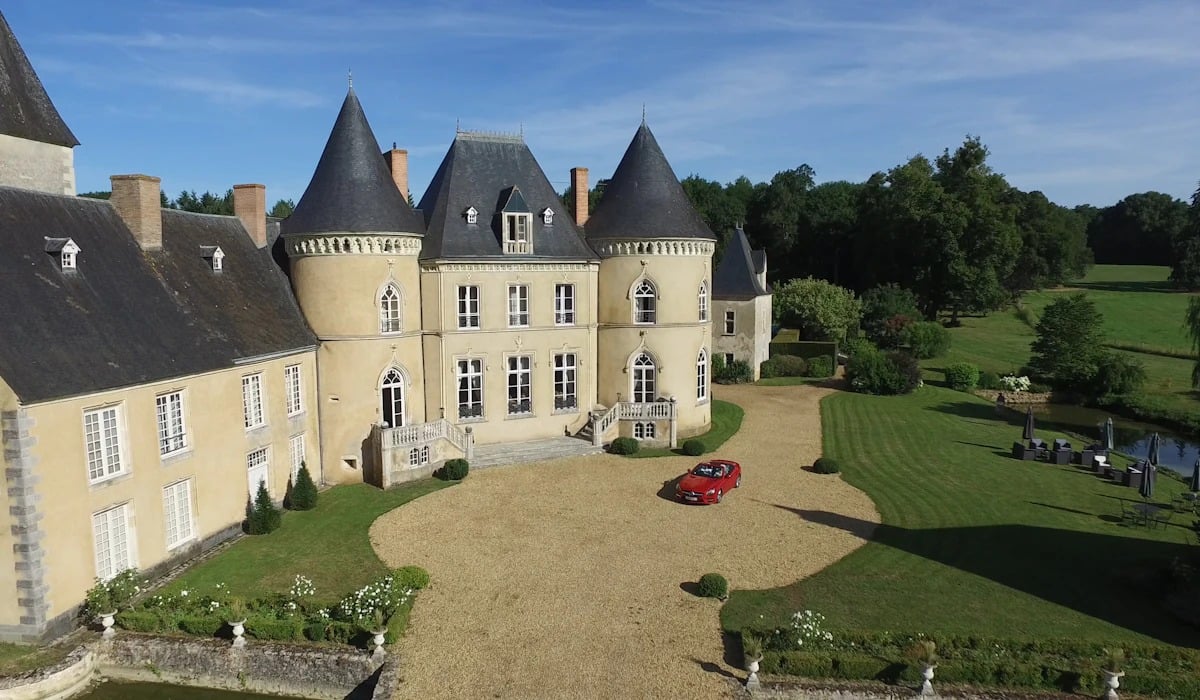
Château Gaillard overlooks the Seine from a chalk ridge at Les Andelys in Normandy. Richard the Lionheart built it between 1196 and 1198 as a frontier stronghold against the French king.
Philip II captured it in 1204 after a long siege, and with it went a major piece of the English hold on Normandy. The ruined walls still show how much weight its builder placed on a commanding height.
Château de Beynac, the Cliff-Edge Rival of Castelnaud

Château de Beynac rises from a limestone cliff high above the Dordogne River in southwestern France. During the Hundred Years War it stayed on the French side, facing the English-held Castelnaud across the valley.
The two strongholds sit within sight of each other, so the war could be watched from either set of battlements. The same view that once served as a lookout now draws visitors.
Chillon Castle, the Prisoner and the Poet
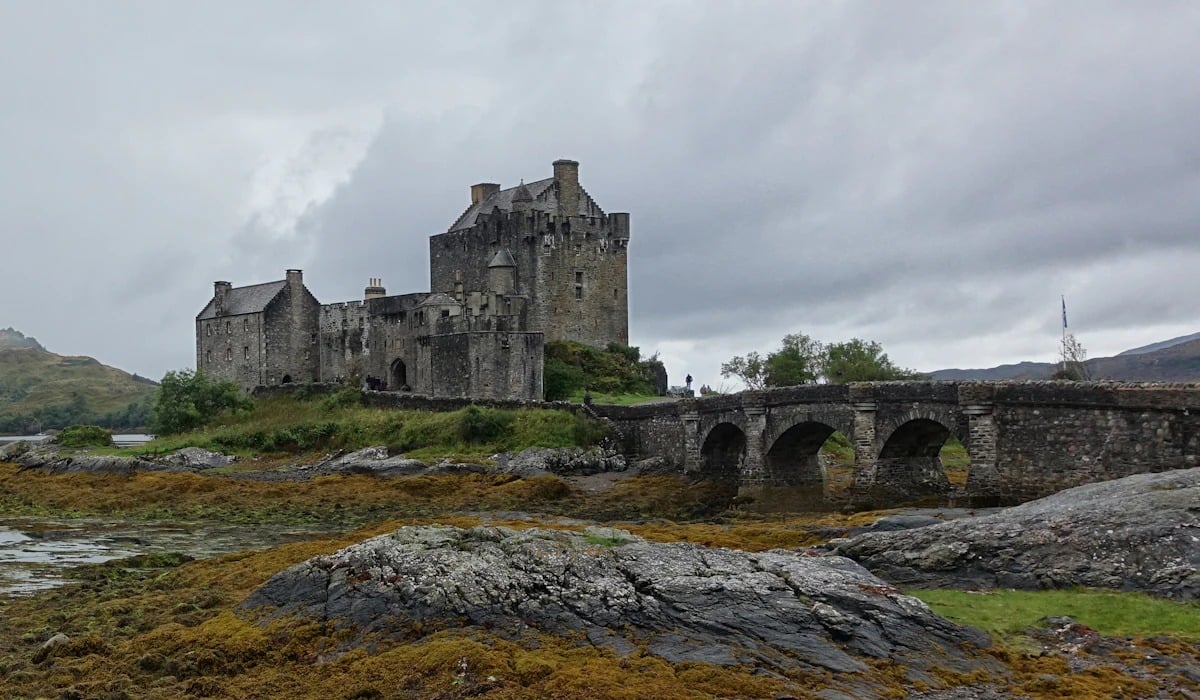
Chillon Castle sits on a rocky islet at the eastern end of Lake Geneva, joined to the shore by a wooden bridge near Montreux. It was long the seat of the Counts of Savoy and later served as a prison.
In 1816, Lord Byron visited and wrote The Prisoner of Chillon, inspired by the imprisonment of the Genevan reformer François Bonivard. The poem turned a lakeside fortress into a stop on the Romantic travel circuit.
Pfalzgrafenstein, the Stone Ship in the Rhine

Pfalzgrafenstein stands on the small island of Falkenau in the middle of the Rhine, opposite the town of Kaub in Germany. It was built in the early fourteenth century as a toll station, and its pentagonal walls are shaped like the prow of a ship cutting through the current.
Boats passing the island had to pay for the privilege. The stone ship has outlasted the river traffic it once taxed.
Lichtenstein Castle, a Novel Made Into Stone
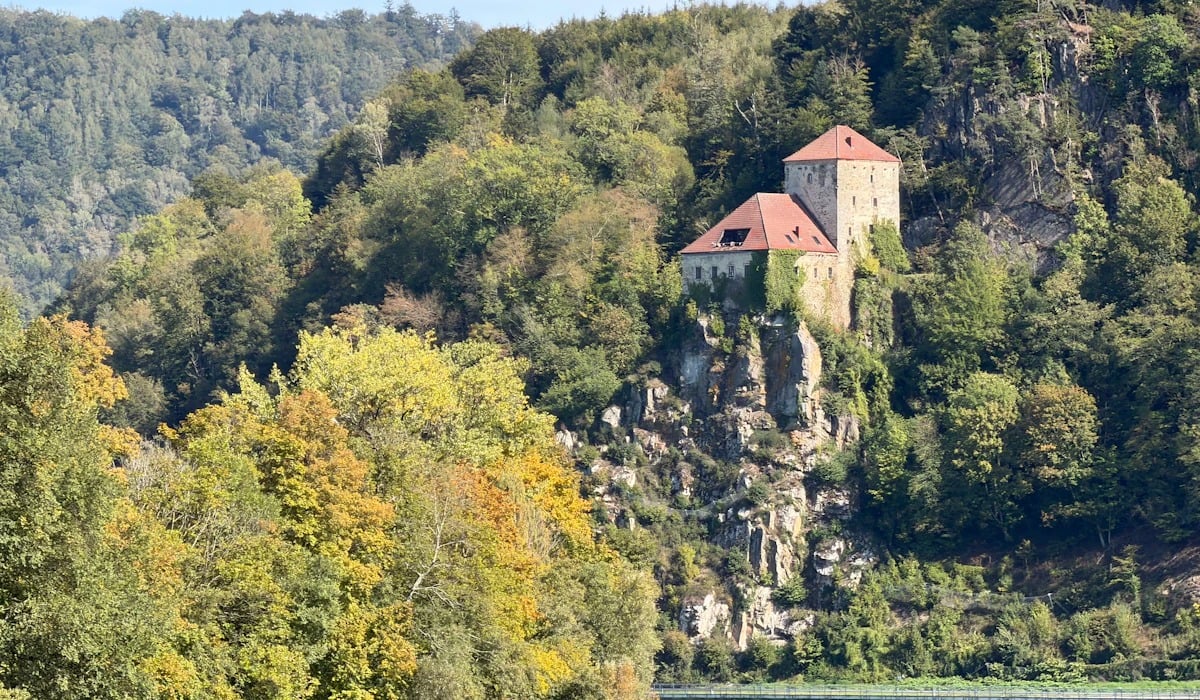
Lichtenstein Castle perches on a rocky spur on the edge of the Swabian Alb in southwestern Germany. The current castle was built between 1840 and 1842 by Count Wilhelm of Württemberg, who had been captivated by Wilhelm Hauff’s 1826 novel Lichtenstein.
It was designed in a romantic medieval style on the site of an earlier fortress. Few castles can say they were built because someone loved a book.
Hohenwerfen Fortress Above the Salzach Valley
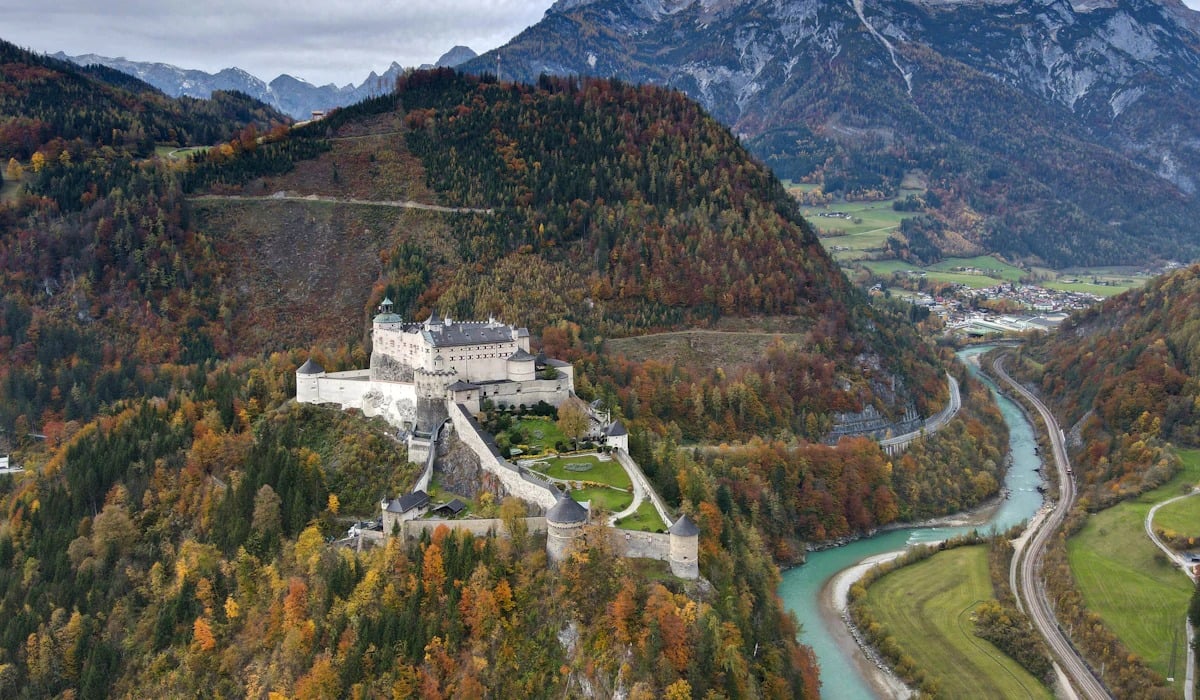
Hohenwerfen rises on a rocky crag above the town of Werfen in the Austrian Alps, with a drop on several sides. The fortress served the archbishops of Salzburg as a stronghold.
In 1968, it stood in for the Schloss Adler in the film Where Eagles Dare and gained a second life as a cinematic landmark. Today it also runs falconry displays, with birds of prey flying from the same crag.
Predjama Castle, Built Into a Cave Mouth
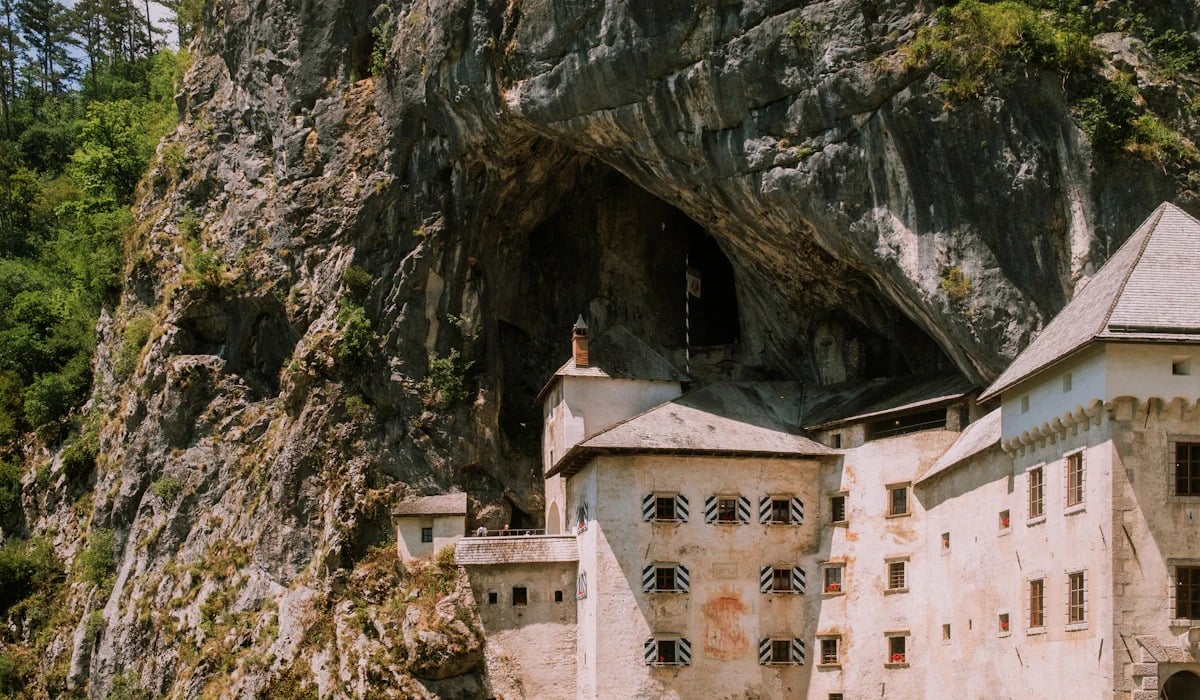
Predjama Castle is wedged into the mouth of a cave in a towering cliff face in southwestern Slovenia. Its most famous resident was the robber knight Erazem Lueger, who sheltered here and feuded with the powers of his day.
According to legend, he mocked besiegers by tossing fresh cherries from the walls, a gesture said to demonstrate that he could still receive supplies through a secret passage in the cave. The same legend says a traitor ended his run by signaling the attackers, who fired on the tower where he was.
Bled Castle Above the Alpine Lake
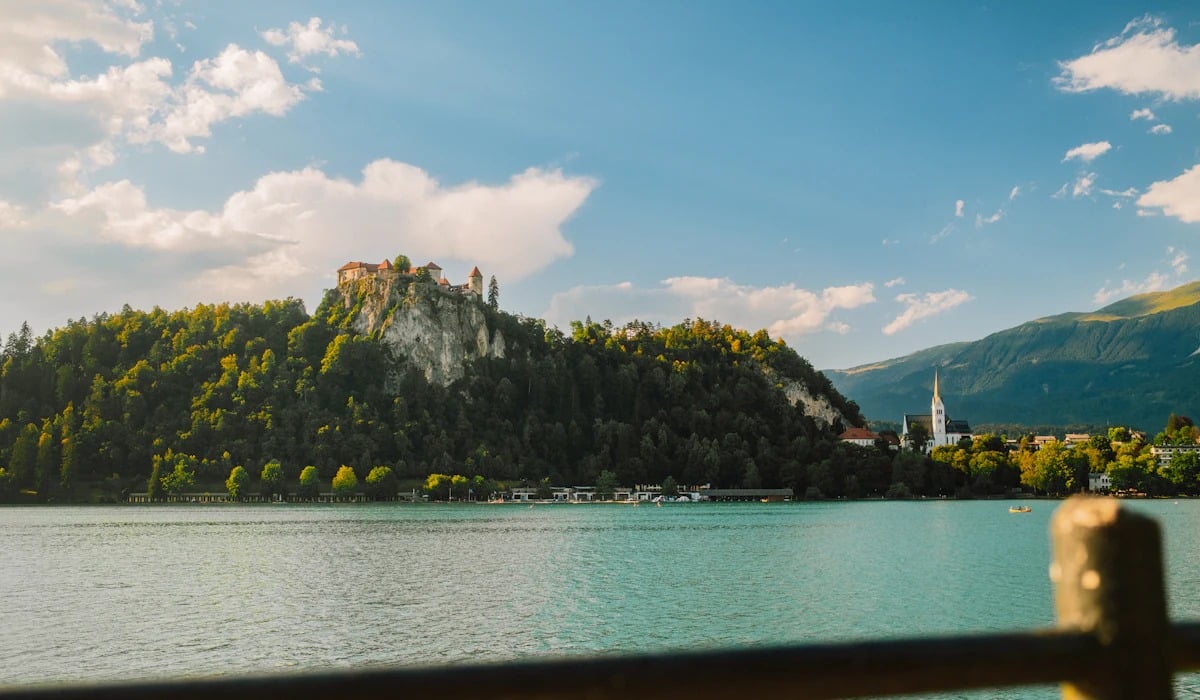
Bled Castle stands on a cliff high above Lake Bled in northwestern Slovenia. The estate was first recorded in 1004, when Emperor Henry II granted it to the Bishop of Brixen.
The castle itself is first mentioned in a document from 1011. Below the cliff, a small island with a church sits in the lake, a view that has made the site one of the most photographed in the country.
The castle now has a printing press and a wine cellar, a reminder that fortresses can find peacetime work.
Why Builders Chose the Hard Ground

Every castle on this list answers the same question: where would an attacker least like to stand? Cliffs forced besiegers to climb under fire, and water made them bring boats, ladders or patience.
The more difficult the approach, the fewer soldiers a lord needed to hold it, which mattered when armies were small and expensive.
Defense eventually gave way to romance. Several of these castles were rebuilt, converted or simply admired long after their last siege, and their drop-offs and tides now draw visitors instead of keeping them out.
The ground that was once chosen to keep people away is the reason so many of them make the trip.
MORE FROM GO2TUTORS!

- The Romanov Crown Jewels and Their Tragic Fate
- 13 Historical Mysteries That Science Still Can’t Solve
- Famous Hoaxes That Fooled the World for Years
- 15 Child Stars with Tragic Adult Lives
- 16 Famous Jewelry Pieces in History
Like Go2Tutors’s content? Follow us on MSN.