Interesting Origins of Popular Childhood Toys
Every parent has watched their child abandon an expensive toy for the cardboard box it came in. That moment reveals something profound about play — imagination matters more than marketing budgets.
Yet behind every beloved toy sits a story that’s usually stranger than fiction, filled with accidental discoveries, wartime innovations, and brilliant mistakes that changed how children play forever.
Play-Doh
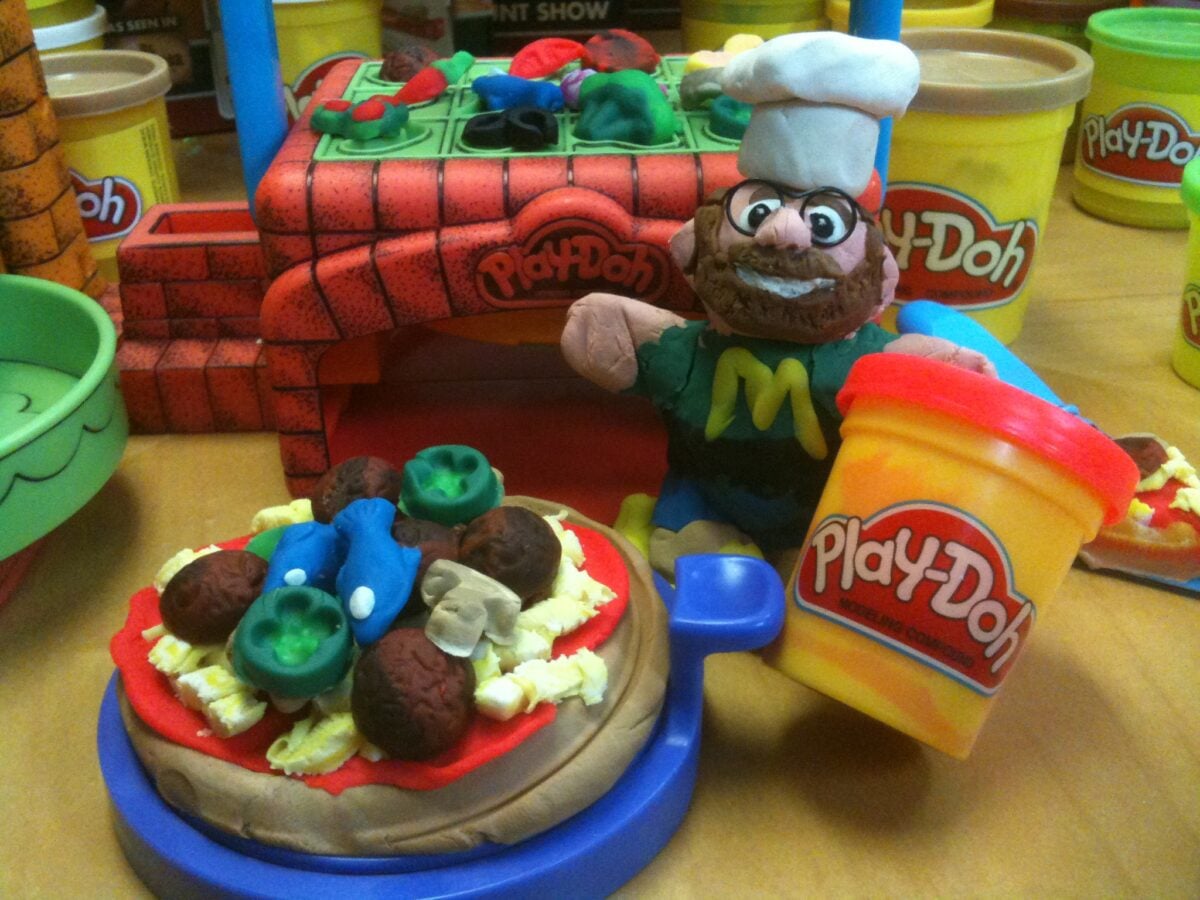
Wallpaper cleaner doesn’t sound like the foundation of childhood creativity, but that’s exactly what Play-Doh started as in the 1930s. The Kutol company manufactured a putty-like substance designed to remove coal soot from wallpaper — a common problem when homes were heated with coal.
When natural gas heating became popular, the cleaning putty industry faced extinction.
Kay Zufall, a nursery school teacher, heard about the non-toxic cleaner from her brother-in-law who worked at Kutol. She started using it in her classroom and noticed children preferred it to traditional modeling clay.
Softer and easier to shape, the repurposed cleaner became an instant hit. The company pivoted completely, added bright colors and a new name, and launched one of the most enduring art supplies in history.
LEGO
The LEGO brick emerged from the ashes of a Danish carpenter’s workshop that burned down in 1924. Ole Kirk Christiansen lost everything but decided to focus on making wooden toys instead of furniture.
He named his company LEGO, combining the Danish words “leg godt” (play well). Ironically, he later discovered that “lego” means “I put together” in Latin.
The plastic interlocking bricks didn’t appear until 1958, nearly three decades after the company started. Christiansen’s son Godtfred developed the modern brick design with tubes inside that grip the studs on top, creating the satisfying snap that makes LEGO constructions stable.
The company manufactured over 400 billion LEGO elements by 2019.
Laid end to end, that’s enough to circle the Earth more than 30 times.
Slinky

Physics demonstrations rarely become bestselling toys, but the Slinky defied expectations from the moment it walked down its first flight of stairs in 1943. Naval engineer Richard James was working with tension springs to stabilize sensitive ship equipment during rough seas when one of his springs fell off a workbench.
Instead of hitting the ground with a thud, the spring “walked” across the floor and down a stack of books.
James spent two years perfecting the design before his wife Betty suggested the name “Slinky.” They borrowed $500 to manufacture 400 units and convinced Gimbels department store in Philadelphia to let them demonstrate the toy during the 1945 Christmas season.
All 400 Slinkys sold in 90 minutes.
The simple coiled spring has sold over 350 million units worldwide, proving that sometimes the best toys are the ones that seem to move by magic.
Silly Putty
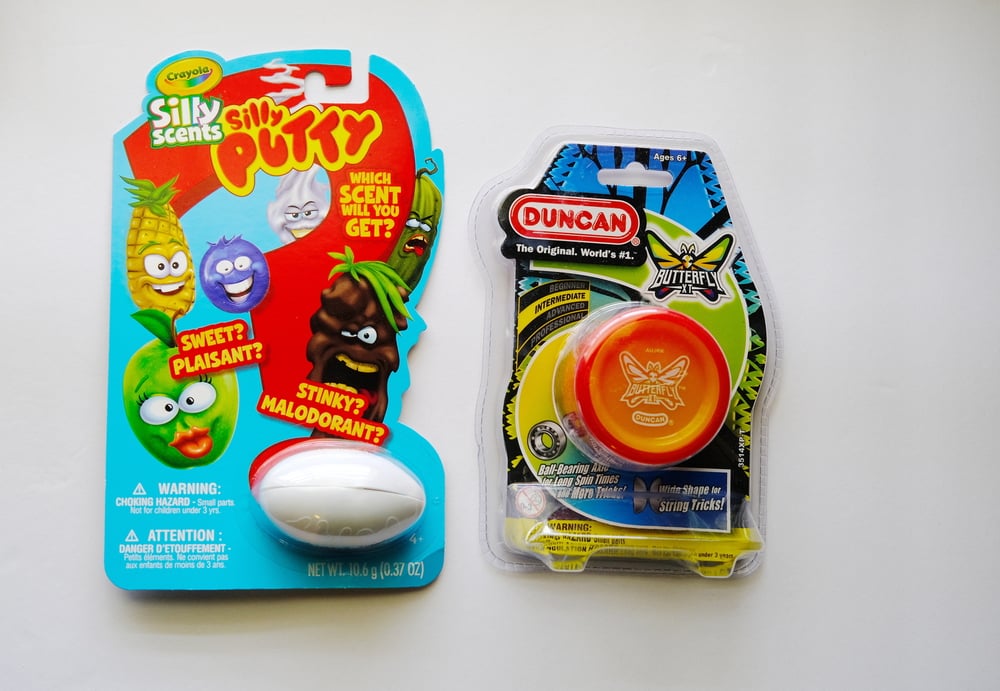
World War II created shortages that sparked innovation, and Silly Putty emerged from desperate attempts to create synthetic rubber for the war effort. In 1943, engineer James Wright was working for General Electric when he mixed boric acid with silicone oil, creating a substance that bounced higher than rubber, stretched further than candy, and could copy newsprint when pressed against it.
The military rejected Wright’s creation as useless for their purposes, but the substance found its way to a toy store owner named Ruth Fallgatter (this needs to be rethought as this appears to be someone who was introduced to it at a party, not necessarily accurate). And actually, that’s not quite right either — the real story involves a marketing consultant named Peter Hodgson who encountered the material at a party, saw adults playing with it obsessively, and recognized its potential.
He bought the rights and packaged it in plastic eggs, selling over 250,000 units in three days.
Frisbee
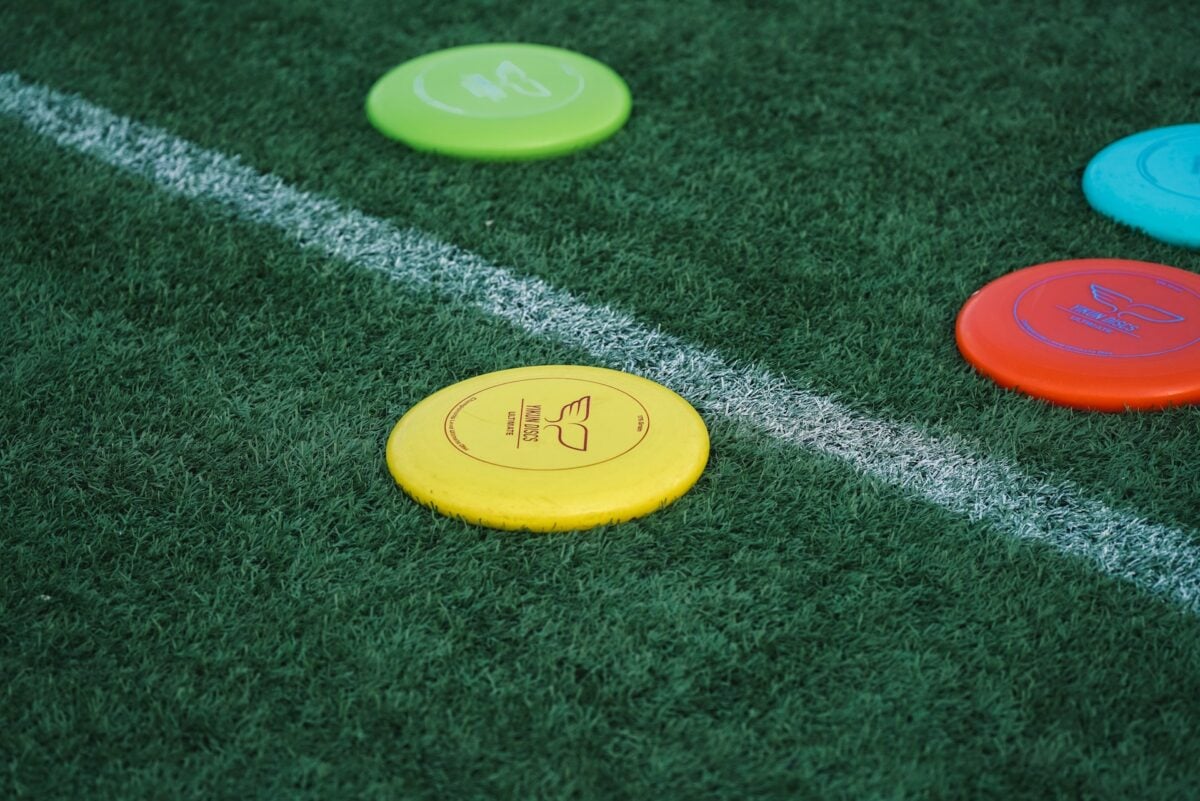
College students have always found creative ways to procrastinate, and in the 1930s, Yale students discovered that empty pie tins from the Frisbie Pie Company made excellent flying discs. The bakery, located in nearby Bridgeport, Connecticut, supplied pies to many college campuses throughout New England.
Students would yell “Frisbie!” before throwing the tins to warn others of incoming projectiles.
Walter Morrison, a World War II pilot, elevated the concept by designing a plastic disc that flew better than metal pie tins. He partnered with the Wham-O toy company in 1957, which renamed the toy “Frisbee” as a tribute to those original pie tins.
The misspelling was intentional — they wanted to avoid trademark issues with the bakery. Ultimate Frisbee, disc golf, and countless beach games all trace back to hungry college students with empty pie tins.
Yo-Yo
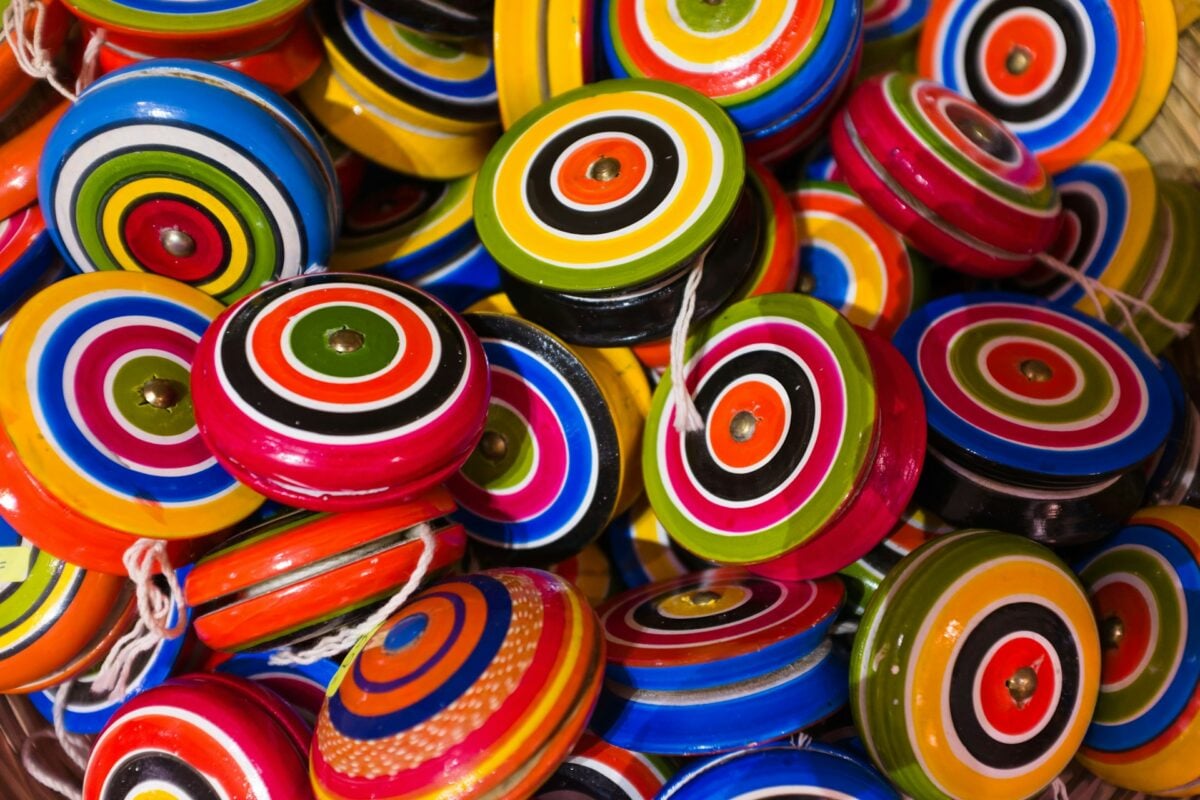
The yo-yo’s journey spans continents and centuries, but its modern American popularity began with a misunderstanding. Pedro Flores, a Filipino immigrant, started manufacturing yo-yos in California in 1928, basing his design on a traditional Filipino toy called a “bandalore.”
The key innovation was the slip-string technique — instead of tying the string directly to the axle, Flores created a loop that allowed the yo-yo to “sleep” at the bottom of the string.
Donald Duncan bought Flores’s company and turned yo-yos into a cultural phenomenon through aggressive marketing and competitions. Duncan’s promotional campaigns were so successful that many people believed his company invented the yo-yo.
The toy’s popularity fluctuated wildly over the decades, creating boom-and-bust cycles that nearly bankrupted companies multiple times. Despite the volatility, the basic design has remained unchanged for nearly a century.
Mr. Potato Head
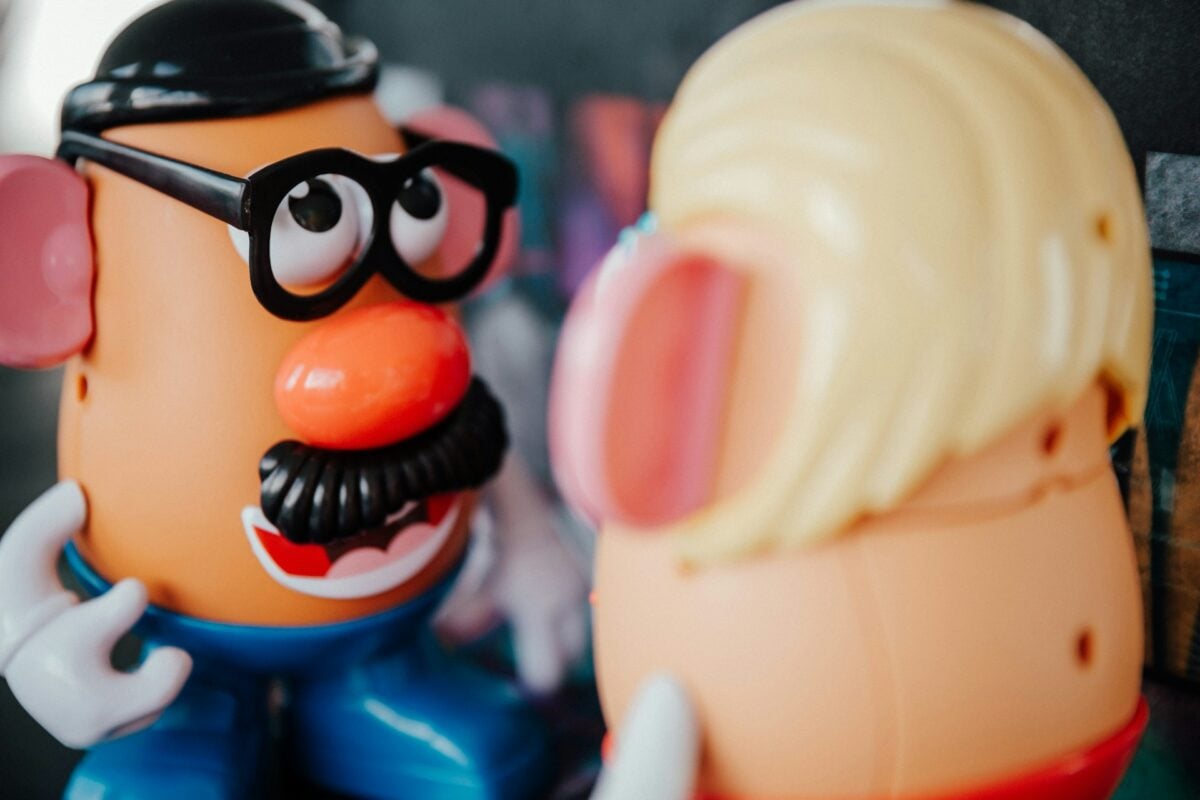
Mr. Potato Head began as a lesson in creative recycling that would horrify modern food safety advocates. George Lerner invented the toy in 1949 as a set of plastic facial features with small spikes that could be pushed into real potatoes and other vegetables.
Parents were supposed to provide their own produce, turning kitchen scraps into temporary toys.
The concept faced initial resistance because America was still recovering from World War II food shortages, and many parents found the idea of playing with food wasteful or disrespectful. Cereal companies eventually embraced the toy as a promotional item, and Hasbro bought the rights in 1952.
The iconic plastic potato body wasn’t introduced until 1964, making the toy safer and more durable but arguably less creative than the original vegetable-based version.
Barbie
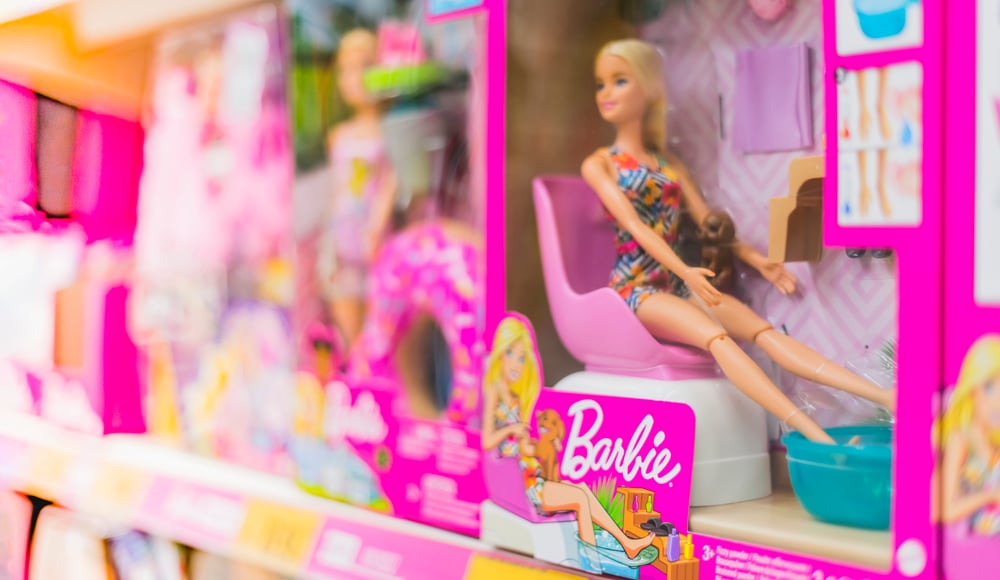
Fashion has always been a realm where adults project their dreams, their anxieties, and their vision of perfection onto fabric and form — and in 1959, Ruth Handler decided children deserved the same complex relationship with style and aspiration that adults enjoyed. So she created Barbie.
Not as a baby doll to nurture (though plenty of children found nurturing in her perfectly coiffed presence), but as a teenager with her own mysterious adult life, complete with careers, cars, and an enviable wardrobe that most working women couldn’t afford.
Handler noticed her daughter Barbara playing with paper dolls, creating elaborate adult scenarios rather than the maternal play that baby dolls encouraged. The inspiration crystallized during a trip to Germany, where Handler discovered Bild Lilli, an adult novelty doll based on a newspaper comic strip character.
Handler saw past the adult market and recognized that children wanted to project themselves into future possibilities, not just practice parenting.
Hot Wheels
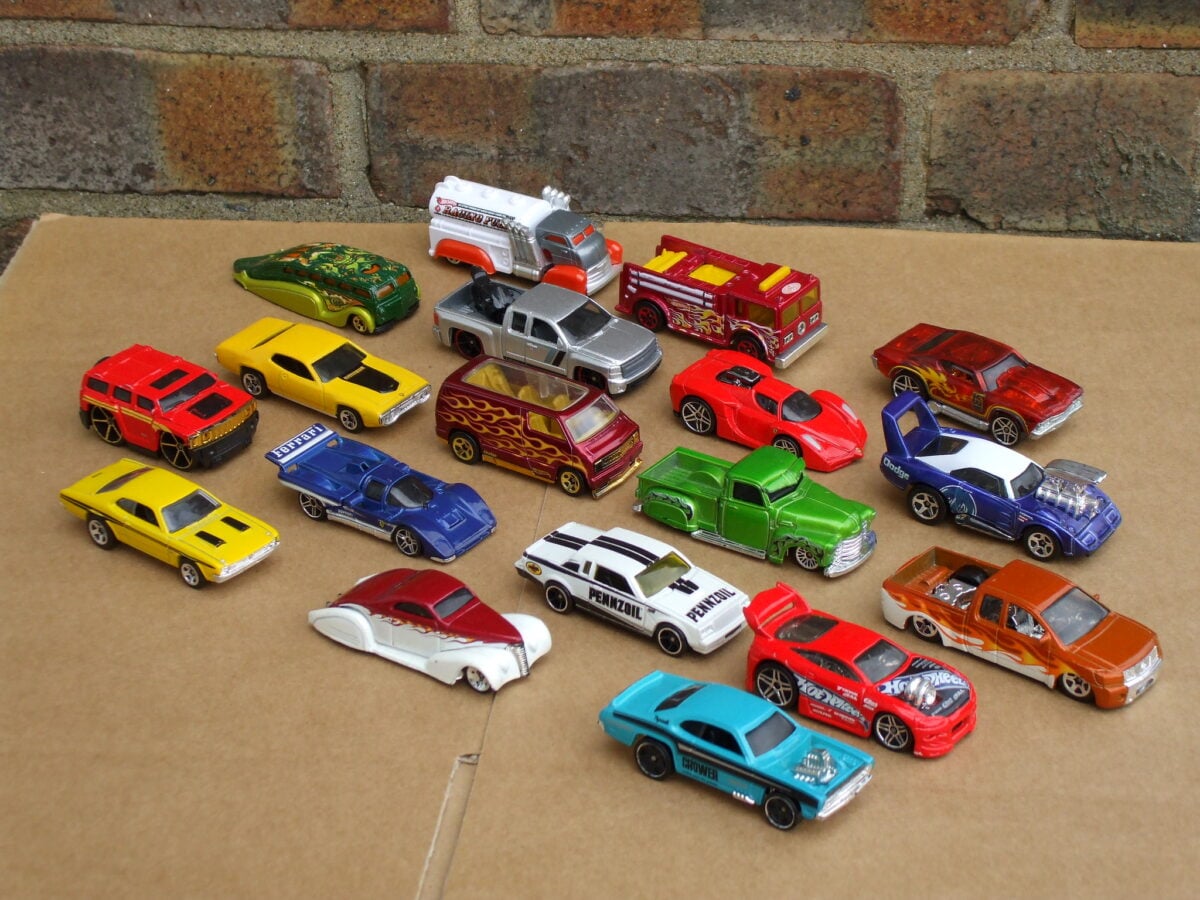
Hot Wheels emerged from a designer’s frustration with existing toy cars that barely rolled across the floor. Elliot Handler, Ruth Handler’s husband and co-founder of Mattel, challenged his team to create cars that performed better than Matchbox vehicles, which dominated the market but moved sluggishly compared to real cars.
The breakthrough came when designer Harry Bradley, a former Detroit car designer, suggested using low-friction wheels and lightweight materials. The team developed special “mag” wheels and reduced the cars’ weight, creating vehicles that could race down tracks at impressive speeds.
The first Hot Wheels cars in 1968 outsold Matchbox within two years, proving that performance mattered as much as appearance in miniature automobiles.
Rubik’s Cube

Architecture professor Ernő Rubik created his famous cube in 1974 as a teaching tool to help students understand three-dimensional geometry and spatial relationships. The original “Magic Cube” wasn’t intended as a toy — Rubik wanted to demonstrate how individual pieces could move independently while remaining part of a unified structure.
Rubik spent weeks trying to solve his own creation after first scrambling it, not initially realizing he had invented one of the most challenging puzzles in history. The cube didn’t reach international markets until 1980, when it became a global phenomenon that spawned competitions, solution methods, and countless imitators.
Over 450 million cubes have been sold worldwide, making it the best-selling puzzle game ever created.
G.I. Joe
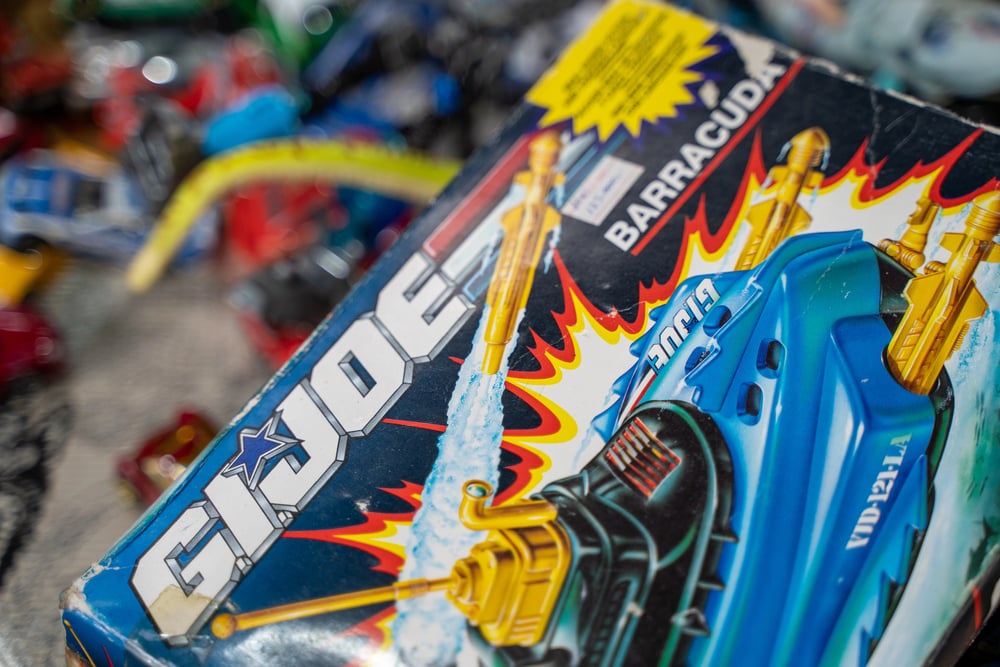
The action figure industry exists because Hasbro’s marketing team refused to call their military doll a “doll.” In 1964, the company wanted to create a toy that would appeal to boys the way Barbie appealed to girls, but they faced the challenge of overcoming cultural resistance to boys playing with dolls.
The term “action figure” was invented specifically for G.I. Joe, distinguishing the 12-inch soldier from traditional dolls through marketing language rather than actual design differences. The strategy worked brilliantly — G.I. Joe became the first successful doll marketed to boys, launching an entire category of action figures that now dominates toy store aisles.
The original G.I. Joe line included Army, Navy, Air Force, and Marine versions, each with appropriate uniforms and equipment.
Teddy Bear

Presidential hunting trips rarely generate beloved children’s toys, but Theodore Roosevelt’s refusal to shoot a captured bear in 1902 created an enduring symbol of childhood comfort. Political cartoonist Clifford Berryman illustrated Roosevelt’s act of mercy, showing the president turning away from a small, helpless bear tied to a tree.
Morris Michtom, a Brooklyn candy shop owner, saw the cartoon and created a stuffed bear he called “Teddy’s Bear.” He displayed it in his shop window with a copy of the cartoon and received Roosevelt’s permission to use his name.
The bear sold immediately, launching Michtom’s toy manufacturing career and creating the teddy bear industry.
Meanwhile, in Germany, Richard Steiff independently developed a similar stuffed bear, proving that the appeal of cuddly toy bears transcended national boundaries.
Monopoly
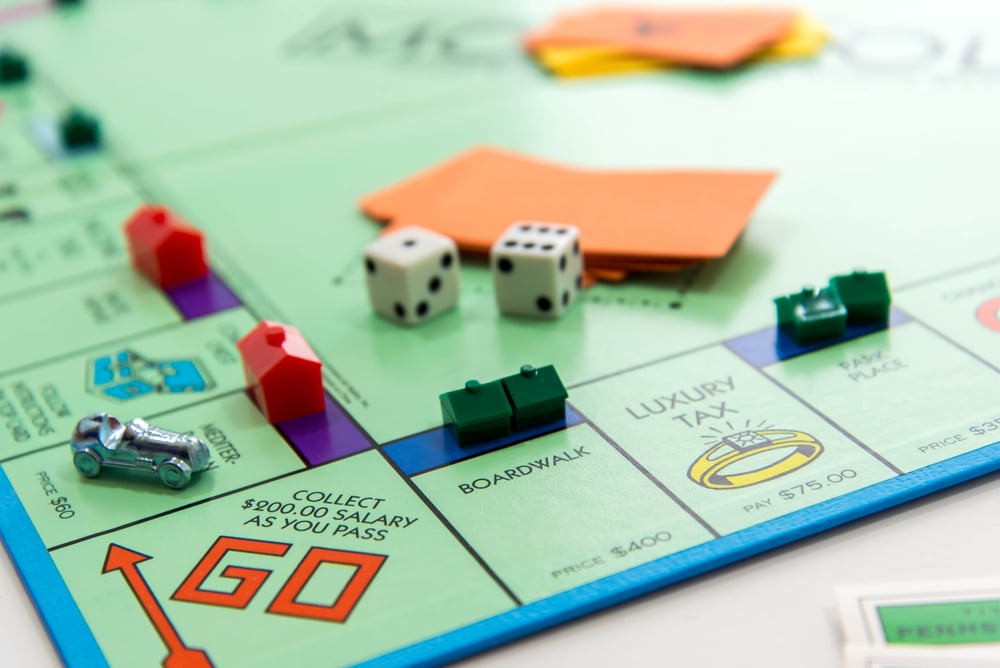
Monopoly’s origin story reveals how a game designed to demonstrate the evils of capitalism became capitalism’s most successful board game. The game traces back to “The Landlord’s Game,” created by Elizabeth Magie in 1903 to illustrate the negative aspects of land monopolism and promote Georgist economic principles.
Charles Darrow encountered a modified version of Magie’s game during the Great Depression and saw commercial potential. He refined the rules, created the familiar board design, and sold the game to Parker Brothers in 1935.
The company initially rejected Monopoly for having “52 fundamental errors,” but its popularity forced them to reconsider.
Magie received $500 for her original patent, while Darrow became the first millionaire game designer, creating a real-world monopoly example that would have perfectly illustrated her original game’s message.
When Accidents Become Icons
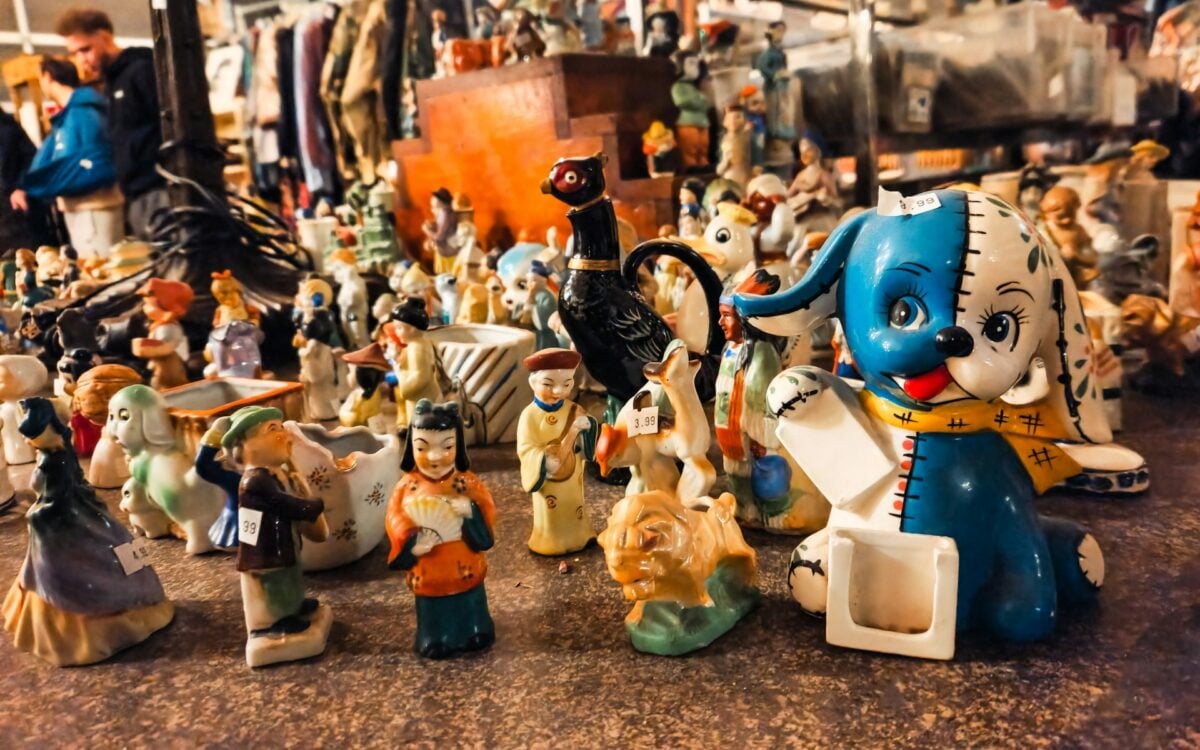
The most remarkable aspect of these toy origins isn’t their individual stories, but what they reveal about innovation itself. The best childhood toys rarely emerged from boardroom brainstorming sessions or focus groups.
Instead, they sprang from accidents, failures, and moments when someone looked at a mundane object and saw possibility where others saw waste.
These toys succeeded because they tapped into something fundamental about play — the drive to create, compete, comfort, and connect. Whether it’s a spring that walks down stairs or a cube that refuses to align, the greatest toys share a common trait: they surprise us, even after we think we understand them completely.
More from Go2Tutors!

- The Romanov Crown Jewels and Their Tragic Fate
- 13 Historical Mysteries That Science Still Can’t Solve
- Famous Hoaxes That Fooled the World for Years
- 15 Child Stars with Tragic Adult Lives
- 16 Famous Jewelry Pieces in History
Like Go2Tutors’s content? Follow us on MSN.