17 Classic Rock Songs With Secret Meanings
Classic rock anthems have soundtracked decades of road trips, parties, and late-night radio sessions. But beneath those familiar guitar riffs and sing-along choruses lie stories that might surprise you. Many of the songs you know by heart carry hidden messages, personal confessions, or meanings completely different from what you’d expect.
The greatest rock musicians were masters of disguise, wrapping deeply personal experiences, political statements, and unexpected inspirations in catchy melodies that made them radio gold. Here is a list of 17 classic rock songs whose true meanings will change how you hear them forever.
Hotel California
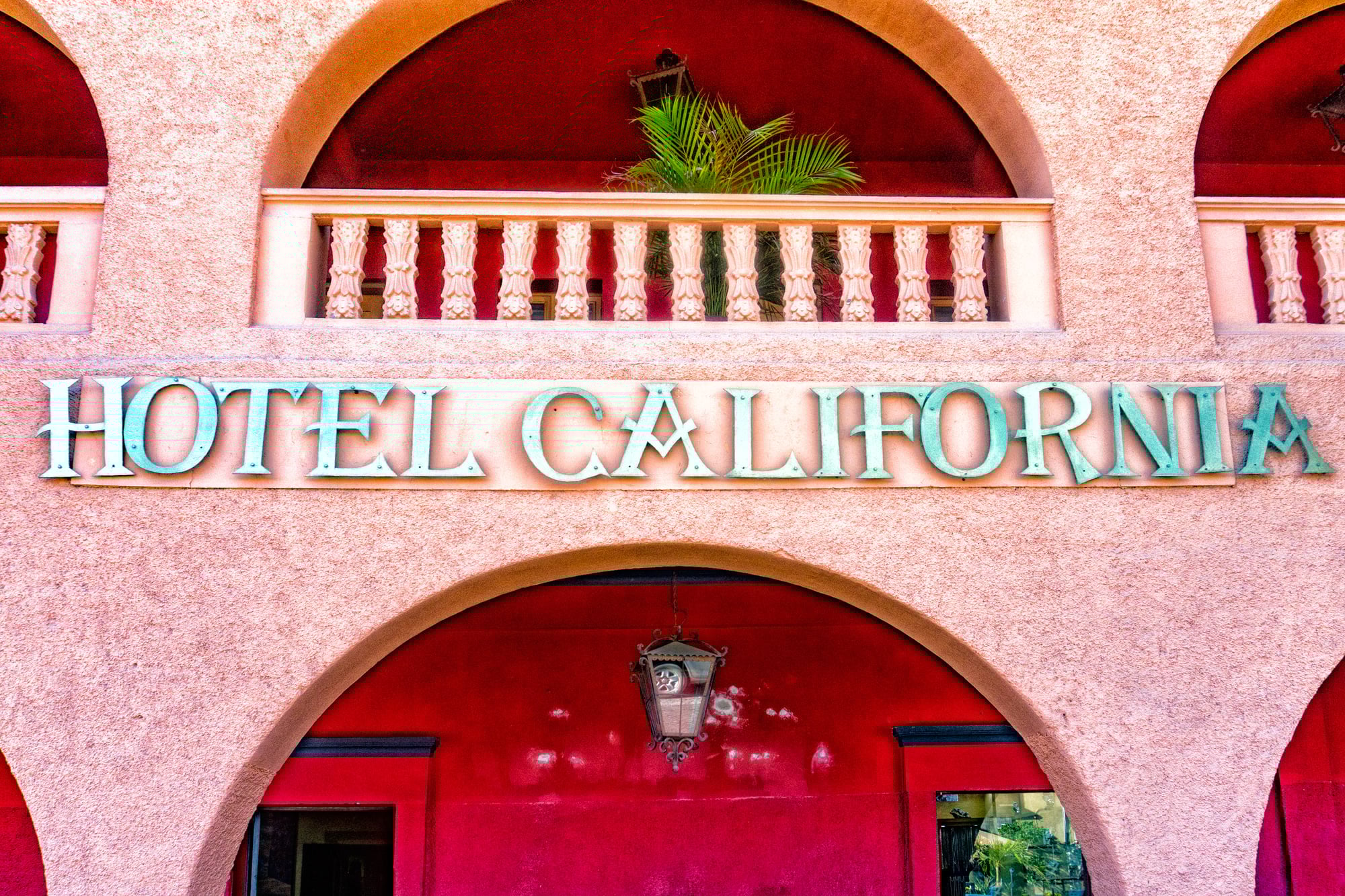
The Eagles’ most famous track isn’t about a luxury resort or even California itself. Don Henley and the band crafted this 1976 masterpiece as a critique of the excesses and spiritual emptiness they witnessed in the music industry and American culture during the 1970s.
The ‘hotel’ represents a gilded prison where people become trapped by materialism and hedonistic lifestyles, unable to leave despite recognizing their situation. The line about not being able to check out reflects how people become prisoners of their own success and addictions.
American Pie
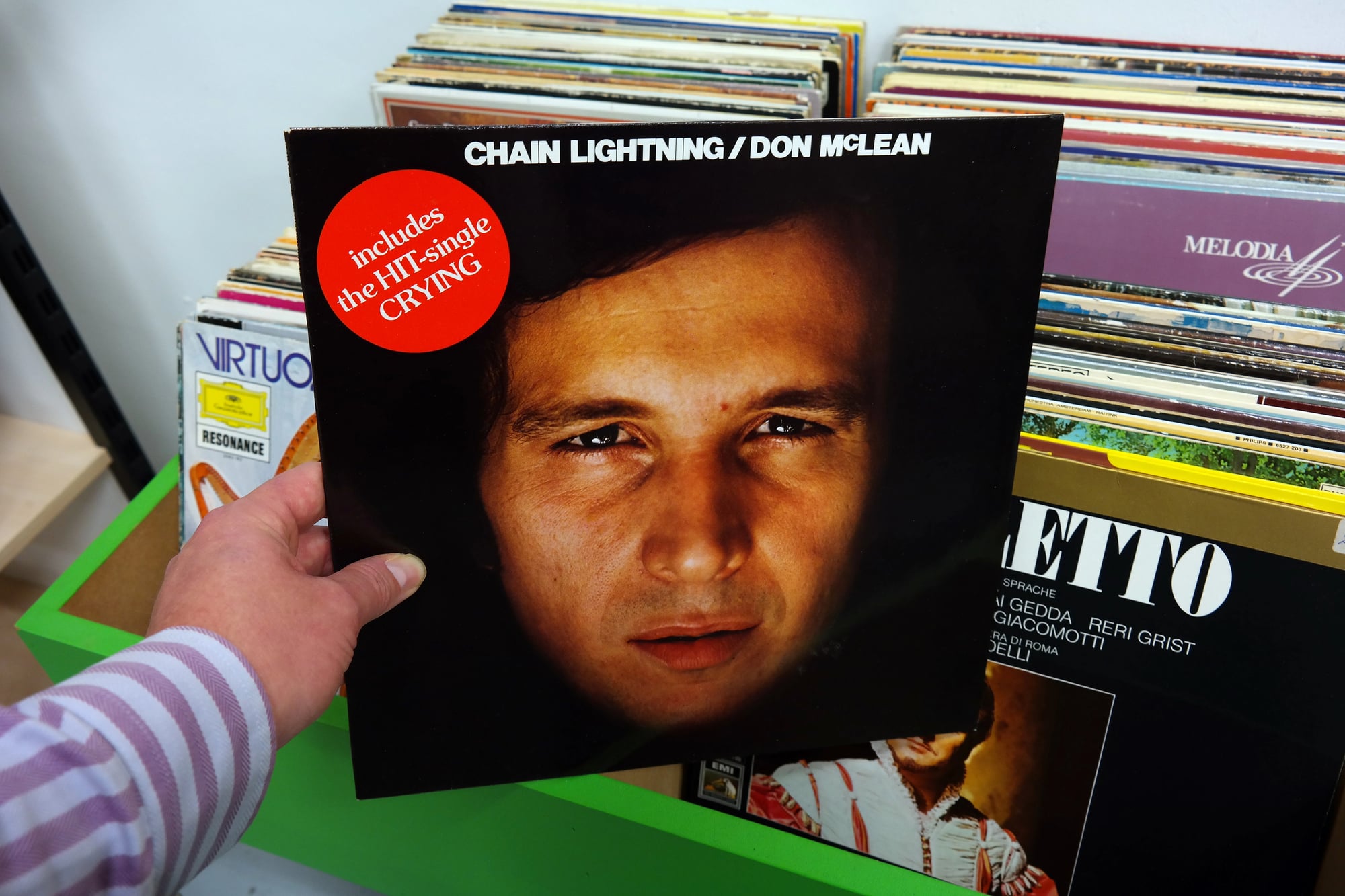
Don McLean’s eight-and-a-half-minute epic appears to chronicle American music history, but it’s actually McLean’s personal mourning song for the innocence lost when Buddy Holly died in a plane crash in 1959. McLean was a newspaper delivery boy when he read about Holly’s death, and the tragedy profoundly affected his worldview.
The ‘day the music died’ represents not just Holly’s death but the end of an era of simpler, more authentic rock and roll before it became commercialized and complicated.
Born in the USA

Bruce Springsteen’s anthem gets misunderstood more than any other patriotic-sounding song in American history. Rather than celebrating America, Springsteen wrote it as a scathing critique of how Vietnam War veterans were treated upon returning home.
The upbeat music deliberately contrasts with lyrics about unemployment, alienation, and government abandonment of those who served. Springsteen wanted the irony to make people actually listen to the words instead of just singing along to the chorus.
Blackbird
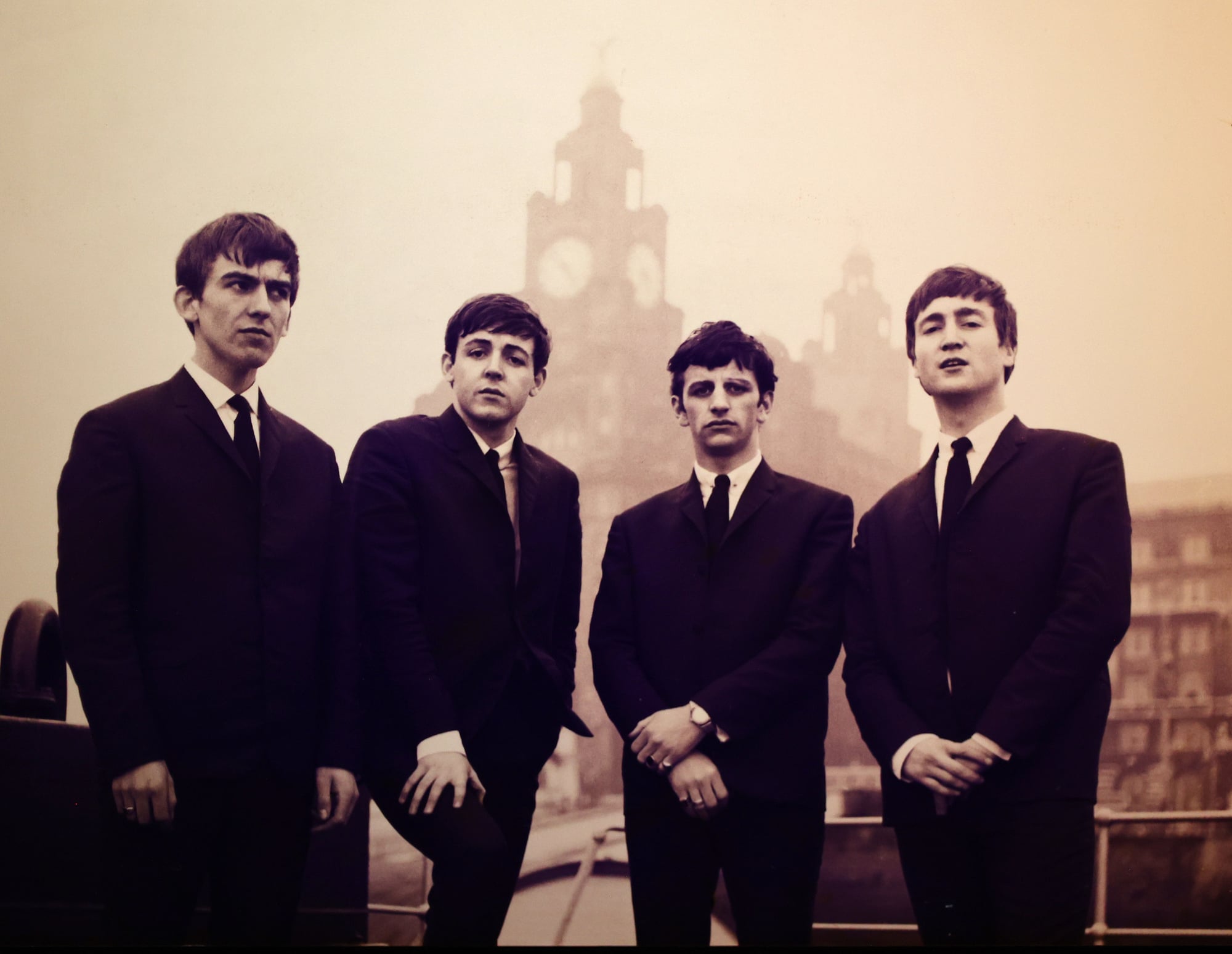
The Beatles’ gentle acoustic ballad carries Paul McCartney’s response to the American civil rights movement. McCartney wrote ‘Blackbird’ in 1968 as encouragement for African American women fighting for equality during one of the most turbulent periods in American history.
The broken wings and sunken eyes represent the struggles faced by those seeking freedom, while the song’s hopeful message encourages perseverance through dark times.
Layla
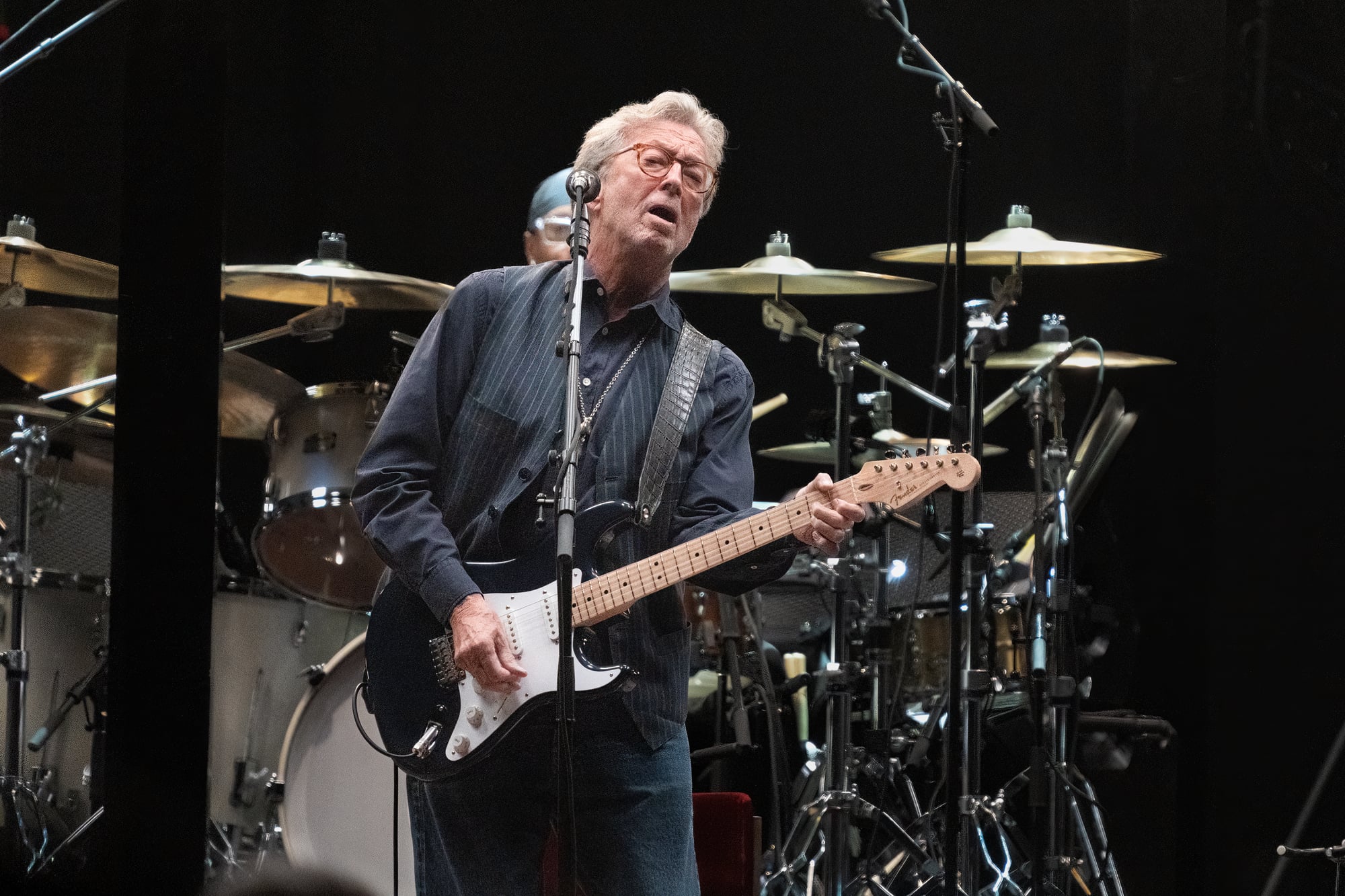
Eric Clapton’s passionate guitar-driven masterpiece stems from his unrequited love for Pattie Boyd, who was married to his close friend George Harrison at the time. Clapton drew inspiration from a Persian love story about a man named Majnun who falls hopelessly in love with a woman named Layla.
The song’s intense emotion and desperate lyrics reflect Clapton’s real-life anguish over loving someone he couldn’t have. Ironically, Clapton eventually married Boyd after her divorce from Harrison.
Sweet Child O’ Mine
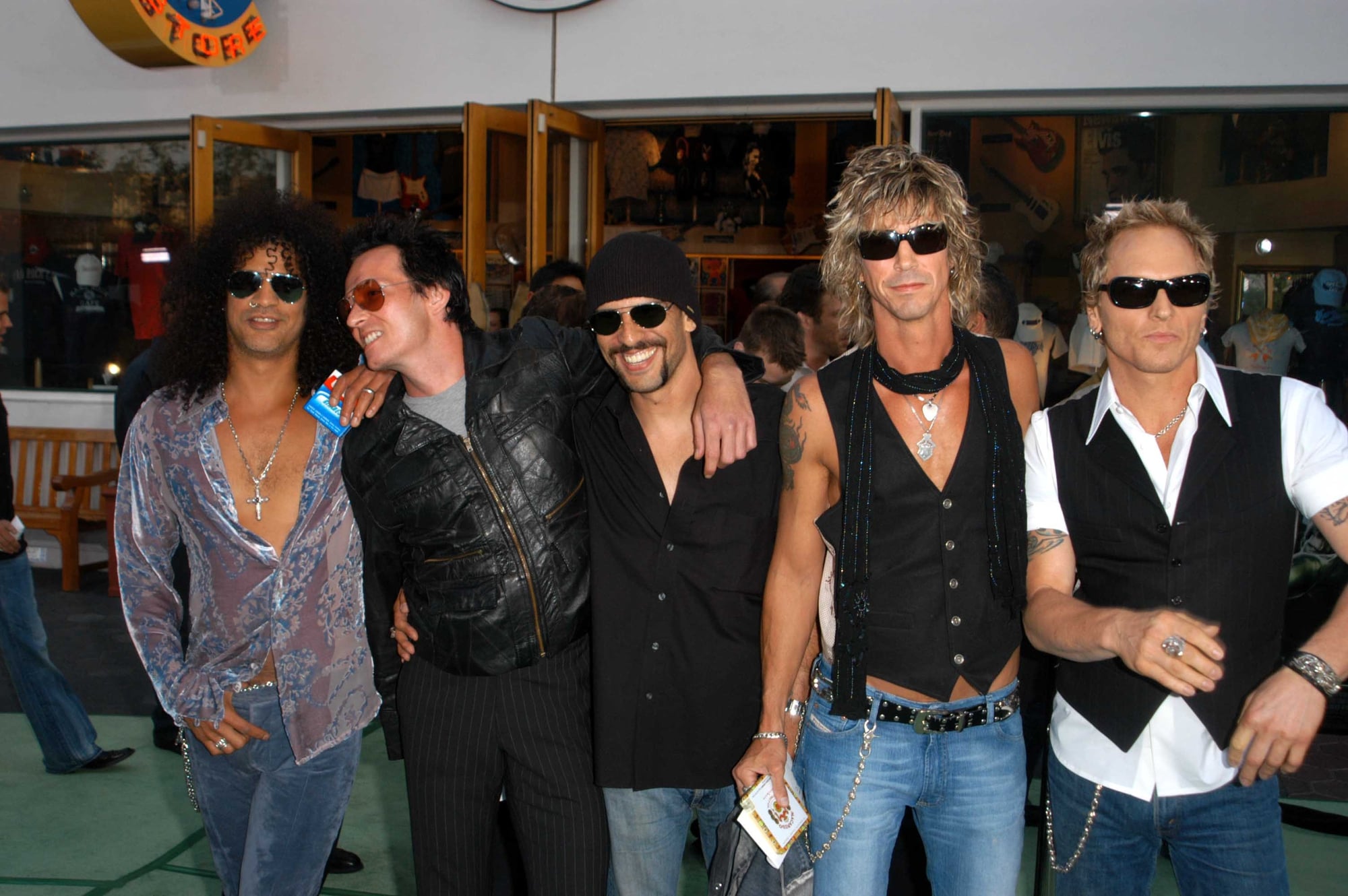
Guns N’ Roses’ biggest hit started as Axl Rose’s tribute to his then-girlfriend Erin Everly, daughter of Don Everly from the Everly Brothers. The song captures Rose’s genuine affection during the early stages of their tumultuous relationship.
Slash’s iconic opening riff was actually just a finger exercise he was practicing when the band heard it and decided to build a song around it, creating one of rock’s most recognizable guitar parts almost by accident.
Stairway to Heaven
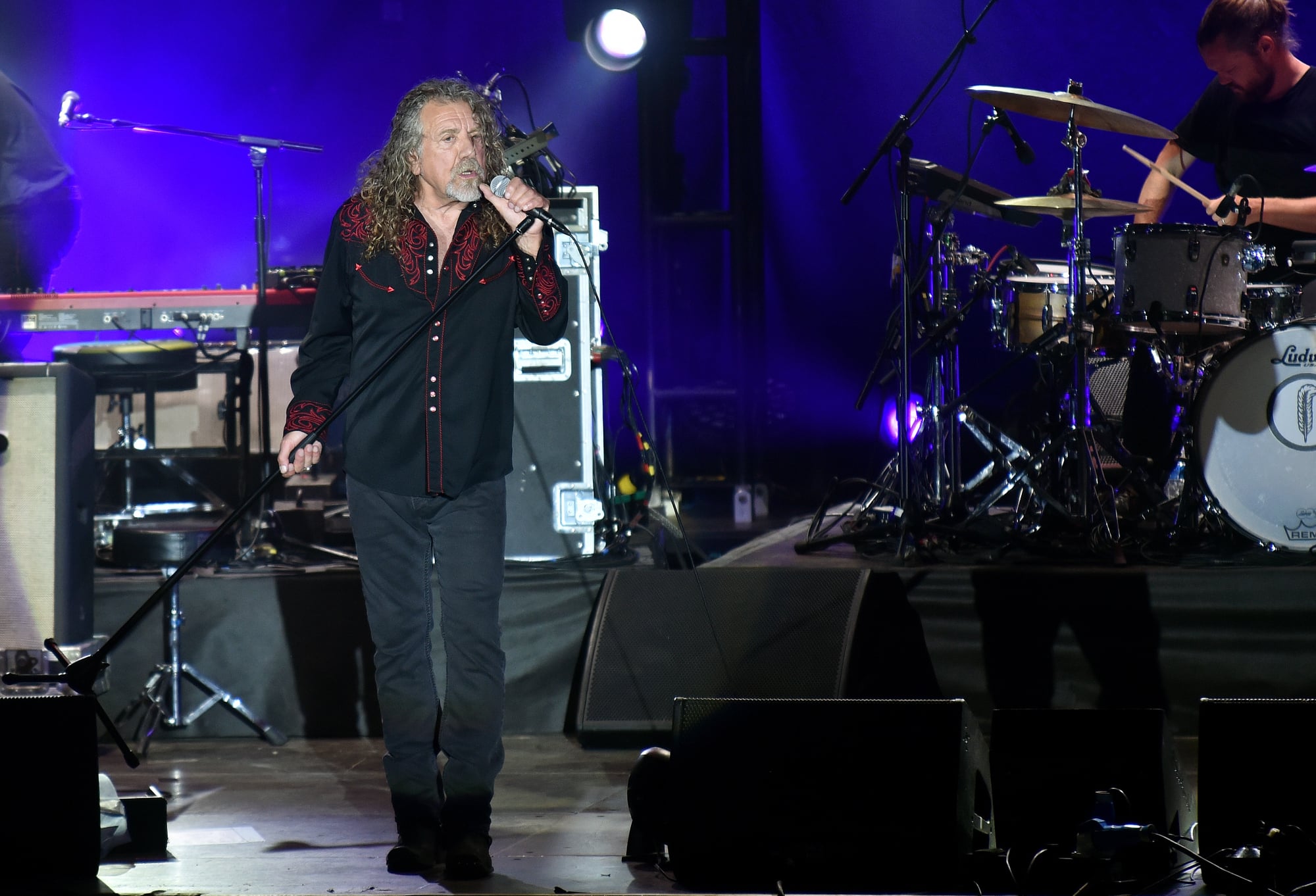
Led Zeppelin’s epic isn’t about reaching paradise but rather about the spiritual emptiness of materialism. Robert Plant’s lyrics tell the story of a wealthy woman who believes money can buy her way to heaven, only to discover that true fulfillment comes from spiritual growth and human connection.
The song’s structure mirrors this journey, starting softly and building to a powerful climax that represents spiritual awakening and the rejection of shallow values.
The Sound of Silence
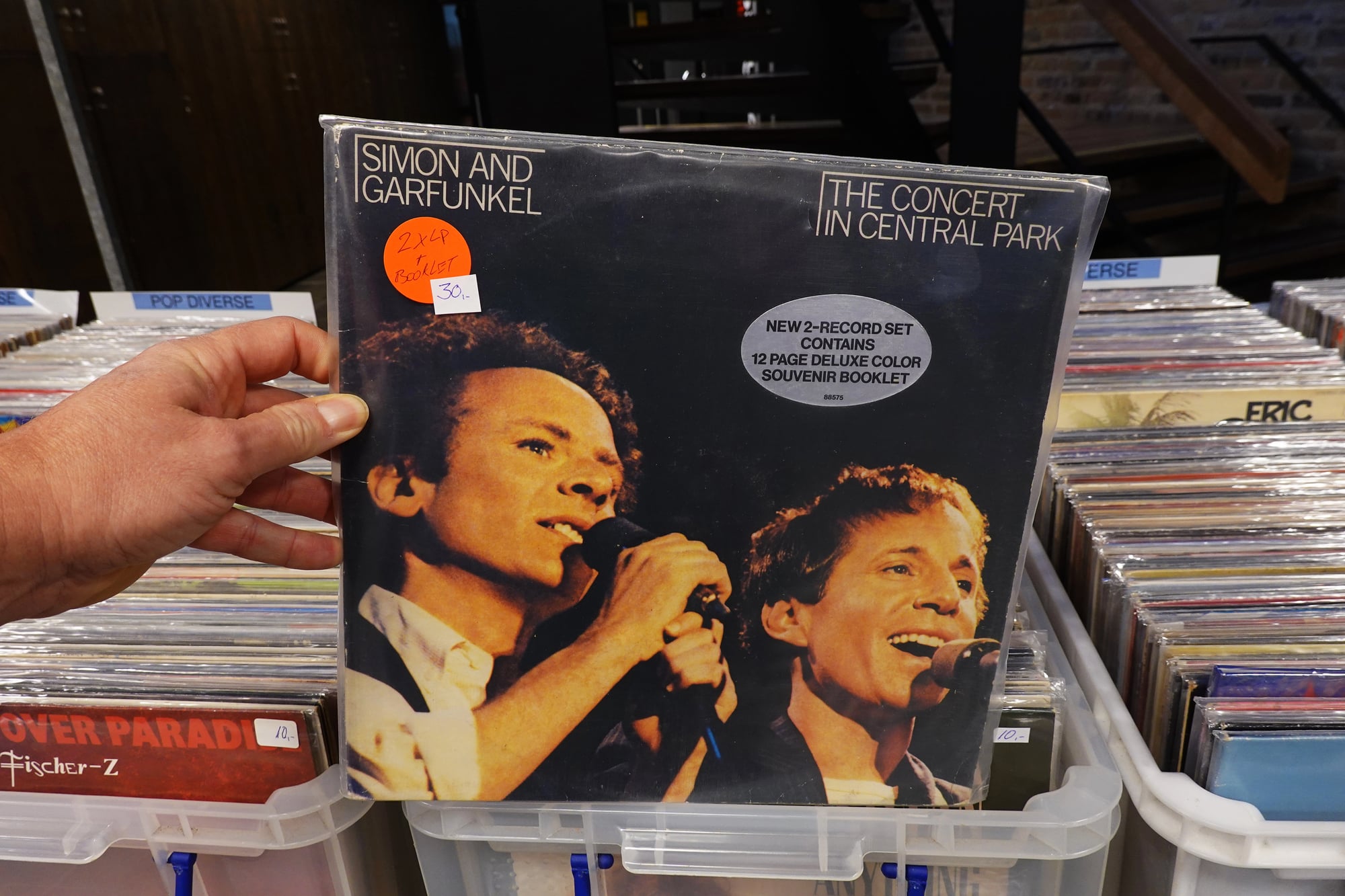
Simon and Garfunkel’s haunting ballad reflects Paul Simon’s concerns about people’s inability to communicate meaningfully in modern society. Simon wrote the original version after the Kennedy assassination, feeling that people were becoming increasingly isolated despite being more connected than ever.
The ‘sound of silence’ represents the emptiness of superficial interactions and the profound loneliness that results from avoiding authentic human connection.
Behind Blue Eyes
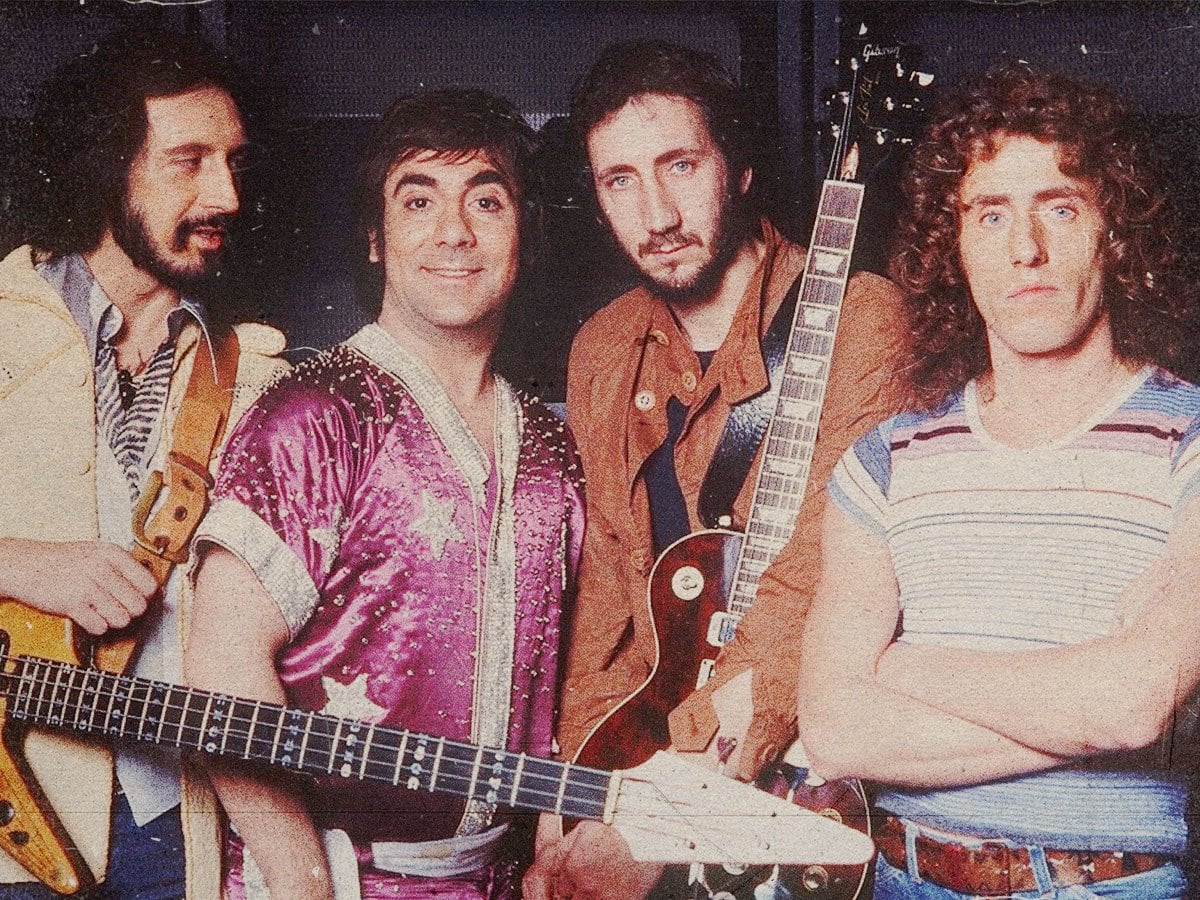
The Who’s introspective ballad comes from Pete Townshend’s planned rock opera ‘Lifehouse,’ where it was meant to be sung by the story’s villain. Townshend wanted to humanize the antagonist by showing his inner turmoil and self-loathing.
The song explores themes of misunderstanding and isolation that Townshend himself experienced, making it both a character study and a personal confession about feeling misunderstood despite public success.
Smoke on the Water
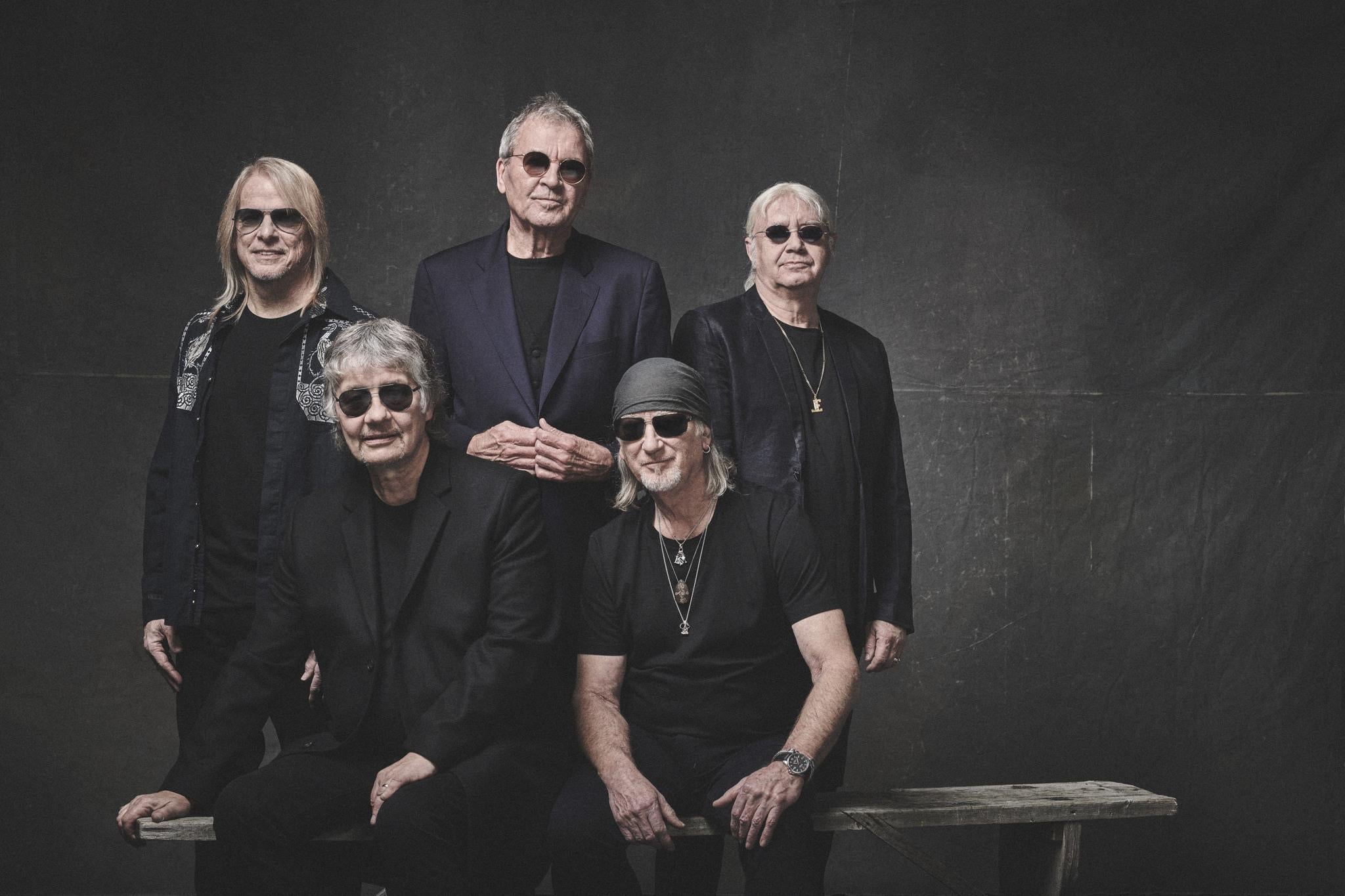
Deep Purple’s most famous riff commemorates a real incident during a Frank Zappa concert at the Montreux Casino in Switzerland. Someone fired a flare gun during the show, starting a fire that burned down the venue.
Deep Purple watched the smoke rising over Lake Geneva from their hotel room and turned the experience into rock history. The song proves that sometimes the most iconic rock anthems come from the most unexpected everyday experiences.
Fortunate Son
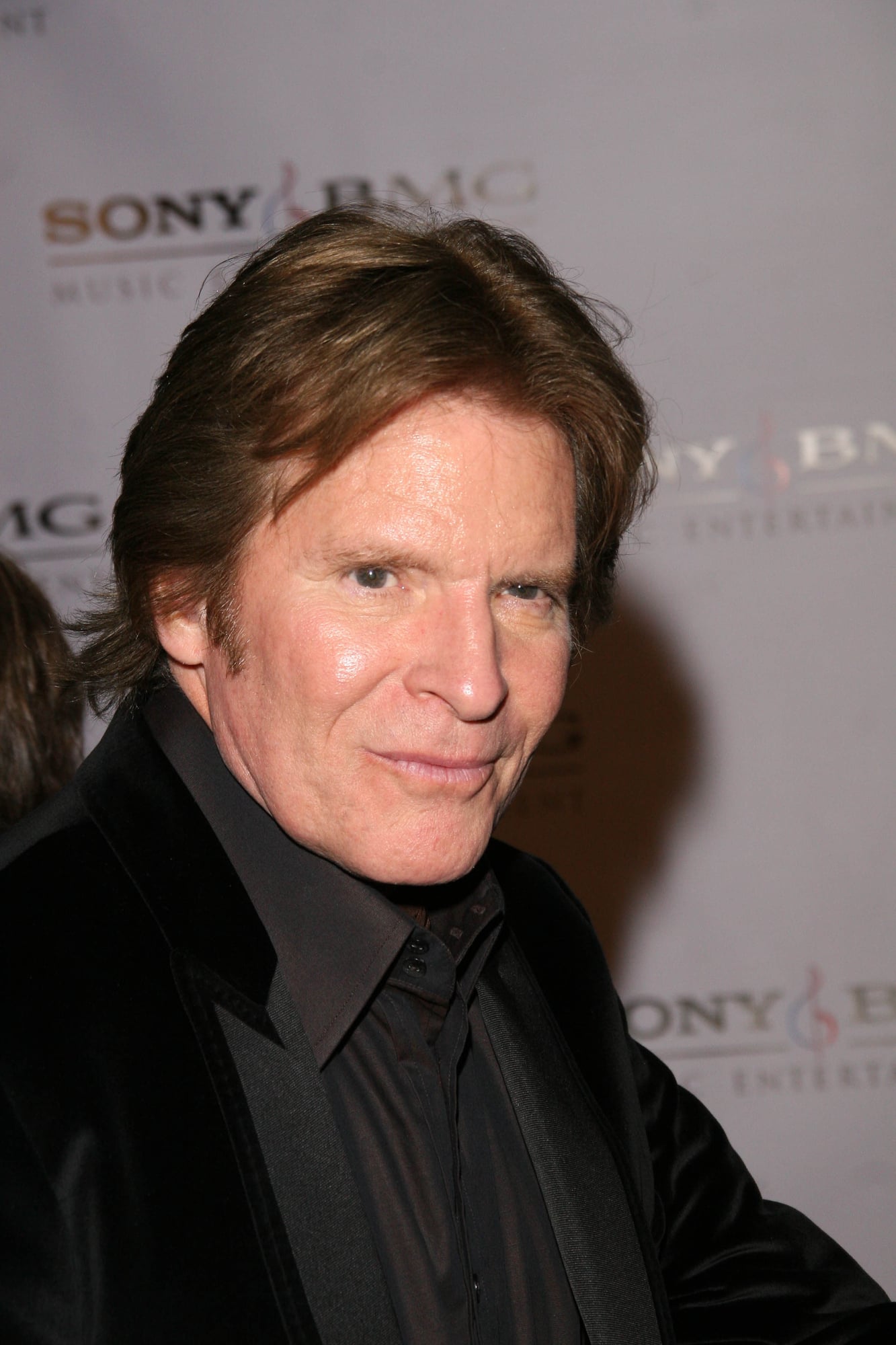
Creedence Clearwater Revival’s protest anthem takes direct aim at the privileged class who avoided military service during Vietnam while working-class kids were drafted. John Fogerty wrote the song after learning that sons of politicians and wealthy families received deferments and safe assignments while others faced combat.
The ‘fortunate son’ represents those born into privilege who escape the consequences of policies their families often supported.
We Won’t Get Fooled Again
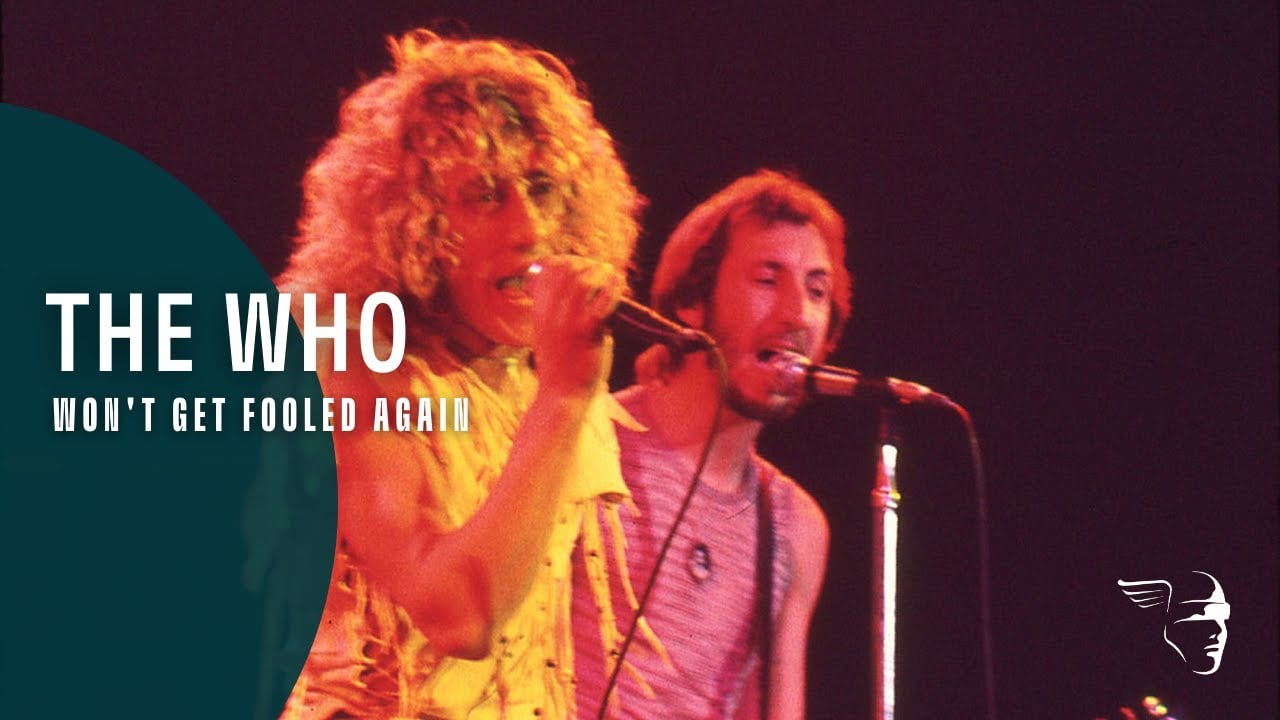
The Who’s powerful anthem expresses Pete Townshend’s disillusionment with political movements and revolutions that promise change but deliver more of the same. Townshend became skeptical of both establishment politicians and counterculture leaders who seemed more interested in power than genuine reform.
The song’s famous line about the new boss being the same as the old boss captures the cyclical nature of political disappointment and the difficulty of achieving real social change.
Rockin’ in the Free World
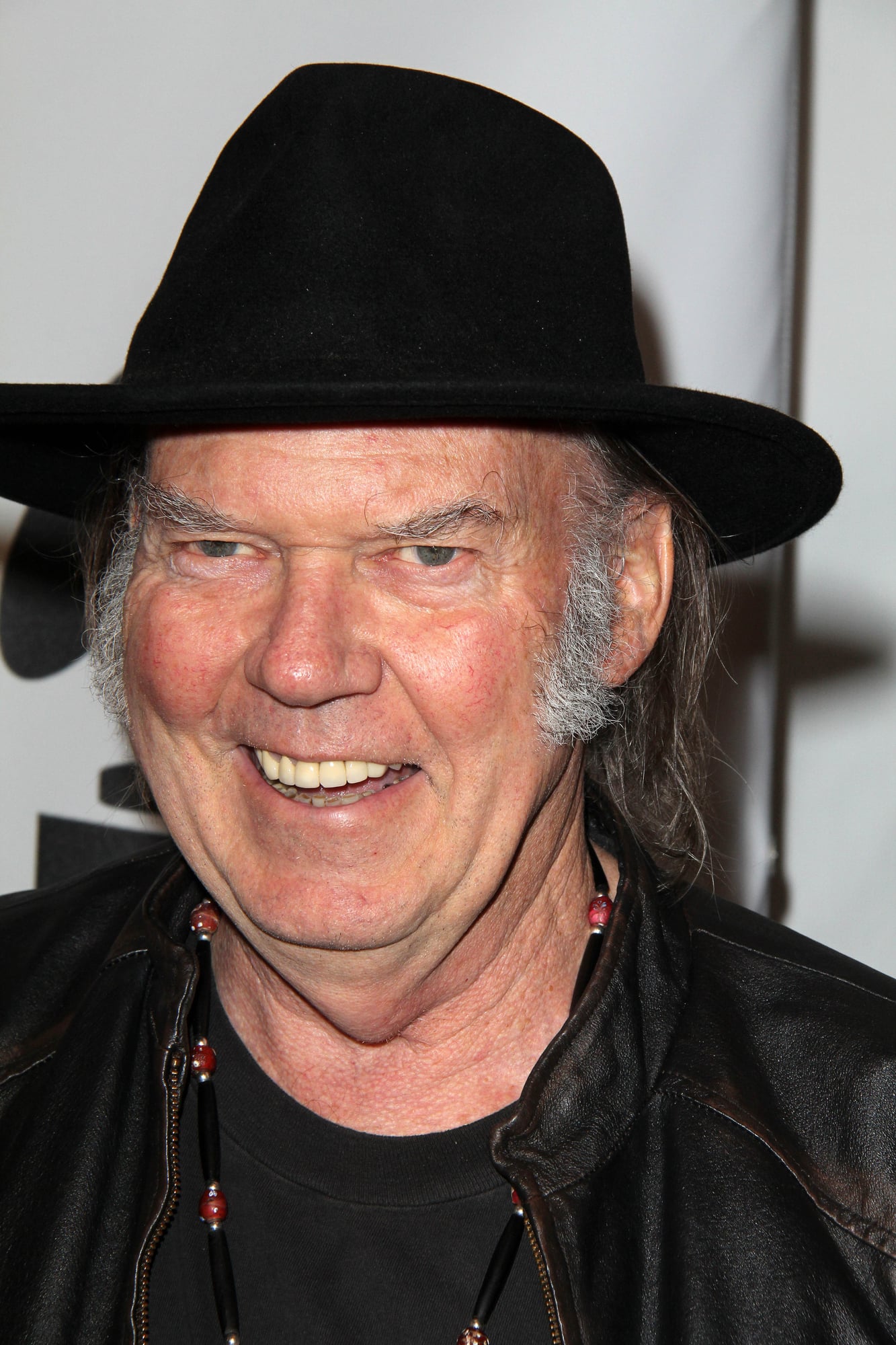
Neil Young’s 1989 track appears celebratory but actually criticizes American social problems during the Reagan era. Young wrote the song as a response to homelessness, drug addiction, and environmental destruction that he felt were being ignored by politicians focused on foreign policy.
The ironic title highlights the contrast between America’s image as a land of freedom and the reality of social problems affecting its most vulnerable citizens.
In the Air Tonight

Phil Collins’ atmospheric hit doesn’t tell the story of someone drowning while Collins watched, despite persistent urban legends. Collins wrote the song during his divorce, channeling his anger and frustration into one of the most emotionally intense tracks of the 1980s.
The famous drum break represents the emotional explosion Collins felt, while the cryptic lyrics reflect his state of mind during a difficult personal period.
Pink Houses

John Mellencamp’s seemingly patriotic anthem actually criticizes the American Dream’s empty promises for working-class families. The ‘pink houses’ represent suburban mediocrity and the illusion of prosperity that keeps people satisfied with less than they deserve.
Mellencamp wanted to highlight how the promise of upward mobility often keeps people from demanding real economic justice and meaningful change in their communities.
Every Breath You Take
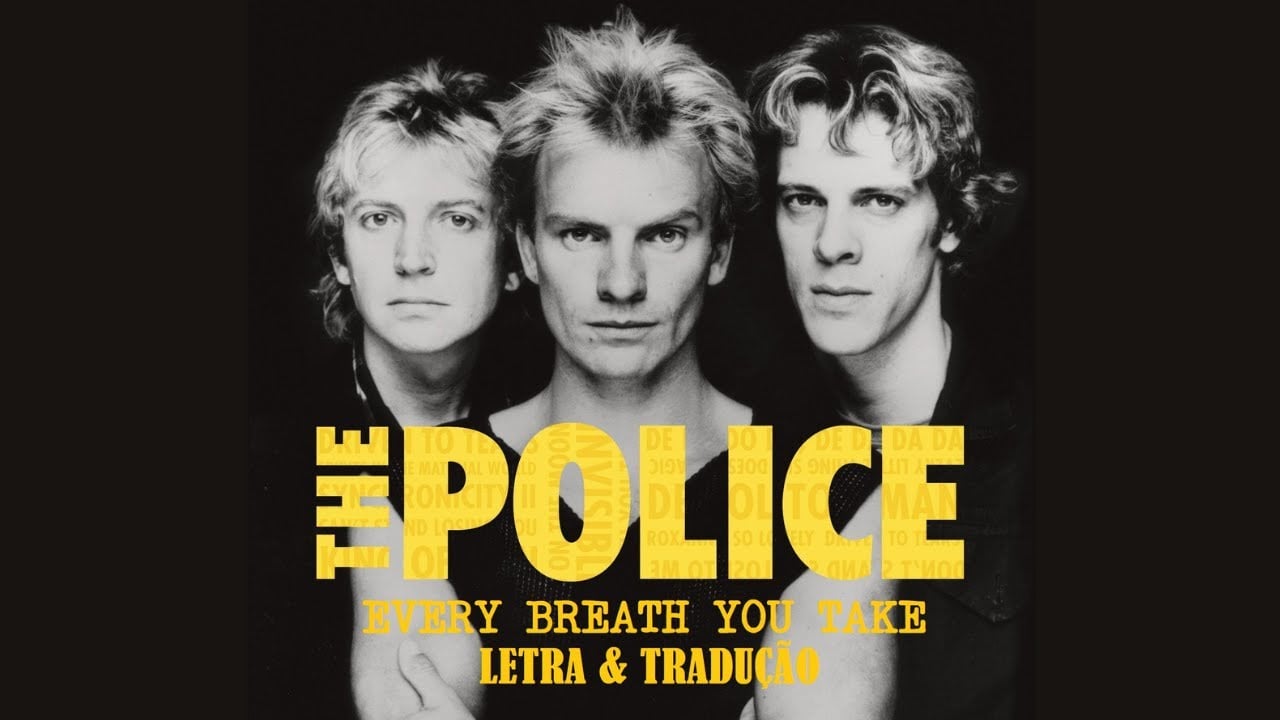
The Police’s biggest hit gets played at weddings despite being one of the creepiest love songs ever written. Sting crafted the track about obsessive surveillance and possessive behavior, not romantic devotion.
The song’s narrator watches every move his ex-lover makes, representing the dark side of relationships where love becomes control. Sting has expressed amazement that people interpret such obviously stalker-like lyrics as romantic.
Hurts So Good
John Mellencamp’s upbeat rocker isn’t about physical pleasure but rather about the bittersweet nature of growing up and leaving childhood behind. The song captures the complex emotions of young adulthood, where independence brings both excitement and loss.
Mellencamp used the metaphor of pain mixed with pleasure to describe how maturity requires giving up innocence and simple pleasures for more complicated adult responsibilities.
When the Music Lives On

These hidden meanings remind us that the best rock songs work on multiple levels, offering both immediate emotional impact and deeper significance that reveals itself over time. The musicians who created these tracks understood that great art often disguises its most important messages in accessible packages, allowing listeners to discover new layers of meaning as they grow and change.
Next time you hear these classics on the radio, you’ll know there’s always more than meets the ear in the songs that have soundtracked our lives for decades.
More from Go2Tutors!

- The Romanov Crown Jewels and Their Tragic Fate
- 13 Historical Mysteries That Science Still Can’t Solve
- Famous Hoaxes That Fooled the World for Years
- 15 Child Stars with Tragic Adult Lives
- 16 Famous Jewelry Pieces in History
Like Go2Tutors’s content? Follow us on MSN.



