17 Coffee Facts Fueling the Global Obsession
Coffee is more than just a drink. It’s a daily ritual, a comfort, and for many, a non-negotiable part of the morning. Around the world, billions of cups are brewed each day — in quiet kitchens, busy offices, and buzzing cafés. Whether it’s sipped slowly or gulped on the go, coffee has become a global must-have.
There’s more to coffee than meets the mug. Here are 17 simple, fun, and surprising facts that explain why the world just can’t get enough.
Coffee is the second most traded product in the world
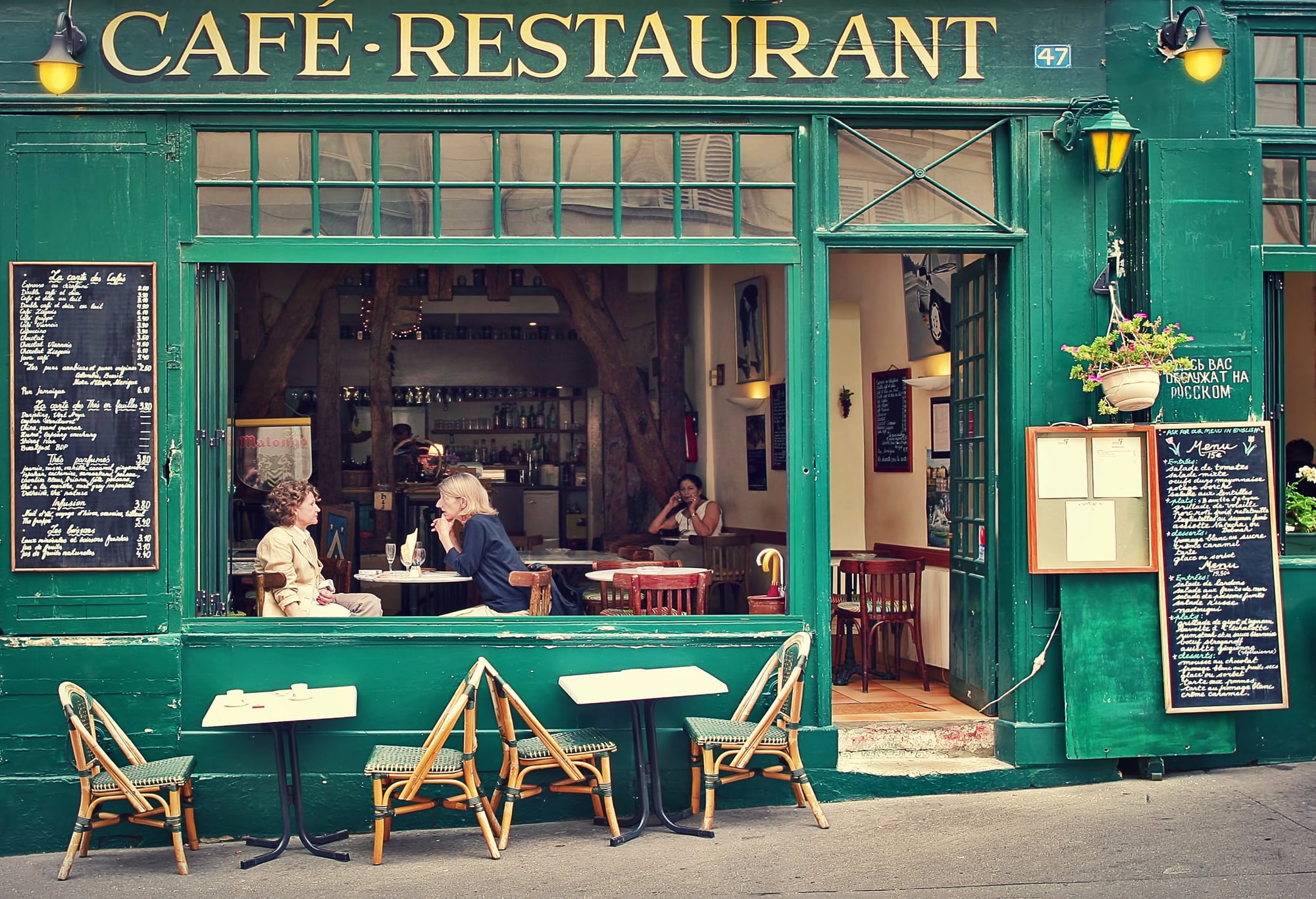
Only oil beats it. Coffee is shipped from farms in South America, Africa, and Asia to every corner of the world.
This massive demand has created a global industry worth over $100 billion. From tiny farms to giant corporations, coffee moves a lot of money.
It all began with dancing goats

According to legend, a goat herder in Ethiopia noticed his goats were unusually energetic after eating berries from a certain tree. That tree was a coffee plant.
Curious, he tried them himself and felt the same energy boost. That simple moment, centuries ago, may be how coffee was discovered.
Brazil grows more coffee than any other country
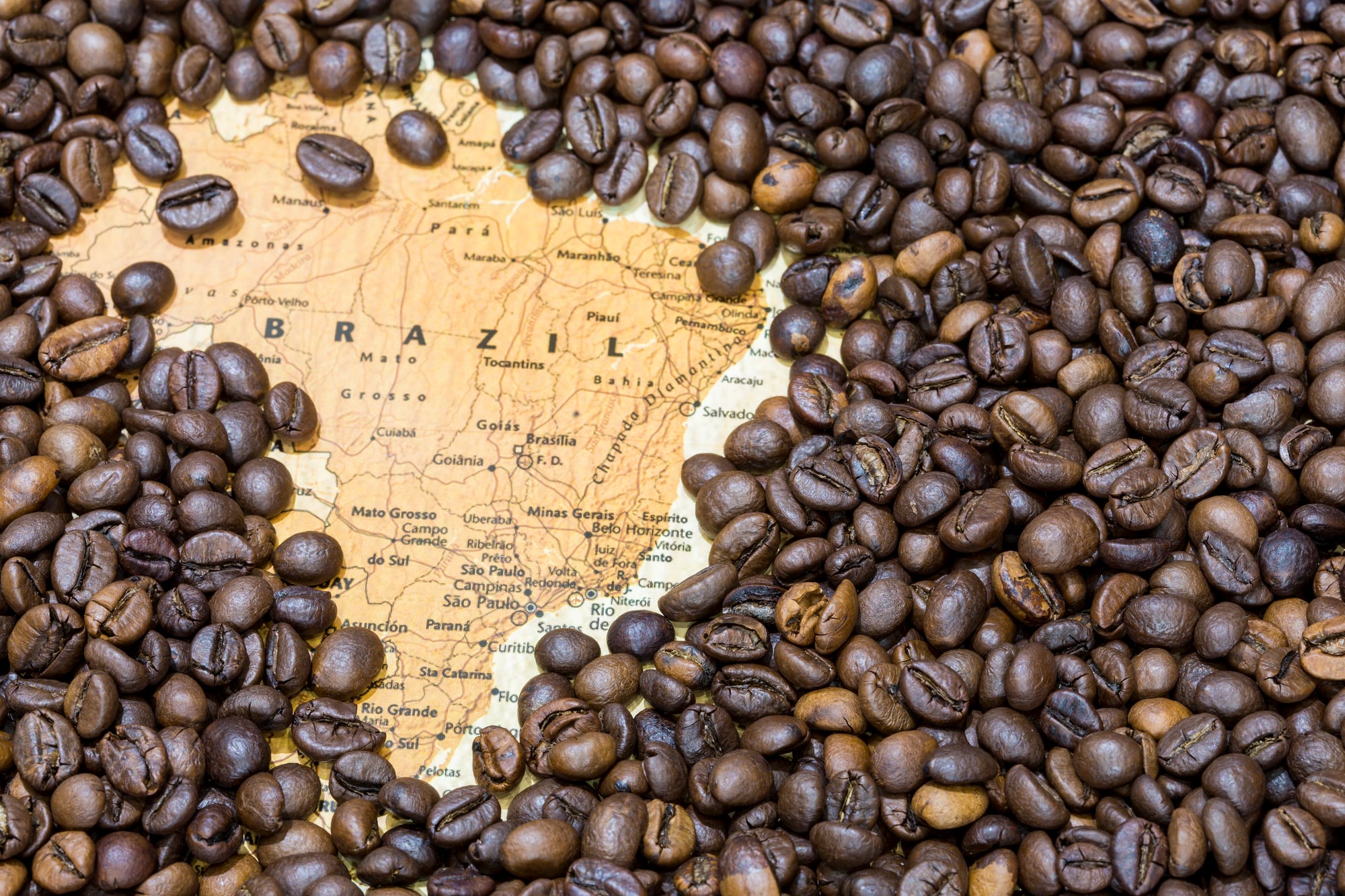
Brazil has been the top coffee producer for over 150 years. It grows around one-third of the world’s coffee supply.
Huge fields stretch across the countryside, with beans growing in warm, sunny weather. Coffee is such a big part of life there that it even shows up in music and traditions.
There are two main types of coffee beans

Most people drink coffee made from Arabica or Robusta beans. Arabica has a smoother, sweeter taste.
Robusta is stronger, more bitter, and has more caffeine. Both grow in different conditions and are used in blends around the world.
Espresso has less caffeine than drip coffee
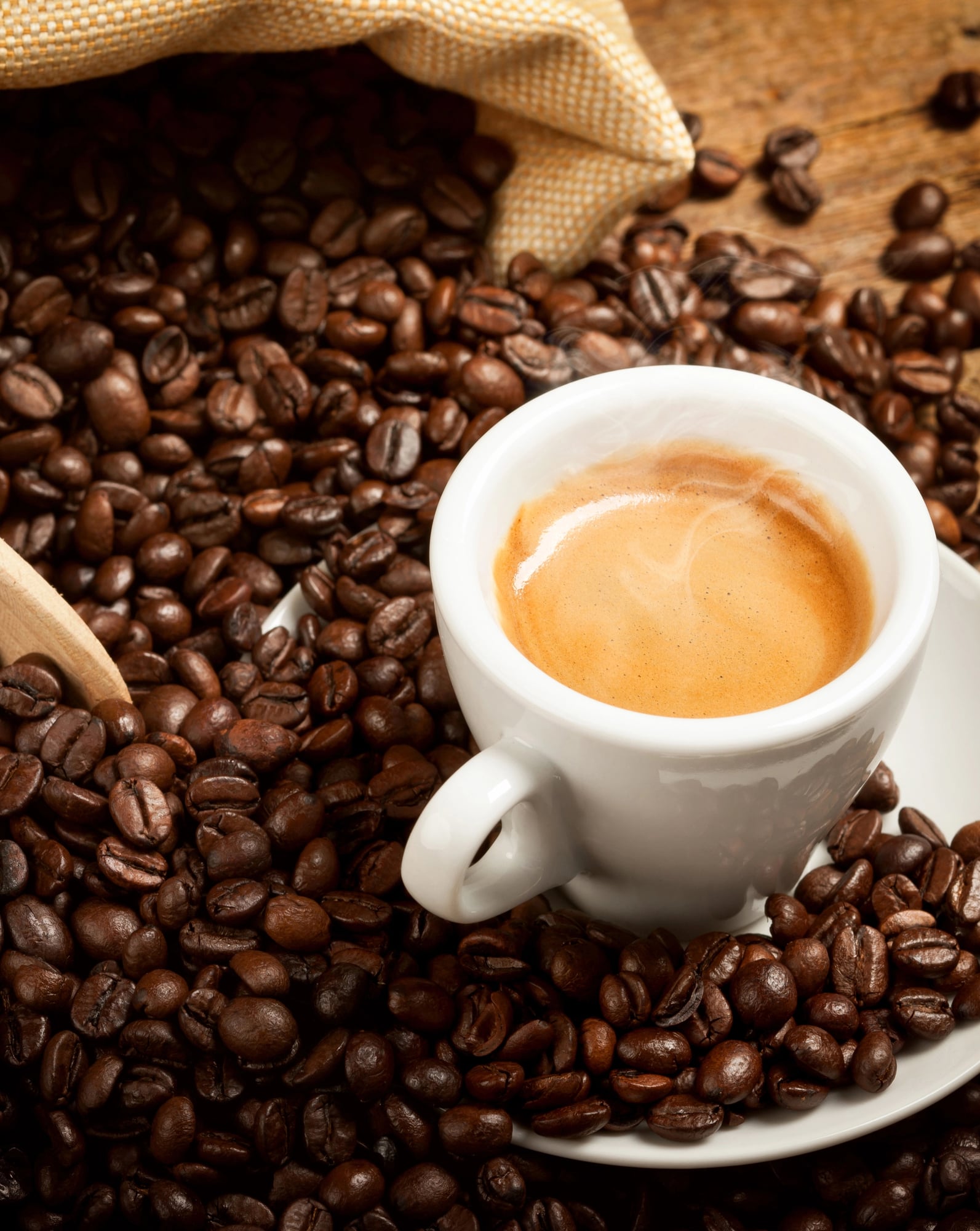
It sounds strange, but it’s true. Espresso is stronger in flavor but served in small shots.
A regular cup of drip coffee actually contains more caffeine overall because of the larger size. So that strong little shot might wake you up fast, but the big mug packs more of a total punch.
Finland drinks the most coffee per person

Not Italy. Not the U.S. It’s Finland.
People there drink an average of four cups a day — sometimes even more. Coffee breaks are part of work life and social visits.
Instant coffee has been around since the 1800s
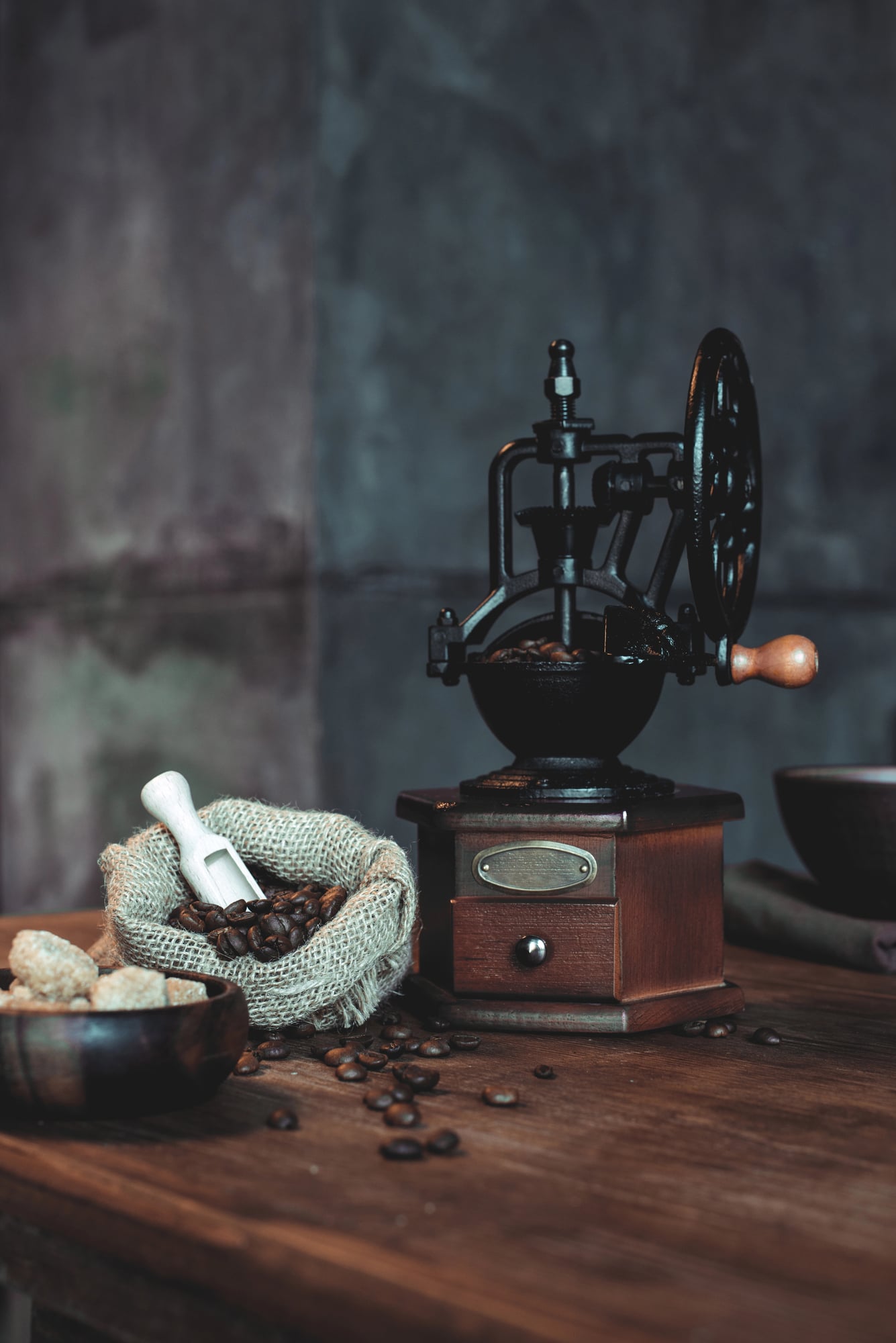
It wasn’t invented recently. Instant coffee first appeared in the late 19th century.
It became popular during wars because it was easy to carry and make. Today, it’s a big part of coffee culture in many places, especially where convenience matters most.
Coffee was once banned in some places
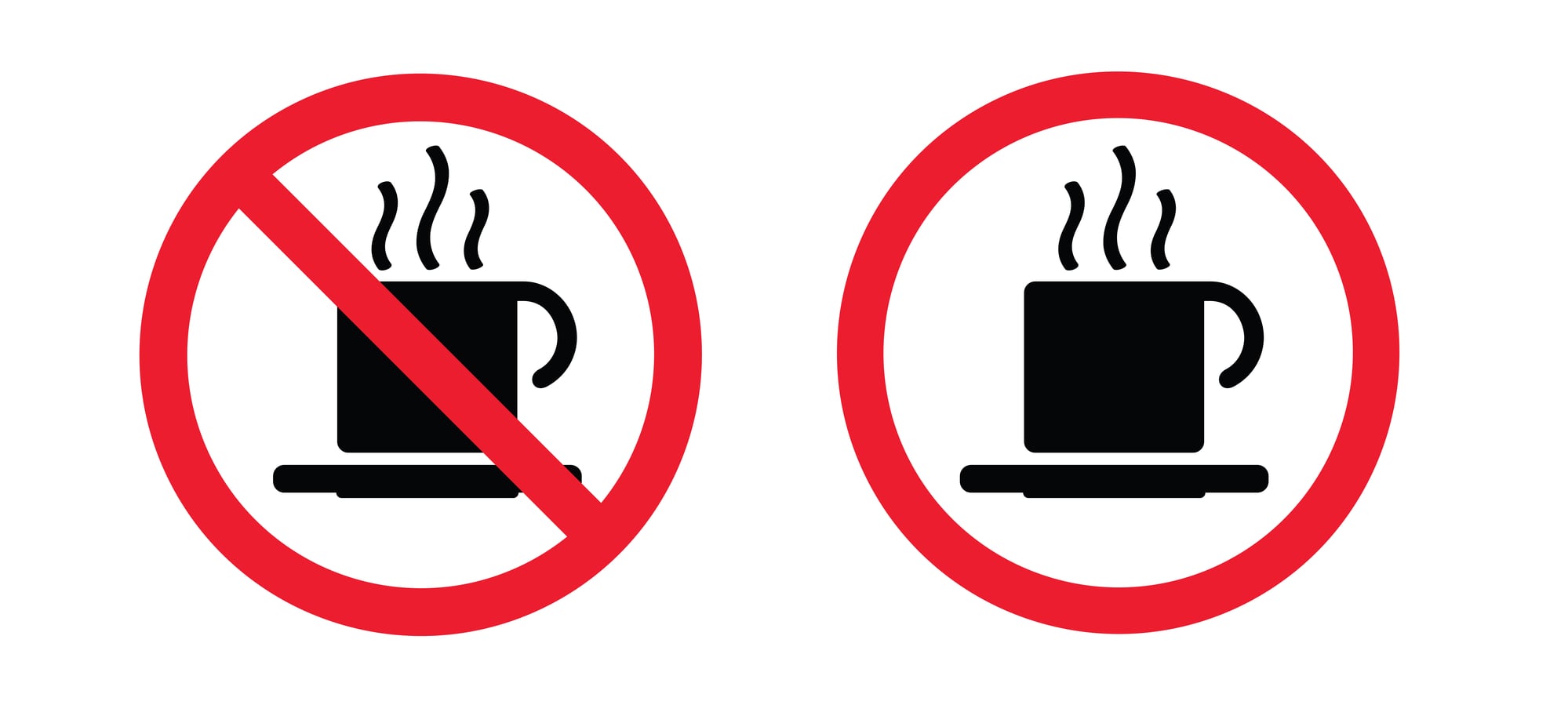
At different times in history, leaders tried to ban coffee. In Mecca during the 1500s, and in some parts of Europe too.
Some believed it encouraged rebellion or strange behavior. But people kept drinking it anyway, and the bans didn’t last long.
Decaf coffee still contains caffeine
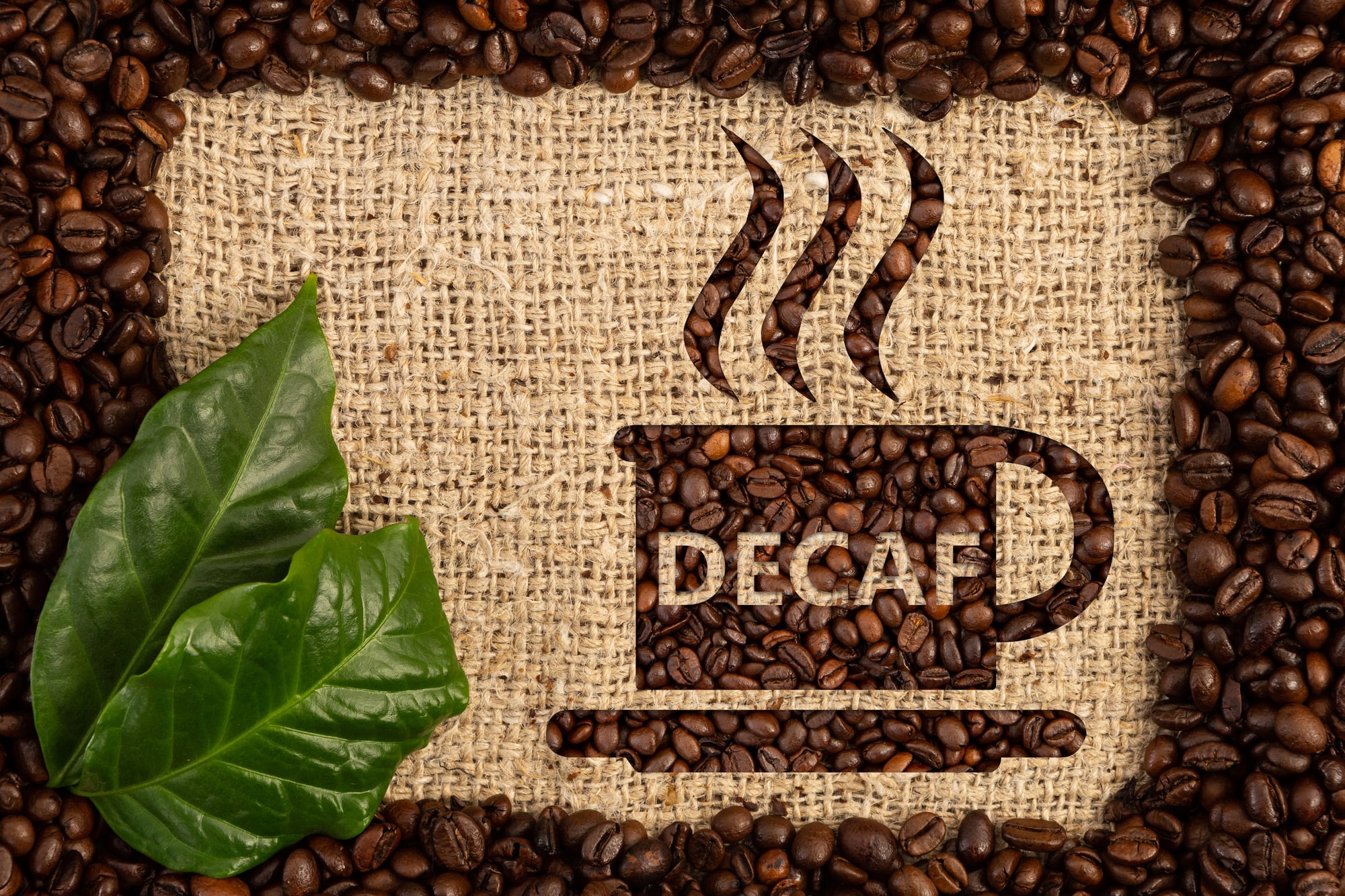
It’s not completely free of it. Decaf just means most of the caffeine is removed — but not all.
A cup of decaf can still have about 2 to 5 milligrams of caffeine. That’s much less than regular, but it’s not zero.
Coffee beans are actually seeds
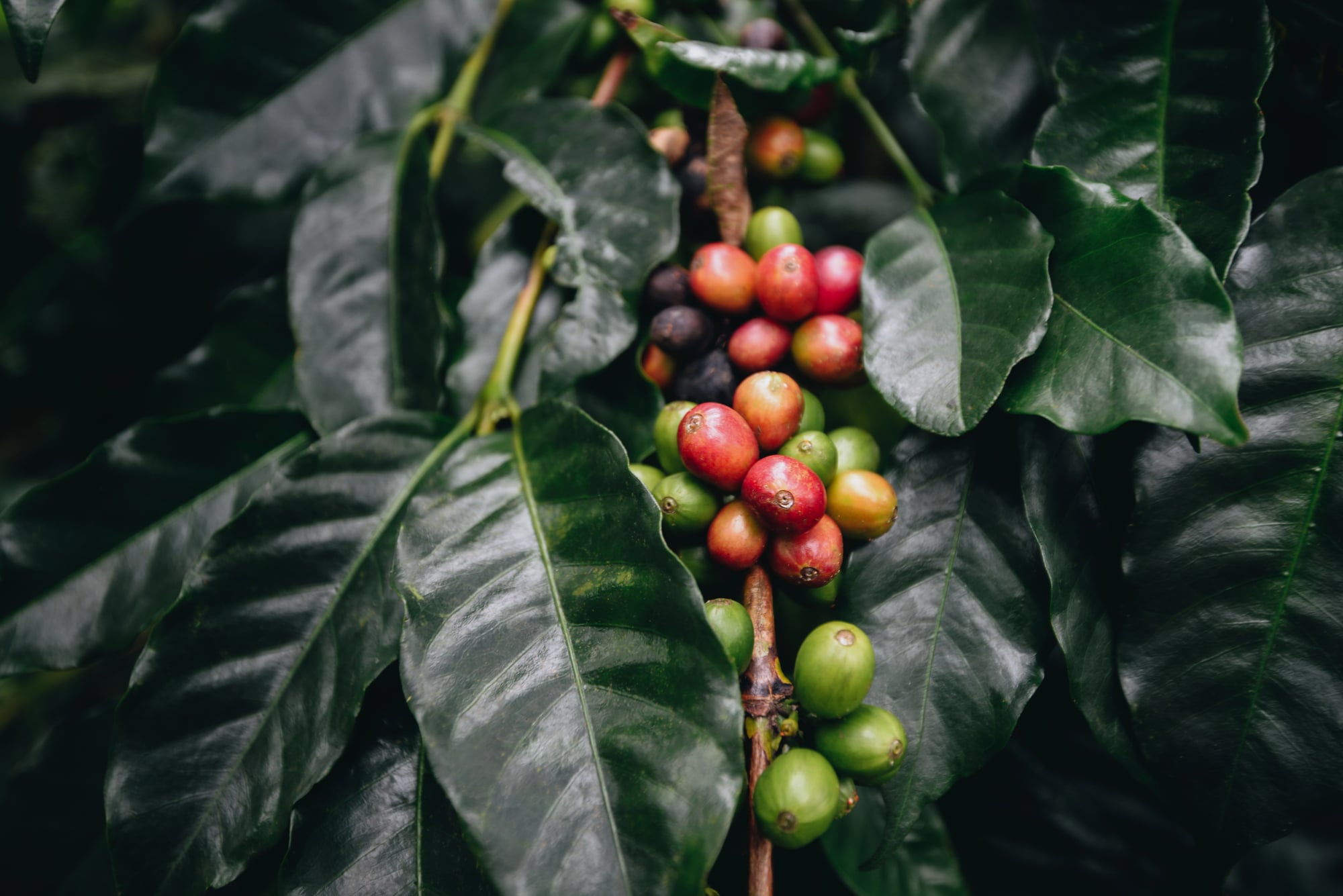
What we call a “bean” is really a seed from inside the coffee cherry. The fruit is picked, and the seeds are taken out and dried.
After that, they’re roasted into the dark beans people recognize. So, every cup starts with fruit.
Cold brew isn’t the same as iced coffee
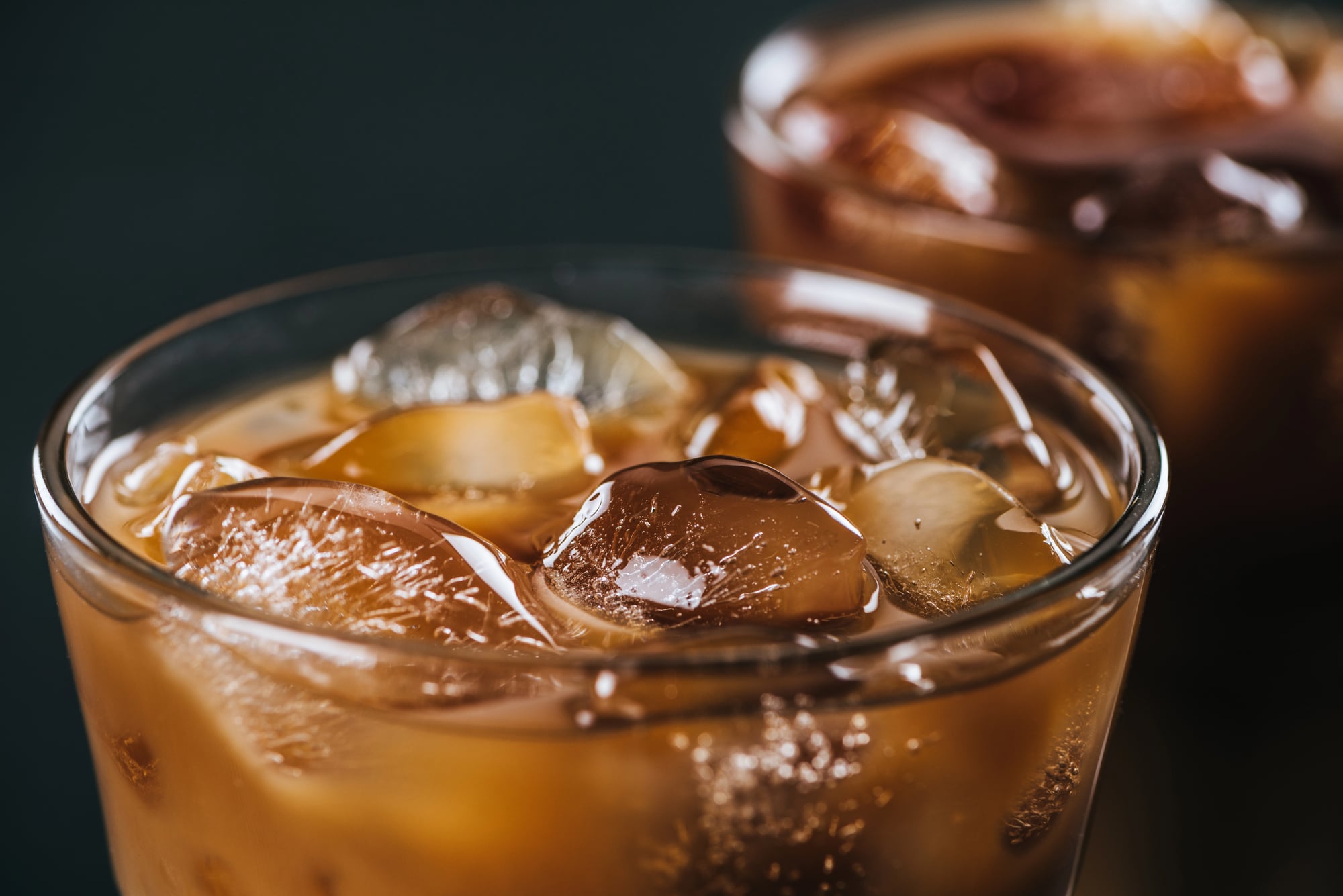
They may look alike, but they’re made differently. Iced coffee is just hot coffee poured over ice.
Cold brew is steeped in cold water for hours — usually 12 to 24. The result is smoother, less acidic, and often stronger.
Cream and sugar aren’t universal
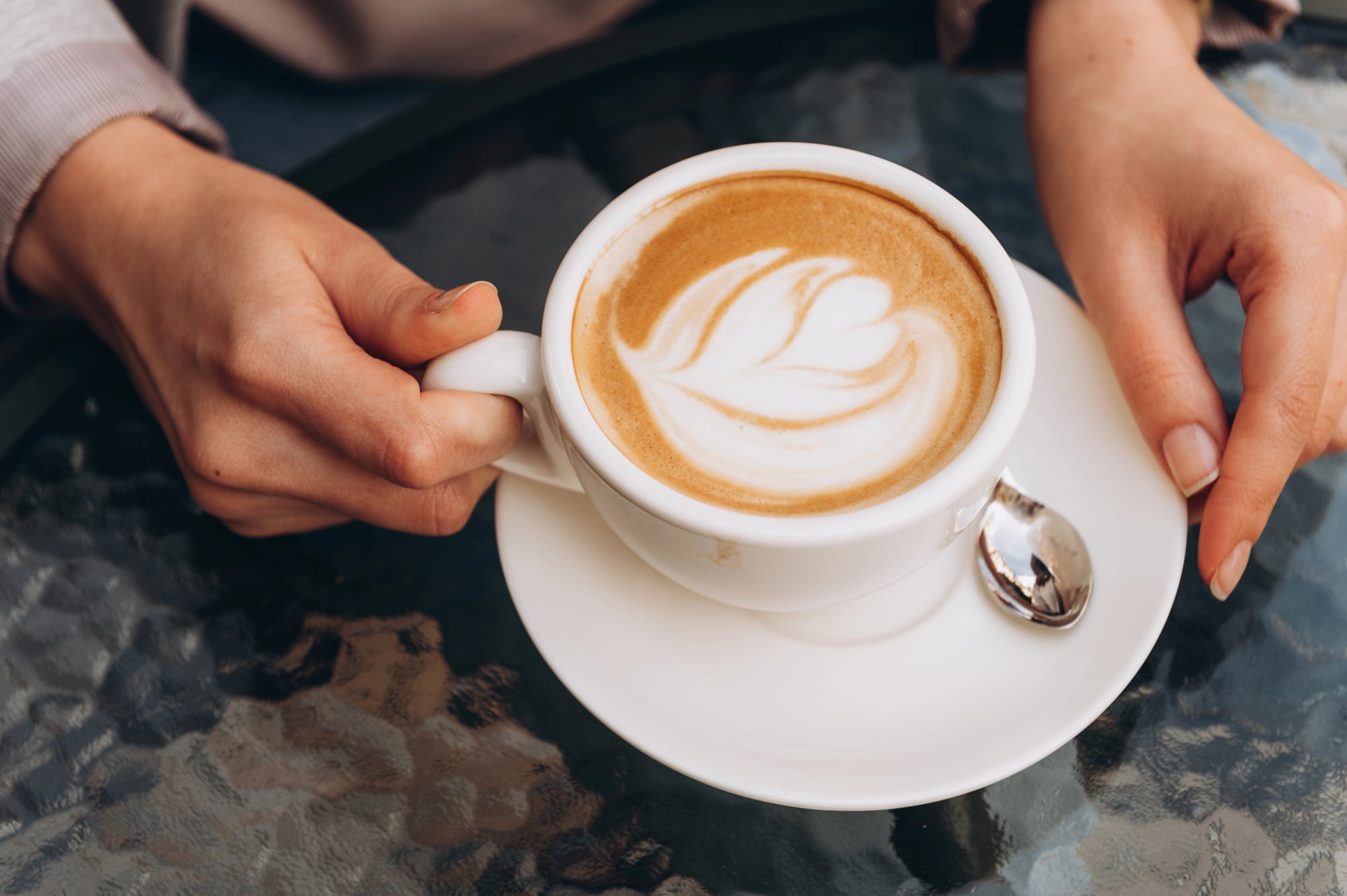
In many countries, coffee is enjoyed plain or with very different extras. In Vietnam, it’s mixed with sweetened condensed milk.
In Sweden, coffee is sometimes paired with cheese. And in Ethiopia, it’s often served with salt or butter.
Baristas take their craft seriously
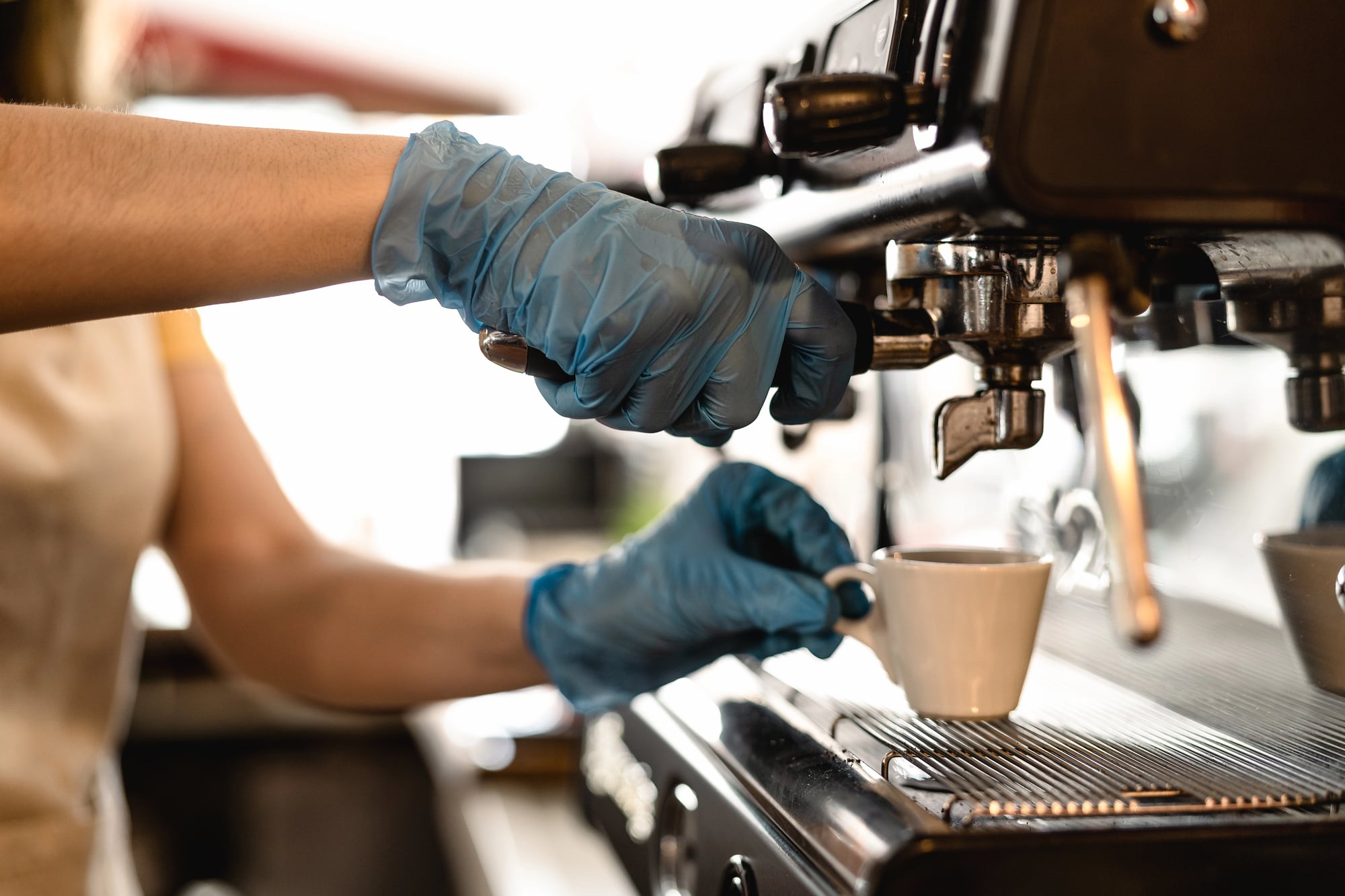
Being a barista isn’t just about pushing buttons. In top cafés, baristas are trained for months.
They learn how to grind, tamp, and steam perfectly. Competitions are held worldwide to crown the best.
Coffee shops shaped big cities
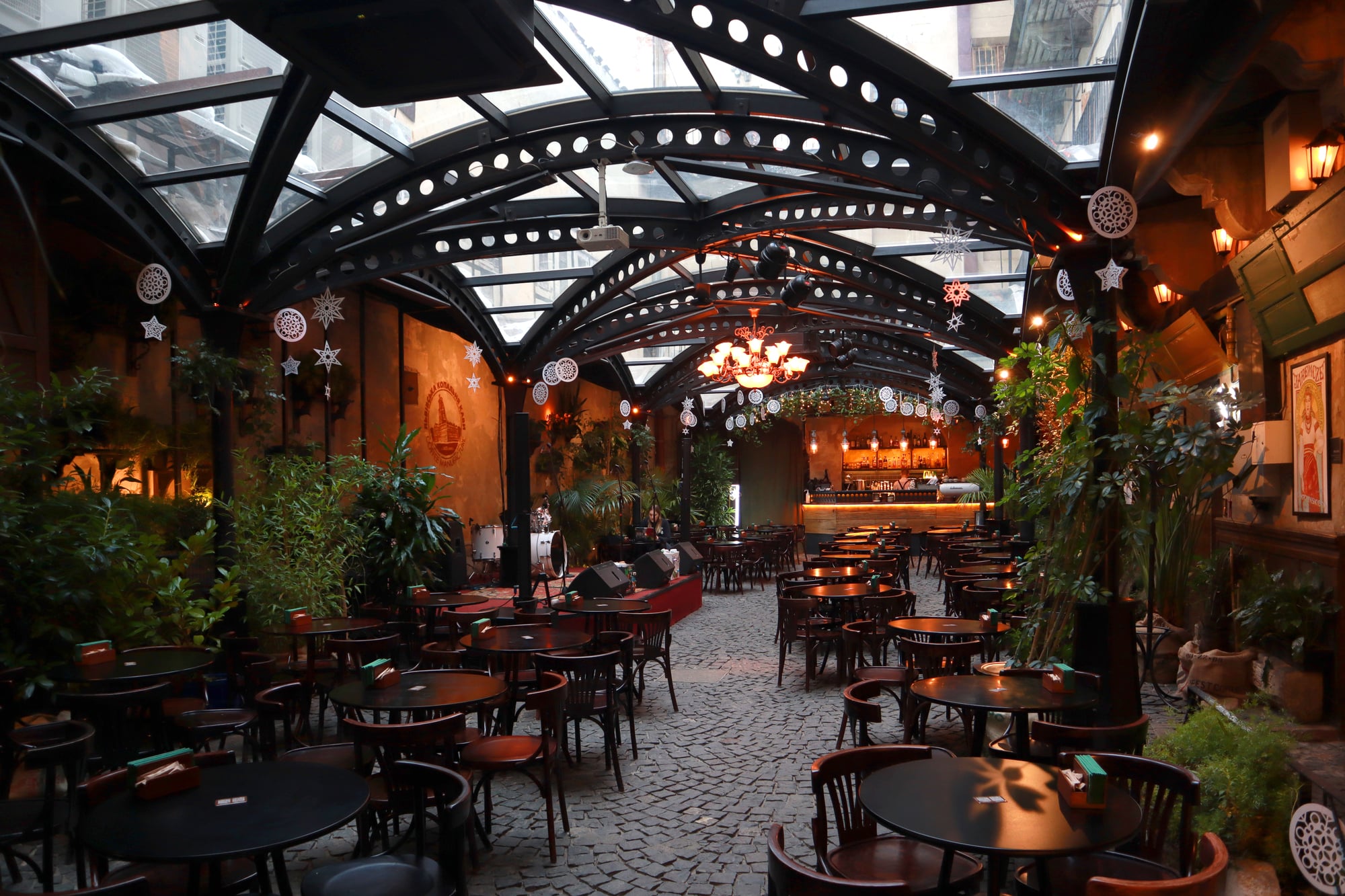
Cafés have always been more than places to drink. They’ve served as meeting spots, workspaces, and idea hubs.
In London, Paris, and Istanbul centuries ago, people gathered in coffee houses to talk about politics, art, and business. That habit still lives on today — just with Wi-Fi and laptops.
Some people can’t break down caffeine well

Genetics play a role. Some people’s bodies process caffeine more slowly, so they feel jittery or can’t sleep after just one cup.
Others feel nothing even after three. It’s one reason why coffee affects people so differently.
Coffee grounds can be reused
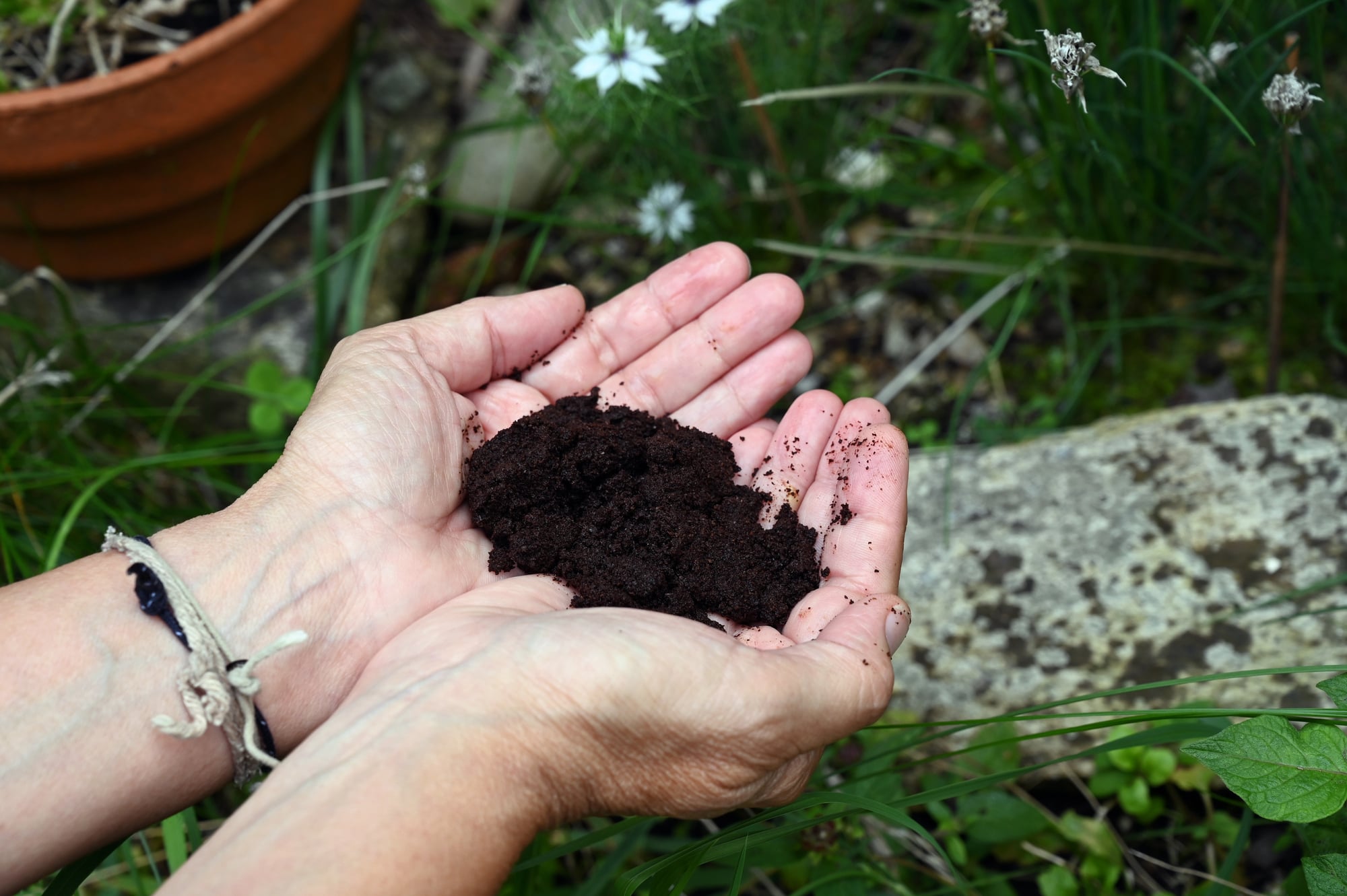
Used grounds don’t have to go straight to the trash. They’re great for gardening, as they help soil and plants.
Some people use them for cleaning pots and pans. Others make scrubs or even deodorize their fridge with them.
The smell of coffee boosts alertness

Even just smelling coffee can make a difference. Some studies show that the scent alone can help people feel more awake and less stressed.
It’s one of the reasons walking into a café feels so good. The brain connects that smell with focus and energy.
Why the world still runs on coffee
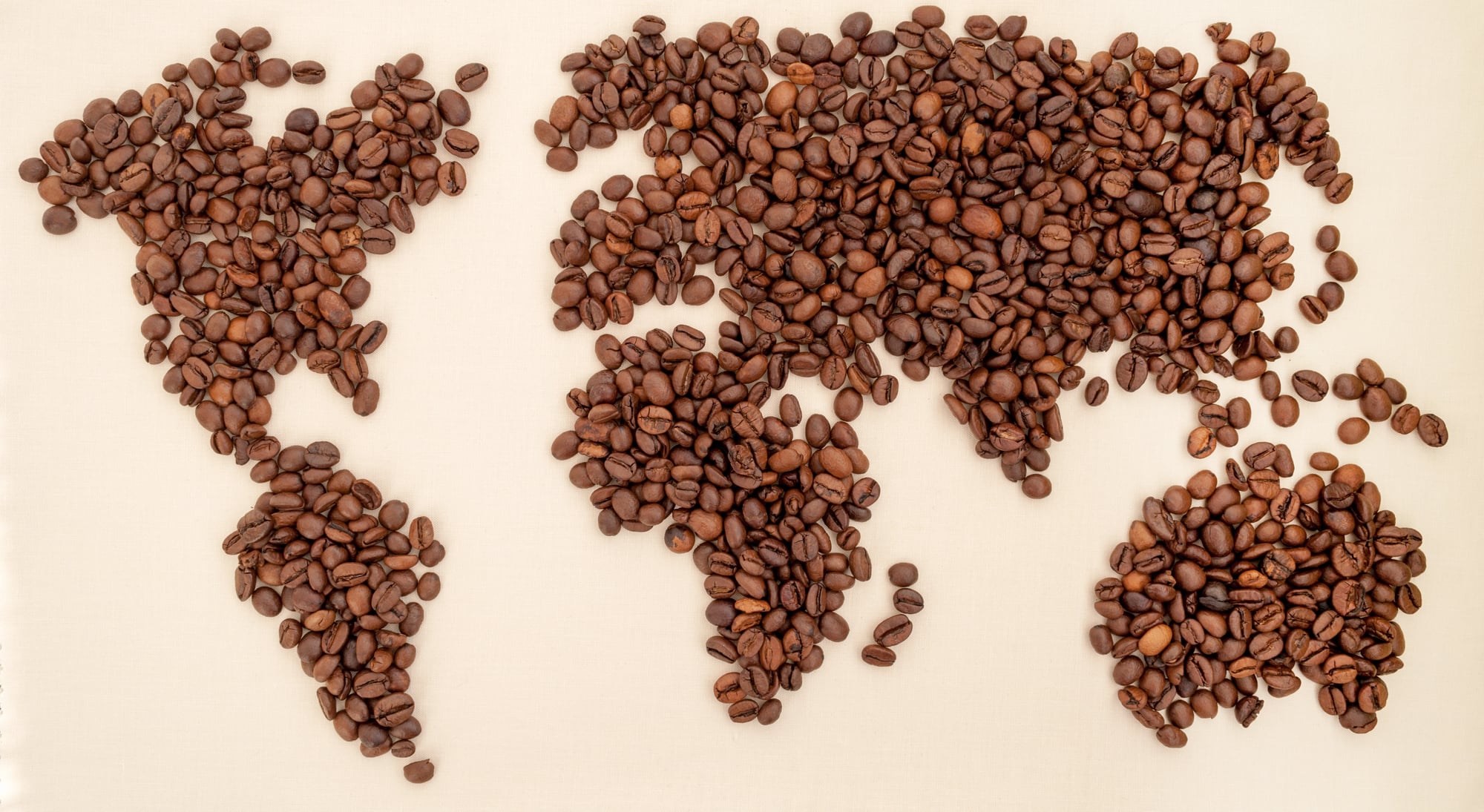
From goats in Ethiopia to cafés in Finland, coffee has traveled a long way to become part of daily life everywhere. Each cup holds a little bit of history, science, and personal ritual.
Whether it’s for a quick jolt or a slow morning moment, the love for coffee crosses borders and backgrounds. It’s not just about staying awake — it’s about staying connected.
And as the world changes, coffee stays right there in the middle of it all.
More from Go2Tutors!

- The Romanov Crown Jewels and Their Tragic Fate
- 13 Historical Mysteries That Science Still Can’t Solve
- Famous Hoaxes That Fooled the World for Years
- 15 Child Stars with Tragic Adult Lives
- 16 Famous Jewelry Pieces in History
Like Go2Tutors’s content? Follow us on MSN.



