17 Coldest Cities Where People Actually Live
Most of us complain when the temperature drops below freezing, but there are entire cities where people bundle up and carry on with life even when the thermometer reads -40°F. These aren’t just remote outposts or research stations—they’re actual communities where families raise children, people commute to work, and life goes on despite conditions that would make a polar bear think twice.
From the frozen tundra of Siberia to the ice-locked territories of northern Canada, these cities prove that human determination knows no bounds. Here are 17 of the coldest cities where people actually live and thrive year-round.
Yakutsk, Russia

Yakutsk holds the dubious honor of being the coldest major city on Earth, with winter temperatures regularly plunging to -60°F. The city sits in the heart of Siberia, where the ground stays permanently frozen year-round, making it impossible to have basements or underground utilities.
Despite these brutal conditions, over 300,000 people call Yakutsk home, working in diamond mining, education, and government while dealing with challenges like cars that won’t start and breath that freezes mid-air.
Fairbanks, Alaska

Fairbanks experiences some of the harshest winters in North America, with temperatures dropping as low as -60°F during the coldest months. The city sits just 120 miles south of the Arctic Circle, where residents deal with months of near-total darkness and the constant threat of frozen pipes.
What makes Fairbanks remarkable is how its 32,000 residents have adapted, using engine block heaters, specialized winter clothing, and a sense of humor that helps them survive when stepping outside feels like entering a freezer.
Norilsk, Russia

Norilsk might be the most extreme city on this list, sitting 200 miles north of the Arctic Circle where temperatures can drop to -60°F and the polar night lasts for two months. The city exists primarily to support nickel mining operations, and its 175,000 residents live in a place where the sun doesn’t rise from late November to late January.
The combination of extreme cold, industrial pollution, and isolation makes Norilsk one of the harshest places humans have chosen to build a permanent settlement.
Yellowknife, Canada
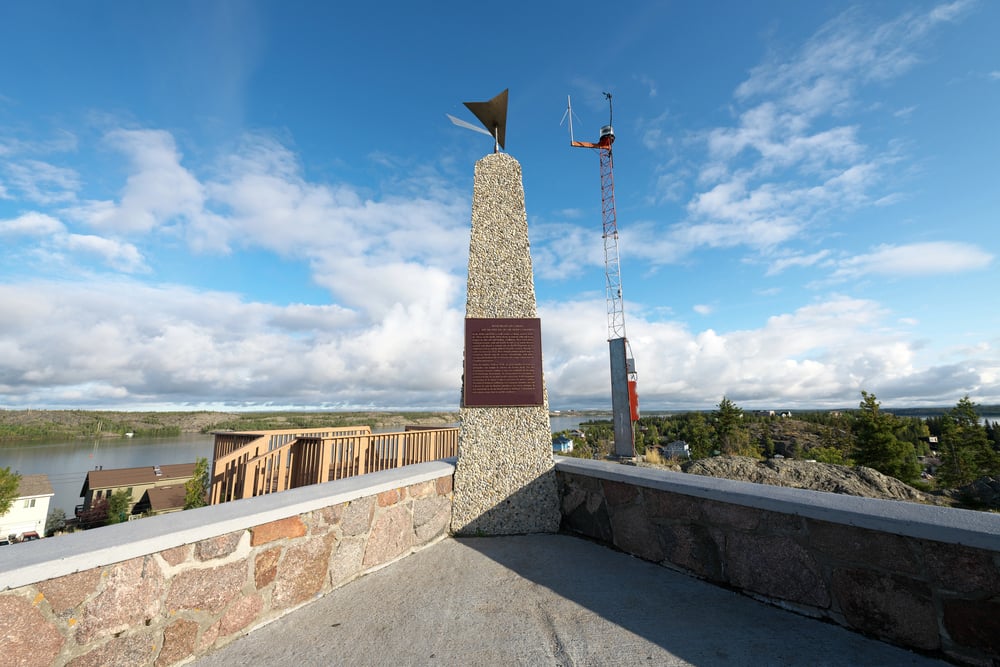
Yellowknife, the capital of Canada’s Northwest Territories, experiences winter temperatures that regularly hit -40°F while dealing with months of limited daylight. The city sits on the shores of Great Slave Lake, where residents have learned to embrace winter activities like ice fishing and dog sledding as part of daily life.
Despite the harsh conditions, Yellowknife’s 20,000 residents enjoy a surprisingly vibrant community with festivals, restaurants, and even opportunities to view the Northern Lights dancing overhead.
Verkhoyansk, Russia
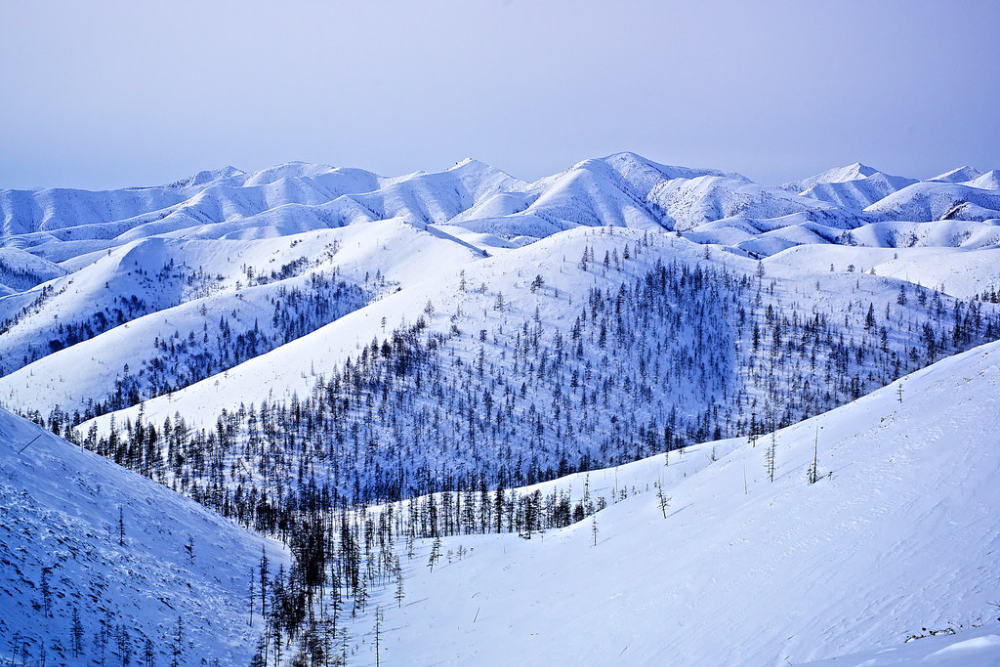
Verkhoyansk holds the record for the coldest temperature ever recorded in a permanently inhabited settlement, hitting a bone-chilling -96°F back in 1892. This small Siberian town of about 1,200 people sits along the Yana River, where residents deal with permafrost so deep that the ground never thaws even in summer.
The town’s name literally means ‘upper settlement,’ and its residents have developed unique methods for everything from food preservation to transportation in a place where mercury freezes solid.
Barrow (Utqiagvik), Alaska
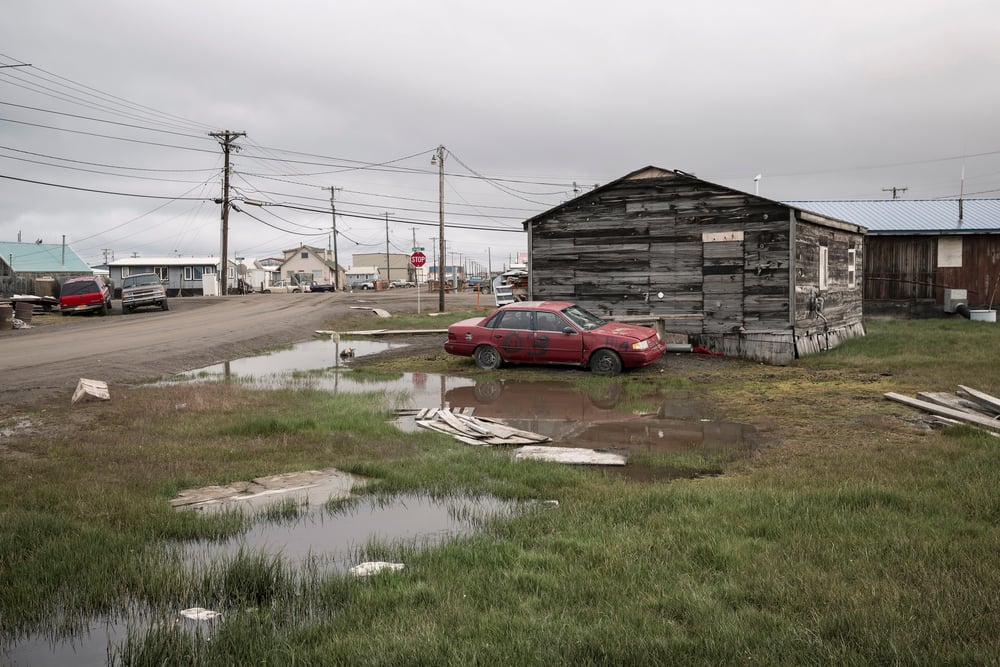
Barrow, now officially known as Utqiagvik, sits at the northernmost tip of Alaska where the sun doesn’t rise for 65 days during winter. Temperatures regularly drop to -40°F, and the combination of cold and constant wind creates conditions that feel even more brutal.
The city’s 4,400 residents, primarily Inupiat people, have maintained their traditional lifestyle while adapting to modern challenges like getting supplies delivered by plane when the weather permits.
Whitehorse, Canada
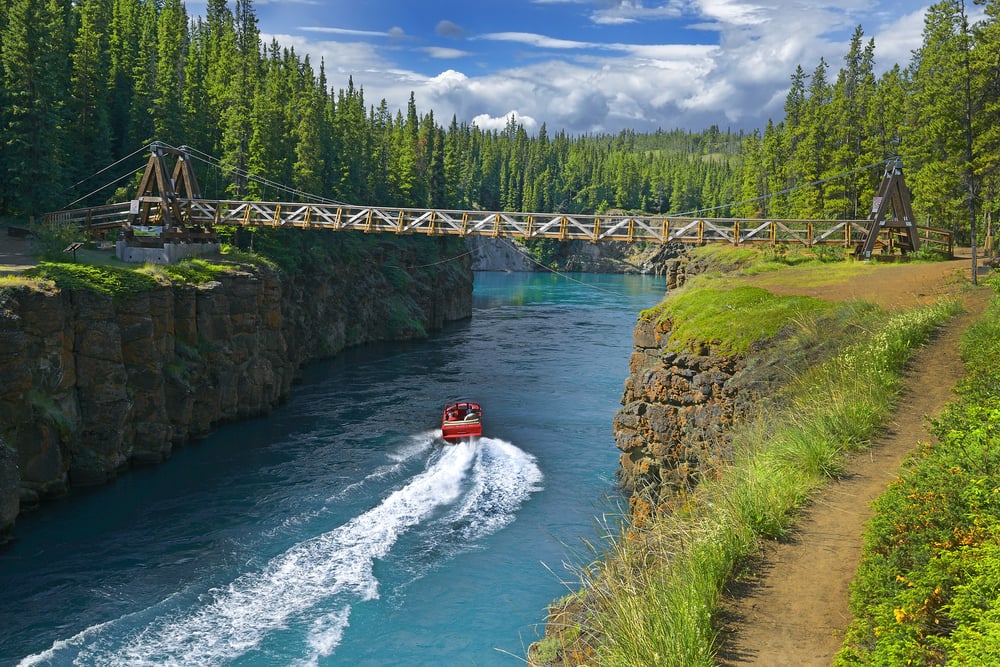
Whitehorse, the capital of Canada’s Yukon Territory, experiences winter temperatures that can drop to -40°F while serving as a hub for northern transportation and government. The city sits along the Yukon River, where its 28,000 residents deal with long winter nights and the constant challenge of keeping vehicles and homes warm.
What sets Whitehorse apart is its blend of frontier culture and modern amenities, creating a unique community where people can enjoy both wilderness adventures and urban conveniences.
Iqaluit, Canada
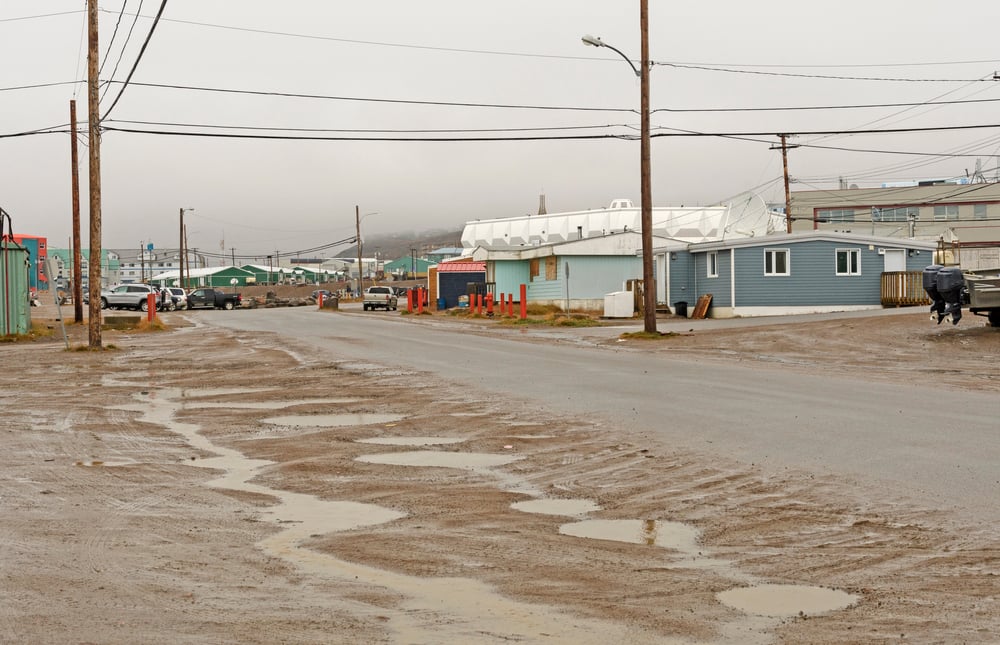
Iqaluit, the capital of Nunavut, sits on Baffin Island where winter temperatures regularly reach -40°F and the Arctic Ocean freezes solid for months. The city’s 8,000 residents, primarily Inuit, live in a place where everything from food to building materials must be flown in during the brief summer shipping season.
Despite the isolation and extreme cold, Iqaluit serves as the political and cultural center for Canada’s newest territory, proving that communities can thrive even in the most challenging environments.
Murmansk, Russia

Murmansk sits north of the Arctic Circle on Russia’s Kola Peninsula, where temperatures can drop to -40°F and the polar night lasts for 40 days. The city’s 300,000 residents live in what’s considered the world’s largest city north of the Arctic Circle, sustained by its ice-free port and strategic military importance.
The combination of extreme cold, months of darkness, and harsh winds creates conditions that would challenge even the most prepared winter enthusiast.
Tromsø, Norway

Tromsø sits 200 miles north of the Arctic Circle, where winter temperatures regularly drop to -20°F and the city experiences two months of polar night. Despite these conditions, Tromsø’s 76,000 residents have created a surprisingly cosmopolitan city known for its universities, cultural events, and vibrant nightlife.
The city’s location makes it one of the best places in the world to view the Northern Lights, turning the harsh Arctic environment into a tourist destination.
Anchorage, Alaska
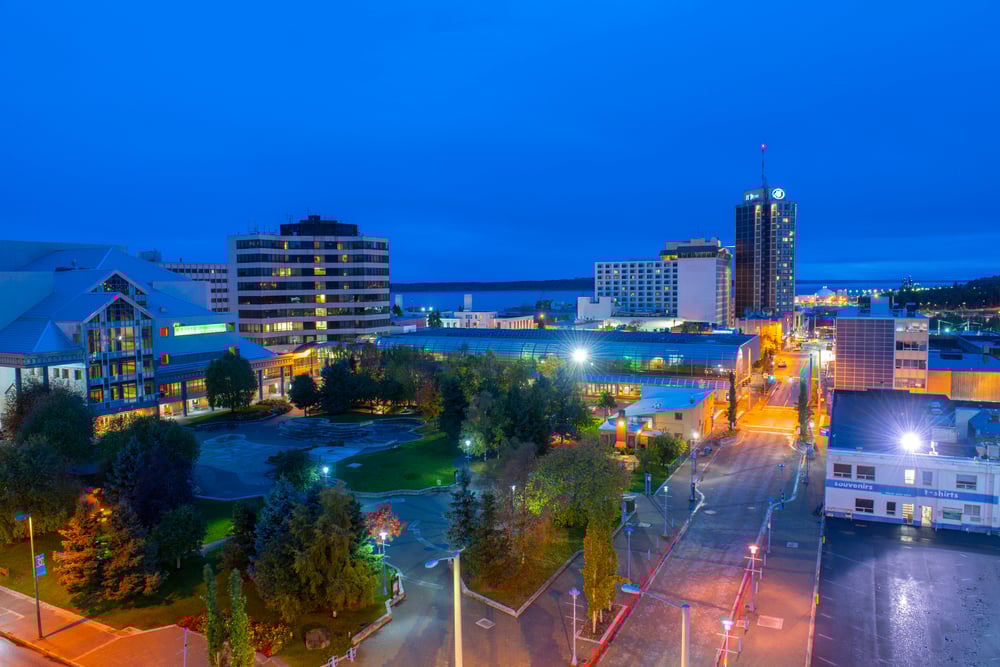
Anchorage might seem mild compared to other cities on this list, but winter temperatures regularly drop to -20°F with occasional plunges much lower. The city’s 290,000 residents deal with long winter nights, heavy snowfall, and the constant presence of wildlife that other urban areas never encounter.
What makes Anchorage remarkable is how it functions as a modern metropolitan area while maintaining its frontier character and serving as Alaska’s economic center.
Reykjavik, Iceland
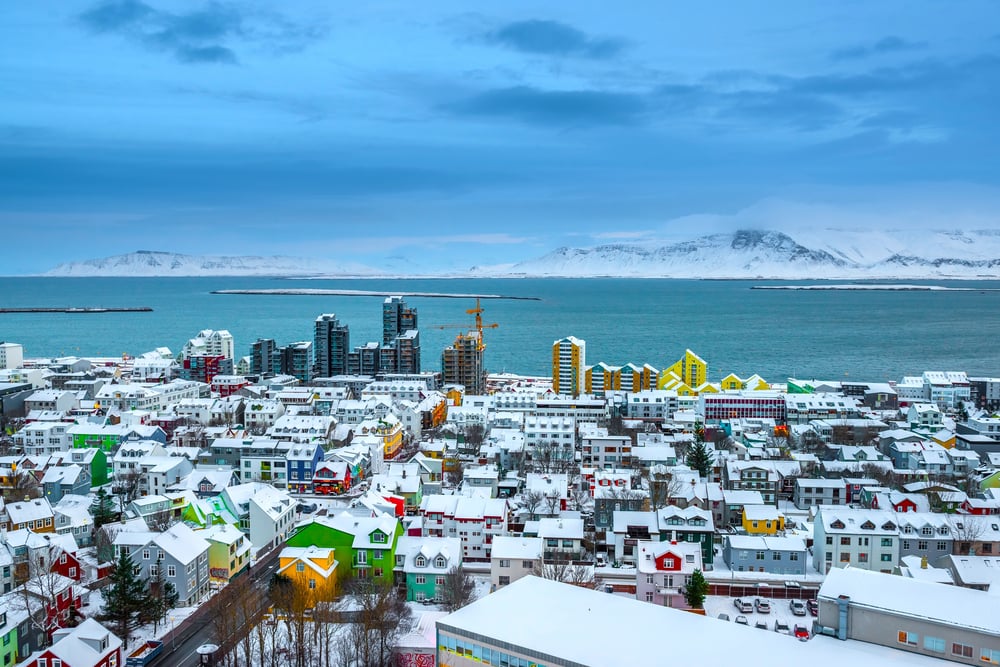
Reykjavik experiences surprisingly cold winters for a coastal city, with temperatures regularly dropping to around 20°F combined with fierce winds that make it feel much colder. The city’s 130,000 residents deal with months of limited daylight and weather that can change dramatically within hours.
However, Reykjavik’s residents have turned their harsh environment into an advantage, using geothermal energy for heating and creating a unique culture that embraces both the darkness and the brief, intense summers.
Ulaanbaatar, Mongolia

Ulaanbaatar holds the distinction of being the coldest national capital in the world, with winter temperatures regularly dropping to -40°F in a landscape surrounded by mountains and steppes. The city’s 1.5 million residents live in a place where the temperature difference between summer and winter can exceed 100°F, creating extreme seasonal variations.
The combination of high altitude, continental climate, and limited heating infrastructure makes Ulaanbaatar one of the most challenging capitals for daily life.
Winnipeg, Canada
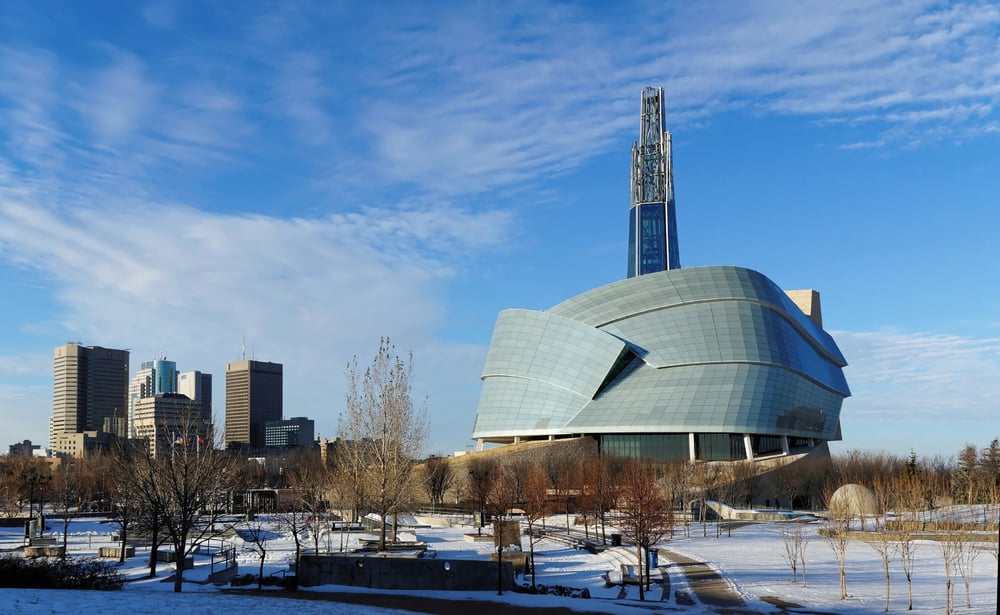
Winnipeg sits in the heart of the Canadian prairies, where winter temperatures regularly drop to -30°F and the flat landscape provides no protection from Arctic winds. The city’s 750,000 residents have learned to embrace winter through festivals, underground walkways, and a culture that refuses to let cold weather slow down daily life.
Winnipeg’s location makes it a natural testing ground for cold-weather technology, from automotive testing to winter clothing development.
Harbin, China
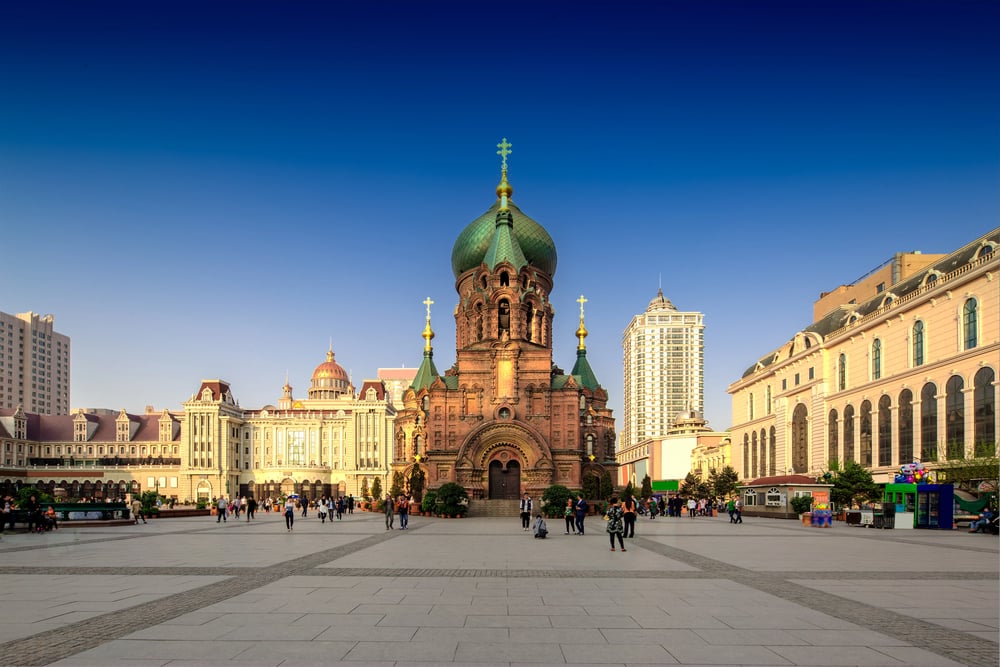
Harbin experiences brutal winters with temperatures dropping to -35°F, earning it the nickname ‘Ice City’ among China’s major urban centers. The city’s 10 million residents live in a place where the Songhua River freezes solid enough to support buildings, creating the famous Harbin Ice Festival.
The combination of Russian architectural influence and Chinese culture creates a unique winter environment where people have learned to celebrate rather than simply endure the cold.
Duluth, Minnesota

Duluth sits on the shores of Lake Superior, where winter temperatures regularly drop to -30°F and lake-effect snow can dump several feet of snow in a single storm. The city’s 86,000 residents deal with some of the harshest winter conditions in the continental United States, where the combination of cold, wind, and snow creates challenges that rival Arctic communities.
Despite these conditions, Duluth maintains a strong economy based on shipping, healthcare, and education while serving as a gateway to Minnesota’s North Shore.
Saguenay, Quebec

Saguenay experiences some of the coldest temperatures in populated areas of eastern Canada, with winter readings regularly hitting -35°F in the fjord region north of Quebec City. The city’s 145,000 residents live in a unique geographical setting where the Saguenay River creates a microclimate that traps cold air and extends the winter season.
The combination of heavy snowfall, extreme cold, and the region’s aluminum industry creates a community that has learned to thrive in conditions that would challenge most other cities.
Where Winter Never Gives Up
These cities prove that humans can adapt to almost any environment, creating communities and cultures that not only survive but actually thrive in conditions most people would consider uninhabitable. From the diamond mines of Yakutsk to the geothermal warmth of Reykjavik, each city has developed unique solutions to the challenges of extreme cold.
The people living in these places often develop a particular pride in their ability to handle conditions that would send most folks running for warmer climates. While climate change continues to alter weather patterns globally, these cold-weather communities remain testaments to human resilience and the surprising ways people can make a home anywhere on Earth.
More from Go2Tutors!

- The Romanov Crown Jewels and Their Tragic Fate
- 13 Historical Mysteries That Science Still Can’t Solve
- Famous Hoaxes That Fooled the World for Years
- 15 Child Stars with Tragic Adult Lives
- 16 Famous Jewelry Pieces in History
Like Go2Tutors’s content? Follow us on MSN.



