Classic Commercials That Became Cultural Icons
Television commercials used to be more than just short interruptions between favorite shows. They became shared experiences that entire families would watch together, quote at the dinner table, and remember for decades.
Some ads didn’t just sell products—they created catchphrases, introduced characters, and shaped the way people thought about everyday items. These weren’t just marketing campaigns; they were tiny pieces of entertainment that stayed in people’s minds long after the TV was turned off.
Where’s the beef?

An elderly woman peered at a tiny hamburger patty on an enormous bun and demanded to know where the beef was. Wendy’s struck gold in 1984 with this simple question that turned into a national phenomenon.
People started using the phrase everywhere, from political debates to everyday conversations. The ad worked because it was funny, straightforward, and featured three older women who weren’t typical commercial stars.
I’d like to teach the world to sing
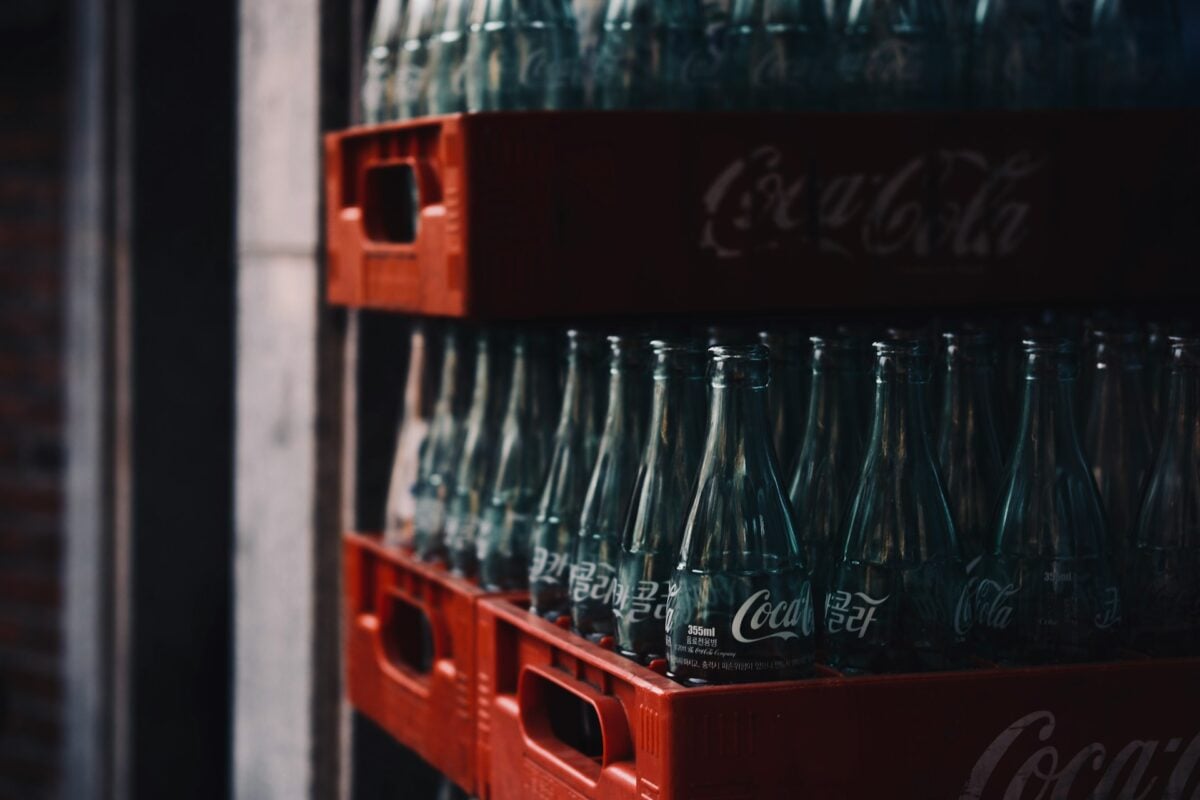
Coca-Cola gathered young people from different countries on a hilltop in Italy to sing about peace and harmony. The 1971 commercial showed a diverse group holding bottles of Coke and sharing a moment of unity.
What made it special was the timing—the world felt divided by war and social unrest, and this ad offered a vision of people coming together. The jingle became so popular that it was turned into a full song that played on radio stations.
Like Go2Tutors’s content? Follow us on MSN.
Mikey likes it
Two brothers tried to get their picky younger sibling to eat a bowl of Life cereal in this 1972 ad. They figured if Mikey would eat it, anyone would, since he supposedly hated everything.
The kid took a bite, liked it, and television history was made. The commercial ran for more than a decade because it captured something real about childhood and family dynamics.
Plop plop, fizz fizz

Alka-Seltzer turned the sound of their tablets dropping into water into one of the catchiest jingles ever created. The 1976 campaign made relief from overindulgence sound almost fun.
Watching those tablets dissolve became strangely satisfying, and the song got stuck in people’s heads for days. The ad didn’t need fancy visuals or complicated stories.
Mean Joe Greene’s Coke

A limping football player accepted a Coke from a young fan and then tossed the kid his jersey in return. This 1979 commercial melted hearts across America.
Mean Joe Greene was known for being tough on the field, but the ad showed a softer side that surprised viewers. The boy’s genuine kindness and Greene’s grateful smile created a perfect moment.
Like Go2Tutors’s content? Follow us on MSN.
Time to make the donuts
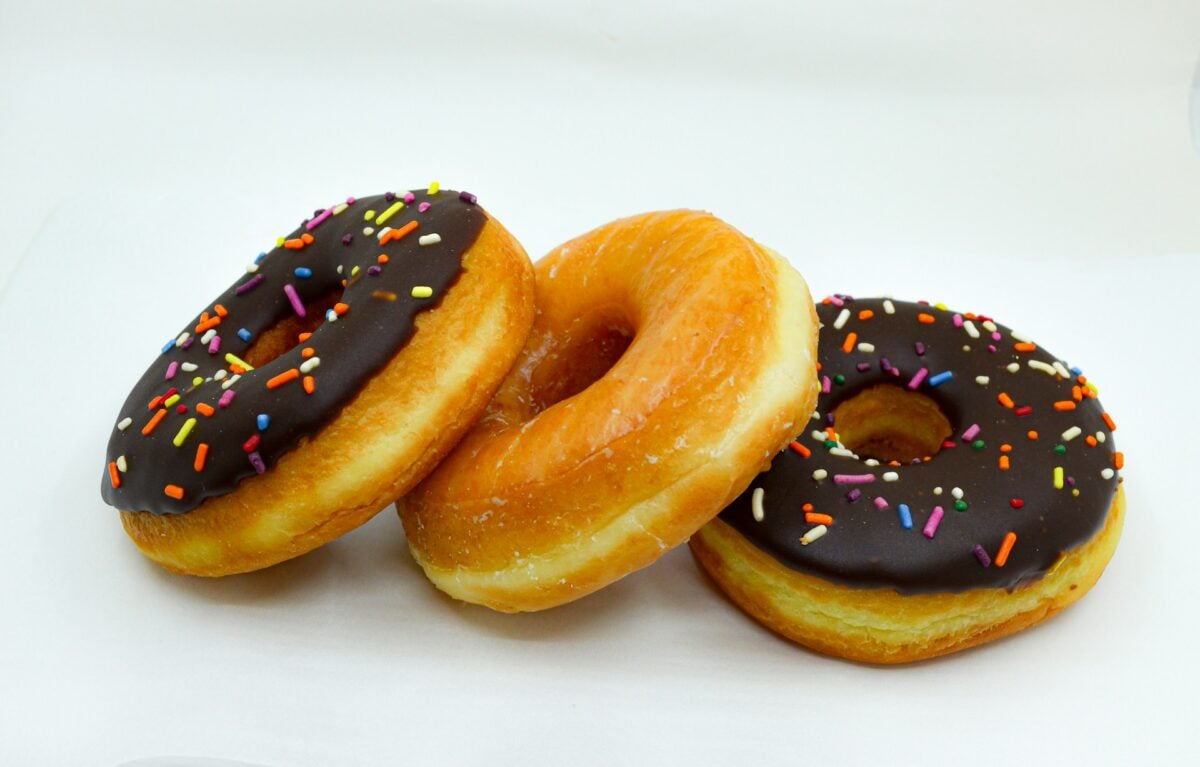
A tired baker dragged himself out of bed before dawn, muttering about making the donuts for Dunkin’ Donuts customers. Fred the Baker appeared in commercials throughout the 1980s and became the face of dedication and hard work.
His exhausted expression and resigned tone were funny but also oddly inspiring. The campaign showed that fresh donuts required someone to sacrifice sleep and comfort.
The Energizer Bunny keeps going

A pink mechanical rabbit drumming its way through various situations became the symbol of long-lasting batteries. Energizer created something brilliant by having their bunny interrupt other fake commercials.
The joke was that the bunny just wouldn’t stop, no matter what was happening around it. This campaign started in 1989 and the character is still recognizable today.
Got milk?

A simple two-word question with a milk mustache became one of the most parodied campaigns ever created. The California Milk Processor Board launched this in 1993, and soon celebrities from all fields were posing with white upper lips.
The ads were clever because they showed what happened when people ran out of milk at the worst possible moment. One featured a history buff who couldn’t answer a radio contest question because his mouth was full of peanut butter and he had no milk.
Like Go2Tutors’s content? Follow us on MSN.
Can you hear me now?
A Verizon spokesman walked around various locations asking if his call was coming through clearly. The Test Man character appeared in hundreds of commercials starting in 2002, always checking his network reliability.
Paul Marcarelli became so associated with the phrase that people would shout it at him on the street. The campaign hammered home one message: Verizon’s network worked everywhere.
The Clapper turns lights on and off

Clapping to control household devices seemed like science fiction brought to ordinary living rooms. The product demonstrations showed people lounging in bed or on couches, clapping twice to control their lights.
The jingle was absurdly catchy: “Clap on, clap off, the Clapper.” What made this 1984 commercial memorable was how it showed a solution to a problem most people didn’t know they had.
Yo quiero Taco Bell
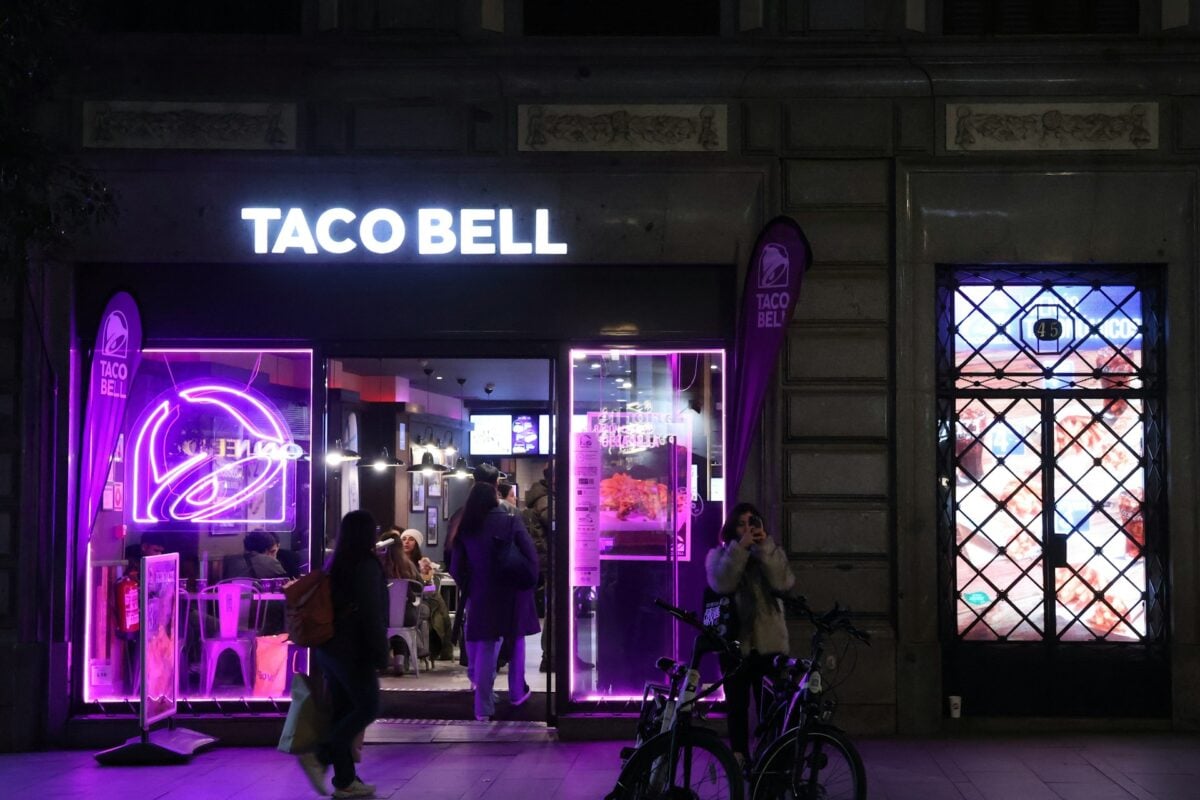
A tiny Chihuahua with a Spanish accent became the unlikely spokesperson for a fast food chain. The dog appeared in commercials starting in 1997, expressing its love for Taco Bell menu items.
The phrase “Yo quiero Taco Bell” (I want Taco Bell) spread like wildfire, especially among young people. The commercials were simple but effective, featuring the small dog in various situations always leading back to tacos.
Like Go2Tutors’s content? Follow us on MSN.
Wassup?

Friends calling each other on the phone and shouting “Wassup?” became Budweiser’s most famous campaign. The 1999 ad showed guys watching sports and checking in with the same exaggerated greeting.
It captured how friends actually talked to each other in a way that felt authentic. The phrase exploded beyond the commercials and became how people answered phones everywhere.
The most interesting man in the world
An older bearded gentleman appeared in Dos Equis commercials with outrageous claims about his accomplishments. He had apparently lived an incredibly adventurous life full of impossible feats.
Each commercial ended with him saying “I don’t always drink beer, but when I do, I prefer Dos Equis.” The campaign started in 2006 and turned this fictional character into a meme-worthy icon.
The Tootsie Pop owl wonders how many licks
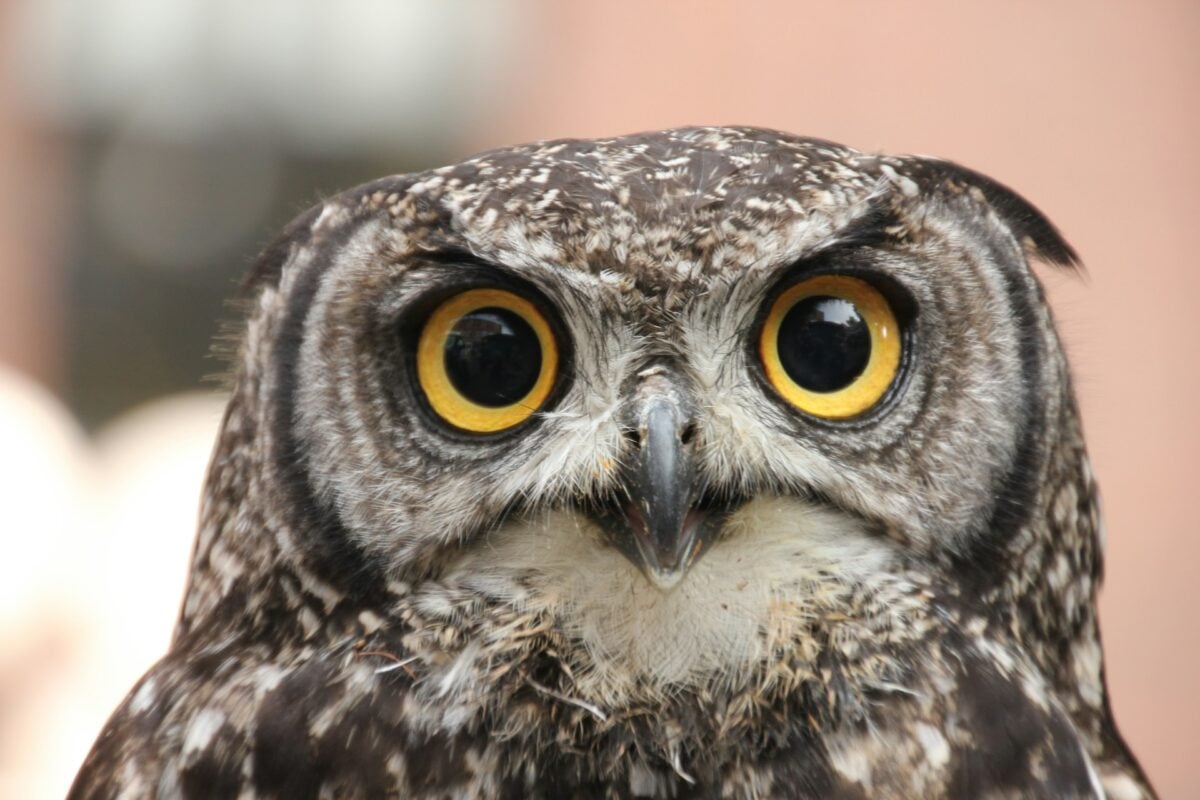
A boy asked various animals how many licks it took to reach the center of a Tootsie Pop. Mr. Owl, the wise third animal he consulted, decided to find out.
He licked three times, then bit into the candy, declaring “three” as his answer. This 1970 commercial posed a question that kids would debate and test for generations.
Like Go2Tutors’s content? Follow us on MSN.
Leggo my Eggo

Two people fought over toaster waffles in these Kellogg’s commercials from the 1970s and beyond. The phrase “Leggo my Eggo” became what people said when defending their food from others.
The ads showed siblings, roommates, and family members all trying to claim the last waffle. The campaign made frozen waffles seem worth protecting and desirable rather than just convenient.
We bring good things to life

General Electric’s slogan appeared in countless commercials showing technological advances and everyday improvements. The campaign ran from 1979 to 2003, making it one of the longest-running taglines in advertising.
GE connected their brand to progress, innovation, and making life better for everyone. The commercials showed everything from light bulbs to jet engines, demonstrating the company’s range.
From posters to streaming: how these ads shaped what we remember

Those classic commercials created a shared language that stretched across generations. People who grew up in different decades can still quote the same slogans and remember the same characters.
These ads worked because they didn’t just interrupt entertainment—they became part of it. The best ones told tiny stories that resonated with real experiences, whether that was defending breakfast food or wondering about candy centers.
More from Go2Tutors!

- 16 Historical Figures Who Were Nothing Like You Think
- 12 Things Sold in the 80s That Are Now Illegal
- 15 VHS Tapes That Could Be Worth Thousands
- 17 Historical “What Ifs” That Would Have Changed Everything
- 18 TV Shows That Vanished Without a Finale
Like Go2Tutors’s content? Follow us on MSN.