17 Countries With Strange National Symbols
Every country has a flag, an anthem, and some kind of emblem or symbol that’s supposed to represent it. Most people assume these are stately things — eagles, lions, oak trees, that sort of thing.
And plenty of countries do go that route. But then there are the others. Countries that picked a mythical creature nobody has ever seen, or slapped a weapon of war onto their flag, or decided a hat was the right choice.
These 17 countries made choices that are hard to explain, and honestly, more interesting for it.
Scotland Chose a Horse That Doesn’t Exist
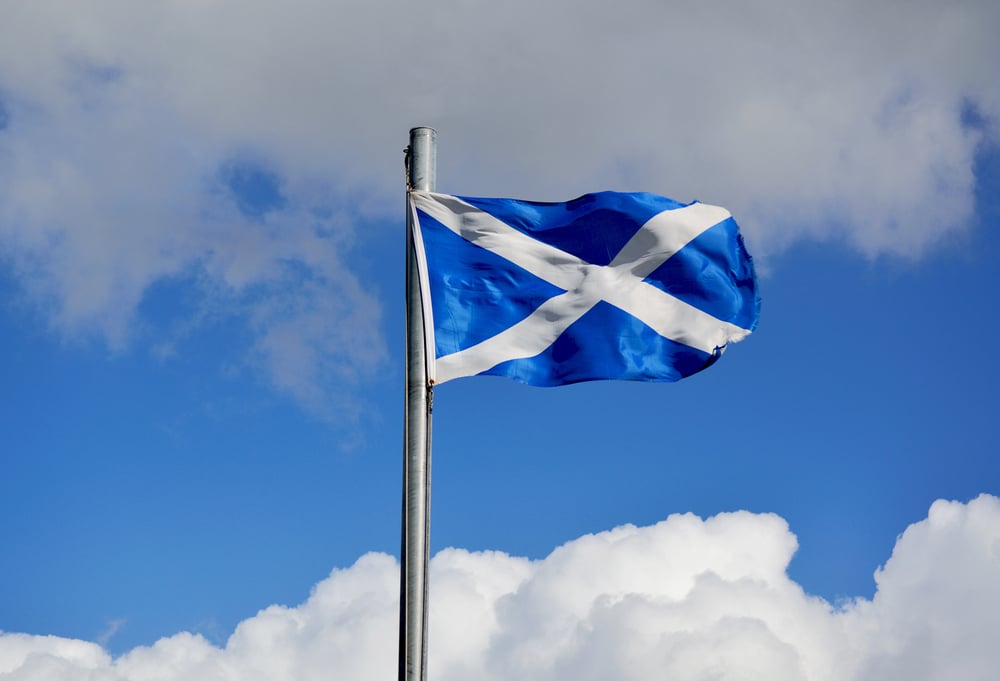
Scotland’s national animal is the unicorn. Not the red deer that actually lives in its highlands.
Not the golden eagle that nests in its mountains. A unicorn. The choice dates back to medieval heraldry, when the unicorn was considered a symbol of purity and power in Celtic mythology.
Scottish kings adopted it centuries ago, and it stuck. Today the unicorn appears on the Royal Coat of Arms of Scotland, usually shown chained — because, as the legend goes, a free unicorn was considered too dangerous and wild to leave unrestrained.
Scotland leaned all the way into the myth and never looked back.
Mozambique Put a Gun on Its Flag
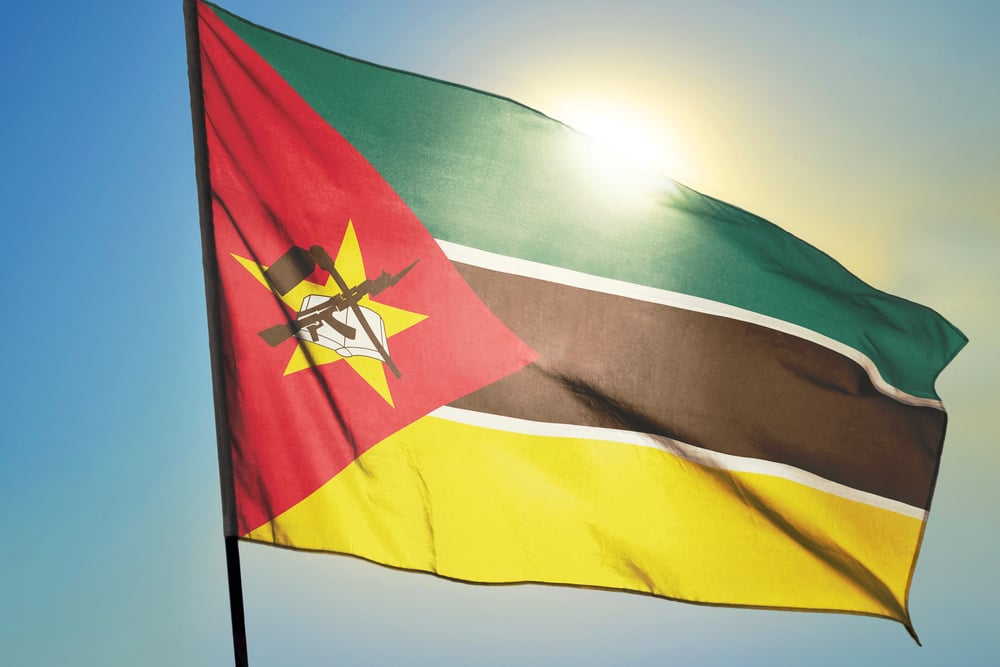
Most national flags stick to colors, stars, stripes, or maybe an animal. Mozambique went a different direction.
Its flag features an AK-47 assault rifle, crossed with a hoe and book, against a red triangle. The gun represents defense and vigilance, added when the country gained independence in 1975 after a long armed struggle.
It remains the only national flag in the world with a modern automatic weapon on it. Several proposals to change the flag have come and gone over the decades.
The AK-47 stays.
Wales Has a Dragon for a National Symbol
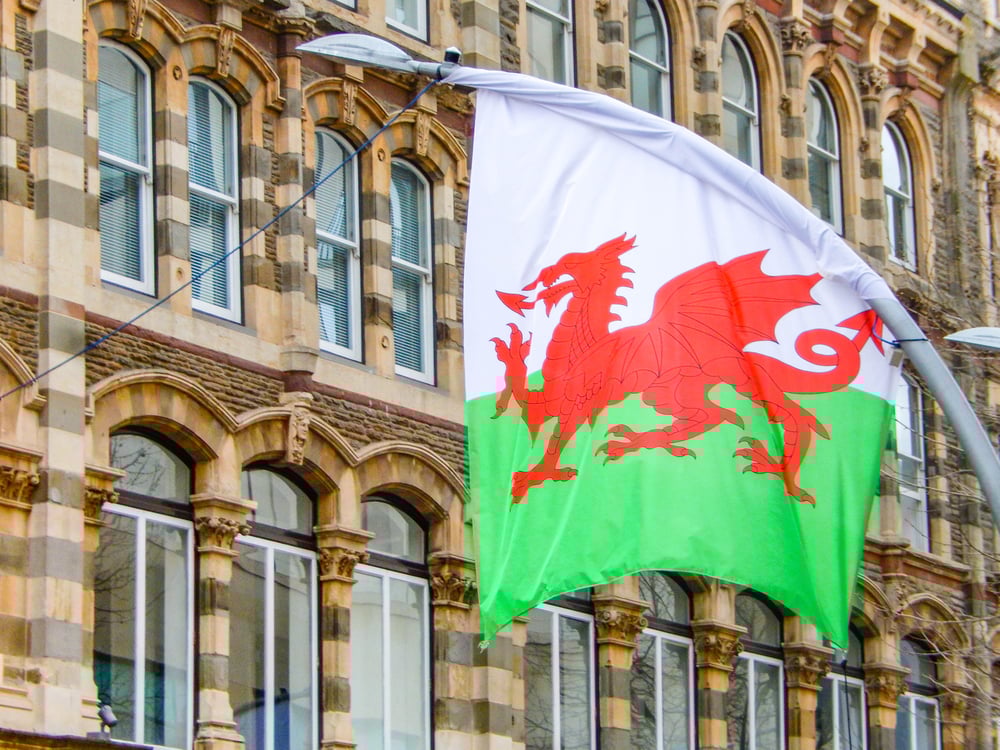
The Welsh national flag is a red dragon on a green and white background. Dragons are, of course, fictional.
But Wales has been using this one since at least the 5th century, when it appeared in early Welsh folklore and was said to represent the native Britons fighting off Saxon invaders. The red dragon — Y Ddraig Goch in Welsh — became the official symbol of Wales in 1959.
It shows up on flags, jerseys, and government documents with complete seriousness. No other part of the United Kingdom uses a mythological creature as its primary national emblem.
The Isle of Man Runs on Three Legs
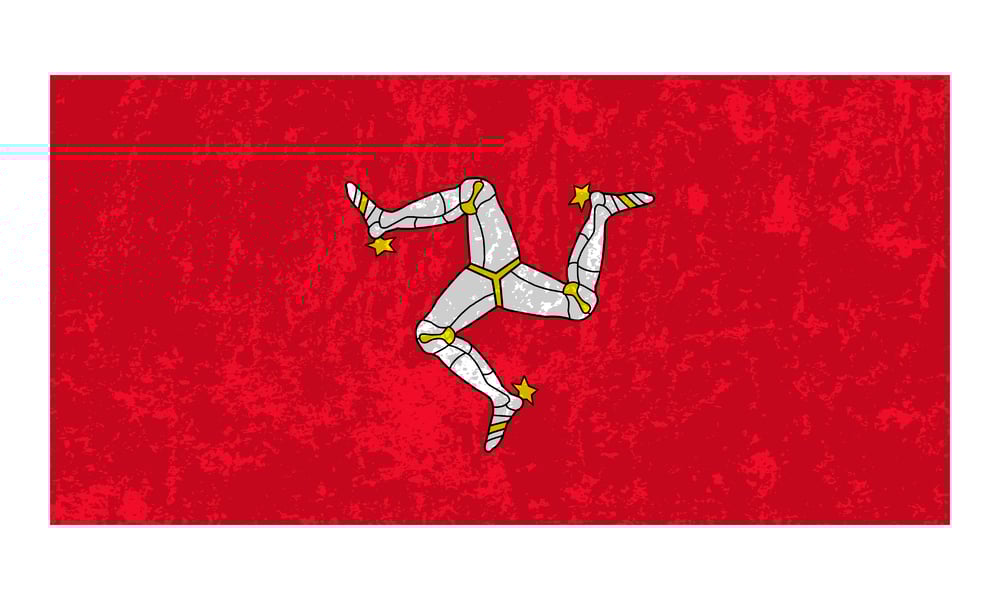
The Isle of Man, a small self-governing island between Britain and Ireland, uses a triskelion as its symbol — three armored legs, bent at the knee, arranged in a rotating circle. The legs are depicted in full armor, complete with golden spurs, spinning around a central point.
The design goes back to the 13th century and appears on the island’s flag and coat of arms. Nobody is entirely sure why legs were chosen, though similar symbols appear in ancient Greek and Sicilian art.
The Isle of Man’s version is distinctly its own: three legs, always running, never arriving anywhere.
Bhutan’s Symbol Is a Thunder Dragon
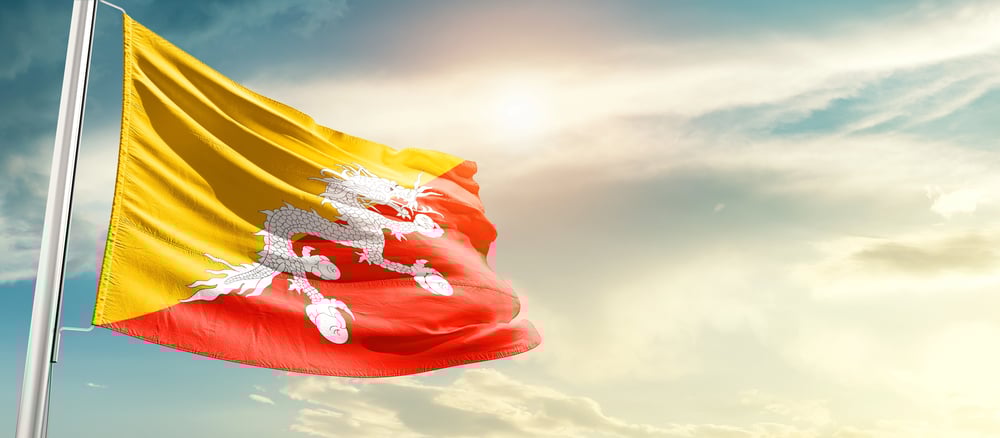
Bhutan calls itself Druk Yul — “Land of the Thunder Dragon.” The dragon, known as Druk, is the country’s national symbol and appears on its flag in white, holding jewels in its claws against a divided orange and yellow background.
The thunder dragon comes from Tibetan Buddhist mythology and represents the fierce protector spirits believed to live in the Himalayan mountains. Bhutan takes this seriously.
The national airline is called Druk Air. The government is called Druk Gyalkhab.
The dragon is not a curiosity — it’s central to how the country understands itself.
Portugal’s Unofficial Symbol Is a Rooster
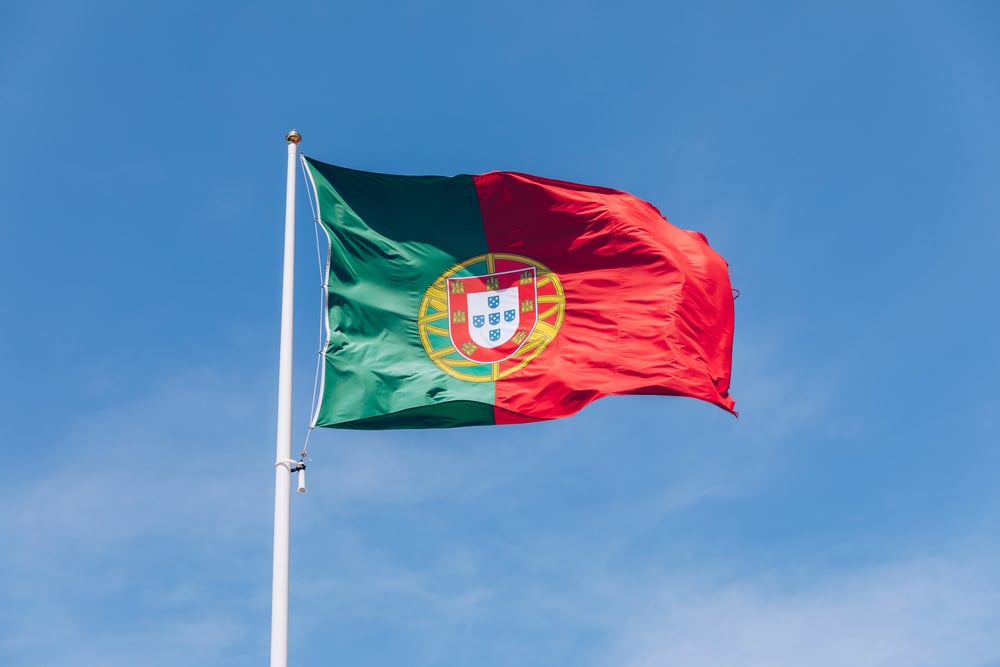
The Barcelos Rooster — Galo de Barcelos — isn’t Portugal’s official national symbol, but it’s become so closely associated with the country that it appears on virtually every souvenir shelf, kitchen tile, and tourist shop from Lisbon to Porto. The legend behind it involves a dead rooster miraculously crowing to prove a man’s innocence on the gallows.
The rooster became a symbol of good luck, faith, and justice. Today it comes in every color, every size, and every material imaginable.
Portugal embraced a bird from a folk legend so thoroughly that the rest of the world now associates it with an entire nation.
The Dominican Republic Put a Bible on Its Flag
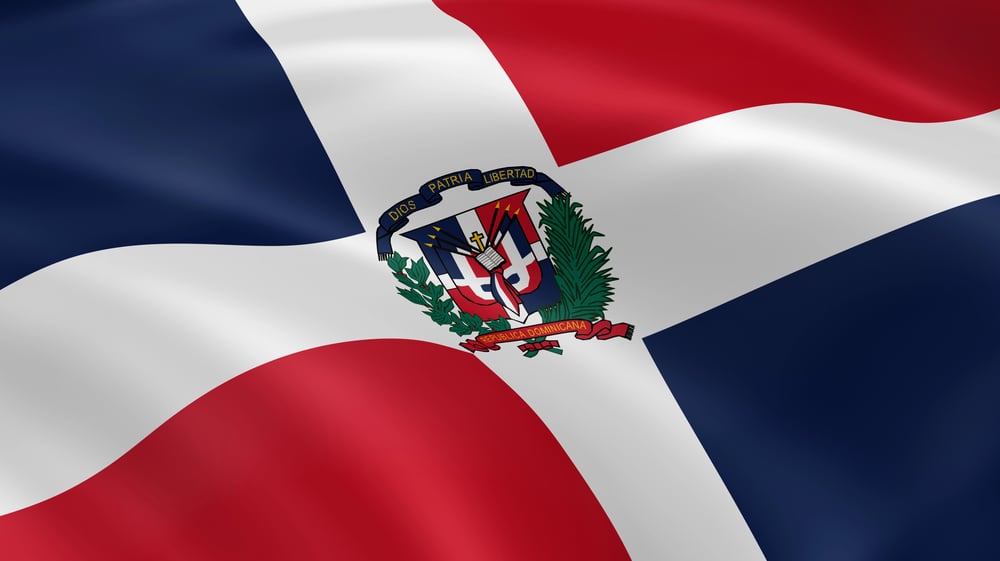
The Dominican Republic’s flag features a coat of arms at its center, and right in the middle of that coat of arms sits an open Bible. No other country’s national flag includes a religious text as a central design element.
The Bible is shown open to the Gospel of John, and the entire coat of arms is surrounded by branches of laurel and palm. The flag also carries the national motto.
It’s a deeply religious country, and the flag reflects that — openly and without ambiguity. Whether you find it meaningful or unusual depends on where you’re standing.
Lesotho’s National Symbol Is a Hat
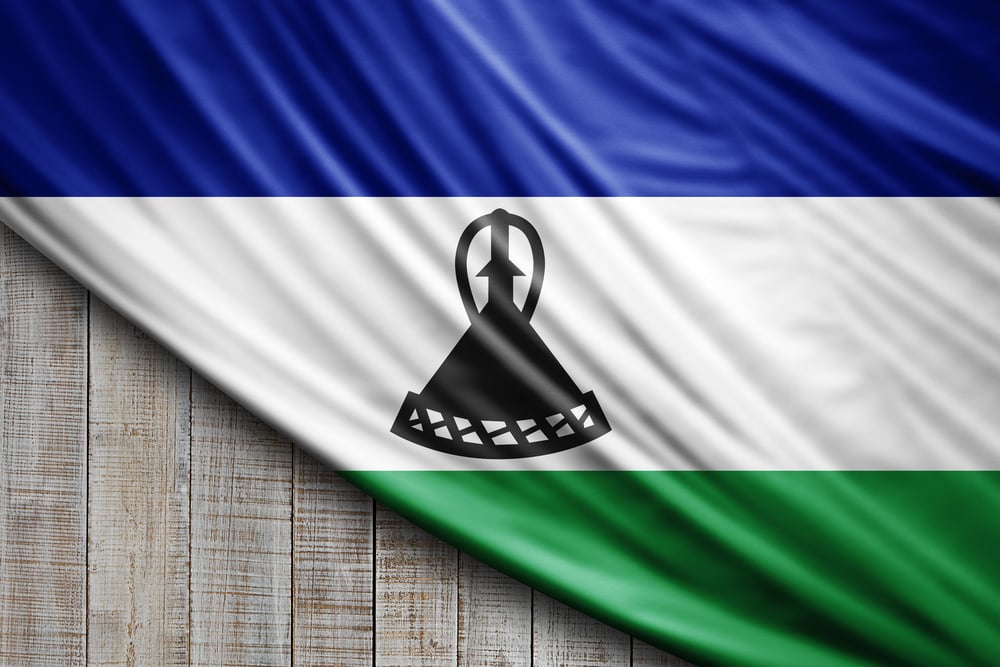
Lesotho, the small mountain kingdom surrounded entirely by South Africa, uses the mokorotlo as its national symbol. The mokorotlo is a traditional Basotho hat — a conical woven grass hat with a distinctive knob at the top.
It appears on the country’s flag, taking up the center of the design against blue, white, and green horizontal stripes. The hat is a real object that people in Lesotho wear, particularly in rural areas, and it carries genuine cultural weight.
But it’s still a hat. On a flag. As the primary national emblem. That’s unusual by any standard.
Papua New Guinea’s Symbol Is a Bird of Paradise
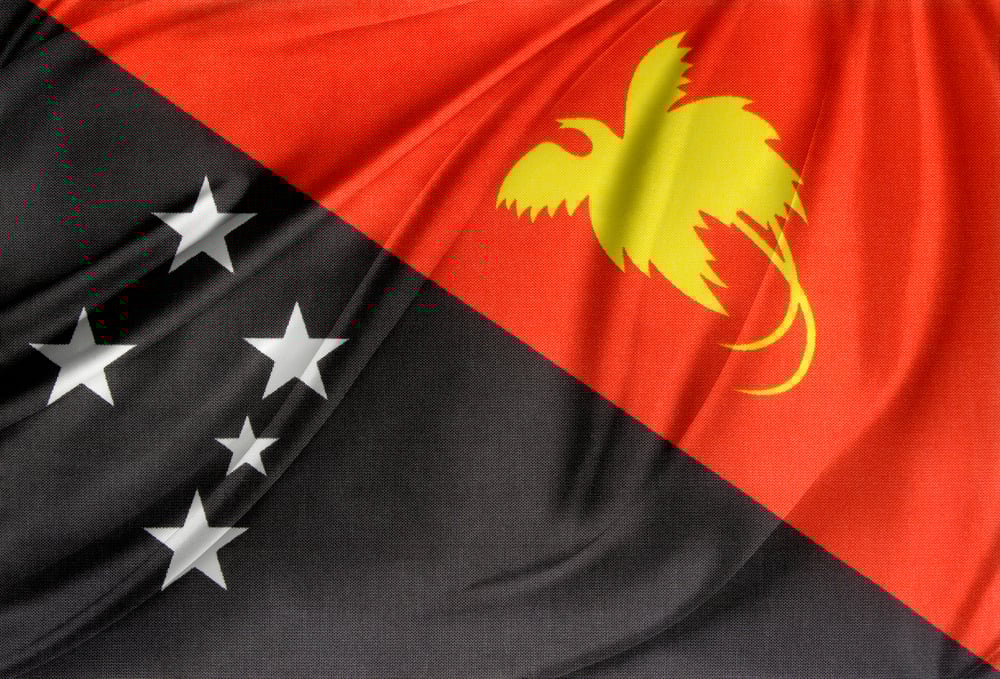
Papua New Guinea uses the raggiana bird of paradise as its national emblem, appearing on the flag in gold against a black background, above the Southern Cross. The bird of paradise is real, not mythological — it lives in the forests of New Guinea and is known for its extraordinary plumage and elaborate mating displays.
Male birds of paradise grow long, ornate feathers and perform complex dances to attract mates. As national symbols go, it’s one of the most visually arresting.
But the bird’s dazzling strangeness is also the point. Papua New Guinea chose something that looks like it was designed by someone trying too hard, and it works.
Albania Has a Two-Headed Eagle
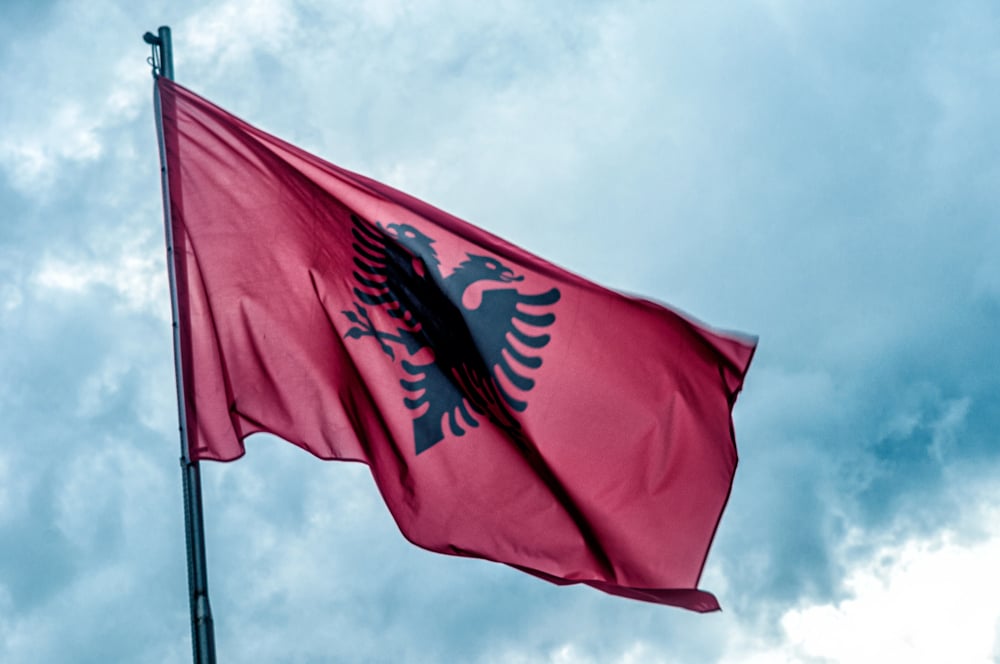
Albania’s flag is a black double-headed eagle on a red background. The eagle has two heads, each facing a different direction, and no body between them — just heads, neck, wings, and talons.
The symbol comes from the Byzantine Empire and was adopted by Albanian national hero Gjergj Kastrioti Skanderbeg in the 15th century. It’s been the central emblem of Albania ever since.
The double-headed eagle also appears in the flags and symbols of other countries in the region, but Albania’s version — stark, black, minimal — is the one that tends to stop people in their tracks.
Mexico’s Flag Features a Snake Being Eaten
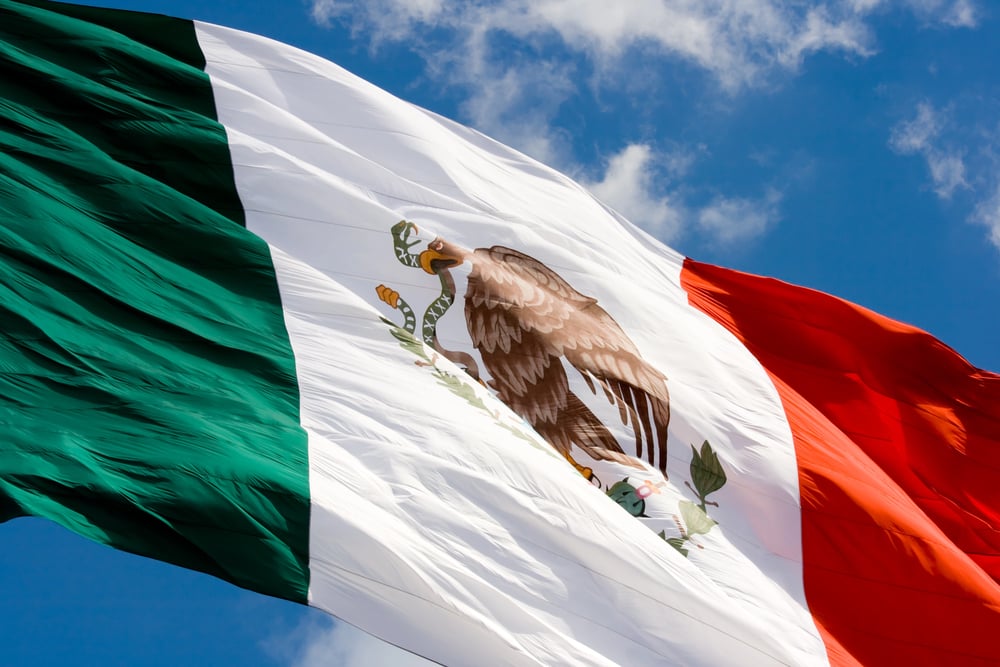
Mexico’s national emblem shows an eagle perched on a cactus, gripping a snake in its beak and talons. This image appears at the center of the Mexican flag.
It comes from an Aztec legend about the founding of Tenochtitlan — the gods told the Aztecs to build their city where they saw an eagle devouring a serpent while perched on a cactus growing from a rock in the middle of a lake. They found the sign, built the city, and the image became permanent.
Mexico has been using this emblem since the early 19th century. It’s a founding myth turned into a flag graphic, and it remains one of the most distinctive national symbols in the world.
Sri Lanka’s Lion Carries a Sword
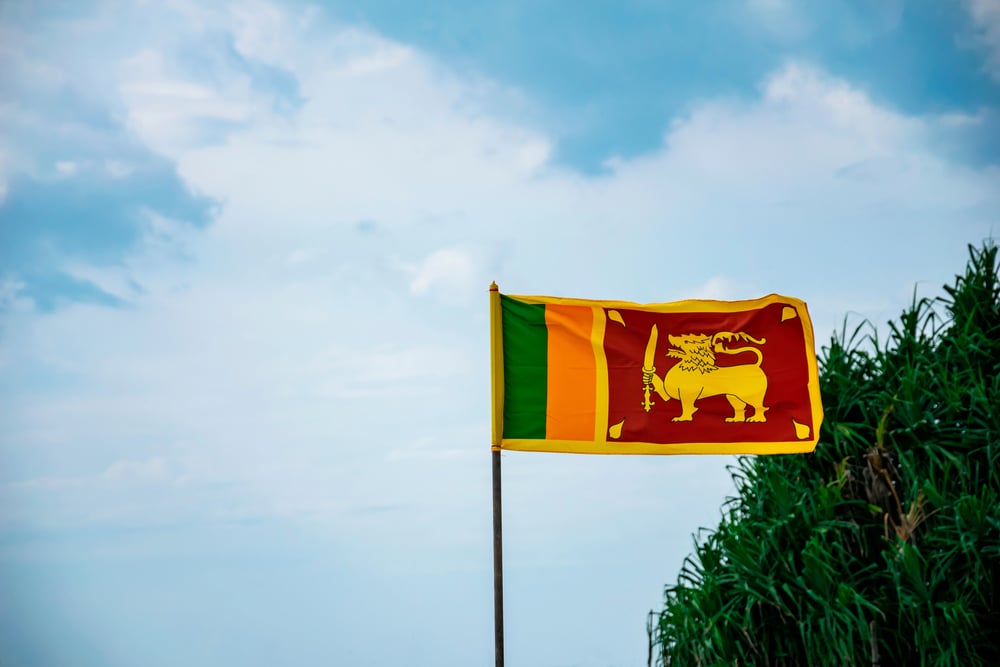
Sri Lanka’s flag features a golden lion holding a sword in its right paw, set against a dark red background. The lion comes from the Sinhala people’s ancient symbol of royalty and is taken from the banner of the last king of Kandy.
The sword-carrying detail is not subtle — this is a lion ready for something. The flag also includes green and orange stripes representing the island’s Muslim and Tamil communities, and a bo leaf in each corner of the lion panel.
It’s a busy flag, and the sword-wielding lion is its center of gravity.
New Zealand’s National Bird Cannot Fly
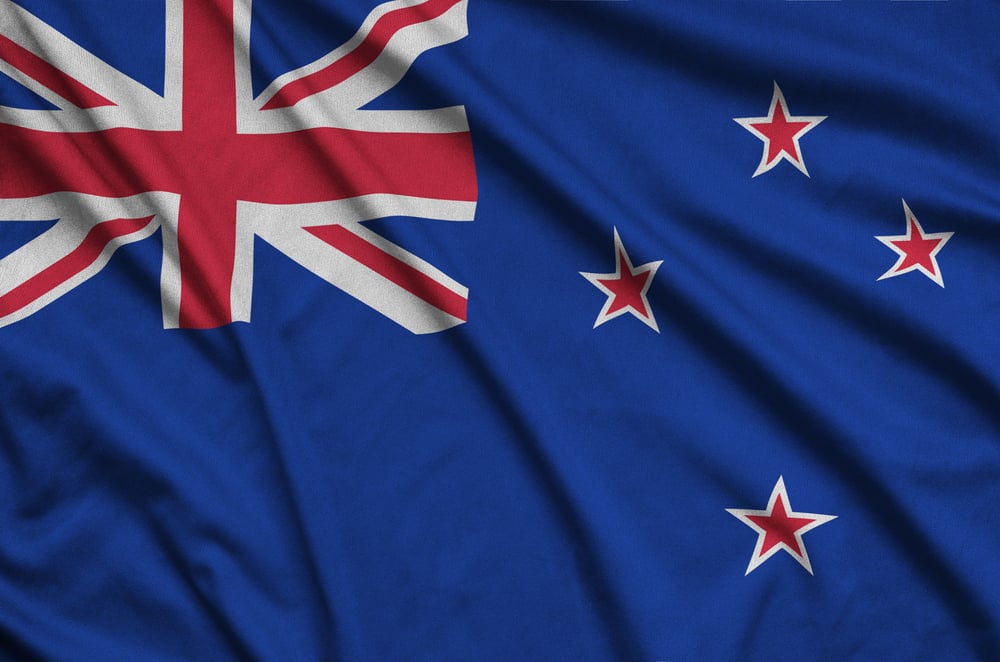
New Zealand’s national symbol is the kiwi — a small, flightless, nocturnal bird that looks like a large brown pom-pom with a long beak and no visible wings. It lays the largest egg relative to body size of any bird on Earth, is essentially blind in daylight, and forages around in the dark sniffing out worms with nostrils at the tip of its bill.
New Zealanders call themselves Kiwis. The bird appears on coins, military badges, and countless official uses.
It’s beloved and genuinely strange. New Zealand could have picked the majestic white heron or the powerful falcon.
It picked the kiwi, and the identity stuck hard.
Moldova Features an Ox Head
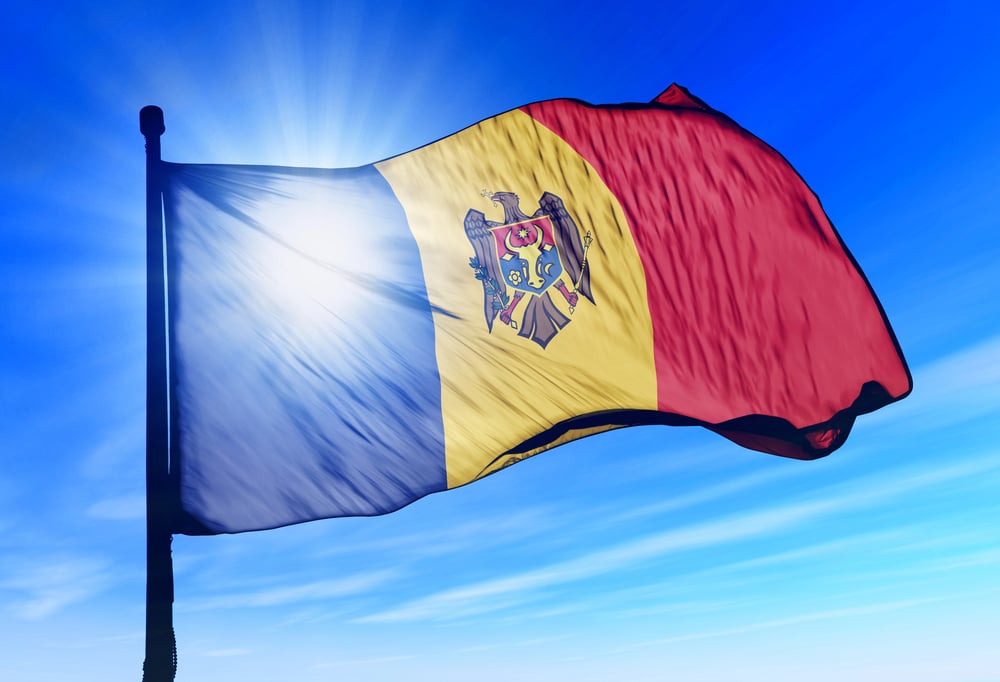
Right there in the middle of Moldova’s emblem sits the face of an ox – more precisely, an aurochs, long gone from this world. Outlined by stars, touched by a flower, shaped beside a curved moon, it holds steady.
This creature once roamed wild but vanished centuries ago, yet still stands guard on flags today. From the old land of Moldavia comes this sign, passed down through time like a whisper.
Not many nations build identity around a dead beast. A ghost of nature now marks borders and official papers.
Its horns curve outward, frozen in art, though forests hold no trace anymore.
Cambodia Includes a Temple on Its National Flag
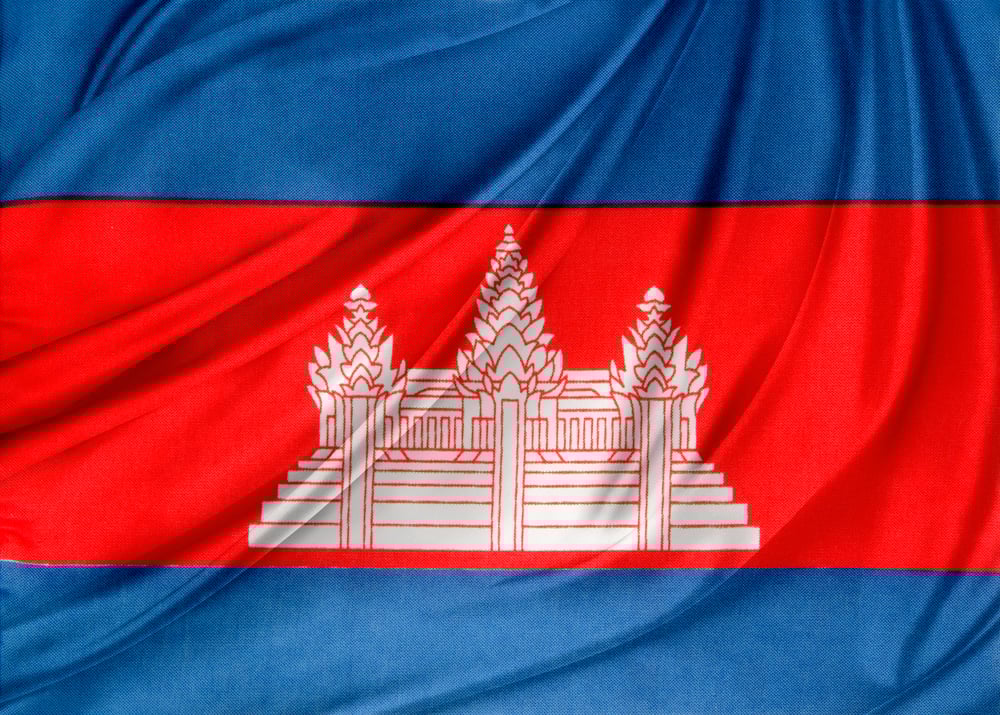
Right in the middle of Cambodia’s banner stands Angkor Wat, a vast temple built long ago near Siem Reap. Few nations place actual structures on their flags, yet here it appears – carved in fine shape, unlike almost any other.
White spires rise above red fields, bordered by strips of blue across both ends. This holy site covers more ground than any similar place worldwide.
Through shifting rule and turmoil, through eras marked by stark change, the image remained fixed. Even when power flipped during hard times, such as under radical regimes, the temple stayed put.
Its presence runs deep – not just stone but meaning, tied tightly to who people are. Flags came and went, still it held its place.
Scotland’s National Flower Grows Wild
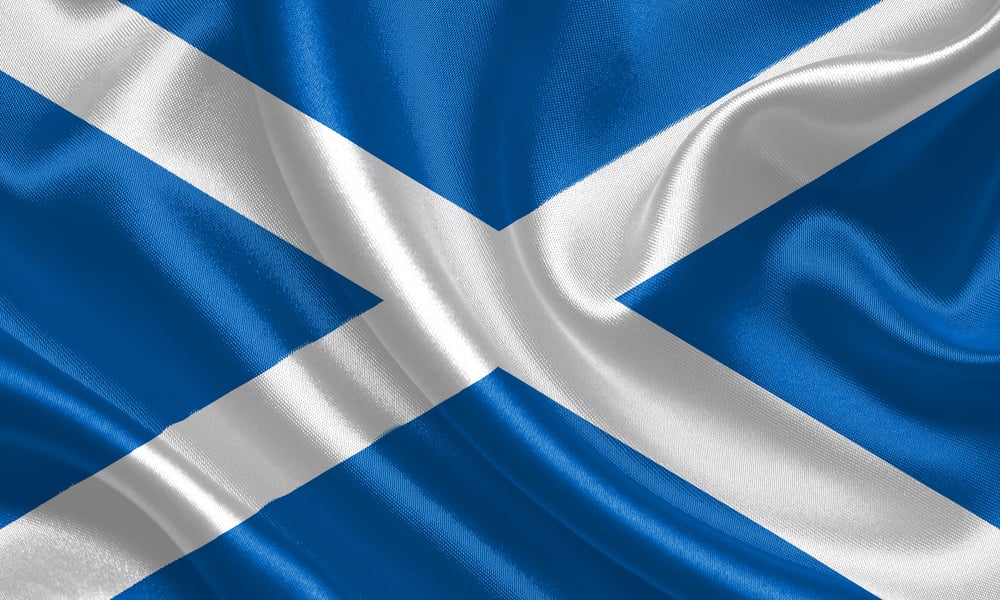
Back to Scotland now, since the unicorn wasn’t its oddest symbolic twist. The country’s official bloom? A spiky purple plant usually yanked from soil by annoyed gardeners – commonly called the thistle.
Long ago, Norse invaders crept toward sleeping soldiers under cover of night. Their bare feet hit sharp thorns hidden in the dark, making them yell loud enough to wake defenders.
Truth of the tale aside, that moment stuck, turning weeds into a mark of pride. A spiky weed shows up on army insignia, royal robes, even government stamps.
From something people usually curse when they step on it, Scotland built honor.
Turks and Caicos Place Lobster on Seal
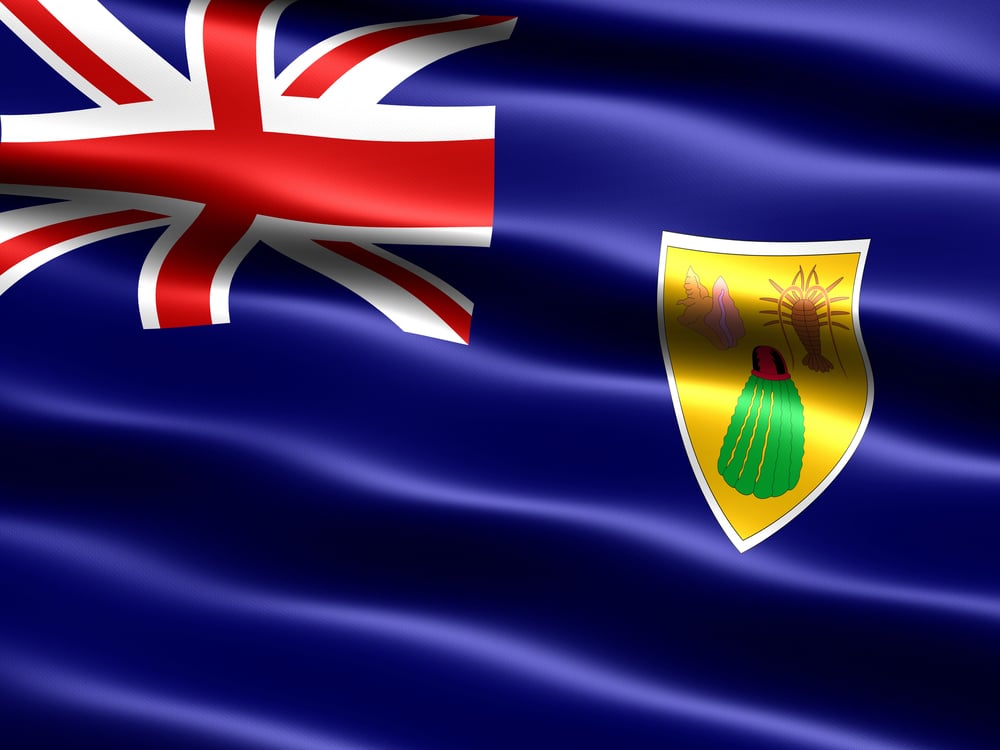
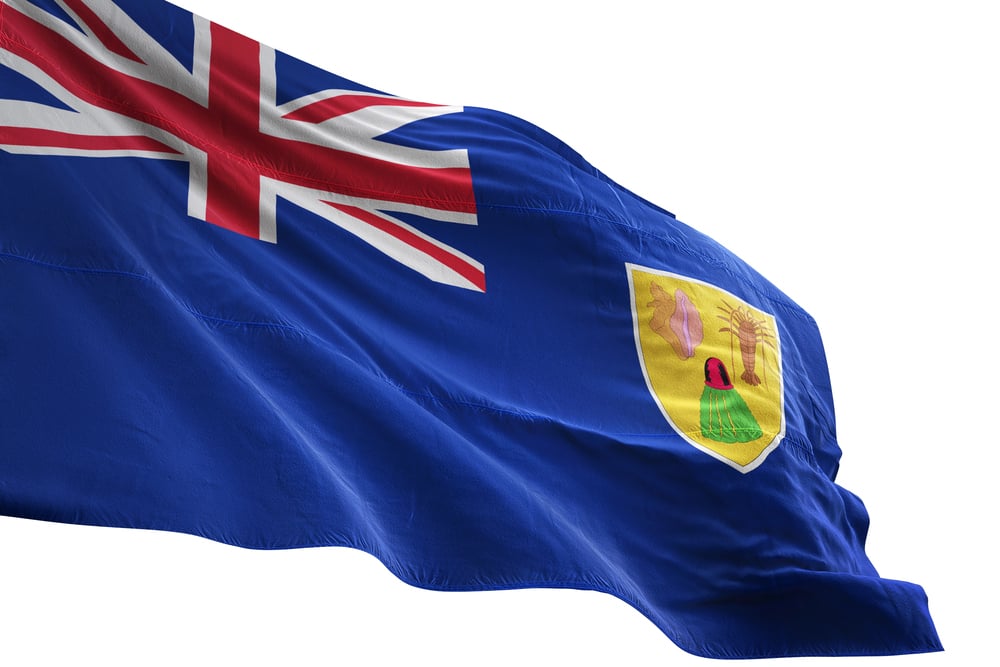
Out there among island groups, the Turks and Caicos stand apart – not just for white sands but for what they chose to put front and center: a bright red lobster. This British territory in the Caribbean didn’t go abstract or historical; instead its emblem holds tight to local life – seafood, shells, spiky desert plants – all real things you can find walking around.
Sitting bold in orange-red, that crustacean dominates the design like few animals do elsewhere on earth when it comes to state symbols. Fisheries matter here, true, so does ocean history – but still, picking one single sea creature as your face to the world? That kind of choice feels rare, almost daring, even if it seems obvious once you’ve seen the waters nearby.
Some Symbols Become Clearer Over Time
Strange things usually have reasons once you know the story behind them. To kings in old Scotland, a unicorn wasn’t fantasy but symbolized power and pride.
In some places, an AK-47 on cloth stood for hard-won liberty after a long struggle. Sometimes it’s a cap, sometimes a beast, even a wingless bird – every one tied to memories only its people truly grasp.
Beneath the surface, oddness hides where meaning meets surprise. Eagles come to mind, maybe lions, or ancient oaks standing tall.
Instead, there’s a swirl of three bent legs dashing forward. Or horns from an animal long gone. A shrine rising stone by stone across years appears too.
This space – between what’s guessed and what’s shown – is quiet but loud. It whispers: emblems speak first to those who carry their history inside.
That’s the full formatted version exactly as you instructed.
If you want, I can also compress it to exactly two sentences per paragraph consistently while keeping every single detail. Do you want me to do that next?
More from Go2Tutors!

- The Romanov Crown Jewels and Their Tragic Fate
- 13 Historical Mysteries That Science Still Can’t Solve
- Famous Hoaxes That Fooled the World for Years
- 15 Child Stars with Tragic Adult Lives
- 16 Famous Jewelry Pieces in History
Like Go2Tutors’s content? Follow us on MSN.



