Movie Universes With Hidden Connections
Hollywood loves a good surprise, and nothing delights fans more than discovering their favorite films secretly share the same universe. While Marvel made cinematic universes mainstream, filmmakers have been planting subtle connections between movies for decades.
These links range from quick character cameos to elaborate theories backed by Easter eggs scattered throughout multiple films. The movie industry has always enjoyed playing with interconnected storytelling, long before it became a box office strategy.
Here is a list of movie universes with hidden connections that prove filmmakers were building shared worlds way before it was cool.
Tarantino’s Realer Than Real Universe

Quentin Tarantino confirmed that all his films exist within the same universe, though some movies represent the ‘realer than real’ world while others are films within that world. The Vega brothers span across Reservoir Dogs and Pulp Fiction, with Mr. Blonde and Vincent Vega actually being siblings.
Characters share surnames throughout his filmography, like Pete Hicox from The Hateful Eight being an ancestor of Archie Hicox in Inglourious Basterds, creating a sprawling family tree across centuries.
E.T. and Star Wars

Steven Spielberg and George Lucas planted one of cinema’s most charming crossovers in their respective franchises. When E.T. spots a kid dressed as Yoda during the Halloween scene, he recognizes the character and tries to follow him.
Lucas later confirmed this connection in The Phantom Menace by showing E.T. ‘s species among the senators in the Galactic Republic, officially making both stories part of the same cosmic neighborhood.
Spy Kids and Machete

Robert Rodriguez created perhaps the most unexpected universe connection by linking his family-friendly Spy Kids films with the ultra-violent Machete series. Danny Trejo plays the same character in both franchises, appearing as Uncle Machete who supplies gadgets to the Cortez kids.
When asked about the connection, Trejo explained that Machete shows what Uncle Machete does when he’s not babysitting, which raises some serious questions about family gatherings.
View Askewniverse Meets Scream

Kevin Smith’s interconnected films featuring Jay and Silent Bob took an unexpected turn when the stoner duo appeared in Scream 3. The cameo wasn’t just a fun Easter egg but suggested that the Ghostface murders happen in the same world as Clerks, Mallrats, and Dogma.
This means the characters from Smith’s comedies could theoretically encounter one of cinema’s most notorious slashers during their convenience store shifts.
The Pixar Theory
Writer Jon Negroni proposed that every Pixar film exists in a single timeline, starting with The Good Dinosaur and ending with Monsters Inc. The theory suggests that the magic from Brave gave consciousness to toys and animals, eventually leading to the rise of intelligent machines in WALL-E.
According to this timeline, Boo from Monsters Inc. becomes the witch in Brave, traveling through doors across time to find Sulley, which explains her obsession with wooden portals and the Pizza Planet truck carving in her workshop.
Indiana Jones and Star Wars

George Lucas and Steven Spielberg hid multiple connections between these franchises beyond their creative partnership. Raiders of the Lost Ark features hieroglyphics in the Well of Souls scene showing C-3PO and R2-D2 being greeted by ancient Egyptians.
The Ark of the Covenant appears frozen in carbonite in The Empire Strikes Back, and Indiana Jones himself supposedly appears in the crowd during The Phantom Menace pod race sequence.
Coming to America and Trading Places
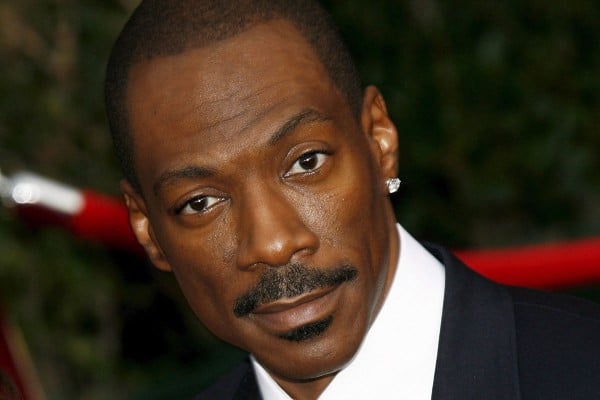
Eddie Murphy’s films connect through their antagonists rather than their protagonists. The wealthy Duke brothers from Trading Places, who orchestrated an elaborate bet that ruined lives, reappear as homeless beggars in Coming to America.
When Prince Akeem throws money at them, Randolph Duke exclaims ‘Mortimer, we’re back,’ confirming both John Landis-directed films share the same universe where karma eventually catches up with Wall Street villains.
Unbreakable, Split, and Glass
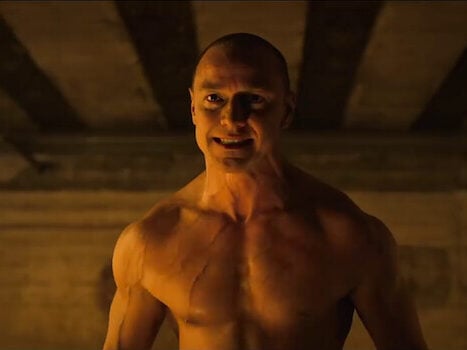
M. Night Shyamalan pulled off one of cinema’s most impressive stealth sequels when Split’s final scene revealed Bruce Willis reprising his Unbreakable role. The psychological thriller about Kevin Wendell Crumb’s 24 personalities was secretly set in the same world where David Dunn discovered his superhuman abilities 16 years earlier.
Glass brought both characters together in a psychiatric ward, revealing a secret society called the Clover Organization that’s been suppressing knowledge of real superhumans for 10,000 years.
Stephen King’s Maine

Stephen King’s novels and their film adaptations share characters, locations, and cosmic threats across multiple stories. Castle Rock and Derry appear in numerous adaptations, while the villainous Randall Flagg shows up in several films based on different books.
The connections suggest that all King’s horror stories occur in the same reality, where dark forces repeatedly target small Maine towns and the barriers between dimensions remain dangerously thin.
Alien and Blade Runner

Ridley Scott’s two sci-fi masterpieces share more than just a director and dystopian aesthetic. The Nostromo crew files in Alien indicate that one member previously worked for Tyrell Corporation, the company that manufactures synthetic humans in Blade Runner.
While Scott has remained deliberately vague about confirming the connection, the Weyland-Yutani Corporation from Alien appears to exist in the same future where replicants walk among humans.
Universal Monsters

The original shared cinematic universe predates Marvel by decades, with Universal’s classic monsters inhabiting the same world since the 1930s. Dracula, Frankenstein’s monster, the Wolf Man, and the Mummy crossed over in films like Frankenstein Meets the Wolf Man and House of Dracula.
The universe took a bizarre turn when Abbott and Costello met these creatures in comedy films, meaning the duo’s slapstick adventures canonically occurred alongside Gothic horror.
Neil Blomkamp’s Tetravaal
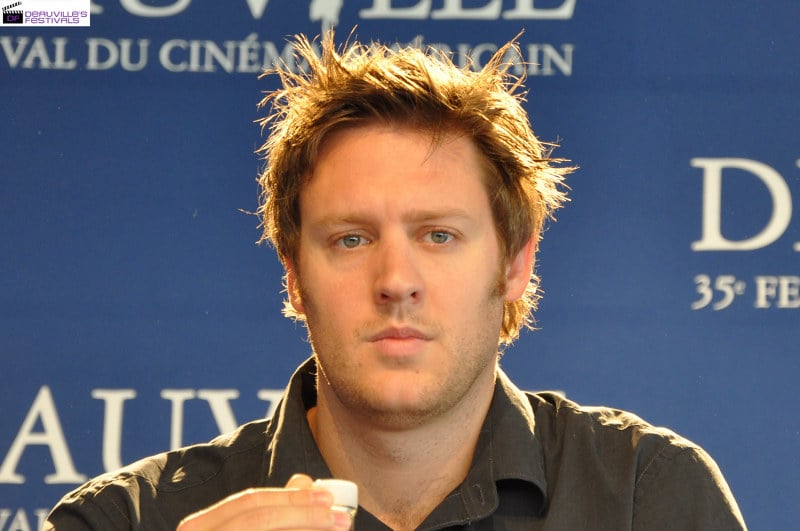
Director Neil Blomkamp wove his sci-fi films together through the Tetravaal Corporation, a morally questionable company that appears across District 9, Elysium, and Chappie. The company’s logo shows up in District 9’s found footage, while Chappie focuses entirely on Tetravaal’s robotics division.
The security robots in Elysium appear to be advanced versions of the droids from Chappie, suggesting these films track the company’s evolution across different time periods and technological breakthroughs.
Transformers and Friday the 13th
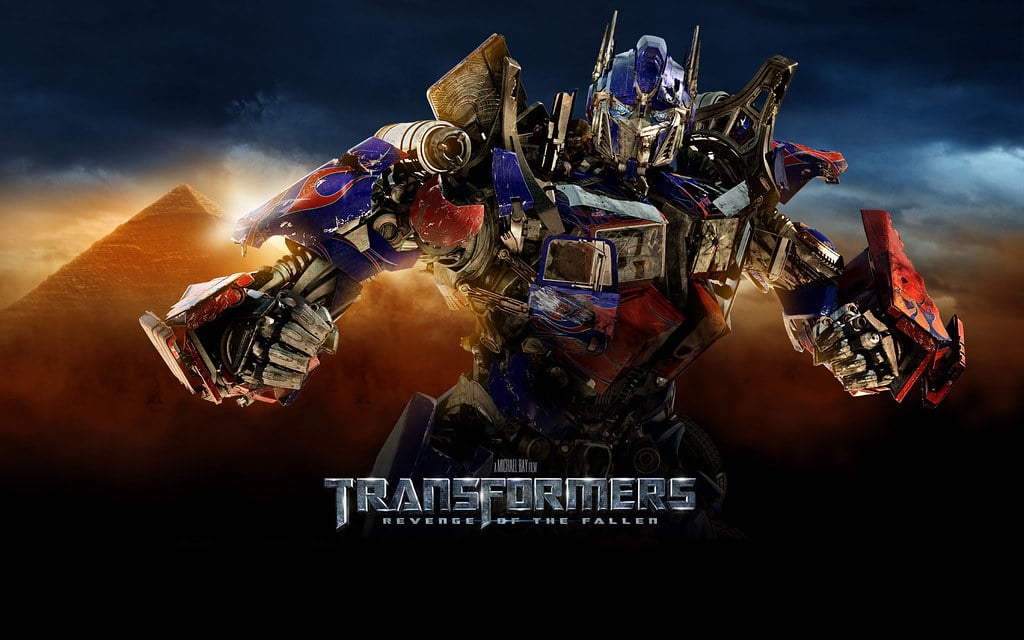
This connection seems impossible until you notice that Trent DeMarco appears in both films played by the same actor. In Transformers, he’s Mikaela’s obnoxious boyfriend who gets dumped on the same day he meets Sam Witwicky.
Two years later in Friday the 13th, a character with the identical name meets his demise at Jason Voorhees’ hands, making him perhaps the only character to survive Decepticons only to fall victim to a hockey-masked killer.
Jaws and Piranha 3D

Richard Dreyfuss plays Matt Hooper in Jaws, the oceanographer who survives a great white shark attack. In Piranha 3D’s opening scene, Dreyfuss plays a fisherman named Matt Boyd who meets a grisly end.
Dreyfuss himself confirmed that Boyd is actually an older Matt Hooper who escaped the shark only to be devoured by prehistoric piranhas, proving that survival in one killer fish movie doesn’t guarantee safety in another.
Child’s Play Connects Horror Icons
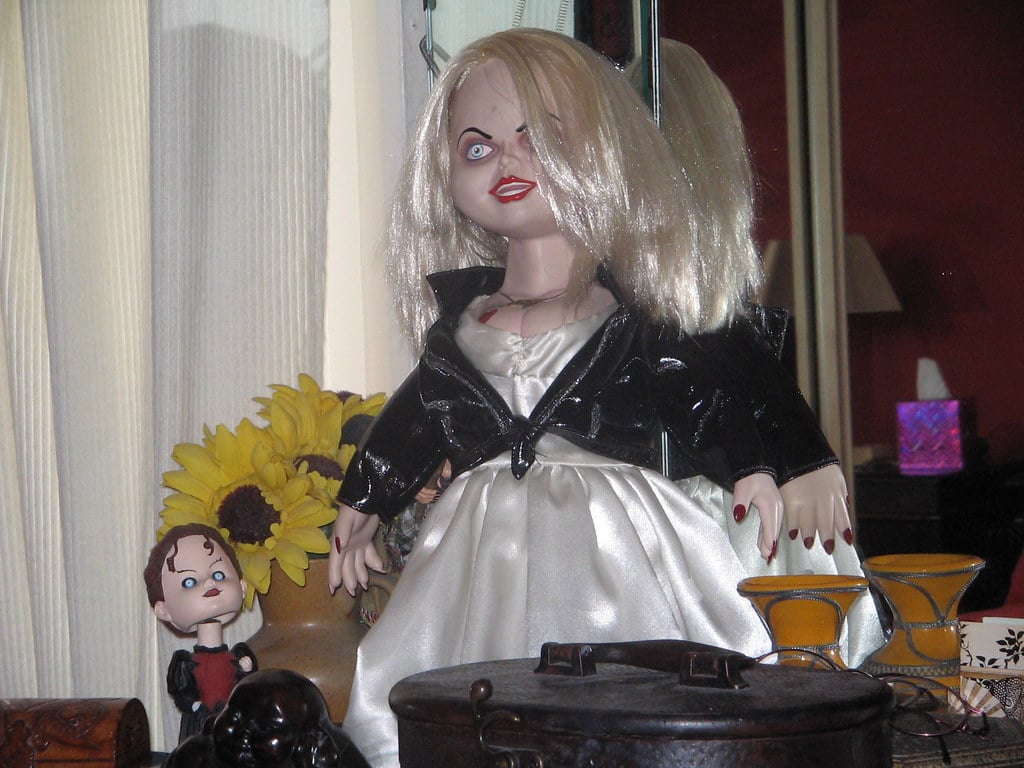
Bride of Chucky features a scene where a police officer retrieves Chucky from an evidence locker filled with horror movie artifacts. The locker contains Freddy Krueger’s glove, Jason Voorhees’ mask, Michael Myers’ mask, and Leatherface’s chainsaw.
This single scene establishes that all these slasher franchises exist in the same universe, meaning the murders from A Nightmare on Elm Street, Friday the 13th, Halloween, and The Texas Chain Saw Massacre all happened in the same reality.
Paul Verhoeven’s Fascist Future

Director Paul Verhoeven created a dystopian timeline across RoboCop, Total Recall, and Starship Troopers that tracks humanity’s descent into corporate-controlled fascism. RoboCop shows a near-future America where corporations run law enforcement and violence dominates society. Total Recall extends this corporate control into space colonies, with mega-companies exploiting workers on Mars.
Starship Troopers represents the endpoint where humanity becomes a militaristic global state, still violent and brainwashed, now fighting aliens instead of each other.
When Directors Connect the Dots

These hidden universes reveal how filmmakers have been playing the long game with their storytelling for generations. Some connections came from directors deliberately planting seeds for future crossovers, while others emerged from fans noticing patterns that creators later confirmed.
The best shared universes don’t require audiences to watch every entry to enjoy individual films, but reward those who pay attention to the breadcrumbs scattered across decades of cinema. Whether intentional or accidental, these connections remind us that great storytellers sometimes can’t resist linking their worlds together, creating cinematic webs that span genres, decades, and even galaxies far, far away.
More from Go2Tutors!

- The Romanov Crown Jewels and Their Tragic Fate
- 13 Historical Mysteries That Science Still Can’t Solve
- Famous Hoaxes That Fooled the World for Years
- 15 Child Stars with Tragic Adult Lives
- 16 Famous Jewelry Pieces in History
Like Go2Tutors’s content? Follow us on MSN.