17 Everyday Products Made From Surprisingly Weird Ingredients
You probably think you know what’s in your favorite products. That shampoo bottle sitting in your shower, the lipstick in your purse, or even the vanilla ice cream in your freezer all seem pretty straightforward. But the reality is that many everyday items contain ingredients that would make you do a double-take if you knew their true origins.
From crushed insects to fish scales, manufacturers have found creative ways to source materials that work incredibly well in products we use daily. Here is a list of 17 everyday products made from surprisingly weird ingredients that might change how you look at your shopping cart.
Shampoo and Conditioner

Your hair care routine involves more ocean life than you might realize. Many shampoos and conditioners contain keratin derived from fish scales, feathers, and even ground-up horns and hooves from various animals.
The protein helps strengthen and smooth hair, but it comes from sources that would probably surprise most people squeezing that bottle in the shower.
Lipstick
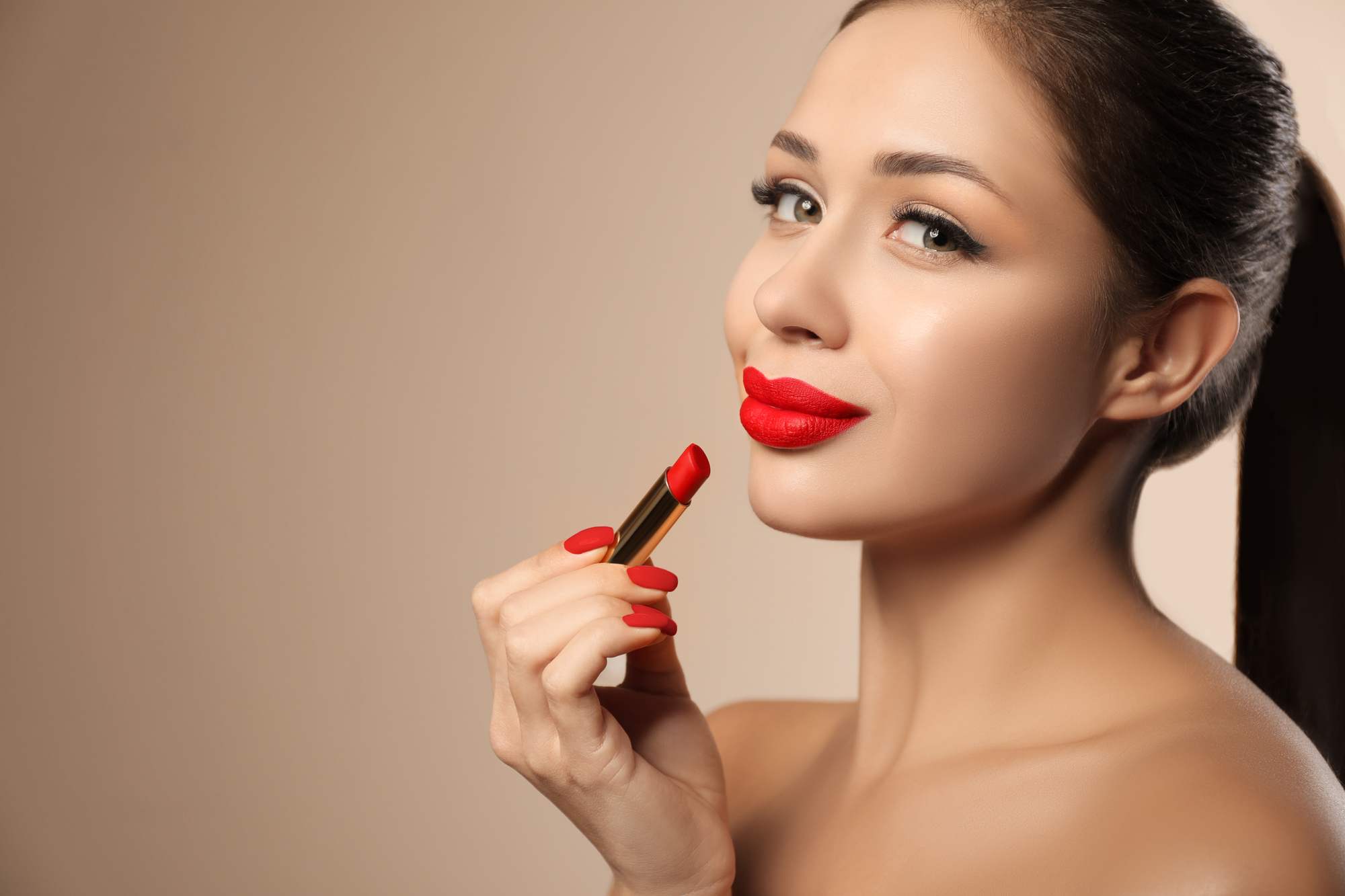
That perfect glossy finish on your lipstick comes courtesy of fish scales. Manufacturers extract a substance called guanine from fish scales to create the pearlescent, shimmery effect that makes lips look fuller and more attractive.
This same ingredient shows up in nail polish, eye shadow, and other cosmetics where that subtle shimmer is desired.
Vanilla Ice Cream

Real vanilla flavoring doesn’t always come from vanilla beans. Some manufacturers use castoreum, a secretion from beaver anal glands, to create that familiar vanilla taste.
Beavers produce this substance to mark their territory, but it happens to have a sweet, vanilla-like flavor that works perfectly in ice cream and other desserts.
Toothpaste

The smooth texture of your toothpaste might come from an unusual place: seaweed. Carrageenan, extracted from red seaweed, acts as a thickening agent that gives toothpaste its consistent, squeezable texture.
This same ingredient appears in many other personal care products where a smooth, gel-like consistency is important.
Perfume

That expensive perfume contains ambergris, a waxy substance produced in the digestive system of sperm whales. Whales expel this material, and it washes up on beaches where perfume makers collect it.
Ambergris helps fragrances last longer on skin and creates that distinctive, complex scent that makes high-end perfumes so appealing.
Gelatin Desserts

Your favorite gelatin dessert gets its jiggly texture from boiled animal bones, skin, and connective tissue. Manufacturers extract collagen from these animal parts and process it into the gelatin powder that makes desserts set properly.
The same ingredient shows up in marshmallows, gummy candies, and many other chewy treats.
Beer

Many beers get their crystal-clear appearance thanks to isinglass, a substance derived from fish swim bladders. Brewers use this natural clarifying agent to remove yeast and other particles that would otherwise make beer cloudy.
The process leaves beer looking pristine and appealing, even though most drinkers have no idea fish parts were involved.
Bread

Commercial bread often contains L-cysteine, an amino acid that can be derived from human hair or bird feathers. This ingredient helps dough rise properly and gives bread that soft, fluffy texture people expect.
While synthetic versions exist, many manufacturers still use the hair-derived version because it works so effectively.
Yogurt

That creamy, thick yogurt texture comes from carmine, the same insect-derived red dye used in food coloring. Even in plain yogurt, manufacturers sometimes use small amounts of carmine to enhance the white color and create that appealing, consistent appearance.
The insects provide both color correction and texture enhancement in one ingredient.
Paint

Many paints contain shellac, a resin secreted by lac bugs found in India and Thailand. These insects produce the substance as a protective coating, but paint manufacturers harvest it to create glossy, durable finishes.
Shellac works particularly well in wood stains and protective coatings because it creates such a hard, long-lasting surface.
Nail Polish
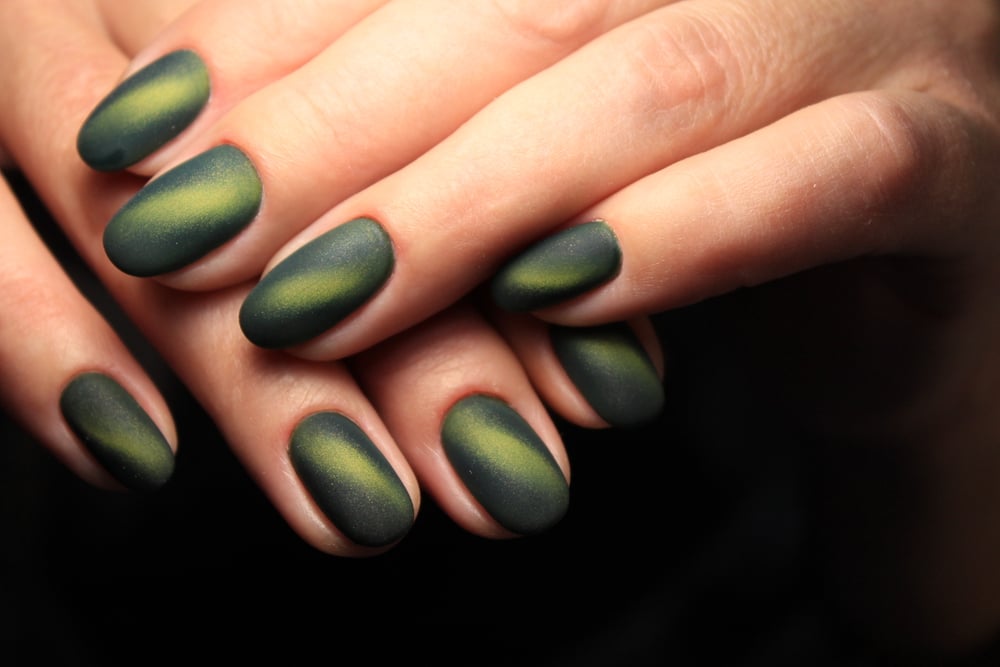
Beyond the fish-scale shimmer, nail polish often contains toluene, a solvent that can be derived from petroleum or coal tar. This ingredient helps nail polish apply smoothly and dry to that perfect, chip-resistant finish.
The same substance shows up in paint thinners and other industrial products, but in much smaller concentrations in cosmetics.
Candy

Many candies get their smooth, glossy coating from lac, the same insect secretion used in paint. Manufacturers refine this substance into a food-grade coating that makes candies look appealing and prevents them from sticking together.
The coating also helps preserve freshness and extends shelf life significantly.
Soap
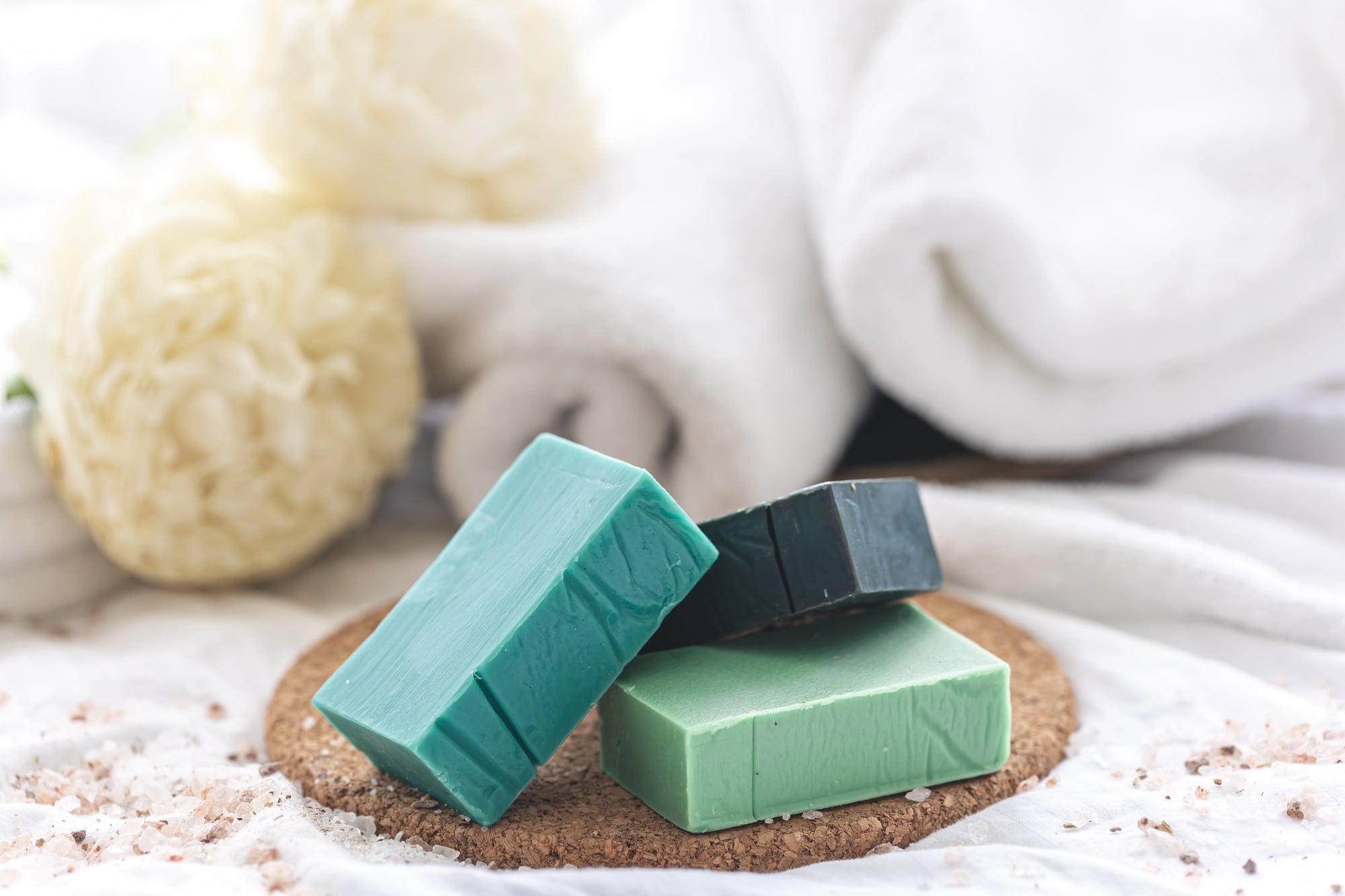
Traditional soap contains tallow, which is rendered fat from cattle or sheep. This animal fat creates the rich, moisturizing lather that makes soap effective at cleaning while keeping skin from drying out completely.
Even many modern soaps still use animal fats because they produce such superior results compared to synthetic alternatives.
Fabric Softener

Fabric softeners often contain tallow amines, derivatives of animal fat that help clothes feel soft and reduce static cling. These compounds coat fabric fibers in a way that makes clothes feel smoother against skin.
The animal fat connection explains why fabric softener works so well at creating that luxurious, soft feeling in freshly washed clothes.
Rubber Gloves
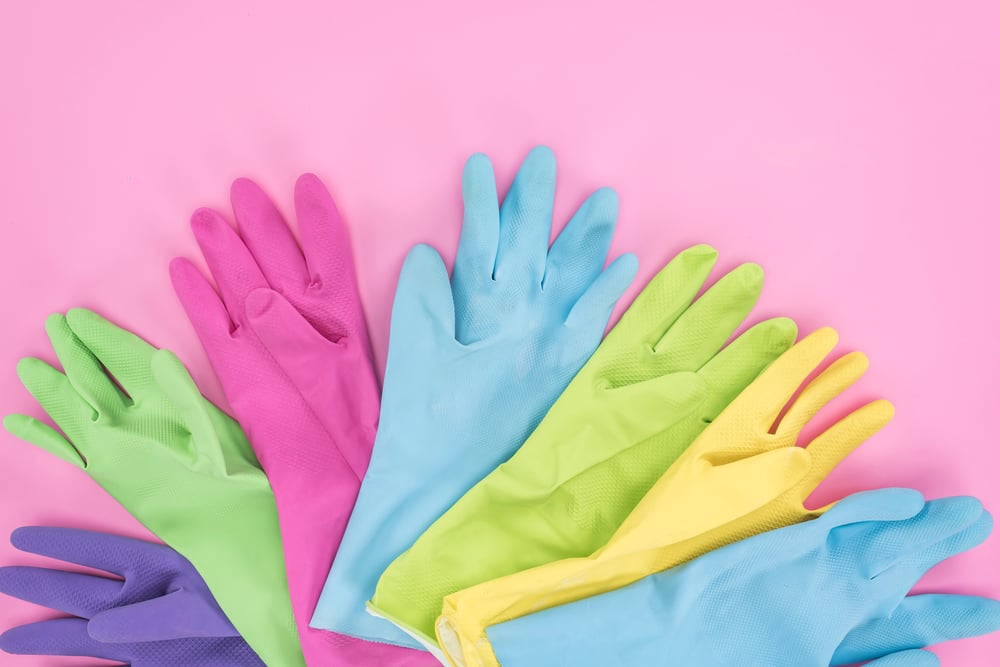
Latex gloves contain proteins derived from the rubber tree, but manufacturers often add casein, a protein found in milk, to improve flexibility and durability. This dairy-derived ingredient helps gloves stretch without tearing and makes them more comfortable to wear for extended periods.
The combination creates gloves that protect hands while remaining practical for detailed work.
Chewing Gum
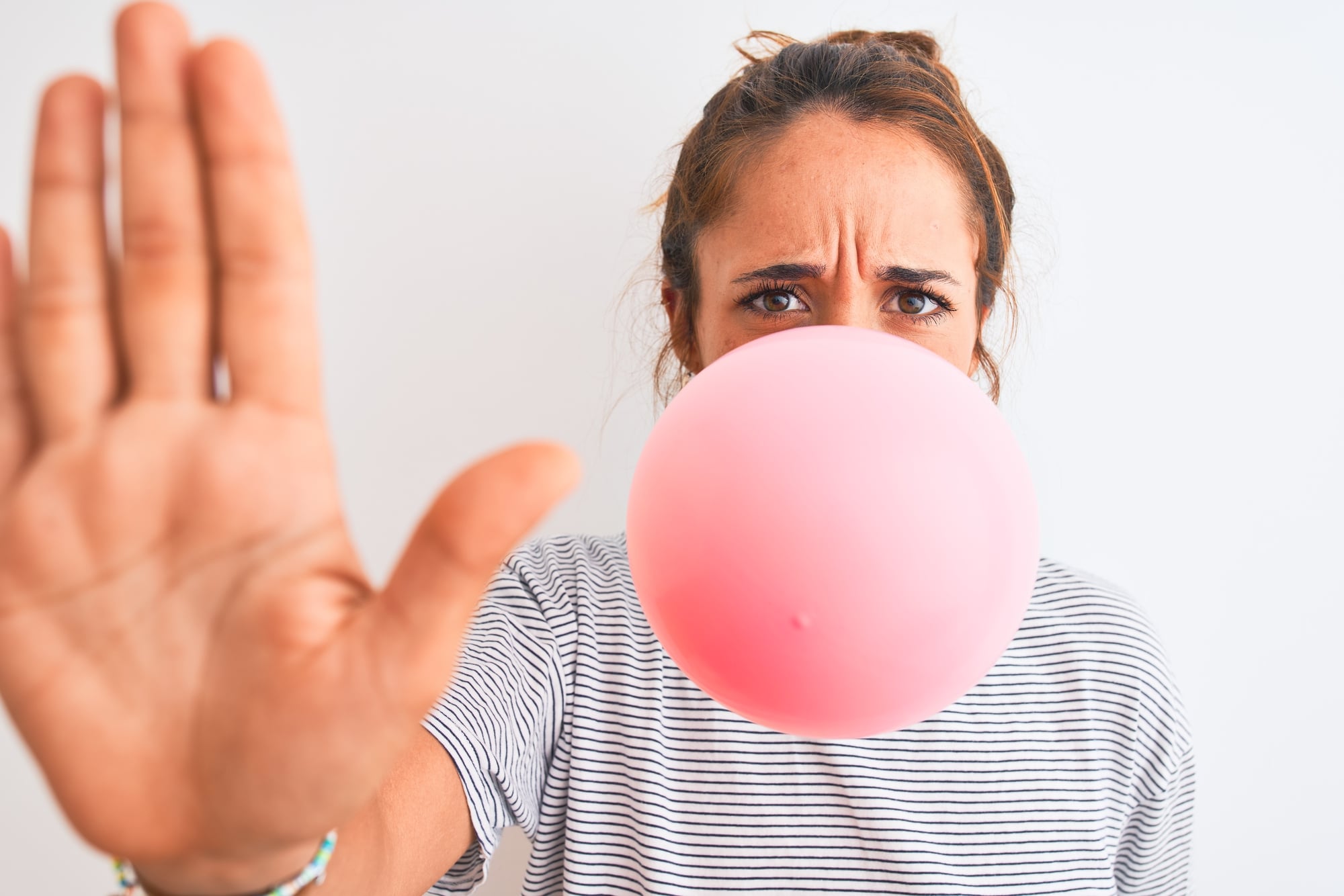
Traditional chewing gum base comes from chicle, a natural latex harvested from the sapodilla tree. Workers make cuts in the tree bark and collect the milky sap that flows out, then process it into the chewy base that holds gum together.
While synthetic alternatives exist, many premium gums still use this tree-derived ingredient for superior texture and flavor retention.
Sunscreen
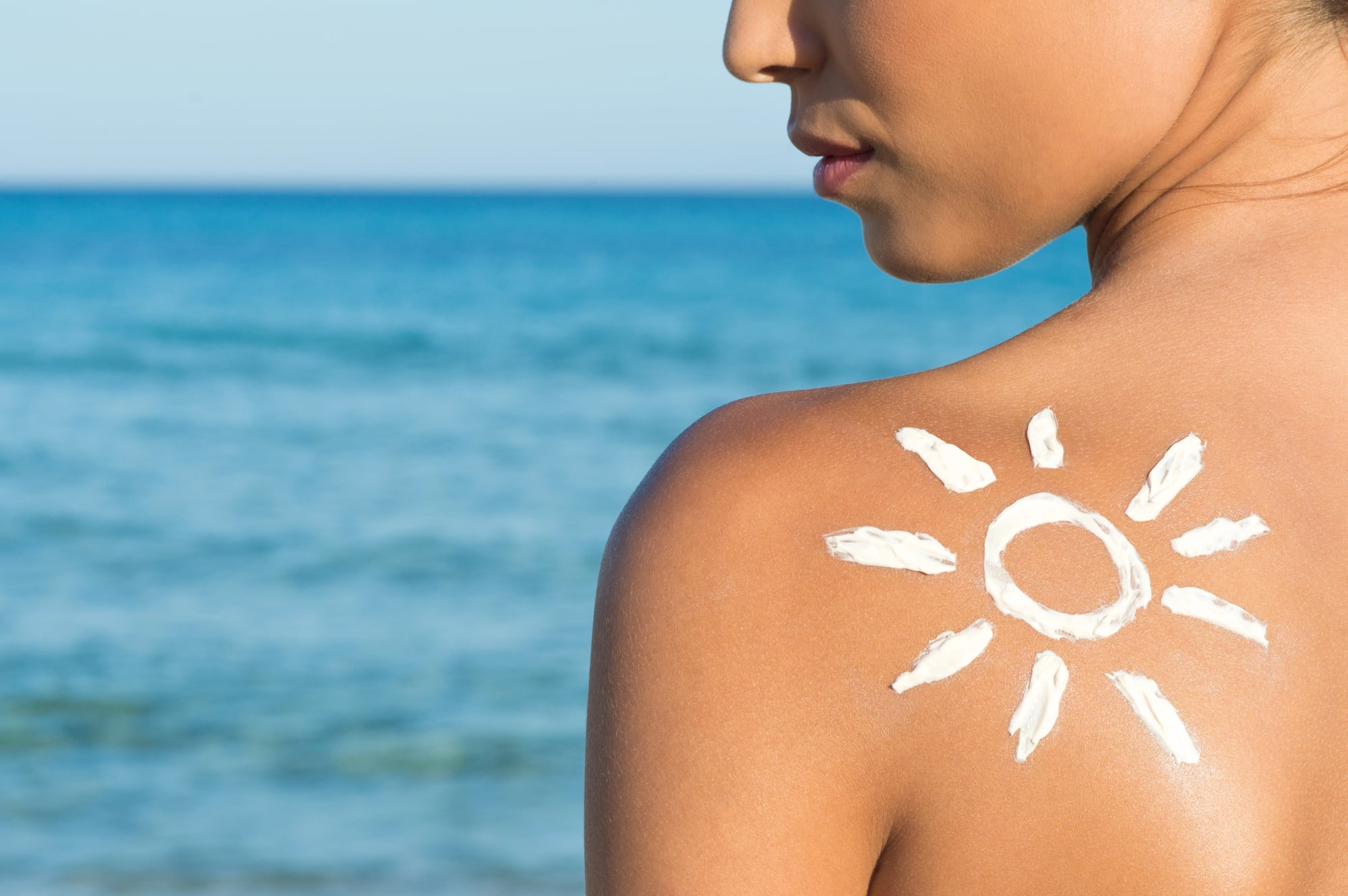
Many sunscreens contain zinc oxide derived from zinc ore, but they also include lanolin, a waxy substance extracted from sheep’s wool. Lanolin helps sunscreen spread evenly and stay on skin longer, making it more effective at preventing burns.
The sheep-derived ingredient also provides additional moisturizing benefits that keep skin from drying out in the sun.
When Nature Meets Commerce

These unusual ingredients prove that manufacturers will use whatever works best, regardless of how strange the source might seem. The next time you pick up a product, remember that effective ingredients often come from the most unexpected places.
What matters most is that these substances create products that work well and meet our daily needs, even if their origins might surprise us.
More from Go2Tutors!

- 16 Historical Figures Who Were Nothing Like You Think
- 12 Things Sold in the 80s That Are Now Illegal
- 15 VHS Tapes That Could Be Worth Thousands
- 17 Historical “What Ifs” That Would Have Changed Everything
- 18 TV Shows That Vanished Without a Finale
Like Go2Tutors’s content? Follow us on MSN.



