Historic Sports Venues and Their Hidden Tales
Each sports lover gets that rush when stepping into a famous arena the first time. Everything seems charged somehow.
Decades of shouts and moans are stuck in those bleachers. Still, few notice the tales hidden in walls and beams – ones ESPN skipped, ones history didn’t log.
The Garden’s Underground Network
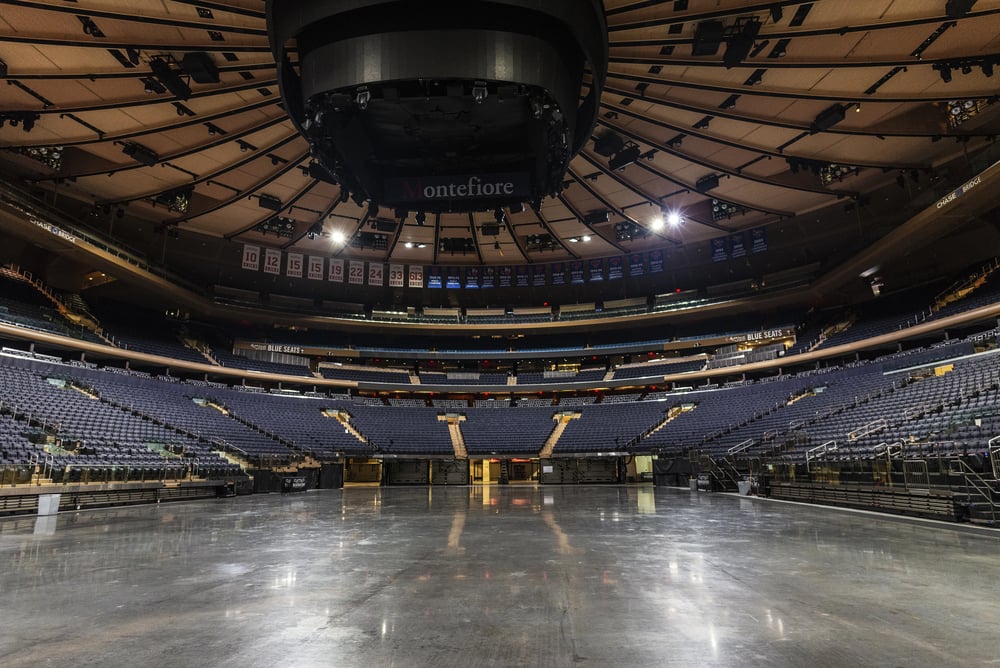
Madison Square Garden sits on top of Pennsylvania Station, creating a complex system of tunnels and passages beneath the arena. Workers navigate these corridors to move equipment, supplies, and performers without ever appearing in public view.
The labyrinth includes loading docks, storage areas, and pathways that connect directly to the trains below. During events, entire production crews work in spaces most fans will never see.
Fenway’s Hand-Operated Scoreboard

The Green Monster in Boston contains one of the last hand-operated scoreboards in professional sports. Two people work inside the wall during every game, posting numbers with painted metal plates.
The space measures just two feet wide in some sections. Workers have left signatures and messages on the walls over the decades, turning the cramped interior into an unofficial guestbook of Fenway history.
The current scoreboard is actually a replica installed in 2001, though it operates exactly like the 1934 original.
The Coliseum’s Earthquake Damage
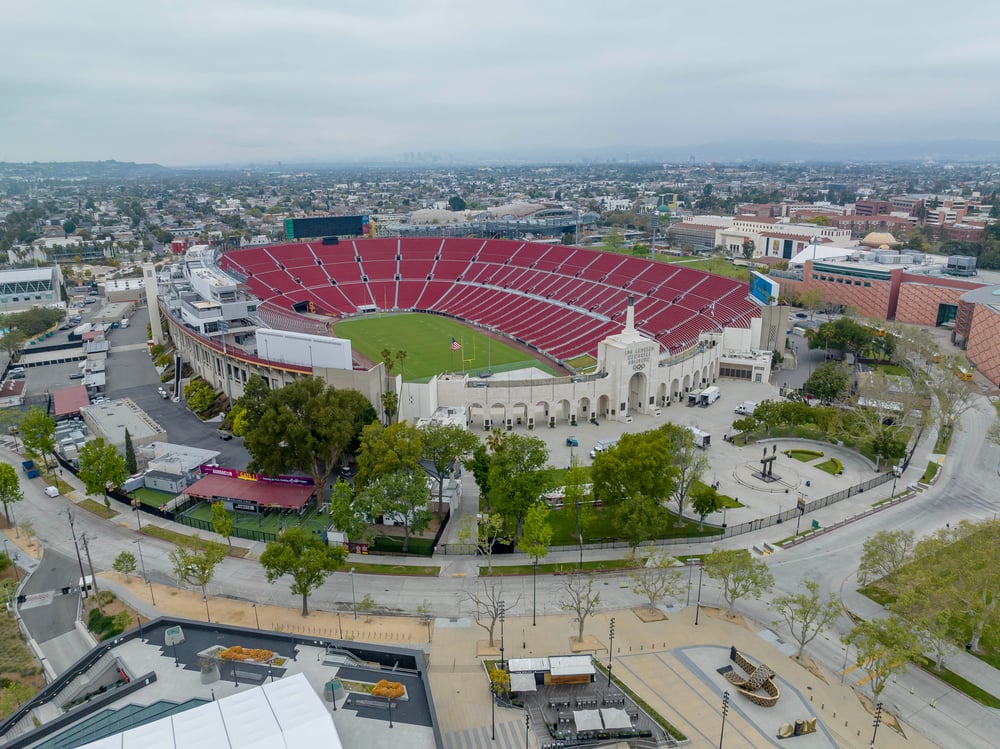
The Los Angeles Memorial Coliseum suffered nearly $100 million in damage during the 1994 Northridge earthquake. The 6.7 magnitude quake struck at 4:30 a.m., cracking concrete columns and beams throughout the structure.
The damage was extensive enough that repairs took months. The venue had been through the 1933 Long Beach earthquake during its early years, leading to reinforced construction standards.
But even with those improvements, the 1994 shake proved that no amount of concrete could fully protect against California’s fault lines.
Wrigley’s Rooftop Agreement
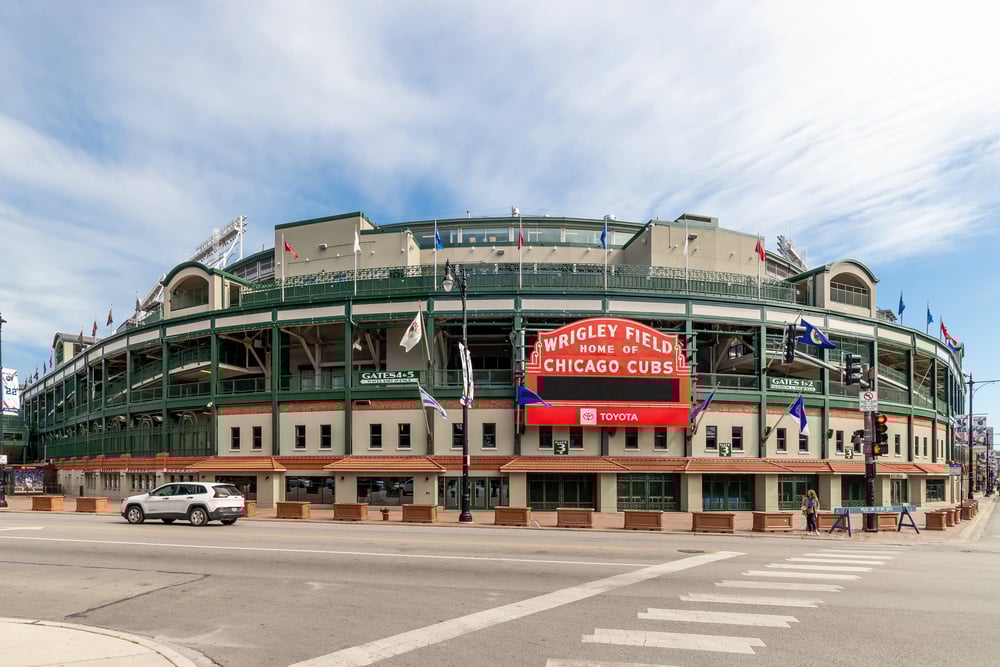
The buildings across from Wrigley Field have held rooftop seating since the 1920s, but the Cubs fought against it for decades. After years of legal battles, the team struck a deal with rooftop owners in 2004.
The contract required rooftop businesses to share 17 percent of their revenue with the Cubs in exchange for official recognition through 2023. The Ricketts family later began buying up the rooftop properties themselves, eventually controlling 11 of the 16 buildings by 2018.
Augusta National’s Underground System

Augusta National Golf Club uses SubAir systems beneath its greens to control moisture and temperature. The technology works like a giant vacuum, pulling water down through drainage pipes or pushing air up through them to regulate soil conditions.
The first green to get the system was the 12th in the mid-1990s, developed by the club’s own superintendent. By pushing cool air through the root zone during hot Georgia summers, the system helps keep bentgrass alive when it would normally struggle.
All 18 greens now have these units, along with some fairway areas and even crosswalks.
The Pit’s Acoustic Design Flaw

The University of New Mexico’s basketball arena earned the nickname “The Pit” because it sits below ground level. Architects designed the bowl shape to amplify crowd noise, but they made a mistake with the ceiling angles.
Sound waves bounce at specific frequencies that cause some visiting players to report feeling dizzy. The school’s physics department published a paper about it in 1989, but the venue never got renovated.
Lambeau Field’s Heated Turf
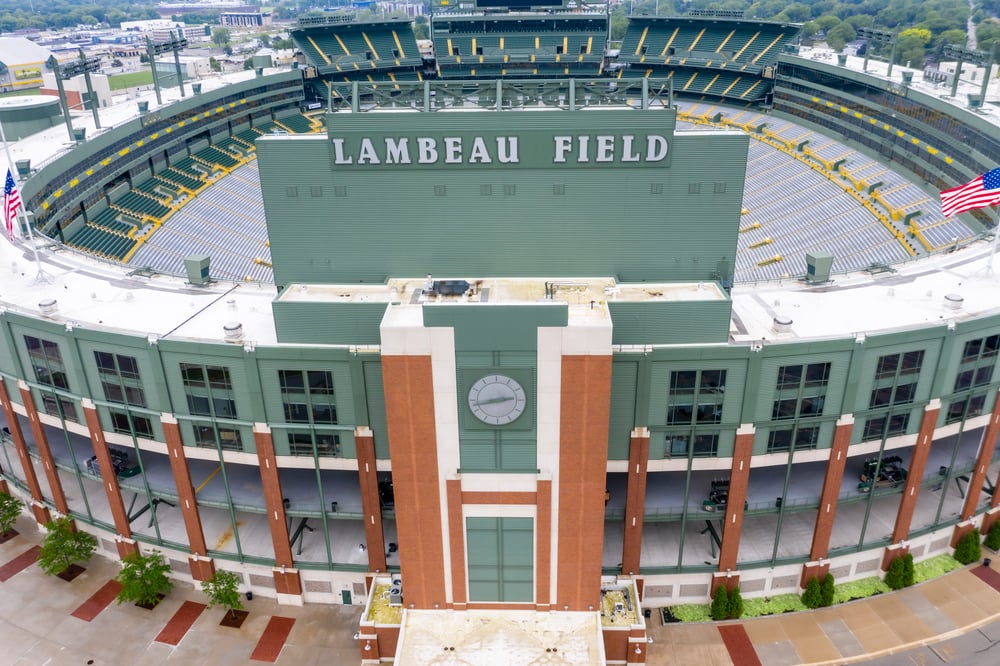
Green Bay’s stadium claims it doesn’t need a dome because of the underground heating system. Electric coils run beneath the entire playing surface, keeping the ground thawed in subzero temperatures.
The system uses enough electricity to power 350 homes on game days. Workers installed it in 1967 after the Ice Bowl left the field frozen solid and unplayable.
Dodger Stadium’s Hidden Water Source
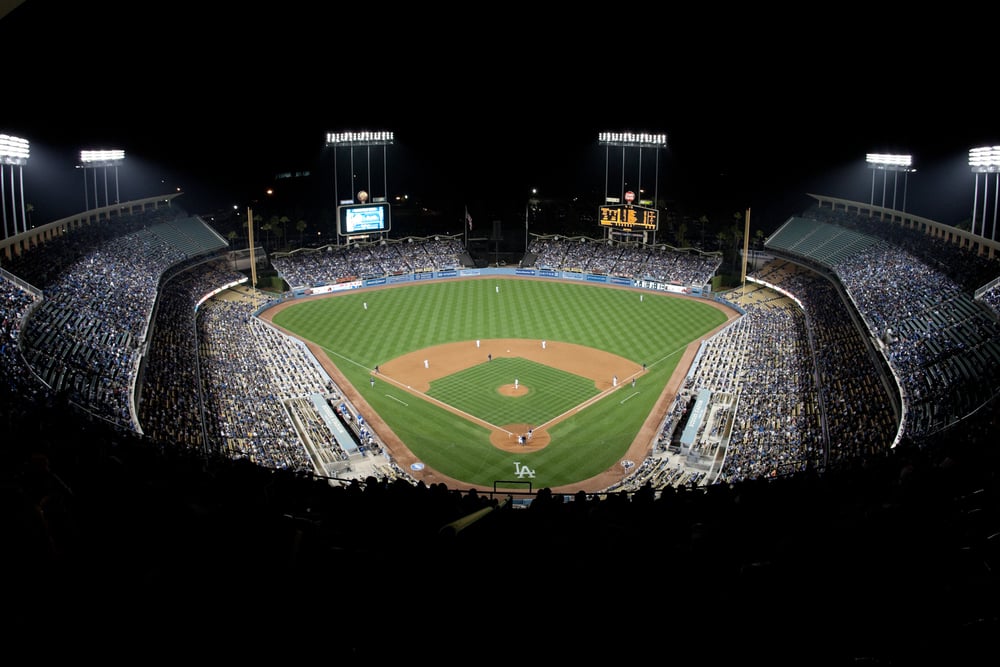
Dodger Stadium sits on Chavez Ravine, which has natural springs underneath. The stadium’s foundation includes a drainage system that diverts thousands of gallons daily.
During construction in 1962, workers discovered three underground streams and had to reroute them around the parking lots. The springs still flow beneath the stadium, feeding into the Los Angeles River system.
Yankee Stadium’s Monument Park Expansion
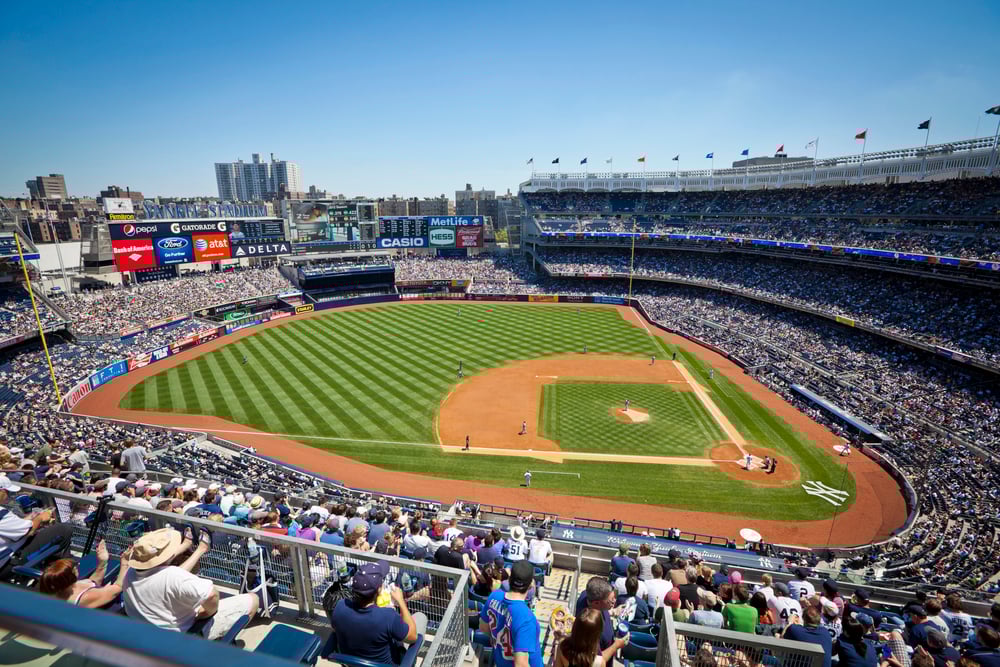
The original Yankee Stadium had monuments on the playing field in deep center field. Outfielders sometimes had to dodge them during games.
When the stadium got renovated in 1974, workers relocated the monuments but kept the original concrete bases. Those bases now sit in a storage facility in the Bronx, too heavy to move anywhere else.
The Old Montreal Forum’s Ghosts

The Montreal Forum hosted hockey games from 1924 to 1996, and employees consistently reported strange occurrences. A photo from 1937 shows a blurry figure behind the bench during a game—the photographer swore the seat was empty.
After the building got converted to a shopping center, construction crews found dozens of pucks embedded in the ceiling rafters, some dating back to the 1930s.
Churchill Downs’ Underground Cemetery

Churchill Downs sits partially on land that was a cemetery in the 1800s. When the racetrack expanded in 1895, not all the graves were relocated.
Ground-penetrating radar surveys in 2003 revealed approximately 40 unmarked burial sites beneath the infield. Kentucky law prevented further excavation, so they remain undisturbed.
The Tokyo Dome’s Air Pressure System
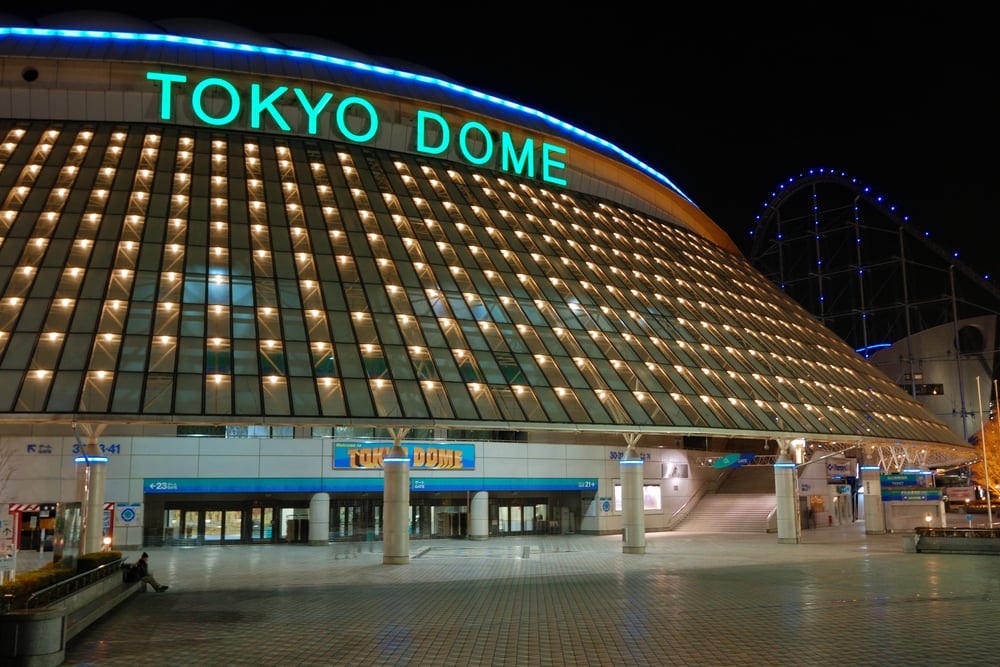
Japan’s Tokyo Dome uses air pressure instead of structural supports to keep the roof inflated. The building maintains constant positive pressure through 96 industrial fans running 24 hours a day.
If the system fails, the roof starts deflating within 20 minutes. The Dome has backup generators that can power the fans for three days during outages.
Wimbledon’s Falcon Program
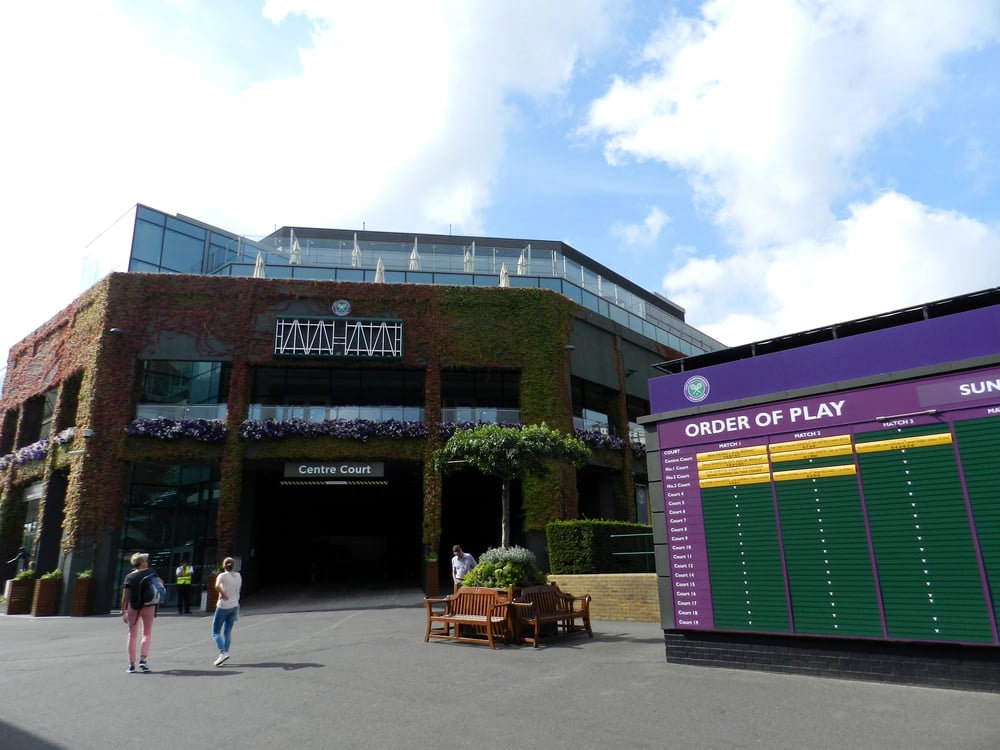
Wimbledon employs a full-time falconer who uses trained birds of prey to keep pigeons away from Centre Court. The program started in 1999 after pigeons disrupted multiple matches.
The hawks work dawn and dusk shifts during the tournament. Wimbledon’s falconer keeps detailed logs of every bird encounter, and the records show pigeons have learned to avoid the area even when the hawks aren’t present.
The Maracanã’s Lost Capacity

Brazil’s Maracanã Stadium holds the world record for largest attendance at a sporting event—199,854 people for the 1950 World Cup final. But that number comes from official ticket sales.
Local historians estimate the actual crowd reached 220,000 because thousands crashed the gates. The stadium got renovated multiple times, and current capacity sits at just 78,838.
Where Memory Lives in Stone

Those structures stick around longer than the sports stars who brought fame to them. Records fall apart, winning streaks end – still, the arenas stay put.
Like aged homes gathering grime, they gather untold stories too. Whenever crews fix up a field or stand, surprises pop up – an old box buried somewhere, a forgotten space behind walls.
Scribbles from laborers who didn’t think folks would ever see their words. And that’s why stepping into such spots just feels… offbeat.
You’re not simply walking into a structure – yet you’re right at the heart of countless tales never put on paper.
More from Go2Tutors!

- The Romanov Crown Jewels and Their Tragic Fate
- 13 Historical Mysteries That Science Still Can’t Solve
- Famous Hoaxes That Fooled the World for Years
- 15 Child Stars with Tragic Adult Lives
- 16 Famous Jewelry Pieces in History
Like Go2Tutors’s content? Follow us on MSN.