17 Great Wall details worth knowing
The Great Wall of China stands as one of humanity's most incredible achievements, stretching across northern China like a massive stone dragon. This ancient wonder isn't just a simple wall—it's a complex defensive system that took over 2,600 years to build and involved millions of workers across multiple dynasties. From its mysterious construction methods to surprising facts that might change how you think about this iconic structure, the Great Wall holds secrets that continue to fascinate people worldwide.
Here's a list of 17 Great Wall details that reveal just how remarkable this ancient marvel truly is.
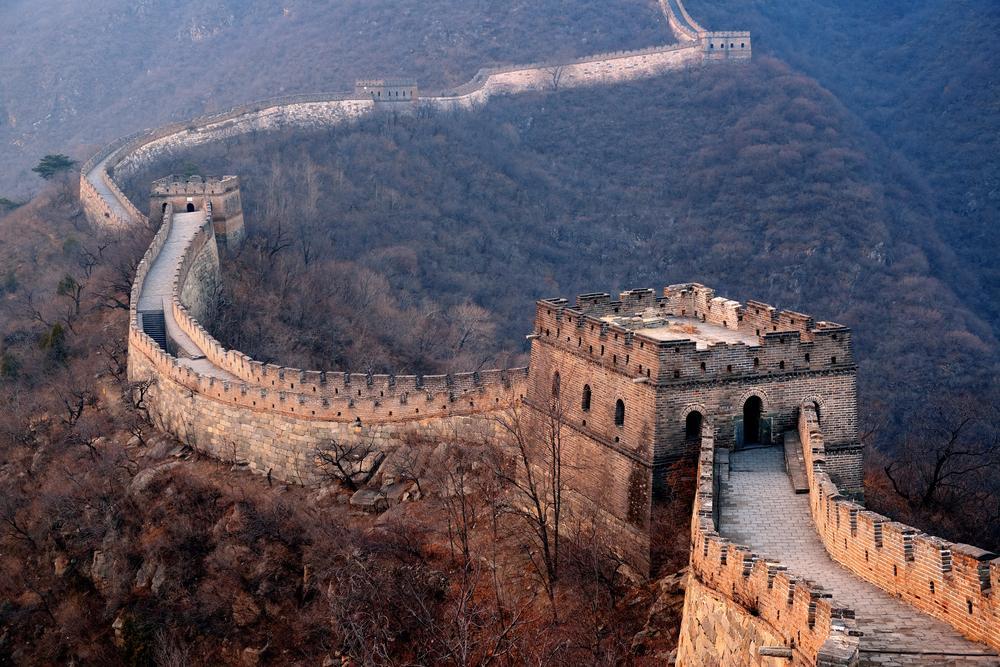
It's Actually Multiple Walls, Not One Continuous Structure

The Great Wall isn't a single, unbroken barrier as many people imagine. Instead, it consists of numerous walls built by different dynasties, many running parallel to each other across northern China and southern Mongolia. The total length of all sections of the Great Wall of China ever built adds up to about 21,196 kilometers (13,171 miles), including overlapping sections that were rebuilt. Think of it like a massive patchwork quilt made of stone and earth, where each piece was added over centuries by different rulers with varying defensive needs.
Construction Spanned Over 2,600 Years

Building the Great Wall was the ultimate marathon project in human history. With the first 'Great Wall' built in the 7th century BC, the Great Wall of China is now over 2,600 years old. The construction continued through multiple dynasties, with the final work completed in 1878 during the late Qing Dynasty. This means the Wall was being built, destroyed, and rebuilt for longer than Christianity has existed—making it one of the longest continuous construction projects ever undertaken.
The Famous Sections We See Today Are Only 400-600 Years Old
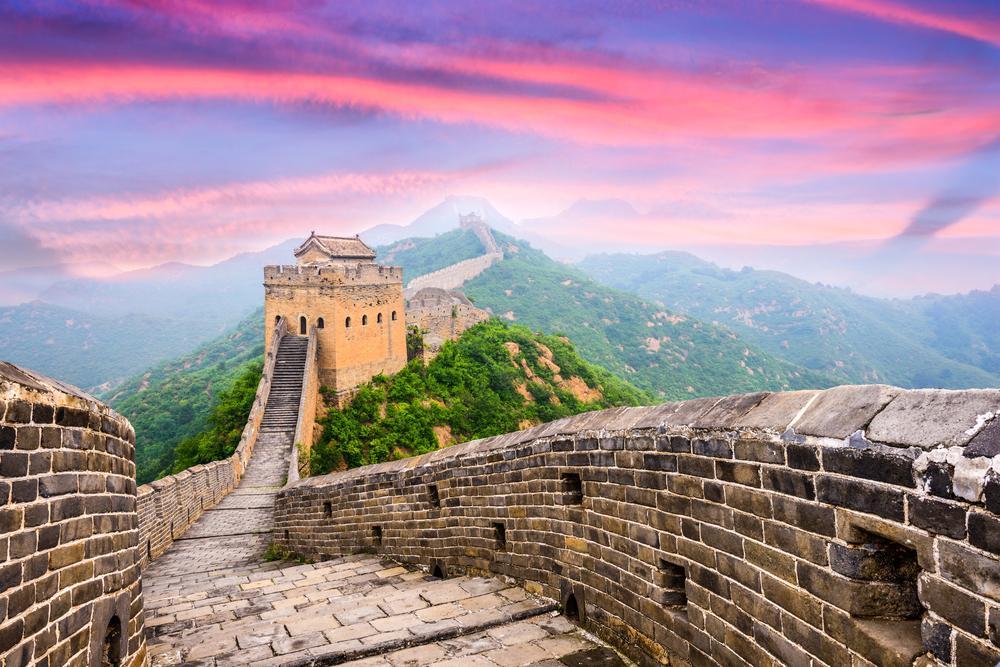
While the Great Wall's origins stretch back millennia, the stunning brick and stone sections that tourists flock to see are relatively recent additions. Most of the Great Wall (Badaling, Mutianyu, Jinshanling, etc.) standing today, was actually built in the Ming Dynasty (in the 14th to 17th centuries), and so most of it is around 400 years old. The Ming Dynasty spent all 276 years of their reign perfecting and rebuilding the Wall, creating the impressive fortress-like structure we recognize today.
Millions of Workers Died During Construction
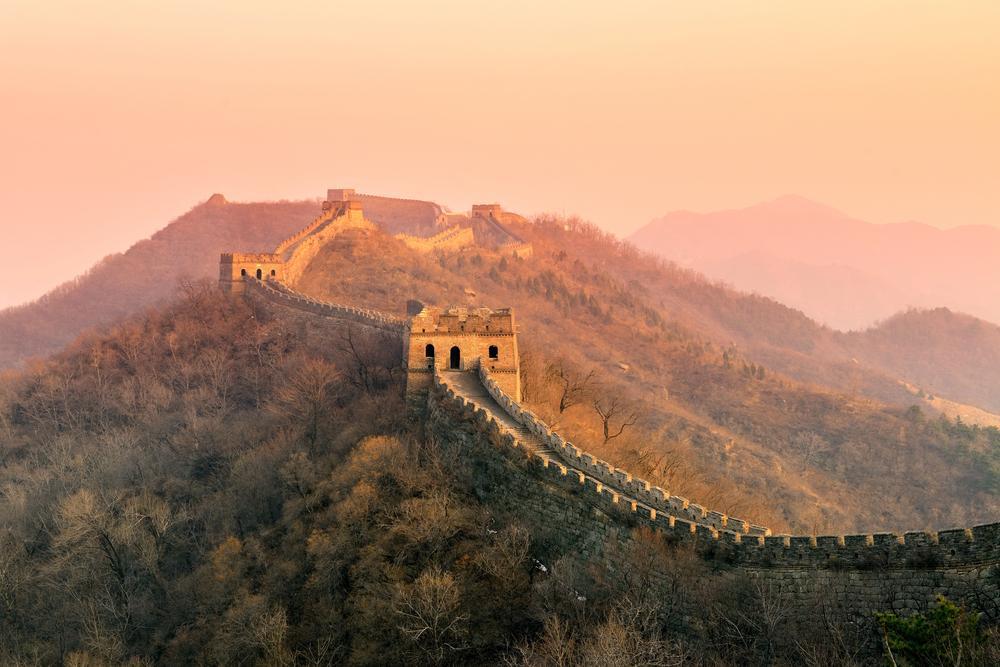
The human cost of building the Great Wall was staggering and tragic. It is said that as many as 400,000 people died during the wall's construction; many of these workers were buried within the wall itself. The workforce included soldiers, convicts, and ordinary citizens who were conscripted for this dangerous work. Some historians estimate that during peak construction periods, up to 1.5 million people were working on the Wall simultaneously, making it one of the largest construction projects in human history.
Sticky Rice Was a Secret Construction Ingredient

One of the most surprising materials used in the Great Wall's construction was sticky rice. Sticky rice mortar, consisting of sticky rice soup mixed with slaked lime, was extensively used to hold bricks together. This ancient 'super glue' was so effective that many sections using this mortar have survived for centuries. The sticky rice created an incredibly strong bond that was more durable than cement alone, proving that sometimes the most unexpected ingredients make the biggest difference.
The Wall Has Up to 25,000 Watchtowers

The Great Wall's defensive system included a massive network of watchtowers for surveillance and communication. Up to 25,000 watchtowers are estimated to have been constructed on the wall. These towers weren't just simple lookout posts—they were multi-story structures with different functions on each level. A beacon tower usually has 2-3 floors. The top was where soldiers kept watch and fire wood and animal dung were saved. The lower floors were used as soldiers' rest places, storehouses and barns.
It's Not Actually Visible from Space with the Unaided Eye
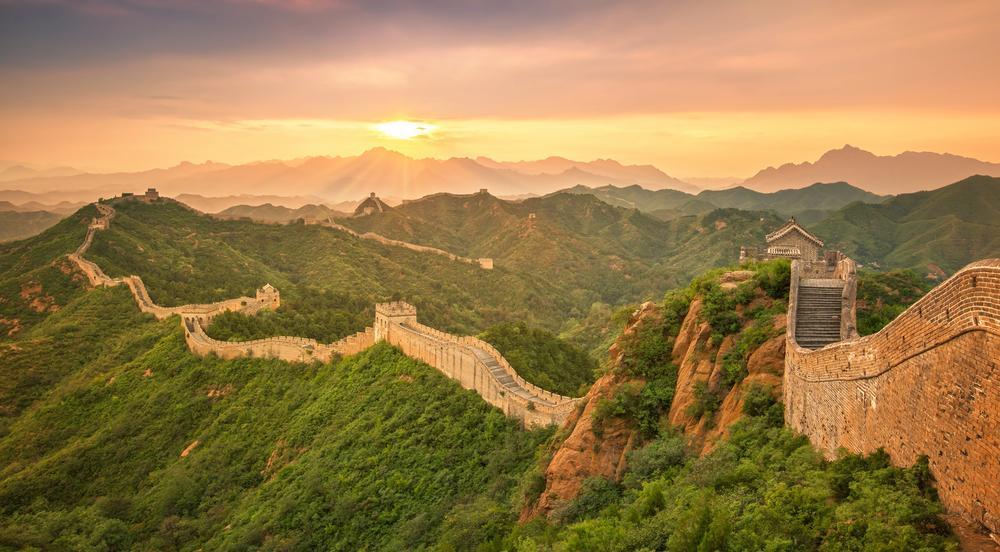
Despite being one of the most persistent myths about the Great Wall, it's simply not true that you can see it from space with the unaided eye. The Great Wall of China cannot be seen by the human eye from the Moon which orbits around Earth at an average distance of 384,399 kilometres (238,854 mi). The Wall would appear about as wide as a human hair viewed from 2 miles away. This myth has been thoroughly debunked by astronauts, yet it continues to circulate in popular culture.
The Wall Varies Dramatically in Height and Width

The Great Wall's dimensions change constantly depending on the terrain and strategic importance of each section. The average height of the walls is 7.8m (25.6 feet) and in some places it can be as tall as 14m (46 feet). The width also varies significantly: Typical width at the top: 4–5 meters (13–16 feet)—wide enough for 10 soldiers to march side-by-side or, in later eras, for horses and carts to pass. In mountainous areas, the Wall could be much narrower, while in strategic plains it was built extra wide and strong.
Local Materials Determined Construction Methods

Building the Wall required incredible resourcefulness since transporting materials across vast distances was nearly impossible with ancient technology. Transporting the large quantity of materials required for construction was difficult, so builders always tried to use local resources; stone was used in mountain areas, while rammed earth was used while building in the plains. In desert regions, builders even used branches of reeds and red willows and sand layer by layer. This adaptive approach means different sections of the Wall look and feel completely different depending on what materials were available locally.
Workers Used Ingenious Transportation Methods

Moving massive building materials up steep mountains and across difficult terrain required incredible creativity. Bamboo baskets were used for soil, loose stone, and lime mortar. Human chains were also used to pass the blocks and baskets up. Lining up on narrow mountain paths was more efficient than trudging back and forth. In winter, workers would splash water on the ground to create icy paths, making it easier to slide heavy stones up mountainsides. There's even a legend that goats were used to carry bricks up particularly steep sections by tying them to the animals' horns.
The Wall Served Multiple Purposes Beyond Defense
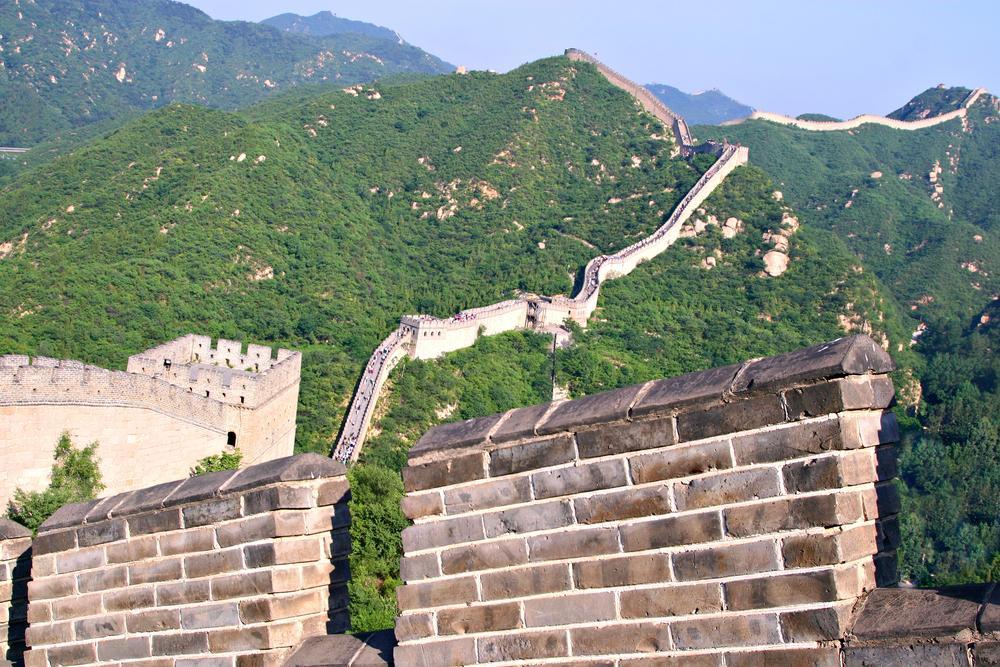
While defense was the primary function, the Great Wall served as much more than just a military barrier. Other purposes of the Great Wall have included border controls (allowing control of immigration and emigration, and the imposition of duties on goods transported along the Silk Road), and the regulation of trade. The Wall functioned as a massive customs checkpoint, controlling who and what could enter or leave China. It also served as a transportation corridor, with roads running along the top allowing for rapid movement of troops and supplies.
Different Dynasties Had Completely Different Approaches

Each dynasty that worked on the Great Wall had its own philosophy and construction methods. The Tang Dynasty actually rejected wall-building entirely, with Emperor Taizong famously declaring that walls were useless and that skilled generals with mobile armies were more effective. Taizong scoffed at the suggestion, alluding to the Sui walls built in vain: 'The Emperor Yang of Sui made the people labor to construct the Great Wall in order to defend against the Turks, but in the end this was of no use.' Meanwhile, the Ming Dynasty devoted enormous resources to rebuilding and strengthening the Wall, creating the impressive stone and brick sections we see today.
The Wall Includes Natural Barriers as Part of Its Defense

The Great Wall isn't entirely man-made—clever engineers incorporated natural features to save labor and create stronger defenses. About one-fourth of its length consists solely of natural barriers such as rivers and mountain ridges. Builders would route the Wall along steep mountain ridges, using the natural topography as an impenetrable barrier. Rivers, deep valleys, and impassable desert sections were all integrated into the defensive system, making the Wall a hybrid of human engineering and natural geography.
Signal Systems Allowed Rapid Communication Across Thousands of Miles
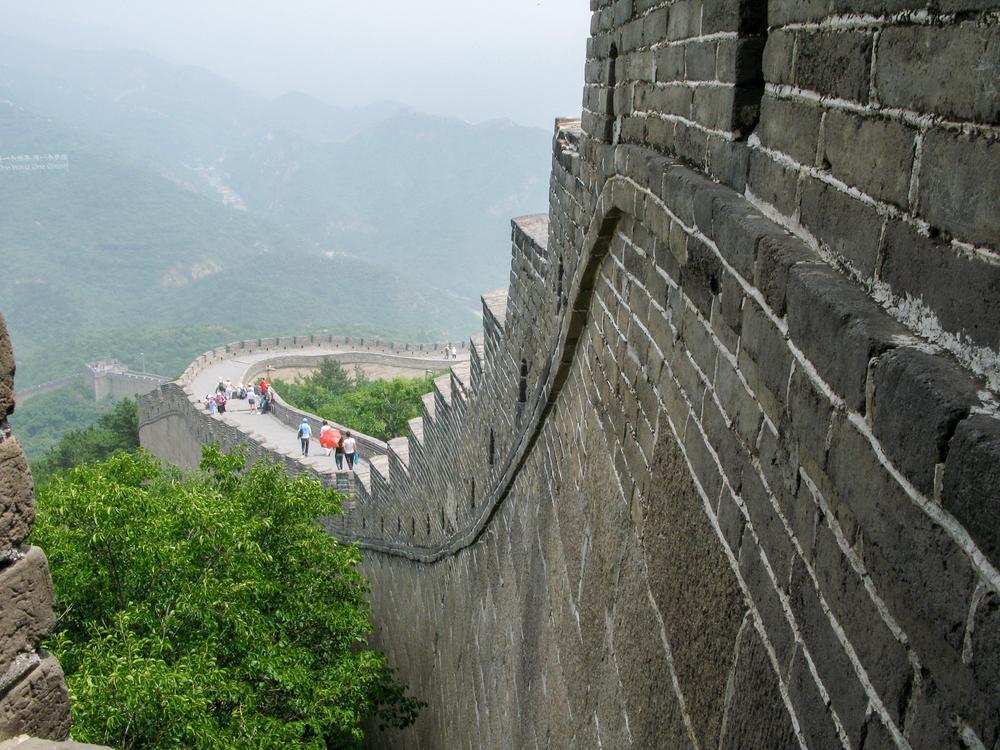
The Great Wall featured one of the world's first long-distance communication networks. When the soldiers on the tower saw the enemy approach, they would puff smoke in the daytime and light a fire at night to send messages one after another until all of their soldiers knew. This beacon system could transmit warnings across the entire length of the Wall in a matter of hours. The distance between adjacent watchtowers was usually about five kilometers. The garrison could communicate reconnaissance information to a nearby watchtower at any time using smoke signals.
Modern Damage Threatens Ancient Sections

Despite surviving for centuries, the Great Wall faces serious threats in modern times. A section of the wall in Shanxi province was severely damaged in 2023 by construction workers, who widened an existing gap in the wall to make a shortcut for an excavator to pass through. A 2012 report by the National Cultural Heritage Administration states that 22% of the Ming Great Wall has disappeared, while 1,961 km (1,219 mi) of wall have vanished. Erosion, tourism, and development continue to pose challenges to preserving this ancient wonder.
The Wall Required More Material Than Building a Highway Around Earth

The sheer volume of materials used in the Great Wall's construction is almost impossible to comprehend. Altogether, one hundred and eighty million cubic meters of packed earth and sixty million cubic meters of bricks were used in constructing the wall. To put this in perspective, the amount of earth, stone, and brickwork in its construction is more than enough to build a wall one meter thick and five meters high around the equator. This makes the Great Wall one of the largest construction projects in human history by volume of materials used.
Restoration Work Continues Using Traditional Methods

Modern restoration of the Great Wall carefully balances preservation with accessibility for tourists. The construction techniques adopted in the restoration process were a blend of craftsmanship and contemporary methods to preserve the Wall's enduring legacy as a cultural treasure. Restorers use traditional materials like lime mortar and follow Ming Dynasty construction techniques wherever possible. The challenge is maintaining the Wall's historical authenticity while making it safe for the millions of visitors who come to experience this wonder each year.
More from Go2Tutors!

- 16 Historical Figures Who Were Nothing Like You Think
- 12 Things Sold in the 80s That Are Now Illegal
- 15 VHS Tapes That Could Be Worth Thousands
Like Go2Tutors’ content? Follow us on MSN.