17 Habits That Disappeared After the 2000s
The early 2000s marked a turning point in how we lived our daily lives. Technology shifted into overdrive, smartphones became pocket computers, and social media transformed how we connect with others. Along the way, countless everyday habits that seemed permanent simply vanished — sometimes gradually, other times almost overnight.
These weren’t just minor inconveniences that got replaced by better alternatives. Many of these habits shaped entire social rituals and defined how people interacted with the world around them. Here is a list of 17 habits that disappeared after the 2000s.
Burning CDs for Friends

Making mixtapes evolved into burning custom CDs, complete with handwritten track lists and personalized cover art. People spent hours perfecting the perfect song order and timing everything to fit exactly on a disc.
This ritual was part gift-giving, part artistic expression — a way to share your musical taste and create something meaningful for someone special. Streaming services made this practice obsolete almost instantly, though the emotional connection of curated playlists lives on in digital form.
Memorizing Phone Numbers

Everyone used to have a mental rolodex of important phone numbers, from family and friends to work contacts and pizza places. Speed dial helped, but you still needed to remember the basics in case you were away from your phone.
People actually knew their own numbers by heart and could recite them without hesitation. Smartphones turned our brains into external storage devices, making this once-essential skill completely unnecessary.
Checking Movie Times in Newspapers

Friday entertainment sections became treasure maps for weekend plans, with tiny movie listings showing showtimes for every theater in town. People would circle their choices with pens and plan entire evenings around these printed schedules.
Newspapers made movie planning a family activity — everyone gathered around the dining table to debate options and coordinate timing. Online ticketing and movie apps made these printed grids as obsolete as the theaters that closed because of them.
Rewinding VHS Tapes
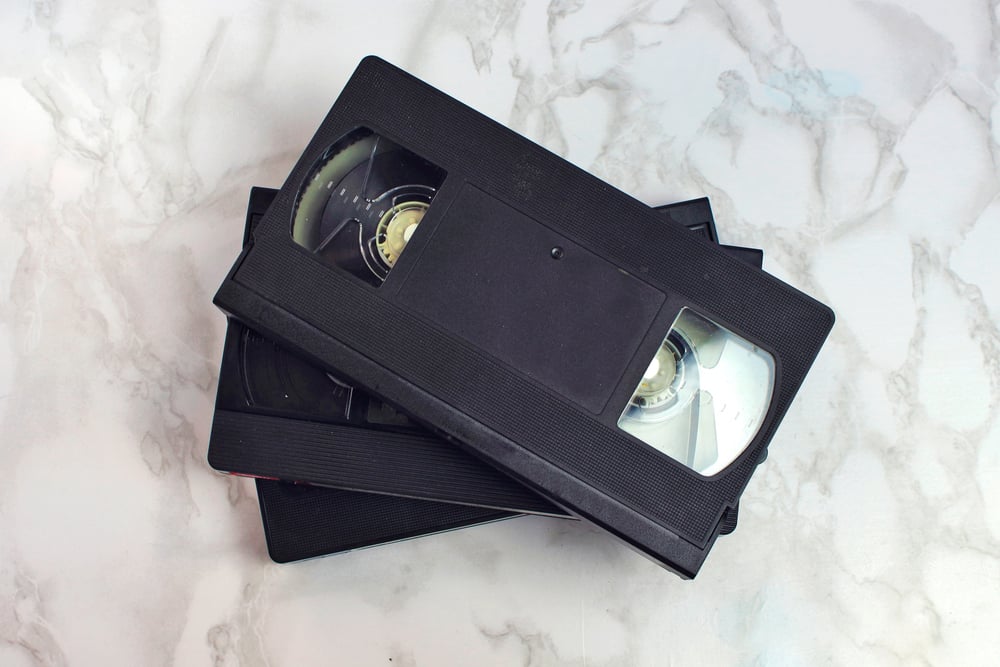
‘Be kind, rewind’ wasn’t just a slogan — it was basic courtesy when returning rental movies. People developed automatic habits of rewinding tapes after watching, and some even bought special rewinding machines to save wear on their VCRs.
Video stores charged fees for unrewound tapes, making this practice both social etiquette and financial necessity. DVDs eliminated this ritual entirely, though the muscle memory lasted years longer than the technology.
Using Pay Phones
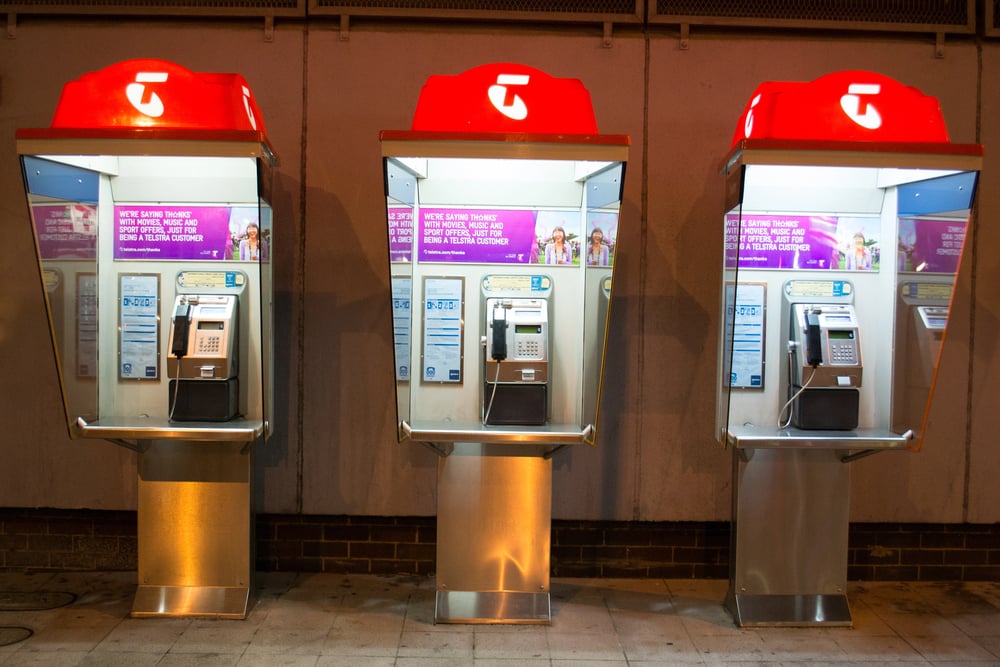
Pay phones dotted street corners, shopping malls, and highway rest stops like technological landmarks. People kept quarters handy specifically for emergency calls and learned to speak loudly over traffic noise and background chatter.
Collect calls became an art form for communicating when you were broke or stranded somewhere unexpected. Cell phones didn’t just replace pay phones — they eliminated the entire concept of being unreachable when away from home.
Printing MapQuest Directions
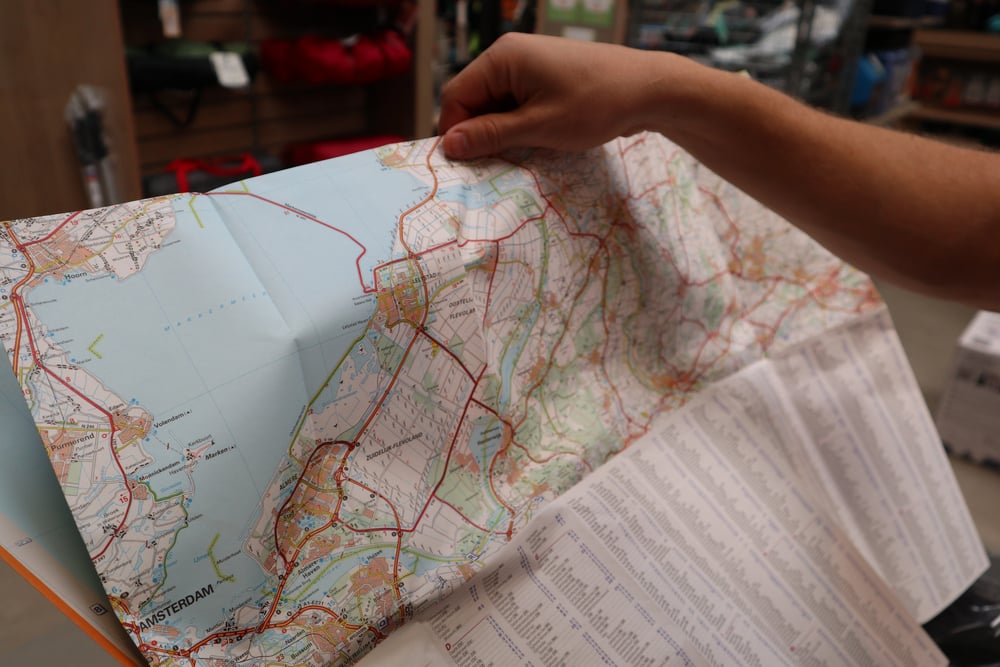
Planning any trip longer than a few miles required printing detailed turn-by-turn directions from MapQuest or similar websites. People kept these paper guides in their cars, highlighted important turns, and wrote backup phone numbers in the margins.
Getting lost meant finding a gas station to ask for help or calling someone who could look up alternate routes online. GPS navigation made these printed directions completely pointless, though many people kept old ones in glove compartments for years.
Waiting for Photos to Develop
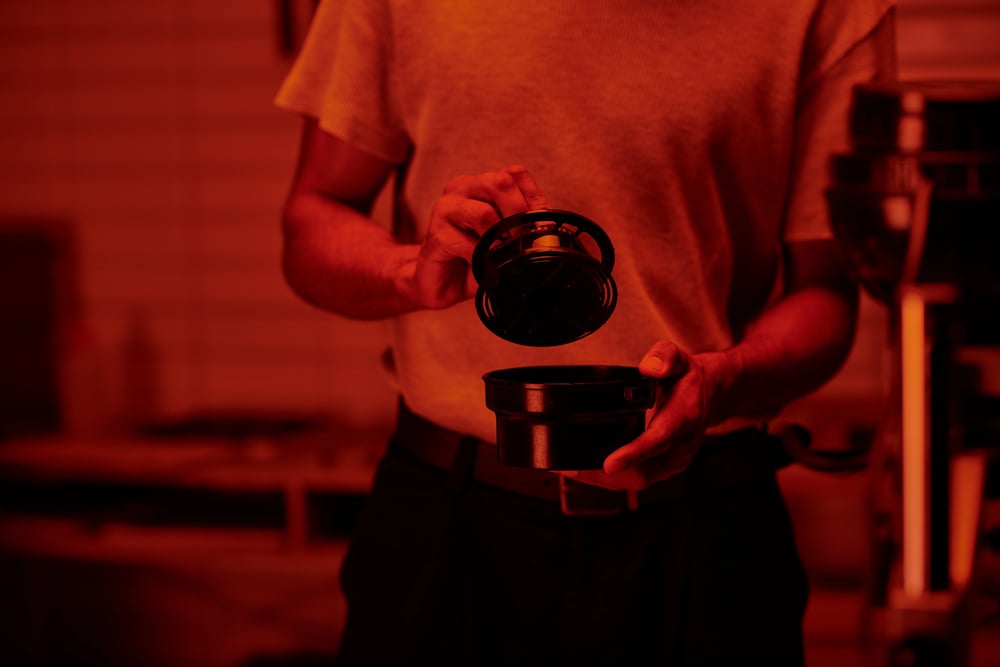
Taking pictures required genuine planning — you had limited shots per roll and couldn’t see results until developing. People carefully composed each photo because film and processing cost real money.
The anticipation of picking up developed photos created its own excitement, especially when you’d forgotten what you’d taken pictures of weeks earlier. Digital cameras killed this delayed gratification, making photography an instant and virtually unlimited medium.
Channel Surfing with TV Guide

TV Guide was the bible of television programming, with families planning their entire week around its listings. People circled shows they wanted to watch and negotiated viewing schedules to avoid conflicts over the single television remote.
Channel surfing meant manually clicking through every station because you never knew what might be on. Streaming and on-demand viewing made scheduled programming feel as antiquated as appointment television itself.
Calling Stores for Hours and Inventory

Shopping required actual phone calls to check if stores had specific items in stock or to confirm their operating hours. People developed relationships with store employees who would hold merchandise or call when new shipments arrived.
Holiday shopping meant calling multiple locations to track down popular items before making the trip. Google and store websites made these exploratory phone calls unnecessary, though the personal service often disappeared along with the calls.
Using Encyclopedias for Research

Multi-volume encyclopedia sets sat prominently in family rooms, representing thousands of dollars and serious educational commitment. Students lugged heavy volumes to desks and spent hours cross-referencing topics across different books.
Parents bought these sets believing they were investing in their children’s academic future. Wikipedia and Google made these expensive collections instantly obsolete, though the browsing experience of discovering unexpected topics while researching something else has never been quite replicated.
Answering Machines with Outgoing Messages
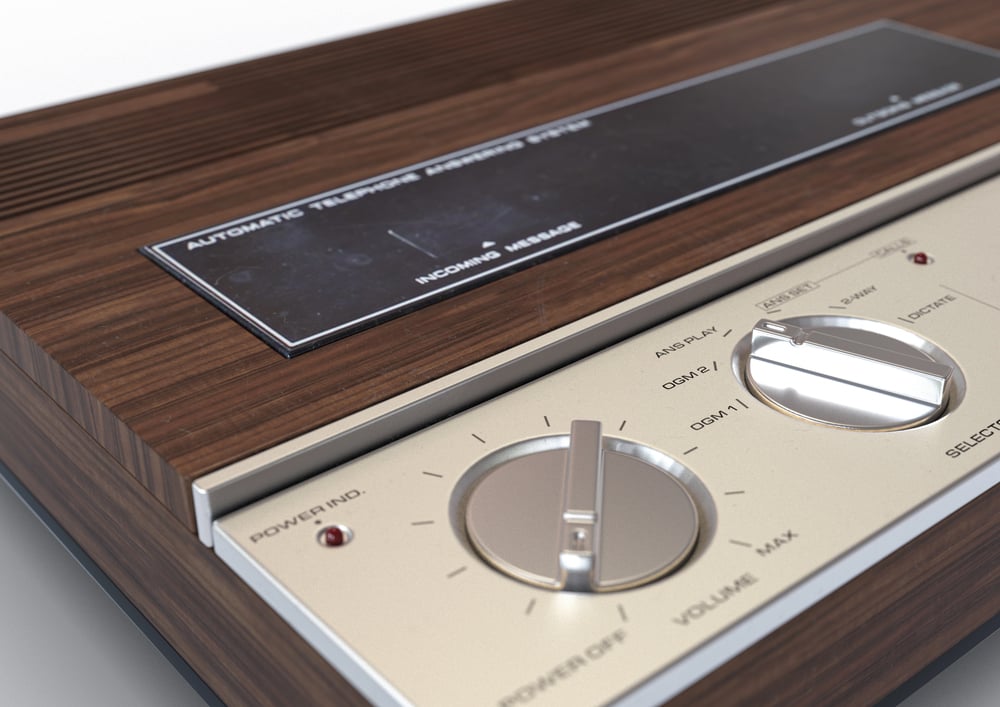
Crafting the perfect answering machine greeting became a minor art form, with families recording and re-recording until they got it right. People left detailed messages knowing the recipient would hear every word, and checking messages became a daily ritual.
Voicemail systems eliminated the need for physical machines but kept the basic concept alive. Texting and instant messaging have now made even voicemails feel unnecessarily formal and time-consuming.
Blockbuster Friday Night Rituals

Friday evenings meant family trips to video rental stores, where browsing the aisles and debating movie choices became entertainment in itself. The new release wall determined weekend plans, and popular movies required strategy to secure copies.
Late fees created genuine anxiety and motivated people to return movies on time or face financial consequences. Netflix’s mail service began at the end, but streaming services completely eliminated these communal browsing experiences.
Carrying Cash for Everything
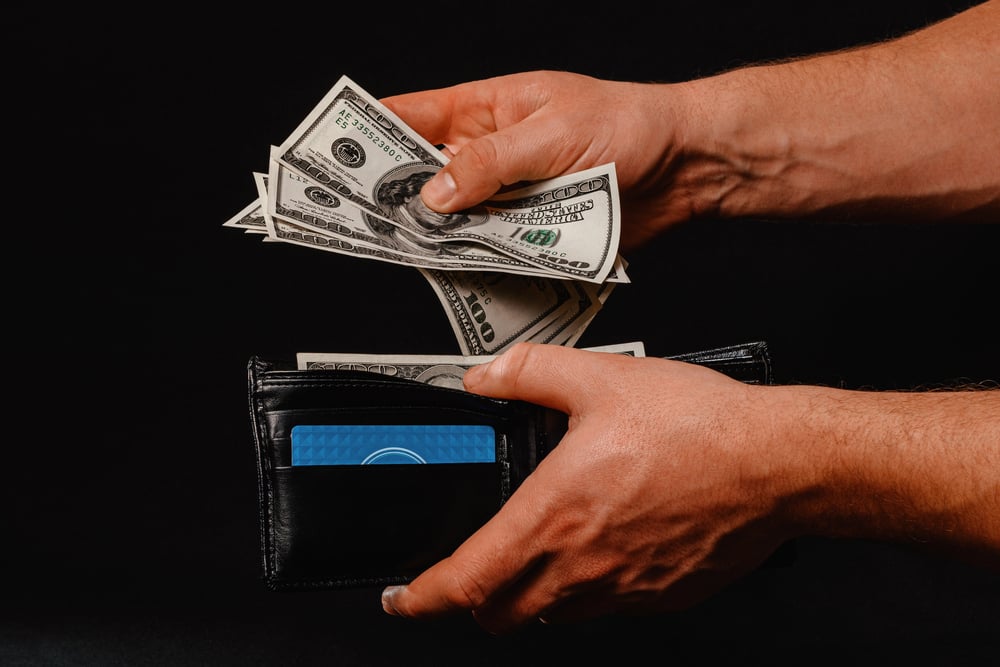
Daily life required actual money for most purchases — vending machines, parking meters, tips, and small transactions all demanded coins and bills. People visited ATMs regularly and always carried some cash for unexpected needs.
Exact change became a survival skill, and running out of cash could derail entire plans. Credit cards and mobile payments have made cash optional for most situations, though some small businesses and service industries still prefer it.
Handwriting Letters and Thank You Notes

Personal correspondence required actual paper, pens, stamps, and trips to mailboxes. People kept stationery sets and wrote thank-you notes by hand because it was considered proper etiquette.
Letters took days to arrive, making written communication feel more thoughtful and permanent. Email started the decline, but social media and texting finished the job — though handwritten notes now feel special precisely because they’re so rare.
Developing Relationships with Video Store Clerks
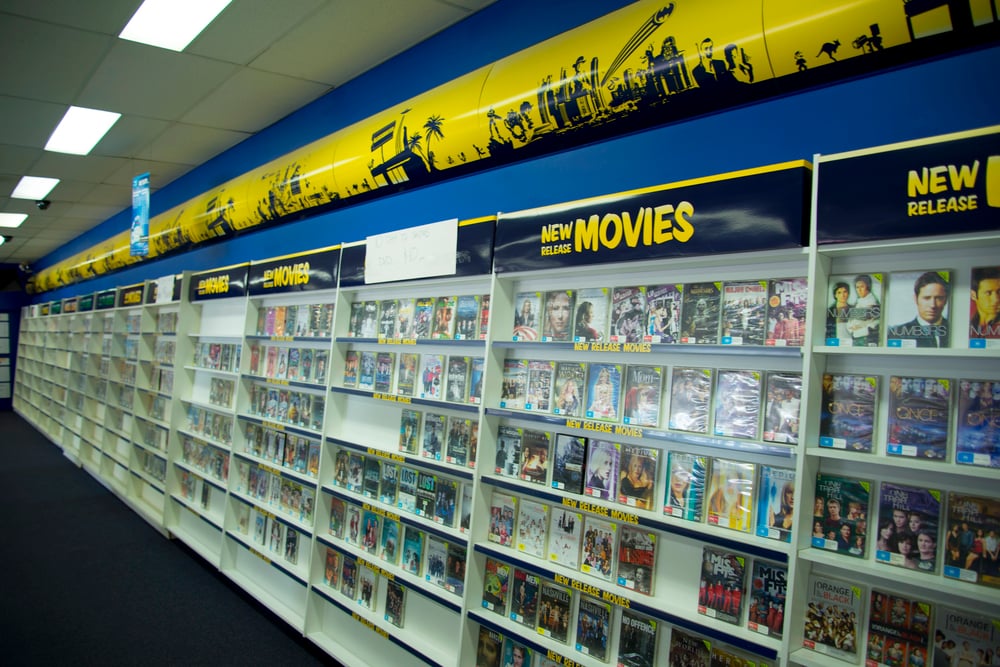
Video store employees became personal movie consultants, learning your preferences and making recommendations based on your rental history. These relationships influenced what you watched and discovered, creating a human element in entertainment selection.
Staff picks sections featuring employees’ personal recommendations, adding credibility and personality to the browsing experience. Algorithm-based suggestions replaced human recommendations, though they’ve never quite captured the serendipity of a passionate film buff’s unexpected suggestion.
Using Alarm Clocks and Watches
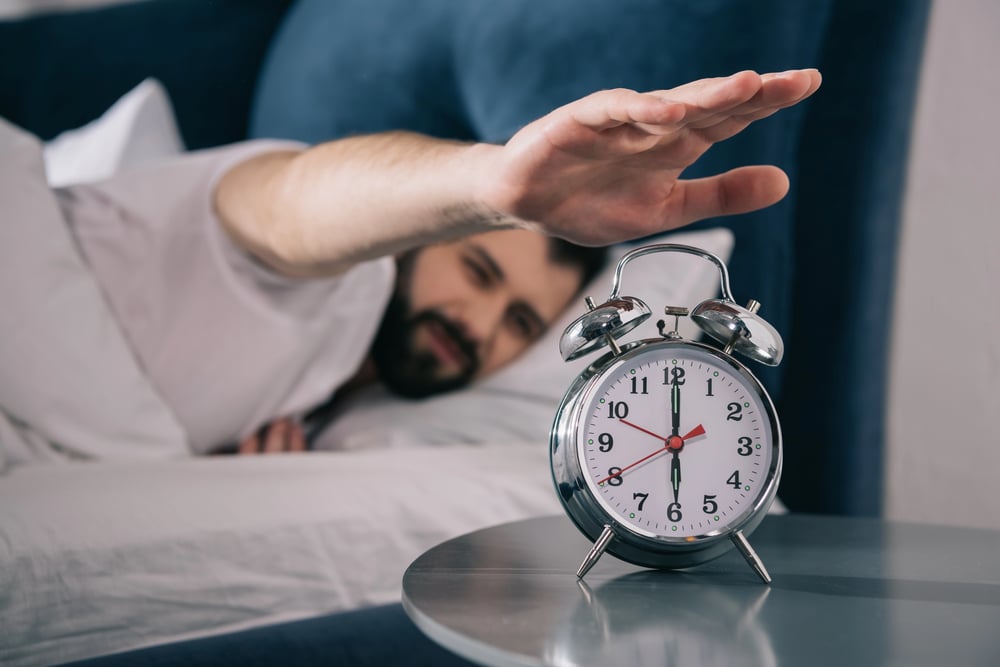
Dedicated timepieces served essential daily functions — alarm clocks woke you up, and wristwatches kept you on schedule throughout the day. People wound watches, set multiple alarms, and replaced batteries as routine maintenance.
Being on time required actively checking the time because clocks weren’t always visible. Smartphones consolidated these functions into a single device, making separate timepieces feel redundant for most people.
Physical Address Books and Rolodexes
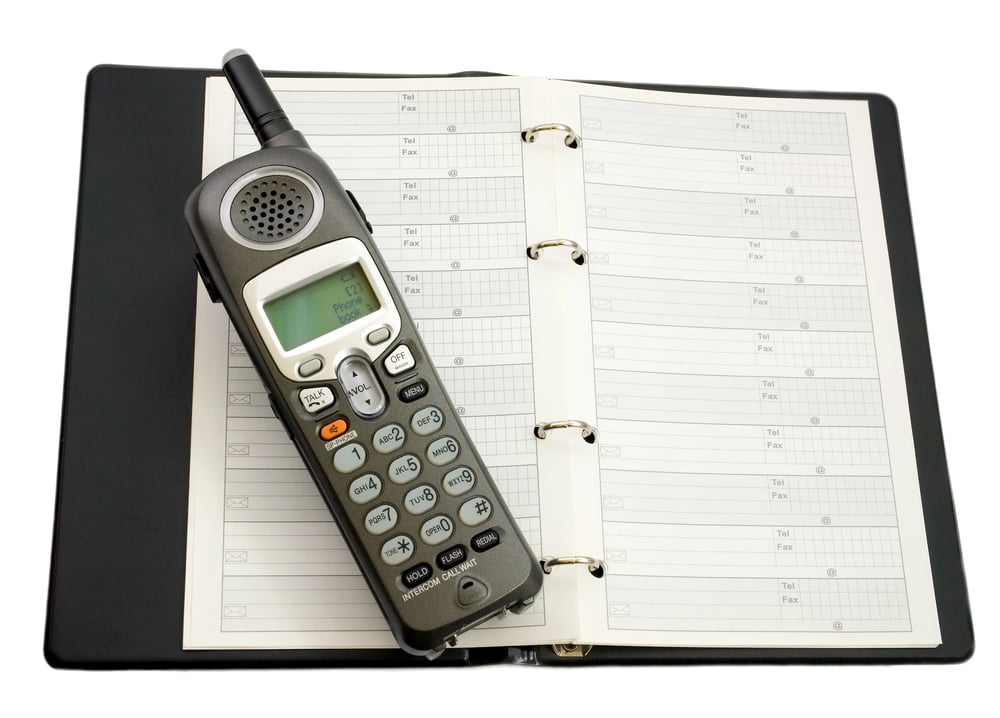
Contact information lived in dedicated books or rotating card files that people updated by hand when addresses or phone numbers changed. These physical directories became treasured possessions, especially after accumulating years of important contacts.
Losing an address book was genuinely devastating because there was no backup copy of all those relationships. Digital contacts made these physical systems obsolete, though they were often more reliable because they couldn’t crash or get accidentally deleted.
When Habits Become History

These vanished practices remind us how quickly fundamental aspects of daily life can change when technology offers better alternatives. What seemed like permanent fixtures of human behavior disappeared within a single generation, leaving behind only nostalgic memories and confused explanations to younger people.
The speed of this transformation suggests that many of today’s ‘essential’ habits will likely seem just as quaint and unnecessary to future generations. Perhaps the most remarkable thing isn’t that these habits disappeared, but how completely we’ve adapted to living without them.
More from Go2Tutors!

- The Romanov Crown Jewels and Their Tragic Fate
- 13 Historical Mysteries That Science Still Can’t Solve
- Famous Hoaxes That Fooled the World for Years
- 15 Child Stars with Tragic Adult Lives
- 16 Famous Jewelry Pieces in History
Like Go2Tutors’s content? Follow us on MSN.