17 Historical Events That Were Made Worse by One Person’s Bad Judgment
History is filled with pivotal moments where everything changed because someone made a terrible decision. Sometimes these moments of poor judgment altered the course of entire nations, while others led to catastrophic disasters that could have been prevented with better choices.
Here is a list of 17 historical events that were dramatically worsened by one person’s unfortunate decision-making. Each serves as a powerful reminder that leadership comes with responsibility and that choices have consequences.
The Chernobyl Disaster

The 1986 nuclear catastrophe wasn’t just a technical failure, it was amplified by human error. Deputy Chief Engineer Anatoly Dyatlov insisted on continuing a safety test despite dangerous reactor conditions and multiple warnings from staff.
His stubborn refusal to acknowledge the risk led to an explosion that released 400 times more radiation than the Hiroshima bomb and created a 1,000 square mile exclusion zone that remains dangerous today.
The Titanic’s Speed Through Ice Fields
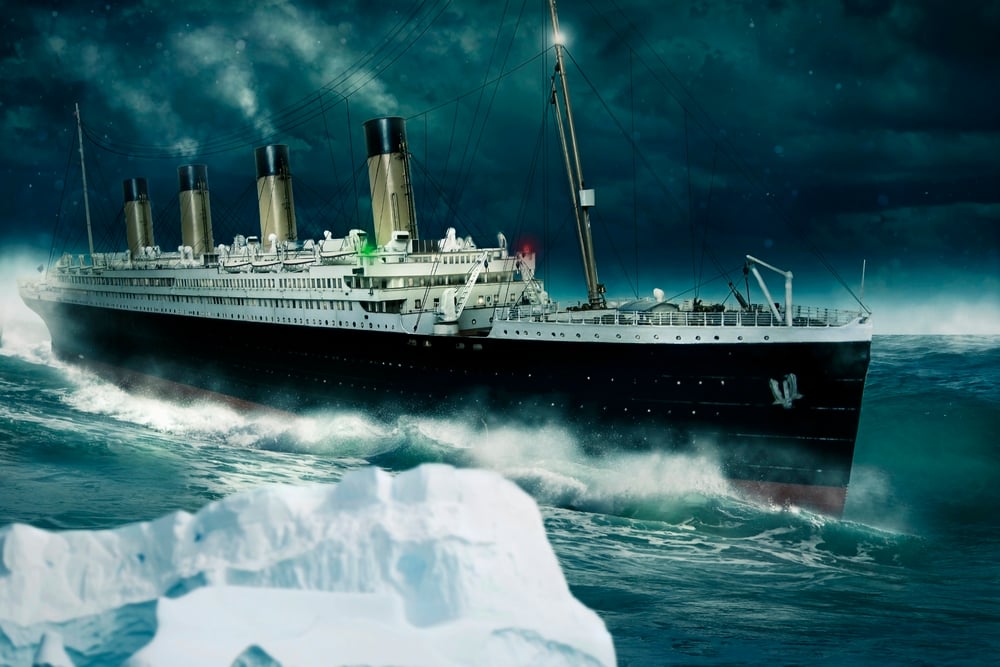
Despite multiple ice warnings, Captain Edward Smith kept the Titanic moving quickly into hazardous waters. Smith put business ambition ahead of passenger safety because the White Star Line was keen to break the transatlantic speed record on the inaugural trip.
When the “unsinkable” ship collided with an iceberg, more than 1,500 individuals lost their lives as a result of this one decision to continue moving at a high speed in spite of obvious dangers.
Emperor Valens at the Battle of Adrianople
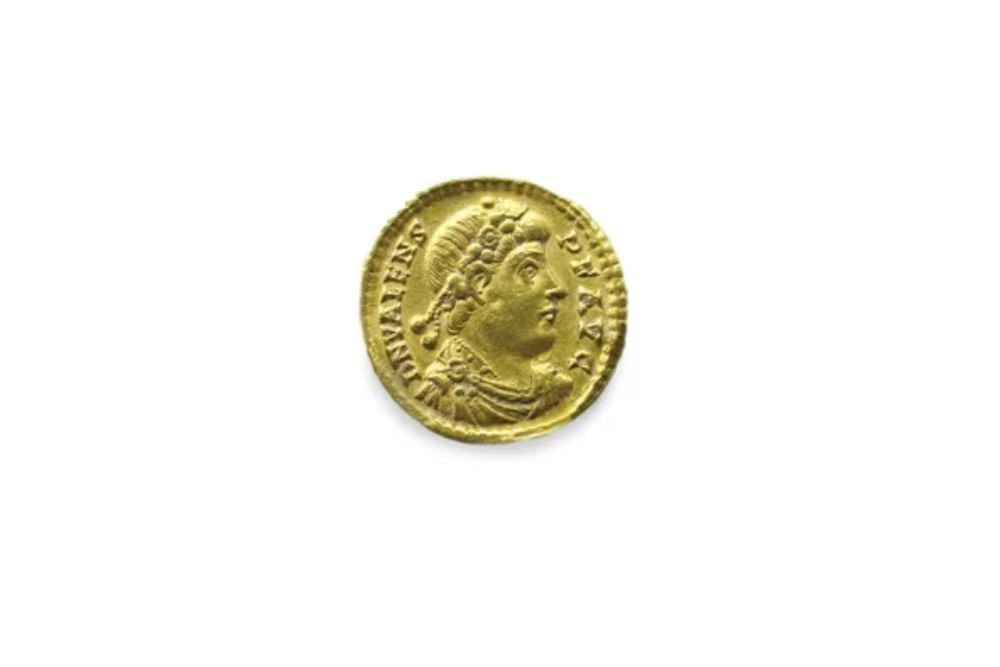
The Roman Emperor Valens refused to wait for reinforcements from his nephew before engaging the Gothic forces in 378 CE. His impatience and desire for military glory led him to attack prematurely, resulting in one of Rome’s most devastating defeats.
The battle not only cost Valens his life but marked the beginning of the end for the Western Roman Empire as barbarian forces gained a foothold within imperial borders.
Napoleon’s Russian Campaign
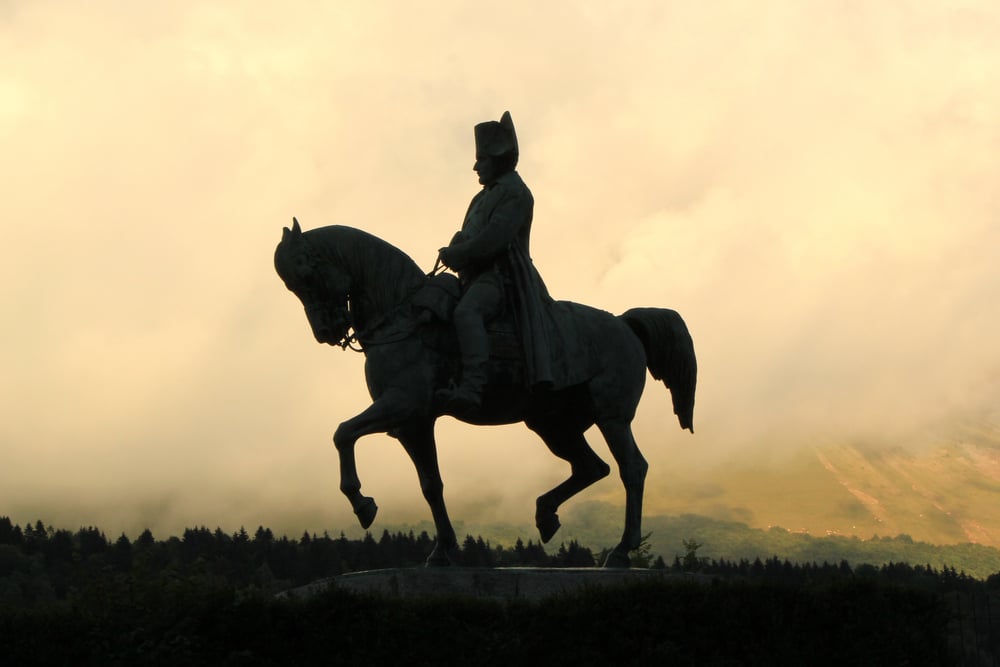
In 1812, Napoleon Bonaparte made the disastrous choice to attack Russia without making sufficient winter preparations. He pushed on in spite of warnings about the Russian winter, leaving his enormous army of 600,000 men vulnerable to temperatures as low as -40 degrees.
With less than 100,000 men returning, his Grande Armée was nearly destroyed due to his obstinate refusal to withdraw early enough, thereby ending French control in Europe.
The Challenger Launch Decision
NASA manager Bob Lanning overruled engineers who warned against launching the Space Shuttle Challenger in cold temperatures. The engineers from Morton Thiokol specifically cautioned that the O-rings might fail in the freezing conditions, but the pressure to maintain the launch schedule prevailed.
The resulting explosion 73 seconds after liftoff killed all seven crew members and set the space program back for years.
Emperor Nero’s Great Fire Response

Emperor Nero’s response to the fire that destroyed Rome in 64 CE was remarkably insufficient. He took advantage of the catastrophe to clear ground for his ambitious Domus Aurea palace project rather than concentrating solely on rescue activities.
Public trust was badly eroded by his poor prioritization and the idea that he was more focused on his construction ambitions than the suffering of his constituents, which ultimately led to his collapse.
Franz Ferdinand’s Motorcade Route Change
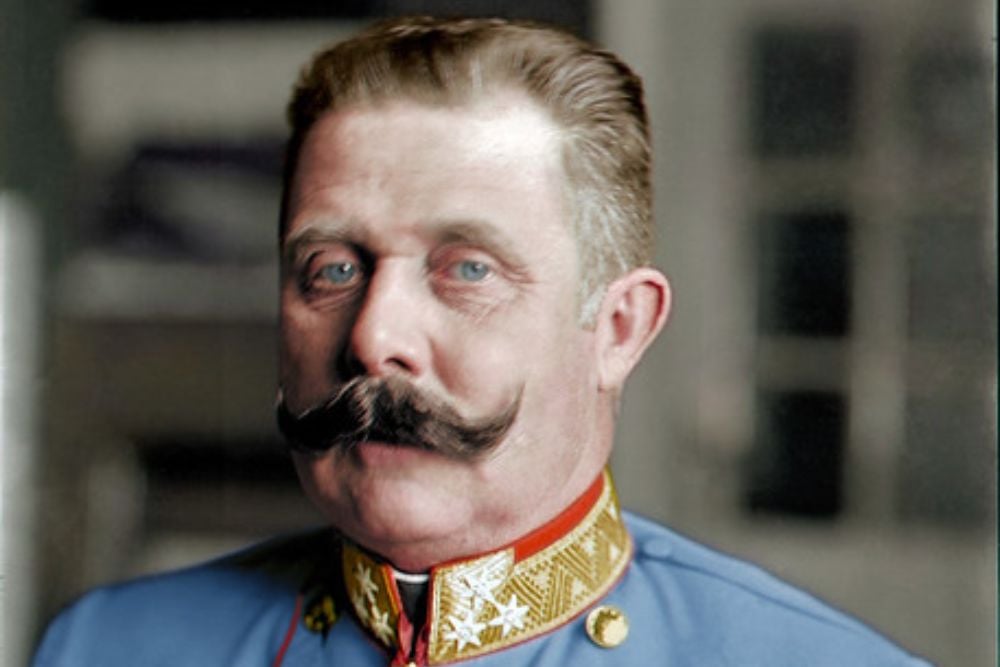
After an earlier assassination attempt, Archduke Franz Ferdinand’s driver made an unplanned route change that inadvertently drove directly past assassin Gavrilo Princip. This navigational error gave Princip a second opportunity to shoot the Archduke and his wife, triggering a chain of events that spiraled into World War I. A simple wrong turn ultimately contributed to a conflict that claimed over 20 million lives.
The Bay of Pigs Invasion

President Kennedy approved the disastrous 1961 plan to overthrow Fidel Castro with a small force of Cuban exiles, despite numerous flaws in the operation. The CIA assured success, and Kennedy, new to office, trusted their judgment without sufficient scrutiny.
The poorly planned invasion was crushed within three days, strengthening Castro’s position, pushing Cuba closer to the Soviet Union, and eventually contributing to the Cuban Missile Crisis.
King John and the Crown Jewels
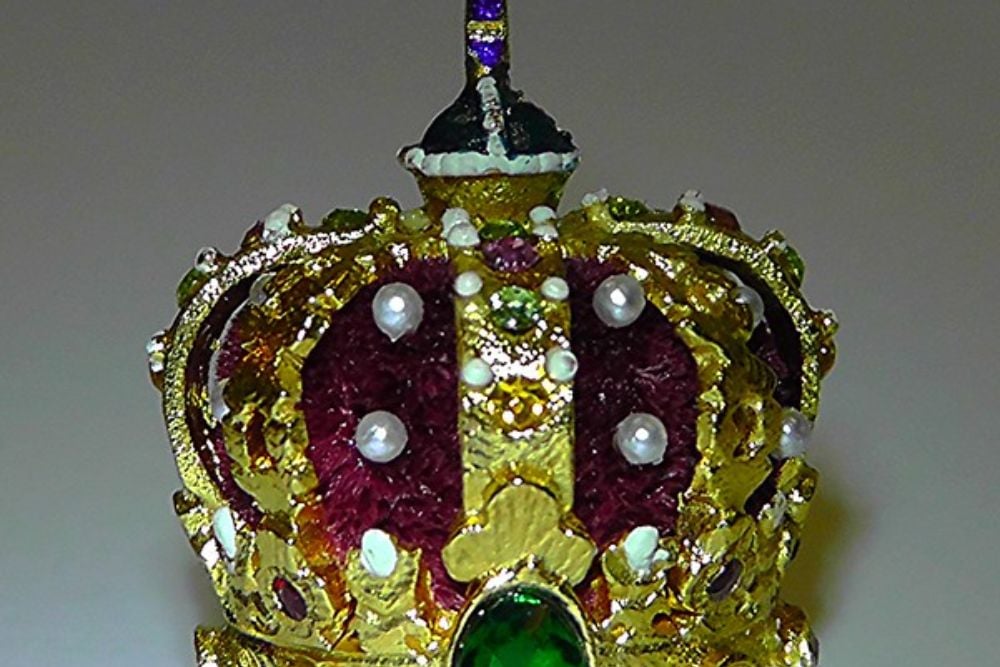
King John of England lost the Crown Jewels while crossing the Wash estuary in 1216. Despite warnings about dangerous tides, he chose a shortcut that resulted in his baggage train being swallowed by quicksand.
The loss of the royal treasure significantly weakened his position during a civil war and may have contributed to his death shortly afterward from stress-related illness.
Emperor Moctezuma’s Welcome of Cortés
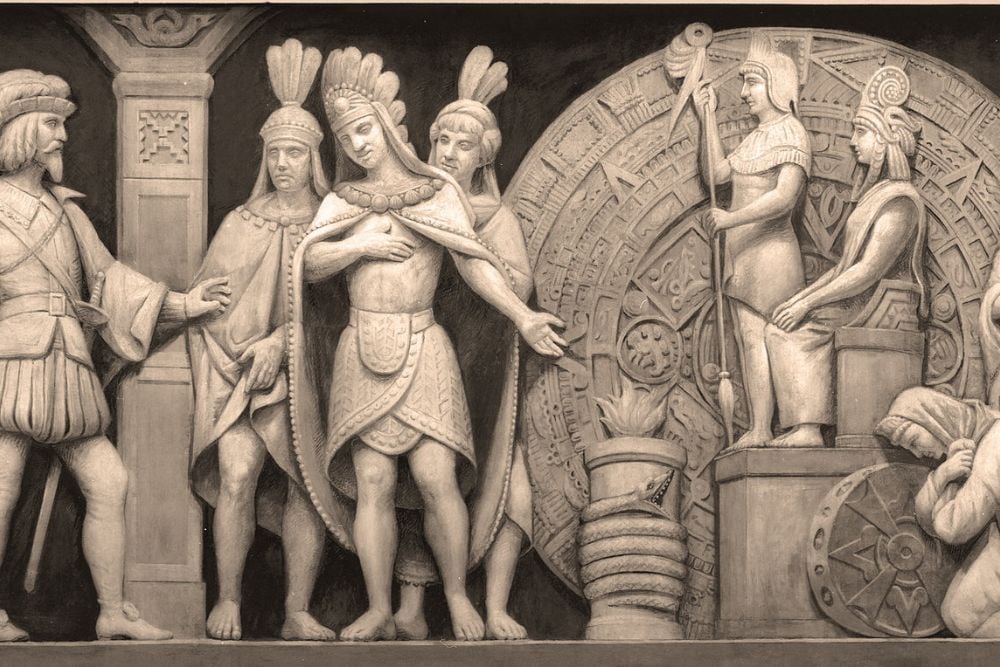
Aztec Emperor Moctezuma II decided to welcome Hernán Cortés into Tenochtitlan in 1519, believing he might be the returning god Quetzalcoatl. This catastrophic misjudgment allowed Cortés and a small force to enter the heart of the Aztec Empire.
Moctezuma was later taken hostage, and his hospitality ultimately facilitated the Spanish conquest that destroyed the Aztec civilization and killed millions through warfare and disease.
The Charge of the Light Brigade

During the Crimean War, Lord Raglan issued vague orders that were misinterpreted by Lord Lucan, resulting in the Light Brigade charging directly into Russian artillery. The miscommunication and failure to clarify the orders led to a suicidal frontal assault against fortified positions.
This needless sacrifice of elite cavalry troops became symbolic of the dangers of poor military communication and blind obedience.
George Armstrong Custer at Little Bighorn

Lieutenant Colonel Custer refused reconnaissance reports about the size of Native American forces gathered at Little Bighorn in 1876. His overconfidence led him to divide his forces and attack a much larger Lakota-Cheyenne coalition without waiting for reinforcements.
The decision resulted in the complete annihilation of his immediate command of 268 men, including Custer himself, in what became known as ‘Custer’s Last Stand.’
The Hindenburg’s Hydrogen Fill

Despite the availability of helium, the designers of the Hindenburg chose to use highly flammable hydrogen to fill the airship. The United States had banned helium exports to Nazi Germany, but alternative designs could have been pursued.
This decision to proceed with hydrogen made the otherwise advanced airship vulnerable to the catastrophic fire that killed 36 people and ended the era of passenger airships forever.
Captain William Thomas Turner and the Lusitania
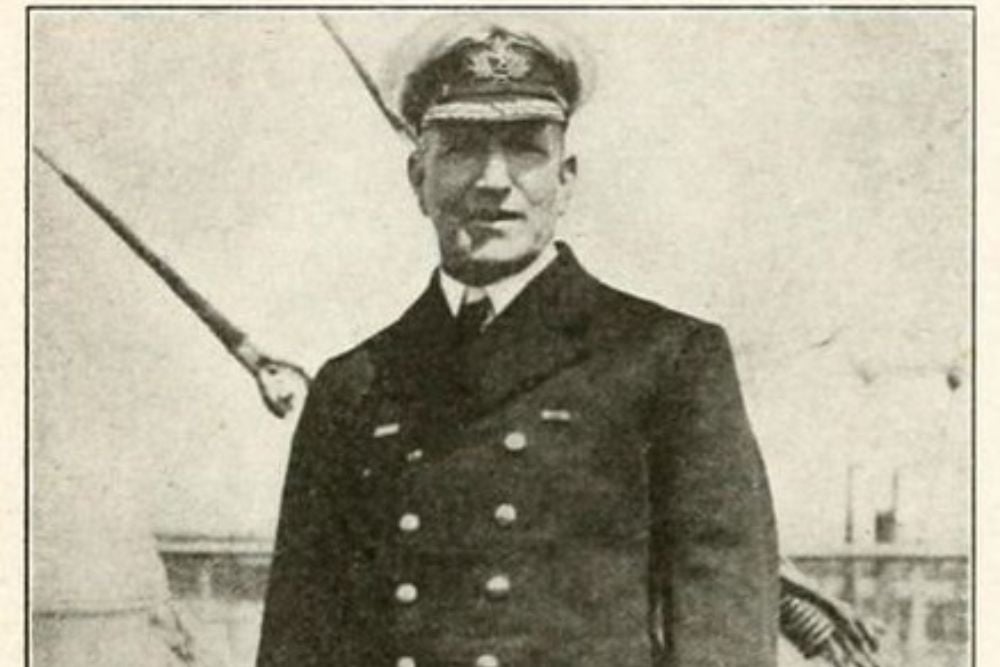
Captain Turner ignored Admiralty warnings about German U-boats when navigating the Lusitania near the Irish coast in 1915. He failed to implement zigzag maneuvers, maintained a predictable course, and reduced speed in dangerous waters.
These decisions made the passenger liner an easy target for a German submarine, resulting in 1,198 deaths and contributing to American sentiment against Germany in World War I.
Marie Antoinette’s “Let Them Eat Cake” Moment
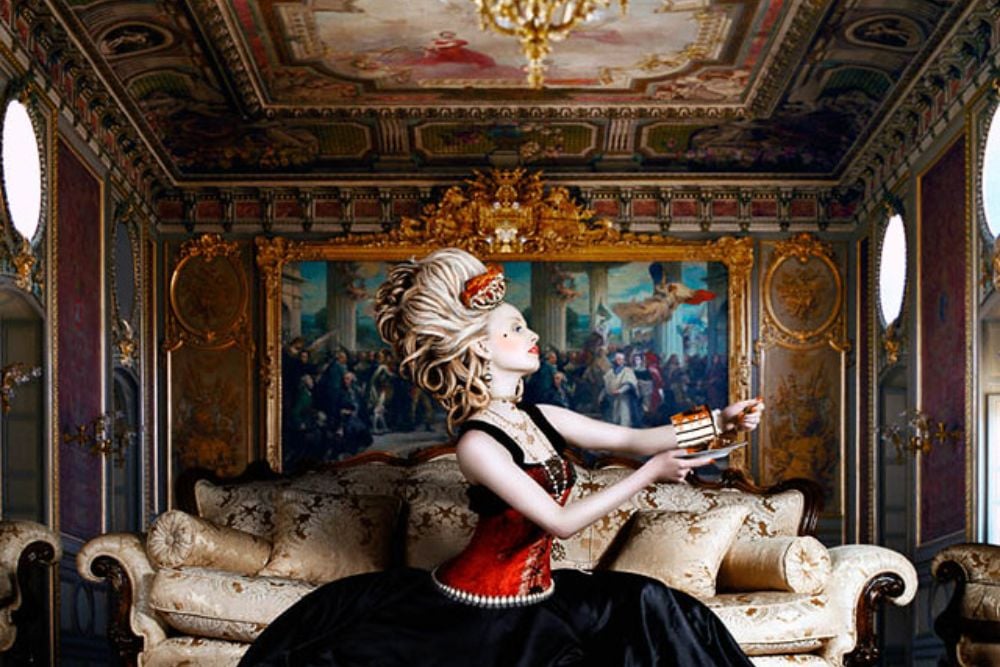
While she likely never actually said these words, Marie Antoinette’s perceived indifference to the suffering of ordinary French citizens during food shortages inflamed public opinion. Her failure to recognize the severity of the economic crisis and her continued lavish lifestyle amid widespread poverty helped fuel revolutionary sentiment.
This disconnect between the monarchy and the people’s struggles accelerated the French Revolution that eventually cost her her head.
Chairman Mao’s Great Leap Forward
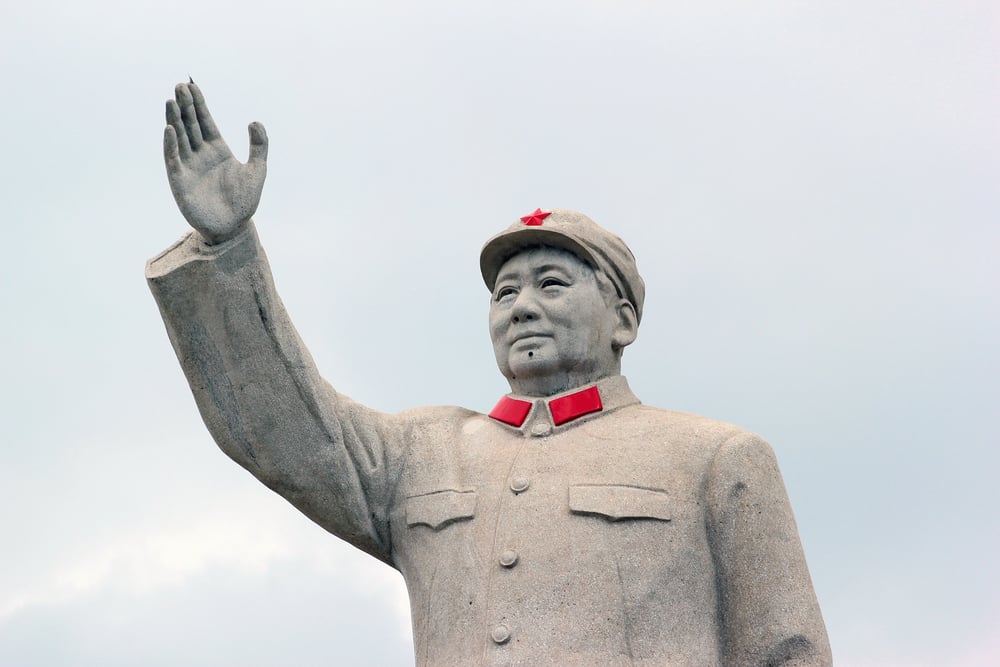
Mao Zedong’s decision to rapidly industrialize China through the Great Leap Forward ignored agricultural realities and expert advice. He mandated impossible production quotas and diverted farm labor to industrial projects while implementing unproven agricultural techniques. His refusal to acknowledge the developing famine or accept reports of failure resulted in the deaths of an estimated 15-55 million Chinese citizens between 1958 and 1962.
Tsar Nicholas II’s War Leadership

Tsar Nicholas II’s decision to personally take command of Russian forces during World War I proved disastrous. Despite having no military experience, he left the government in the hands of his unpopular wife and Rasputin while taking responsibility for military failures at the front.
This decision connected the monarchy directly to military defeats, accelerated the collapse of public support, and created a power vacuum in Petrograd that contributed directly to the Russian Revolution.
The Echoes of Poor Judgment
Throughout history, moments of crisis have revealed the true character of leaders and decision-makers. What these 17 examples demonstrate is that poor judgment rarely affects only the individual, it ripples outward, sometimes changing the course of entire civilizations.
The consequences of these decisions continue to influence our world today, reminding us that power comes with profound responsibility, and history rarely forgives those who wield it carelessly.
More from Go2Tutors!

- The Romanov Crown Jewels and Their Tragic Fate
- 13 Historical Mysteries That Science Still Can’t Solve
- Famous Hoaxes That Fooled the World for Years
- 15 Child Stars with Tragic Adult Lives
- 16 Famous Jewelry Pieces in History
Like Go2Tutors’s content? Follow us on MSN.