17 Historical Photos That Were Completely Staged
Photography has always walked a fine line between truth and fiction. While we tend to think of historical photographs as candid snapshots of the past, many of the most famous images we know were actually carefully orchestrated productions. From wartime propaganda to artistic statements, photographers have long understood that sometimes the most ‘authentic’ moment is the one you create yourself.
The art of staging photos isn’t a modern phenomenon born from social media. Here is a list of 17 historical photographs that were completely staged, revealing how image-makers throughout history have crafted reality to serve their vision.
Raising the Flag on Iwo Jima

The most famous photograph of World War II shows six Marines raising the American flag on Mount Suribachi during the Battle of Iwo Jima. Joe Rosenthal’s iconic shot actually captures the second flag-raising of the day.
The first flag was deemed too small to be seen from the beach below, so military officials ordered a larger replacement. Rosenthal arrived just in time to capture this staged moment, which would become one of the most reproduced images in American history.
Afghan Girl

Steve McCurry’s haunting 1984 portrait of a young Afghan refugee became one of National Geographic’s most recognizable covers. While the girl’s piercing green eyes and weathered face seem to capture a spontaneous moment, McCurry later admitted he directed the shot extensively.
He had the girl hold her pose for several frames and adjusted the lighting to create the dramatic effect that would make the image so compelling.
Like Go2Tutors’s content? Follow us on MSN.
The Falling Soldier
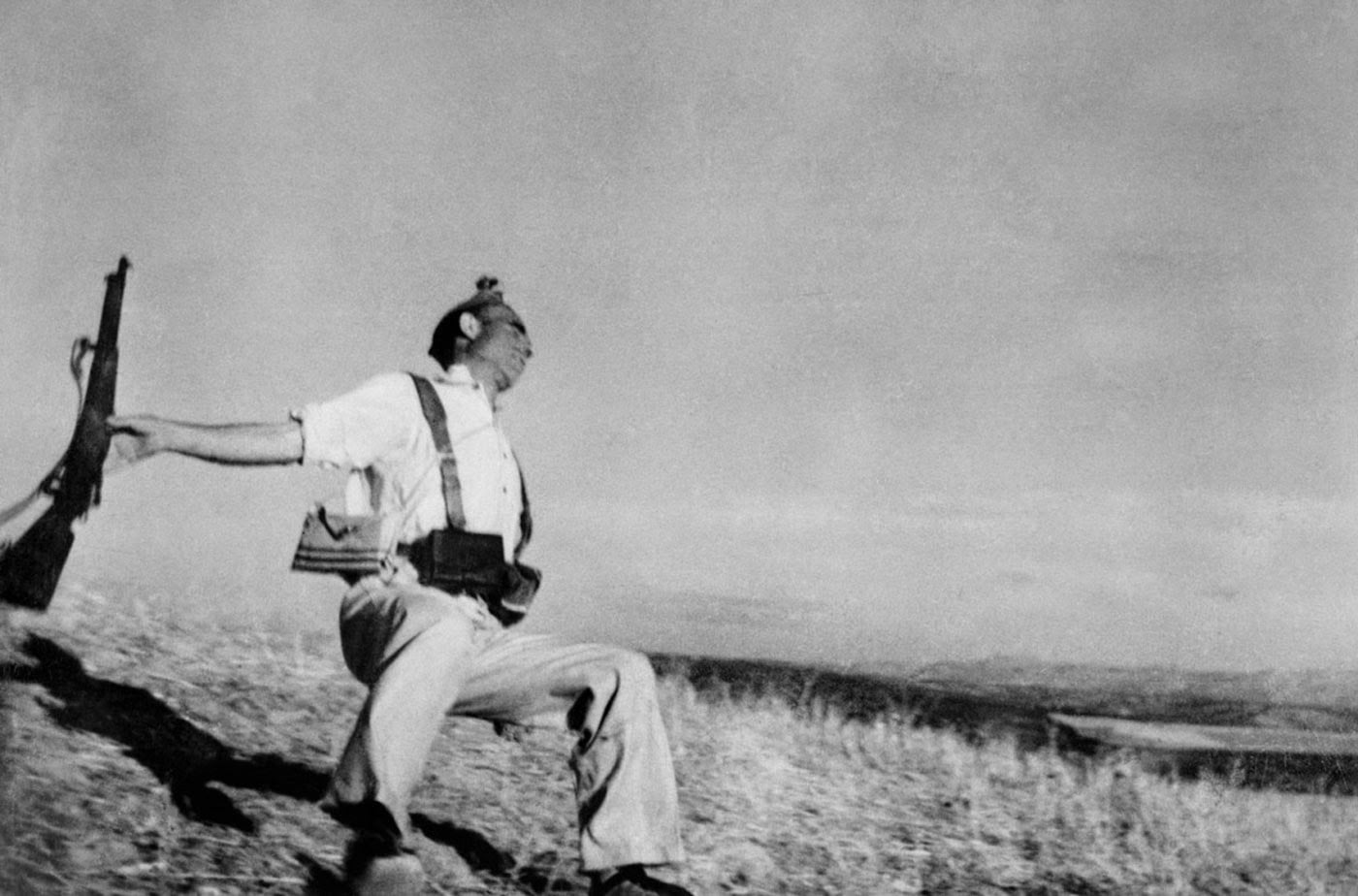
Robert Capa’s 1936 photograph of a Spanish Civil War soldier at the moment of death became an instant symbol of war’s brutality. Decades later, researchers discovered the image was likely staged during a training exercise rather than actual combat.
Capa never confirmed or denied the staging, but evidence suggests the dramatic ‘death’ was performed for the camera.
Migrant Mother
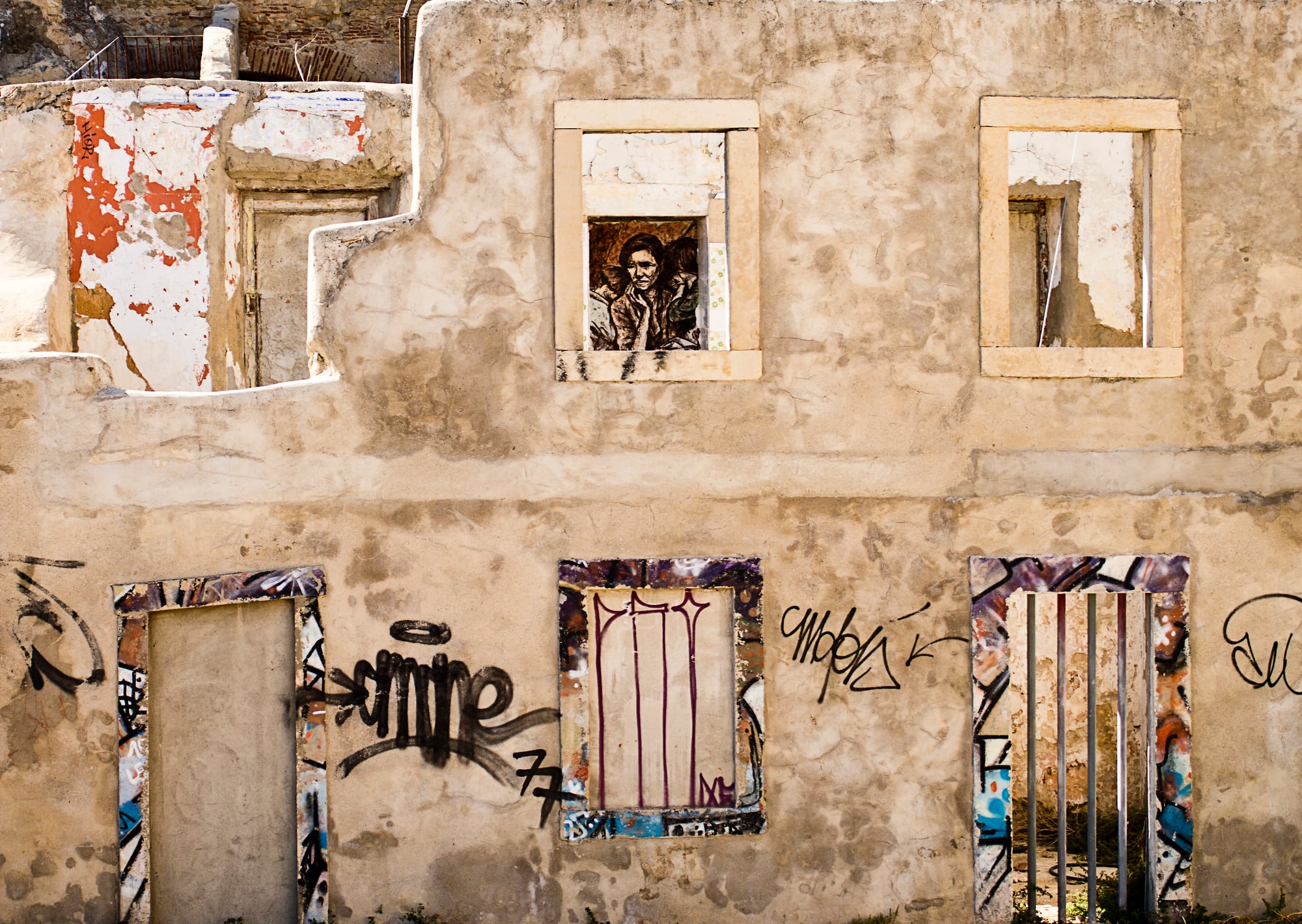
Dorothea Lange’s 1936 portrait of Florence Owens Thompson and her children epitomizes Great Depression hardship. While the family was genuinely struggling, Lange directed the composition extensively, moving the children into specific positions and having Thompson adopt particular expressions.
The photographer took multiple shots over several minutes, crafting what would become the era’s defining image.
The Kiss by the Hotel de Ville

Robert Doisneau’s romantic 1950 photograph of a couple kissing on a Paris street corner appears to capture pure spontaneity. The image was actually staged using hired actors, Françoise Delbart and Jacques Carteaud.
Doisneau later faced a lawsuit when another couple claimed to be the subjects, forcing him to reveal the true circumstances of the shoot.
Like Go2Tutors’s content? Follow us on MSN.
The Hindenburg Disaster

While the Hindenburg’s explosion was real, many of the most dramatic photographs were taken by photographers who had advance knowledge of the airship’s arrival. The media had been alerted to potential problems, and photographers positioned themselves strategically to capture the disaster.
Some images show camera operators already in perfect positions before the explosion began.
Gandhi and the Spinning Wheel
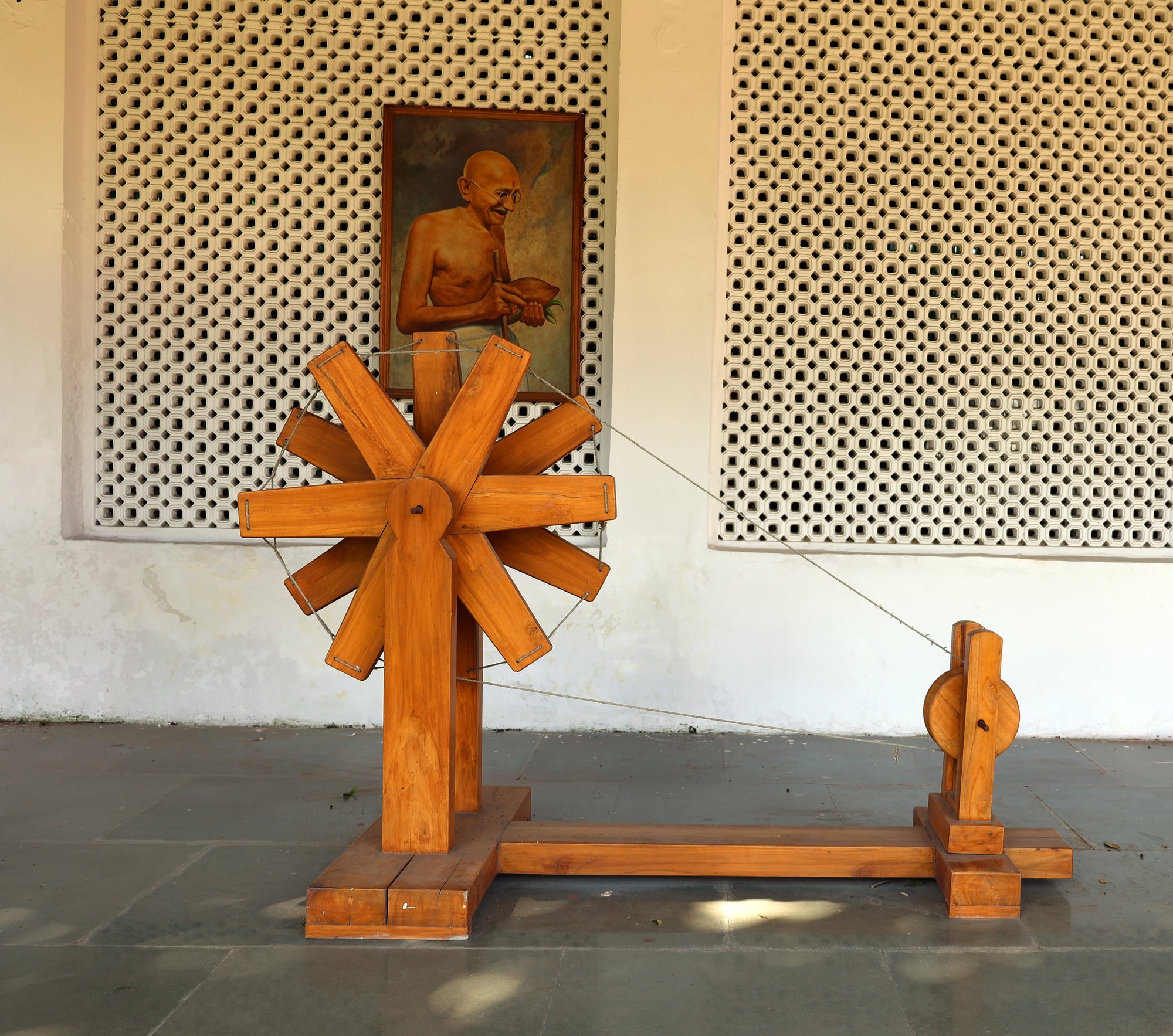
Margaret Bourke-White’s 1946 portrait of Mahatma Gandhi sitting beside his spinning wheel has become synonymous with his philosophy of self-reliance. Bourke-White extensively staged the scene, arranging the lighting and Gandhi’s position to create symbolic meaning.
She even had assistants adjust the wheel’s position multiple times to achieve the desired composition.
The Lunch atop a Skyscraper

The famous 1932 photograph of construction workers eating lunch on a beam high above Manhattan was a publicity stunt for Rockefeller Center. The workers were real, but the scene was carefully arranged by the building’s publicity department.
Safety nets were positioned just out of frame, and the workers were specifically chosen for their photogenic qualities.
Like Go2Tutors’s content? Follow us on MSN.
The Flag Raising at Reichstag
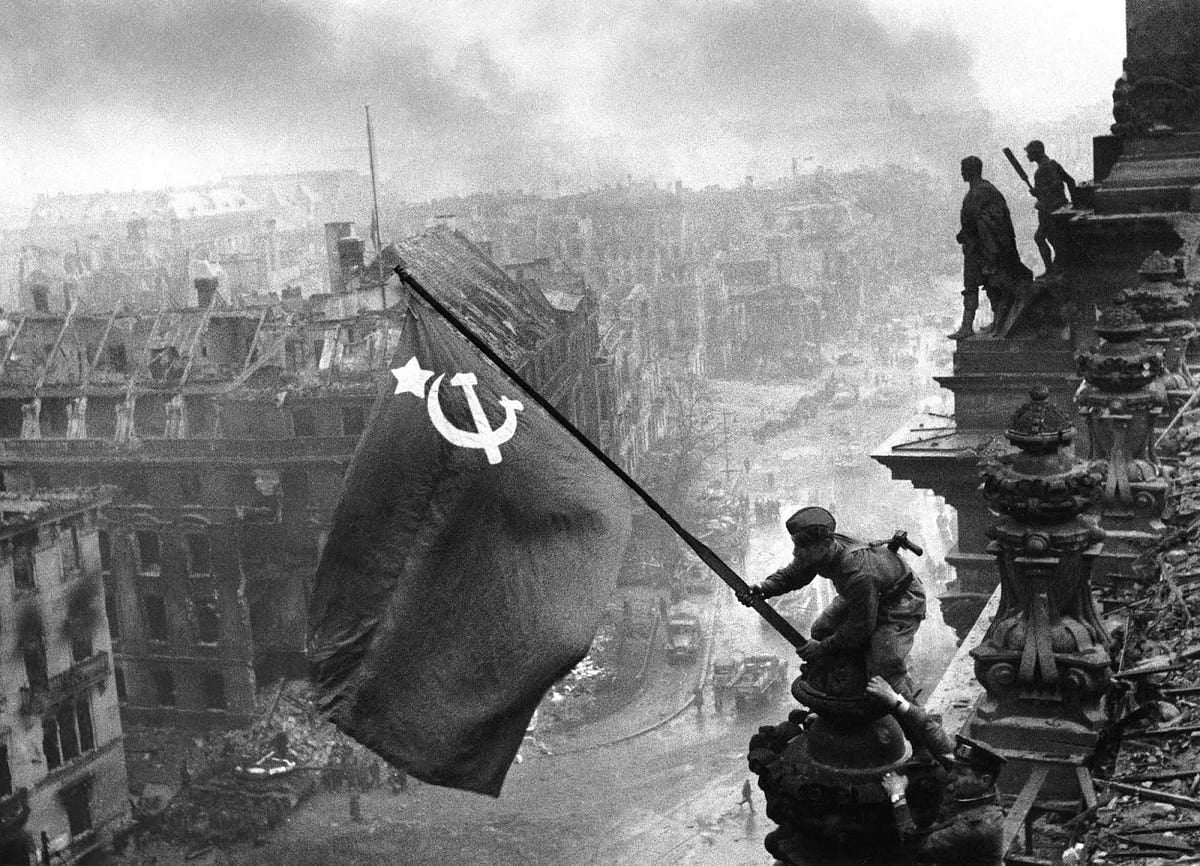
Yevgeny Khaldei’s 1945 photograph of Soviet soldiers raising their flag over the conquered Reichstag building was heavily manipulated. The photographer added smoke for dramatic effect, removed a second watch from a soldier’s wrist to avoid implications of looting, and staged multiple flag-raisings to get the perfect shot.
The image became the Soviet Union’s defining victory photograph.
The Steerage
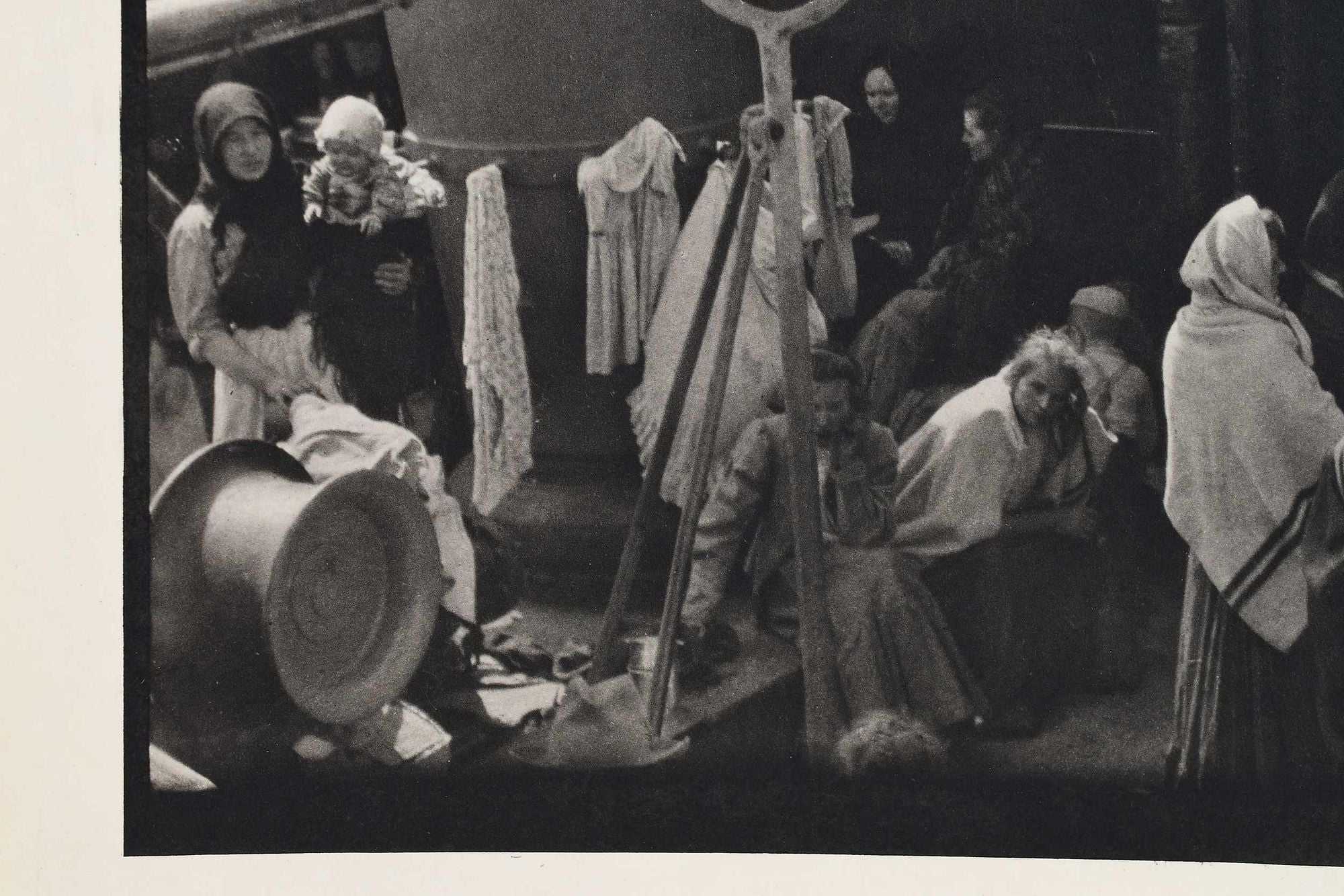
Alfred Stieglitz’s 1907 photograph aboard an ocean liner appears to capture the contrast between first-class and steerage passengers. Stieglitz actually spent considerable time arranging his composition, waiting for passengers to move into positions that would create the artistic statement he desired.
The ‘candid’ social commentary was carefully orchestrated.
Guerrillero Heroico
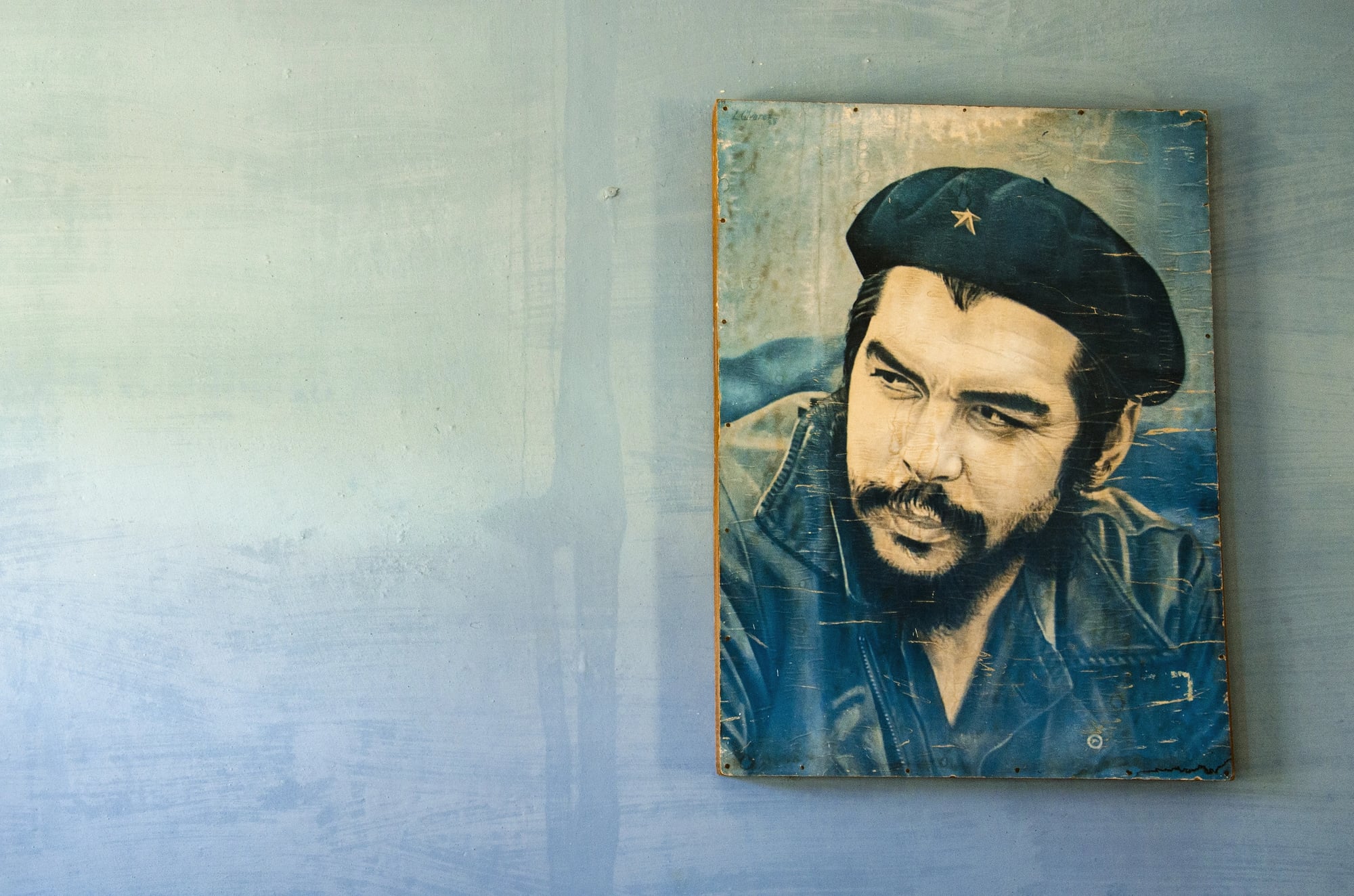
Alberto Korda’s 1960 photograph of Che Guevara was taken during a memorial service, but the iconic crop and composition were carefully selected from multiple shots. Korda staged several photographs during the event, and the famous image we know today represents just a small portion of the original frame, edited to create maximum impact.
Like Go2Tutors’s content? Follow us on MSN.
The Execution of a Viet Cong Prisoner
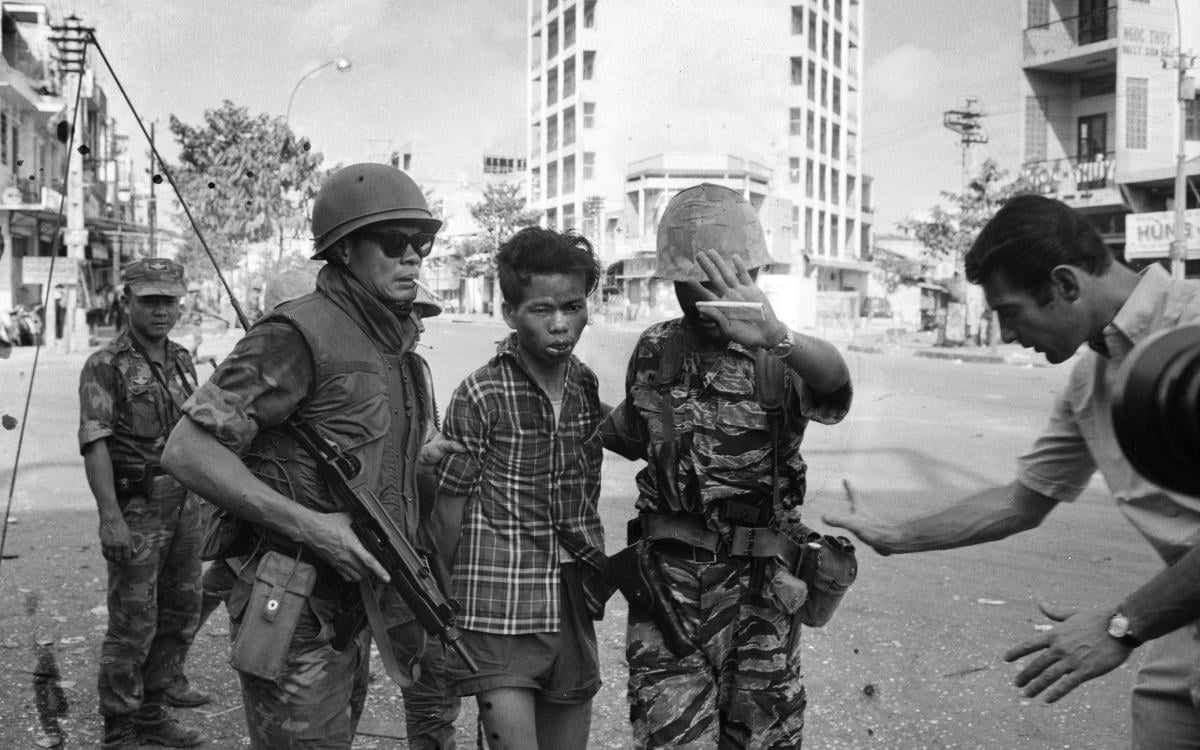
Eddie Adams’ 1968 Pulitzer Prize-winning photograph shows South Vietnamese General Nguyen Ngoc Loan executing a Viet Cong prisoner. While the execution was real, Adams later revealed he had been following the general specifically hoping to capture dramatic action.
The timing and positioning were partially orchestrated, though the actual killing was genuine.
The Loch Ness Monster

The famous 1934 photograph of the Loch Ness Monster was later revealed to be completely fabricated using a toy submarine with an attached head and neck. Photographer Robert Wilson claimed to have captured the creature by chance, but the image was actually staged as part of an elaborate hoax that fooled the world for decades.
The Signing of the Declaration of Independence
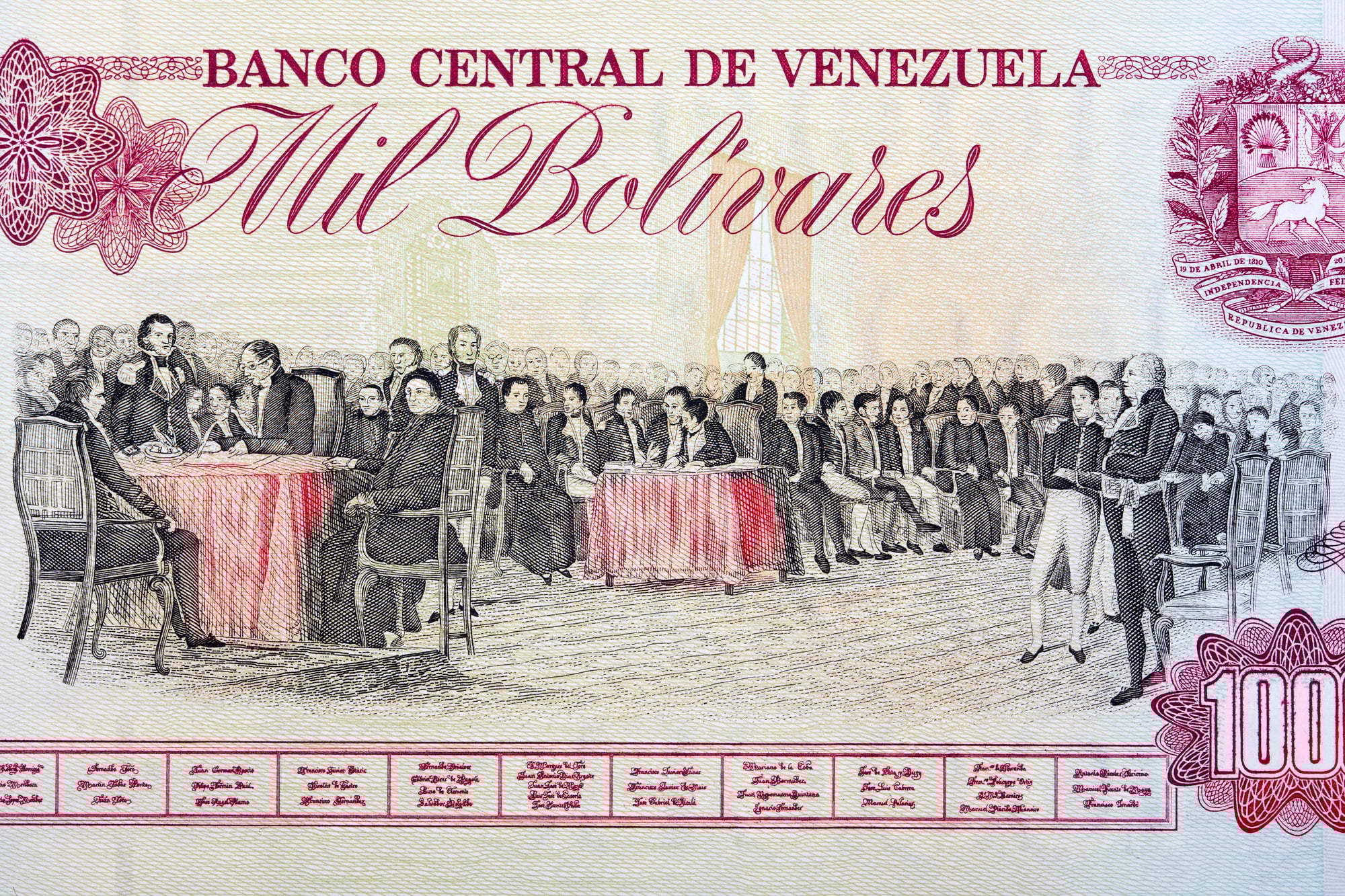
John Trumbull’s famous painting was later photographed and distributed as a historical document, but the scene never actually occurred. The signing happened over several months, and many signers were never in the same room together.
Trumbull created an idealized version of events that became more famous than the actual historical process.
Like Go2Tutors’s content? Follow us on MSN.
The Death of General Wolfe
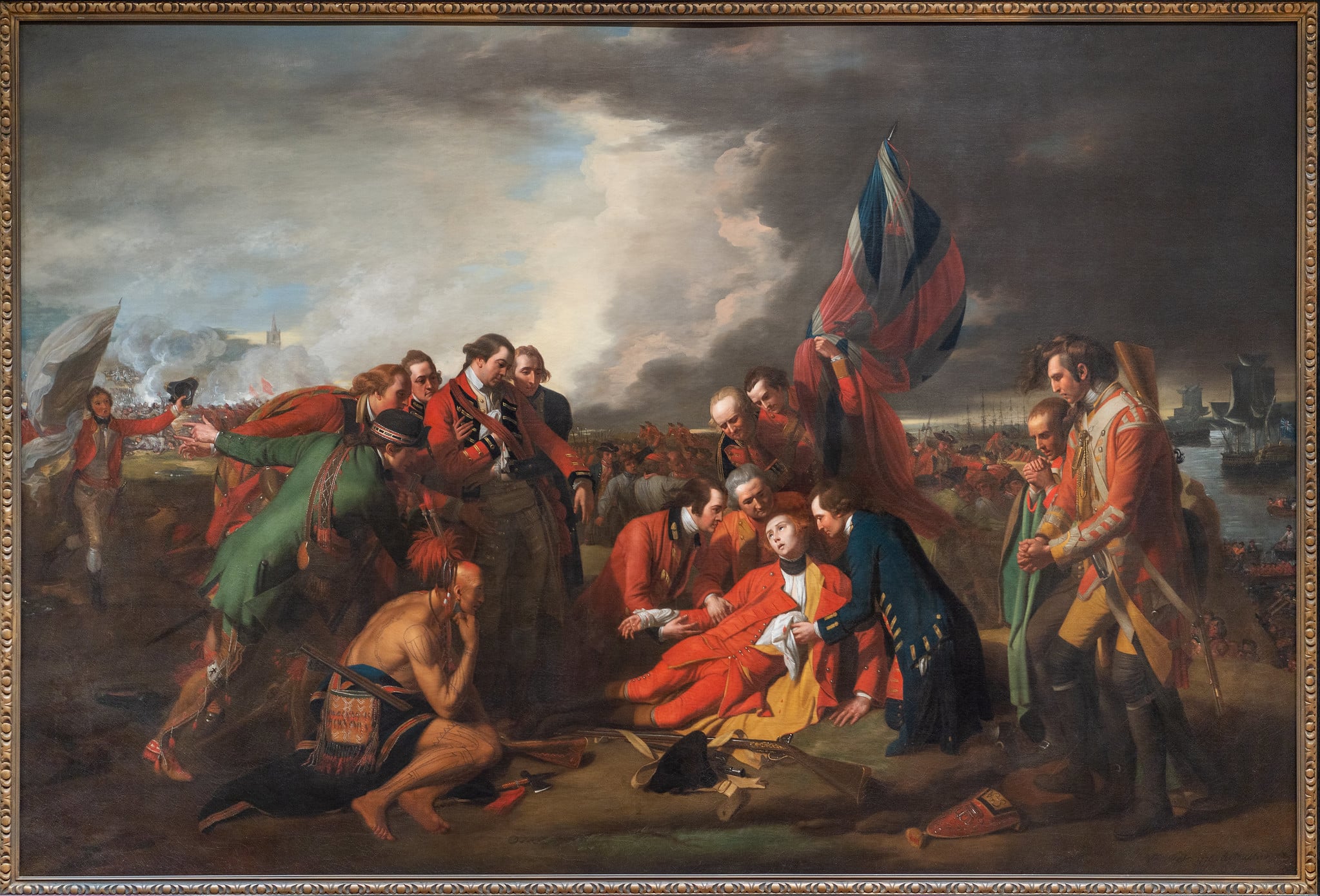
Benjamin West’s 1770 painting was later reproduced as a photograph and treated as historical documentation. The scene was entirely imagined, as West wasn’t present at the Battle of Quebec, and the dying general’s actual circumstances were quite different.
The staged composition created a heroic narrative that influenced how people remembered the event.
The Cottage Industry
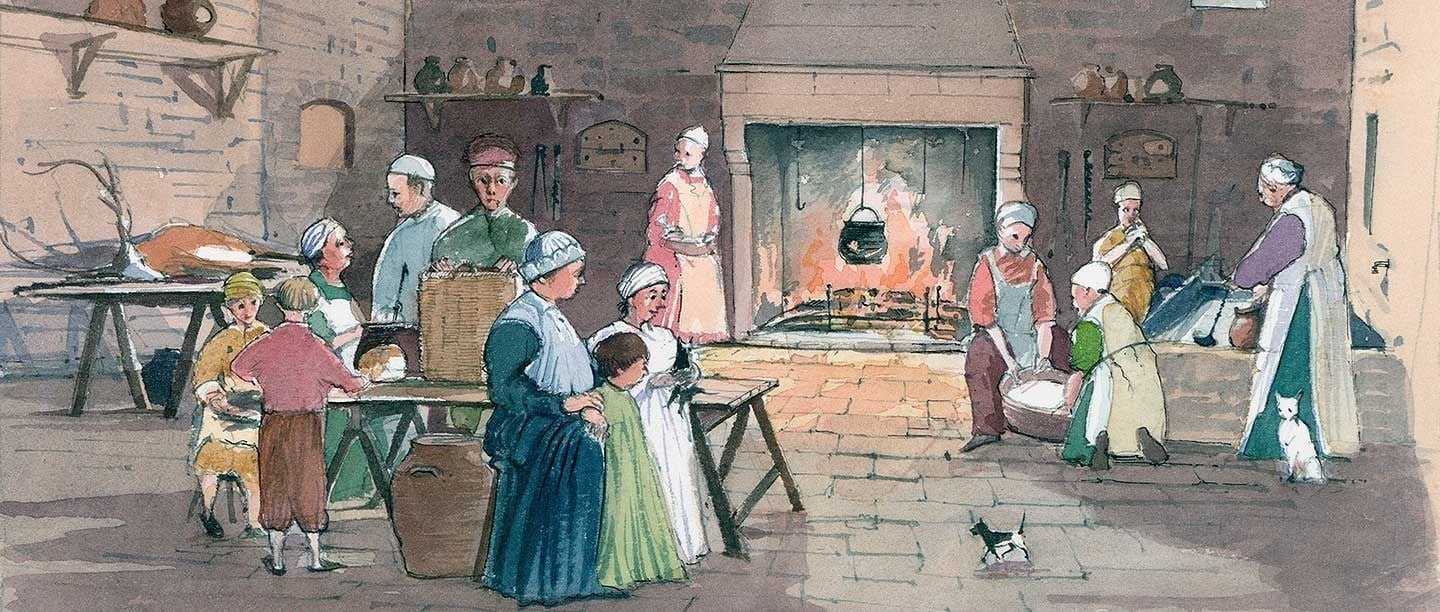
Lewis Hine’s early 1900s photographs of child laborers appear to show spontaneous working conditions. However, Hine often directed his subjects and arranged scenes to create maximum emotional impact for his social reform campaigns.
While the working conditions were real, the specific moments captured were carefully orchestrated to serve his advocacy goals.
The Last Spike
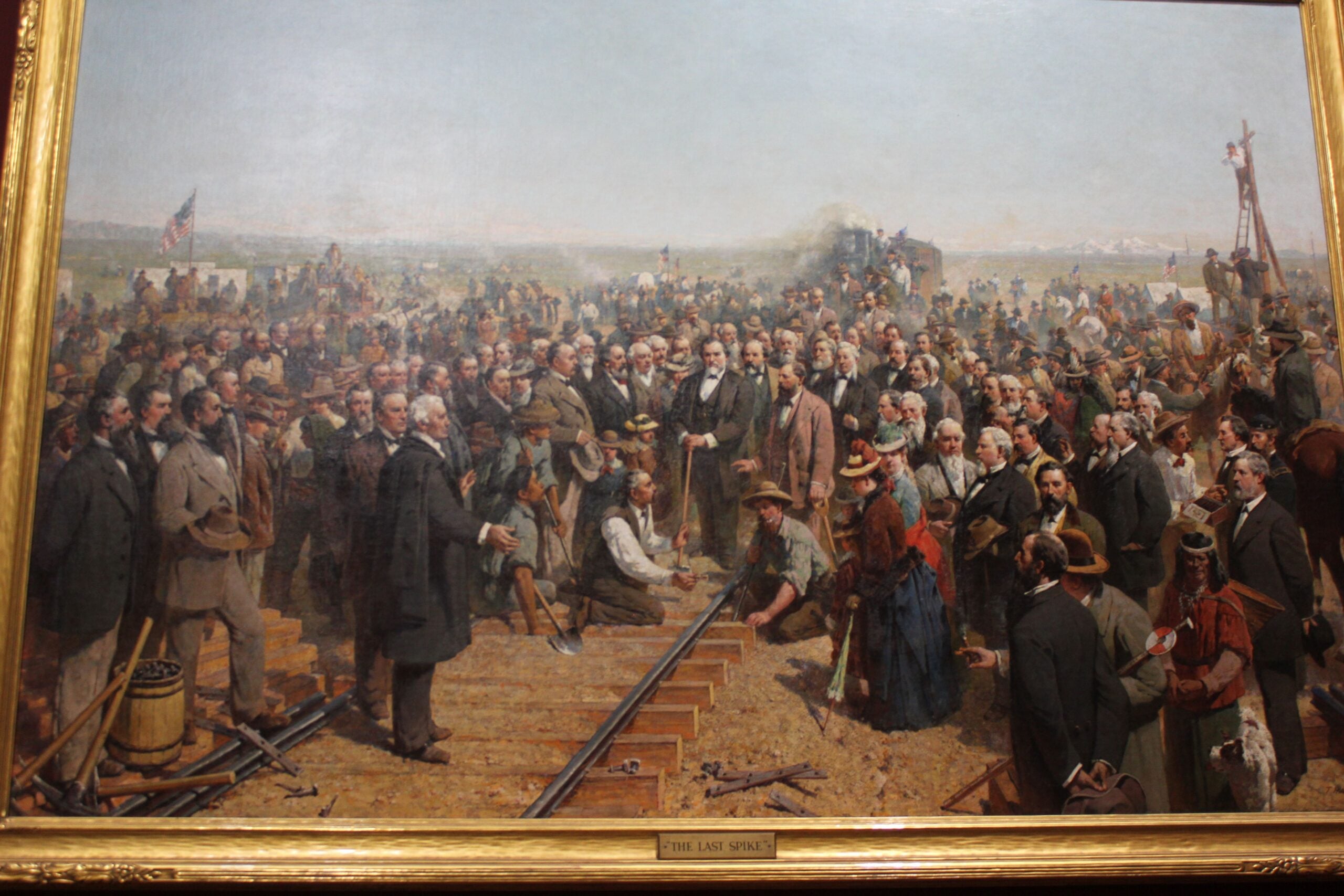
The famous 1869 photograph of the completion of the transcontinental railroad was actually the second ceremony of the day. The first ceremony was botched photographically, so officials restaged the entire event with different participants.
The image we know today shows a completely reconstructed moment rather than the actual historical completion.
When Reality Becomes Performance
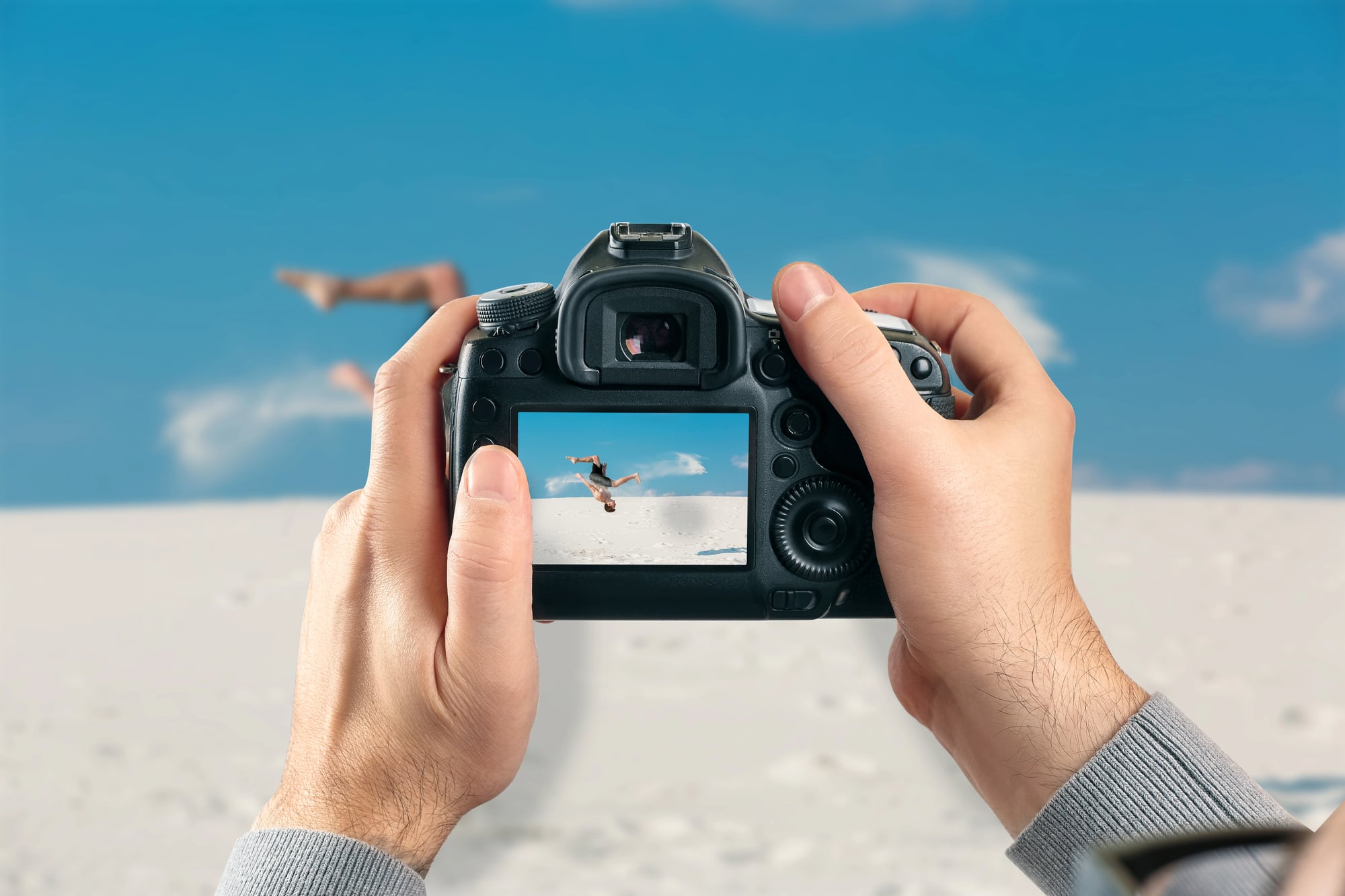
These staged photographs remind us that the camera has never been a neutral observer. From the earliest days of photography, image-makers have understood that creating meaning sometimes requires constructing reality.
While we might feel deceived by these revelations, these photographs succeeded in their true purpose: creating lasting impressions that shaped how we understand our world. The line between documentation and art has always been blurrier than we’d like to admit.
More from Go2Tutors!

- 18 Unexpectedly Valuable Collectibles You Might Have Lying Around
- 20 Little-Known Historical Battles That Had Huge Consequences
- 20 Historical Artifacts That Scientists Can’t Explain
- 15 Inventions That Were Immediately Banned After Being Created
- 20 Actors Who Were Almost Cast in Iconic Roles
Like Go2Tutors’s content? Follow us on MSN.