17 Historical “What Ifs” That Nearly Changed Everything
History often balances on knife edges—moments where slightly different decisions or outcomes might have dramatically altered our world. These pivotal junctures, where fate seemed to hang by a thread, reveal just how contingent our present reality truly is on seemingly minor historical details.
Here is a list of 17 historical inflection points that nearly steered humanity down completely different paths.
The Mongol Retreat From Europe
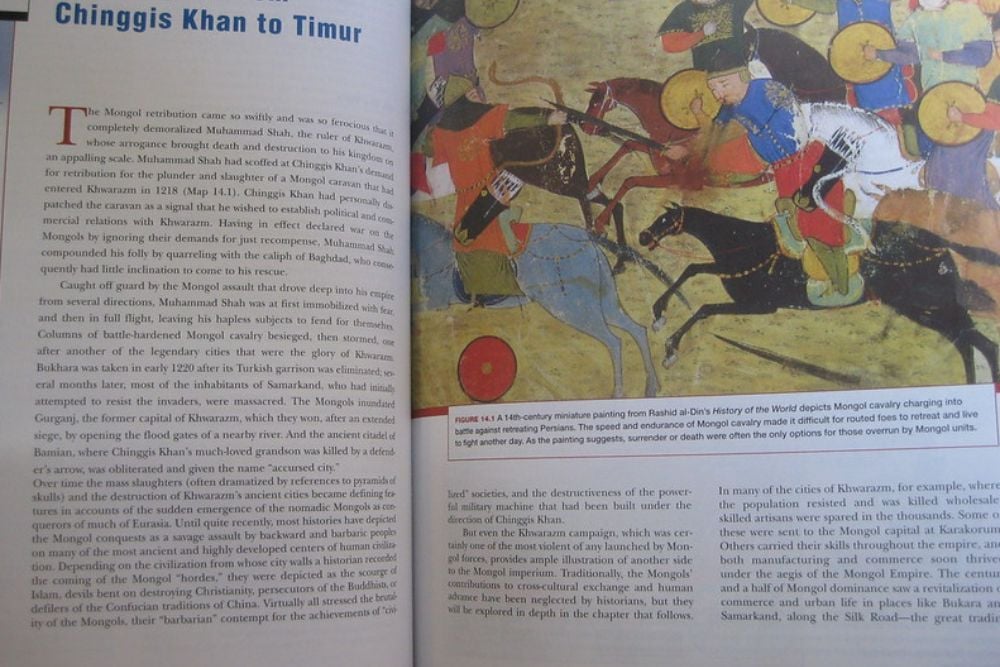
In 1242, the Mongol armies under Batu Khan were crushing European opposition and appeared unstoppable. They suddenly withdrew from Hungary and Poland, likely because their Great Khan Ögedei had died, requiring leaders to return to Mongolia for succession matters.
Had they continued westward, Renaissance Europe might never have emerged, potentially delaying scientific and cultural developments by centuries.
Hitler’s Art School Application
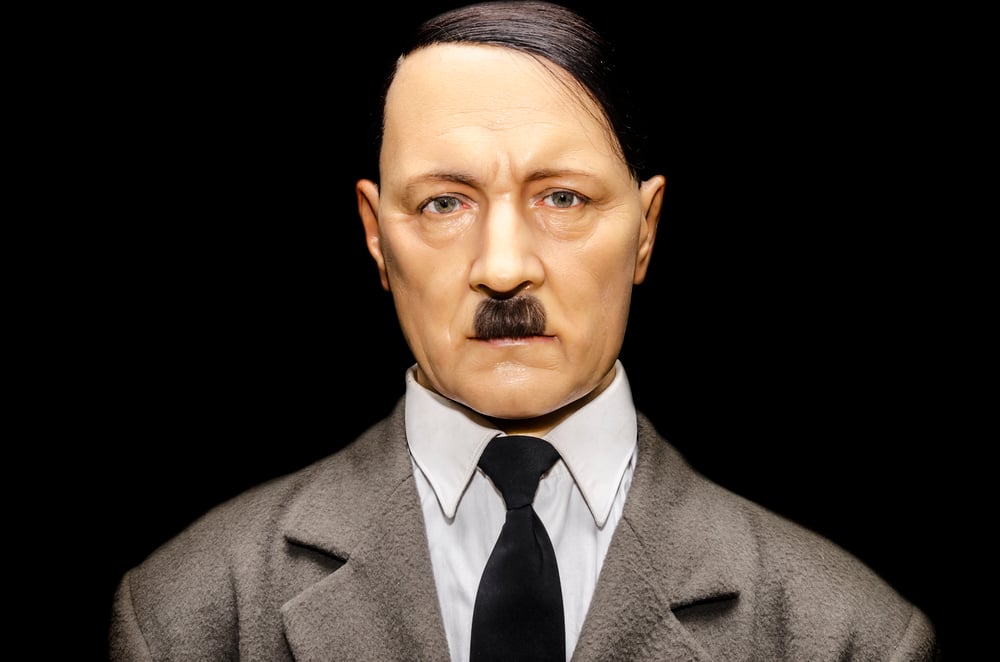
Before becoming the architect of World War II and the Holocaust, Adolf Hitler twice applied to the Academy of Fine Arts Vienna. Both times he was rejected, with evaluators noting his landscapes showed promise but his figure drawing was inadequate.
Had he been accepted, he might have pursued art rather than politics, potentially averting a conflict that claimed over 70 million lives.
The 1962 Cuban Missile Crisis
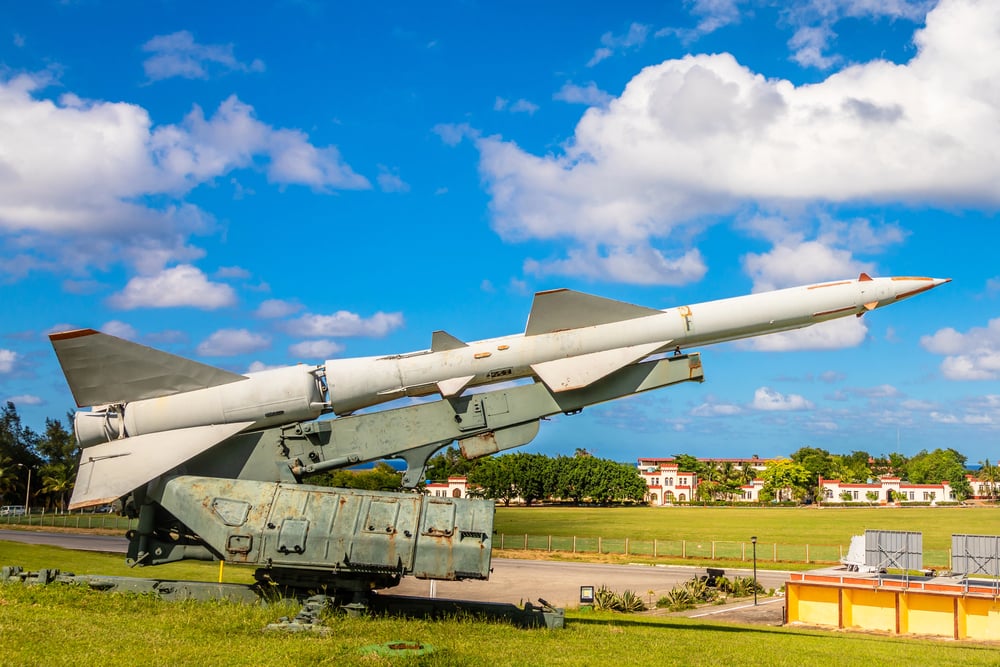
During the tensest thirteen days of the Cold War, a Soviet submarine near Cuba came under depth charge attack by American warships. The submarine commanders, thinking war had started, prepared to launch a nuclear torpedo.
Launch required approval from three officers—two agreed, but one, Vasili Arkhipov, refused. His single dissenting vote may have prevented nuclear escalation and saved millions of lives.
The Weather at Normandy

The D-Day invasion almost didn’t happen on June 6, 1944. General Eisenhower postponed the initial landing due to terrible weather.
His meteorologists then identified a narrow 36-hour window of improved conditions. Had this brief favorable window not been spotted and utilized, the invasion might have been delayed by weeks, potentially giving Nazi Germany time to strengthen their Atlantic defenses.
The Byzantine Empire’s Lost Territory
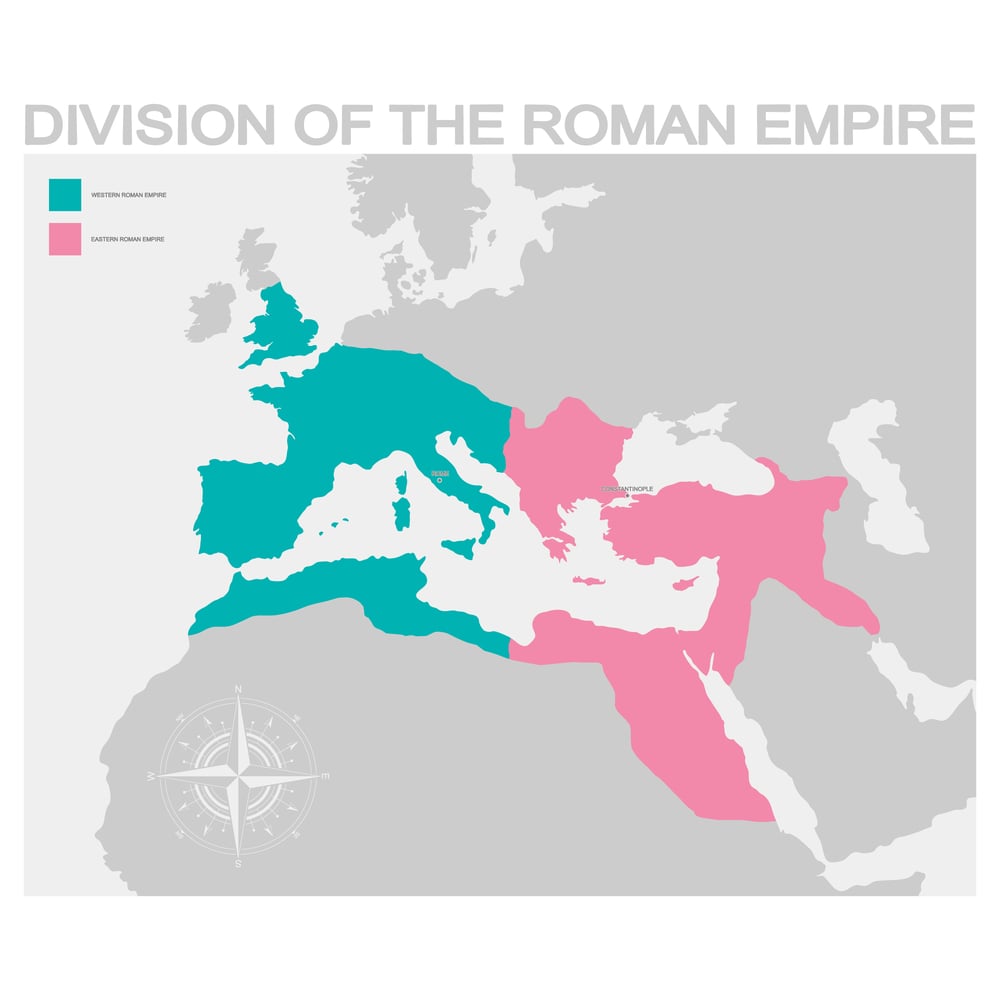
In the 7th century, the Byzantine Empire rapidly lost vast territories to Arab expansion, including Egypt, Syria, and North Africa. Had they managed to hold these agriculturally and culturally rich provinces, the entire development of Mediterranean civilization might have followed a different trajectory, potentially preventing the eventual fall of Constantinople in 1453.
Alexander’s Early Death
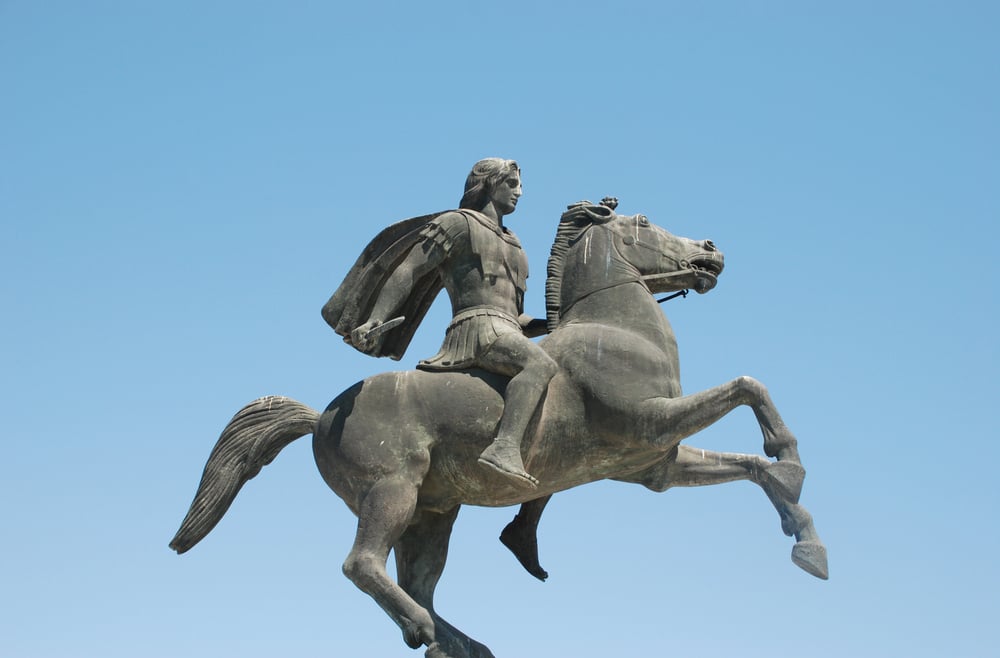
Alexander the Great died suddenly at age 32, with his vast empire stretching from Greece to India. Had he lived longer, he might have consolidated his conquests, potentially creating lasting institutional structures throughout Eurasia rather than having his territories fragment into competing states.
The entire development of Western and Middle Eastern civilizations might have followed a fundamentally different path.
The Black Death’s Path
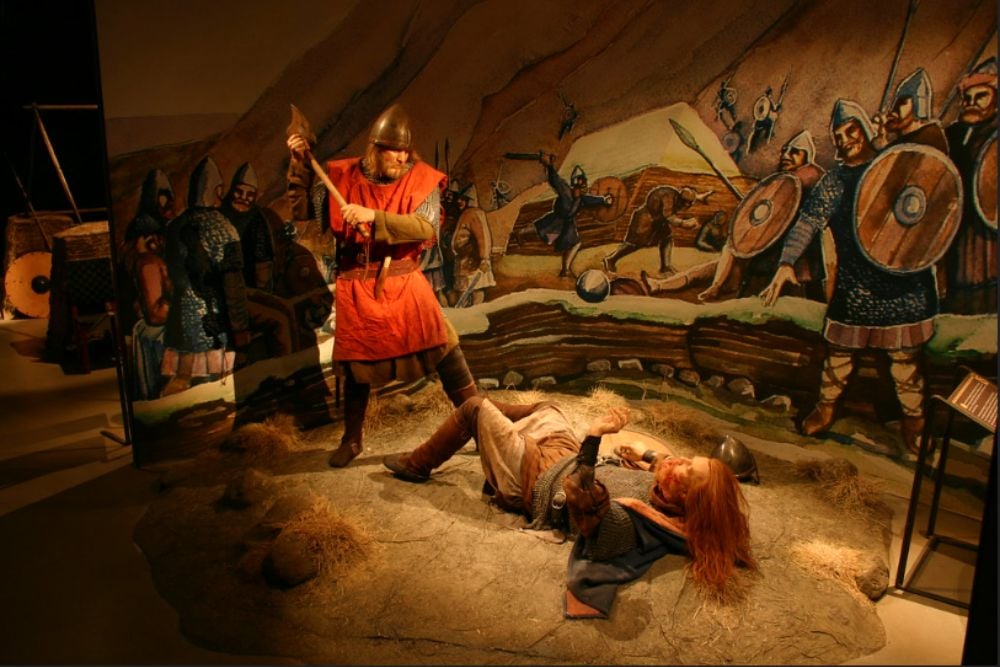
When the plague reached Europe in the 1340s, it killed approximately one-third of the population. The massive labor shortage that followed helped end feudalism as surviving workers gained bargaining power.
Had the plague taken a different route or had different mortality patterns, the economic and social transformations that helped launch the modern era might have been significantly delayed.
The Discovery of Penicillin

Alexander Fleming’s accidental discovery of penicillin in 1928 occurred because he left a petri dish uncovered near an open window. The mold that contaminated his sample produced a substance that killed bacteria.
Had this chance occurrence not happened, millions might have continued dying from bacterial infections throughout the 20th century, dramatically altering population patterns and healthcare development.
The Protestant Reformation’s Survival
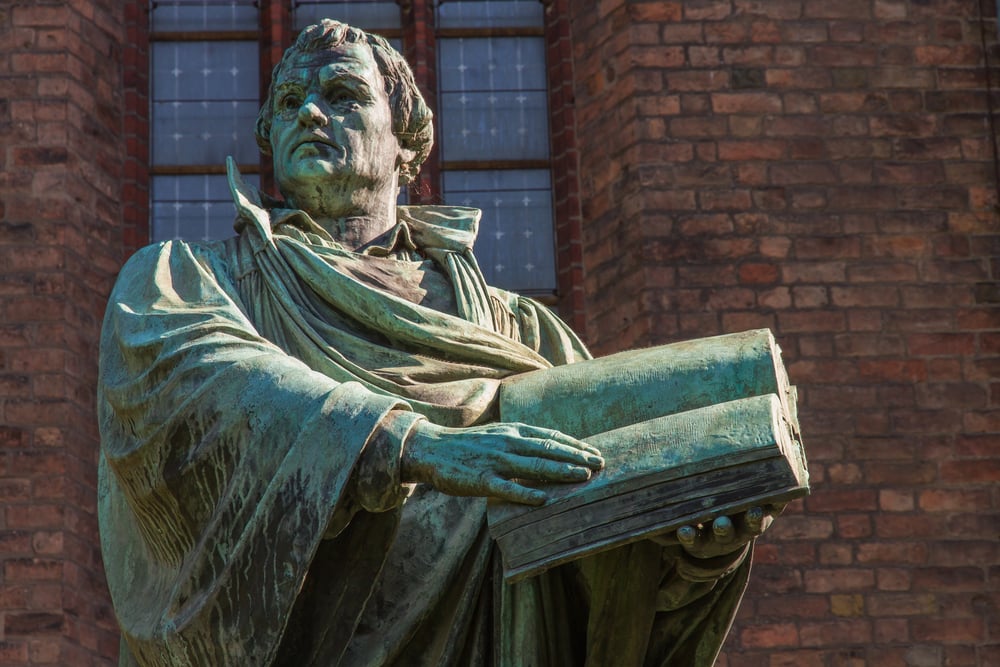
Martin Luther’s reformation movement nearly collapsed multiple times. When summoned to the Diet of Worms in 1521, he could have been executed for heresy. Instead, Frederick the Wise secretly protected him at Wartburg Castle.
Had Luther been killed, the Protestant movement might have been crushed, potentially preserving Catholic hegemony across Western Europe.
Columbus’s Navigation Error
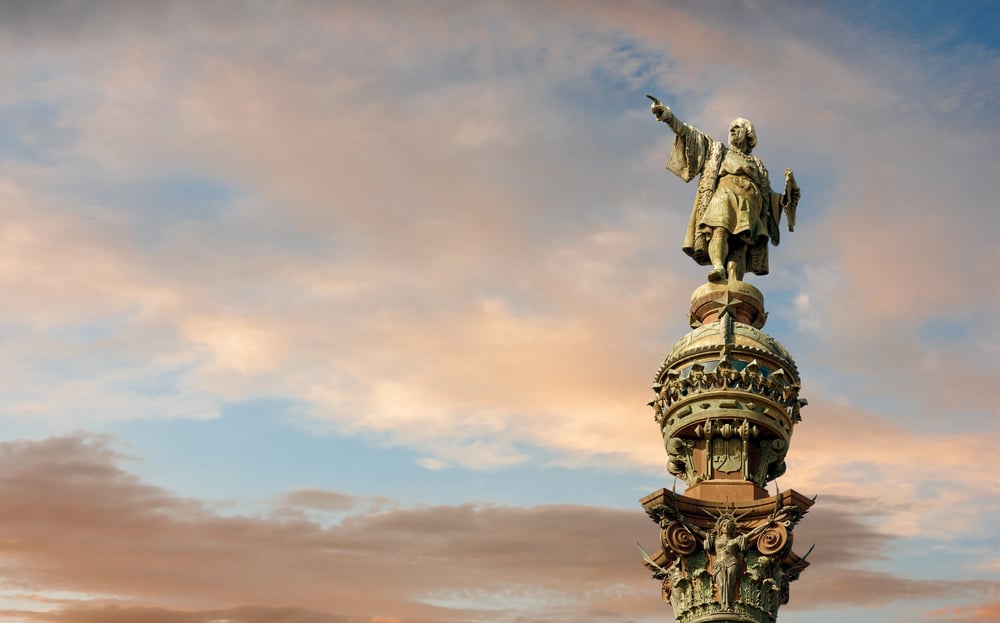
When Christopher Columbus set sail in 1492, he dramatically miscalculated Earth’s circumference, believing Asia was much closer westward than it actually was. Had he correctly understood the distance, his voyage would likely never have been attempted.
The Americas would have remained isolated from European contact longer, potentially giving indigenous civilizations more time to develop resistance to European diseases and military technology.
The American Revolution’s French Alliance
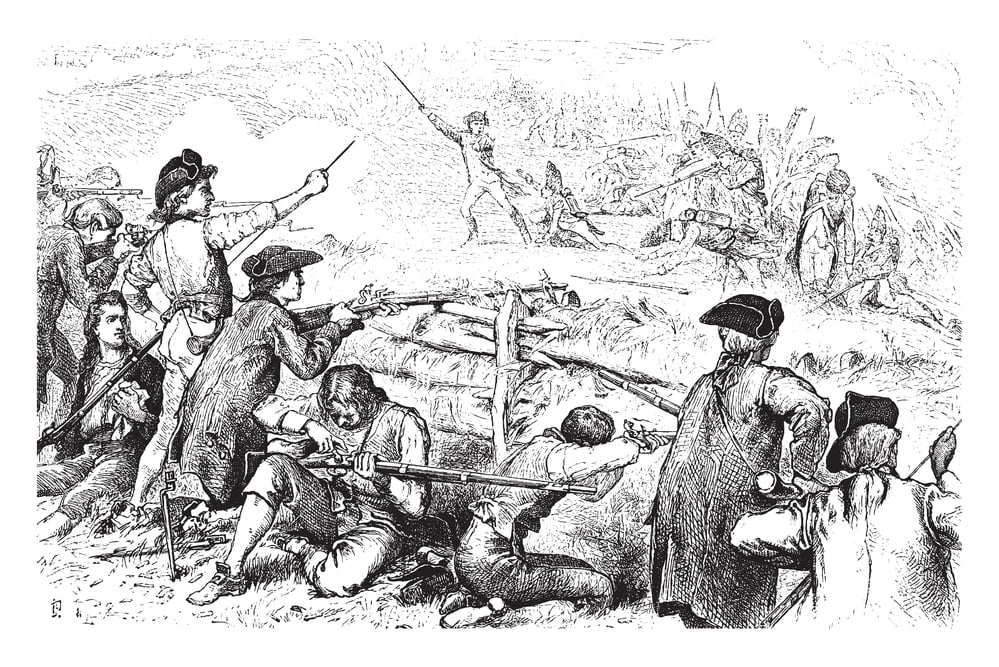
The American colonists very nearly lost their war for independence against Britain. The critical French alliance only materialized after the American victory at Saratoga in 1777, bringing essential financial support, naval power, and military expertise.
Without this intervention, the revolution might have failed, potentially keeping North America under European colonial control for decades longer.
The Assassination of Franz Ferdinand
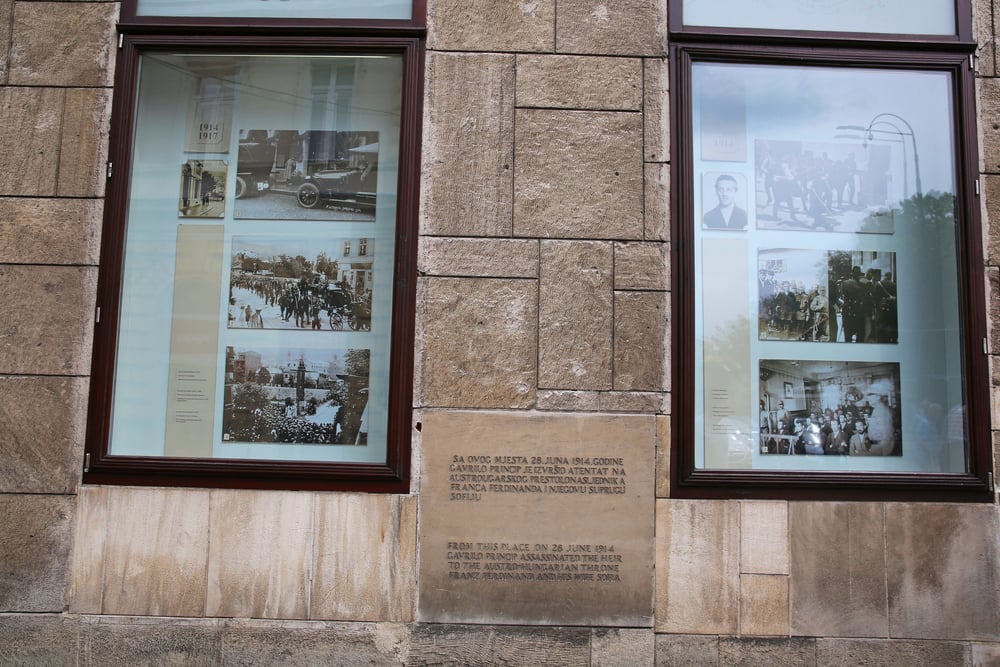
The trigger for World War I came down to a wrong turn taken by Archduke Franz Ferdinand’s chauffeur in Sarajevo on June 28, 1914. This error placed the royal couple directly in front of assassin Gavrilo Princip, who had given up after an earlier failed attempt.
This chance encounter sparked a conflict that killed 20 million people and redrew the global map.
The 1983 Soviet Nuclear False Alarm
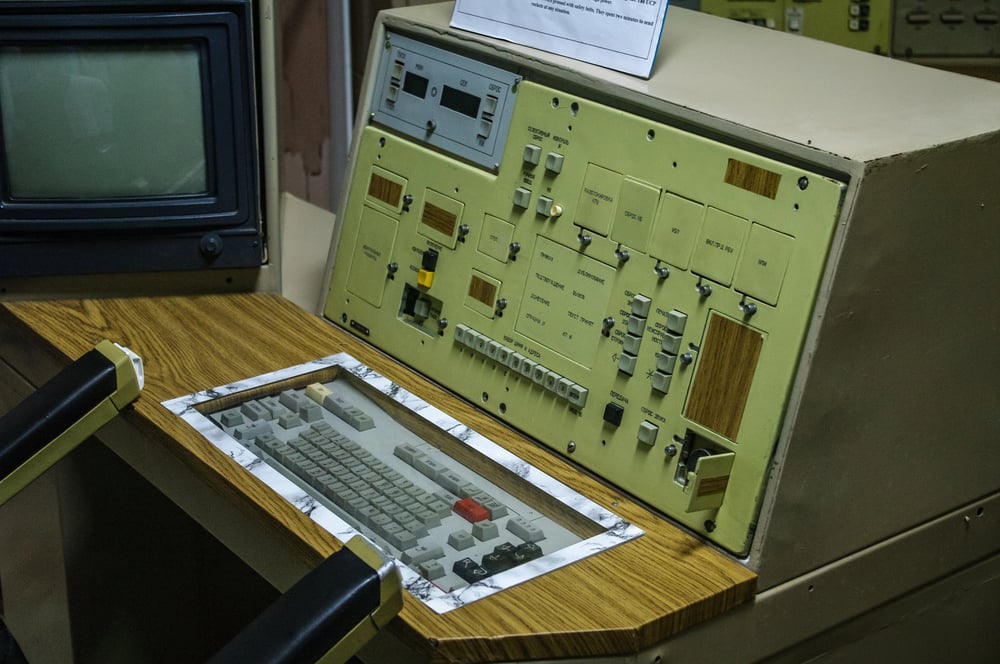
On September 26, 1983, Soviet officer Stanislav Petrov was on duty when the early warning system indicated five American nuclear missiles were heading toward the USSR. Following the protocol would have triggered a retaliatory strike.
Instead, Petrov judged it a false alarm, correctly suspecting a system malfunction. His split-second judgment likely prevented accidental nuclear war.
Genghis Khan’s Unification of Mongolia
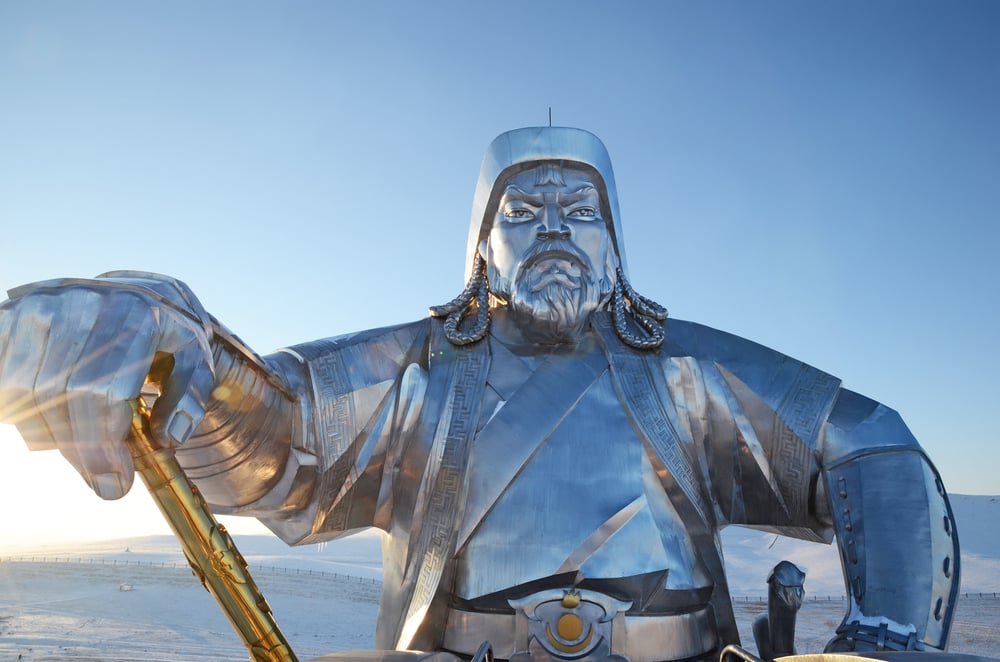
Before Genghis Khan, the Mongol tribes were fragmented and constantly battling each other. His extraordinary unification of these groups created the foundation for history’s largest contiguous land empire.
Had these tribes remained divided, world history would have unfolded very differently across Asia, the Middle East, and Eastern Europe.
The 1914 Christmas Truce
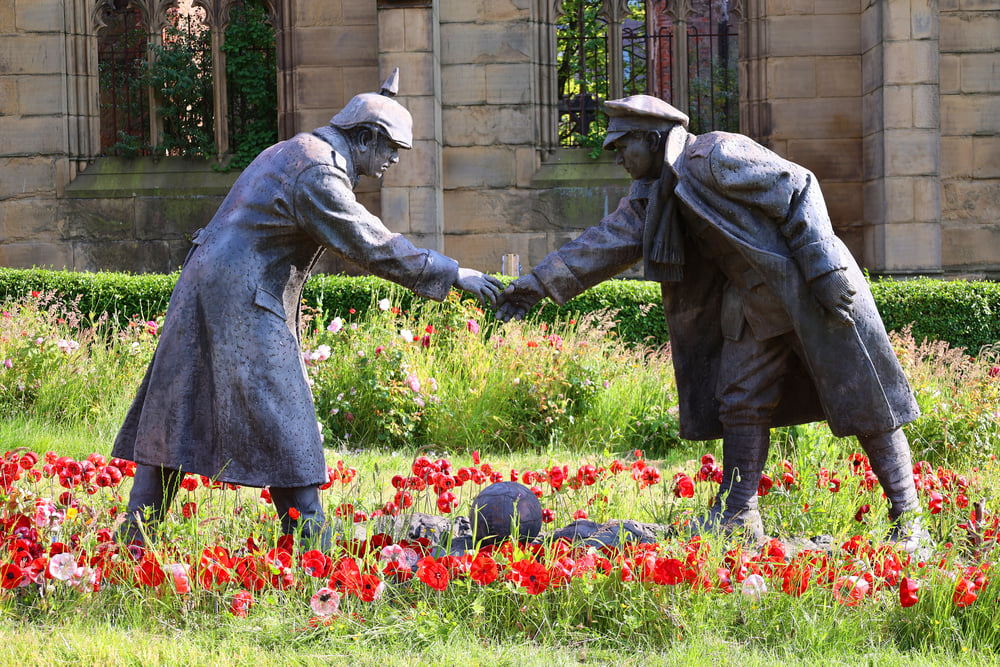
During the first Christmas of World War I, soldiers from both sides spontaneously stopped fighting along parts of the Western Front. They sang carols, exchanged gifts, and even played soccer in no man’s land. Military leadership quickly suppressed this fraternization, but had this goodwill spread and persisted, the war might have ended years earlier, potentially averting millions of casualties.
The Discovery of the Americas
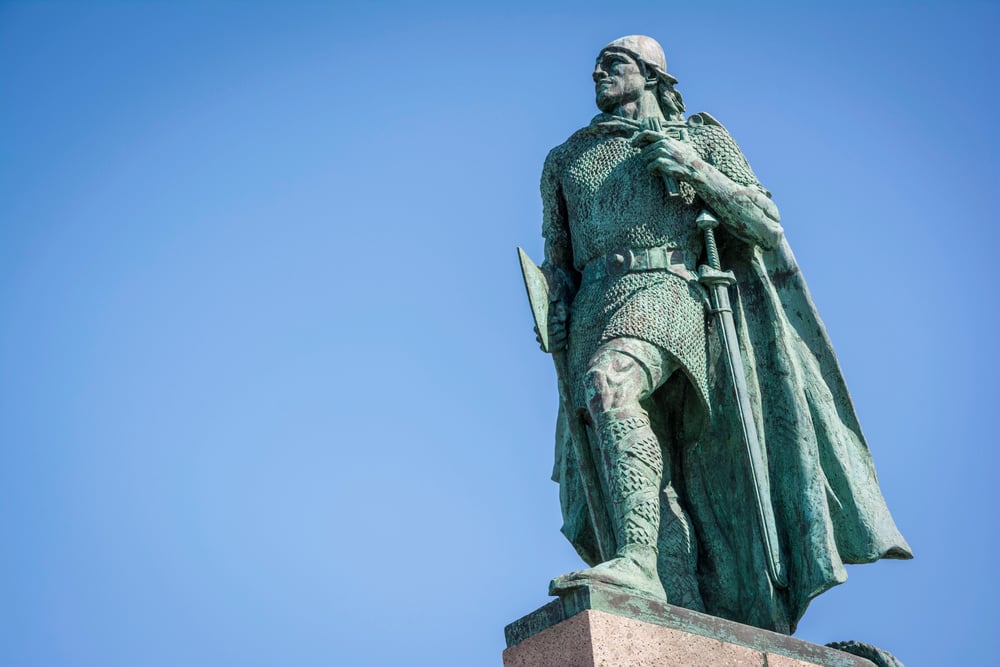
Norse explorer Leif Erikson reached North America around 1000 CE, nearly 500 years before Columbus. However, these early settlements didn’t lead to sustained contact.
Had the Norse established permanent colonies and trading networks, European technologies, diseases, and ideas might have spread gradually rather than suddenly, potentially allowing for very different cultural exchanges and development patterns.
The Survival of Infant Abraham Lincoln
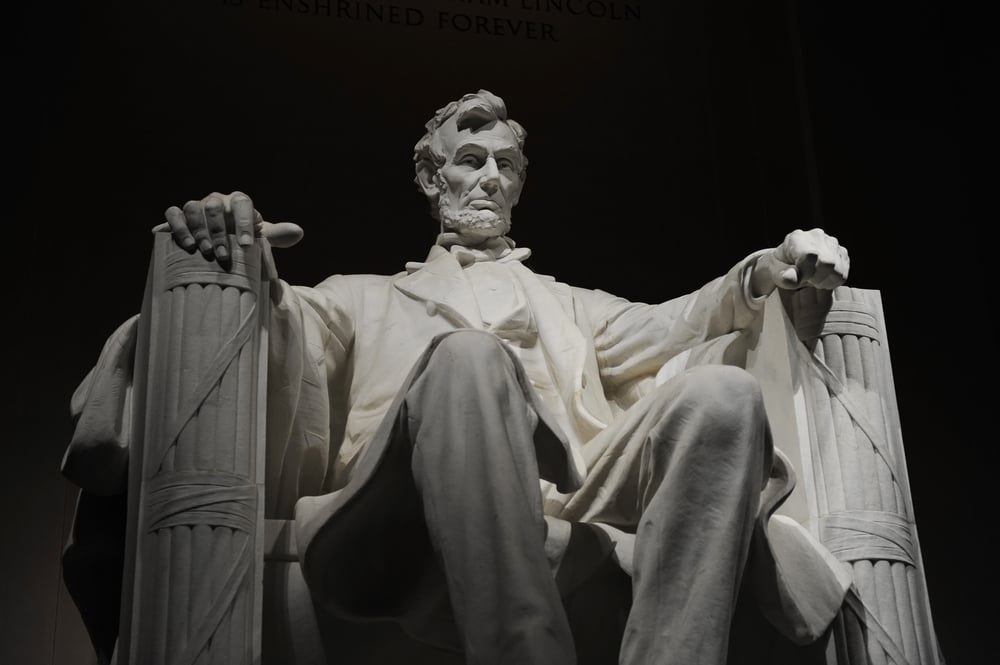
In 1816, young Abraham Lincoln was kicked in the head by a horse and was initially thought dead. Had this childhood accident been fatal, the course of American history would have dramatically changed.
The Civil War might have unfolded differently without his leadership, potentially resulting in a permanently divided nation or a very different resolution to the conflict over slavery.
The Ripples Through Time

These historical pivot points remind us that history isn’t predetermined. Small changes—a different weather pattern, a split-second decision, or a chance meeting—can cascade into entirely different futures.
Our present world exists because of countless such moments where history could have branched in radically different directions. What’s perhaps most humbling is recognizing that similar pivotal moments are happening right now, invisible to us until future historians identify them as the crossroads where everything changed.
The paths not taken remain fascinating ghosts of possibility, reminding us how contingent our reality truly is.
More from Go2Tutors!

- The Romanov Crown Jewels and Their Tragic Fate
- 13 Historical Mysteries That Science Still Can’t Solve
- Famous Hoaxes That Fooled the World for Years
- 15 Child Stars with Tragic Adult Lives
- 16 Famous Jewelry Pieces in History
Like Go2Tutors’s content? Follow us on MSN.



