Best-Selling Vehicles of All Time
Car sales numbers tell stories. They reveal what people want, what they can afford, and what survives the test of time.
Some vehicles rack up millions of sales over decades while others fade after a few years. The numbers don’t lie, and the vehicles that reach the top of the all-time charts got there by doing something right.
The Toyota Corolla Dominates Everything
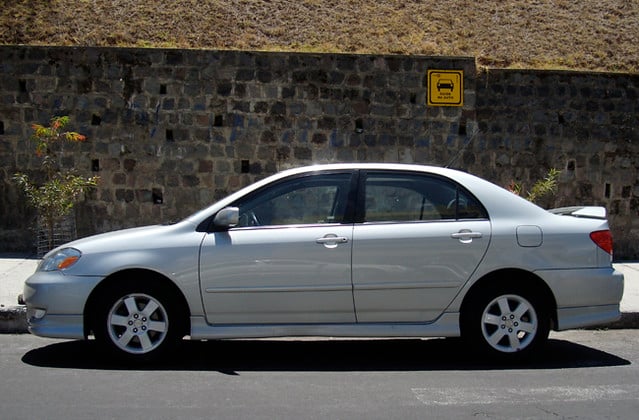
More than 50 million Corollas have been sold since 1966. That’s not a typo.
Fifty million. To put that in perspective, if you lined up every Corolla ever sold, they’d stretch around the Earth multiple times.
The Corolla became the world’s best-selling car by being reliable, affordable, and available almost everywhere on the planet. Toyota keeps updating it.
Twelve generations have come and gone, each one adapting to whatever buyers need at that moment. The Corolla works in dense Asian cities where parking is scarce.
It works for American commuters grinding through rush hour. It works for families in South America who need something dependable.
That flexibility across markets explains the staggering sales total. The Corolla never tries to be flashy.
It delivers solid fuel economy, low maintenance costs, and years of trouble-free driving. People buy a Corolla when they want transportation that just works.
And millions keep choosing it year after year.
Ford F-Series Rules North America
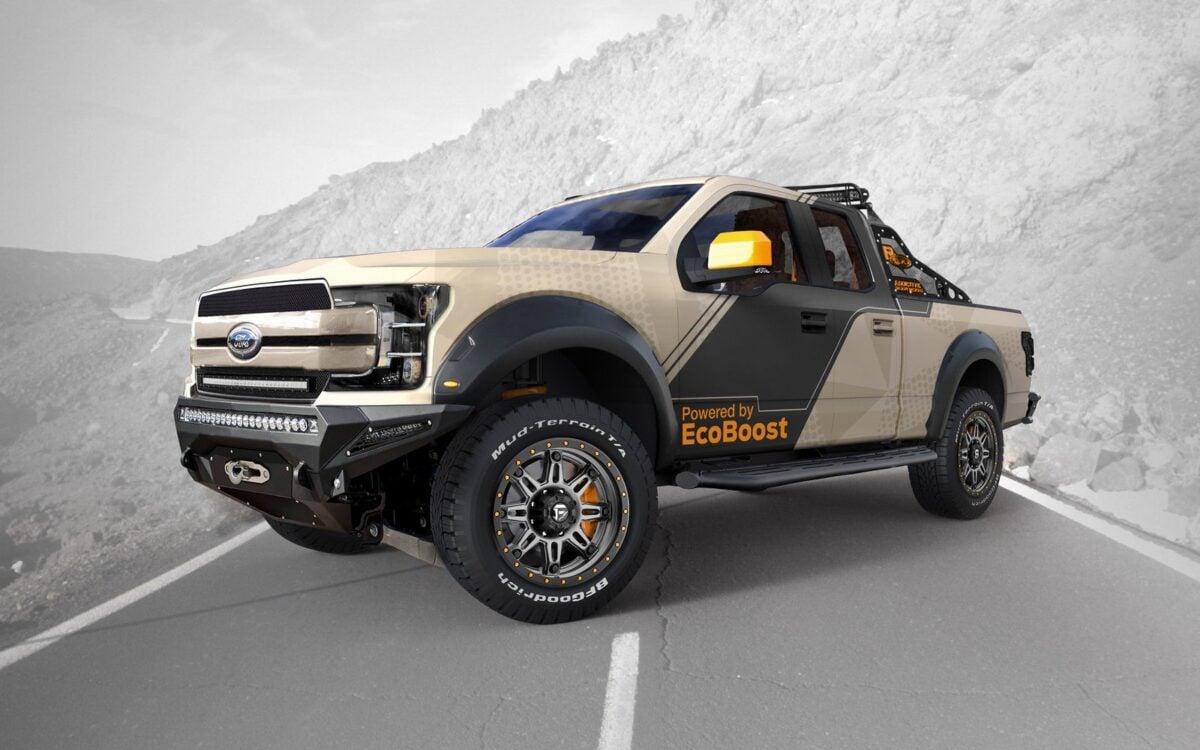
The Ford F-Series has sold more than 41 million trucks since 1948. In the United States, it’s been the best-selling vehicle for over four decades straight.
That dominance isn’t about to end either. Americans buy an F-Series truck every 49 seconds.
The F-150 makes up most of those sales. Contractors use it to haul equipment to job sites. Families use it to tow campers on weekend trips.
Farmers use it to work their land. The truck adapts to whatever role you need it to fill. Ford keeps expanding the options too.
You can get a basic work truck or a luxury model loaded with leather seats and advanced tech.
The F-Series works because Ford listens to what truck buyers want. They made the beds longer when customers asked for more cargo space.
They added bigger cabs when families wanted more seating. The constant evolution keeps the F-Series relevant generation after generation.
Volkswagen Golf Defines European Driving
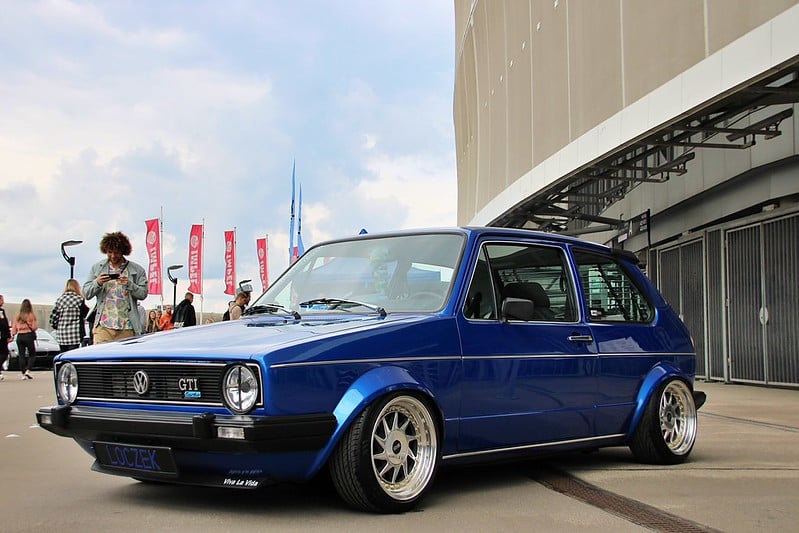
Thirty-five million Volkswagen Golfs have been sold worldwide since 1974. In Europe, the Golf became more than just a popular car. It became a cultural reference point.
Everyone knows what a Golf is. Everyone has probably ridden in one at some point.
The Golf handles well, fits in tight parking spots, and gets decent fuel economy. It’s practical without being boring.
The GTI performance version proved the Golf could be fun too. That combination of practicality and driving enjoyment resonated with European buyers for five decades.
Eight generations have refined the formula. The basics stay the same but each version gets better technology, improved safety features, and more efficient engines.
The Golf remains a staple in European driveways because it consistently delivers what buyers expect from a compact car.
The Volkswagen Beetle Captured Hearts
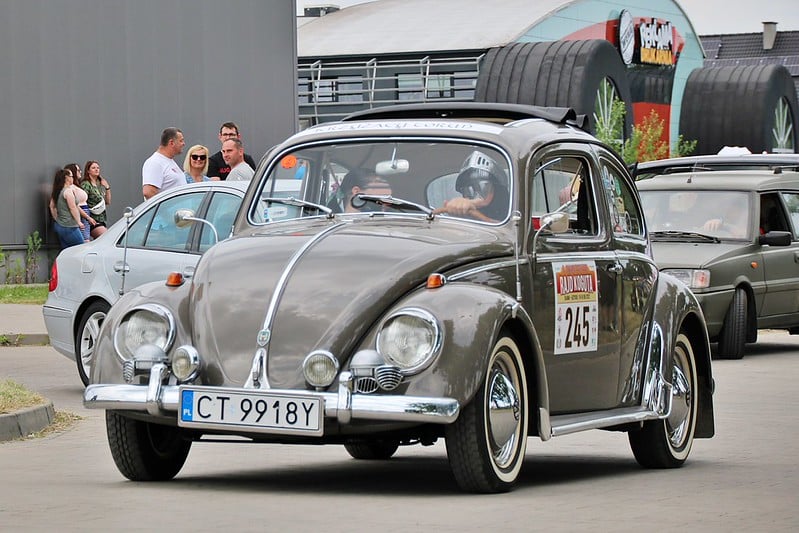
Twenty-one million Beetles rolled off production lines during its remarkably long run. The original People’s Car became an icon that transcended transportation.
People developed emotional connections to the Beetle’s distinctive rounded shape and friendly appearance. The Beetle didn’t change much over decades of production.
That consistency became part of its appeal. You knew exactly what you were getting.
The simple design made repairs straightforward and parts easy to find. In developing countries, Beetles kept running long after other cars would have been scrapped.
Production continued in Mexico until 2003, decades after European production ended. The Beetle proved that simple, honest transportation could win over millions of buyers across vastly different markets and time periods.
Honda Civic Built a Global Following

Twenty-four million Civics have found homes since the early 1970s. Honda nearly abandoned cars to focus on motorcycles before the Civic launched.
Good thing they didn’t. The Civic became Honda’s foundation in the automotive world.
Buyers appreciate the Civic’s blend of efficiency, reliability, and decent performance. The car gets you where you’re going without drama.
It doesn’t break down. Parts don’t cost a fortune when something eventually does need replacing.
Those qualities keep people coming back when it’s time for their next car.
The Civic also built a strong following among enthusiasts. The Si models and Type R variants showed the Civic could deliver genuine driving excitement when tuned properly.
That dual appeal to both practical buyers and driving enthusiasts expanded the Civic’s reach.
Volkswagen Passat Served Business Fleets

The Passat has moved 23 million units since 1973. In Europe, the mid-size sedan became a favorite of company car fleets.
Sales reps drove Passats between client meetings. Business travelers rented them at airports.
The Passat became synonymous with reliable business transportation. The car offers more space than compact models without being unwieldy in cities.
Diesel versions delivered excellent fuel economy for long highway runs. The quality felt solid and the design stayed conservative.
Those attributes made the Passat a safe choice for fleet managers ordering vehicles by the hundreds. Five generations kept the formula fresh enough to stay relevant.
The Passat never aimed to be the most exciting car on the road. It aimed to be dependable, comfortable, and professional.
For millions of buyers, that was exactly what they needed.
Honda CR-V Pioneered Practical SUVs
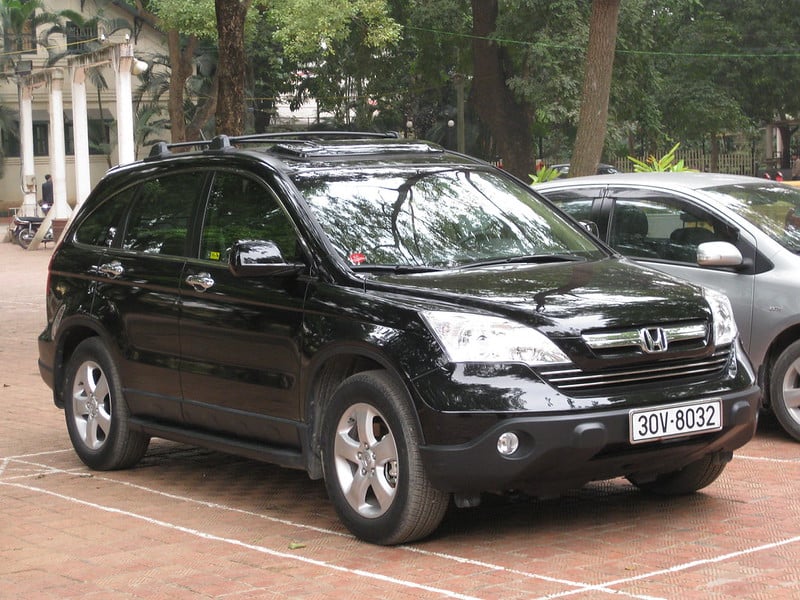
The Honda CR-V consistently ranks among the world’s best-selling vehicles. Its blend of car-like handling, decent fuel economy, and SUV versatility created a template other manufacturers rushed to copy.
The CR-V proved you could have an SUV that didn’t drive like a truck. Families appreciate the generous cargo space and comfortable seating.
The CR-V swallows groceries, sports equipment, and weekend luggage without complaint. The elevated seating position gives drivers better visibility without requiring a ladder to climb inside.
Those practical advantages keep the CR-V popular across multiple markets. Recent generations added hybrid powertrains, further improving fuel efficiency.
The CR-V keeps adapting to what buyers want while maintaining the core attributes that made it successful in the first place.
Toyota RAV4 Leads the SUV Surge

The RAV4 became the world’s best-selling SUV. Sales keep climbing as more buyers shift from sedans to crossovers.
The RAV4 hits the sweet spot of size, offering enough space for families without being too large for daily driving. All-wheel drive comes standard on many models, providing confidence in bad weather.
The powertrain options include efficient hybrids that deliver impressive fuel economy for a vehicle this size. The RAV4 works equally well for urban commuters and weekend adventurers heading to the mountains.
Toyota’s reputation for reliability transfers directly to the RAV4. Buyers trust it will last.
That peace of mind, combined with practical features, explains why the RAV4 keeps setting sales records year after year.
Chevrolet Silverado Fights for Truck Supremacy

The Silverado consistently ranks second or third in U.S. truck sales. When combined with its mechanical twin, the GMC Sierra, General Motors actually outsells Ford in the full-size truck segment.
But Chevy and GMC report sales separately, allowing Ford to claim the individual sales crown. The Silverado offers similar capabilities to the F-Series.
It hauls heavy loads. It tows big trailers.
It handles rough terrain. The differences come down to styling preferences and brand loyalty more than capability gaps.
Chevy truck buyers stick with Chevy. Ford buyers stick with Ford.
Competition between the Silverado and F-Series benefits consumers. Both companies keep adding features and improving their trucks to maintain their market positions.
That rivalry has made modern pickup trucks more capable and comfortable than ever.
Ford Fiesta Conquered Europe

More than 16 million Fiestas have been sold since 1976. The small car became a fixture on European roads, consistently ranking among the region’s top sellers year after year.
The Fiesta mastered the art of being small but not cheap-feeling.
The car delivers nimble handling that makes navigating narrow city streets almost fun. Parking becomes easy when your car is this compact.
Fuel economy stays excellent even with spirited driving. The Fiesta proved small cars could be enjoyable, not just economical.
Ford eventually introduced the Fiesta to other markets with varying success. But in Europe, it remained a dominant force in the small car segment for decades.
The Fiesta understood what European buyers wanted and delivered it consistently across eight generations.
Lada Classic Served the Soviet Bloc

The Lada Classic sold at least 17.75 million units over a 42-year production run. Based on the Fiat 126, this car became the standard transportation for the Soviet Union and Eastern Bloc countries.
The design changed little over those four decades. The Lada prioritized simplicity and durability over comfort or performance.
Parts were basic and repairs straightforward. In harsh climates and on rough roads, that simplicity proved valuable.
The car kept running when more sophisticated vehicles couldn’t. The collapse of the Soviet Union didn’t immediately end production.
Lada production continued for years afterward, with some versions still being built well into the 2000s. The Classic represents a fascinating chapter in automotive history, showing how a basic design could serve millions across vastly different economic and political systems.
Opel/Vauxhall Corsa Competed Hard

Eighteen million Corsas have been sold since its 1982 debut. The small car competed directly against the Ford Fiesta and VW Polo in European markets.
Despite arriving later than its rivals, the Corsa found its audience and kept selling strongly for decades. The Corsa came in multiple body styles and with various engine options.
Buyers could choose practicality or sportier versions with more power. That flexibility helped the Corsa appeal to different types of customers across different markets.
Badge engineering also meant the same car sold under various names depending on the country.
The Corsa continues as a core model for Opel today. Five generations have kept the formula fresh while maintaining the car’s position in the competitive European small car segment.
Tesla Model Y Breaks the Mold

The Model Y became the first electric vehicle to lead global annual sales in 2023. That milestone marked a turning point in automotive history.
An electric vehicle, from a relatively young company, outsold established nameplates with decades of heritage. The Model Y achieved 1.22 million sales that year despite being unavailable in many emerging markets.
Its success came primarily from North America, Europe, and China. The electric SUV proved buyers would embrace EVs when the product met their needs for range, performance, and practicality.
Tesla’s direct sales model and over-the-air updates gave the Model Y advantages traditional manufacturers couldn’t easily replicate. The success pressured established automakers to accelerate their own electric vehicle programs.
Whether the Model Y can maintain this momentum remains to be seen, but its impact on the industry is undeniable.
What These Numbers Mean

Sales numbers count – they reveal what truly clicks out there. Sure, design prizes or glowing reviews feel good; yet when huge crowds spend cash, that’s where honesty lives about which cars really offer worth.
The most popular cars have something in common. Reliability keeps popping up – no surprise there.
Practicality does too. These models tackle everyday needs head-on.
Get you to the office on time. Haul the kids around town.
Carry whatever you need, when you need it. All while staying tough and cheap to fix.
Here’s a curious thing – markets value totally different traits. In America, folks go for pickup trucks. In Europe, compact cars are the top pick.
To hit big worldwide, vehicles must adapt to these varied tastes somehow.
Looking at What Endures

The cars here come from many different eras. A few are still rolling off assembly lines now. Some ended production a while back.
Yet each one showed it could shift gears when customer needs shifted. Tech moves fast.
Meanwhile, gas costs jump around. On top of that, safety rules get stricter.
At the same time, people worry more about nature. Even so, popular trucks adapt to meet shopper needs no matter what shifts happen.
Because they change carefully, their main strengths stay strong just like before. Perhaps the strangest part about these top sellers?
How ordinary they seem. Not flashy. Not stunning.
Just solid at doing their thing. Seems like – somehow – that’s what tons of folks out there actually want.
More from Go2Tutors!

- The Romanov Crown Jewels and Their Tragic Fate
- 13 Historical Mysteries That Science Still Can’t Solve
- Famous Hoaxes That Fooled the World for Years
- 15 Child Stars with Tragic Adult Lives
- 16 Famous Jewelry Pieces in History
Like Go2Tutors’s content? Follow us on MSN.



